Here’s the thing about summer hiking: your feet are going to take a beating, and the wrong shoes will make every mile feel twice as long. I’ve learned this the hard way on countless trails, nursing blisters that could have been avoided with better footwear choices.
The right hiking shoes need to balance breathability with protection, keeping your feet cool without leaving them vulnerable to rocks and roots. You’re looking for a partner that’ll handle everything from dusty switchbacks to creek crossings.
Let’s break down what actually matters when you’re standing in the store (or scrolling through options online) trying to decide which pair deserves a spot in your pack.
Understanding the Importance of Breathability in Summer Hiking Shoes
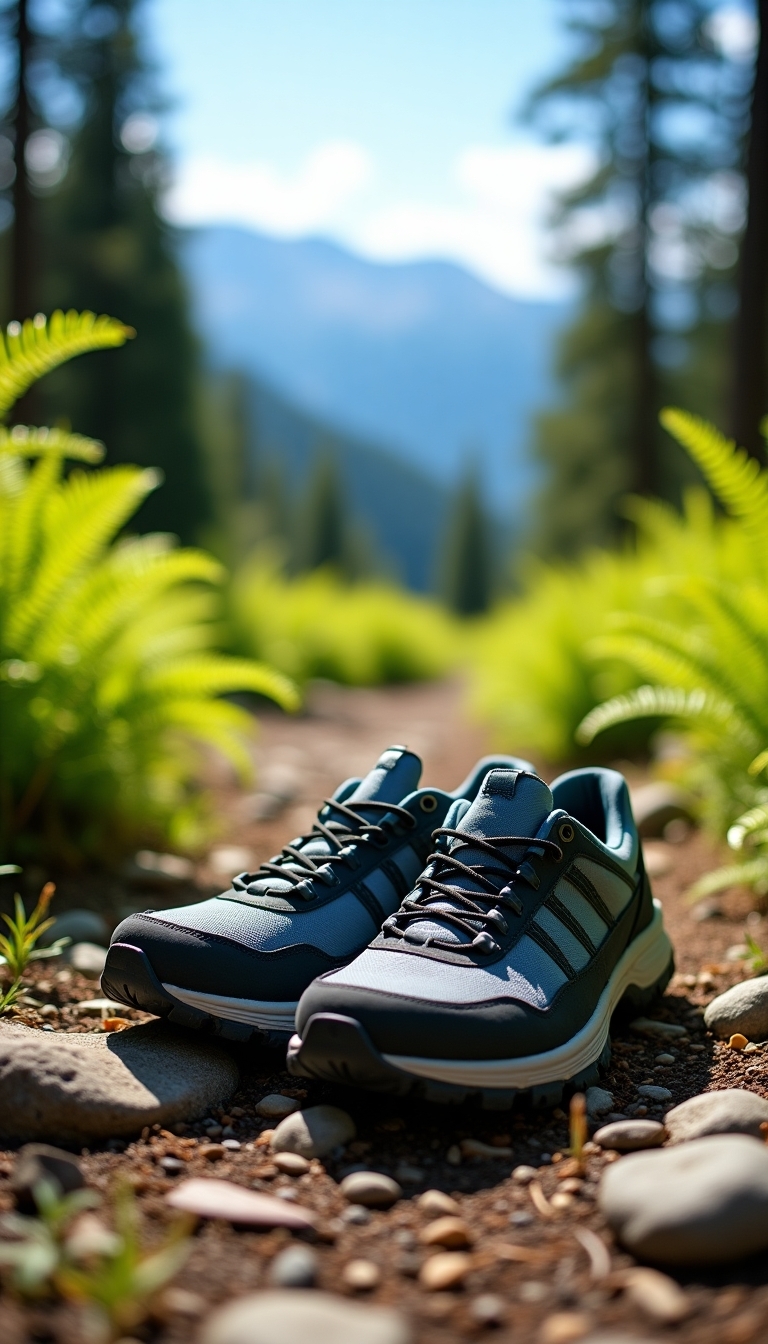
Summer trails turn your hiking boots into miniature saunas if you’re not careful about ventilation. Breathable materials like lightweight mesh and merino wool allow air to flow around your feet, which means less sweat and fewer blisters forming on those long ascents.
I always check lab ratings when I’m considering new shoes, and the Merrell Moab 3’s 4/5 breathability rating tells me it’s a solid performer. Skip waterproof options for summer hiking unless you’re constantly crossing streams, because those membranes trap heat and make your feet feel like a swamp.
Evaluating Ankle Support: Low-Cut vs. High-Cut Shoes
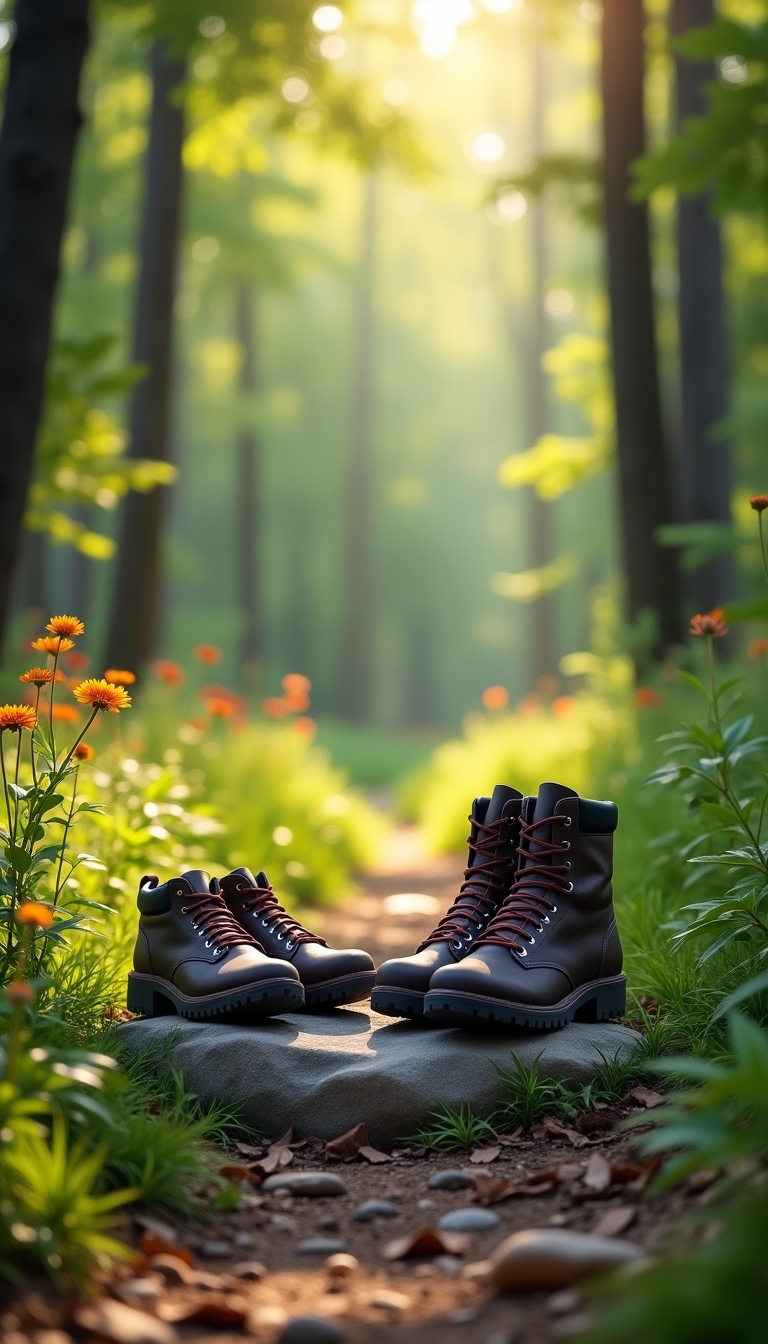
The ankle support debate comes down to where you’re actually hiking and what your ankles can handle. Low-cut shoes give you freedom of movement and work beautifully on well-maintained trails where you’re not fighting through talus fields or scrambling over boulders.
When the terrain gets gnarly, though, high-cut boots like the Oboz Bridger Mid B-Dry become worth their weight by protecting your ankles from twisting and keeping debris out. The tradeoff is real: you’ll sacrifice some agility and carry extra weight, but on technical trails, that stability keeps you moving confidently instead of picking your way nervously across every rock face.
Selecting the Right Traction for Various Terrains
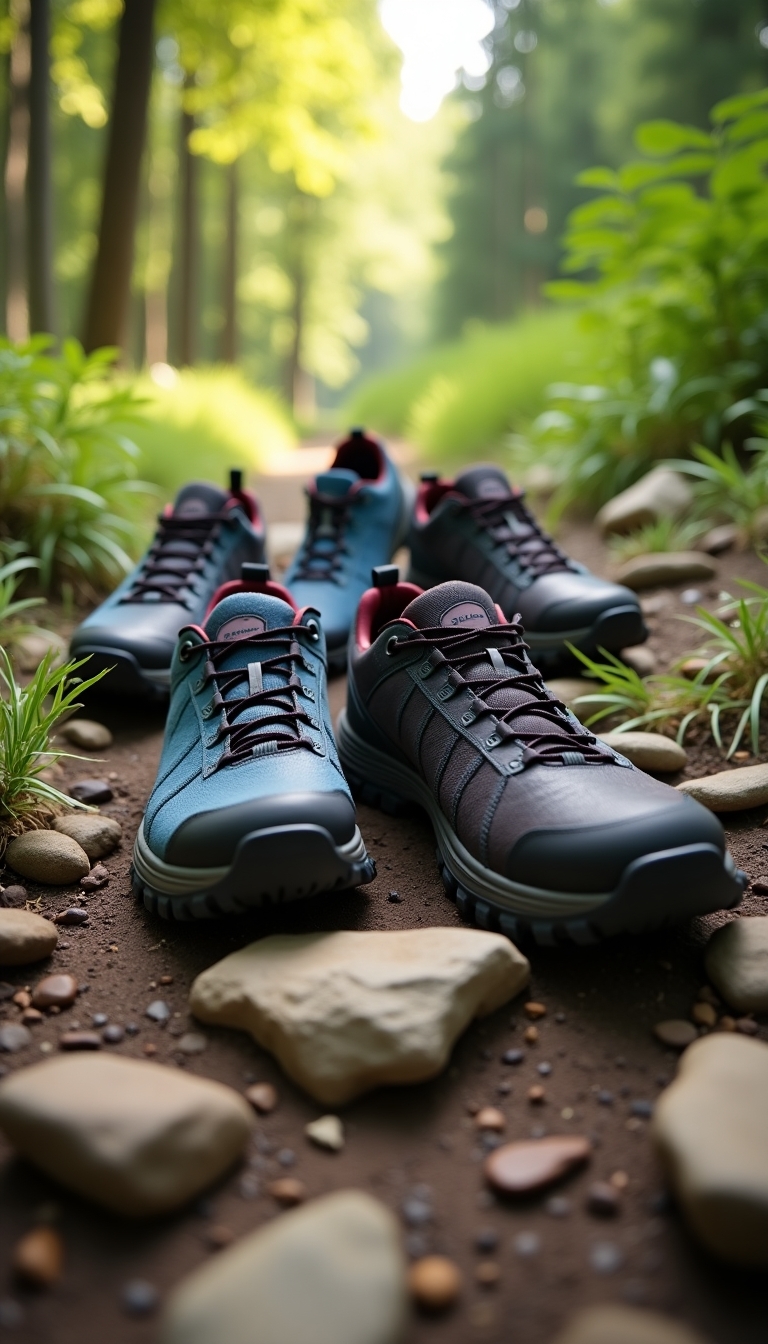
Traction is where a lot of hikers get it wrong because they think one outsole pattern works everywhere. Rocky trails demand aggressive lugs and a stiff midsole that won’t fold when you’re stepping on uneven edges, giving you the platform you need for technical moves.
Muddy conditions call for self-cleaning tread patterns that shed gunk instead of turning your soles into slippery platforms. Match your shoe’s grip to the terrain you actually hike on, rather than choosing the most aggressive option; overkill on smooth trails just adds unnecessary weight and stiffness.
Comfort and Cushioning: Key to Enjoyable Long Hikes
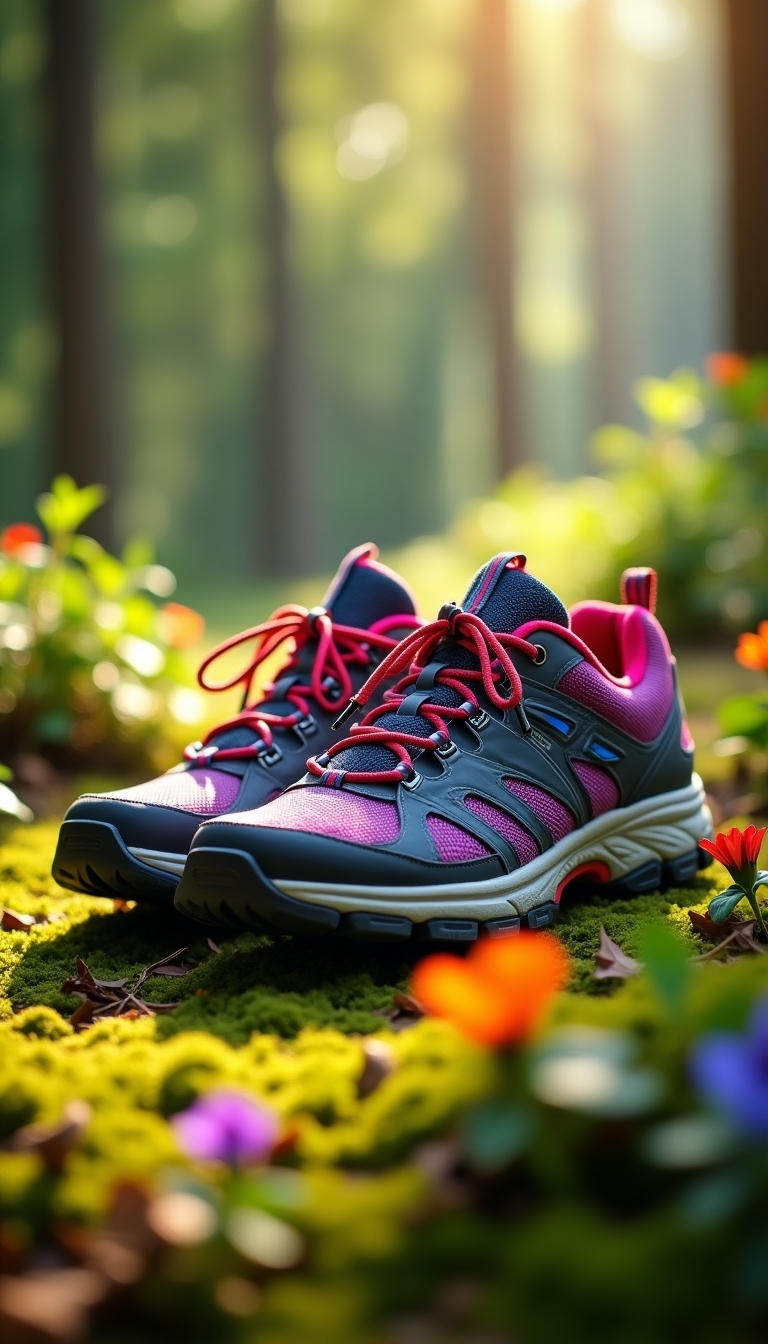
Mile ten is where cheap cushioning reveals itself, leaving your feet aching and your motivation tanking. EVA midsoles and newer “cloud” technologies absorb the repeated impact of thousands of steps, keeping your feet fresh even with hours left on the trail.
The Hoka Anacapa 2 Low GTX pairs its Vibram Megagrip outsole with generous cushioning, delivering both traction and comfort. Look for dual-density midsoles that balance soft cushioning underfoot with firmer support along the edges, as this combination delivers both comfort and stability without compromise.
Budget-Friendly Options for Women Hikers
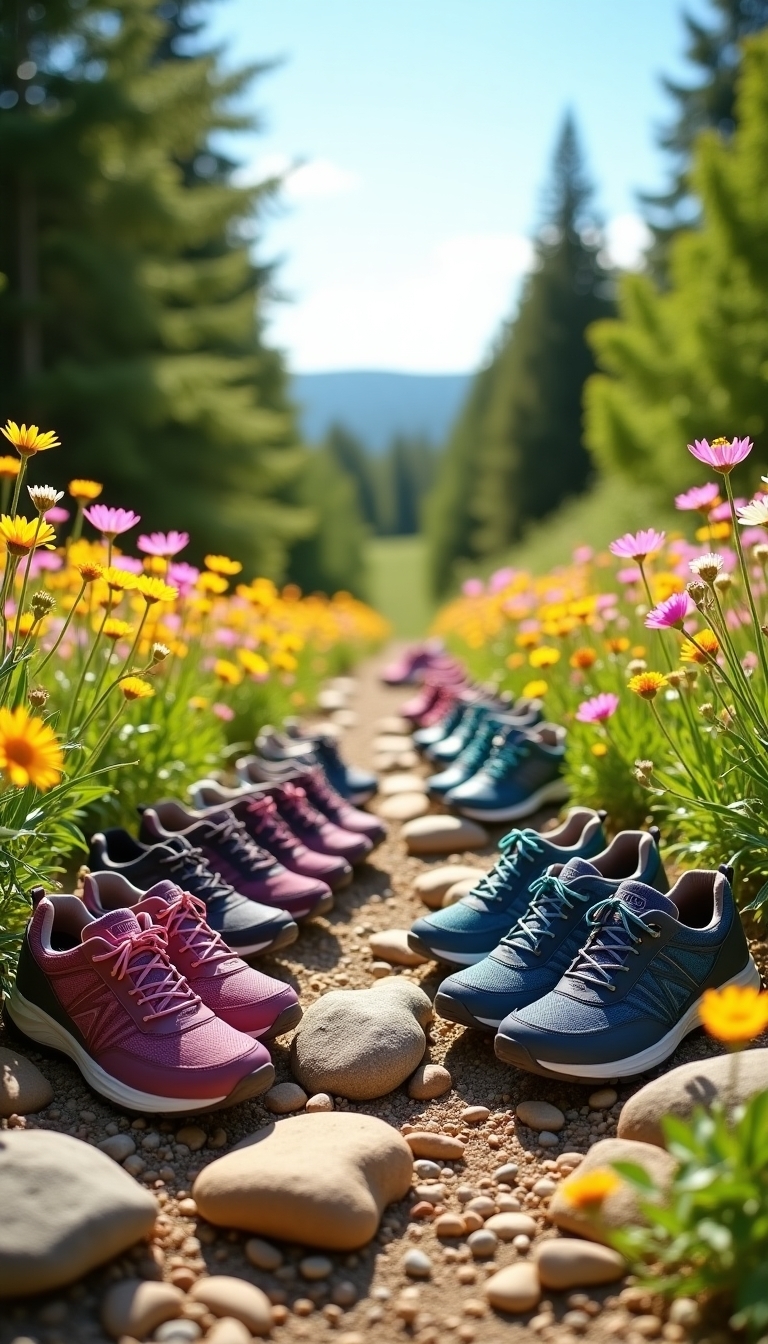
Quality hiking shoes don’t require a second mortgage, and the $120 Merrell Moab 3 proves you can get excellent performance without premium pricing. The Vasque Horizon Low drops even lower at around $98 and includes waterproofing, which is useful if you’re hiking in areas with afternoon thunderstorms.
REI regularly marks down the Bravada 2 to about $83, making it an absolute steal for beginner hikers or anyone building out a second pair for rotation. Consider the conditions you’ll face most often: breathable shoes like the Merrell Moab Speed 2 for hot, dry trails, or burlier options like the Oboz Sawtooth X Low when you’re dealing with rocky, technical terrain.
Essential Accessories to Enhance Your Summer Hiking Experience
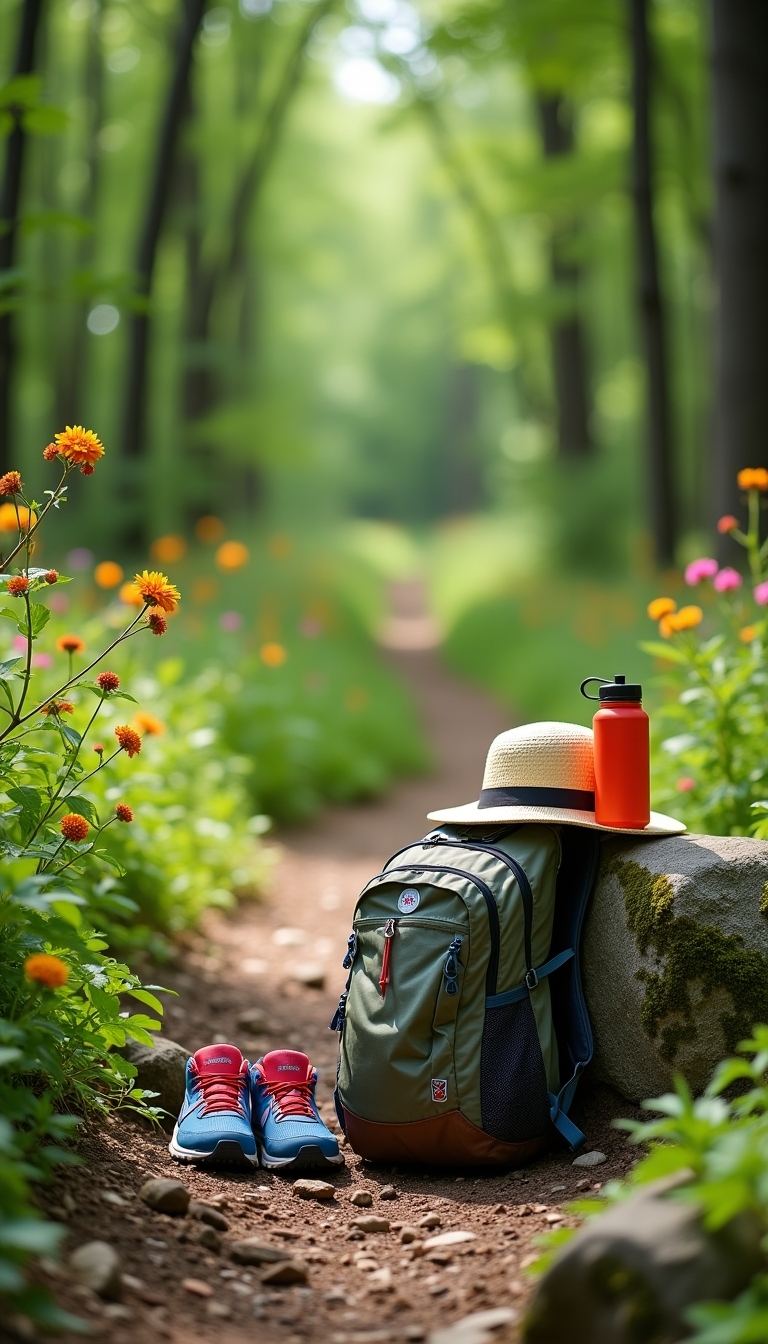
The right accessories transform a good hike into a great one, starting with moisture-wicking socks that prevent blisters before they start. Lightweight, breathable tops and convertible pants handle temperature swings better than any single-purpose clothing item, letting you adapt as you gain elevation or the afternoon heat builds.
A hydration pack keeps water accessible without breaking your stride, while sunscreen and insect repellent handle the environmental annoyances that can derail your enjoyment. Trekking poles deserve serious consideration if you’re covering serious miles, because they take pressure off your knees and improve your stability on descents.
My take…
Finding the right hiking shoes can feel overwhelming until you focus on what matters most for your trails. Breathability keeps summer hikes pleasant, proper traction keeps you safe, and good cushioning keeps you moving when other hikers are limping back to the trailhead.
Low-cut shoes work well on maintained trails, while high-cut boots are preferred on rougher terrain where ankle protection matters. Budget options like the Merrell Moab 3 deliver solid performance without breaking the bank, proving that smart choices beat expensive ones every time.