
Buying a camping tent sounds simple until you actually start shopping. Suddenly, everything is labeled “4-season,” “ultralight,” “instant,” or “weather-rated,” and somehow every tent claims to be perfect for everyone.
The good news is you don’t need the most expensive or technical tent to have a great camping trip. You just need the right tent for the way you camp. This guide breaks everything down in plain language so you can choose confidently, whether you’re camping solo, with kids, or somewhere in between.
Understand Your Camping Style First
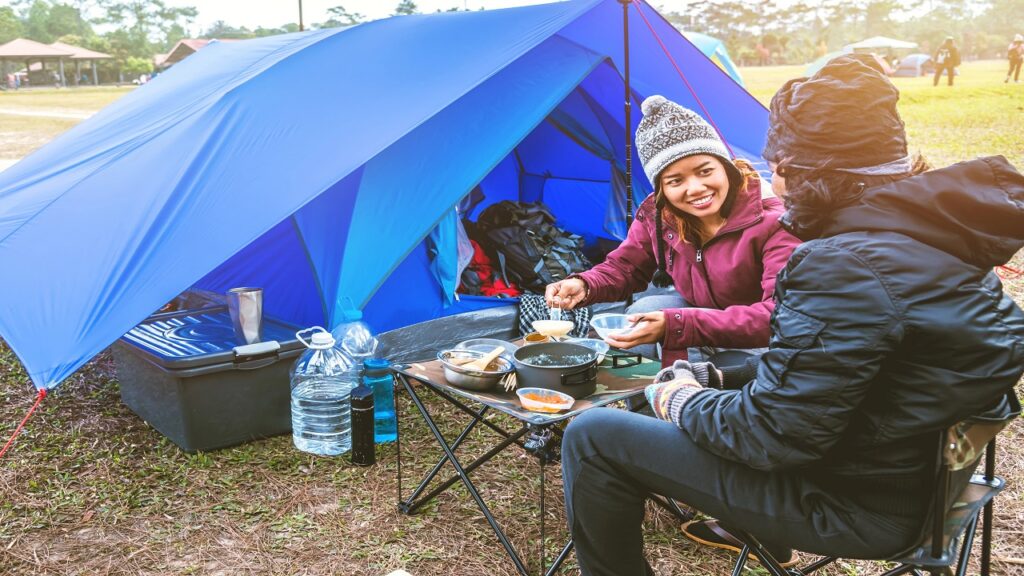
Before you look at tent brands, sizes, or prices, take a minute to think about how you actually camp. This one step will save you from buying a tent that looks great online but feels wrong the moment you use it.
Car Camping vs Backpacking vs Backyard or Festival Camping
Before you look at tent brands, sizes, or prices, think about how you actually camp. Car camping gives you the most flexibility since your car is nearby, so you can choose a larger, heavier tent with taller ceilings and bigger doors.
Backpacking is the opposite because every pound matters, which means you need lightweight, compact tents, even if that means less space inside. Backyard or festival camping sits somewhere in between, where setup speed and comfort usually matter more than weather performance or long-term durability.

Who you’re camping with changes everything, too. Solo campers often enjoy a little extra room for gear and comfort, even if the tent technically fits two. Couples usually want space to move without climbing over each other, which makes door placement and layout important.
A tent for a one-night weekend trip doesn’t need to do as much as one you’ll live in for several days. Short trips prioritize easy setup and pack-up, while extended stays benefit from better ventilation and enough space to stay comfortable if the weather turns bad.
If you plan to spend time inside your tent reading, changing clothes, or waiting out the rain, comfort becomes just as important as shelter. When your tent matches how you camp, it feels effortless instead of frustrating.
Tent Capacity Explained (Why “4-Person” Rarely Means 4)
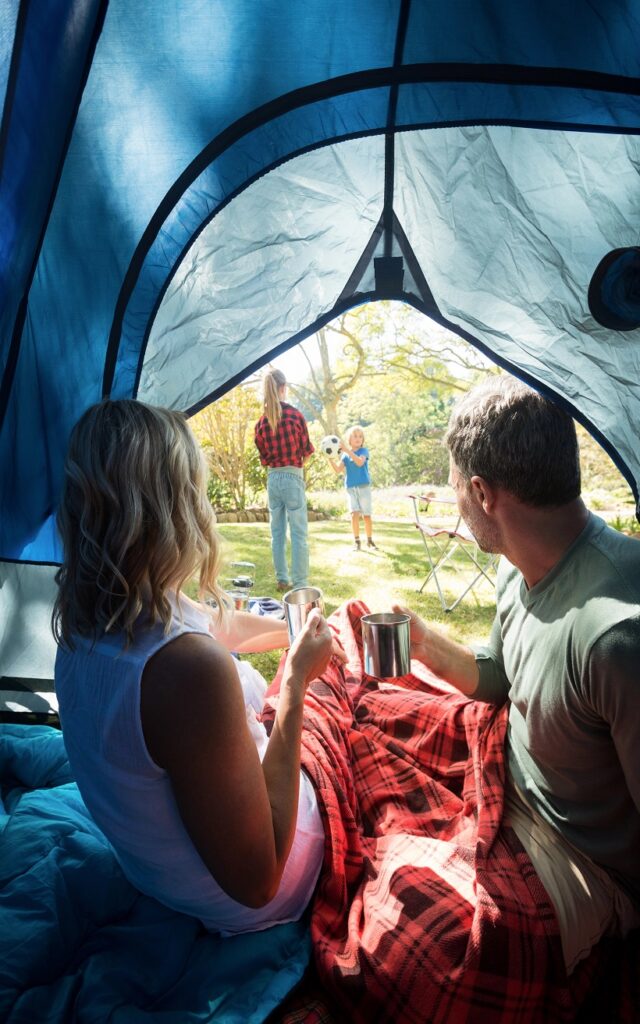
If there’s one thing almost every camper learns the hard way, it’s that tent capacity numbers are optimistic. Tent capacity is based on the number of standard sleeping bags that can fit on the floor, laid side by side, with no extra space for backpacks, pillows, or movement. It’s a technical measurement, not a comfort promise. Brands aren’t lying, but they’re definitely not imagining real people with real gear trying to relax inside.
In real life, you’ll want room to roll over, sit up, change clothes, and stash a few essentials. Even minimal campers usually have shoes, bags, and jackets inside the tent. Once you add those, a tent that technically “fits” everyone can start to feel tight very quickly. Most campers prefer extra space, not just enough.
Types of Camping Tents (Pros & Cons)

Dome tents are the most common camping tents because they’re generally lightweight, affordable, and quick to set up.
Cabin tents are all about space, with vertical walls and tall ceilings that feel more like a small room than a shelter. You can usually stand up inside, walk around, and organize gear without crouching. This makes them especially popular for family camping and longer stays where comfort matters.
Backpacking tents are designed to be carried, using ultralight materials, and packing down small. They’re efficient, streamlined, and often surprisingly weather-resistant for their size. The compromise is comfort since backpacking tents are tighter inside, have less headroom, and offer minimal storage space. They’re perfect for sleeping, not lounging.
Instant and pop-up tents win on setup speed, with some pitching in under a minute. They’re great for short trips, festivals, backyard camping, or anyone who hates complicated assembly.
Weather Ratings & Seasonal Tents
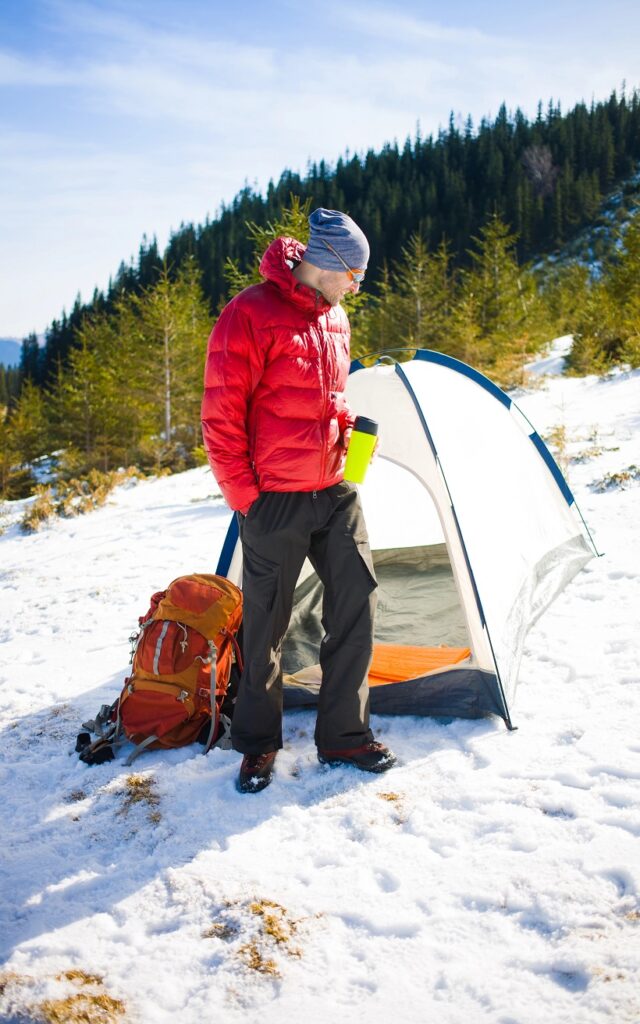
1-season and 2-season tents are designed for fair weather only, offering minimal protection from rain, wind, or cold. They’re lightweight and breathable, but best for backyard camping, festivals, or warm summer nights with a good forecast.
3-season tents are the most popular because they’re built to handle spring, summer, and fall conditions, including rainstorms, moderate wind, and cooler nights, while still offering good airflow. 4-season tents are made for winter camping and extreme environments, but they’re heavier, more rigid, and less breathable.
For the vast majority of campers, a quality 3-season tent is all you need. It handles unpredictable weather, packs reasonably well, and stays comfortable across a wide range of temperatures.
Tent Materials Explained (Fabric, Poles & Floors)

Most tents are made from either polyester or nylon, and both can work well. Nylon is lighter and packs down smaller, which is why it’s common in backpacking tents, though it can stretch slightly when wet. Polyester is slightly heavier but handles sun exposure better and holds its shape more consistently. For car camping and family trips, polyester is often a great, low-stress choice.
Aluminum poles are stronger, lighter, and more durable than fiberglass poles because they bend rather than snap, which matters in wind or rough setup conditions. Fiberglass poles are more affordable but heavier and more prone to breaking over time. If you camp often or in unpredictable weather, aluminum poles are usually worth the upgrade.
Ease of Setup (Especially for First-Time Campers)
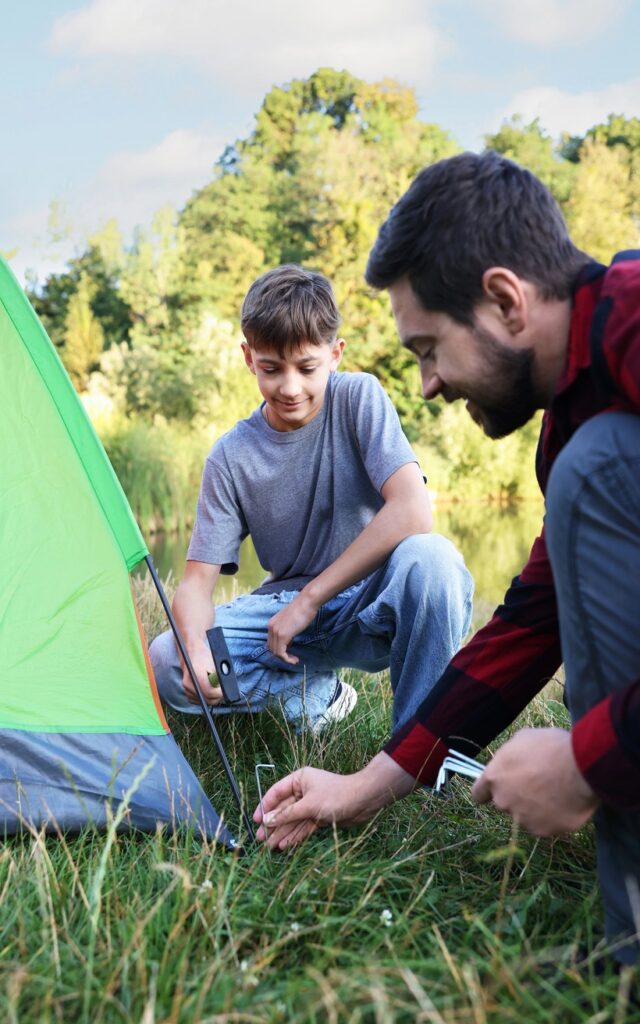
Freestanding tents hold their shape once the poles are inserted, even before staking, so you can move them around to find the best spot. Non-freestanding tents rely on stakes and guylines to stay upright, making them lighter and popular with backpackers, but they require more precision and practice to set up correctly.
Some tents say “one-person setup,” but that doesn’t always reflect reality. Larger tents are much easier with two people, especially when spreading the body or attaching the rainfly. If you often camp solo, choose a tent you can realistically pitch on your own without wrestling poles or fabric. Quick setup isn’t about being lazy; it’s about comfort and safety.
Ventilation & Condensation Control
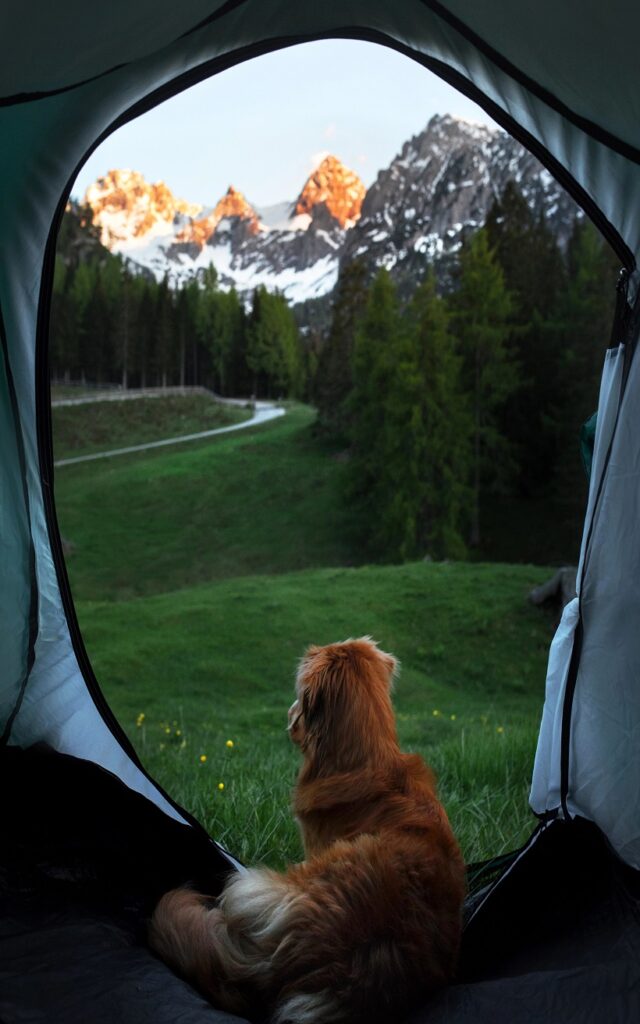
Mesh panels allow warm, moist air to escape while letting cooler air circulate. Tents with mesh walls or ceiling panels feel lighter and more breathable, especially in warm or humid conditions. The goal is steady airflow without sacrificing weather protection. A well-designed rainfly protects you from rain while still allowing ventilation.
Condensation forms when warm air inside the tent meets cooler fabric surfaces. You can reduce it by improving airflow, avoiding cooking inside the tent, and keeping wet gear outside when possible. Opening vents or doors slightly can make a big difference overnight. If you camp in humid or rainy areas, prioritize ventilation and waterproofing equally.
Tent Layout & Interior Features to Look For
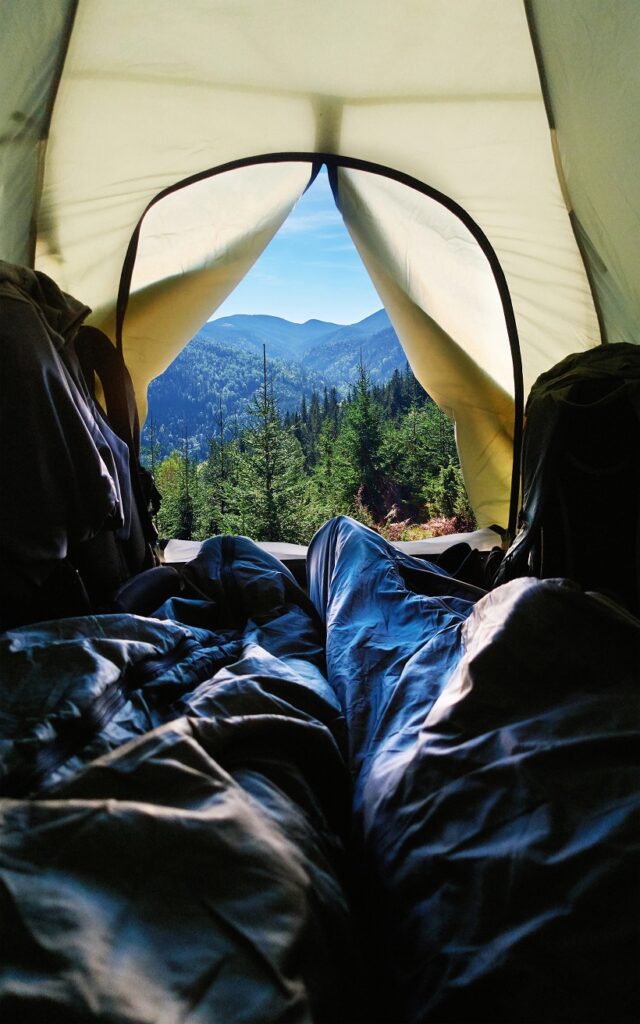
Vestibules are the covered areas outside the main sleeping space, and they’re incredibly useful for shoes, backpacks, and muddy gear. Even a small vestibule helps keep the sleeping area cleaner and more comfortable, especially in wet weather. Interior pockets keep small items from getting lost in the dark, making headlamps, phones, glasses, and keys much easier to find. Gear lofts add overhead storage and help keep the floor clear, which makes the tent feel more spacious and organized.
Door placement affects daily comfort more than people expect. A single door works fine for solo campers, but couples often appreciate two doors so no one has to climb over the other at night. Multiple doors also improve airflow and make getting in and out of the tent easier during busy mornings. Ceiling height impacts how livable a tent feels, especially on longer trips.
Family-Friendly Tent Features
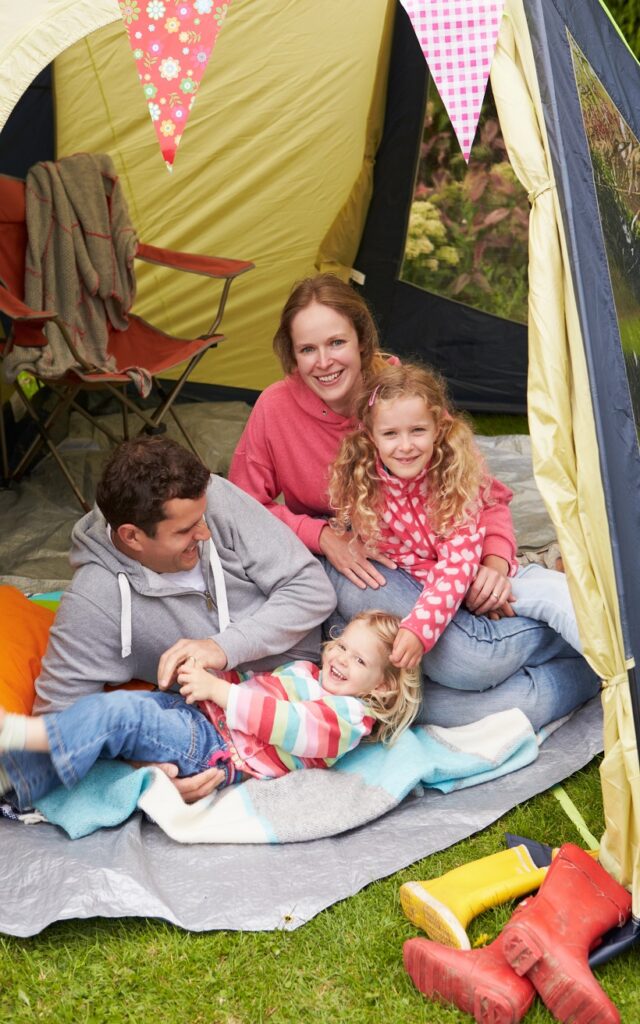
Room dividers help create separate sleeping areas, which is great for bedtime routines and early risers. Even a simple fabric divider can make a tent feel more organized and give everyone a bit of personal space.
Extra doors are a quiet hero for family camping because when someone needs the bathroom at night, they can slip out without disturbing everyone else. Multiple exits also help reduce congestion during busy mornings.
Families often use air mattresses or cots for comfort, so make sure the tent floor space and ceiling height can accommodate them without blocking walkways. A tent that fits sleeping setups comfortably makes nights and mornings much easier. For family camping, simplicity matters, so color-coded poles, straightforward layouts, and sturdy construction help make setup faster and less stressful.
Weight & Pack Size (Why It Still Matters for Car Camping)
Large tents come with large bags, and those bags need to fit somewhere. Bulky tent bags can take up more space than you planned, especially in smaller cars packed with coolers, bins, and chairs. A tent that packs down neatly is easier to organize and less likely to become a constant puzzle piece in your trunk. Not all campsites allow you to park right next to your tent, so even a short walk can feel long when you’re carrying a heavy, awkward bag.
A tent that’s too heavy isn’t just annoying once; it’s annoying every time. Lifting it in and out of the car, carrying it to the site, and packing it up after a long trip all add up. What feels fine in a store can feel very different after a few weekends of real use. For car camping, look for a tent that packs compactly enough to fit easily in your vehicle without dominating storage.
Budget Breakdown: What You Actually Get at Each Price Point
If you’re camping once in a while or just want an inexpensive tent for backyard nights or casual trips, tents under $100 can do the job. In this range, you might find models from brands like Coleman or Ozark Trail that are simple, easy to set up, and functional in fair weather. Expect basic materials and construction, simple designs with minimal pockets, heavier fiberglass poles, and thinner floors. You won’t get premium waterproofing, durable poles, or advanced features.
The $100 to $200 range is the sweet spot for most campers because tents in this price bracket often balance quality, comfort, and durability without costing a fortune. Brands like Coleman (higher-end models), Alps Mountaineering, and entry-level gear from REI Co-op often fall here. Expect better fabric and stitching, stronger and more reliable poles (often aluminum), improved rainfly coverage and seam sealing, and useful interior features like pockets and vestibules. This range is perfect for frequent car campers, families, and campers who want reliability without splurging.
Common Tent Buying Mistakes to Avoid
Buying too small is the most common mistake by far because tent capacity numbers are tight, and a tent that technically fits everyone often feels cramped in real life. Once you add gear, pillows, or kids who move around, space disappears fast. Sizing up gives you breathing room and makes camping feel relaxed instead of crowded. It’s easy to assume you’ll only camp in perfect weather, but forecasts change.
Fast setup is appealing, especially for beginners, but it shouldn’t be the only priority. Some ultra-quick tents sacrifice durability, weather protection, or long-term reliability. A tent that takes a few extra minutes to pitch but holds up better is often the smarter choice for repeated use. Storage and airflow are easy to overlook until you need them.
Tent Accessories You Should Budget For
A footprint goes under your tent and protects the floor from rocks, sticks, mud, and abrasion. Think of it as a shield for the part of the tent that gets beaten up the most. Without one, even a good tent floor can wear out faster than it should. Brands like REI Co-op, Big Agnes, and MSR make well-fitted footprints, though even a budget ground cloth from a general outdoor brand can make a big difference.
Stakes keep your tent anchored, and guylines help stabilize it in the wind. The stakes that come in basic tent packages are often fine for calm weather, but stronger, lighter alternatives can make setup easier and more reliable. Vargo Titanium Stakes are super lightweight and strong, while MSR Groundhog Stakes work great for car camping and tough soil. Pair these with reflective guylines so nighttime camping patrols are less of a worry.
How to Care for and Store Your Tent
Always dry your tent completely before storing it, even if it only got a little damp. Morning dew, condensation, or light rain can trap moisture in the fabric and lead to mildew. If you can’t dry it at the campsite, set it up at home or hang it over a railing or shower rod. Brands like REI Co-op and Big Agnes recommend air-drying rather than using heat, which can damage coatings and seams.
Once dry, store your tent loosely in a breathable bag or pillowcase, not tightly compressed in its original stuff sack. Compression is fine for transport, but long-term storage needs airflow. Keep it in a cool, dry place away from direct sunlight. Many campers use mesh storage bags from brands like NEMO or MSR to prevent moisture buildup.
Quick Tent Buying Checklist (Pinterest-Friendly)
Think real space, not just the capacity number. If you want comfort plus a gear room, size up one level. A “2-person” tent feels more like a cozy solo when packed. Great picks include the Coleman Sundome 4-Person Tent for weekend camping or the Big Agnes Copper Spur HV UL3 for roomy backpacking without bulk. Ask yourself where and when you’ll camp since 3-season tents are perfect for most trips, handling rain and moderate wind, while 4-season tents handle snow and cold.
Simple setup saves time and stress, so freestanding tents shift easily and stand up before staking. Color-coded poles and clips make life easier. Quick options include the Eureka! Copper Canyon LX family tent for easy assembly, or the MSR Elixir 2 for fast backpacking setup. Look for good rainfly coverage, sealed seams, and sturdy poles because a waterproof floor and vestibule space equals dry gear.