You’ve probably noticed that modern camping has turned into a logistical nightmare. We’re stuffing cars with gear, hunting for campsites with WiFi, and basically treating nature like an outdoor hotel with a nice view. But when you pull a vintage camper into the wilderness and actually stay awhile, something shifts.
The rhythm changes. Your relationship with food, sleep, and the landscape itself transforms in ways you didn’t see coming. Here’s what actually happens when you trade convenience for character.
Camping Becomes Slower, More Intentional, and Less Gear-Driven
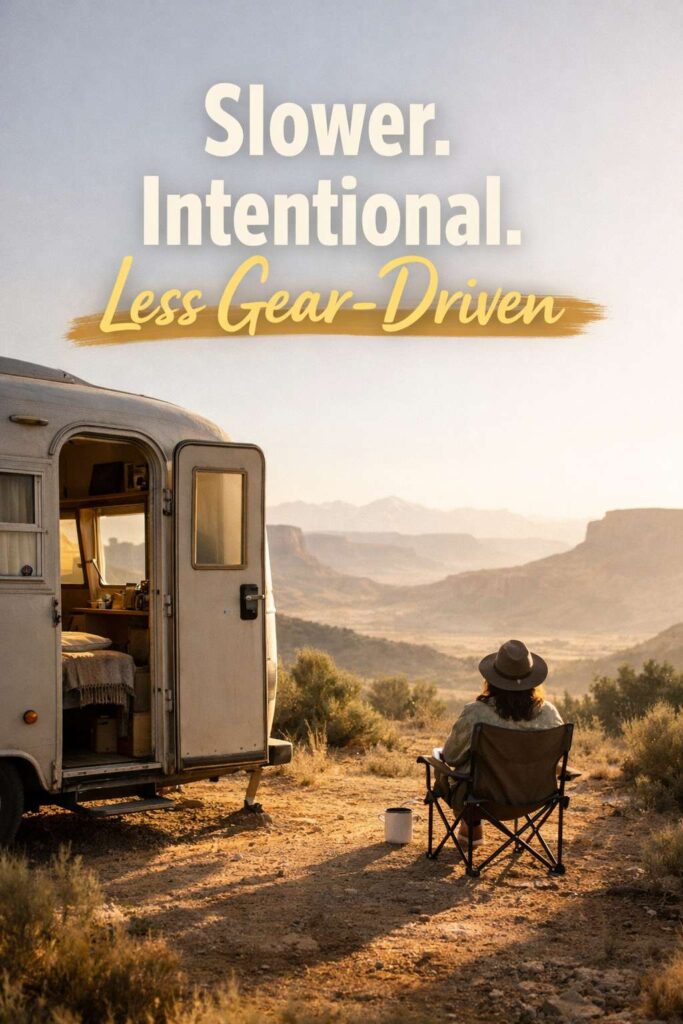
Strip away the elaborate slide-outs and complex floor plans, and you’ll find your entire approach to campsite selection changes. You’re no longer hunting for a spot that accommodates your rig’s footprint.
Instead, you’re choosing locations based on what you’ll actually see when you step outside. The view becomes your living room, and the camper is just a place to sleep and cook simple meals.
You Start Camping Around the View, Not the Floor Plan
The shift happens gradually, then all at once. You stop choosing campsites based on hookups or amenities and start selecting them for what you’ll see when you open your door.
Morning light matters more than counter space. Sunset views trump storage capacity. The landscape dictates your decisions, turning camping into an exercise in observation rather than accommodation.
You Stop Chasing Amenities and Start Using What You Have
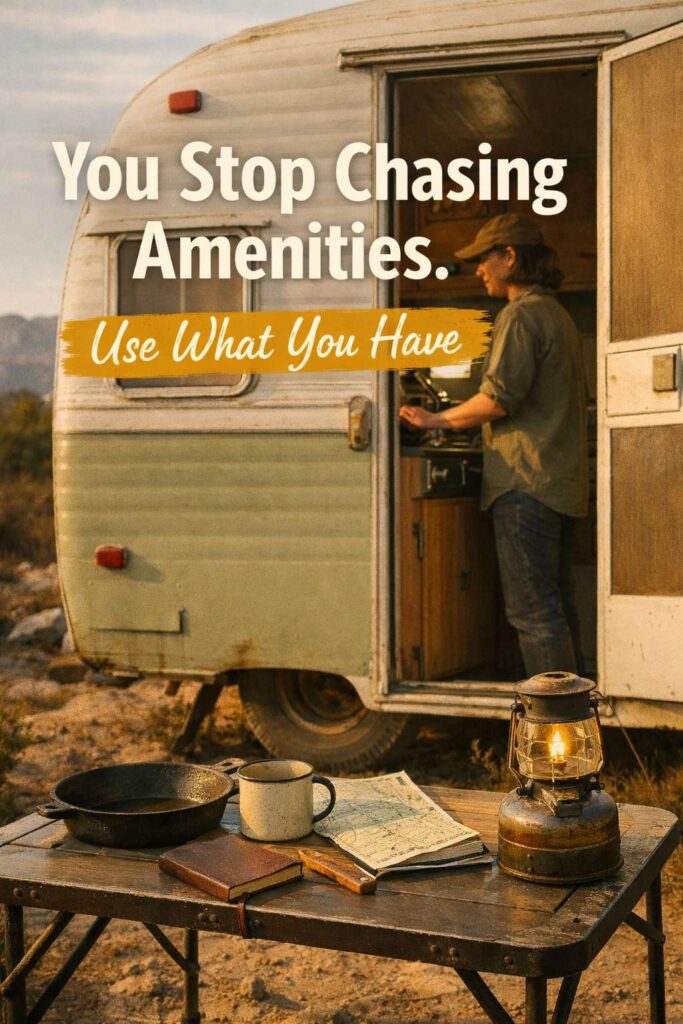
When you’re not constantly upgrading to the newest gadget or seeking out campgrounds with full hookups, something interesting happens. You develop genuine competence with the tools you already own.
Your retro camper’s basic systems become second nature. You learn to solve problems creatively rather than throwing money at them.
Simplicity Creates Confidence
Confidence emerges when you’re no longer preoccupied with what’s missing from your space. Your vintage camper’s limited options force decisions that become routine.
You learn which tools actually matter, which meals work best with your setup, and how to solve problems without running to a store. This self-reliance transforms uncertainty into capability with every trip you take.
Cooking Slows Down—and Somehow Tastes Better
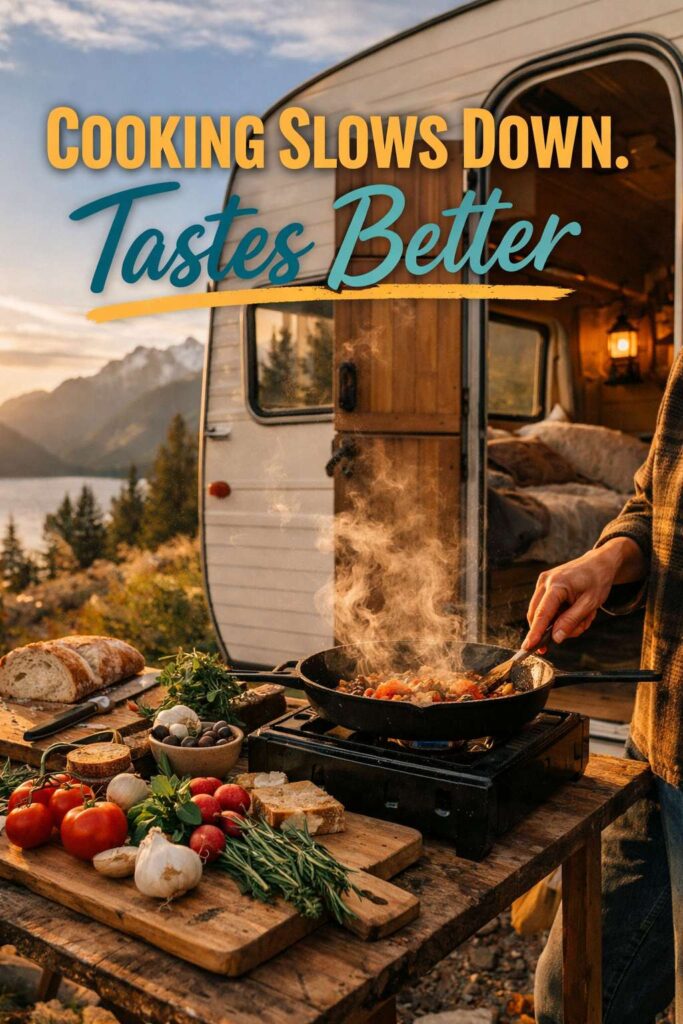
Your relationship with food shifts when you’re cooking in a retro camper. Limited space and resources turn meal preparation into a more deliberate act. You’ll find yourself choosing ingredients based on what’s fresh at the local farm stand or what you can cook over an open flame.
The outdoor kitchen becomes a natural extension of your compact living space, transforming every meal into an event shaped by weather, available ingredients, and the rhythm of daylight.
Meals Are Planned Around Nature, Not Recipes
In an old camper, you don’t flip through cookbooks or scroll through recipe apps. You work with what’s available, what’s fresh, and what fits the season.
Morning temperatures dictate whether you brew coffee or tea. Sunset timing influences when dinner happens. Nature becomes your kitchen manager, and you adapt accordingly.
Outdoor Cooking Feels Like an Extension of the Camper
That relationship with nature doesn’t end when you start preparing the meal. Your outdoor kitchen blurs the lines between inside and outside.
You’ll find yourself cooking over an open flame or portable stove, watching the landscape shift as dinner simmers. The process slows down considerably, yet every bite tastes more satisfying than anything you’d make at home.
You Wake Up With the Light, Not an Alarm
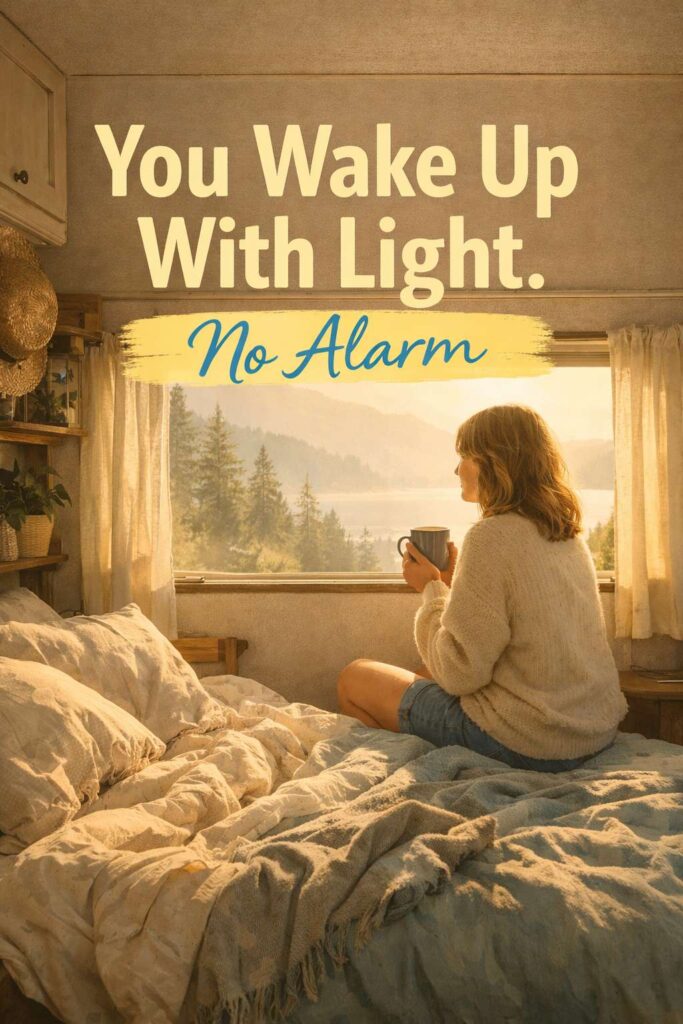
Without curtains to block the sun or thick walls to muffle the dawn, your retro camper becomes a natural alarm clock. You’ll find yourself stirring as soft light filters through the windows, replacing the jarring buzz of a smartphone with something more gradual and organic.
This change transforms your mornings from a rushed scramble into a calm progression. You ease into the day rather than jolting awake in the dark.
Mornings Become Quiet and Unrushed
When you live in a retro camper, mornings fundamentally change. There’s no jarring alarm, no frantic rush to get ready, no traffic to fight through.
You wake naturally, brew coffee at your own pace, and step outside into stillness. The morning belongs entirely to you, shaped by quietness rather than obligation.
The Camper Feels Like a Companion, Not a Machine
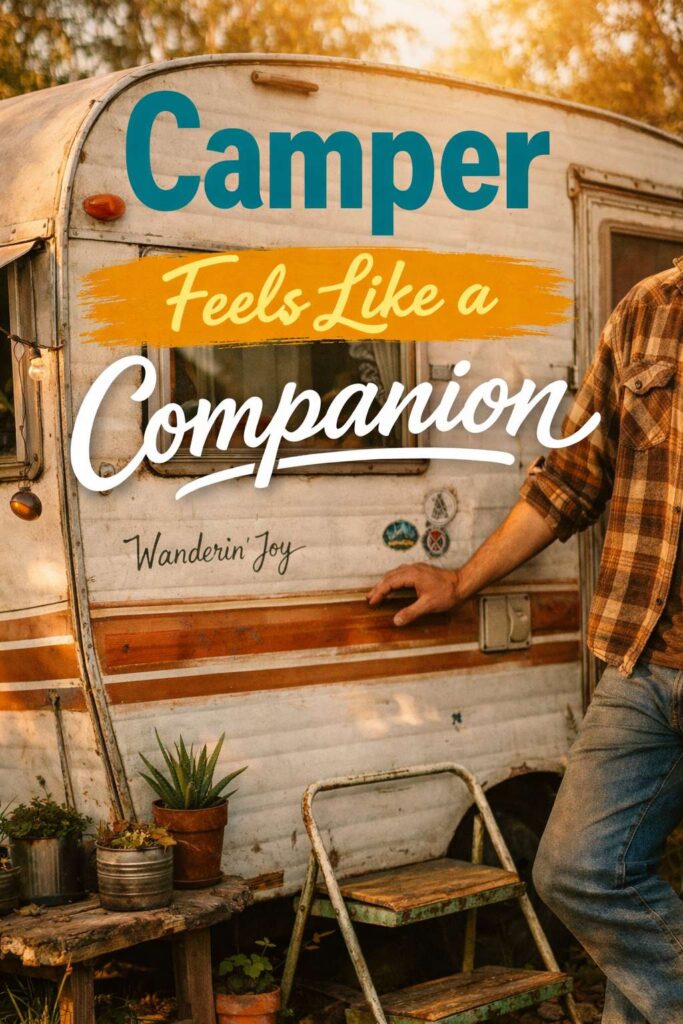
Something unexpected happens when you live in a retro camper. It stops feeling like equipment and starts feeling like a friend. The compact space, quirky features, and constant presence create a bond that’s difficult to achieve with modern RVs or traditional homes.
This emotional connection develops quickly because you’re not just using the camper, you’re adapting to its personality.
You Build Emotional Attachment Faster
Old-school campers possess a character that modern RVs can’t replicate. You’ll find yourself naming it, defending its quirks to skeptics, and feeling genuine pride when its vintage details catch admiring glances.
The imperfections you accommodate become endearing traits. Much like those you’d accept in a close friend, these quirks make the camper feel less like a vehicle and more like a travel partner.
Nature Stops Being the Backdrop and Becomes the Point

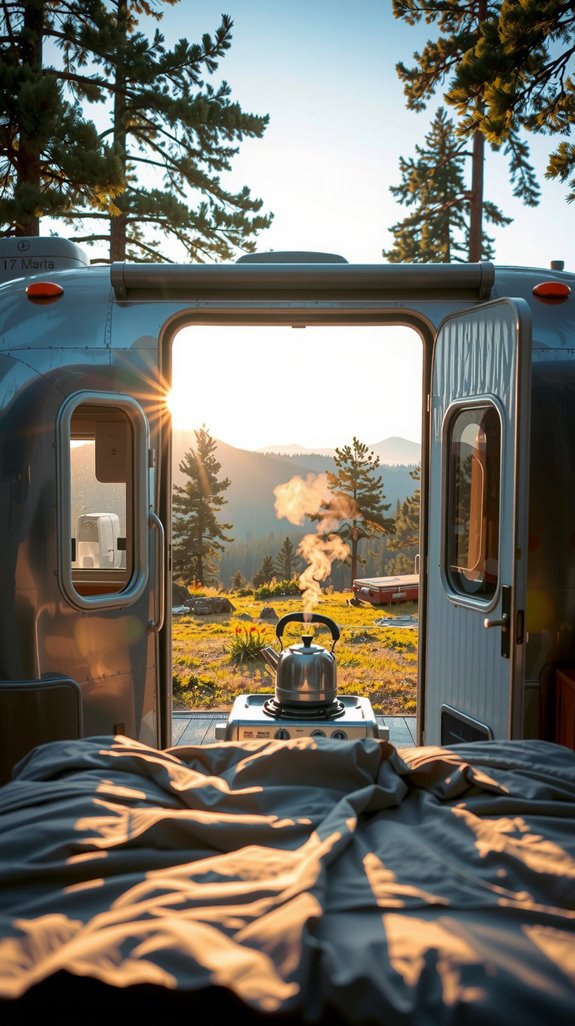
When you’re living in a retro camper, you’ll find yourself tracking time by sunrise and sunset rather than calendar notifications. The rhythm of natural light dictates when you wake, when you cook, and when you settle in for the evening.
You start planning activities around weather patterns and seasonal changes instead of arbitrary deadlines. This shift fundamentally alters how you experience each day’s value.
You Measure Days Differently
Living in a retro camper changes how you track time. You start measuring days by sunrise, weather patterns, and seasonal changes rather than calendar appointments or quarterly deadlines. Your morning begins when natural light filters through curtains, not when an alarm sounds.
You plan activities around daylight hours and temperature shifts. Weeks blur together pleasantly as you notice moon phases and bird migrations instead of counting down to Fridays.
Conclusion: Why a Retro Camper in Nature Changes More Than Your Trips
As you’ve seen throughout this look at retro camper living, the transformation extends far beyond changing where you sleep on vacation. It reshapes your relationship with time, food, and the natural world itself.
These compact spaces don’t just provide shelter. They create a framework for intentional living that challenges modern habits and reconnects you with simpler, more meaningful experiences in nature.