
If you own an RV and spend time in the Smoky Mountains, you’ve probably discovered that finding a place to store it between trips is more complicated than it looks. The region draws millions of visitors every year, storage facilities fill up fast during peak season, and the good spots go to people who planned ahead.
Options range from basic gravel lots that cost almost nothing to climate-controlled buildings that protect your rig like a classic car. Knowing which one makes sense for your situation saves you money and headaches. The 18 options below cover the full spectrum, whether you camp a few weekends a year or spend half your life on the road.
Storage Facility Booking Process
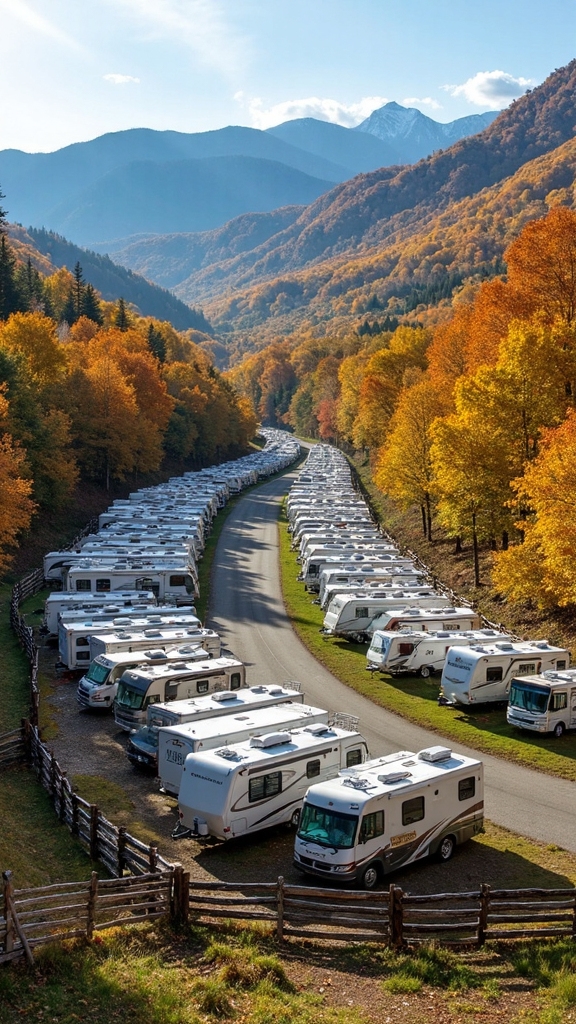
Most facilities let you reserve a spot by phone or through their website, though calling directly often provides more accurate information about what’s available than their online system shows. Have your RV’s dimensions handy along with your preferred move-in date, since facilities need this information to assign you an appropriate space.
Read the fine print on minimum-stay requirements before you commit, because some providers lock you into three or six months even if you only need storage for a few weeks. Expect to put down a deposit when you book, and make sure you understand their cancellation policy in case your plans change.
SEE THIS: 12 Space-Saving Camper Storage Hacks for Snowbird RVers in Naples, Florida!
Essential Services for Long-Term Storage
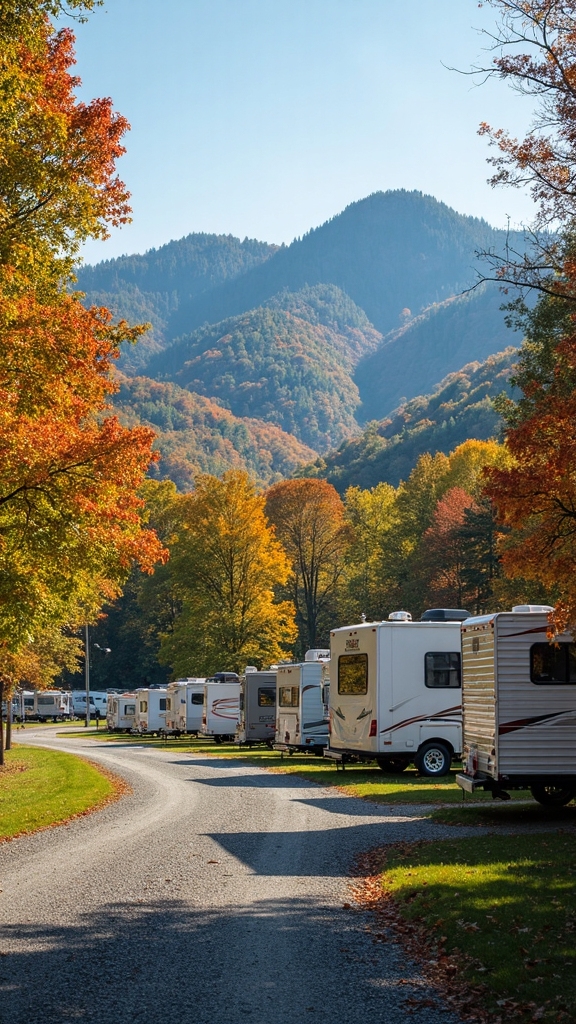
Long-term storage means more than just parking your RV and walking away, especially if you’re leaving it for months at a time. You’ll need to winterize the water system if temperatures drop below freezing, which involves draining tanks and adding antifreeze to prevent burst pipes.
Adding fuel stabilizer keeps your gas from going bad and gumming up the engine, while a trickle charger maintains your batteries so they don’t die completely. Quality facilities offer these services if you don’t want to handle them yourself, plus extras like periodic check-ins to make sure nothing’s leaking or rodents haven’t moved in.
SEE THIS: 12 Modern Camper Interior Makeover Ideas for Seattle, Washington Explorers!
Why the Smoky Mountains Region Needs RV Storage
The Smoky Mountains pull in over 12 million visitors annually, making it one of the busiest national park areas in the country. All those tourists mean hotels fill up and campgrounds book solid, which is why so many people bought RVs in the first place to guarantee they’d have a place to stay.
The problem is that most vacation rentals and regular homes lack space to park a 30-foot motorhome, and leaving an expensive RV on the street invites theft or vandalism. Storage facilities near the park entrances solve this problem by giving you a secure spot close to the action where your rig stays protected until you’re ready to use it again.
SEE THIS: 10 Must-Try Camper Storage Ideas for Vintage Trailers in Sedona, Arizona!
Choosing Between Indoor and Outdoor Storage Options
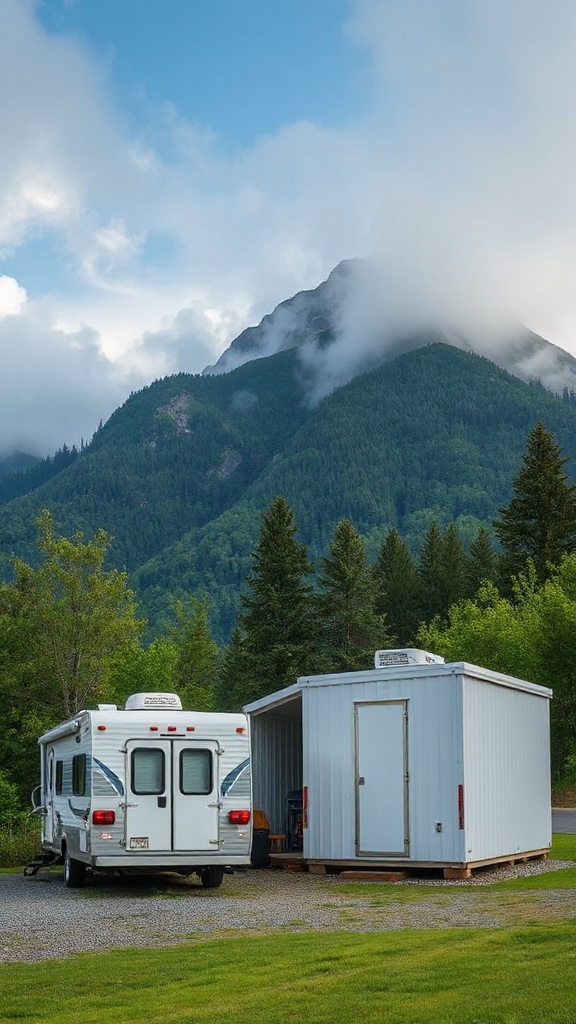
Indoor storage runs about $65 per month in the Smoky Mountains area and protects your RV from sun damage, rain, snow, and extreme temperature swings that can crack seals and fade paint. Outdoor storage costs around $75 per month for a basic spot, though that price may seem high until you realize indoor spaces are more compact and facilities can stack them more efficiently.
The question comes down to how much you value protection versus how much you’re willing to spend, keeping in mind that sun and weather damage add up over time and can cost thousands in repairs. If your RV is newer or you plan to keep it for many years, indoor storage often pays for itself by preventing deterioration that outdoor storage can’t stop.
Security Features That Protect Your Investment
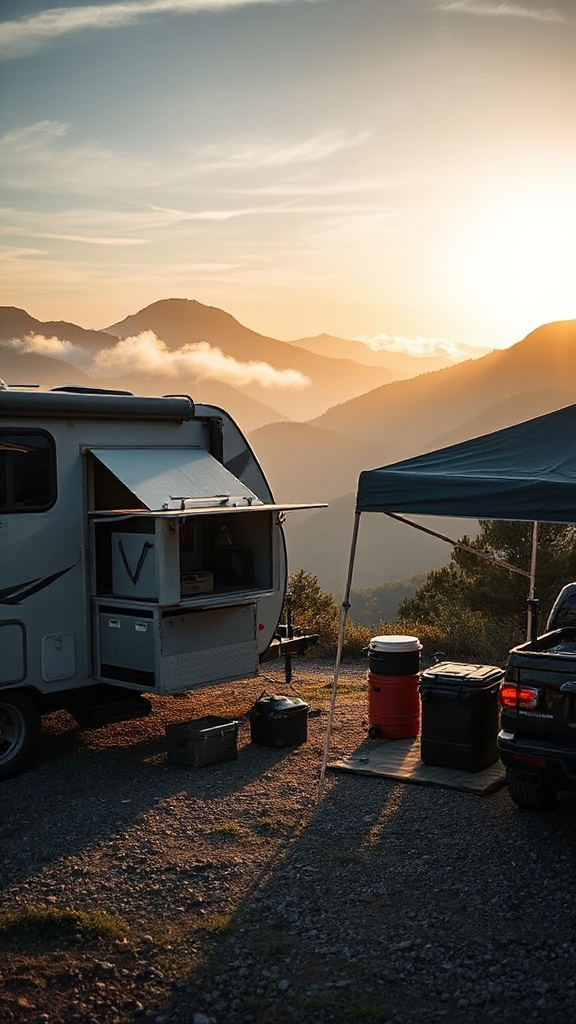
Good storage facilities surround their property with tall fencing topped with barbed or razor wire, making it much harder for thieves to gain access. Cameras cover the entire lot with 24/7 recording and night vision, giving you video evidence if something does happen and deterring most criminals who don’t want to be filmed.
Gate access systems using codes or key cards track who enters and when, preventing unauthorized people from wandering through and casing the premises for items to steal. On-site managers or security patrols add another layer of protection, though you’ll pay more for facilities that employ people to monitor the property in person rather than relying solely on cameras.
Seasonal Storage Considerations in Tennessee
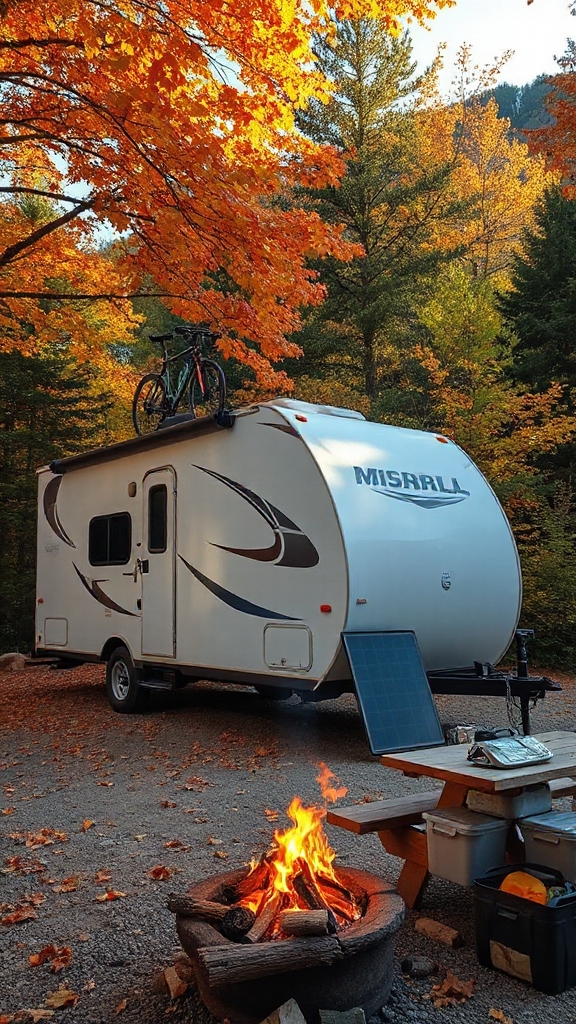
Tennessee humidity peaks in summer and can cause mold and mildew inside your RV if air circulation is poor. Running a dehumidifier or cracking windows slightly helps, though you need to balance ventilation against leaving your rig vulnerable to break-ins.
Winter brings freezing temperatures that burst water lines if you haven’t winterized properly, and even brief cold snaps can cause expensive damage overnight. Spring storms with high winds and hail pose another risk to outdoor storage, making covered or indoor options worth considering if your RV has expensive slide-outs or a roof-mounted AC unit that would be costly to replace.
Monthly vs. Annual Storage Plans
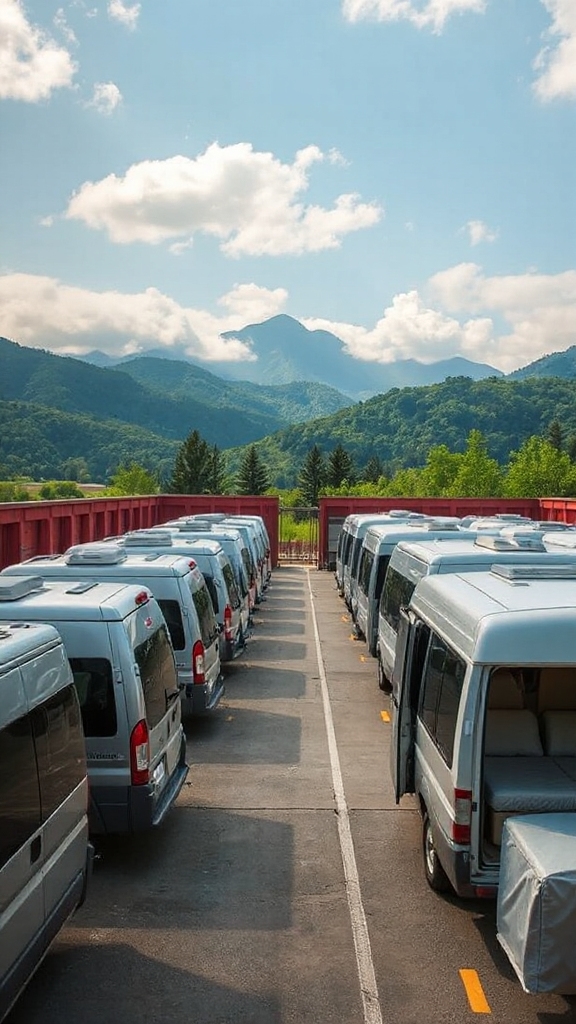
Monthly storage gives you the flexibility to move your RV whenever you want without incurring charges for unused months. Annual plans lock in a lower rate and often include perks like priority access or first choice when covered spots open up.
The math usually works out that if you’re storing for more than eight or nine months, the annual plan saves money despite the commitment. Some facilities offer six-month plans that split the difference, giving you a discount without requiring a full year upfront.
Location Benefits Near Popular Tourist Spots
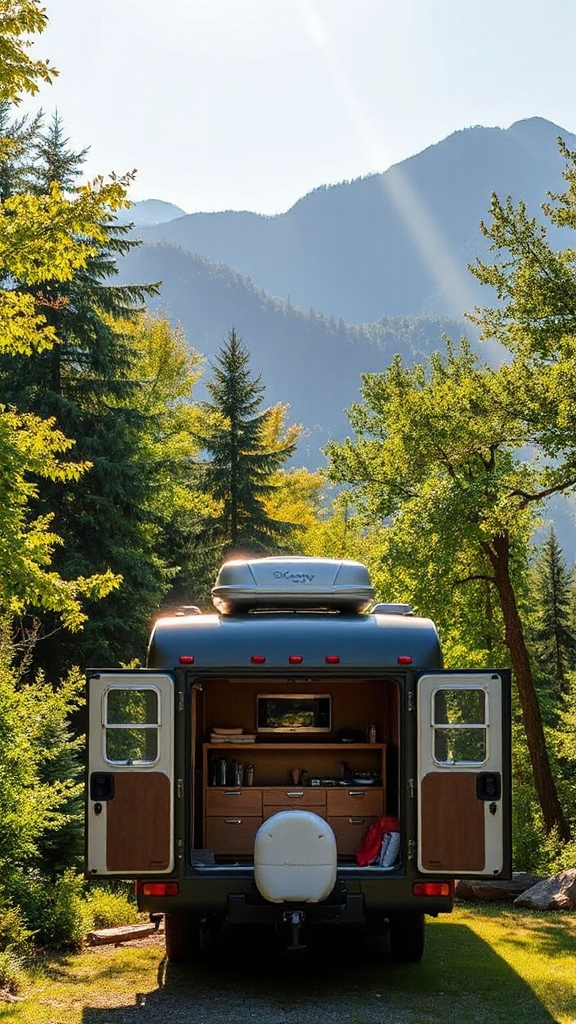
Storing your RV near Gatlinburg or Pigeon Forge lets you pick it up and be at your campsite in 20 minutes, rather than driving two hours from home. You’re also positioned to take advantage of last-minute openings at popular campgrounds when someone cancels, since you can grab your rig and go immediately.
The downside is that storage near tourist areas costs more than facilities out in the country, sometimes significantly more during peak season when demand spikes. Weigh the convenience of being close against the money you’d save storing 30 miles away, factoring in gas costs and your time for the extra driving.
Comparing Storage Facility Amenities
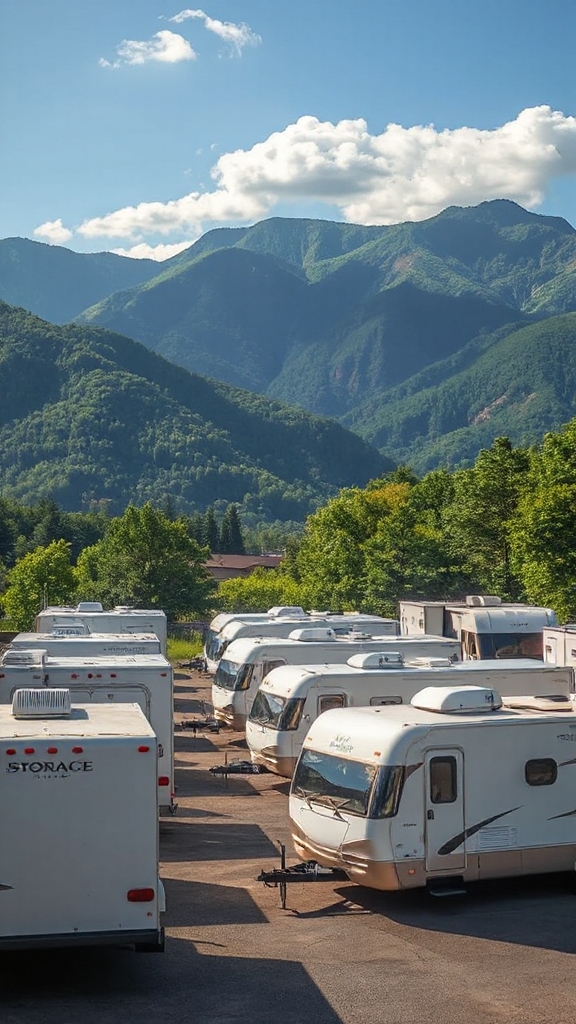
Some facilities offer nothing but a gravel lot and a fence, while others provide covered parking, electrical hookups, dump stations, and even wash bays. Whispering River Resort combines storage with resort amenities like pools and clubhouses, essentially functioning as a place you can hang out while prepping your RV for a trip.
High-end facilities include climate control, individual-unit alarms, and on-site maintenance services that’ll change your oil or address issues while your RV is in storage. Decide which amenities you’ll actually use versus which ones sound nice but just drive up the monthly cost without adding real value.
Cost-Effective Storage Solutions
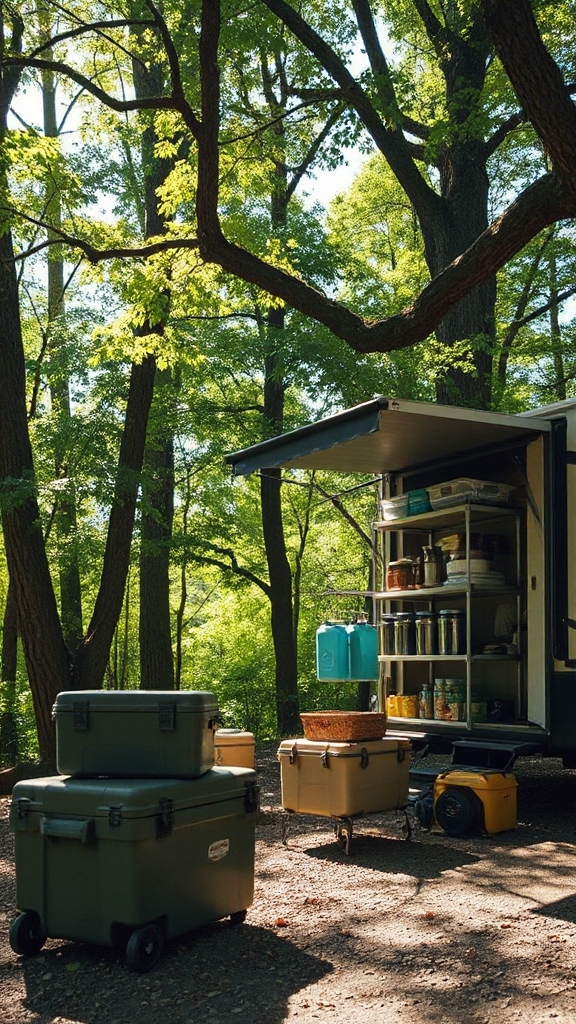
The cheapest option is often storing at a campground you visit regularly, where monthly rates run $200 to $300 and include the ability to camp there whenever you want. Private property storage through Craigslist or word-of-mouth can cost even less, though you lose the security and insurance coverage that commercial facilities provide.
Outdoor uncovered storage at basic facilities starts around $50 per month and is suitable if your RV is older or you’re not concerned about cosmetic wear from weather exposure. Covered storage without climate control falls between $75 and $100 per month, protecting against severe weather damage while keeping costs reasonable.
Storage Facility Size Requirements
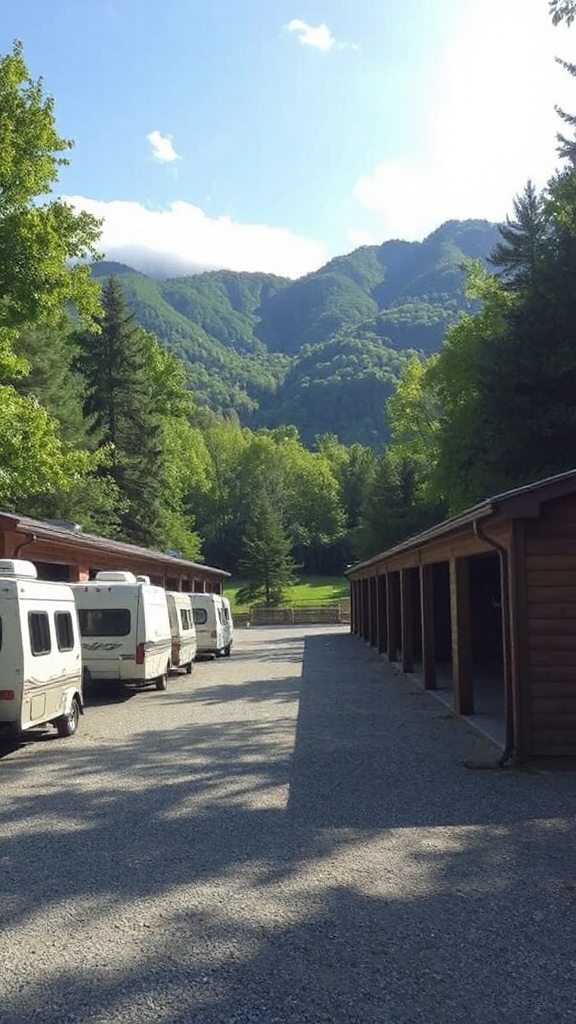
Measure your RV, including any slide-outs in the extended position, as you need enough width to accommodate them even when they’re retracted. Small travel trailers under 25 feet fit in 10 by 20 foot spaces, while larger fifth wheels and Class A motorhomes need spots up to 14 feet wide and 50 feet long.
Account for height as well, especially if you’re considering covered storage, since some facilities can’t accommodate tall rigs with roof-mounted AC units or satellite dishes. Adding a couple of feet to your measurements gives you room to maneuver when parking instead of squeezing into a space so tight you scrape something every time you pull in or out.
Climate Impact on RV Storage
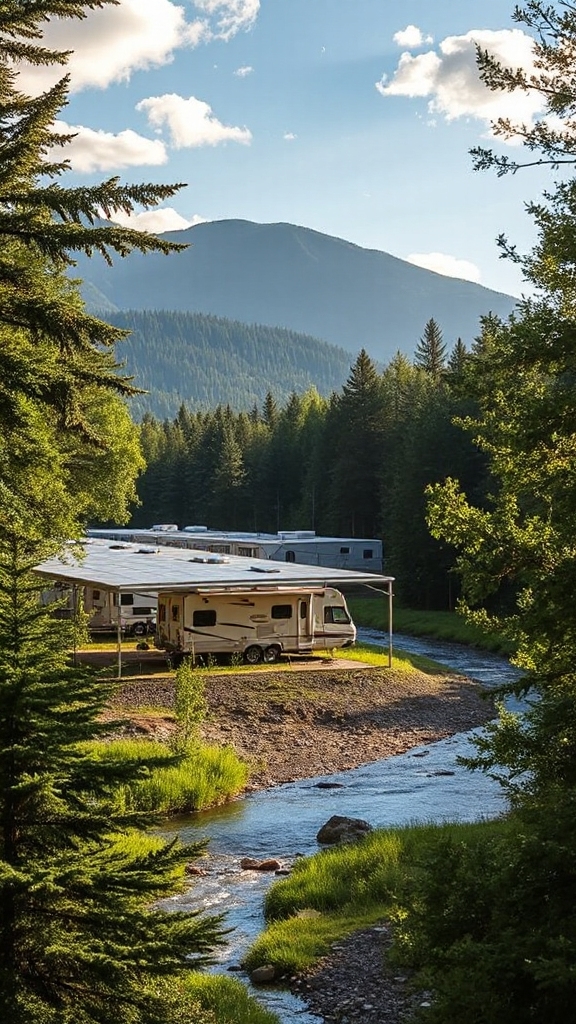
The Smoky Mountains receive significant rainfall year-round, with high humidity that promotes mold growth inside closed RVs. UV radiation at higher elevations is more intense than at sea level, fading graphics and degrading rubber seals faster than you’d expect.
Winter temperatures regularly drop below freezing from December through February, while summer temperatures can reach the 90s, creating oven-like conditions inside metal and fiberglass boxes. Climate-controlled storage maintains a steady temperature and humidity regardless of outside conditions, preventing expansion and contraction that crack seals and moisture that ruins upholstery and electronics.
Accessibility and Operating Hours
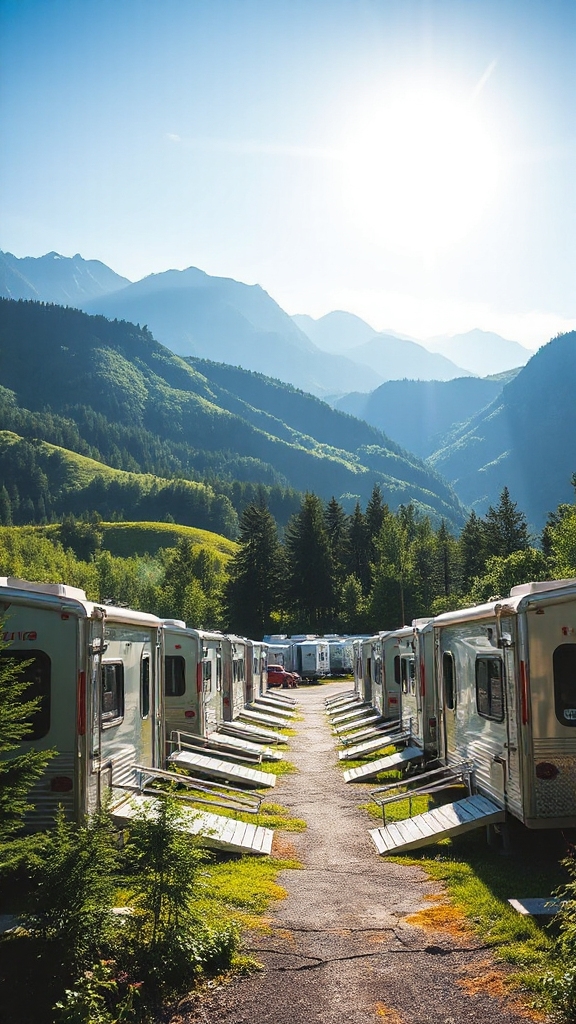
Some facilities offer 24/7 access with gate codes, allowing you to pick up or drop off your RV at your convenience. Others restrict hours to daylight hours or require advance notice, which works well if you plan ahead, but creates problems when you want to leave for a spontaneous weekend trip.
Gates that close at 9 PM mean you can’t return late from camping without paying for an extra night somewhere or sleeping in a parking lot. Ask about holiday and weekend access as well, since some facilities lock down completely on Sundays or major holidays when staff isn’t available.
Professional Maintenance Services
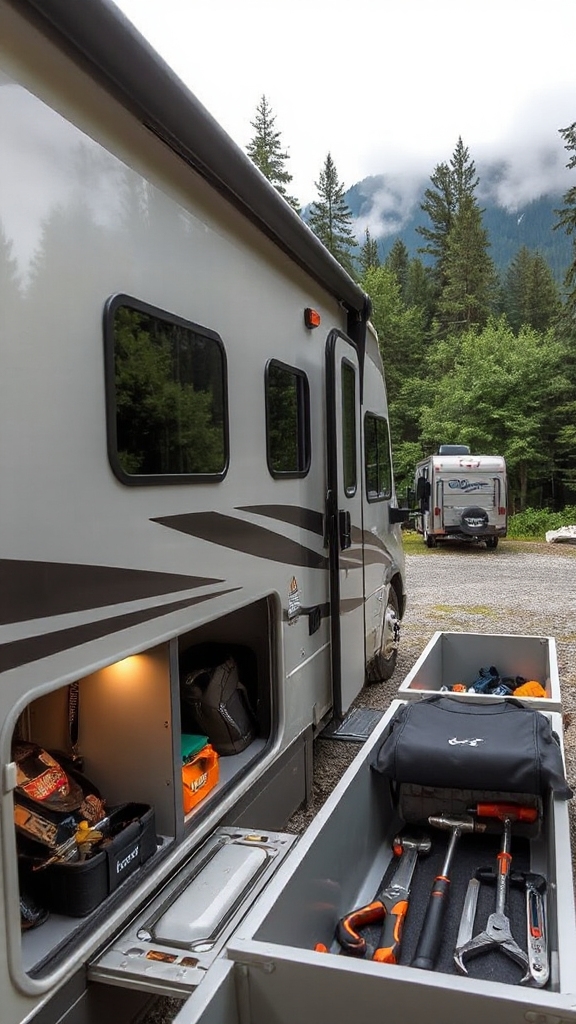
Mobile RV technicians will come to your storage facility and handle oil changes, tire rotations, and minor repairs while your rig remains unused. Some storage places have certified technicians on staff who can tackle bigger jobs like appliance repairs, roof work, or electrical troubleshooting.
Winterization services run $100 to $200 and include draining tanks, blowing out lines, and adding antifreeze to prevent freeze damage. Spring de-winterization reverses the process and confirms that everything survived the winter without hidden damage, though you’ll pay an additional $100 for this service unless you’re comfortable doing it yourself.
Storage Insurance and Protection Plans
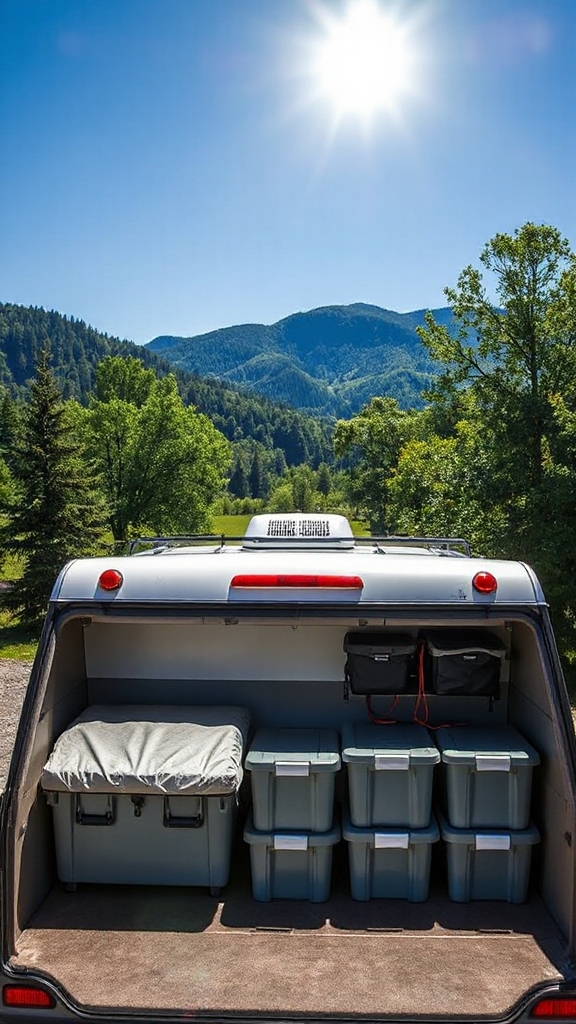
Your homeowners or auto insurance likely doesn’t cover an RV stored in your garage, leaving you vulnerable if it’s stolen or damaged. RV-specific policies through companies like State Farm or Farm Bureau cover theft, fire, vandalism, and weather damage with deductibles ranging from $250 to $1,000.
Some storage facilities require proof of insurance before they’ll rent you a space, while others offer their own coverage as an add-on to your monthly rate. Read the policy carefully to understand what’s excluded, since many won’t cover damage from pests, mold, or mechanical failure that occurs while the RV sits unused.
Peak Season Storage Planning
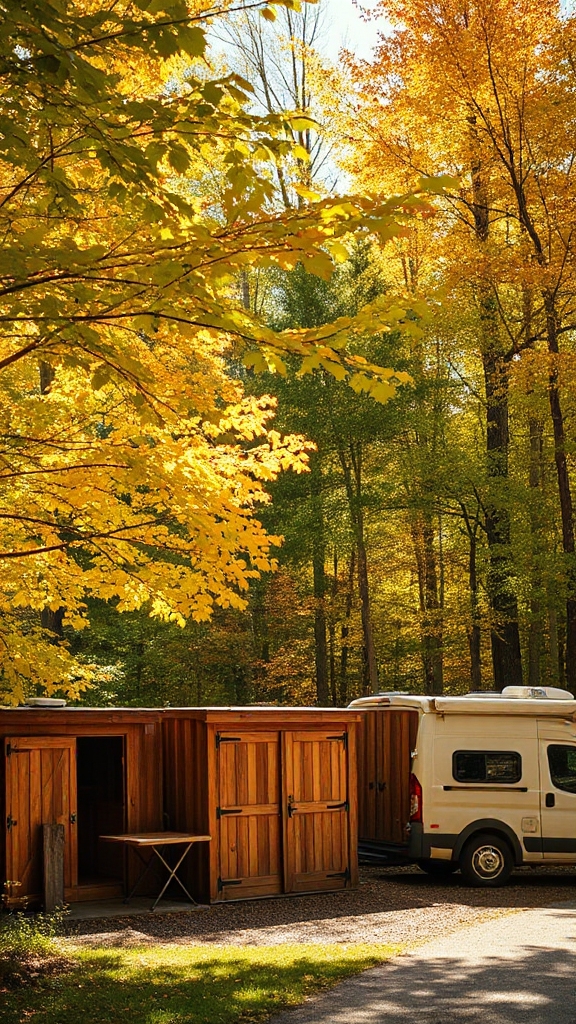
Summer storage fills up by April in the Smoky Mountains as snowbirds return north and leave their rigs behind until fall. Book your spot in February or March if you need summer storage, or risk getting stuck with whatever’s left at inflated prices.
Fall storage fills up in September when people park their RVs for winter, with the best covered spots going to those who reserved months earlier. Prices can jump 20 to 30 percent during peak demand, and facilities have no incentive to negotiate when they have waiting lists of people wanting spaces.
Environmental Protection Measures
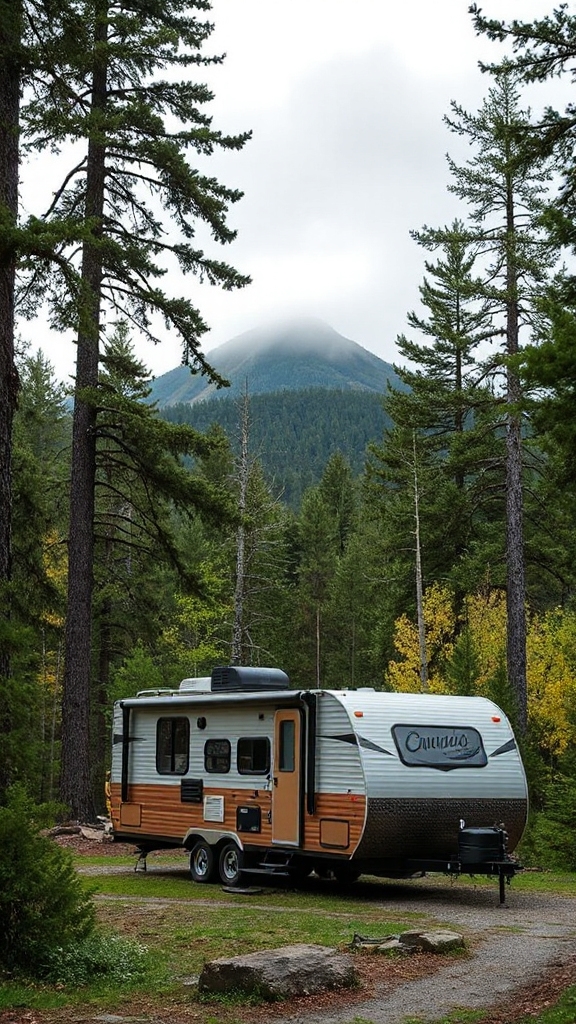
Eco-friendly facilities use solar panels to power lighting and gate systems, reducing their environmental impact while keeping your costs down. Proper drainage prevents runoff from washing oil and antifreeze into streams that feed the national park watershed.
Natural pest control using ultrasonic devices or predator attractants is more effective than poison, which can harm wildlife or pets. Choosing facilities that take these measures supports responsible businesses while ensuring your storage area doesn’t contribute to pollution or environmental damage in an area that depends on pristine nature for its tourism economy.
Preparing Your RV for Storage
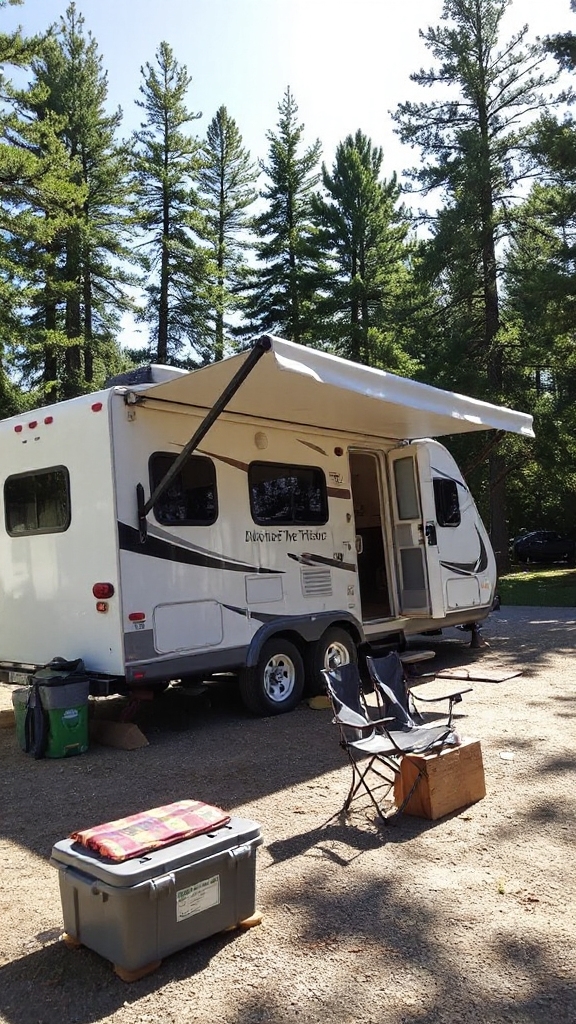
Wash and wax the exterior before storing to protect the finish and make it easier to spot damage when you retrieve it. Check all seals around windows, doors, and roof vents, and repair any cracks before water enters and causes rot.
Empty the refrigerator completely, prop the door open with a towel, and leave cabinet doors cracked to allow air circulation and prevent mold. Cover tires or park on boards to prevent flat spots from prolonged weight in one place, and inflate them to the maximum pressure, as they’ll lose a few PSI over time even without leaks.