Pop-up campers get a bad rap for feeling cramped and generic, but they don’t have to. With the right approach, you can turn yours into a space that captures the rugged beauty of Vermont’s backcountry. I’m talking reclaimed wood, slate-inspired colors, and natural textures that make you feel like you’re tucked into a cabin in the Green Mountains.
This isn’t about following some cookie-cutter RV design trend. It’s about creating a retreat that actually reflects the places you want to be, whether you’re parked at a trailhead or your own backyard. Here’s how to do it step by step.
Selecting the Perfect Rustic Wood Paneling for Your Camper Walls
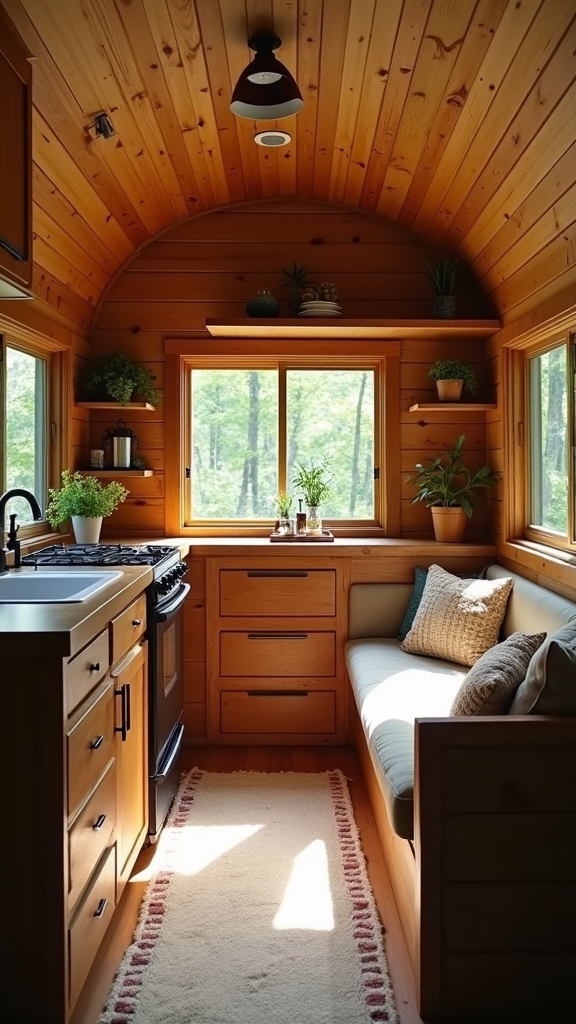
Wood paneling sets the tone for everything else, so don’t rush this decision. Lightweight plywood keeps your fuel economy intact, but reclaimed wood brings character you can’t fake. I typically recommend 1/8-inch paneling because it’s durable without adding unnecessary weight.
Cedar naturally repels bugs and smells great, while tongue and groove boards install cleanly and give you that classic cabin look without much fuss.
SEE THIS: Pop Up Camper Interior Ideas for Women 18–44 in Southern California!
Creating a Two-Tone Color Scheme With Vermont-Inspired Hues
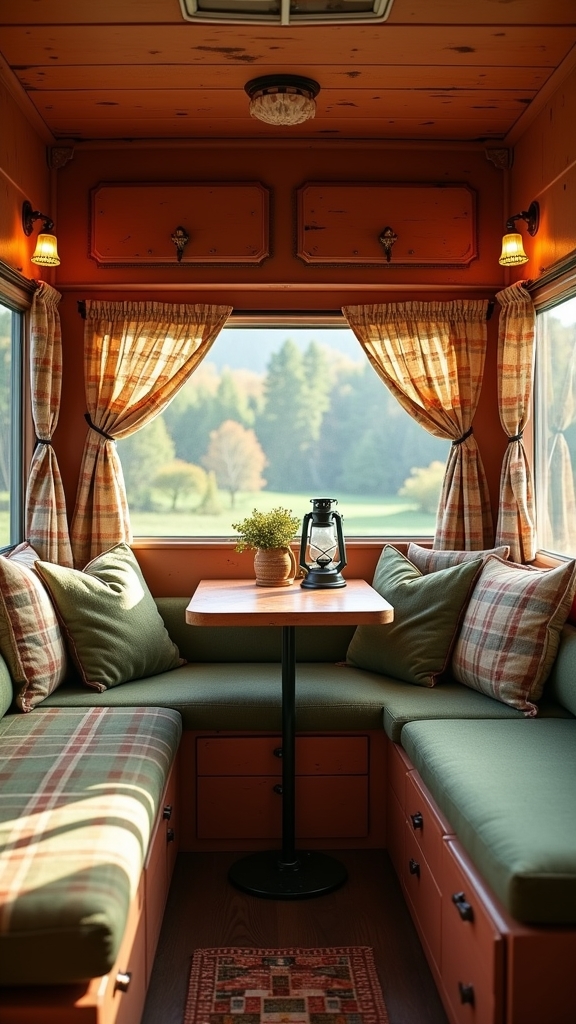
Vermont’s landscape runs deep with slate grays, forest greens, and warm earth tones, and your camper should follow suit. Pairing Vermont Slate 1673 with a warm beige or caramel creates contrast without feeling busy.
Layer in some texture through fabrics and small accents that pull from the outdoors. Natural light makes or breaks a small space, so keep your color choices light enough to reflect what little sun filters through your windows.
SEE THIS: How to Create a Modern Pop up Camper Interior: 17 Ideas Pink From Seattle, Washington!
Installing Space-Saving Rustic Storage Solutions
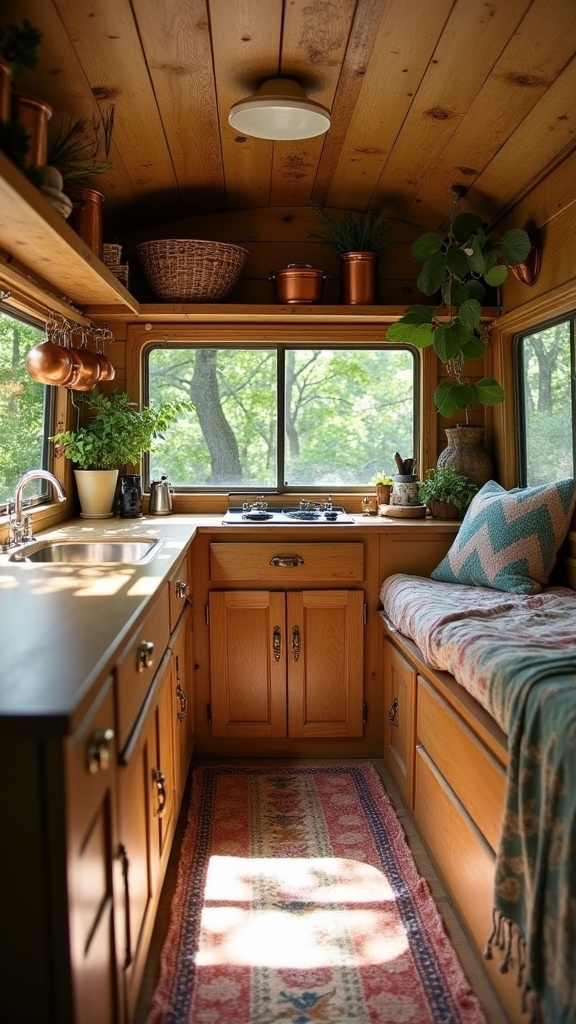
Storage in a pop-up camper isn’t optional, it’s survival. Modular shelving built from reclaimed cedar or pallet wood gives you places to stash gear while maintaining that rustic vibe. Vertical space is your best friend, so mount bins on the walls and use tension rods wherever they fit.
Stick with natural textiles and earth tones so your storage doesn’t look like an afterthought slapped onto an otherwise cohesive design.
SEE THIS: 22 Boho Camper Interior From Joshua Tree, California That Feel Like Home!
Designing a Cozy Dining Nook With Multifunctional Furniture
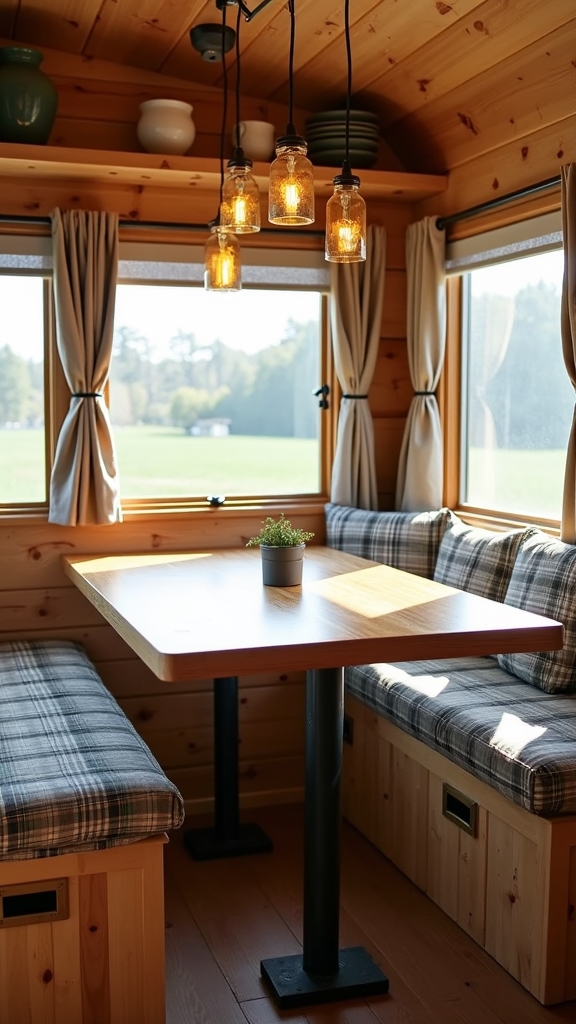
Your dining area needs to work harder than just holding plates. A fold-down table made from reclaimed wood saves space and looks intentional, not cheap. Storage ottomans pull double duty as seating and places to hide camping supplies you don’t want cluttering the floor.
Battery-operated lanterns add warmth without wiring headaches, and built-in banquettes with storage underneath keep everything accessible but out of sight.
Transforming Your Camper Kitchen With Natural Elements
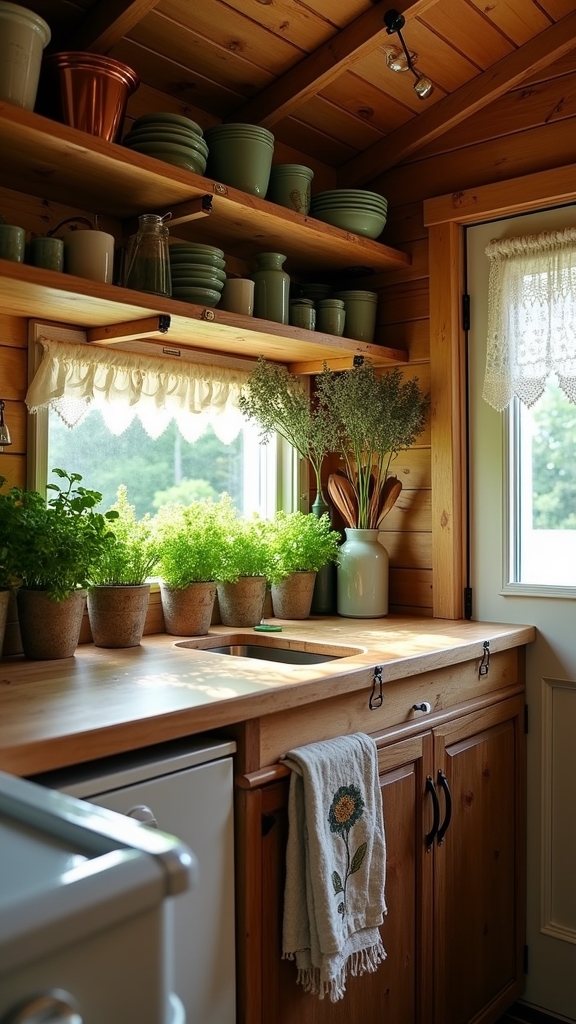
A camper kitchen doesn’t need granite countertops to feel grounded and real. Reclaimed-wood shelving and bamboo utensils add warmth without taking up precious counter space. Stone accents on surfaces add texture and durability where you actually need it.
String lights and a small herb planter turn a utilitarian galley into something you’d actually want to cook in after a long day on the trail.
Incorporating Vermont Wilderness-Themed Artwork and Décor
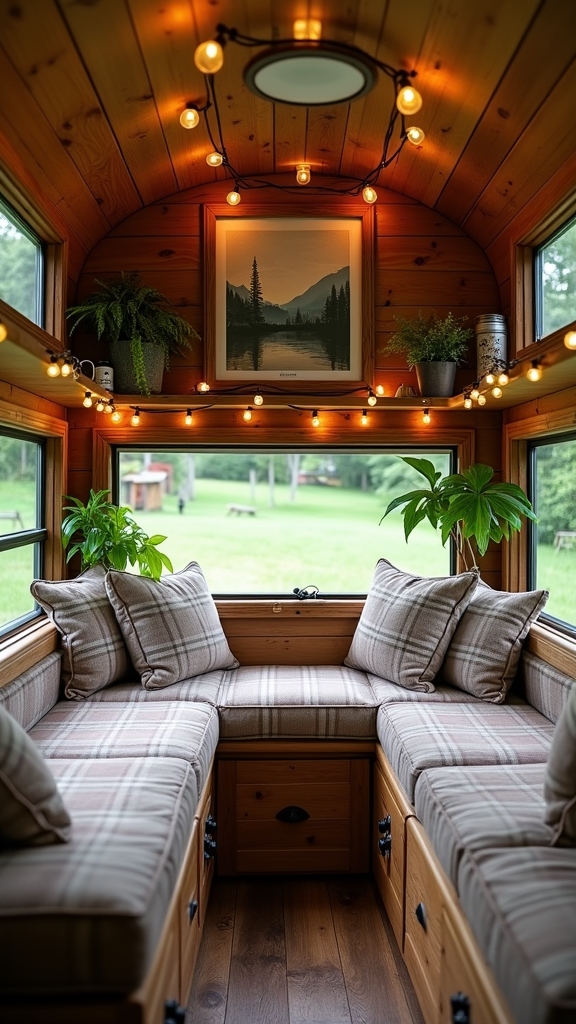
Local artwork beats mass-produced prints every time, so hunt down pieces that reflect Vermont’s actual landscape. Prints of apple orchards, weathered barns, or mountain ridges near your windows blur the line between inside and out.
Maple wood frames tie everything back to the region without being heavy-handed. The goal is authenticity, not turning your camper into a Vermont tourism brochure.
Choosing Durable Faux Leather Upholstery for Seating Areas
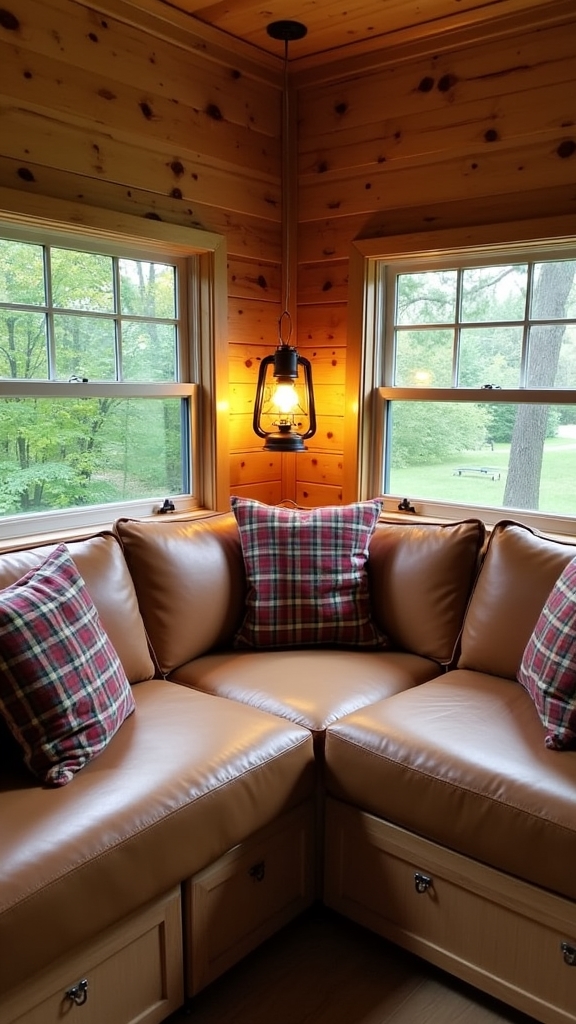
Vermont weather swings hard, and your upholstery needs to handle it. High-quality faux leather resists humidity better than fabric and doesn’t trap odors the way real leather can.
Commercial-grade materials hold up to constant use and the inevitable scuffs from gear and boots. Apply UV protectant and clean regularly, because neglect shows fast in a small space.
Adding Natural Fiber Textiles and Layered Comfort
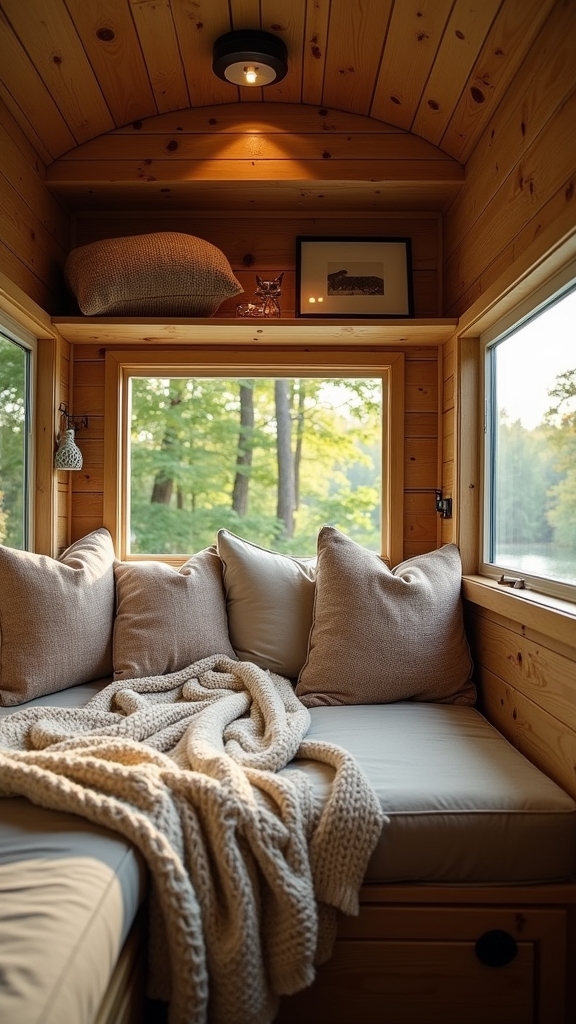
Wool and hemp blends wick moisture and last longer than synthetic throws that pill after one season. Cotton canvas adds a traditional feel without looking like you’re trying too hard.
Layer quilts, rugs, and throws to create warmth and texture, especially in a space that can feel cold and sterile otherwise. Natural fibers also breathe better, which matters when you’re dealing with condensation and limited airflow.
Maximizing Natural Light With Rustic Window Treatments
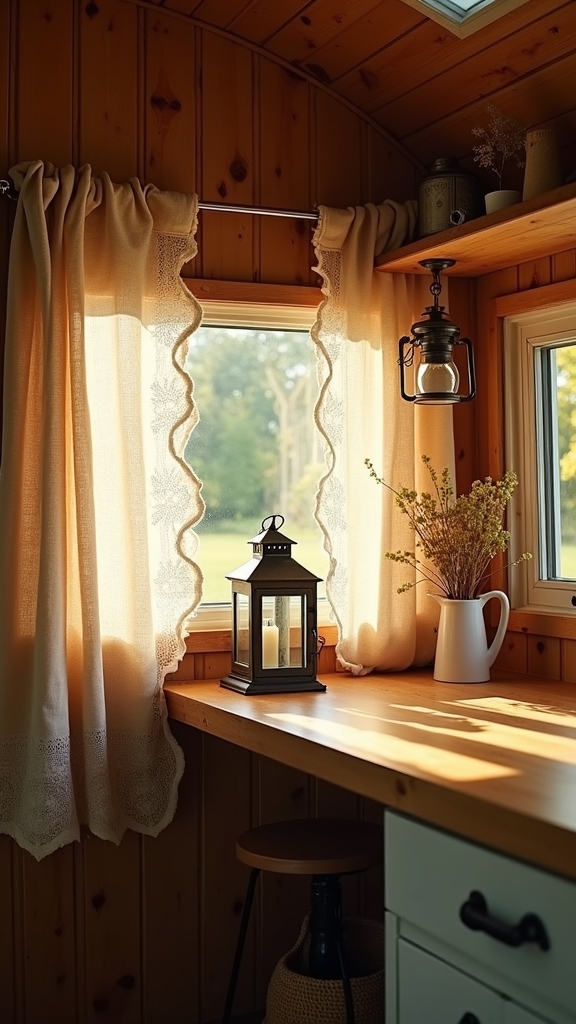
Windows in a pop-up are small to begin with, so don’t choke them off with heavy curtains. Top-down, bottom-up shades let you control privacy without blocking light completely.
Earthy tones complement the Vermont palette and don’t scream “RV window treatment” the way floral valances do. Light transforms tight quarters into something livable, so treat your windows like the valuable real estate they are.
Building Custom Shelving With Reclaimed Vermont Wood
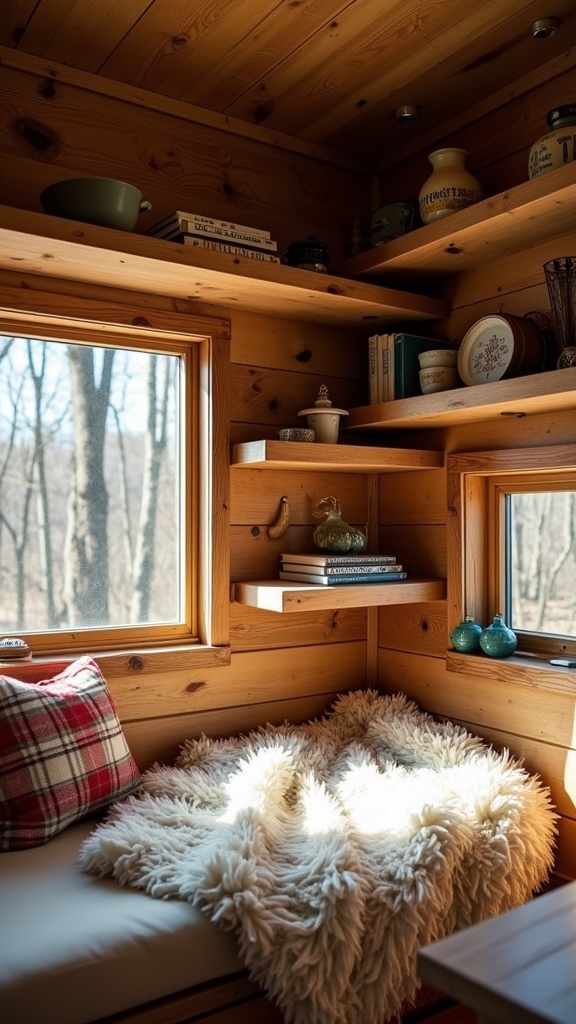
Reclaimed wood from old barns or mills carries history that new lumber just doesn’t have. Look for boards with natural patina but check for structural soundness before you commit.
Clean them thoroughly and seal with a low-VOC finish to avoid off-gassing in a confined space. Custom shelving fits your exact dimensions and turns wasted wall space into functional storage that actually looks good.
Crafting a Welcoming Entryway With Rustic Storage Hooks
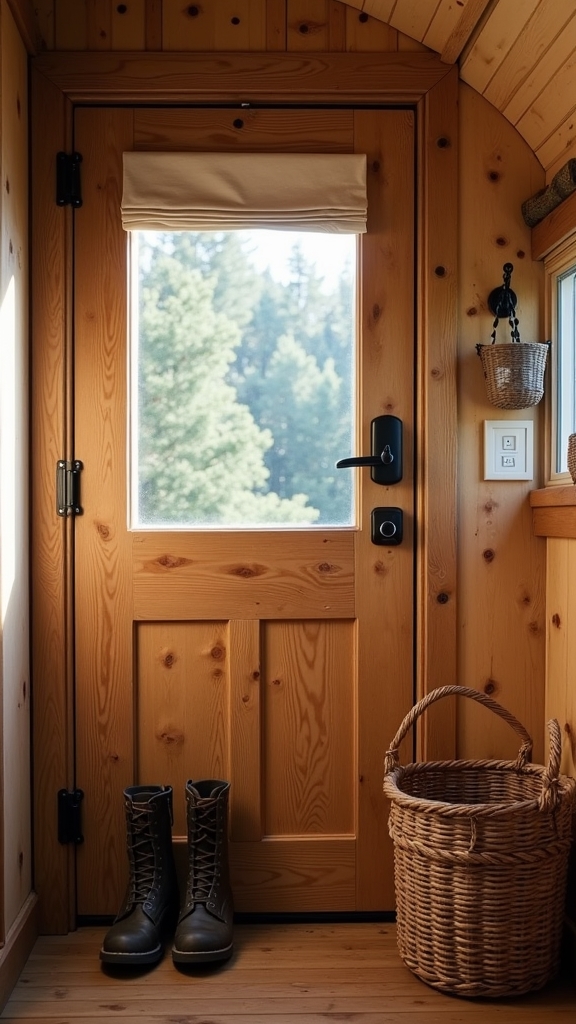
Your entryway takes a beating, so hooks need to be both sturdy and attractive. Distressed metal or reclaimed wood hooks handle heavy coats and wet gear without pulling off the wall.
Vary the heights so multiple people can hang things without crowding each other. Add a vintage lantern or a small maple accent to make the space feel intentional instead of purely functional.
Implementing Practical Lighting Solutions With Rustic Charm
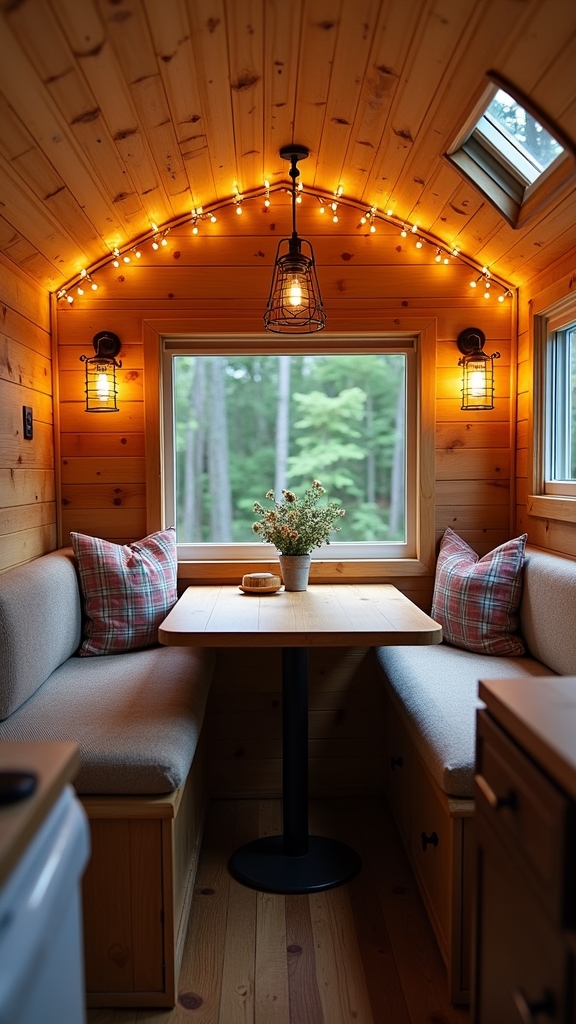
Lighting in a camper is tricky because you need brightness for tasks but warmth for evenings. LED fixtures with dimmers let you adjust based on what you’re doing without rewiring everything.
Vintage-style brass or art deco sconces add character while directing light where you need it. Good lighting makes a cramped space feel larger and more comfortable, especially after dark.
Setting up a Comfortable Sleeping Area With Storage
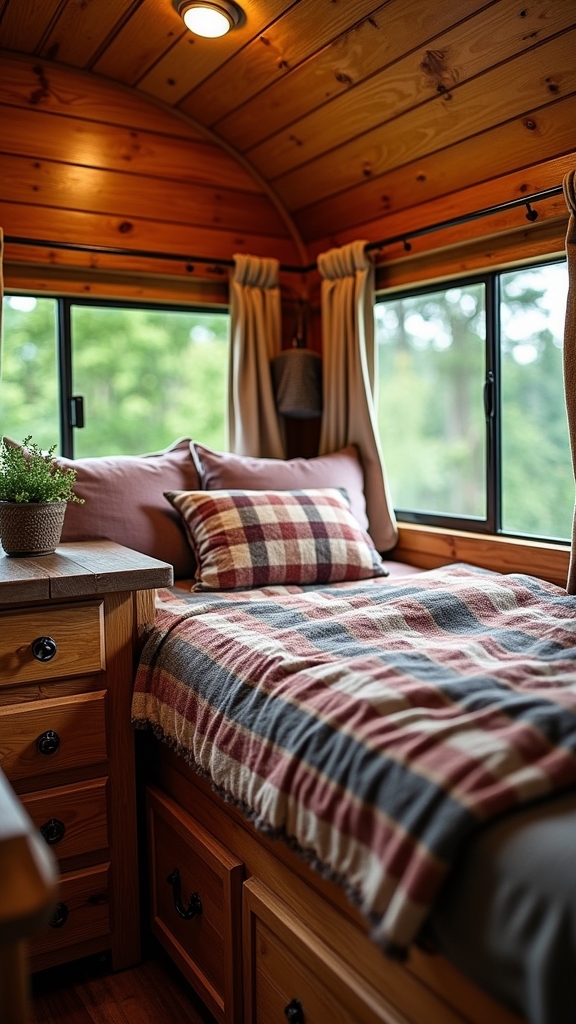
Sleep matters on the road, so invest in a high-density foam mattress that actually supports your back. Vacuum-sealed bedding frees up storage for other essentials you’ll need during the day.
Pull-out drawers under the bed and converted wheel well cabinets keep clutter off surfaces. Bench seating with built-in storage maintains order without sacrificing comfort or livability.
DIY Cabinet Makeover With Vermont-Inspired Colors
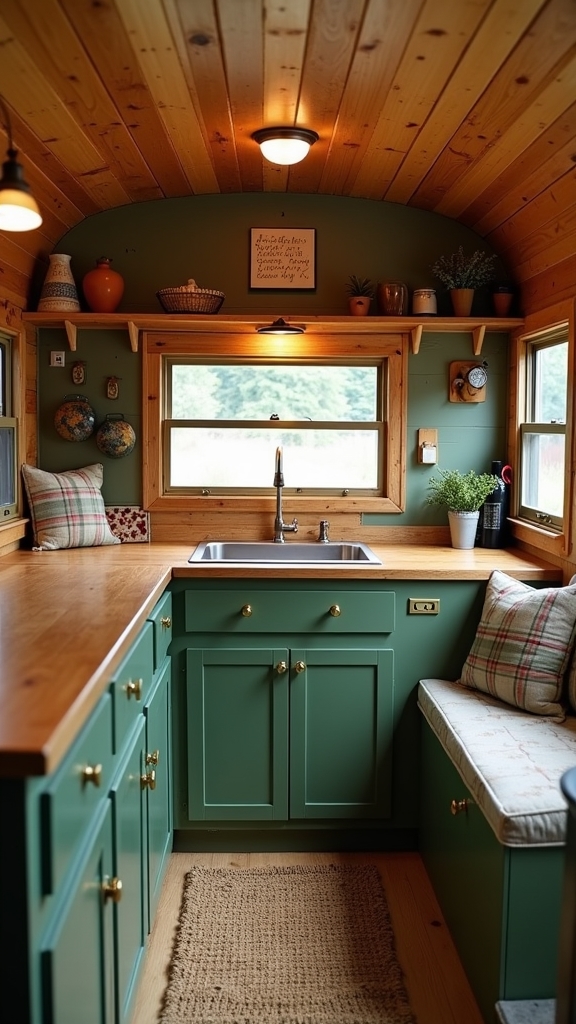
Cabinets set the visual foundation, so don’t settle for builder-grade beige. Vermont Slate blues and earthy greens instantly elevate the space and tie into the natural theme.
Reclaimed wood or pine cabinet faces add texture and warmth that laminate can’t touch. A cabinet refresh is one of the highest-impact, lowest-cost upgrades you can make in a pop-up camper.
Bringing the Outdoors in With Natural Accent Pieces
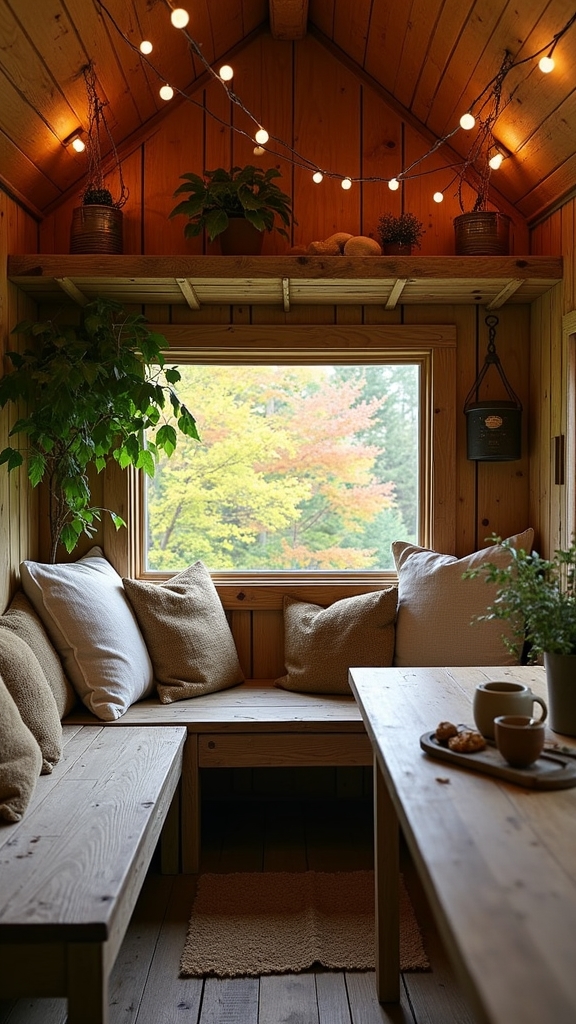
Woven baskets handle storage while adding texture that plastic bins never will. Live-edge shelving or curved wooden elements echo the organic shapes you find hiking through Vermont’s forests.
Earth-toned textiles and nature-themed artwork depicting the Green Mountains or Lake Champlain finish the look without feeling forced. The best interiors don’t announce themselves, they just feel right the moment you step inside.