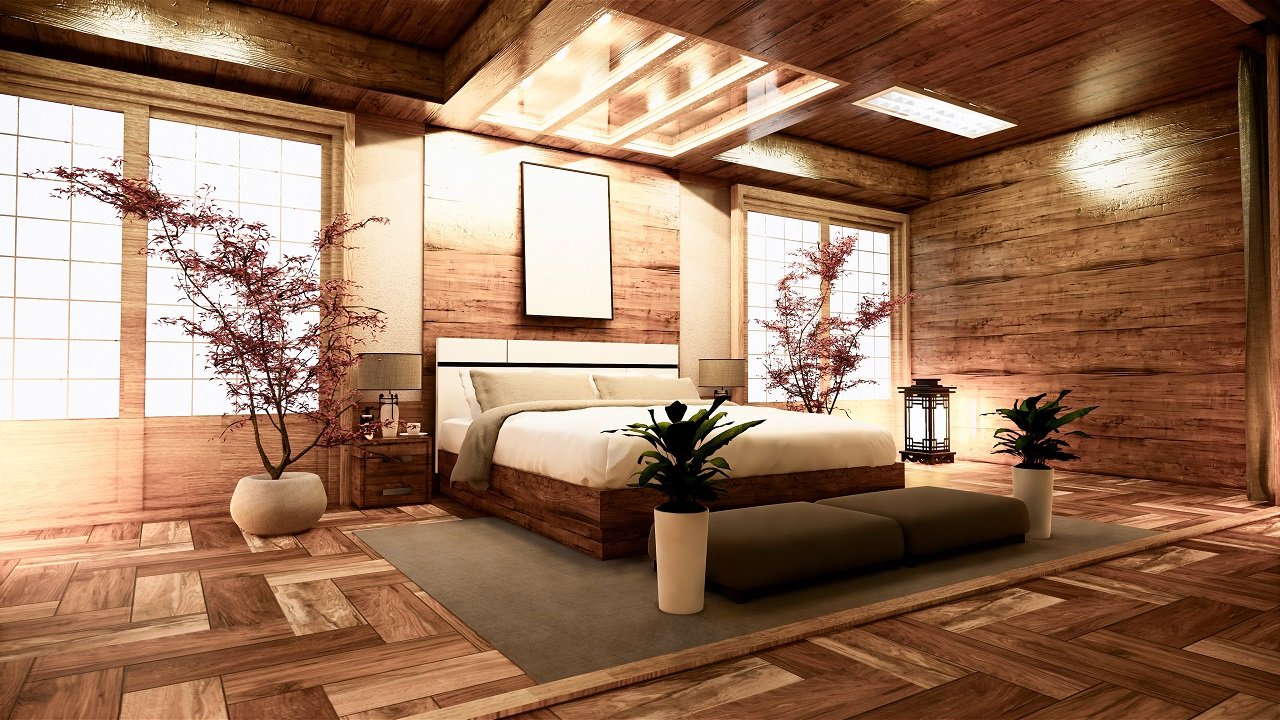
Van builds chase the same look: white walls, minimal wood, a hanging plant for the gram. Solarpunk tears that formula apart and rebuilds it with intention.
It’s a design philosophy where living lightly doesn’t mean living plainly, and on the road, that difference matters. You’re working with limited space, real weather, and finite power, so every choice has to pull double duty.
Done right, the build becomes a living system, not just a decorated room. These 10 ideas show you what that looks like in practice.

What Is Solarpunk and Why It’s Perfect for Camper Life
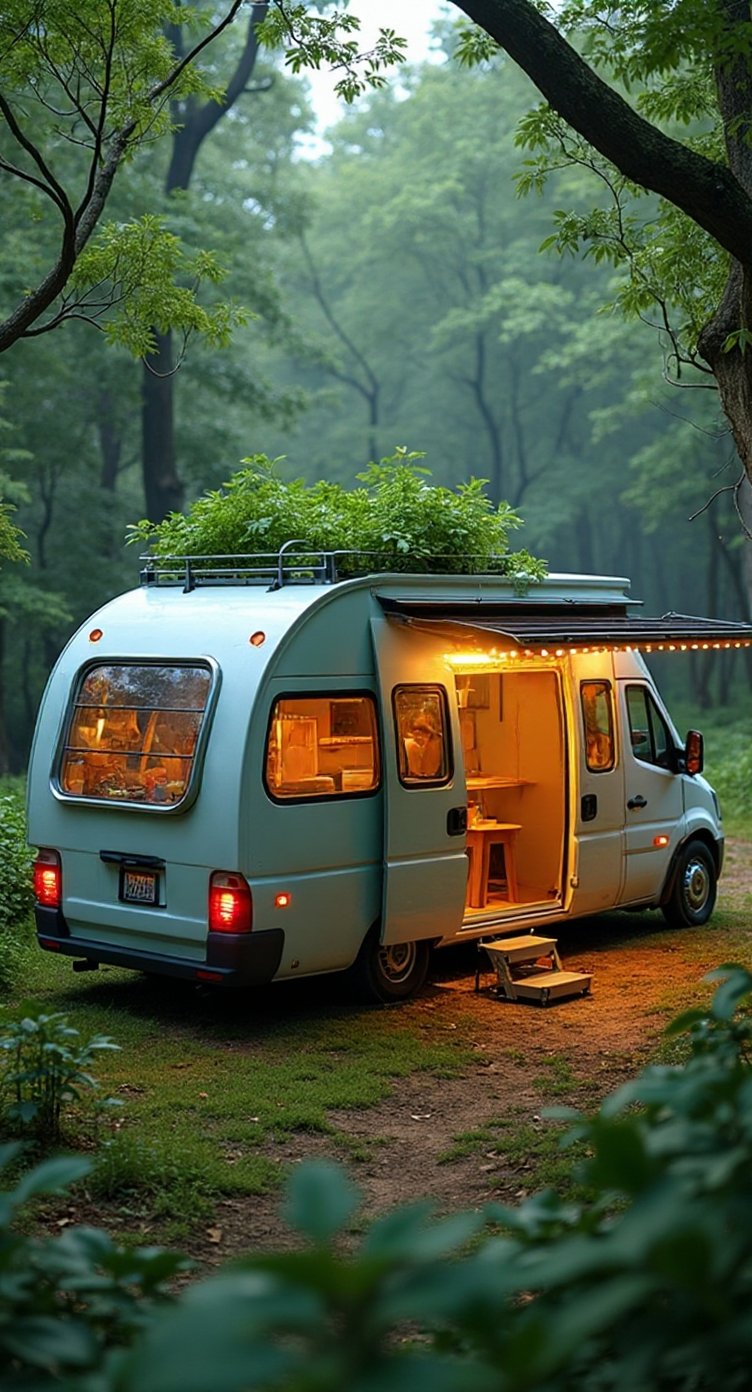
Van life already forces you to think honestly about energy, water, and waste. Solarpunk gives those daily trade-offs a visual language and a larger purpose.
Most people on the road are already living closer to these values than they realize. The philosophy just makes it intentional.
Understanding the Solarpunk Philosophy
Solarpunk started as a literary movement imagining futures where technology serves ecosystems rather than consuming them. It pushes back against the idea that progress and nature are in conflict.
The aesthetic draws from Art Nouveau, maker culture, and regenerative agriculture all at once. For van builders, it translates into designs where the solar panels, the herbs on the windowsill, and the reclaimed wood shelving are part of the same coherent idea.
The Appeal of Self-Sufficiency and Eco-Living on the Road
There’s a specific kind of satisfaction in making your own power and managing your own water. Every system you add to a solarpunk build moves you further from the grid and closer to actual independence.
Harvesting rain, filtering creek water, composting food scraps: these aren’t just novelties. They’re the practical backbone of a lifestyle that holds up over years, not just weekends.
Designing Your Camper With Solarpunk Aesthetics
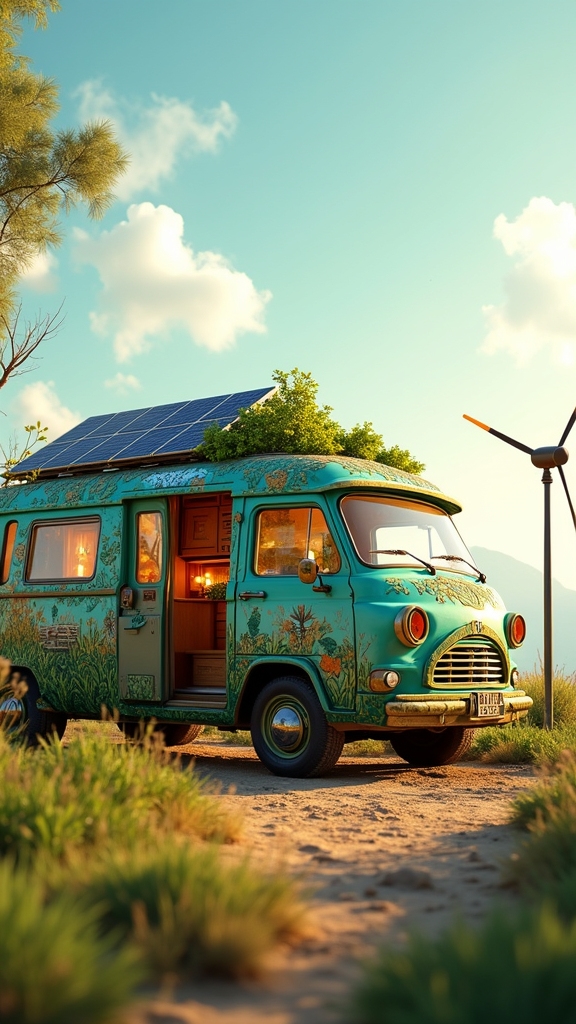
The visual language pulls from two directions: overgrown greenhouse and functional workshop. Earthy greens and warm wood sit alongside exposed copper fittings and matte metal accents.
Every surface should be doing something, aesthetically and practically. Start with your palette, build your storage around it, and let the tech stay visible rather than hidden behind cabinet doors.
Color Palettes Inspired by Nature and Tech
Warm greens, soft browns, and deep teals form the natural foundation of the palette. Metallic grays and brushed copper bring in the technological counterweight without going cold or sterile.
Avoid the all-white-and-blond-wood look that dominates mainstream van builds; it has nothing to say. The goal is a space that feels like it grew, not one that was assembled from a mood board.
Clean Lines, Modular Furniture, and Space Efficiency
Clutter is the enemy of any small space, and solarpunk builds are no exception. Clean, straight-edged furniture creates visual breathing room even in a short wheelbase van.
Modular pieces that convert from seating to storage to sleeping platforms earn their keep on a long trip. Every inch of dead space, under the bed, above the cab, behind the wheel wells, is storage waiting to be designed.
Futuristic Touches With a Green Twist
Exposed wiring looks intentional when it’s copper or braided in earth tones and routed neatly. LED strips tucked under shelves give off a low ambient glow that feels considered rather than installed.
Salvaged gauges, repurposed industrial fittings, and visible plumbing connections all read as solarpunk when they’re integrated cleanly into the design. The trick is letting the function show without letting it look accidental.
Solar Energy Solutions for a Modern Camper
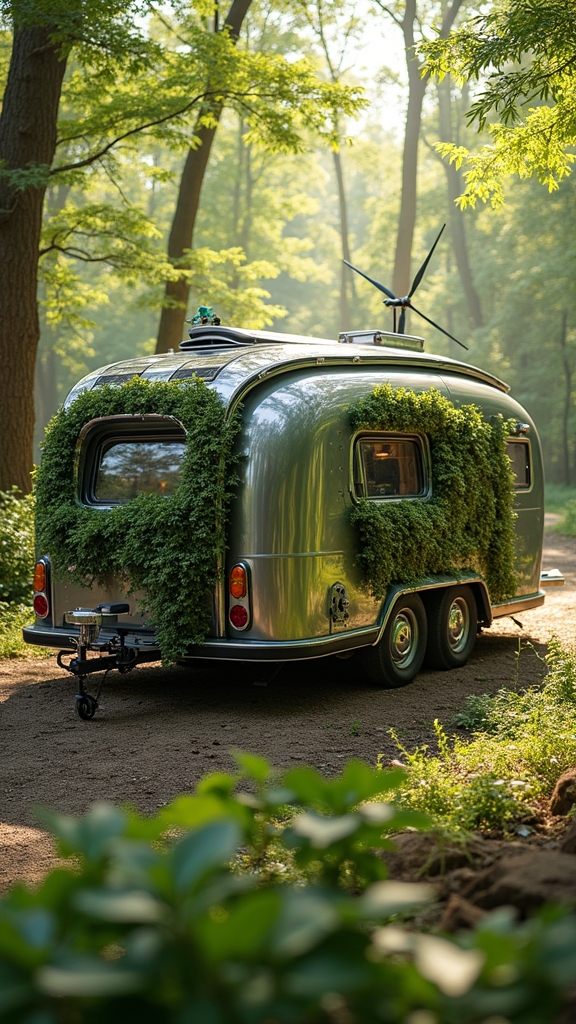
Your whole build depends on getting this right. A poorly sized solar system turns van life into a constant anxiety about battery percentage.
Spend time calculating your actual daily watt-hour consumption before you buy a single panel. The math is simple and the payoff is a system that runs your life instead of one you’re always nursing.
Choosing the Right Solar Panels for Your Vehicle
Monocrystalline panels offer the best efficiency per square foot, which matters when your roof is shared with a vent fan and a rooftop tent. Polycrystalline panels cost less upfront but lose meaningful output in partial shade or high heat.
Measure your usable roof space carefully before ordering because manufacturers’ dimensions don’t account for curves, rails, or rooftop accessories. Match your panels to a charge controller rated for your battery bank chemistry, not just your wattage.
Portable Solar Setups for Flexible Camping
Fixed roof panels underperform badly in forested campgrounds where trees block direct sun for most of the day. A folding portable panel changes that equation entirely because you can position it wherever the light actually is.
Most fold flat for storage under a bed platform and weigh under fifteen pounds. Keep one even if you have a full roof array; it’s the backup that makes the whole system reliable.
Budget vs. Premium Solar Power Systems
Budget kits under $300 can absolutely run a basic setup: a phone, a laptop, a fan, and some LED lighting. Where they fall short is longevity; cheaper panels degrade faster and cheap charge controllers fail without warning.
Premium systems from Renogy, Victron, or Rich Solar cost more upfront but ship with real warranty support and better components throughout. Think of it as paying for the system once versus troubleshooting it somewhere remote with no cell service.
Eco-Friendly Water Systems and Greywater Recycling

Water is where most builds get lazy, and it’s also where you can do the most environmental good quickly. Most van dwellers are dumping soapy water directly onto the ground without thinking about it.
A few hours of installation work changes that entirely. The systems aren’t complicated; they’re just overlooked.
How to Install a Greywater-Friendly Drainage Setup
Run your sink drain into a removable catchment container rather than straight to a hole in the floor. Pack the bottom of a secondary collection vessel with gravel and activated charcoal to filter out soap and food particles before disposal.
Empty it at designated dump stations or well away from waterways when dispersed camping. Check local regulations before you go; some regions have specific rules about greywater disposal on public land.
Water Purification Tools for Off-Grid Living
A ceramic gravity filter handles most backcountry water sources reliably and needs no batteries or pumping effort. UV purifiers like the SteriPen work faster but depend on clear water and charged batteries, so carry both.
For a fixed system, an inline filter mounted under your sink sink makes treated water available at the tap. Test your setup before you leave home, not after you’ve been drinking from it for a week.
Low-Waste Dishwashing and Hygiene Solutions
A foot-pump sink uses a fraction of the water a standard faucet burns through in the same task. Biodegradable soap like Dr. Bronner’s does the job without leaving compounds that harm soil organisms when your greywater is disposed of outside.
A small basin for washing up lets you reuse rinse water for a secondary cleaning step before it goes to your catchment. These habits together can cut your daily water use by a third without any real sacrifice in cleanliness.
Green Materials for Your Camper Build or Remodel
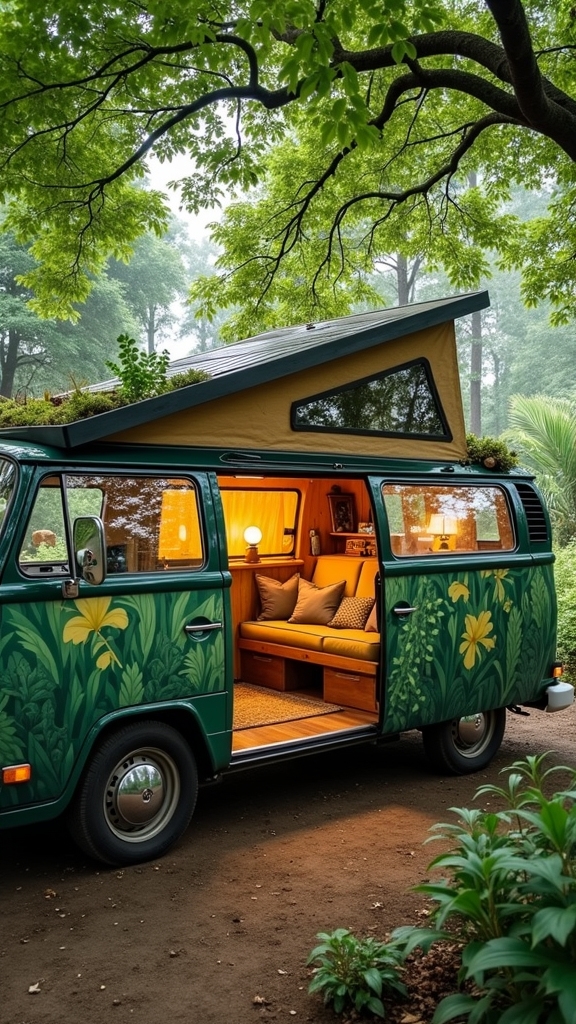
Material choices set the tone for everything else in the build. The wrong substrate makes every surface feel temporary, and the right one makes the whole van feel considered and solid.
Sustainable sourcing has gotten easier in recent years, and the aesthetics are genuinely better for it. Start with your wall panels and flooring, then work outward from there.
Reclaimed Wood, Cork, and Bamboo Panels
Reclaimed wood brings grain patterns and warmth that new lumber simply can’t replicate, and every piece has a story that adds character to the space. Cork is the underrated choice for flooring and lower wall panels; it’s naturally antimicrobial, comfortable underfoot, and harvested without killing the tree.
Bamboo panels offer real structural strength and a clean, contemporary grain that works beautifully against metal fixtures. Used together, these three materials cover almost every surface need in a van build without touching a single virgin-growth board.
Where to Source Sustainable Materials Online
Your local Habitat for Humanity ReStore should be the first stop before you order anything new online. For specialty materials, EcoBuildStore and BuildingGreen carry low-VOC finishes, sustainable insulation, and certified wood products that arrive with actual documentation.
Facebook Marketplace and Craigslist consistently turn up reclaimed flooring, barn wood, and salvaged fixtures at a fraction of retail cost. Buy secondhand when you can; it’s cheaper, it keeps materials out of landfills, and it often looks better than anything you’d find new.
Solarpunk Storage and Organization Hacks
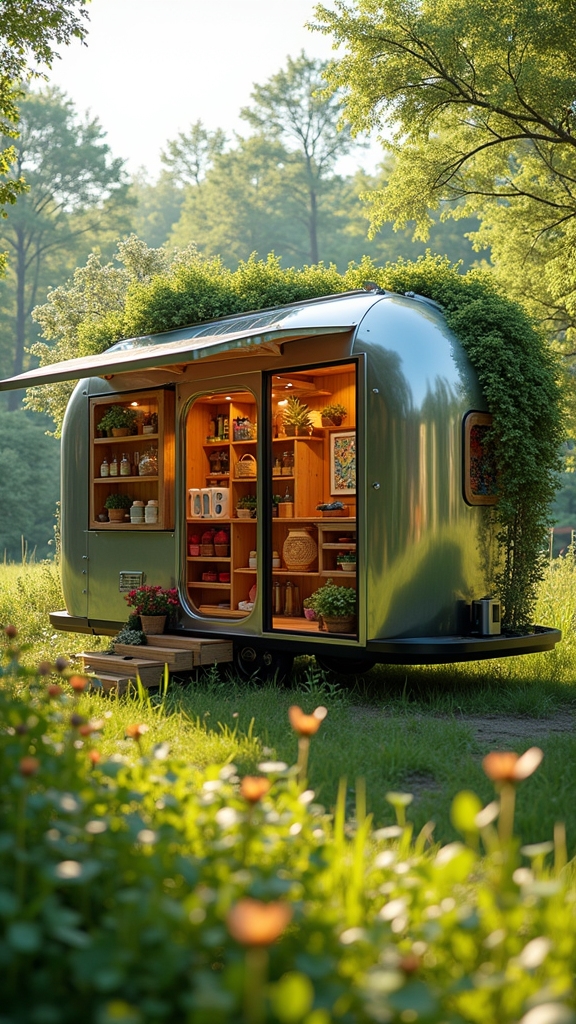
Small space organization fails the moment you stop planning for it. Most van dwellers run out of storage not because the space isn’t there, but because they didn’t design for their actual habits.
Think through a full week of living before you build a single shelf. What you reach for every morning tells you exactly where your most accessible storage needs to go.
Upcycled Storage Ideas for Tiny Spaces
Old wooden crates stack, mount, and hold weight better than most purpose-built van storage products. Thrifted tin cans screwed to a board make excellent utensil and toiletry organizers that cost almost nothing and look intentional.
Glass jars in a mounted rack handle dry goods, hardware, and personal care items while keeping everything visible at a glance. The best upcycled storage looks like it was always meant to be there, not like you ran out of money at the end of the build.
Vertical Shelving With a Futuristic Edge
The square footage of your van walls is storage waiting to happen. Bamboo or recycled metal shelving that runs floor to ceiling in your cargo area can triple your accessible storage without touching your floor plan.
Use industrial pipe brackets for a look that reads as workshop meets greenhouse, which is exactly where solarpunk aesthetics want to land. Secure everything with safety lips or bungee cord rails so it stays put on washboard roads.
Smart Containers and Minimalist Labeling
Stackable containers in consistent sizes are the single biggest upgrade most disorganized van builds need. Choose ones made from recycled materials when you can; there are good options from brands like Full Circle and Preserve.
Label with a paint pen directly on the container or use small masking tape tags that peel off cleanly when contents change. A system you can read at a glance in the dark, with one hand, while the van is moving, is a system that actually gets used.
Growing Plants Inside (Yes, Really)
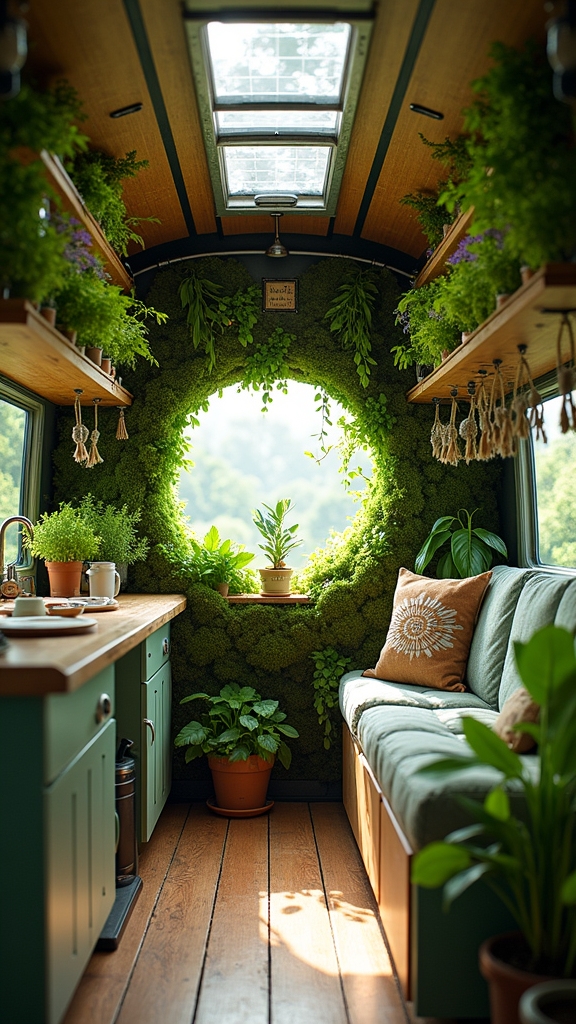
I’ve kept herbs alive in a moving van for three months straight, and the key is being ruthless about which plants you choose. Most people kill their van plants by picking ones that need too much light, too much water, or too much stability to survive regular movement.
Get that selection right and the rest is straightforward. A living plant in a small space does more for morale than almost any other design choice.
Low-Maintenance Herbs and Edible Greens
Basil, mint, and arugula tolerate low light, inconsistent watering, and road vibration better than almost anything else worth eating. Plant them in small recycled containers with drainage holes and a layer of perlite mixed into the soil to prevent root rot.
Water lightly every two to three days and tip the pots toward whatever natural light is available. After a few weeks on the road you’ll have fresh herbs for cooking that cost nothing beyond the initial seed packet.
Camper-Friendly Hanging Planters and Wall Gardens
Vertical planting systems reclaim dead space near your cab windows and ceiling rails without eating into your floor area. Mount small recycled tin planters on a strip of reclaimed wood using pipe clamps, and you have a wall garden that doubles as decor.
Pothos, tradescantia, and string of pearls all trail beautifully and handle the neglect that van life occasionally demands. Secure the whole system with safety wire through the plant bracket to the wall so it survives a sharp corner without becoming a projectile.
How to Use Grow Lights in Small Spaces
A single 20-watt full-spectrum LED panel on a timer is enough to keep most herb arrangements producing through the winter or in consistently overcast regions. Position it eight to twelve inches above your canopy and set the timer for fourteen hours on, ten off to mimic a solid growing season.
Red and blue spectrum LEDs draw less power than white panels and target exactly the wavelengths plants use for growth and flowering. Pull from your solar bank during peak charging hours and let the timer do the rest.
DIY Projects to Make Your Camper Look Solarpunk
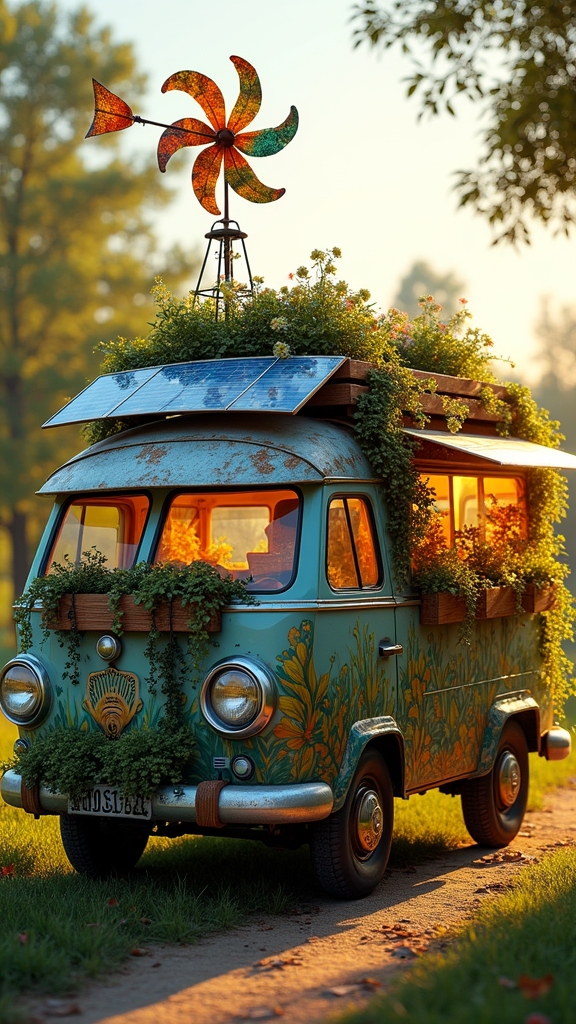
The builds that photograph best are the ones where the DIY projects look like part of the design rather than additions bolted on afterward. Planning what you’ll make before you build the walls means you can run conduit for lighting and anchor points for planters while everything is still accessible.
Most of these projects cost under $30 and take an afternoon. None of them require advanced skills, just patience and a decent cordless drill.
Solar Lantern Jars and LED Mason Lights
Solar lid kits sold for mason jars run about $8 each and snap onto any standard wide-mouth jar. Drop a small coil of copper wire fairy lights inside, seal the lid, and set the jar on your roof or dashboard to charge during the day.
By evening you have warm, free light that needs no wiring and no switch. Line three or four along a shelf and the effect is genuinely beautiful, not crafty.
Custom Green Window Tinting and Reflectors
Forest green or bronze window tinting film costs about $15 a roll and cuts interior heat by a measurable amount on hot afternoons. Apply it to your cab windows and side glass using a spray bottle of soapy water and a squeegee, and trim the edges with a sharp razor blade.
On the exterior, reflective radiant barrier taped inside your roof panels bounces heat before it ever reaches your living space. Both projects together can drop your interior temperature by ten degrees on a sunny day without touching your ventilation system.
Repurposing Tech Components Into Decor
Old circuit boards mounted on reclaimed wood backing make striking wall art that costs nothing if you salvage them from discarded electronics. Coiled copper wire, salvaged gauges, and vintage electrical components arranged on a pegboard create a functional tool wall that reads as intentional design.
Braided cables in earth tones used as curtain ties or plant hangers blur the line between technology and nature in exactly the way solarpunk intends. The goal is a space that looks like it was curated by someone who builds things, not decorated by someone who shops.
Where to Park Your Solarpunk Camper
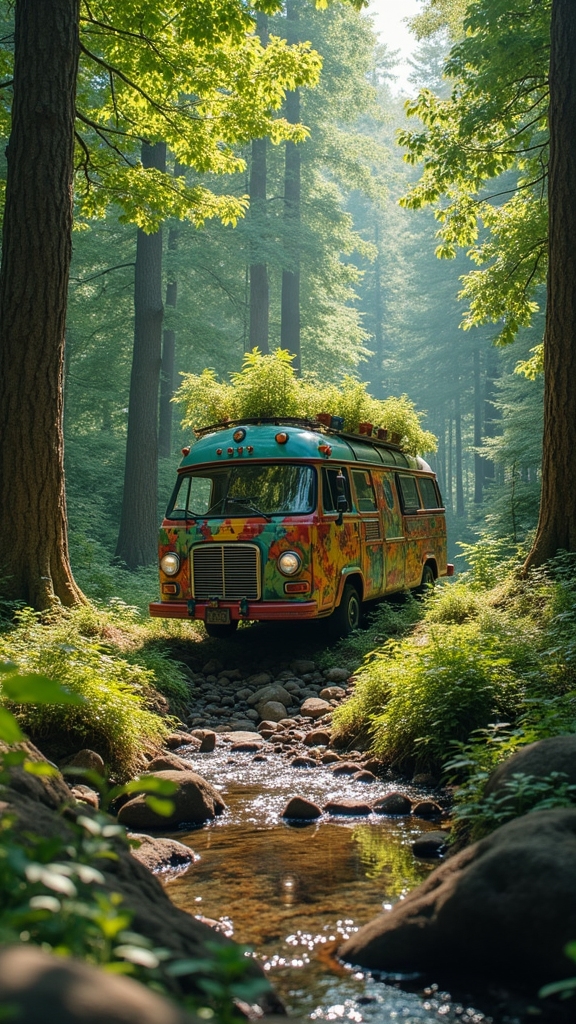
Parking strategy matters as much as any gear decision you’ll make. A perfect build running on marginal solar in a shaded, cramped campsite is a frustrating experience.
Learning to read terrain and forecast sun angles before you commit to a spot is a skill that comes fast. Your whole system performs better when your parking choices support it.
Best Regions for Solar Access and Natural Beauty
The Southwest earns its solar reputation honestly, with Arizona and New Mexico averaging well over 300 clear days a year. High desert plateaus give you unobstructed sky from horizon to horizon, which means your panels are pulling maximum wattage from morning to late afternoon.
For better biodiversity alongside solid solar, the eastern Sierra Nevada and southern Utah offer both stunning landscape and reliable sun. National forest land in these regions allows dispersed camping, which means you can stay for days without moving or paying.
Tips for Finding Eco-Friendly Overnight Spots
Hipcamp connects you directly with private landowners offering camping on farms, vineyards, and conservation properties that prioritize low-impact visitors. iOverlander is better for remote and international destinations, with user-submitted GPS coordinates and condition reports from people who camped there recently.
Look for spots with southern exposure, level ground, and enough tree cover to provide shade by late afternoon without blocking your morning panels. Talk to locals wherever you end up; the best free camps rarely appear on any app.
Capturing Solarpunk Camper Aesthetics for Pinterest
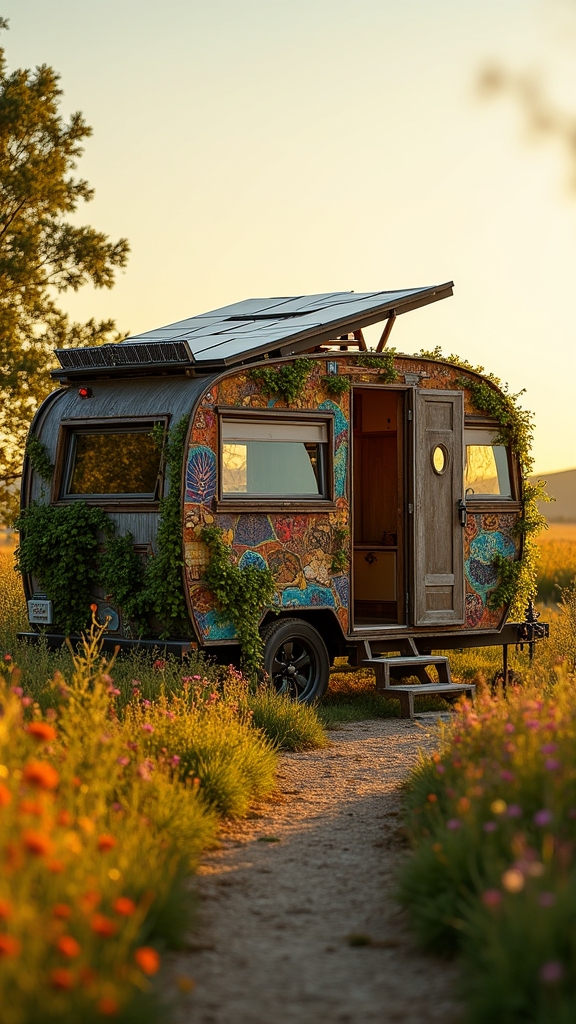
The builds that perform best on Pinterest tell a story in a single frame. You want the viewer to immediately understand the philosophy behind the space, not just see a pretty van interior.
That means being deliberate about what’s in the shot and how it’s arranged before you ever pick up a camera. Clean the space, style it intentionally, then shoot.
Composition Tips for Futuristic and Botanical Shots
Position yourself so your solar panels and your plants appear in the same frame; that tension between tech and nature is the visual argument the whole aesthetic makes. Shoot from a low angle to make interior spaces feel larger and to pull foreground plants into sharp focus against a softly blurred background.
Late afternoon golden hour light is worth rearranging your entire day to capture because it warms wood tones and makes copper fixtures glow. Avoid the overcast flat-light look that most van photos default to; solarpunk runs warm, saturated, and alive.
Building a Pinterest-Worthy Image Library
Shoot more than you think you need on any given day, then edit ruthlessly down to the five frames that actually say something. Organize your Pinterest boards by build phase or design element so followers can find the specific content they’re looking for rather than scrolling through everything at once.
Write captions that explain the thinking and the process behind each choice, not just the product names. The accounts that grow consistently are the ones teaching people something, not just showing them a pretty van.