Small rooms punish lazy design faster than any other space. After years of fitting lives into cramped city apartments and tight weekend cabins, I’ve stopped believing that small spaces are a problem to solve.
They’re more like a discipline: one that rewards careful thinking and exposes every shortcut. The techniques that follow aren’t theory; they’re the ones that held up when real rooms pushed back. Pick what fits your space, and don’t be afraid to stack several of these together.
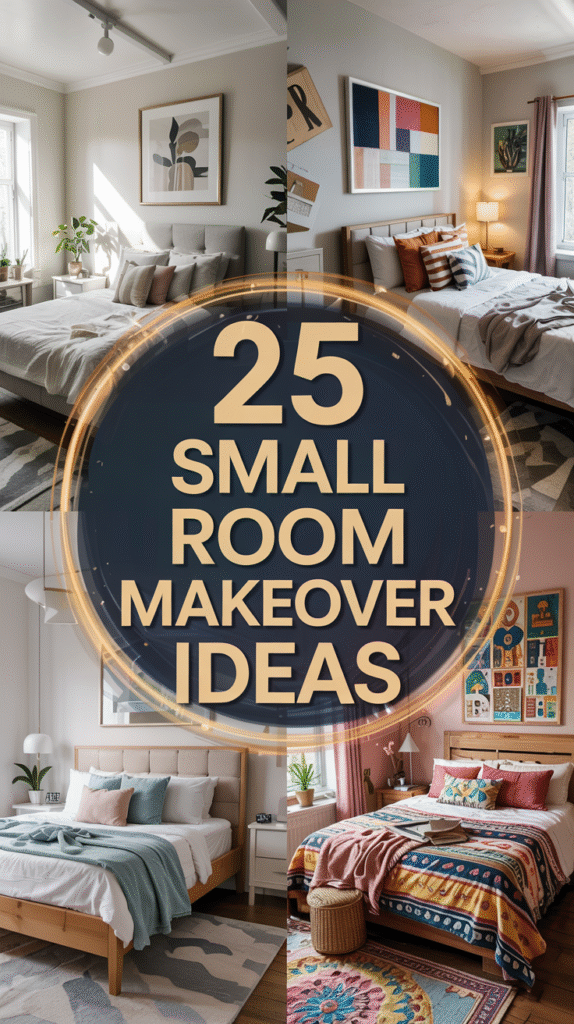
Embrace Bold Colors for a Statement
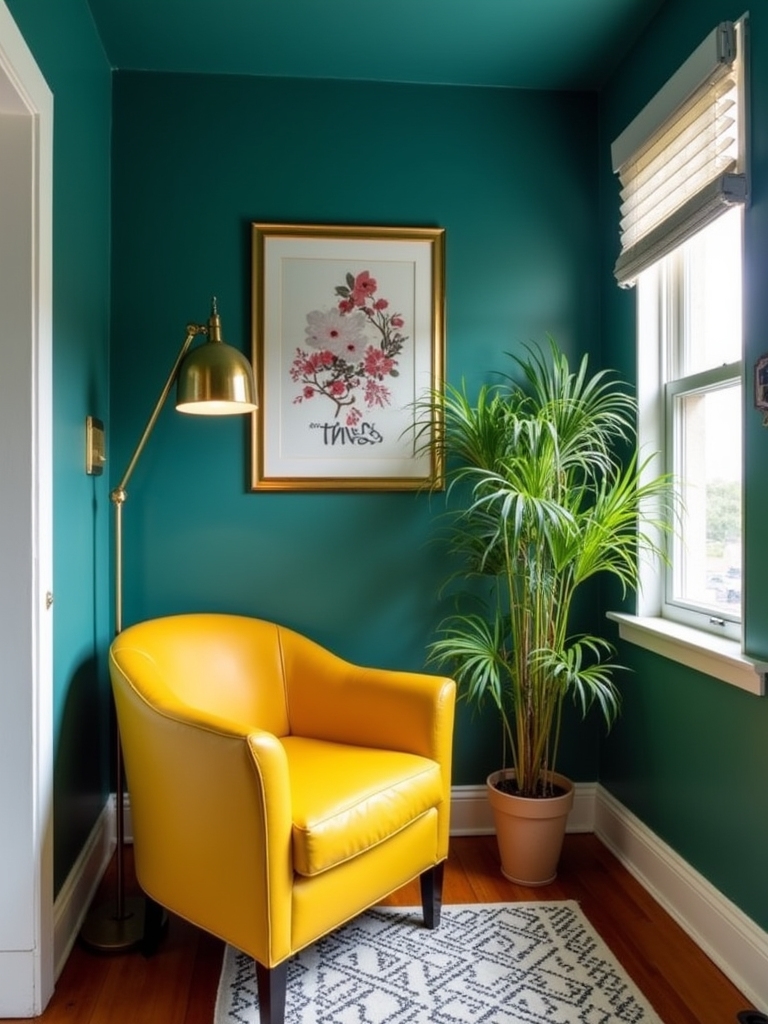
Warm tones like deep reds and golden yellows charge a room with energy you feel the moment you walk in. Cool blues and saturated greens do the opposite, turning a small bedroom into something that actually feels restful.
The key is pairing a bold hue with a lighter tone so the room has contrast rather than just intensity. A dark accent wall doesn’t shrink a room; used well, it gives it a center of gravity.
SEE THIS: 21 Stunning Black and Natural Wood Kitchen Ideas for a Cozy-Modern Look.
Utilize Color Drenching Techniques
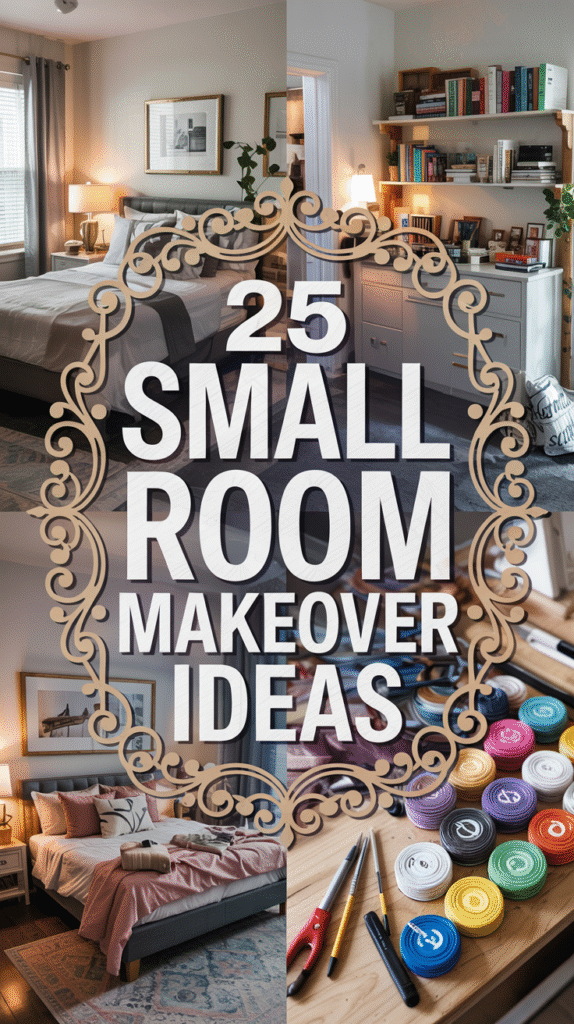
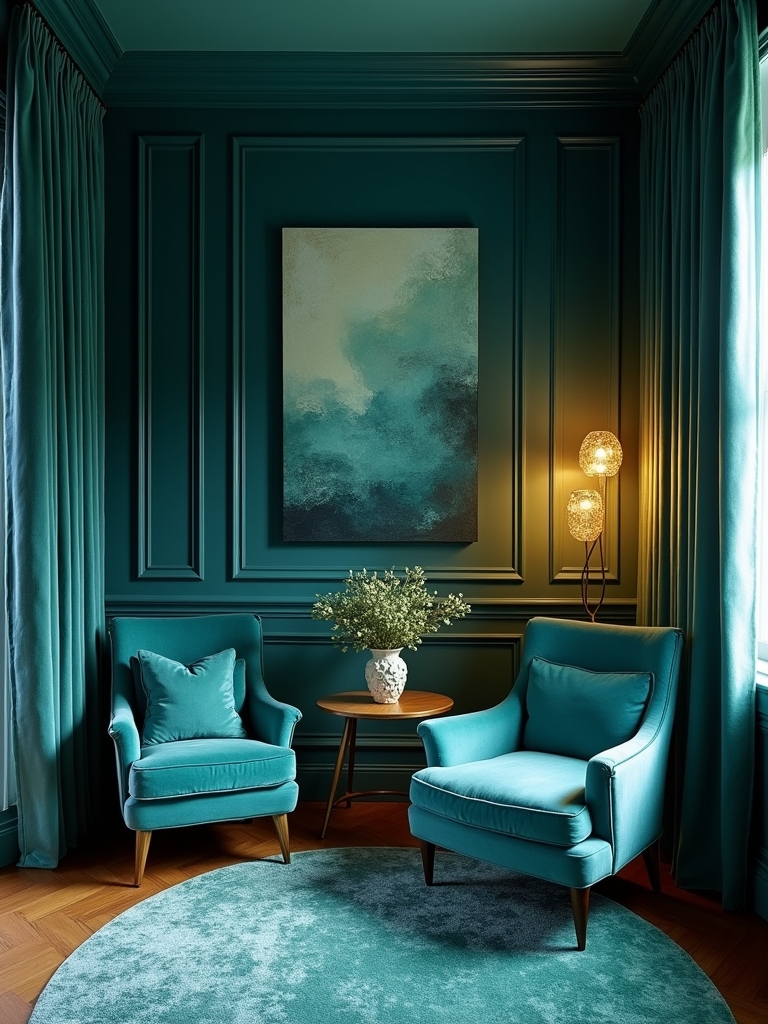
Most people paint the walls and call it done, but color drenching takes the same hue all the way to the ceiling and trim. That continuity removes the visual boundaries that make a small room feel chopped up and boxed in.
Your eye stops catching on edges and starts reading the room as one unified space. Pick a mid-tone so the effect feels immersive rather than oppressive.
SEE THIS: How to Add Soft, Feminine Touches to a Vintage Cabin Space.
Add Depth With Reflective Wallpapers
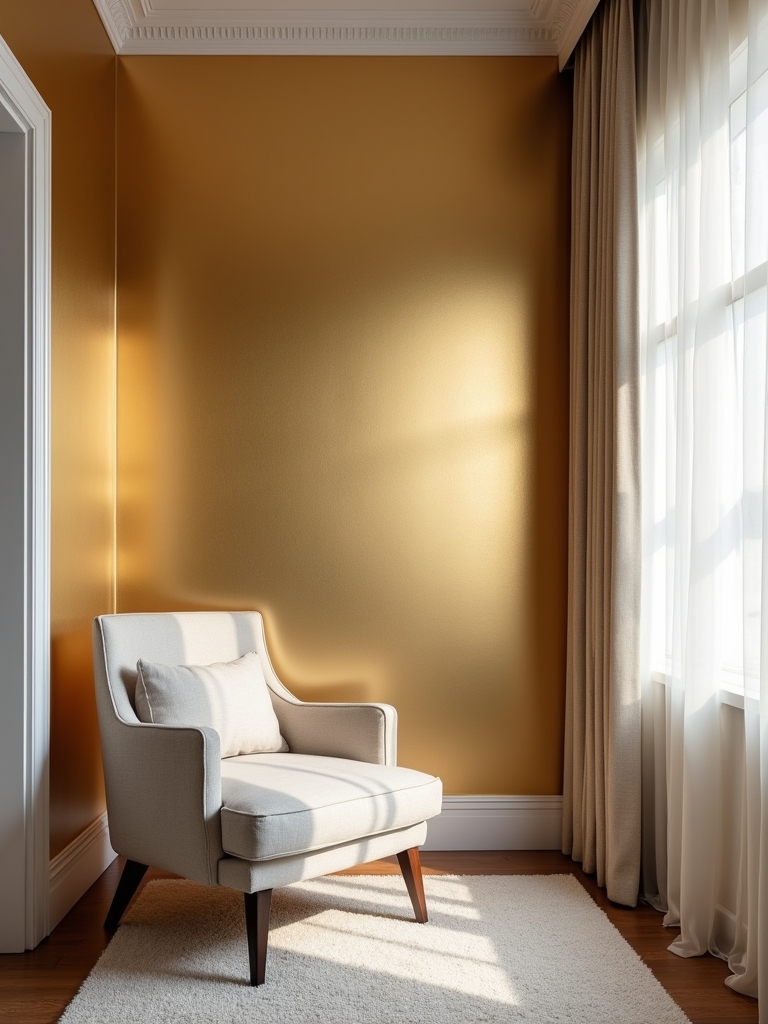
Reflective wallpapers do something paint simply can’t: they move with the light as it shifts through the day. A subtle metallic finish on an accent wall catches morning sun completely differently than it catches afternoon light.
Light-colored options open the room up, while deeper tones with a sheen add richness without heaviness. Use them on a single wall to anchor the room rather than wrapping all four sides.
SEE THIS: Small Kitchen Makeover Ideas for 2025 (Perfect for Apartments or Downsizing).
Introduce Metallic Finishes for a Luxe Touch
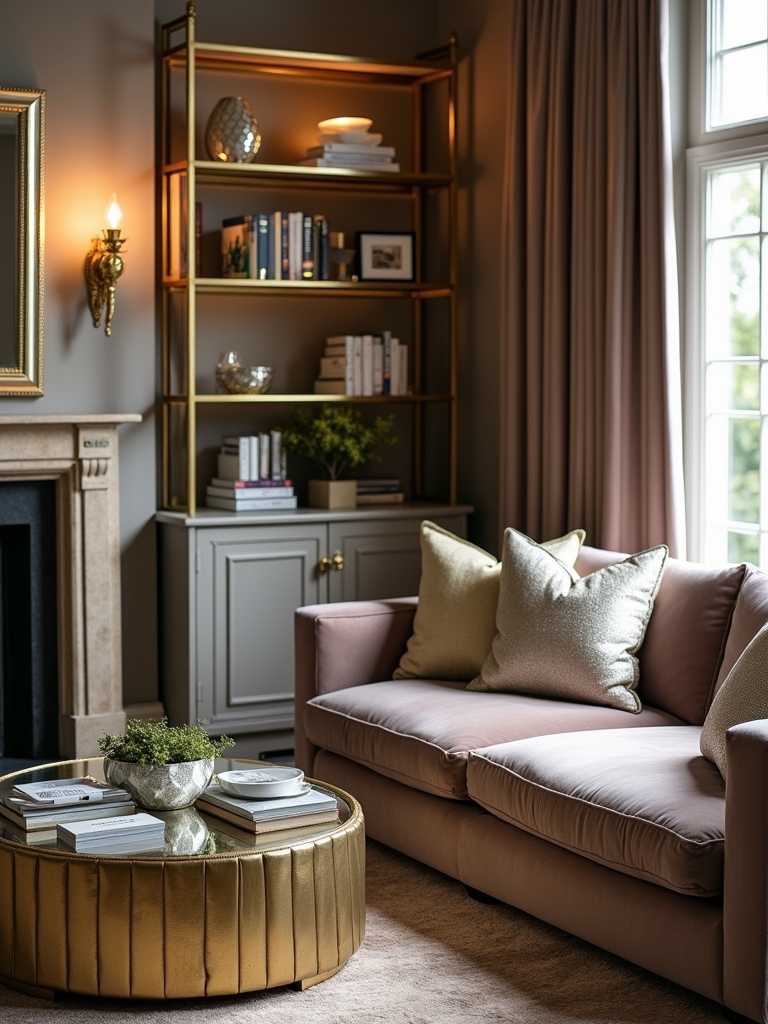
Brass, copper, and polished nickel each read differently, so choose one and commit to it rather than mixing all three. A metallic light fixture or a set of cabinet hardware adds texture and catches light in a way that matte finishes simply can’t.
Position these elements near windows and they’ll distribute brightness further into the room. The effect is subtle but consistent, working all day without demanding attention.
SEE THIS: Functional Yet Cozy: 2025 Modern Apartment Decor Ideas for Working Women.
Optimize With Multifunctional Furniture
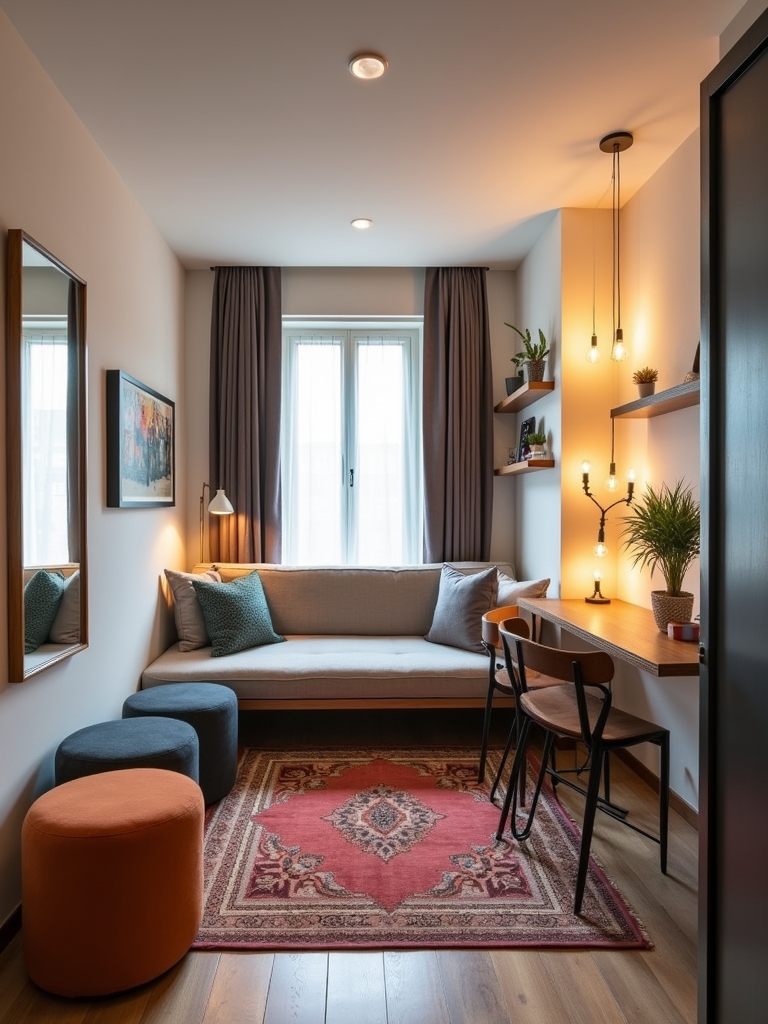
In a small room, every piece of furniture has to justify its floor space. A sofa bed, a storage ottoman, or a lift-top coffee table all work twice as hard as their single-purpose counterparts.
The best multifunctional pieces don’t look like compromises; they look intentional. Buy fewer pieces, but make sure each one is pulling at least two different jobs.
Borrow Space Creatively for Added Functionality
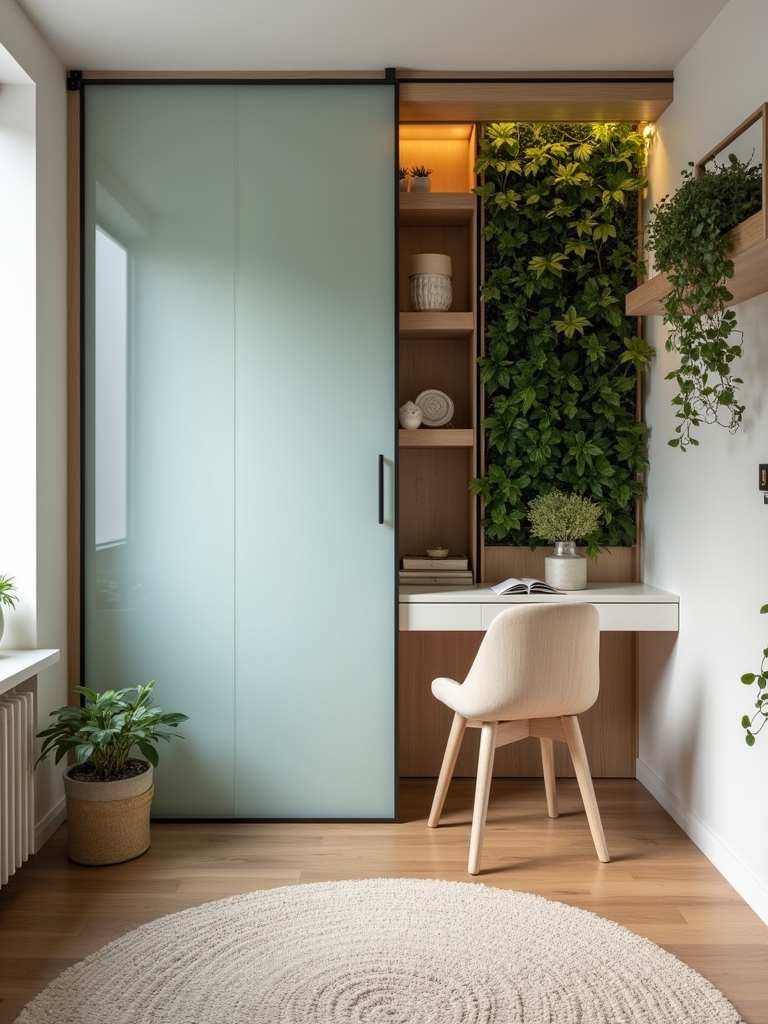
The space you’re not using is often right in front of you. Under-stair nooks, deep window sills, and the wall above a doorframe are all functional real estate waiting to be claimed.
Built-in drawers under stairs or a narrow shelf above a doorway can absorb a surprising amount of everyday clutter. Stop treating architectural quirks as problems and start reading them as opportunities.
Utilize Beds With Built-In Storage
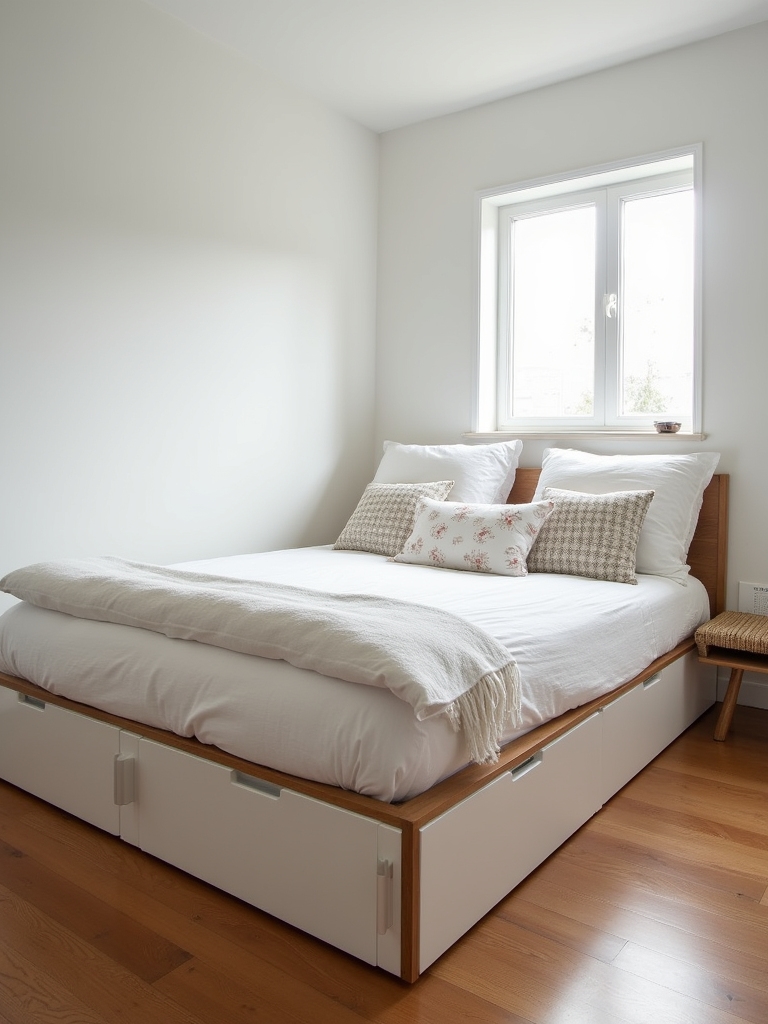
A platform bed with under-mattress drawers can replace an entire dresser in a small bedroom. That single swap recovers floor space that changes how the whole room moves and breathes.
You can store clothes, extra bedding, and seasonal items out of sight without adding a single additional piece of furniture. It’s one of the most efficient upgrades you can make in a room where the bed is eating half the square footage.
Choose Ottomans With Hidden Compartments
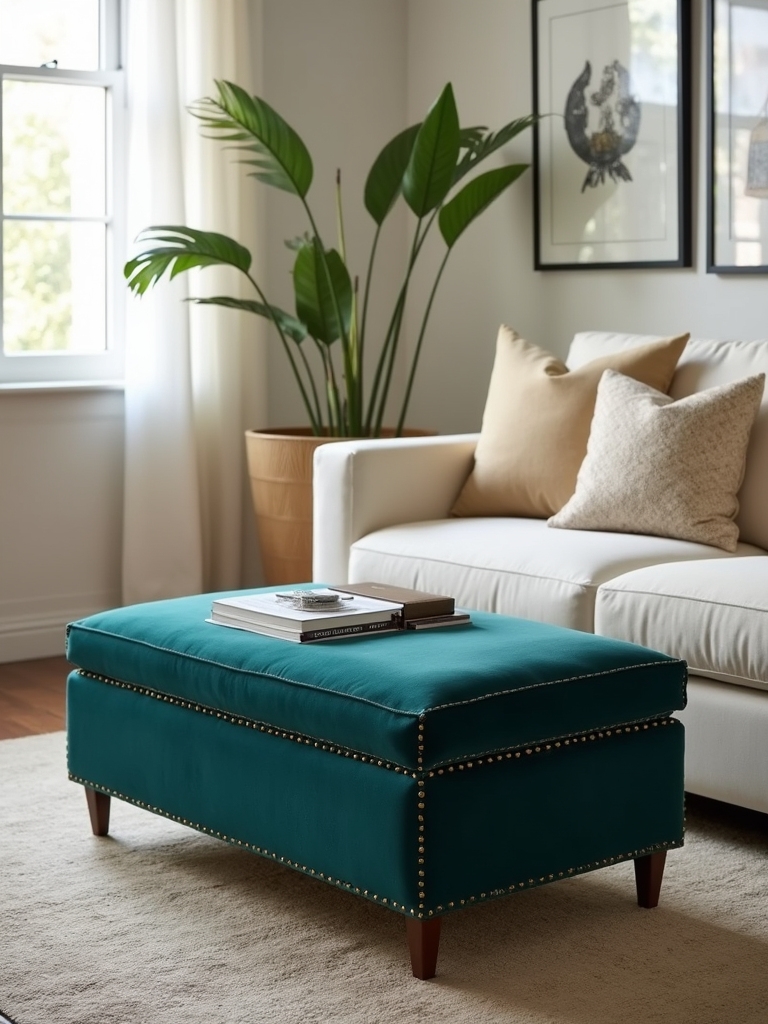
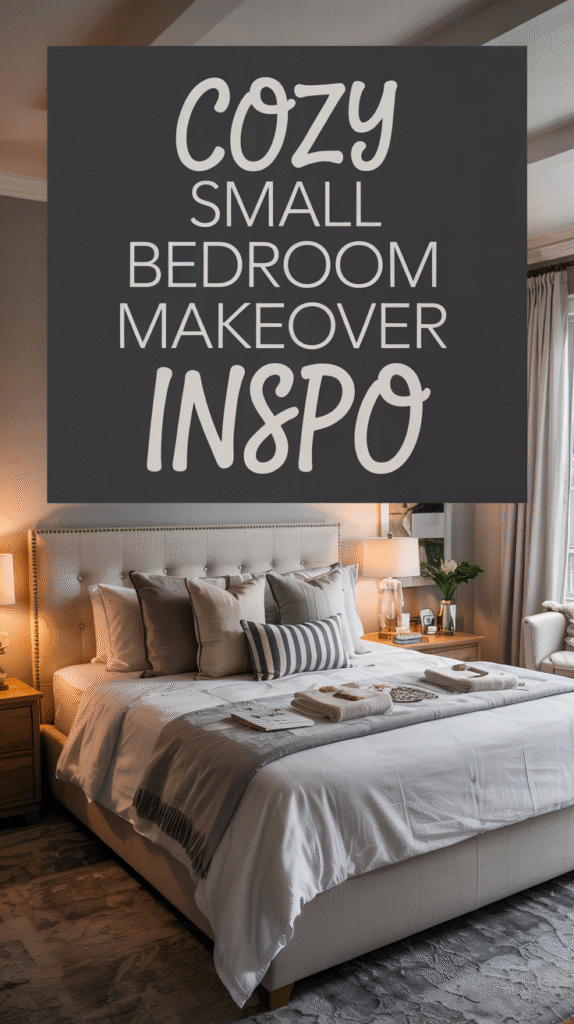
An ottoman with internal storage pays for itself in reclaimed space within the first week. It functions as a footrest, extra seating, a coffee table surface, and a place to hide blankets and remotes all at once.
Lift-top mechanisms make access quick enough that the storage actually gets used rather than forgotten. Choose a size and fabric proportional to the room so it reads as a design choice, not an afterthought.
Layer Lighting for Visual Expansion
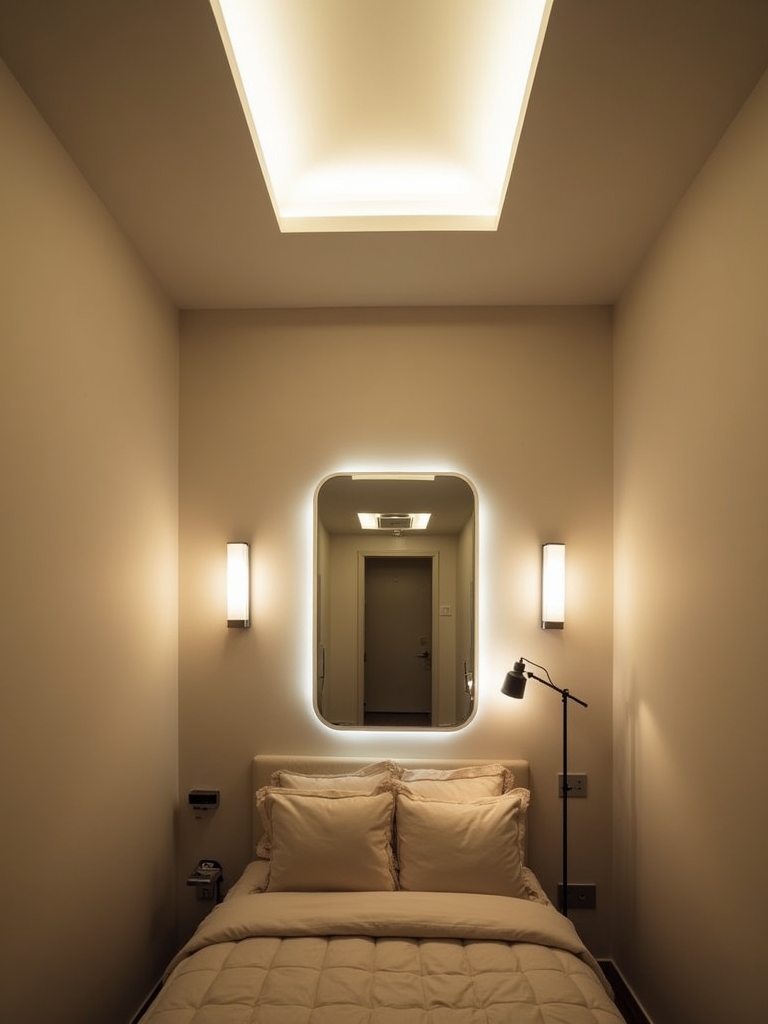
A single ceiling fixture does the worst possible job of lighting a small room: it flattens the space and creates shadows in every corner. Recessed downlights handle general illumination without eating into visual headroom.
Wall sconces and desk lamps add task lighting exactly where you need it. Varying the height of your light sources draws the eye upward and makes the ceiling feel further away than it actually is.
Incorporate Bespoke Built-in Solutions
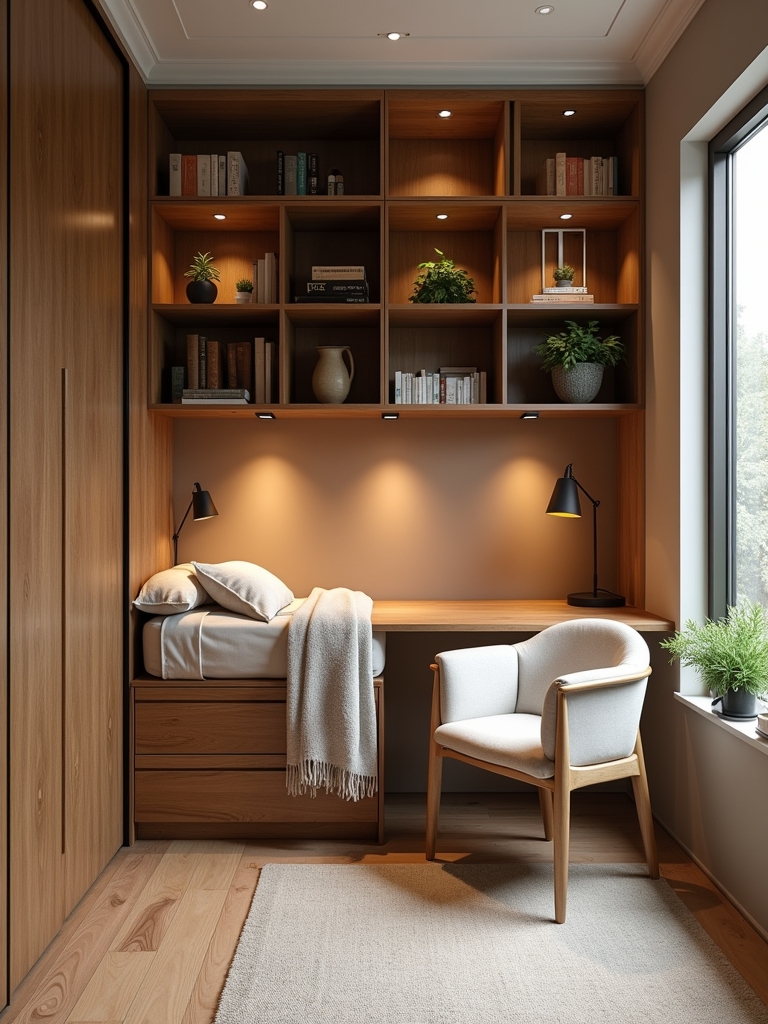
Off-the-shelf furniture ignores the room’s actual geometry; custom built-ins work with it. A unit designed to fit a specific alcove or awkward wall returns every inch of that space to active use.
Integrated storage maintains clean, unbroken lines that keep a small room from feeling cluttered. Light finishes and inset lighting inside built-ins push brightness into the room rather than absorbing it.
Maximize Space With Wall-Mounted Furnishings
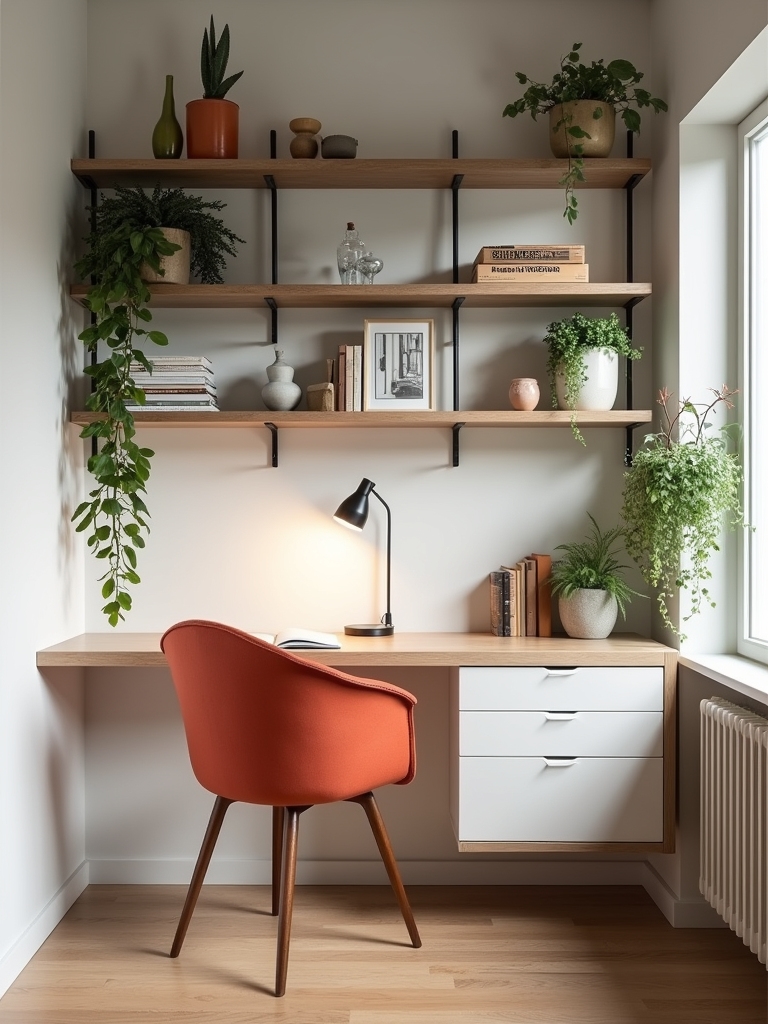
The floor is the most contested real estate in a small room, so anything that can move to the wall should go there. Floating shelves, wall-mounted cabinets, and fold-down tables eliminate the footprint of storage entirely.
A fold-down desk mounted at the right height functions as a full workspace and disappears flat against the wall in seconds. These solutions also make cleaning easier, since there’s nothing sitting on the floor to move around.
Replace Swinging Doors With Sliding Pocket Doors
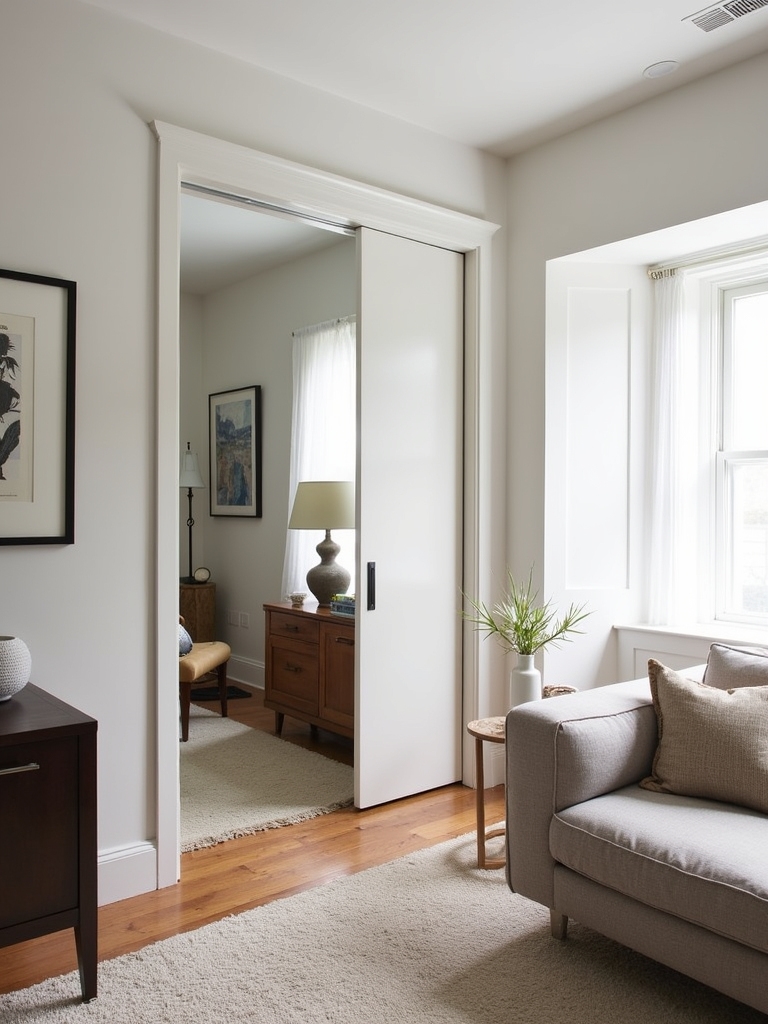
A standard hinged door claims a larger arc of floor space than most people realize, and in a small room that arc is genuinely valuable. Pocket doors slide directly into the wall cavity and vanish completely when open.
That freed space can absorb a piece of furniture that otherwise would have had nowhere to go. For small bathrooms and tight bedrooms especially, this is one of the highest-impact structural changes available.
Go Vertical With Storage Solutions
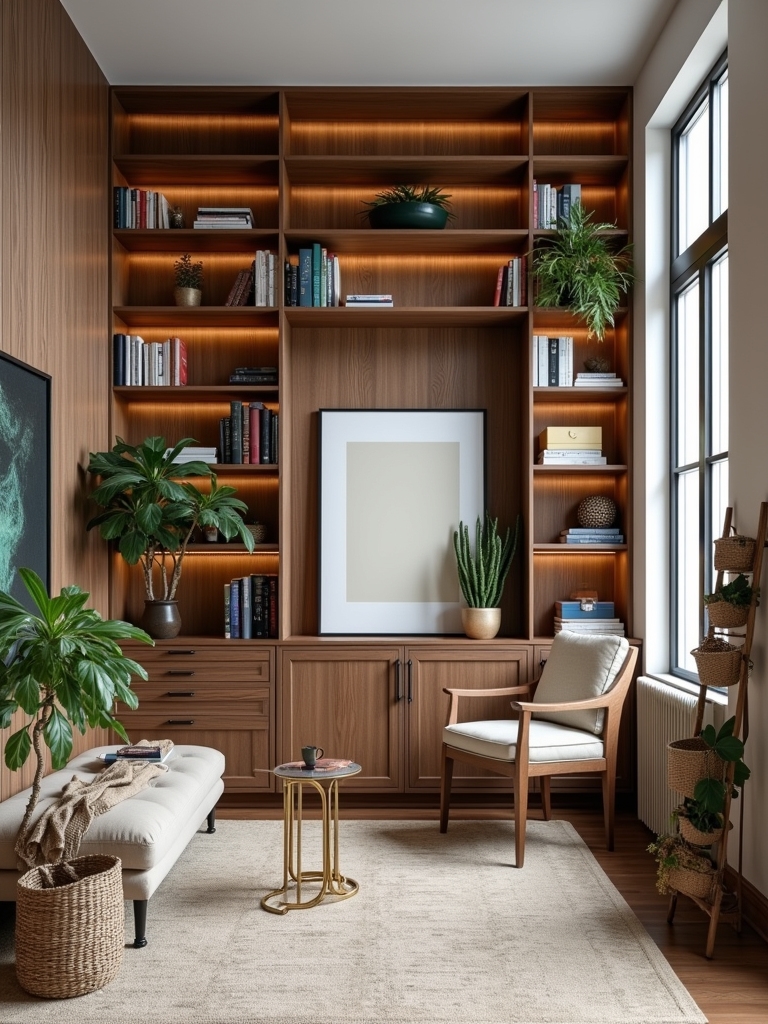
When floor space runs out, the walls still have room. Tall, narrow cabinets and wall-mounted shelves draw the eye upward, which makes ceilings feel higher and rooms feel less jammed.
Over-the-door racks and hooks are particularly useful in rentals where permanent shelving isn’t an option. Stack storage vertically and you’ll be surprised how much a room can hold without feeling stuffed.
Invest in Compact, Space-saving Wardrobes
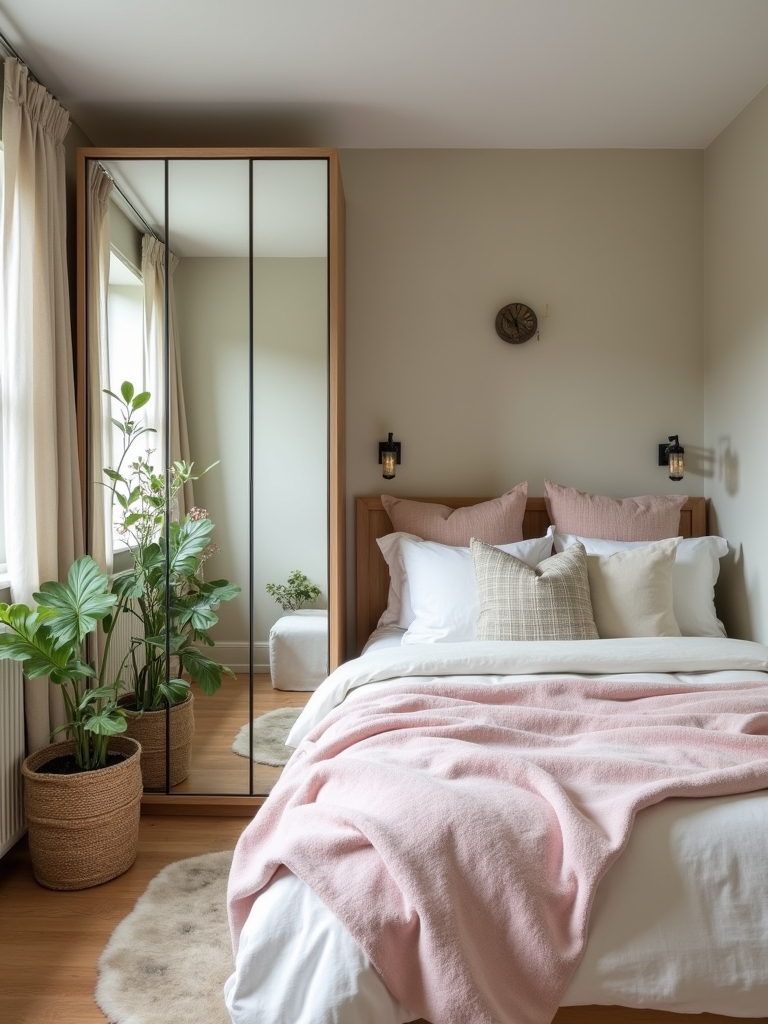
Sliding door wardrobes eliminate the clearance space a swinging door demands, which matters enormously in a tight bedroom. Mirrored panels on those sliding doors double the light in the room and suggest depth that isn’t actually there.
Many compact wardrobes now come in finishes that integrate cleanly with the surrounding space rather than reading as a purely functional box. Soft-close mechanisms are worth the small premium; they make the whole thing feel considered rather than grabbed off a showroom floor.
Tailor Built-ins to Irregular Shapes
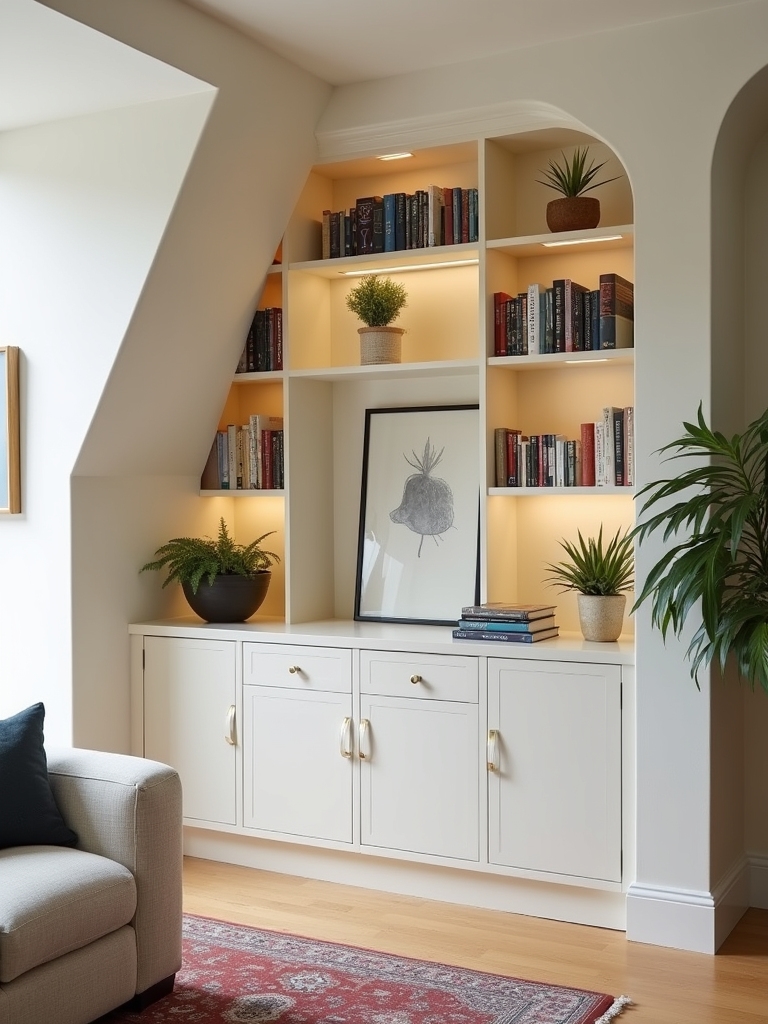
Most small rooms have at least one angled wall, awkward corner, or shallow niche that standard furniture simply ignores. Custom built-ins designed around those exact measurements turn an architectural liability into your best storage asset.
Sketch the space carefully and model it before committing to anything; surprises discovered on paper are far cheaper than surprises discovered mid-installation. Strategic lighting inside or above the unit softens what might otherwise feel like a heavy mass of cabinetry pressing in on the room.
Reflect Light With Glossy Surfaces
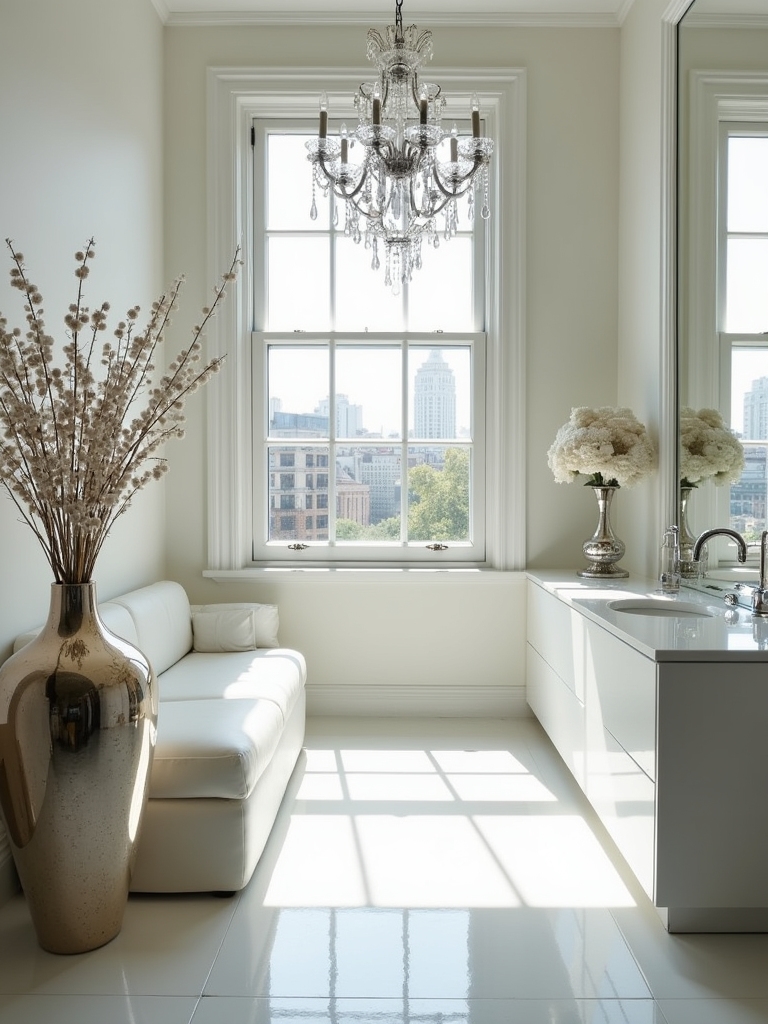
High-gloss paint bounces light around a room in a way that flat or eggshell finishes simply can’t. Position glossy furniture near a window and you create a secondary light source that pushes brightness into corners.
Even a lacquered cabinet front or a glossy tabletop contributes to this effect at a smaller scale. The cumulative impact of several reflective surfaces working together is a room that stays consistently brighter across the whole day.
Enhance Openness With Strategic Mirror Placement
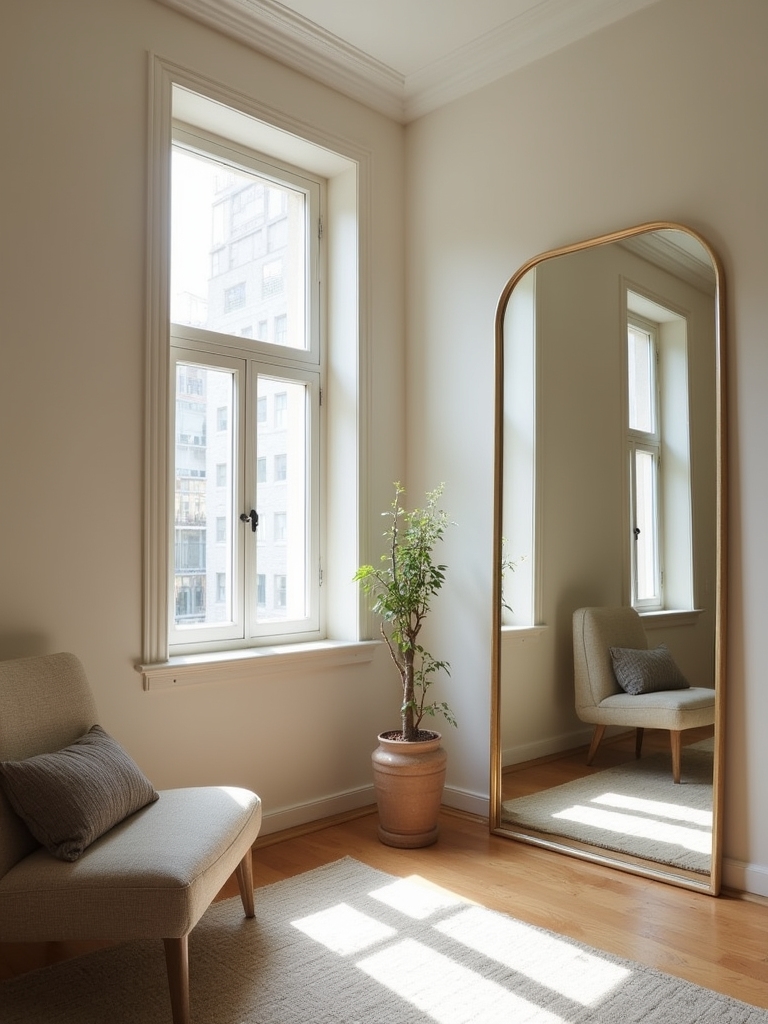
Place a large mirror opposite a window and you effectively give the room a second window. Floor-to-ceiling mirrors add height and depth simultaneously, which is especially useful in narrow rooms that feel more like corridors.
Position mirrors to reflect something worth seeing: art, plants, or light rather than clutter or a blank wall. Done right, a mirror reads as architecture, not decoration.
Accentuate With Copper and Metallic Accessories
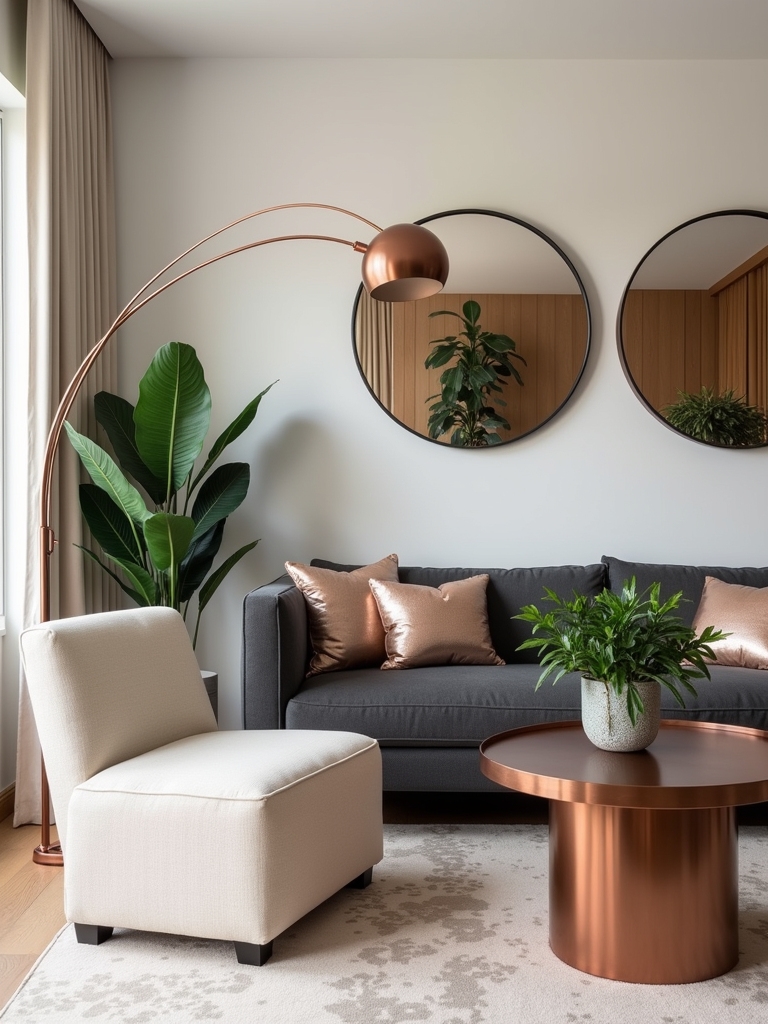
Copper has a warmth that chrome and brushed nickel don’t, and in a small room that warmth is a genuine asset. Door handles, faucet fixtures, and light switch plates in copper are small touches that accumulate across a whole room.
A textured copper finish on a lamp base or vase introduces depth without demanding attention. These accessories do their best work when the rest of the room is relatively calm, giving them room to register.
Design Layered Lighting Schemes
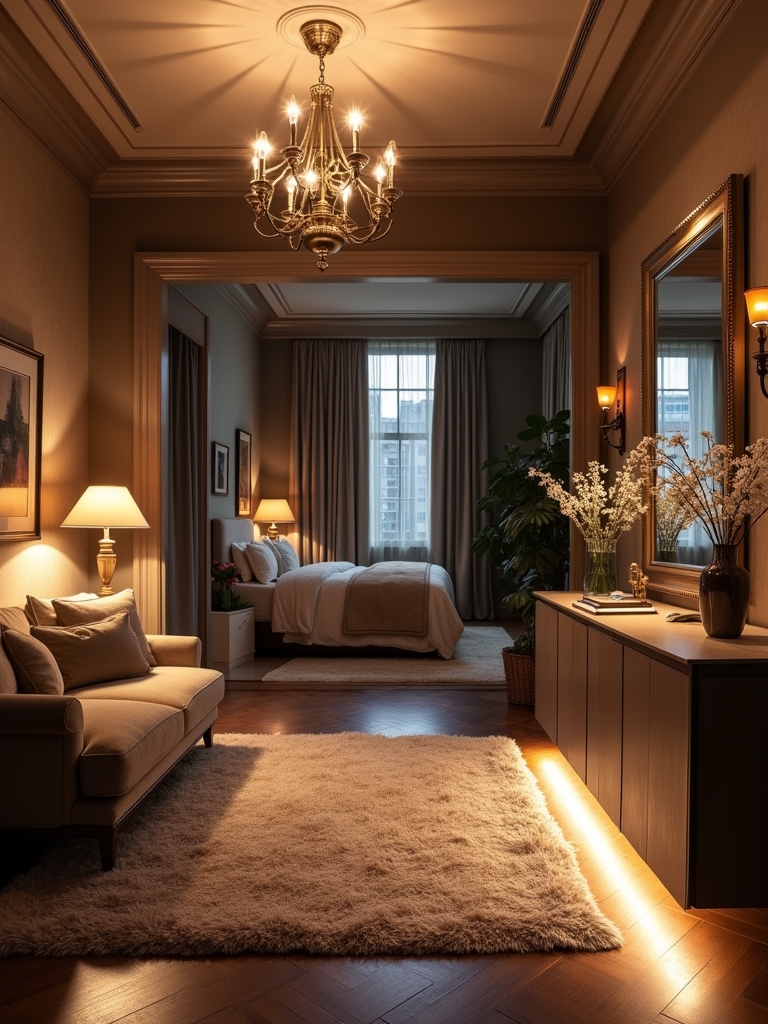
Layered lighting is less about the fixtures themselves and more about how the light actually lands. Ambient sources handle baseline illumination; task lighting handles specific activities like reading or cooking.
Accent lighting inside shelving or above cabinets adds dimension and draws attention to the features you want seen. Plan all three layers together from the beginning rather than adding them one at a time, or the result will feel pieced together.
Plan Space Creatively Beyond the Floorplan
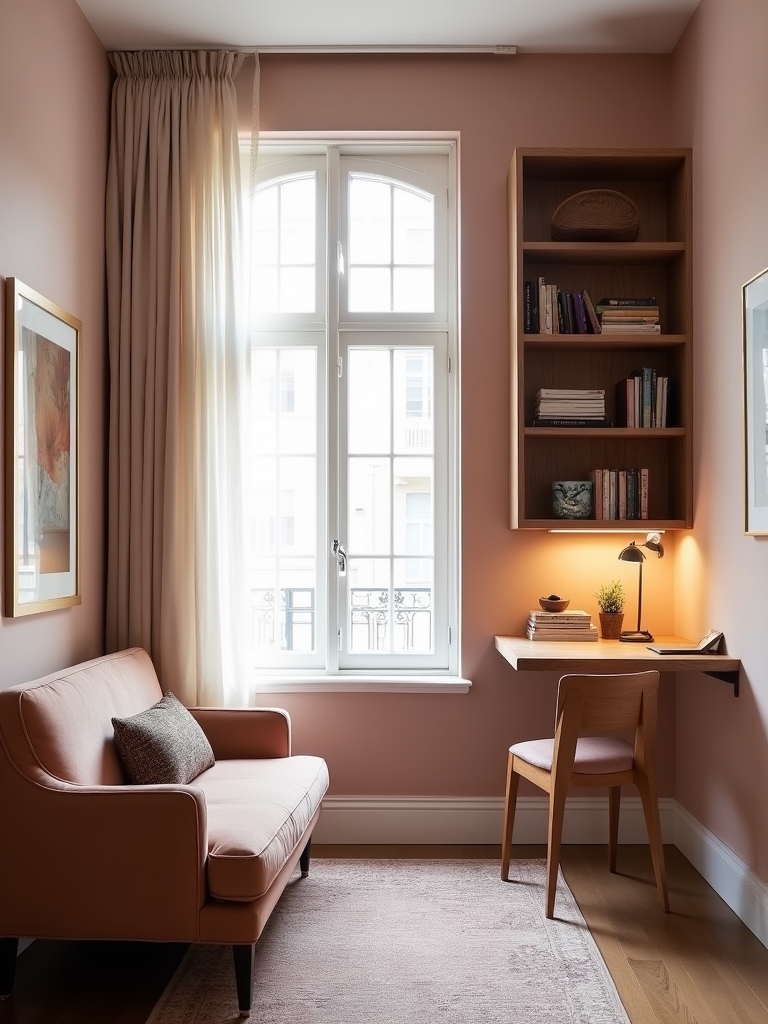
Thinking only about floor space misses half the room. Vertical wall space, the area above doorframes, and the backs of doors are all functional surfaces most people never consider.
Hooks, narrow shelves, and hanging organizers move everyday items off surfaces and out of the way without requiring a single square foot of floor space. The rooms that feel genuinely spacious are almost always the ones treating every surface as a potential asset.
Prioritize Function With Compact Furniture Placement
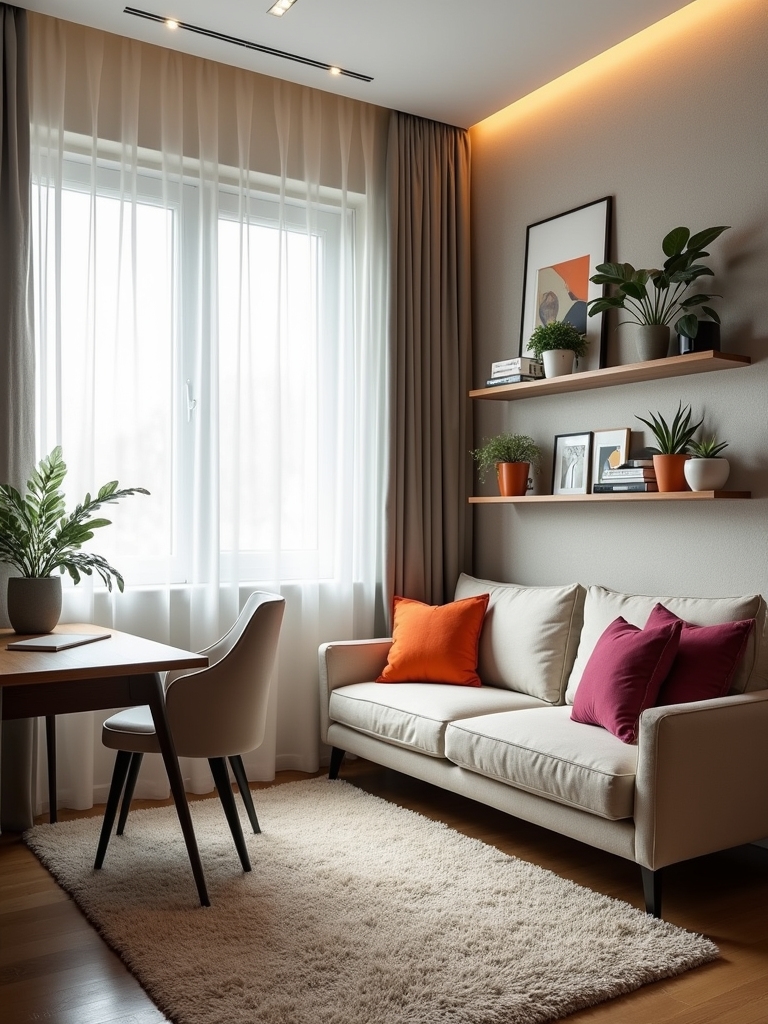
Pushing every piece of furniture flush against the wall is the most common small-room mistake. Pulling sofas and chairs a few inches away from the wall creates breathing room that makes the space feel less like a packed storage unit.
Keep main walkways at least two feet wide so the room functions at a human scale. Group pieces by how they’re used and the room starts to feel organized rather than just full.
Substitute With Multi-Functional Furniture Pieces
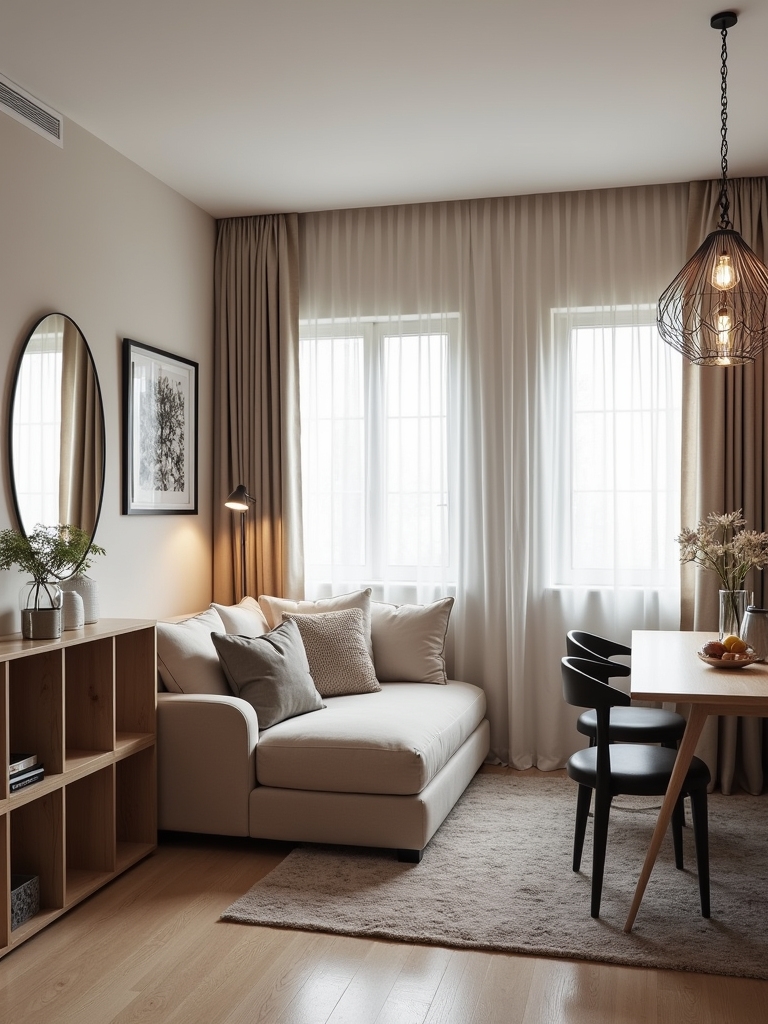
Think of every piece of furniture as a budget line: is it earning its keep? A dining table with folding leaves handles a dinner party for eight and then shrinks back to seat two.
The discipline of asking what each piece does beyond its obvious function changes how you shop for furniture entirely. Buy for versatility and you’ll stop running out of room.
Align Visual Flow With Thoughtful Furniture Arrangement
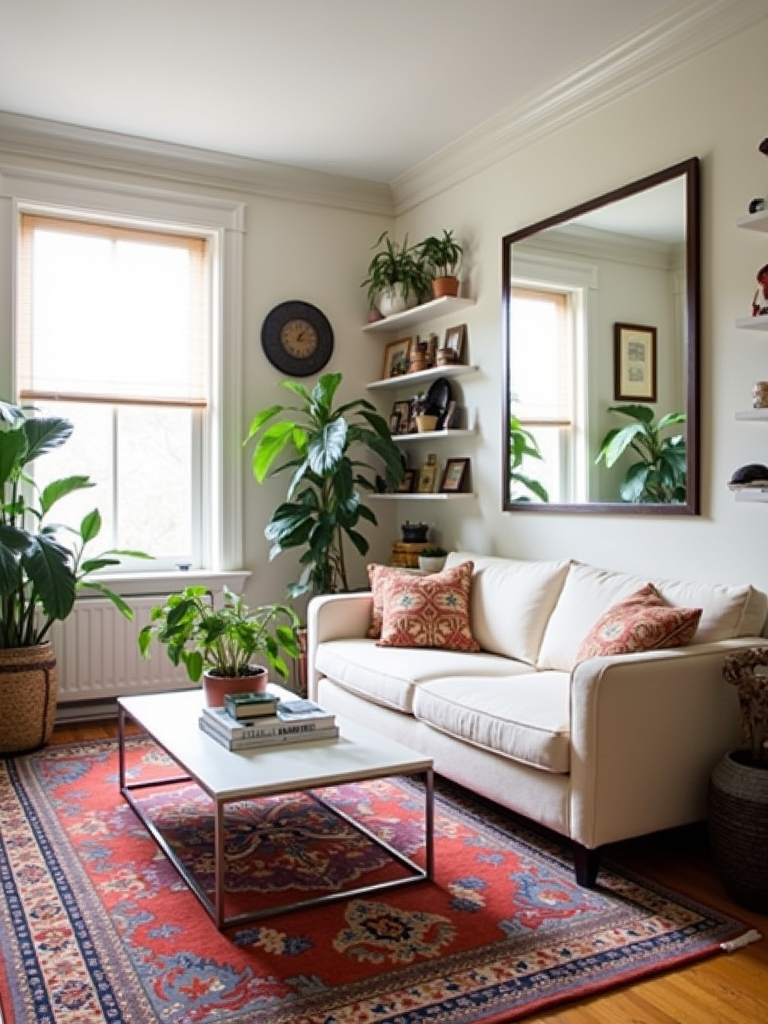
Visual flow is what makes a room feel either easy or exhausting to be in. Circular seating arrangements encourage natural movement and give the room a social center rather than a traffic problem.
Angling a single chair slightly can break the rigid grid that makes small rooms feel institutional. Keep sightlines to windows and doorways clear, and the room will feel connected to the larger space around it.
Improve Flow With Sliding or Pocket Doors
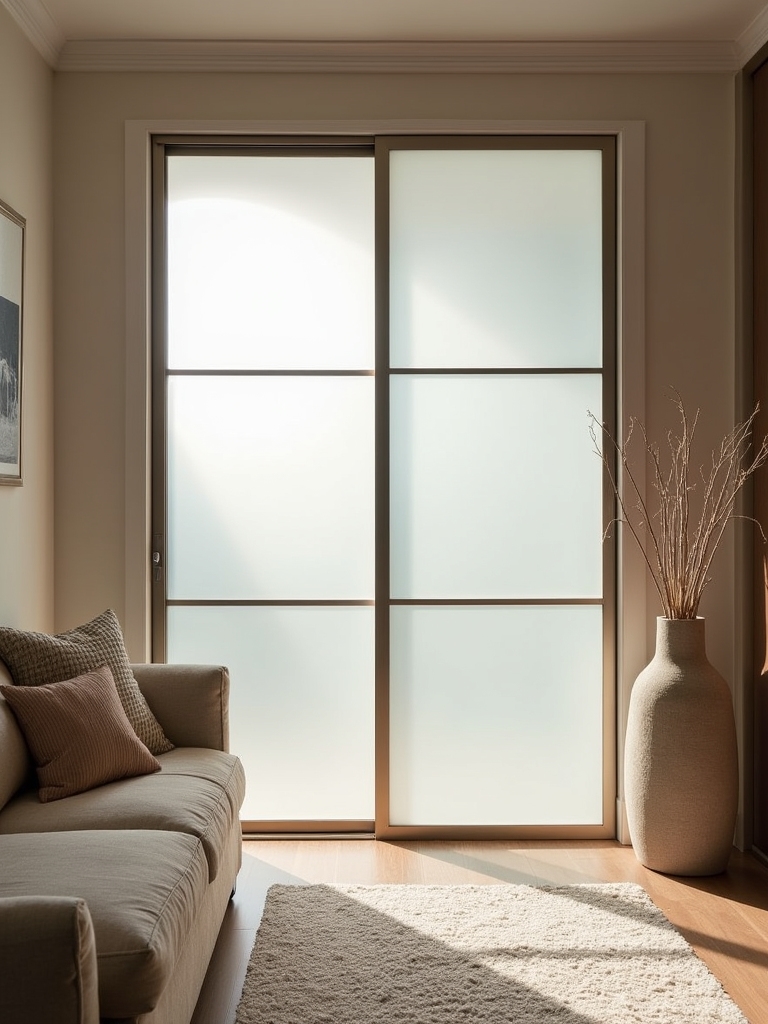
Beyond the floor space they recover, sliding and pocket doors change how a room functions day to day. Open them fully and two rooms become one connected space that feels larger than either room alone.
Close them and you recover privacy without the thud and swing of a hinged door eating into your layout. In homes where walls can’t move, the doors are often the one element with real structural flexibility.
Incorporate Personal Style Without Overwhelm
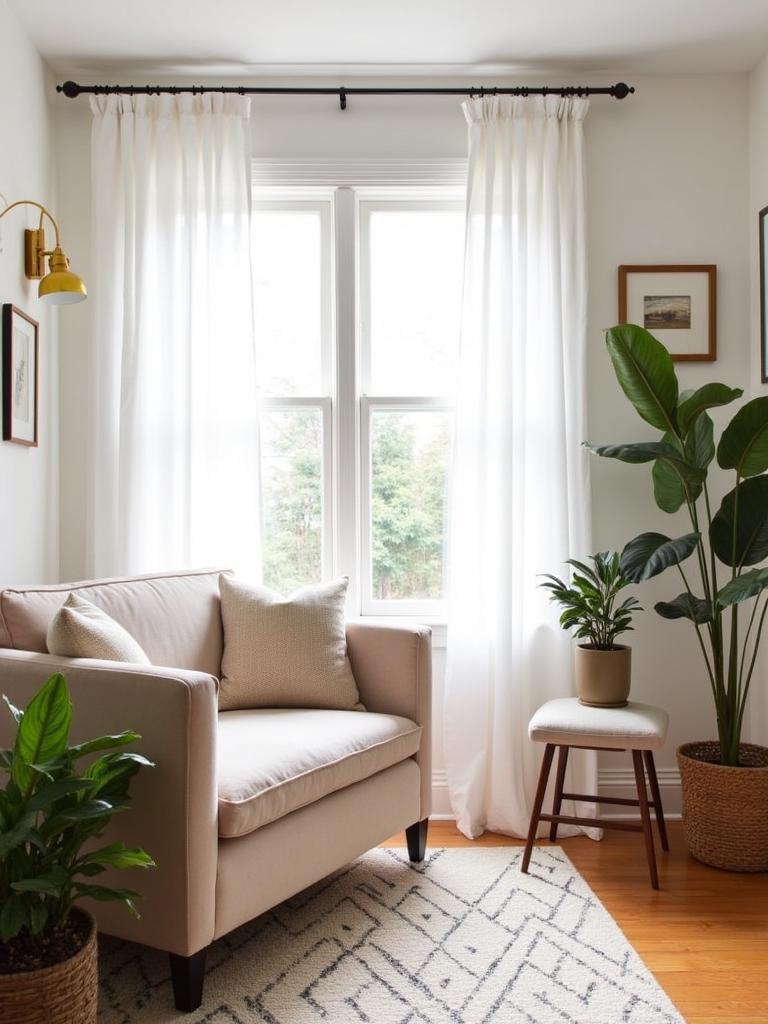
A small room stripped of personality isn’t minimal; it’s just empty. Pull a color from a piece of art you already own and use it to anchor the palette rather than starting from scratch.
One strong pattern paired with solid textures reads as confident; three competing patterns read as chaotic. Choose fewer objects and place them where they’ll actually be seen, rather than filling every surface and hoping the room figures itself out.