You’re scrolling through Instagram, totally mesmerized by these sleek, modern RVs. The kind that looks like a cozy, tiny apartment you can park anywhere.
Then, you look in your driveway and see that grungy, tired-looking old camper. It makes you feel inspired to get your hands dirty and create magic with what you have. We can absolutely turn it into that magazine-worthy dream.
The secret sauce is all in the key transformations, like really focusing on how to optimize every inch of space, beefing up that insulation (crucial for those chilly Utah nights), and picking furnishings that are both stunning and super functional.
This whole journey is about finding that perfect, blissful balance between making it gorgeous and making it work. Honestly, once you dive into this creative process, you’ll realize these changes provide more than comfort. They totally redefine what a road trip feels like.

What’s next in this transformation adventure?
Choosing the Perfect Base Vehicle
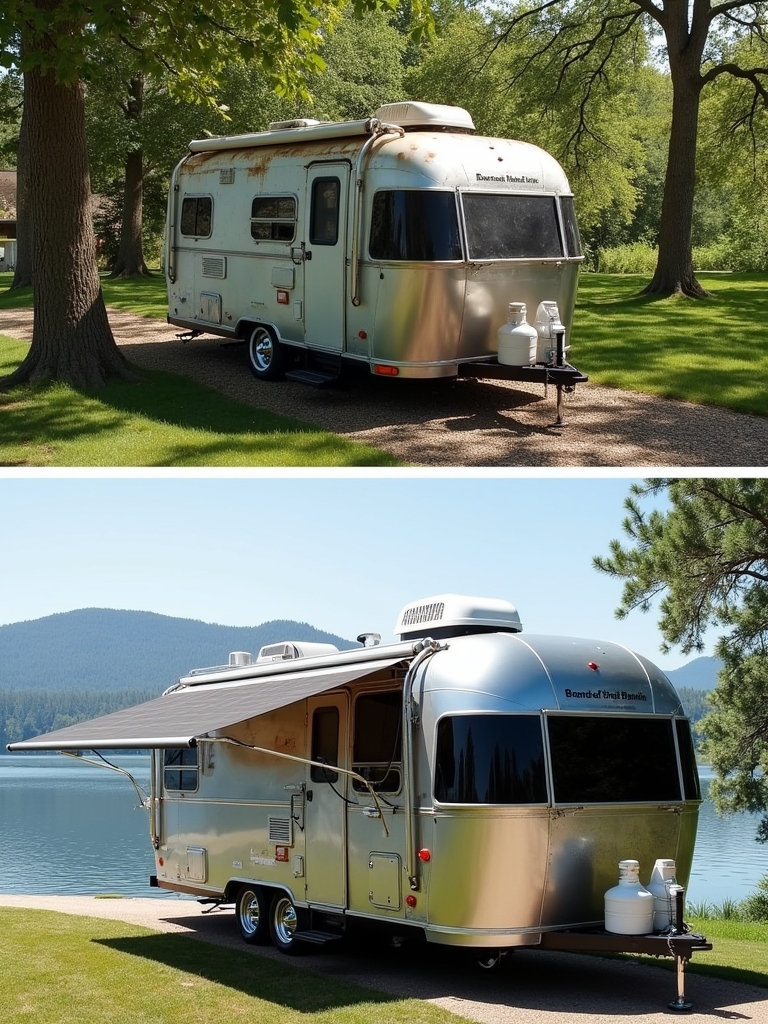
Before we get to the fun parts like throw pillows, we need to pick our canvas. What kind of vehicle is going to be your new home-on-wheels?
You hear a lot about the Toyota Hiace, and yeah, they’re known worldwide for being practically bulletproof and super comfortable. Or maybe you’re leaning toward the Mercedes-Benz Sprinter, which has that premium feel and is built to last forever (though, phew, that price tag!).
Then there’s the Ford Transit, which is usually friendlier on the wallet and incredibly versatile. I’ve heard many people love the Ram ProMaster because it’s easy to handle, and if you’re really looking for a budget-friendly option, a trusty minivan can totally be converted into a great, compact setup.
Between you and me, the Dodge Ram ProMaster is truly the unsung hero for these conversions! It gives you that spacious feel, kind of like the luxurious Sprinter, but without completely emptying your bank account.
Crafting a Space-Optimized Layout
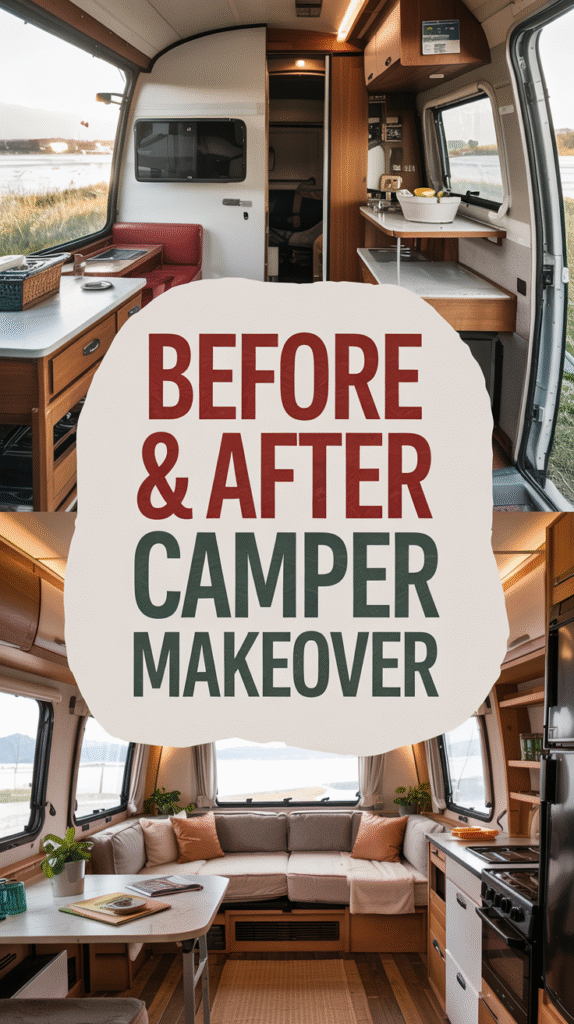
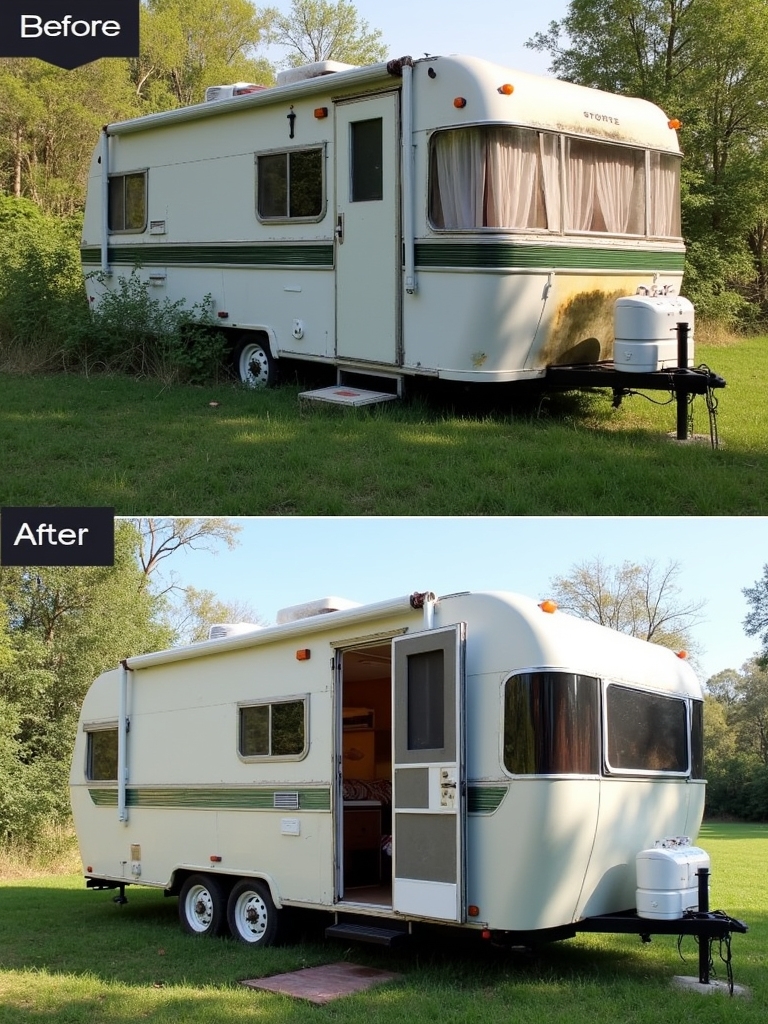
This is where the interior designer in me really starts to hum! Crafting the perfect layout is truly everything in a compact space.
We have to guarantee comfort and functionality, which means embracing the open floor plan like we would in a chic loft. Why block off space with walls when you can minimize dividers and make everything feel bigger?
Ponder about combining your living, dining, and kitchen areas into one beautifully cohesive environment. That open flow is magic, especially in an RV, because it makes moving around seamless.
And hello, multi-functional furniture! I’m talking about sofa beds that fold up instantly and tables that disappear.
It’s all about clever storage solutions, keeping those pathways nice and clear, and always looking up. Vertical space is your best friend when maximizing that spacious feel.
Essential Structural Modifications
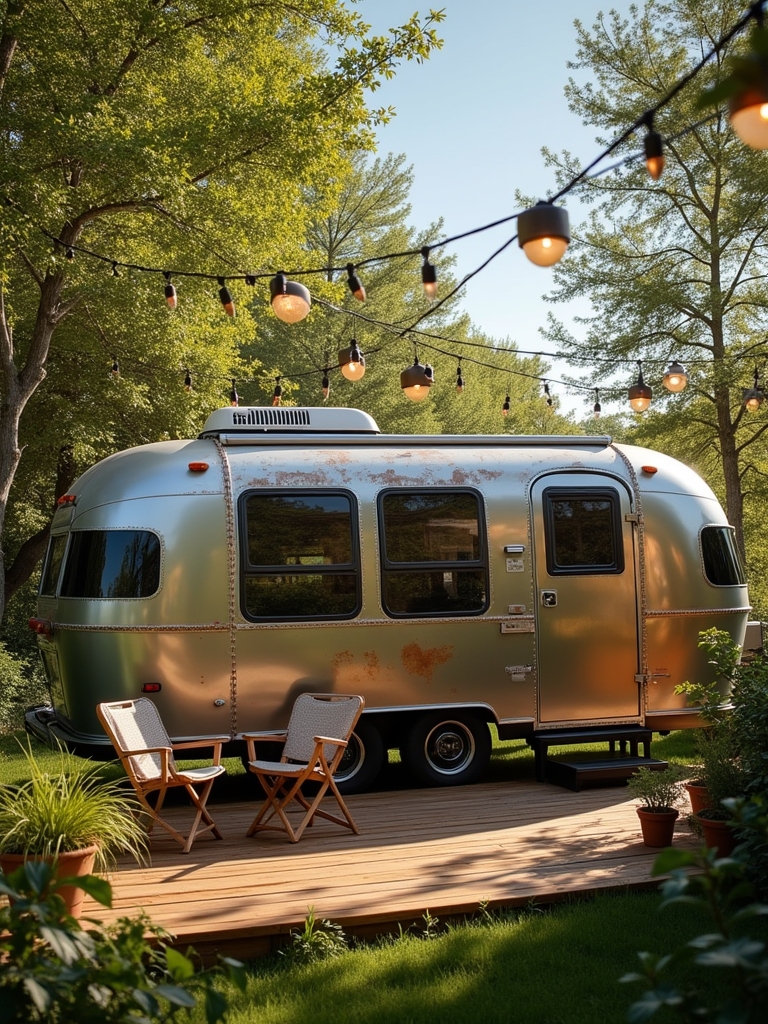
Let’s get down to the nitty-gritty of this thing. This is where safety and durability live!
When you’re framing, you want to use quality lumber or extruded aluminum because you need it to be solid but still lightweight.
Don’t forget those critical reinforcements! Are you building a bed? Make sure the frames have middle supports and that every single piece is secured with the proper fasteners.
And please, please, please: Seal up those roof and wall holes! Nothing ruins a camping trip faster than leaks and the annoying rattle of a loose connection. You also need moisture-resistant subflooring (because life happens!) and make sure those high-load areas are reinforced.
Oh, and a quick word of warning: always make sure your plumbing and electrical systems are securely integrated and that you’re adhering to all local rules and regulations. Believe me, the last thing you want is a legal headache after all that beautiful hard work.
SEE THIS: Before & After $200 Camper Bathroom Makeover Will Blow Your Mind.
Insulating for Comfort and Efficiency
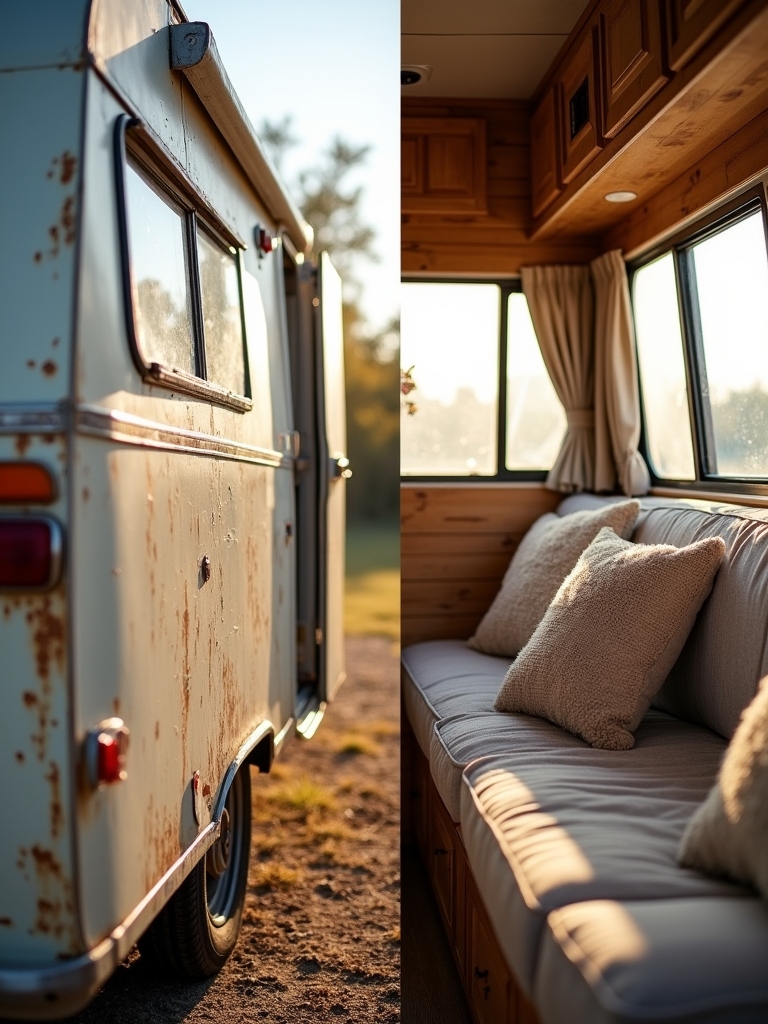
Once the bones are solid, it’s time to put on the cozy sweater! Insulation is absolutely critical for keeping you comfy and saving energy, no matter if you’re sweating in the desert or shivering near a snowy peak (like we get sometimes here in Utah!).
My favorite option is often spray foam because it gives you a superior R-value and creates this amazing airtight seal.
If you’re not into spray foam, polyiso foam board offers fantastic thermal resistance.
You can even layer in some reflective insulation to help bounce that heat right back out (or in, depending on the season!). The key here is balancing three things: we need it to be light, we need it to resist moisture, and it has to be something you can install without losing your mind.
Electrical System Planning and Setup
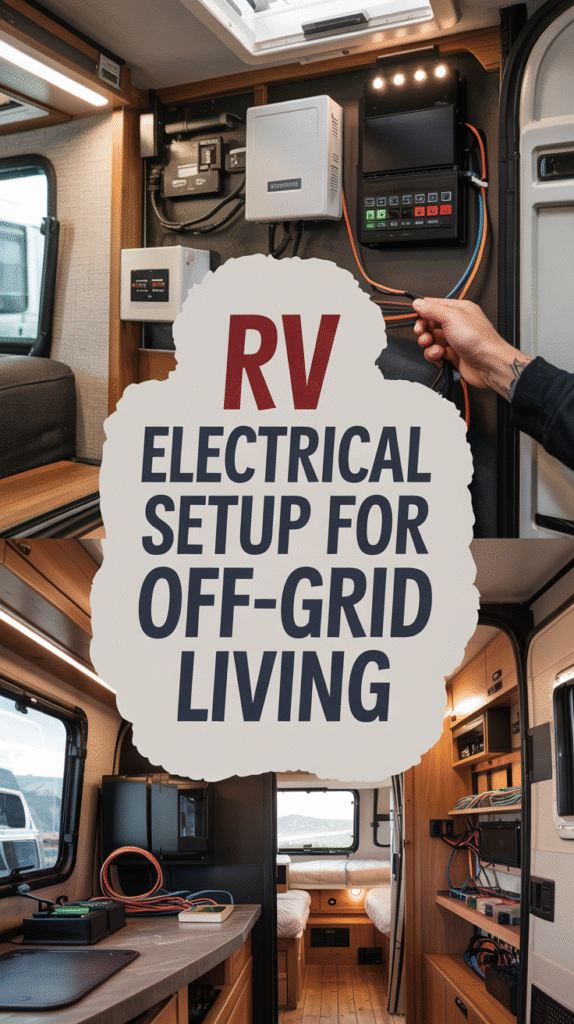
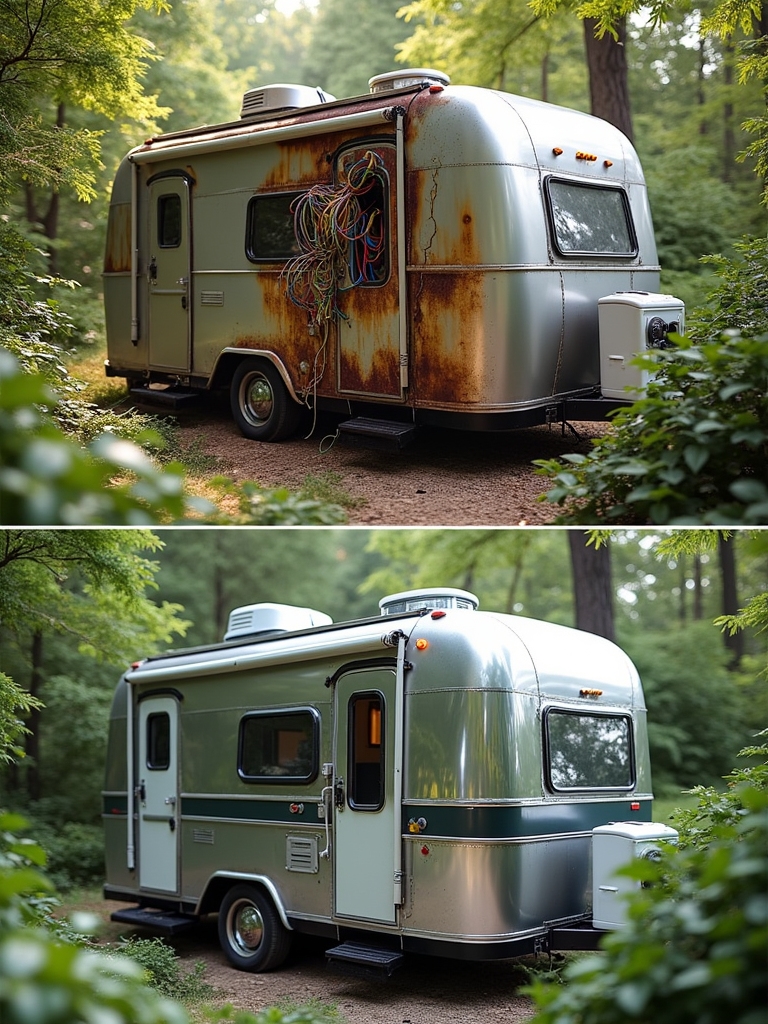
I know, I know, electrical systems sound scary (since no one wants to get shocked by electricity), but this is the stuff that makes your morning coffee and movie night possible.
Whether you’re chilling at a campsite or totally exploring off-grid (my favorite!), planning this out ensures everything runs smoothly. You’re going to be designing a dual system: think 12-volt DC for the basics like fans and lights, and 120-volt AC for your serious appliances.
You absolutely have to choose the right inverter and converter, and please, please estimate your load correctly.
Nothing is worse than tripping a circuit when you’re trying to cook dinner! And safety first, always! Install those circuit breakers and GFCI outlets for protection.
Quick safety fact: GFCI stands for Ground-Fault Circuit Interrupter, and those little outlets are designed to prevent electric shocks, which is super important when you’re dealing with water and metal.
Integrating Solar Power Solutions
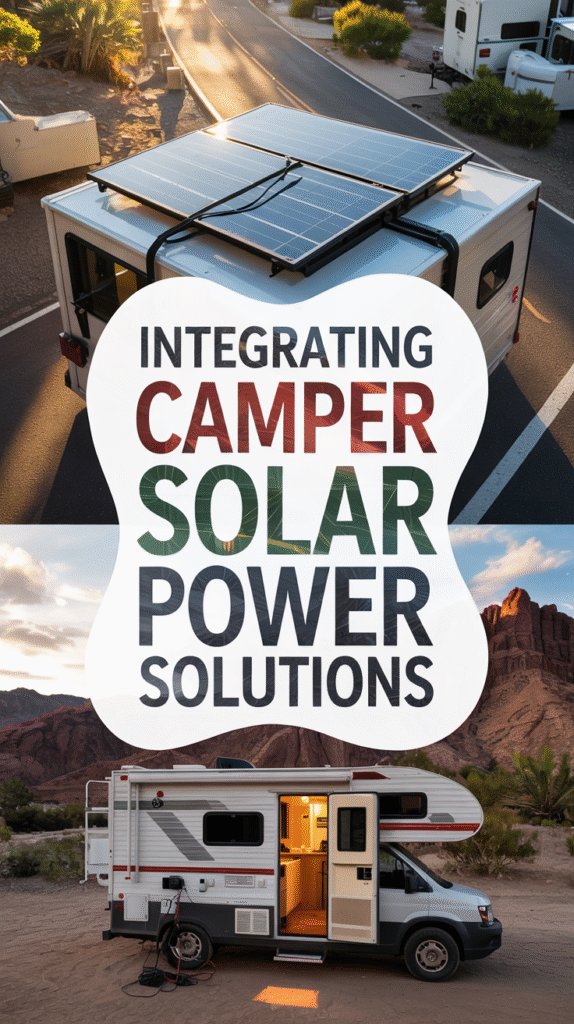
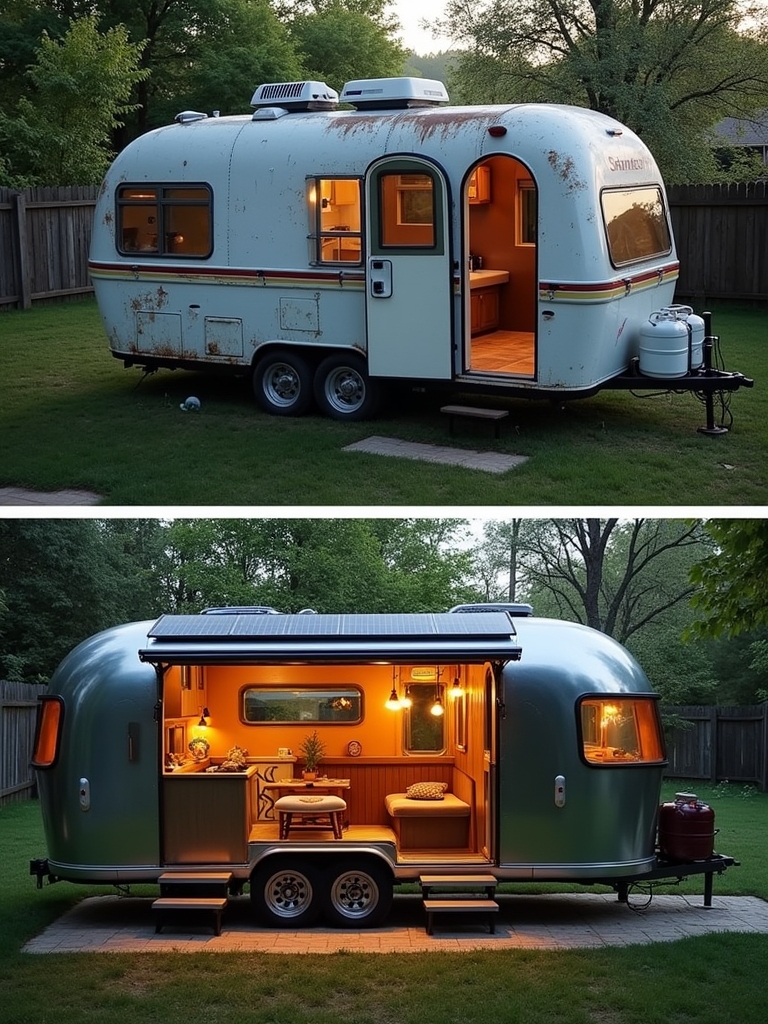
Want to feel truly free and independent on the road? Hello, solar power! Integrating panels not only ups your energy independence but totally reduces your reliance on those noisy, traditional power sources.
You can choose between fixed panels (the standard look), flexible panels (great for curved roofs), or tilt-mounted panels (for maximum sun exposure!).
Make sure you’re using proper MC4 connectors for wiring and always, always install that charge controller close to your batteries.
Here’s a little insider tip: you must guarantee waterproofing around every single hole you drill, since water damage is a nightmare!
And for the love of all things electric, double-check that electrical polarity before you connect anything, or you could end up seriously damaging your new setup.
SEE THIS: 17 RV Must Haves That Make Life on the Road Easier, Cozier & Way More Fun.
Plumbing Installations for On-the-Road Living
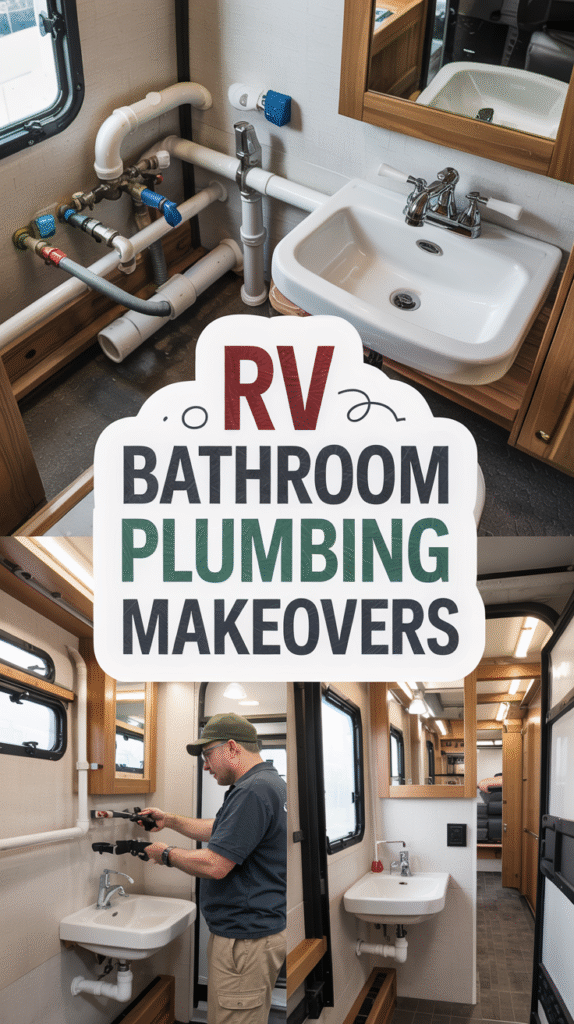
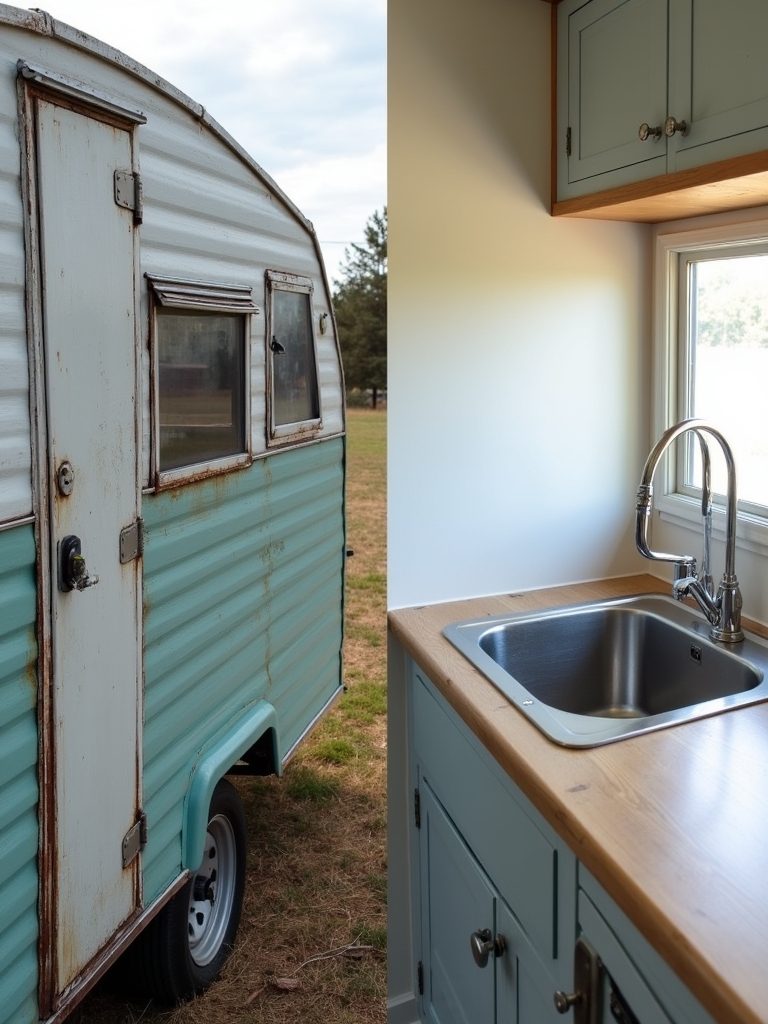
If solar power is what frees you, then a great plumbing system is what keeps you feeling totally human and comfortable out there.
You can make sewer hookups way simpler by starting with a Quick Camp kit that uses gate valves and adapters. It just simplifies the whole messy process. Take your time when you’re cutting and deburring those PVC pipes to ensure a nice, secure connection.
And a plumbing must-do: install P-traps at all your fixtures. Why? Because they hold a little bit of water to block sewer gases from wafting up into your beautifully designed space. Gross, but necessary! Finally, use reinforced hoses with clamps for stable, leak-free water flow.
Designing Functional Kitchen Facilities
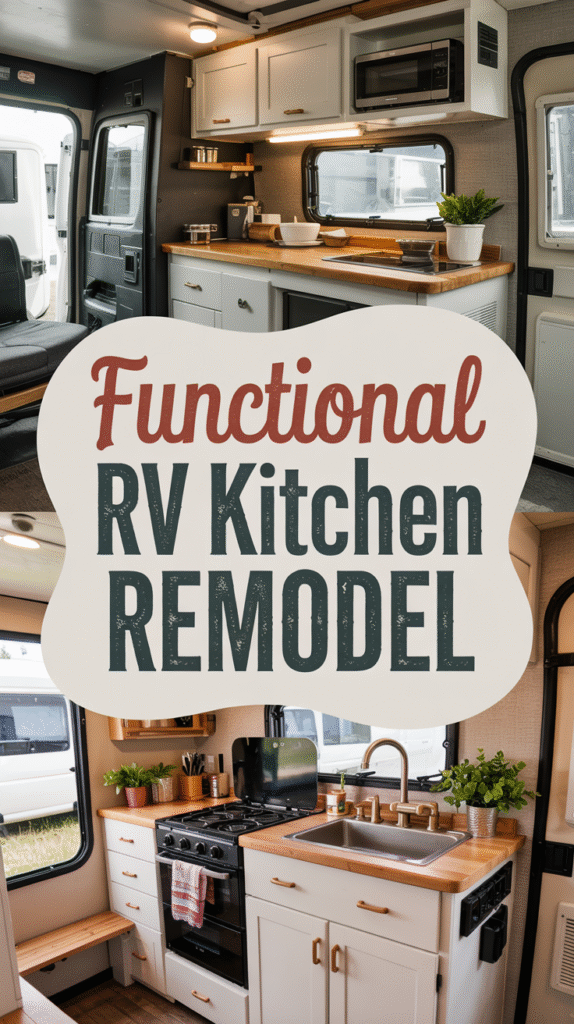
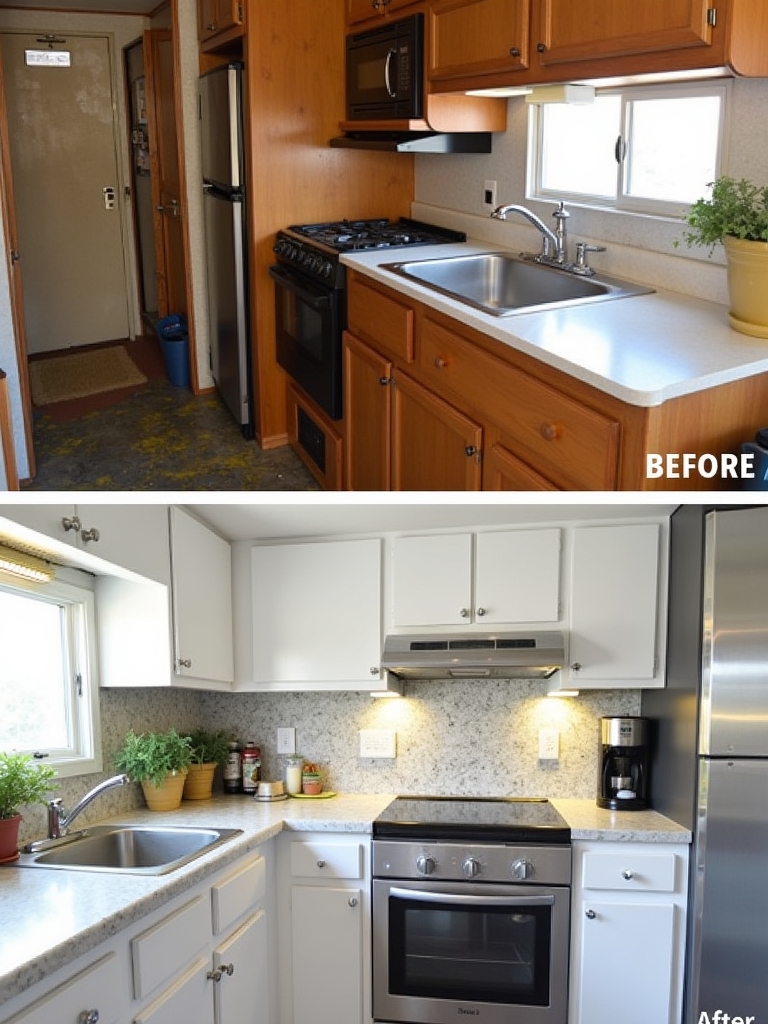
Creating a functional kitchen in a tiny RV is definitely more challenging than just forcing a mini-fridge and a hot plate into a corner, right?
We need efficiency, and that starts with putting the sink, stove, and counter all on one cabinet run. That’s called the kitchen triangle, and it saves so much space!
Also, add fold-down countertops. They are an absolute lifesaver for prep space! Don’t forget those overhead cabinets; just make sure they have secure closures, because the last thing you want on a bumpy Utah road is a spice avalanche!
You need a vent hood to suck up cooking odors and keep things comfortable. Little designer fact: Proper ventilation helps control moisture, which is key to preventing mold and mildew in those small, humid spaces!
Building a Convenient Bathroom Space
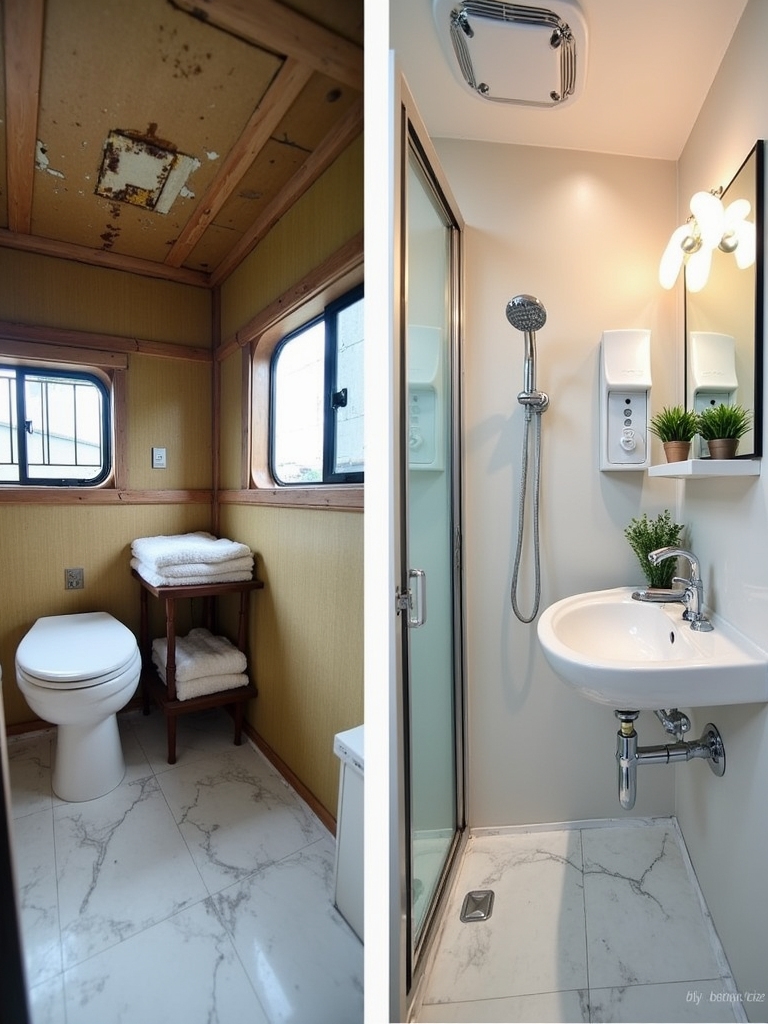
How do you transform a cramped RV bathroom into a convenient and stylish space? Start by thoroughly cleaning all fixtures with degreasing cleaners for ideal paint adhesion.
Then, apply specialized epoxy paints like Rustoleum Tub & Tile in multiple coats for durability. Go for open shelves with baskets to replace bulky cabinets, and use wall-mounted towel racks.
Creating Multi-Functional Furniture
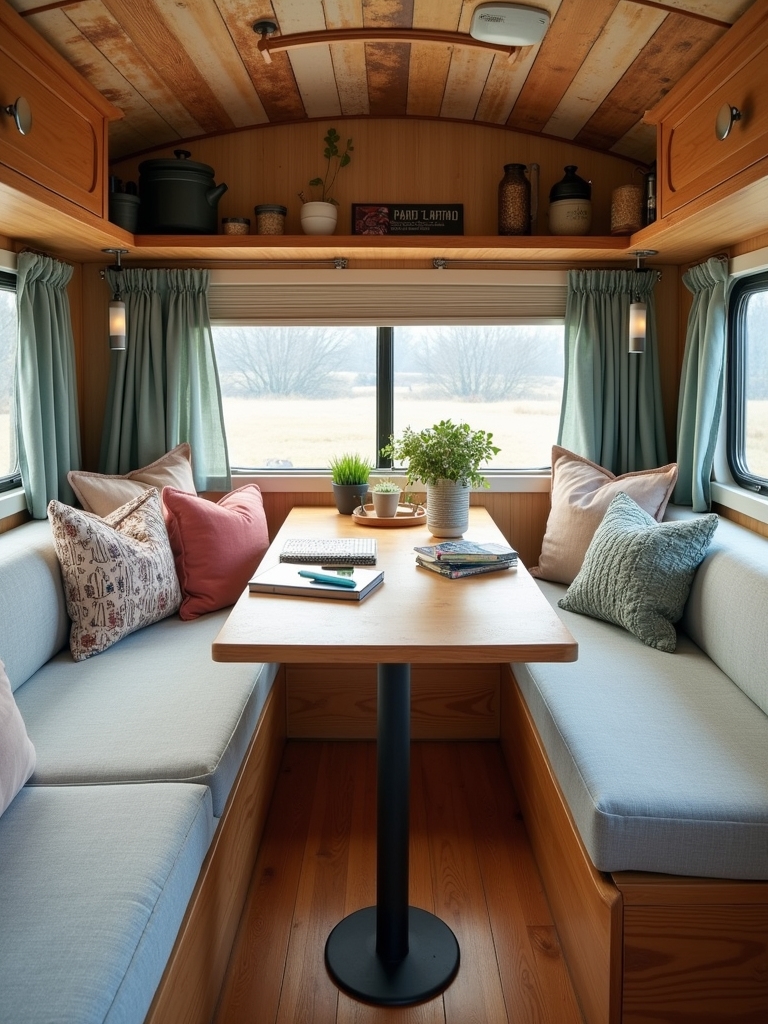
This is the golden rule of RV design, folks: if it only does one thing, it might not belong in your tiny home on wheels. Multi-functional furniture is seriously your best ally.
Pick Murphy beds because they fold away in a snap, instantly doubling your floor space. Sofas that convert into beds are perfect for dual use, and I love fold-down desks and tables, as they give you a workspace or dining area, then vanish when you need room to breathe.
And don’t forget storage! Benches and ottomans with hidden storage are a must-have for keeping clutter out of sight. A little extra pro tip: pull-out counters are genius for expanding your kitchen workspace, and then they just poof. They retract neatly back into the cabinet.
Selecting Durable and Lightweight Materials
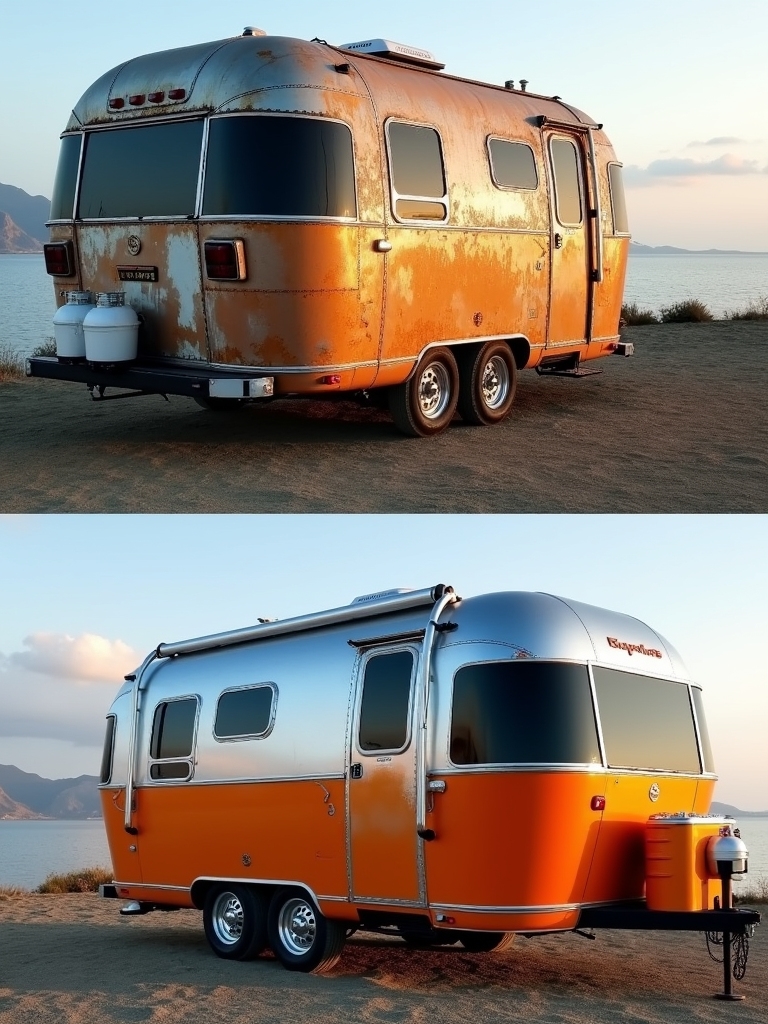
When we’re turning that old clunker into an efficient, modern RV, we have to talk materials. Remember, every pound counts for your gas mileage!
I love bamboo for cabinetry and shelving because it’s super strong and sustainable; it’s a win-win! Composite materials are also fantastic because they boost fuel efficiency without sacrificing durability.
And for areas that might get wet, HDPE is perfect for those moisture-resistant interiors. For structural work, you might consider aerospace-grade aluminum to maximize space efficiency while minimizing weight.
And always, always opt for non-toxic certified lumber; we want a beautiful and healthy interior environment, especially in such a small space.
Flooring Choices for Easy Maintenance
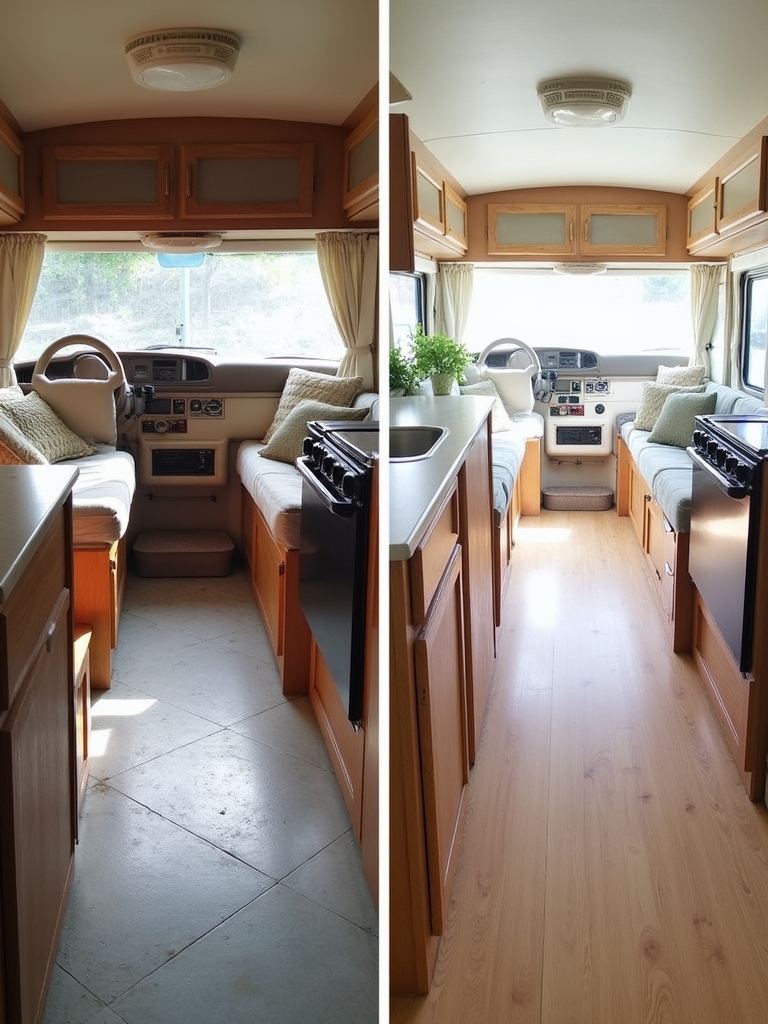
The floor design is the foundation of your style, but in an RV, it needs to be tough and easy to clean! We are going to be tracking in dirt, mud, and maybe a little campfire ash.
That’s why I always recommend vinyl flooring. It’s also water-resistant and a breeze to clean. You could even go with sheet vinyl; it’s light, economical, and the patterns these days are incredible. They can mimic anything from wood to tile.
Linoleum is another great choice because it’s eco-friendly and has natural antimicrobial properties. While hardwood and laminate look gorgeous and add warmth, you have to be very careful about moisture management—it can warp easily, which is why I often steer my clients toward the vinyl options.
Enhancing Interior With Lighting Solutions
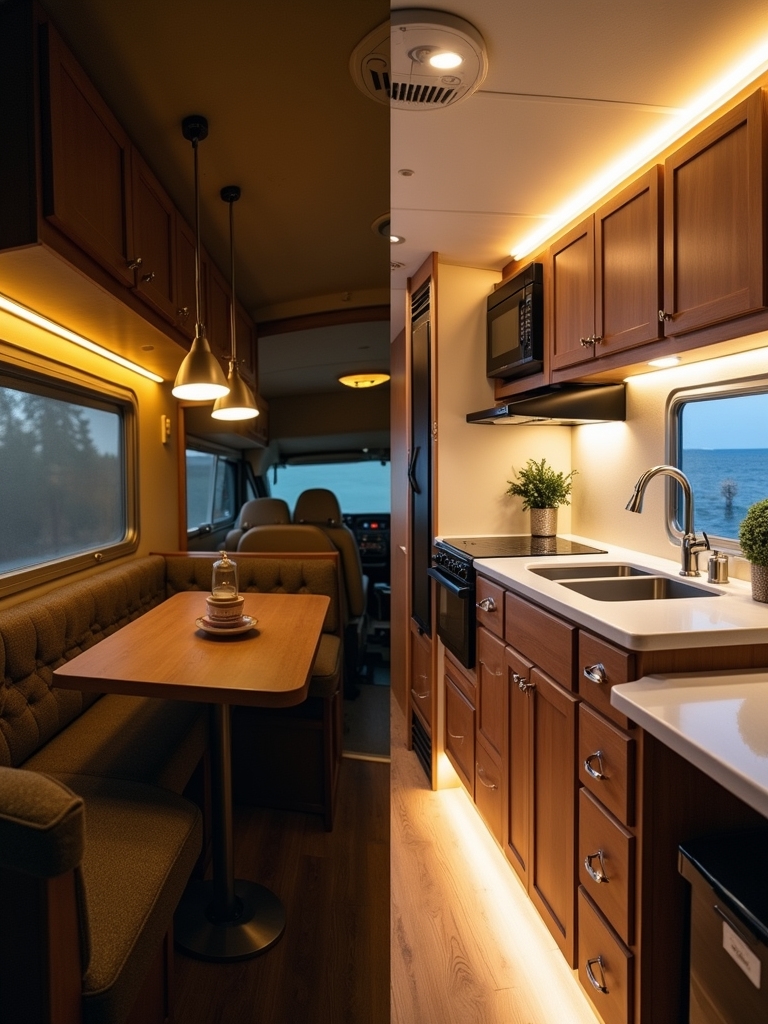
Once those sleek floors are down, we need to talk ambiance, because nothing transforms a space like lighting! LED strip lighting is a game changer. It’s flexible, energy-efficient, and you can hide it almost anywhere for beautiful, soft illumination.
You can use puck lights for adjustable task lighting in the kitchen, or maybe install some chic sconces for a bit of stylish ambiance over the sofa area. What really takes it to the next level is control!
Integrating smart apps and dimmers lets you customize those lighting scenes seamlessly. Want a cozy movie night vibe? Dim it down! Need bright light for cooking? Turn it up!.
Legal Steps for RV Registration
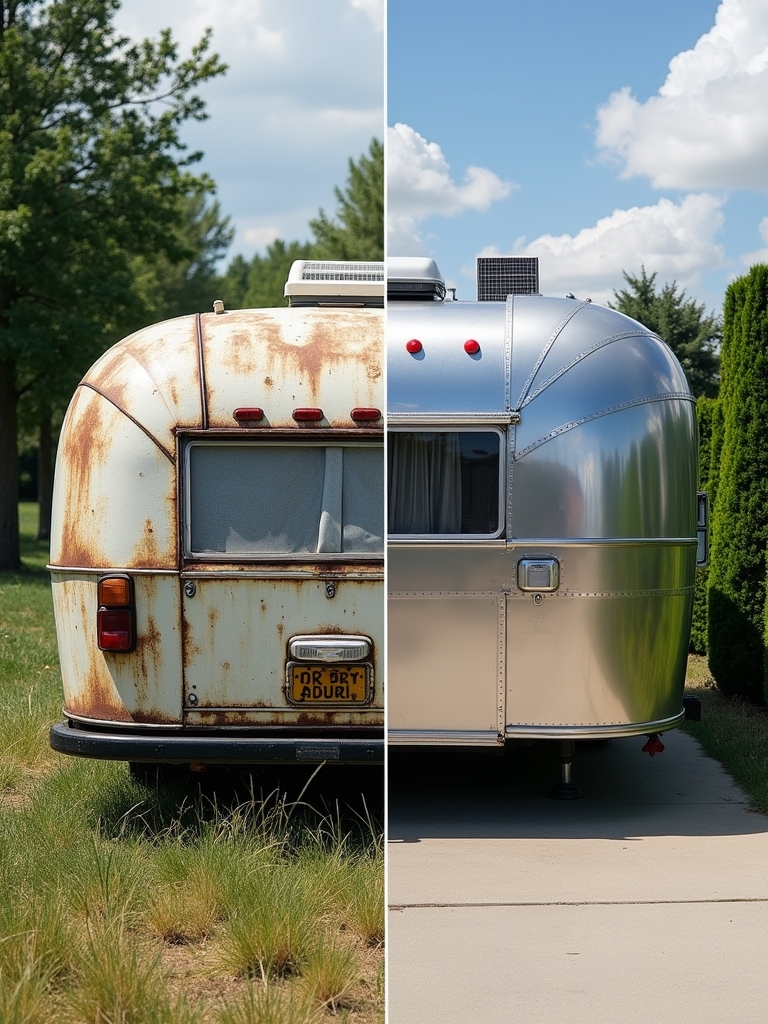
Let’s switch gears from paint colors to paperwork. As excited as you are to hit the road in your masterpiece, you have to make sure you’re totally legal.
Understanding the steps for registration is essential to avoid any nasty surprises from the police. First things first: gather your VIN, ownership documents, and government ID.
You’ll need to verify residency with your state driver’s license and make sure you comply with all those local insurance requirements.
Little fact: some states, like Texas, have pretty specific rules about registering homemade RVs or converted campers, so you’ll need to check if your state requires a VIN inspection or special titling for a vehicle that started as a van and became a home.
Achieving an Instagram-Worthy Interior Design
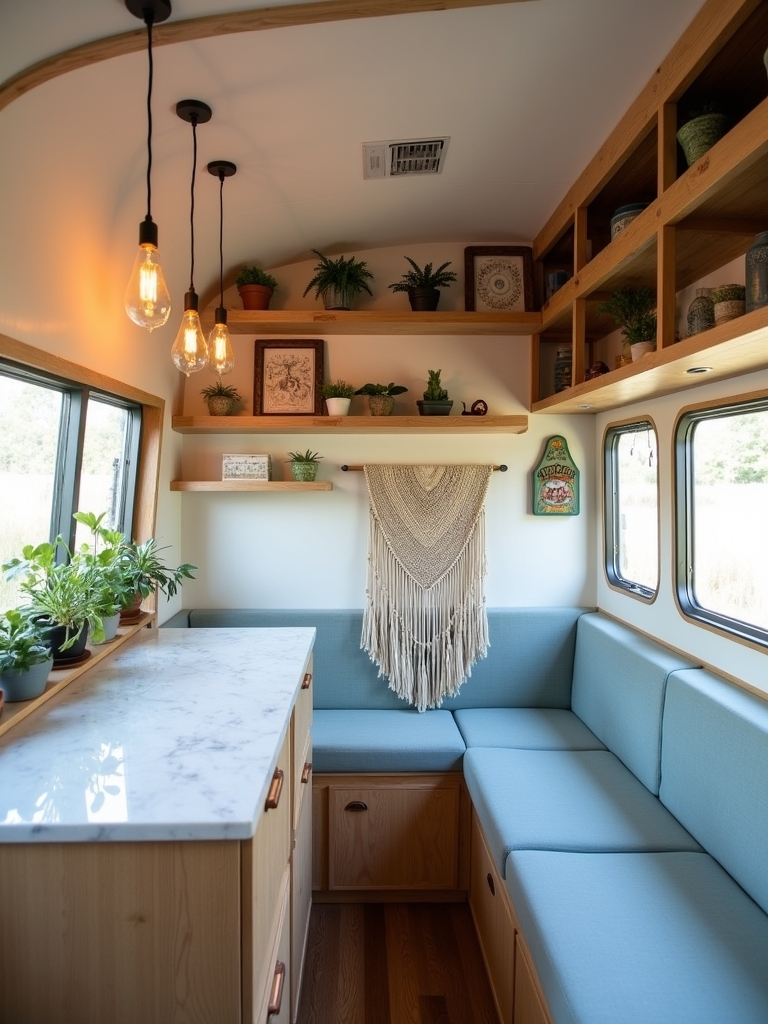
In this section, we’re blending modern aesthetics with pure practicality to create a space everyone will swoon over. We want clean lines and a clutter-free layout.
That’s how you maximize space visually. Stick to a neutral palette with maybe light wood finishes to keep the whole space airy and bright. We’ve already talked about multi-functional furniture and hidden storage, but
let’s talk accents: matte black and brass are super sophisticated and instantly elevate the design. If you can, use eco-friendly materials and smart technology because that aligns perfectly with today’s sustainability trends. It’s all about making it look expensive and designer-approved, without losing an ounce of function.
Installing Windows and Ventilation
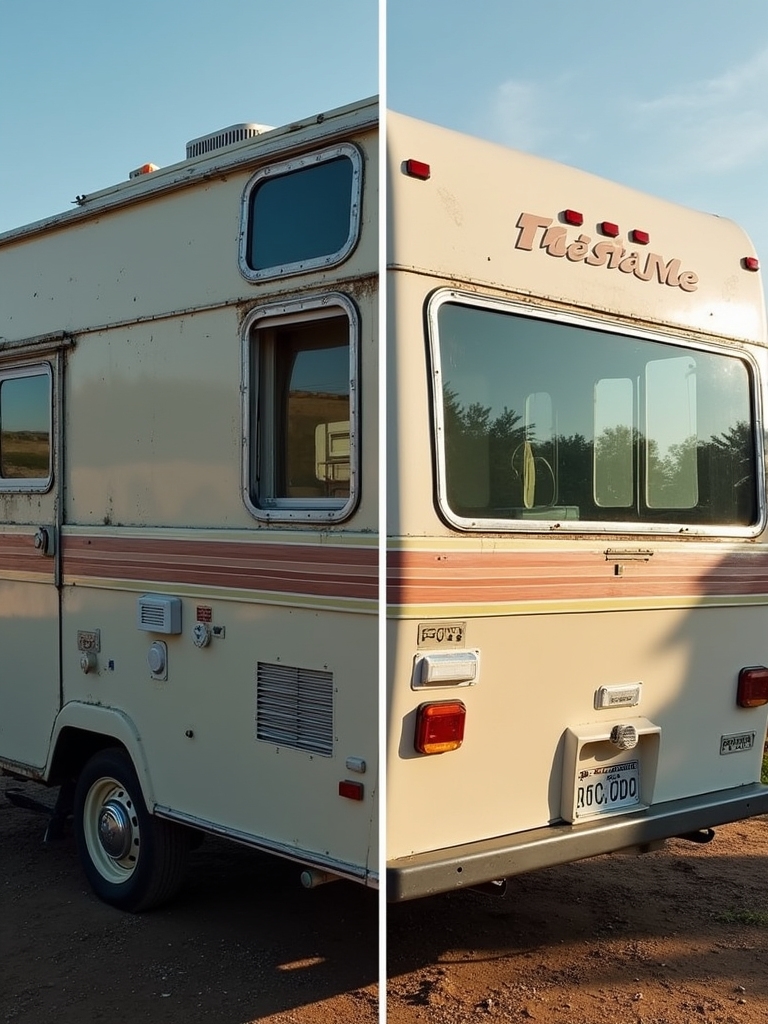
A major step in creating your cozy and efficient RV involves installing new windows and ensuring the ventilation is absolutely perfect.
You absolutely have to start by getting rid of those old windows, making sure the surface underneath is perfectly clean for the fresh installation. Grab your template and cut precise openings. Precision here prevents headaches later!
Then, you need to seal and waterproof effectively; this is your insurance against future moisture issues, especially important when you travel through different climates.
Install the new windows, focusing on perfect alignment and frame integrity to keep them secure on the road. And for total comfort? Don’t skimp on ventilation!
Consider adding robust roof fans and strategic low-profile vents for that ideal airflow. A well-ventilated RV feels bigger and cozier, guaranteed.
Conclusion
Phew! You’ve seriously just completed an absolutely thrilling journey, going from an old camper to a totally stunning, Instagram-worthy RV!
Just think about it: You’ve navigated every single step, from selecting the perfect base vehicle to crafting that genius, space-optimized layout and making sure you’re cozy with the right insulation.
Your vision is absolutely alive now! The grand reveal is just around the corner, promising that perfect blend of style and practicality that’s going to captivate everyone who sees it. Are you ready to take that final photo and share your incredible masterpiece with the whole wide world?