A first-aid kit is one of those things you hope you never need but feel stupid for not bringing once something goes wrong. Prepackaged kits are convenient but often contain items you’ll never use while missing things you actually need for your specific trips.
Building your own kit lets you customize it based on where you’re going, how long you’ll be out, and what medical issues are most likely for you and your group.
You want to create something comprehensive enough to handle common injuries but compact enough that you’ll actually carry it rather than leave it behind to save weight. Here’s how to put that kit together.
Assessing Your Needs: Personalizing Your First-Aid Kit
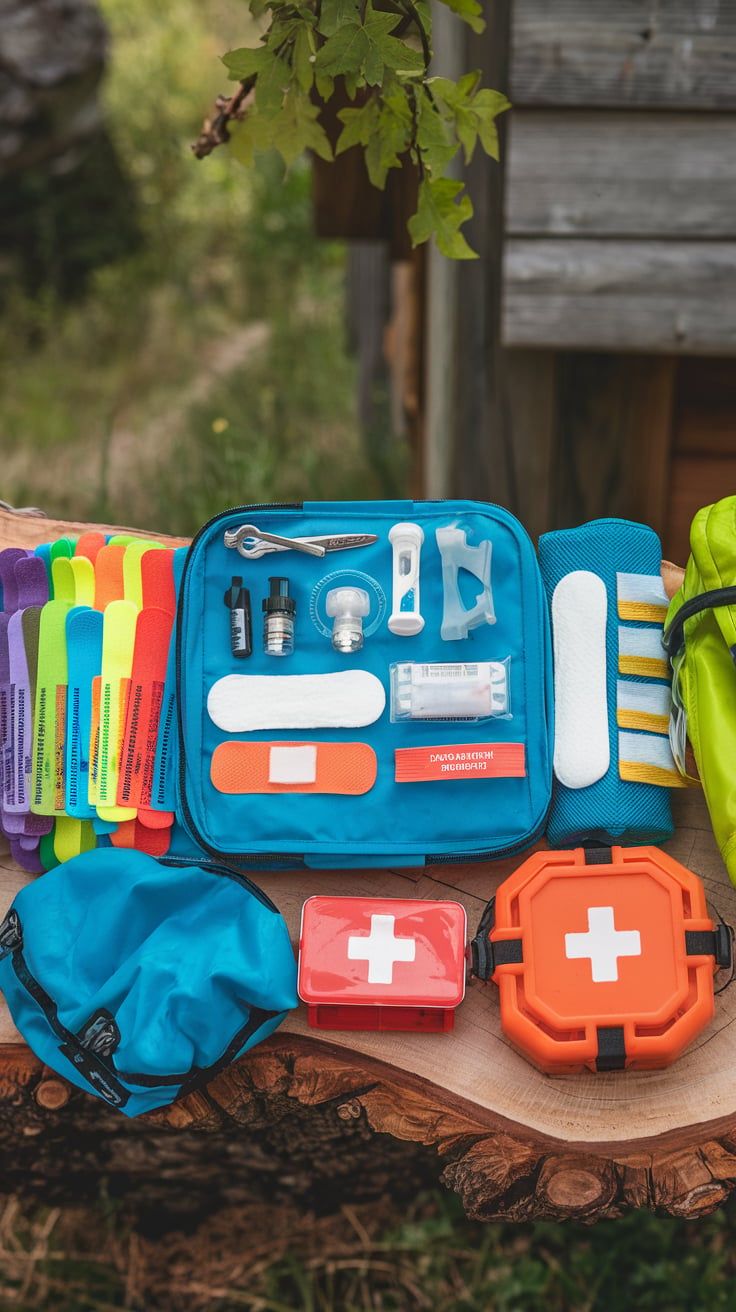
Start by considering how long you’ll be out and how far from help you’ll be, since a day hike near civilization requires less than a week in the backcountry. Think about your group size and whether anyone has pre-existing conditions, allergies, or takes regular medications that might run out.
The terrain and season matter too, with blister supplies being critical for long-distance hiking and cold weather requiring different preparations than desert trips. Write down the most common injuries you’ve experienced or witnessed on previous trips, then build your kit around actually addressing those issues.
Essential Wound Care Supplies for Your Kit
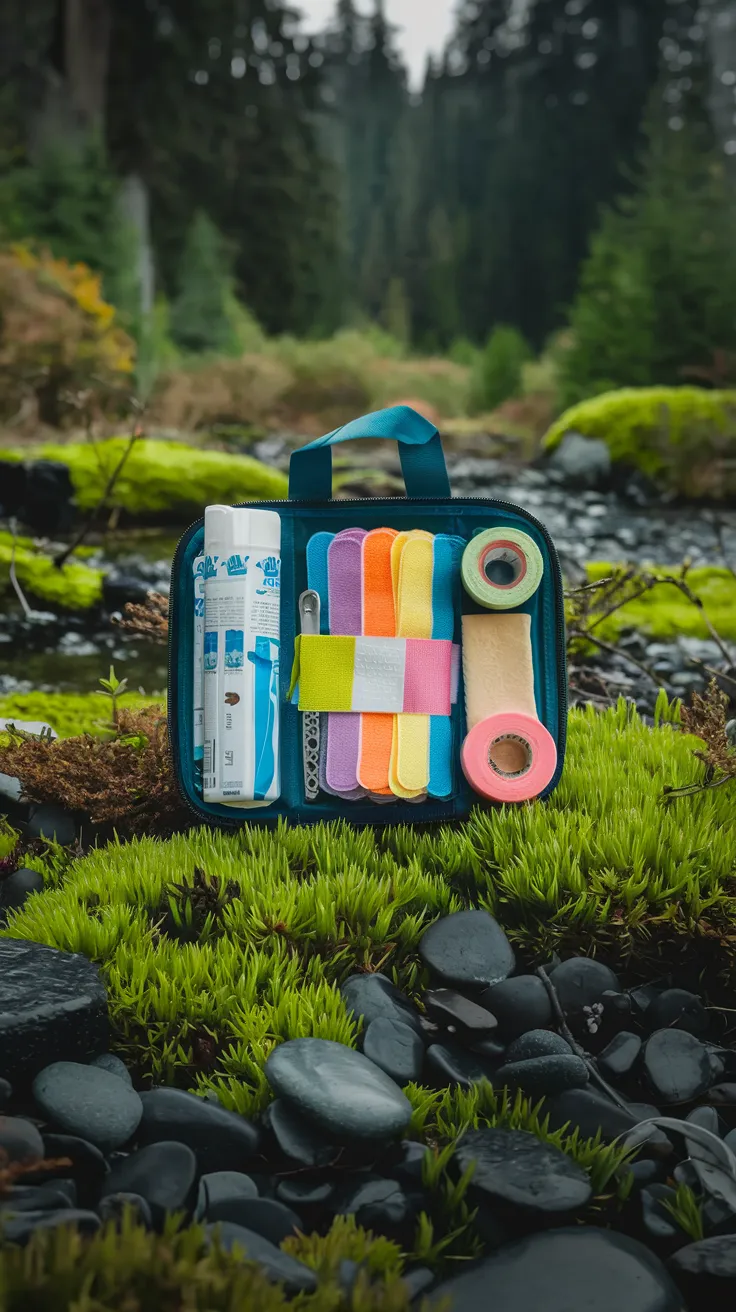
Pack sterile gauze pads in various sizes for covering wounds, along with rolled gauze for wrapping injuries or holding dressings in place. Adhesive bandages in multiple sizes handle small cuts and blisters, while larger adhesive pads work for road rash or bigger scrapes.
Include antiseptic wipes or solution for cleaning wounds before you dress them, reducing infection risk significantly. Antibiotic ointment keeps wounds moist and provides another layer of infection prevention, though it’s optional if you’re trying to minimize weight. adventure.
Must-Have Tools and Equipment for Emergencies
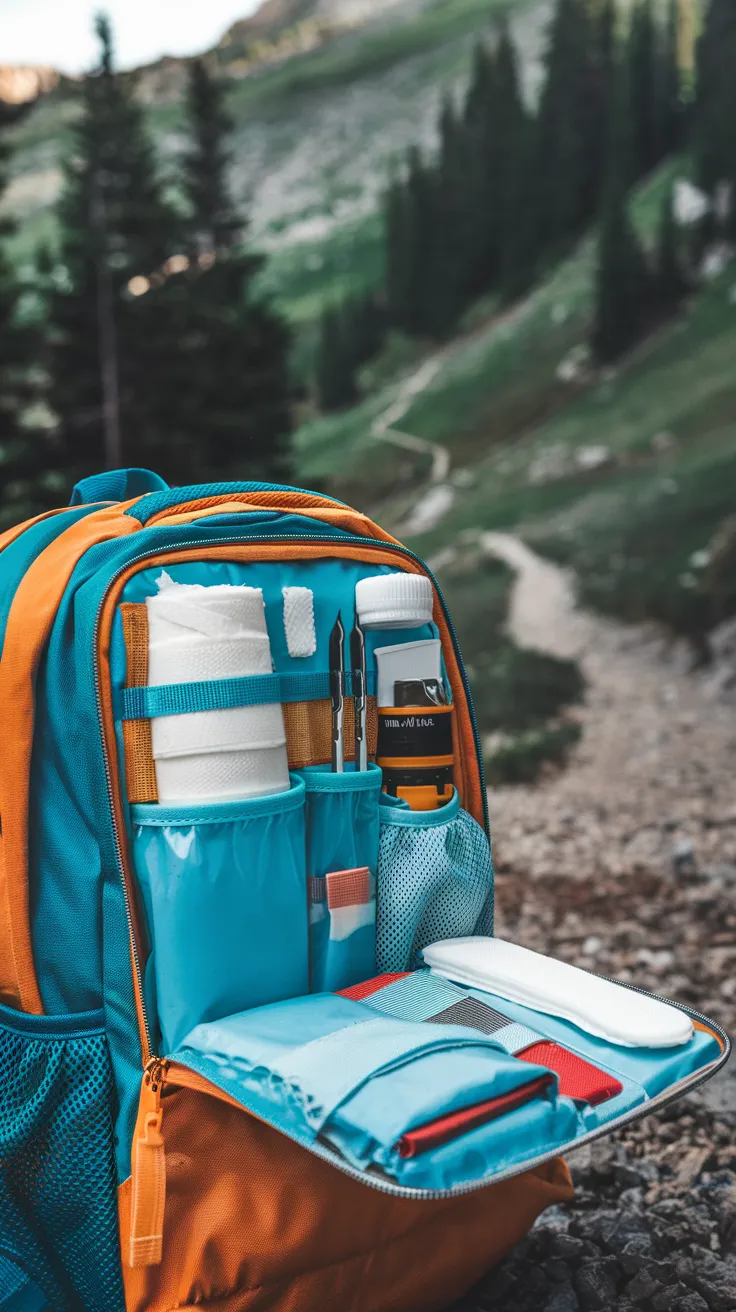
Tweezers remove splinters, ticks, and debris from wounds without causing additional damage or requiring you to dig around with dirty fingers. Small scissors or a multi-tool with cutting capability let you trim tape, cut gauze, or modify bandages to fit odd-shaped injuries.
Medical tape secures dressings better than the adhesive on most pads alone, especially if you’re sweating or the wound is in a spot that moves a lot. Nitrile gloves protect both you and the injured person from cross-contamination, and they weigh almost nothing, so pack several pairs.
Tips for Maintaining and Updating Your First-Aid Kit
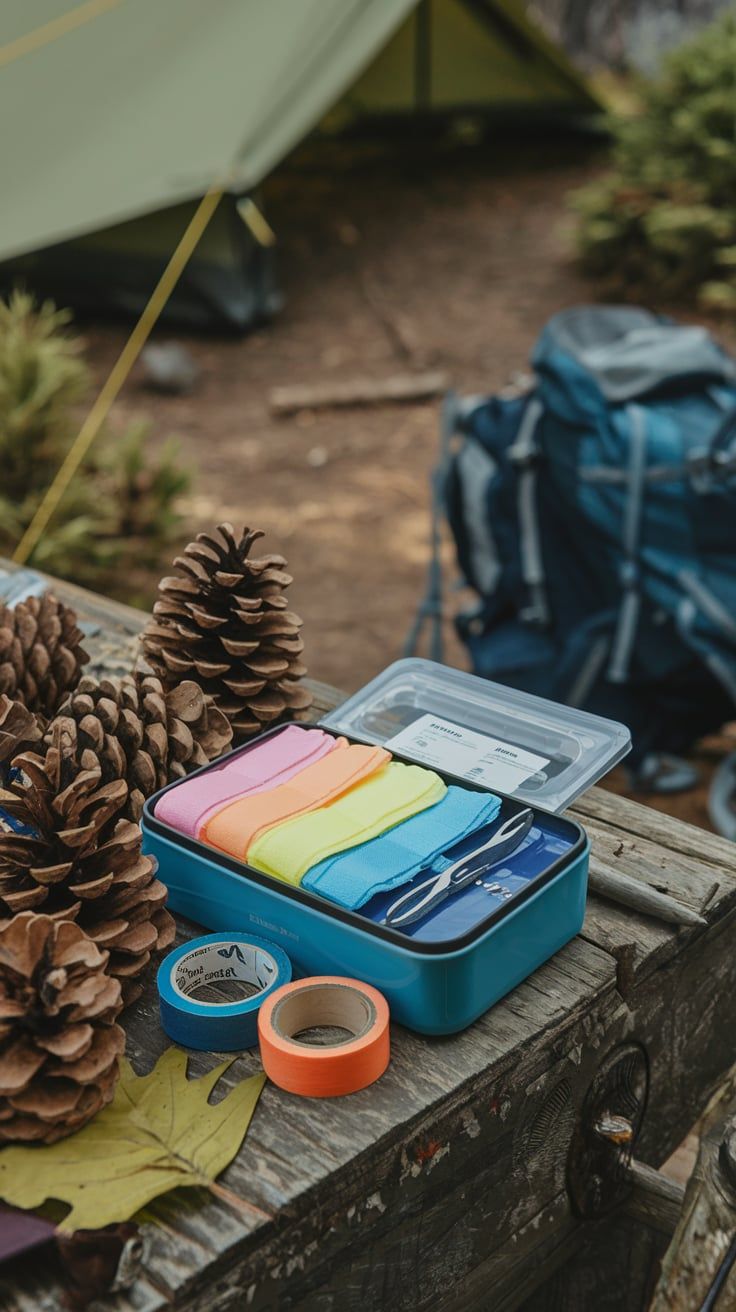
Check expiration dates twice a year and replace anything that’s expired, paying special attention to medications and ointments. After each trip, restock whatever you used immediately instead of waiting, since you’ll forget what’s missing by the time your next trip rolls around.
Store your kit somewhere cool and dry between trips to extend the life of medications and adhesives. Go through the entire kit once a year and reorganize it, discarding items you’ve never used and adding things you wished you’d had on recent trips.
Keeping Hygiene in Mind: Personal Care Items
Hand sanitizer prevents you from introducing bacteria when treating wounds, especially since you can’t always wash your hands properly in the backcountry. Antiseptic wipes clean both wounds and your hands when water isn’t available, or you need to conserve it.
Include a small bar of biodegradable soap for more thorough cleaning when you have access to water. Pack a few safety pins for securing bandages, draining blisters, or removing splinters, and they take up essentially no space.
Organizing Your Kit for Easy Access
Use a waterproof container or dry bag as your outer layer to protect everything from rain and stream crossings. Inside, organize supplies into clear resealable bags by category: wound care in one, medications in another, tools in a third.
Label each bag clearly so anyone in your group can find what they need without dumping everything out. Keep the most commonly used items like blister supplies and pain relievers near the top, where you can grab them quickly.
Conclusion
A good first-aid kit represents a balance between being prepared and not carrying so much weight that you resent bringing it. Start with the basics and adjust based on your actual experiences rather than theoretical worst-case scenarios.
Test your kit on shorter trips before relying on it for longer or more remote adventures. The best first-aid kit is the one you actually have with you when you need it, so build something practical that you’ll carry every time.