Walk into a well-executed Japandi living room, and you’ll immediately feel the difference. The way Scandinavian warmth plays off Japanese simplicity is just what makes sense, especially when you’re trying to create a space that actually feels livable instead of like a museum.
I’ve spent years studying how these two design traditions complement each other, and what strikes me most is how forgiving this style can be. You don’t need a massive budget or a complete overhaul to pull it off. The nineteen ideas ahead will show you exactly how to make this aesthetic work in real life.
Key Takeaways
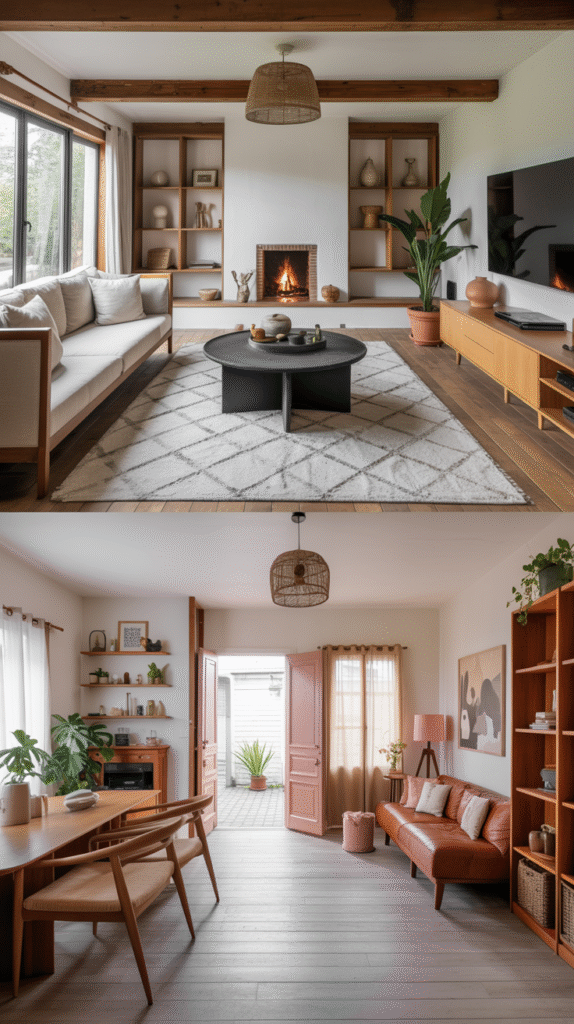
- Low-profile furniture and floor-level seating create unobstructed visual pathways while promoting openness and relaxed social interaction.
- Natural wood paneling with visible grain patterns adds dramatic focal points and defines spaces with warm, organic textures.
- Neutral color palettes featuring soft whites, warm beiges, and earthy terracotta accents establish harmonious and tranquil atmospheres.
- Paper lanterns and ambient lighting eliminate harsh shadows, creating soft illumination that enhances natural materials and serenity.
- Handcrafted ceramics, linen textiles, and bamboo elements introduce wabi-sabi imperfections that soften hard surfaces with tactile warmth.
Natural Wood Paneling Creates Architectural Drama

Wood paneling transforms ordinary walls into something worth looking at twice. The grain patterns create visual interest that changes throughout the day as natural light shifts across the surface.
I’ve always preferred species like oak or cedar because they age beautifully and develop character over time. Installing floor-to-ceiling panels gives your room instant architectural weight without requiring major structural changes.
SEE THIS: 21 Vintage Glam Living Room Ideas With Cozy Luxury.
Low-Profile Furniture Maintains Open Flow


Furniture that sits close to the ground changes how you experience a room entirely. Your eye travels farther across the space when sofas and tables aren’t blocking sightlines at chest height.
I’ve found that modular seating works particularly well here because you can rearrange pieces depending on whether you’re hosting friends or just want to sprawl out with a book. Floor cushions clustered around a low coffee table create an intimate gathering spot that feels casual without sacrificing sophistication.
SEE THIS: 17 Japandi Bedroom Designs That Blend Japanese & Scandinavian Style.
Neutral Palette With Terracotta Accent Pieces

Starting with a neutral base gives you room to experiment without the space feeling chaotic. Soft whites and warm grays work as your foundation, then you bring in terracotta through smaller elements like throw pillows or a handmade pottery piece.
The earthy red-orange tones add just enough warmth to keep the room from feeling clinical. I always tell people to introduce these accents gradually so you can see what feels right before committing to larger terracotta pieces.
SEE THIS: 21 Vintage Glam Living Room Ideas With Cozy Luxury.
Handcrafted Ceramic Vases as Sculptural Statements
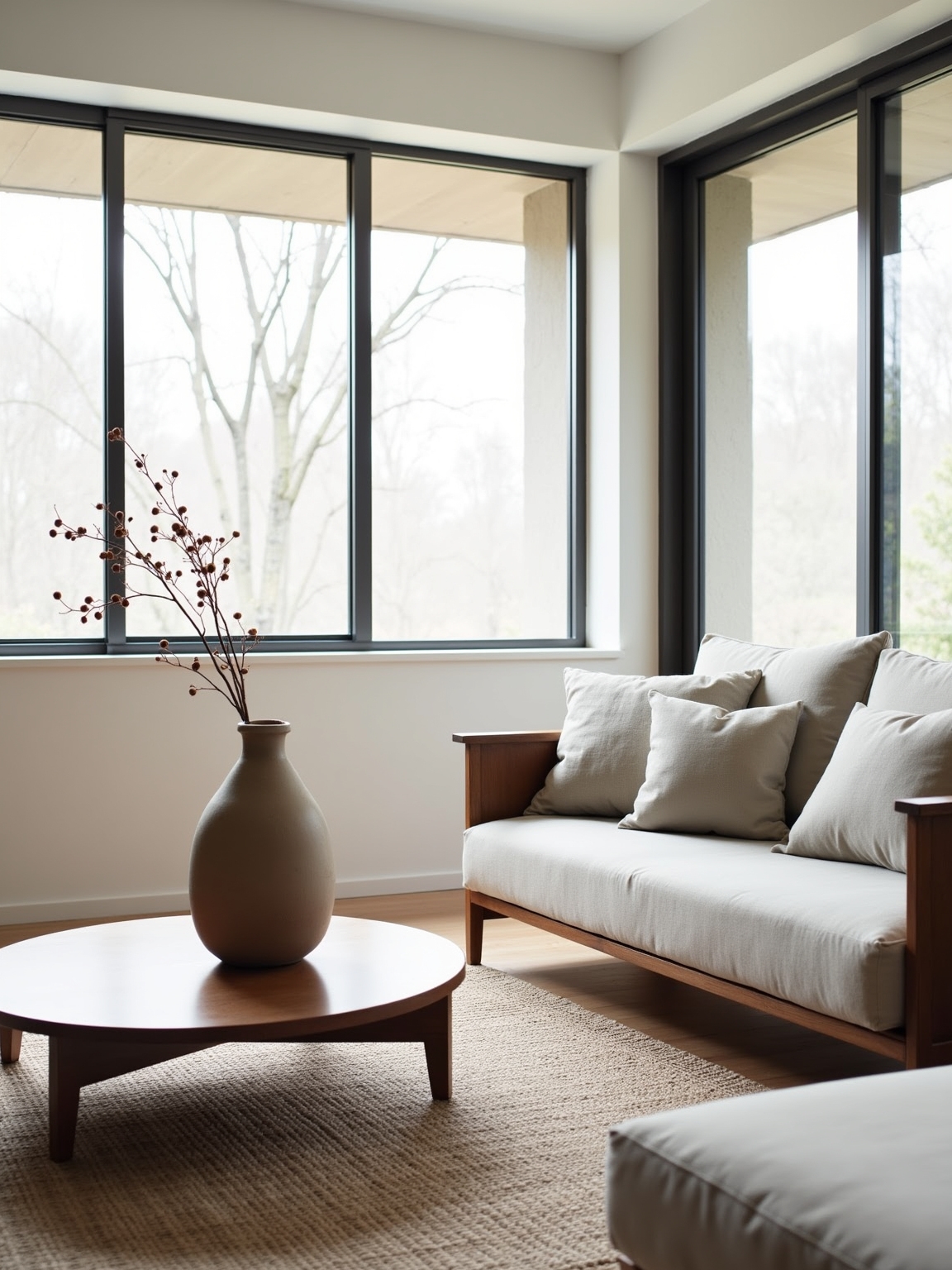
A really good ceramic vase does double duty as both container and art piece. Look for vessels with slight asymmetry or visible texture because those imperfections give the piece character that machine-made items never achieve.
The beauty of wabi-sabi shows up in these details, the small variations that remind you that a human hand shaped the clay. Positioning one substantial vase on a side table or shelf gives the eye somewhere to rest without cluttering the visual field.
SEE THIS: 23 Cozy Boho Bedrooms Inspired by Desert Vibes.
Bamboo Elements Infuse Organic Character
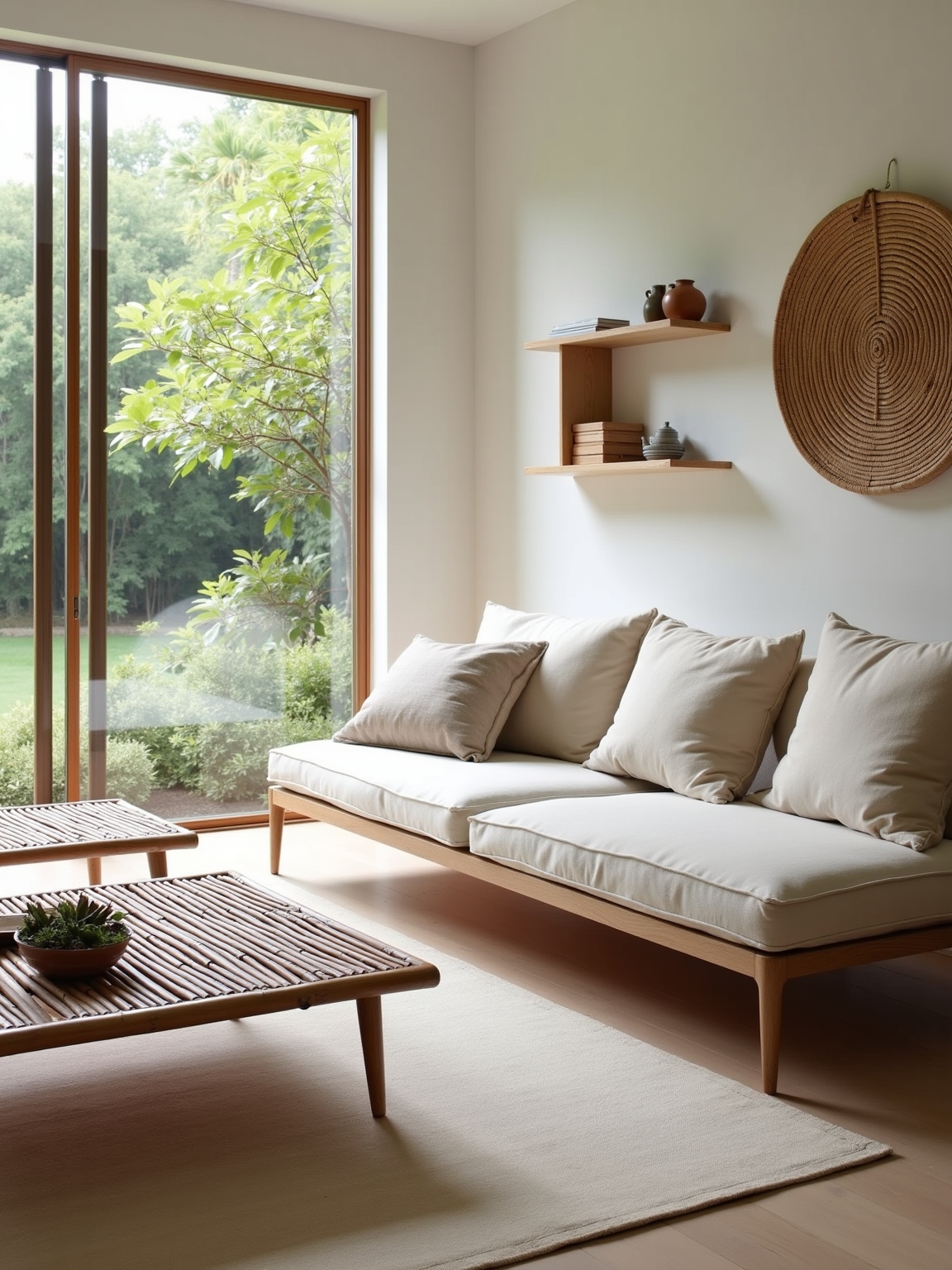
Bamboo brings texture into your space without overwhelming it. I’ve used bamboo blinds in multiple projects because they filter light beautifully while maintaining privacy during the day.
The natural striations and nodes in bamboo canes add visual variety that contrasts nicely against smooth plaster walls or polished concrete floors. What I appreciate most about bamboo is how it ages, developing a deeper honey tone that only gets better with time.
Stone Fireplace Becomes the Centerpiece

A stone fireplace anchors the entire room and gives you a focal point that feels permanent. Book-matched stone creates dramatic symmetry, while rougher fieldstone brings a more rustic quality that softens the overall aesthetic.
The key is balancing that heavy stone mass with softer textiles nearby so the fireplace draws attention without dominating the space. I’ve seen fireplaces clad in everything from slate to limestone, and the best ones always respect the existing architecture rather than fighting against it.
Linen Textiles Temper Structural Hardness

Natural linen softens all those hard surfaces you’re working with in a Japandi space. The fabric’s slight irregularity and matte finish create tactile contrast against wood, stone, and metal without introducing pattern or color that might compete for attention.
Linen curtains diffuse harsh sunlight while still letting plenty of natural light through. Upholstering a sofa or armchair in heavyweight linen gives you furniture that looks better as it develops that lived-in patina.
Large Windows Expand Natural Light

Generous windows do more than just brighten a room. They dissolve the boundary between inside and outside, which is fundamental to how this design approach works.
I always recommend keeping window treatments minimal, so you’re not blocking light during the day. The quality of natural illumination changes constantly, animating wood grain and casting shadows that shift across textured surfaces throughout the afternoon.
Rattan Furniture Adds Warmth to Minimalism

Rattan prevents minimalist spaces from feeling too austere or cold. The woven texture catches light in interesting ways and introduces an organic element that plays well against smooth surfaces.
A rattan lounge chair or side table brings warmth without visual weight, which matters when you’re trying to keep the room feeling open. Good rattan furniture lasts decades if you take care of it, developing a rich patina that only adds to its appeal.
Muted Blue Accents Channel Serene Landscapes
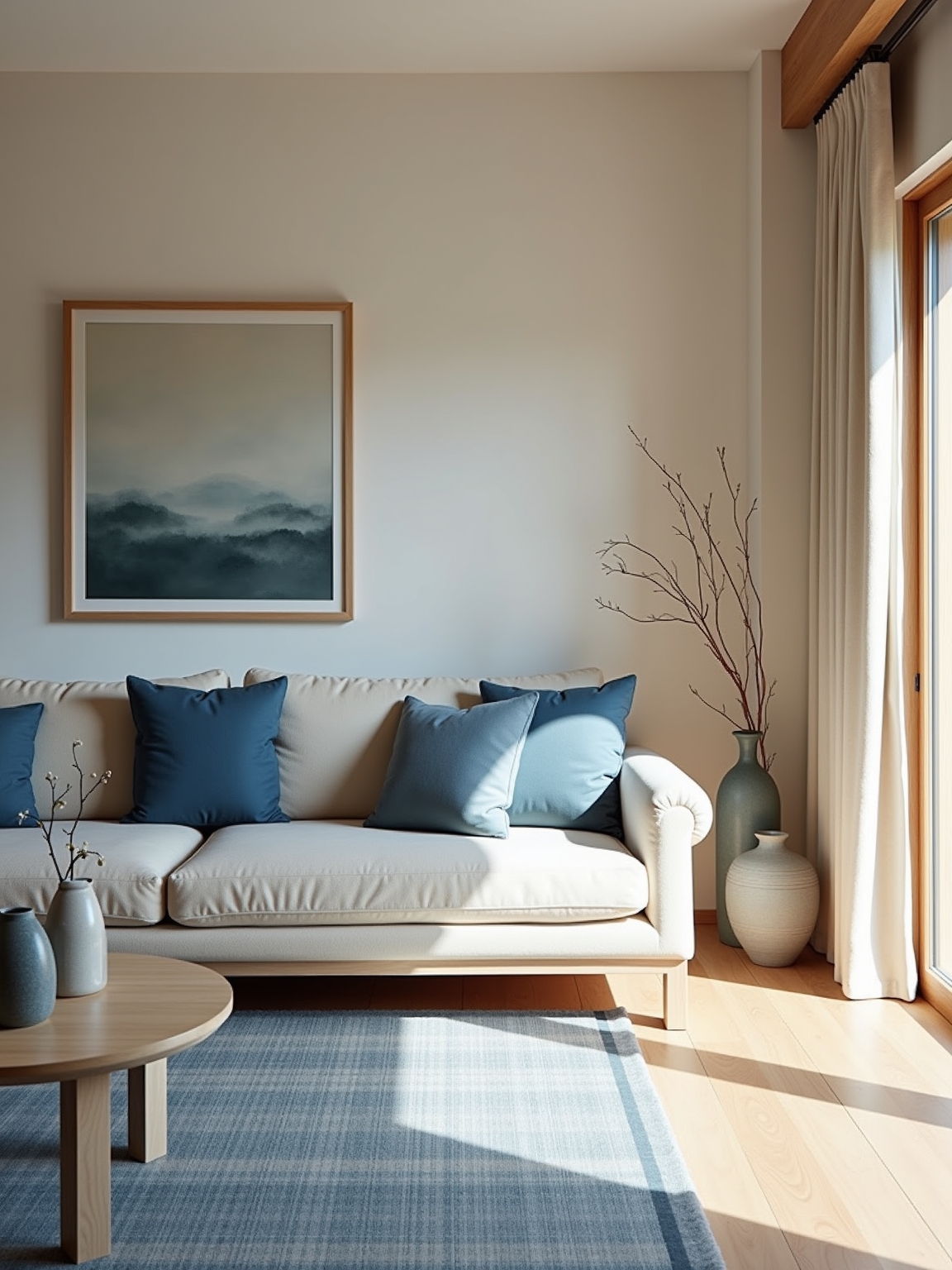
Introducing soft blue tones through textiles or ceramics brings a calming quality that complements warm wood beautifully. Think about the blue-gray of distant mountains or the pale blue of a winter sky.
These colors work because they’re not shouting for attention; they just add another layer of visual interest. I tend to use blue sparingly in Japandi spaces, maybe a throw blanket or a ceramic bowl, because a little goes a long way.
Multipurpose Storage Preserves Sleek Lines
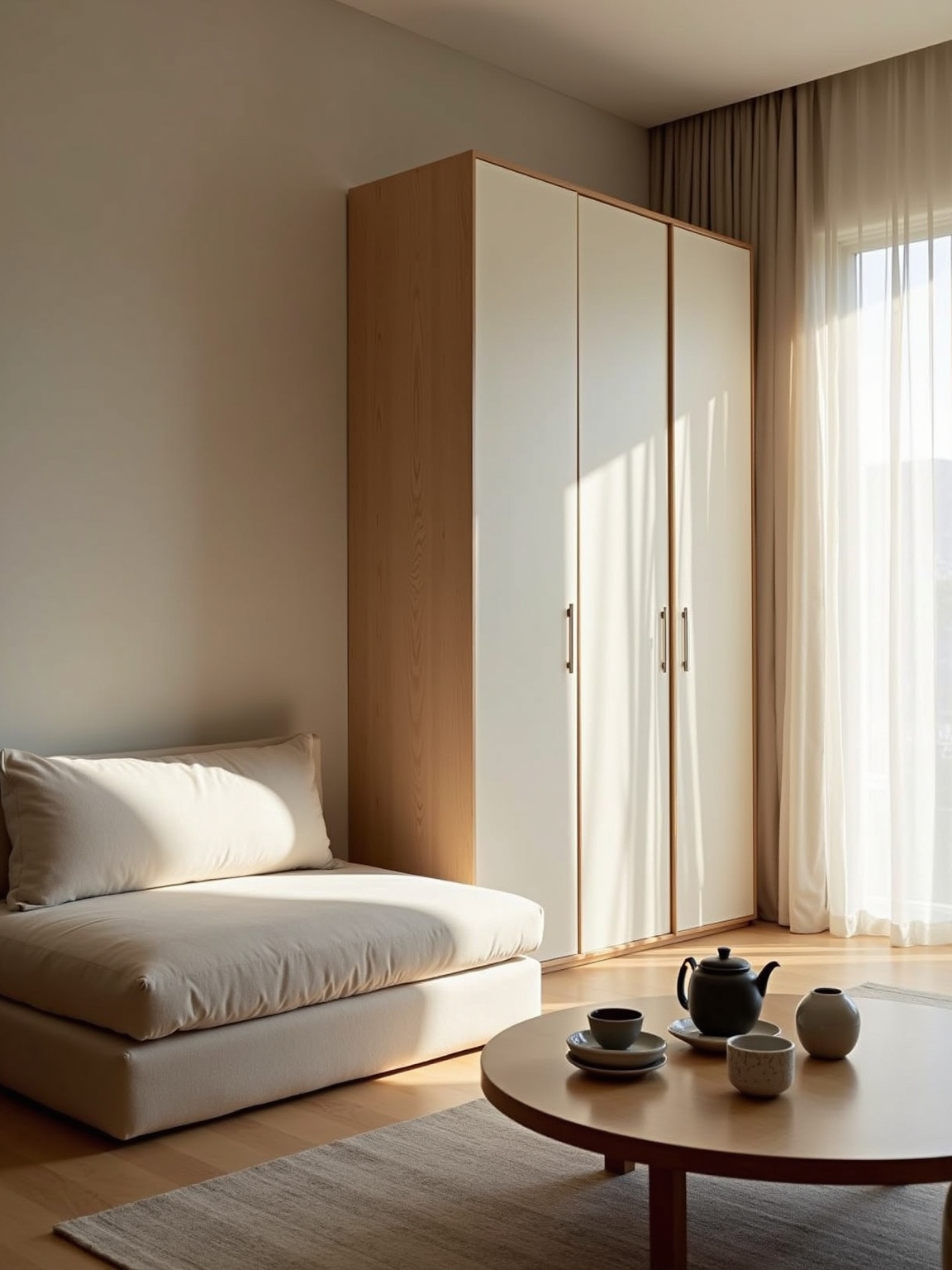
Smart storage keeps surfaces clear so your room maintains that essential sense of calm. Ottoman benches with lift-top compartments hold blankets and magazines while providing extra seating when you need it.
Coffee tables with drawers or lower shelves give you places to tuck away remotes and coasters. The goal is making storage invisible so you’re not constantly looking at clutter that distracts from the overall design.
Weathered Wood Surfaces Reveal Honest Beauty

Wood that shows its age brings authenticity that new lumber simply can’t match. Silver-gray patinas and visible grain patterns tell the story of the material in a way that resonates with wabi-sabi principles.
I’ve salvaged old barn wood and reclaimed flooring for projects specifically because those weathered surfaces add instant depth. The cracks, knots, and color variations create visual texture that makes a room feel grounded and real.
Paper Lanterns Cast Gentle Ambient Glow

The soft light from paper lanterns eliminates harsh shadows and creates an evening atmosphere that feels genuinely relaxing. Traditional rice paper versions give you that authentic aesthetic, while modern alternatives offer better durability if you’ve got kids or pets.
Hanging lanterns at varying heights adds vertical interest and helps define different zones within an open floor plan. The warm, diffused light they cast makes natural materials look even better after dark.
Cotton Rugs Define Gathering Zones
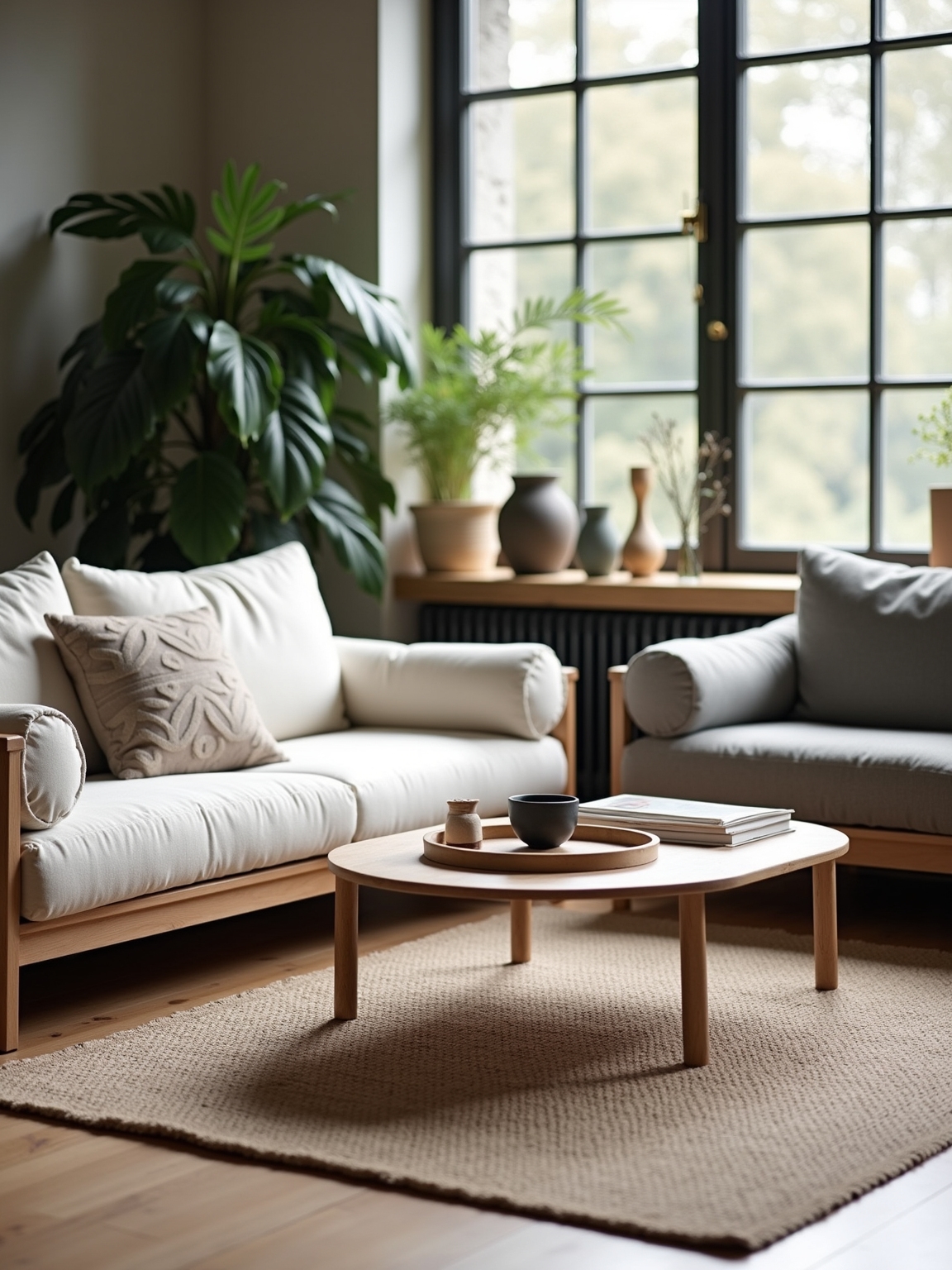
A good cotton rug grounds your seating area and makes the space feel intentional rather than random. Positioning furniture partially on and partially off the rug creates visual cohesion while clearly marking where the living area begins.
Cotton breathes well and works for floor seating, which aligns perfectly with the low-profile approach that defines this style. Choose a rug in natural tones so it supports the overall palette without becoming a focal point itself.
Mid-Century Modern Blends with Japanese Craftsmanship
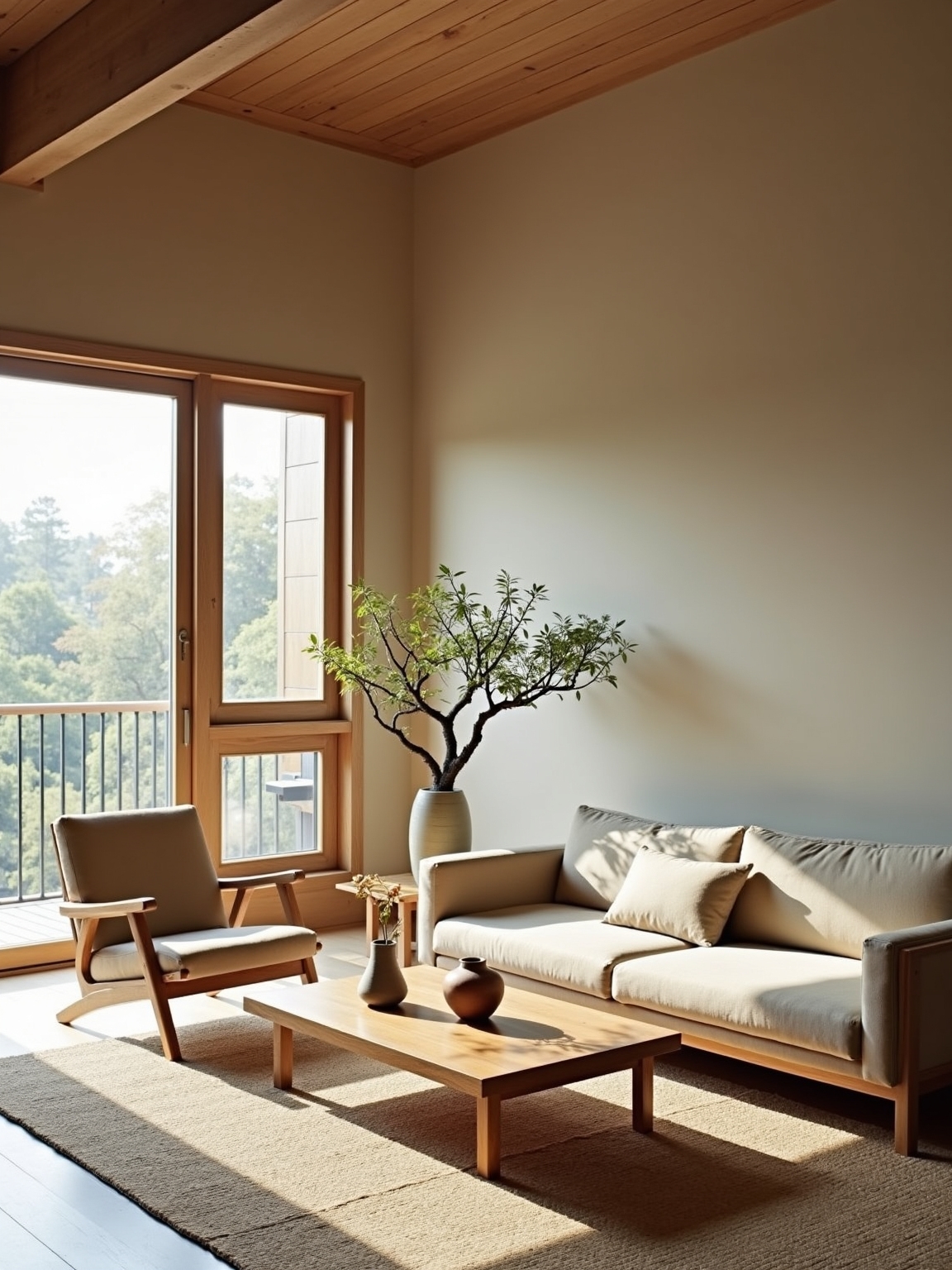
The marriage of mid-century furniture design and Japanese craftsmanship makes perfect sense when you look at the shared values.
Both traditions emphasize clean lines, honest materials, and pieces built to last rather than follow trends. A low-slung walnut credenza or a teak side table with tapered legs fits seamlessly into a Japandi room. What matters most is choosing furniture where you can see the quality in the joinery and finish.
Vertical Slat Walls Elevate Perceived Height

Installing vertical wood slats draws the eye upward and makes standard ceiling heights feel more generous. The repeating lines create rhythm and movement that contrasts nicely with horizontal furniture planes.
These slatted walls also improve acoustics by breaking up sound reflections, which matters more than people realize in rooms with hard flooring. The gaps between slats let light pass through, so you can use them as subtle room dividers without sacrificing openness.
Subtle Textured Wallpaper as a Feature Wall

A single accent wall with grasscloth or linen-textured wallpaper adds dimension without pattern. The subtle texture catches light differently throughout the day, creating visual interest that’s understated rather than flashy.
I typically choose wallpaper in colors that sit just slightly off-white so the texture reads clearly without creating stark contrast. This approach gives you a focal wall that enhances the room rather than competing with your furniture and accessories.
Curved Furniture Balances Geometric Edges

Introducing rounded forms softens all those straight lines and right angles you’re working with. A circular coffee table paired with a linear sofa creates visual balance that feels natural rather than contrived.
Curves guide movement through the space more organically than angular pieces, which matters for how the room flows. The rounded edges also make furniture feel more approachable and less formal, which keeps the space livable.
Organic Glass Objects Refract Natural Light
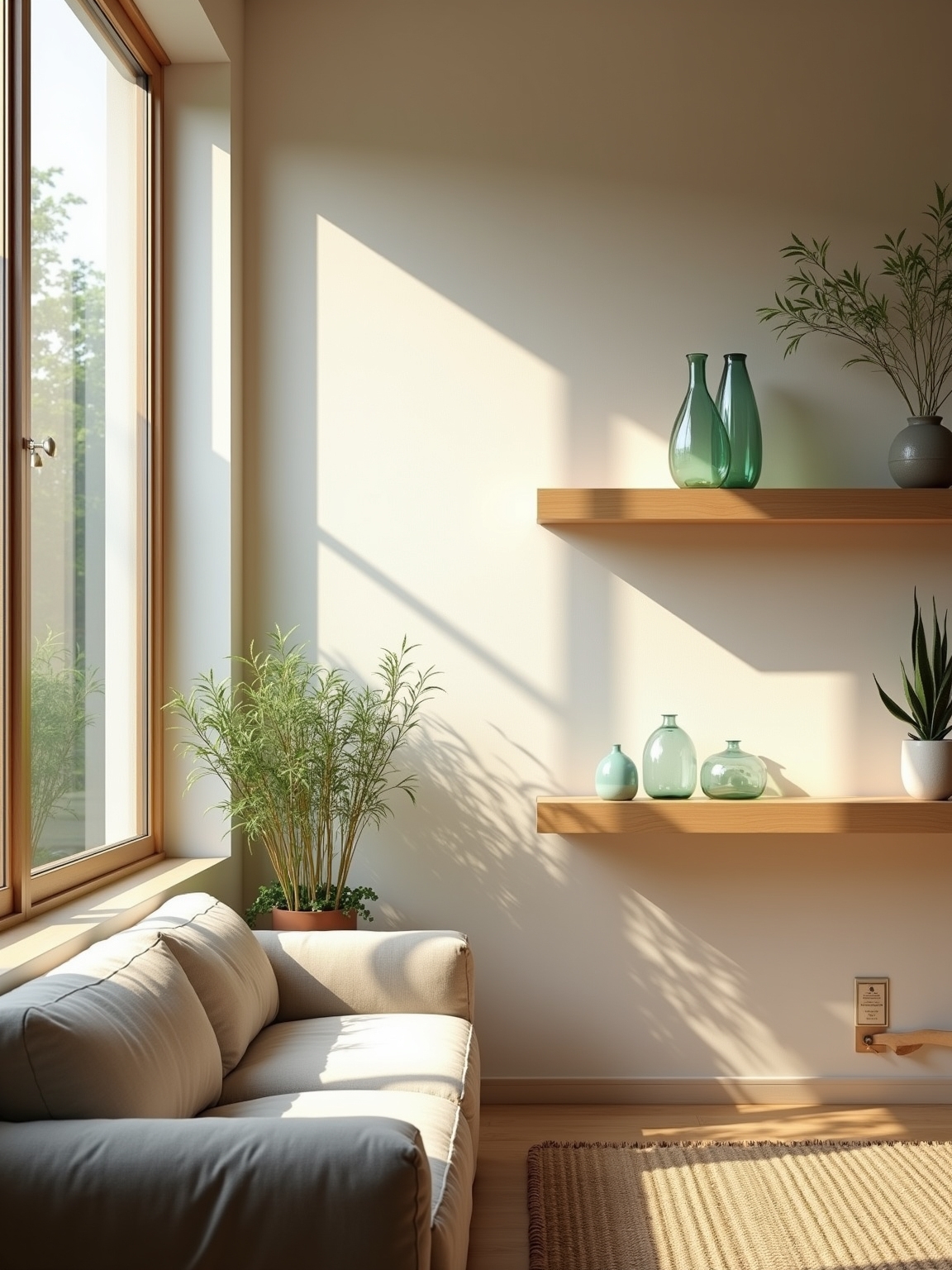
Placing glass vases or sculptures near windows amplifies available light without adding artificial brightness. The way glass catches and scatters daylight creates subtle highlights that change as the sun moves across the sky.
Clear or lightly tinted glass works best because it doesn’t compete with the neutral palette you’ve established. These pieces add a touch of refinement while maintaining the connection to natural materials that defines the Japandi approach.
Conclusion
These nineteen ideas give you a solid framework for creating a Japandi living room that actually functions for everyday life. The key is understanding that this isn’t about rigid rules or achieving some perfect Instagram aesthetic.
You’re working toward a space that feels calm and considered, where natural materials age gracefully and every piece serves a purpose. Start with one or two elements that resonate with you, whether that’s adding linen curtains or swapping in a low-profile sofa. The beauty of this approach is how it encourages you to live with less while somehow making your space feel richer and more intentional.