You just dropped $150 on a pair of hiking boots that actually look good, and now the rest of your gear looks like it came from a sporting goods store clearance bin circa 2003. The outdoor industry has finally caught up to what most people already knew: that you can want gear that performs well and looks intentional at the same time.
Matching your kit aesthetically doesn’t mean sacrificing function. It means being deliberate about colors, materials, and styles rather than grabbing whatever happens to be on sale. Once you nail down a color palette and understand which pieces work together, getting dressed for a hike becomes as easy as throwing on your everyday clothes. Here’s where to start.
Contents
- 1 Choosing the Right Hiking Boots for Your Style
- 2 Essential Hiking Clothing for Comfort and Functionality
- 3 Top Hiking Socks for Optimal Performance
- 4 Must-Have Backpacks for Day Hikes
- 5 Versatile Water Shoes and Sandals for Outdoor Adventures
- 6 Mixing Hiking Gear With Urban Fashion
- 7 Aesthetic Accessories to Elevate Your Hiking Look
- 8 Layering Techniques for Changing Weather Conditions
- 9 Styling Tips for a Trendy Outdoor Outfit
- 10 Creating a Cohesive Look With Your Hiking Gear
Choosing the Right Hiking Boots for Your Style
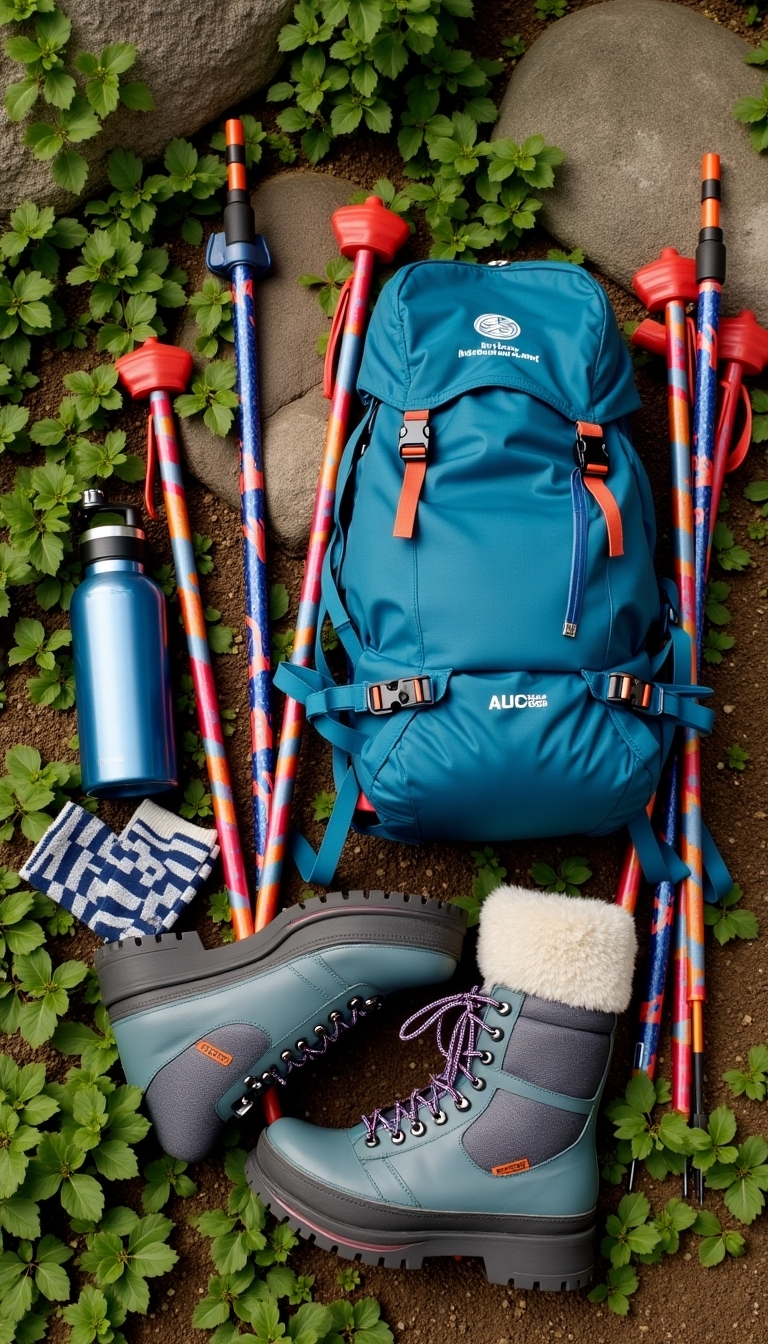
The type of hiking you actually do should drive your boot choice more than how they look in Instagram photos. Lightweight boots work perfectly for day hikes on maintained trails where you’re not carrying much weight and don’t need aggressive ankle support.
Multi-day backpacking trips with a heavy pack require sturdier boots that won’t let your ankles roll on uneven terrain or leave your feet destroyed after 10 miles. Look for water resistance if you hike in wet conditions, solid traction for the terrain you frequent most, and a fit that’s snug around the heel while giving your toes room to spread on downhills.
SEE THIS: Pinterest-Perfect Hiking Outfits for Every Summer Adventure!
Essential Hiking Clothing for Comfort and Functionality
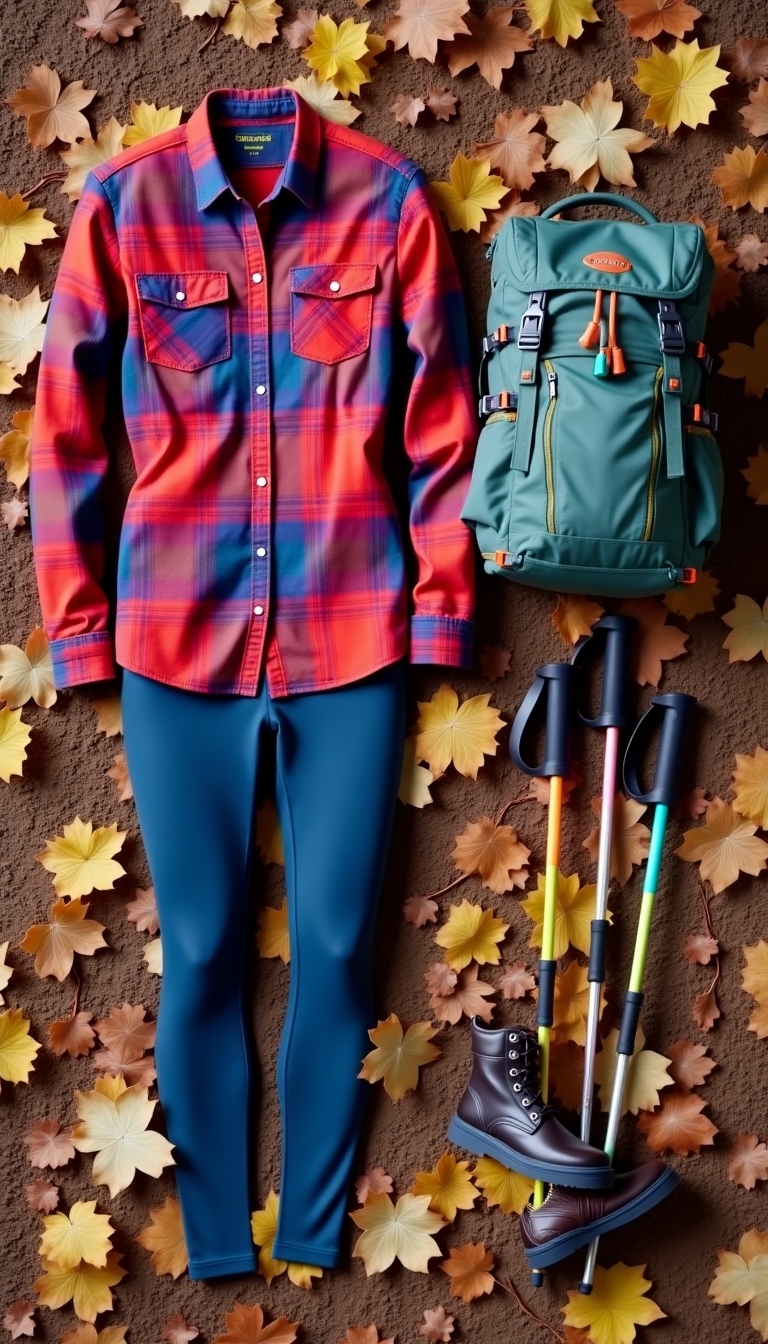
Start with moisture-wicking base layers in merino wool or synthetic fabrics that draw sweat away from your skin rather than absorbing it, as cotton does. Seamless underwear and a supportive sports bra prevent chafing on longer hikes where regular undergarments would rub you raw after a few miles.
Base layers do double duty by providing insulation when it’s cool and managing moisture when you’re working hard uphill. Always carry an extra layer in your pack, as weather changes quickly in the mountains; what starts as a warm, sunny morning can turn cold and windy by afternoon.
SEE THIS: Summer Hiking Boot Checklist for Stylish Women!
Top Hiking Socks for Optimal Performance
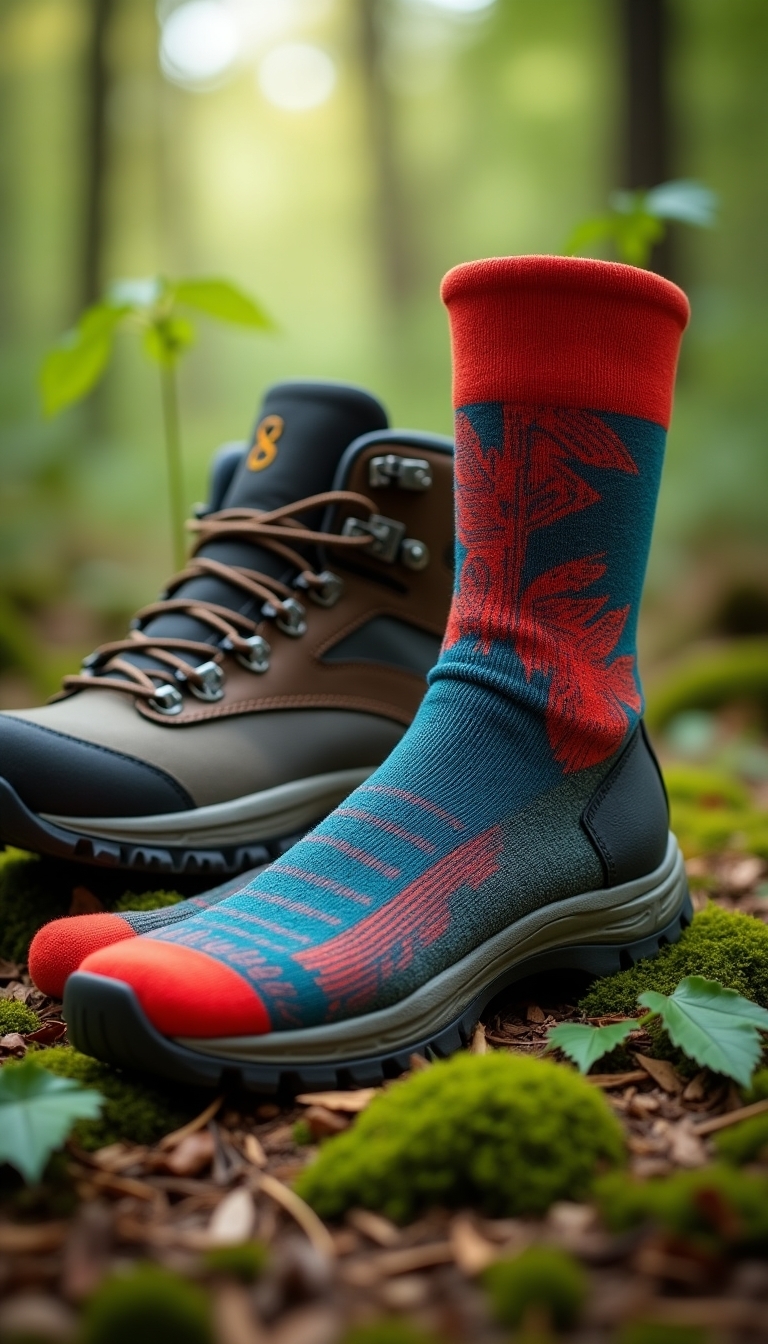
Your socks matter almost as much as your boots, since even the best boots can cause blisters if you’re wearing cheap cotton socks. Darn Tough socks blend merino wool with nylon for durability and come with a lifetime warranty, which sounds too good to be true until you realize people actually use it when their socks wear out.
Smartwool Performance Hike socks fit snugly without being tight and naturally resist odor, allowing you to wear them for multiple days on backpacking trips without offending your hiking partners. Look for socks with cushioning in the heel and ball of your foot, where impact occurs most, and ensure they’re tall enough that your boots don’t rub directly on your skin.
SEE THIS: How to Store Your Hiking Boots So They Last Longer!
Must-Have Backpacks for Day Hikes
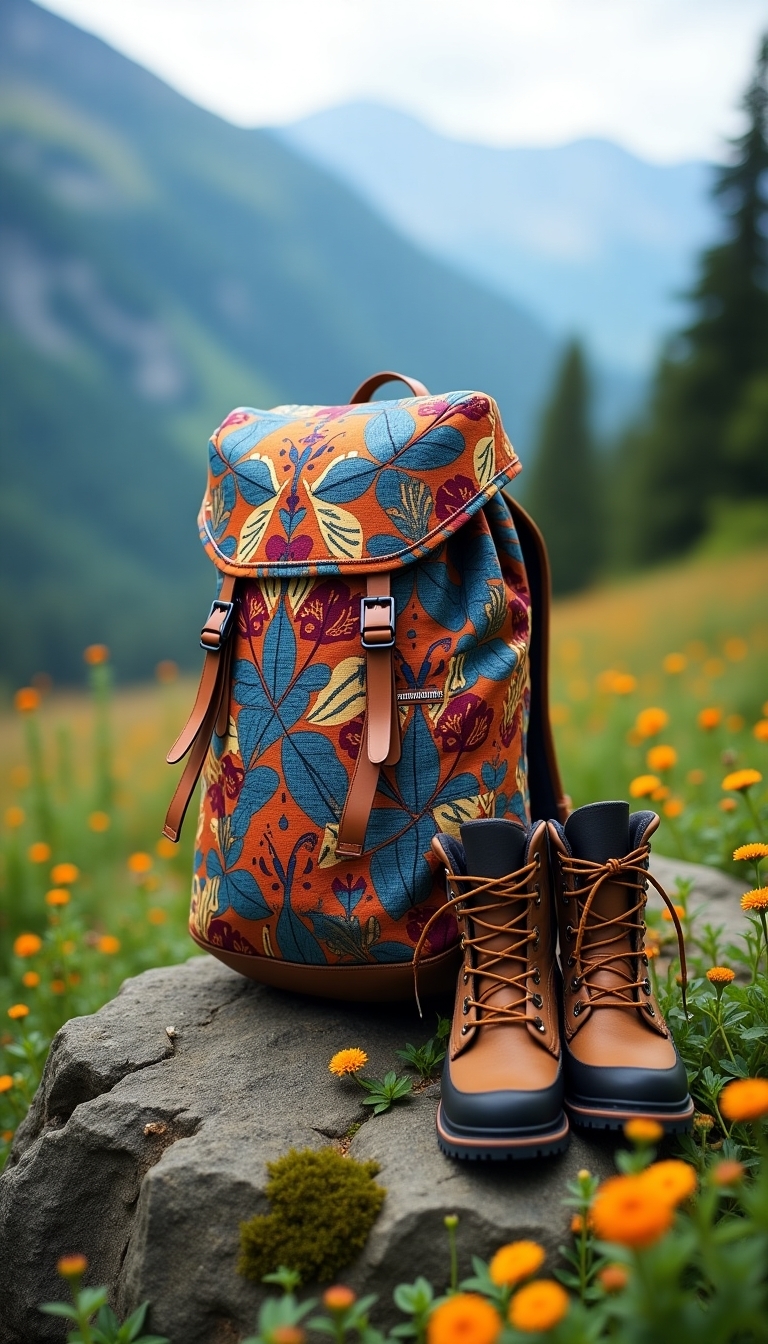
Day-hiking packs should fall in the 20- to 30-liter range, providing enough room for layers, food, and water without the bulk of a full backpacking pack. Breathable mesh back panels create airflow between the pack and your back, reducing the sweat lake that forms on hot days.
A load-bearing hip belt transfers weight from your shoulders to your hips, where your body handles it more effectively, especially on longer hikes or when carrying camera gear. The Osprey Talon 22 offers tons of features and comfort, while the REI Flash 22 strips things down to essentials for minimalists who want to carry less weight on their back.
SEE THIS: From Mountains to Markets: Backpacking Outfits That Transition Effortlessly!
Versatile Water Shoes and Sandals for Outdoor Adventures
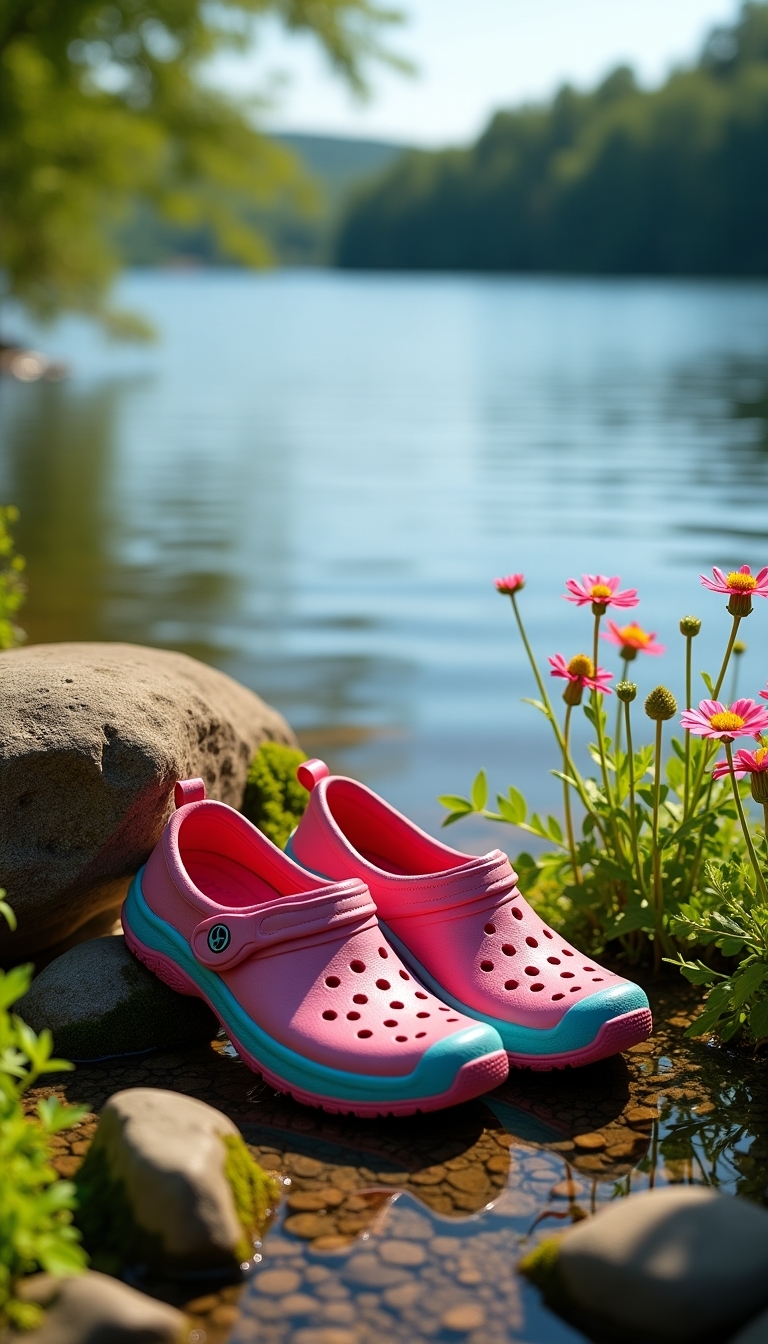
Water shoes made from quick-drying polyester and TPU work for stream crossings, beach hikes, and anywhere else you’ll get wet without wanting to soak your regular boots. Adjustable straps let you customize the fit so they don’t slip off in current conditions or feel loose on technical terrain.
Cushioned midsoles provide comfort for all-day wear, which matters if you’re doing a long beach hike or spending hours exploring tide pools. Aggressive tread patterns grip wet rocks and slippery surfaces where smooth-soled sandals would have you on your butt in seconds.
Mixing Hiking Gear With Urban Fashion
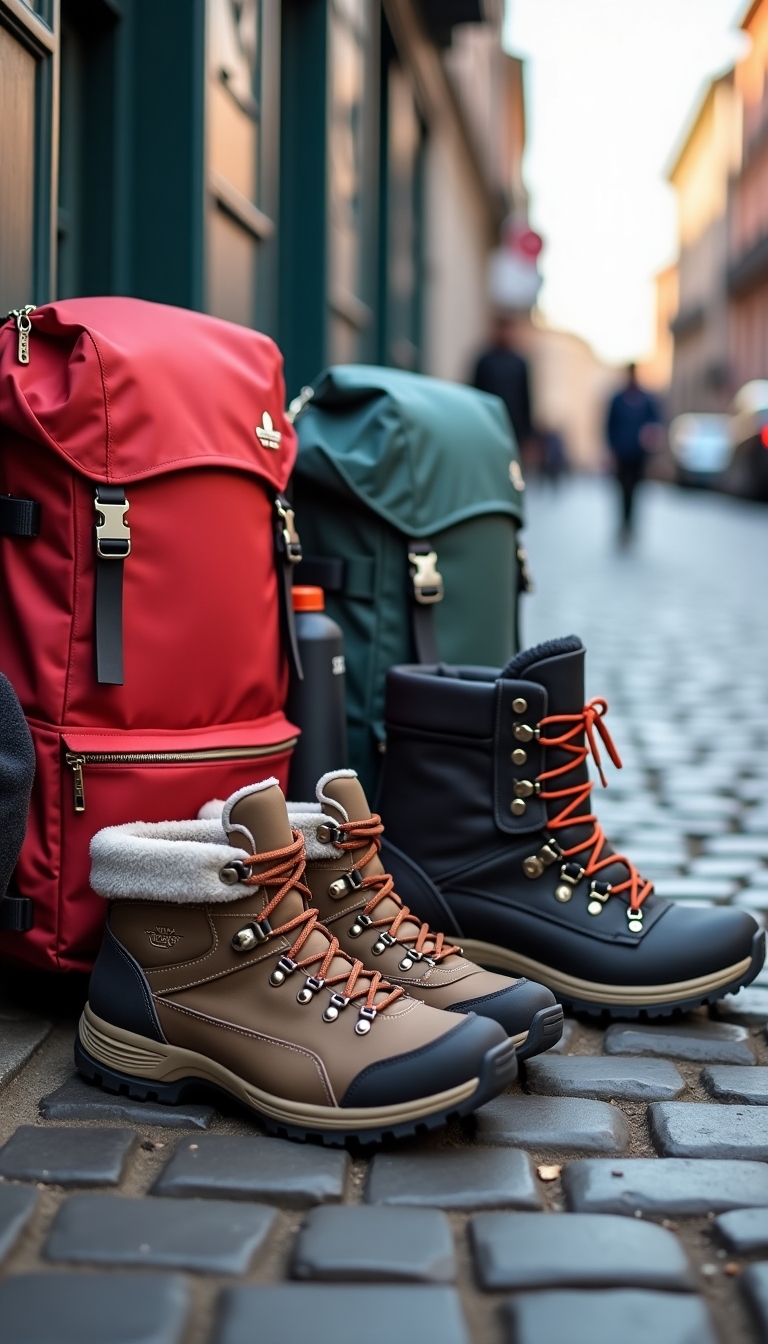
The gorpcore trend has made technical outdoor gear acceptable streetwear, so your hiking clothes now work for everyday life rather than looking out of place off the trail. Waterproof shell jackets in neutral colors pair with jeans or casual pants for running errands, especially in areas where rain is common, and they are practical for everyday use.
Comfortable cargo pants and joggers bridge the gap between performance fabric and street style, offering pockets and durability. Brands like Salomon and Arc’teryx make boots and shoes that look intentional with urban outfits rather than purely functional, allowing you to skip a shoe change when moving between activities.
Aesthetic Accessories to Elevate Your Hiking Look
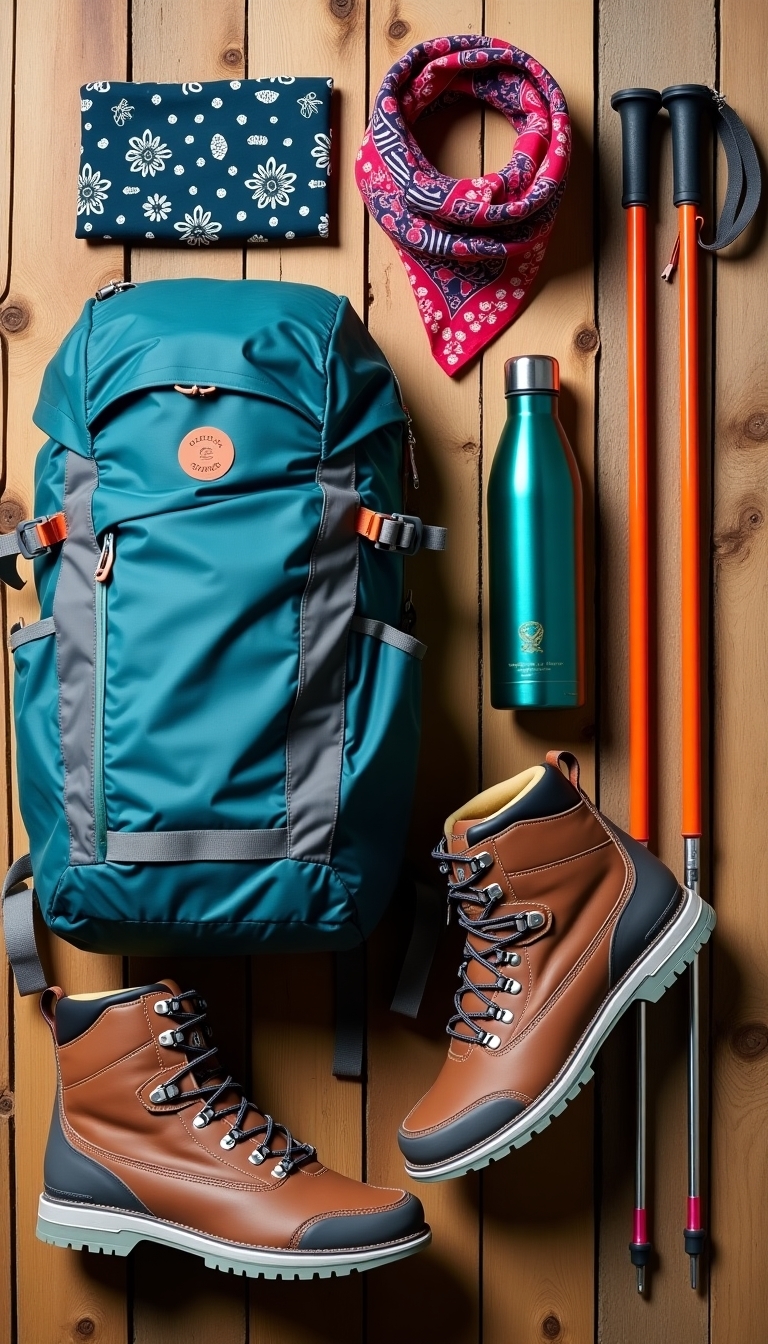
A Smartwool merino beanie keeps you warm in cold weather while looking cleaner and more intentional than a ratty old fleece hat. Sport visors shield your face from the sun without the coverage of a full hat, working well in hot weather when you want maximum airflow.
Quality sunglasses like Oakleys provide real UV protection while looking better than gas station shades, and they’ll actually survive being shoved in your pack repeatedly. A well-designed backpack like the ALPS Mountaineering Hydro Trail combines function and aesthetics, offering hydration compatibility and organization without looking overly technical.
Layering Techniques for Changing Weather Conditions
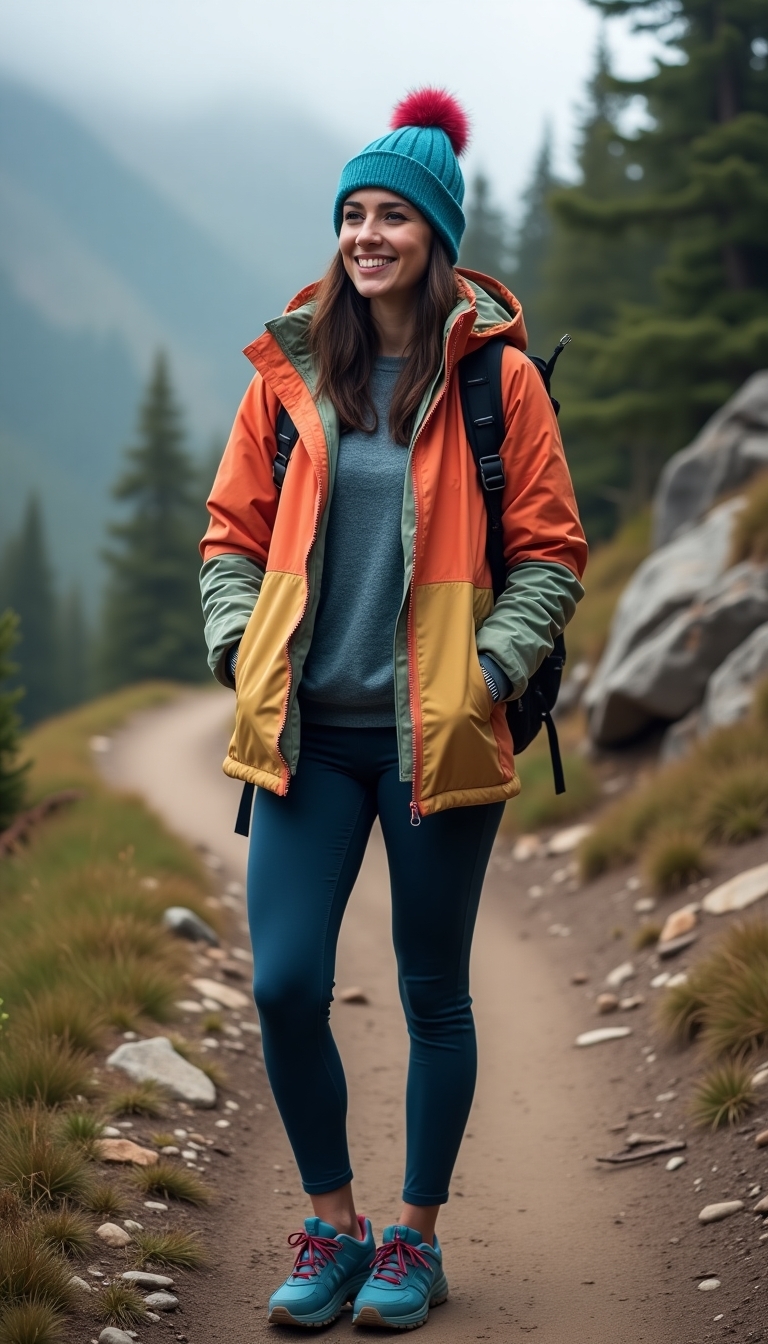
Your base layer should wick moisture in merino wool or synthetic fabric that keeps you dry instead of clammy when you sweat. Mid layers like lightweight fleece or down provide insulation without bulk, trapping warm air close to your body while still allowing movement.
A waterproof and breathable outer shell protects you from rain and wind while letting sweat vapor escape so you don’t get soaked from the inside. The key to layering is adjusting before you get uncomfortable, adding layers when you stop moving, and stripping them off before you start sweating heavily on climbs.
Styling Tips for a Trendy Outdoor Outfit
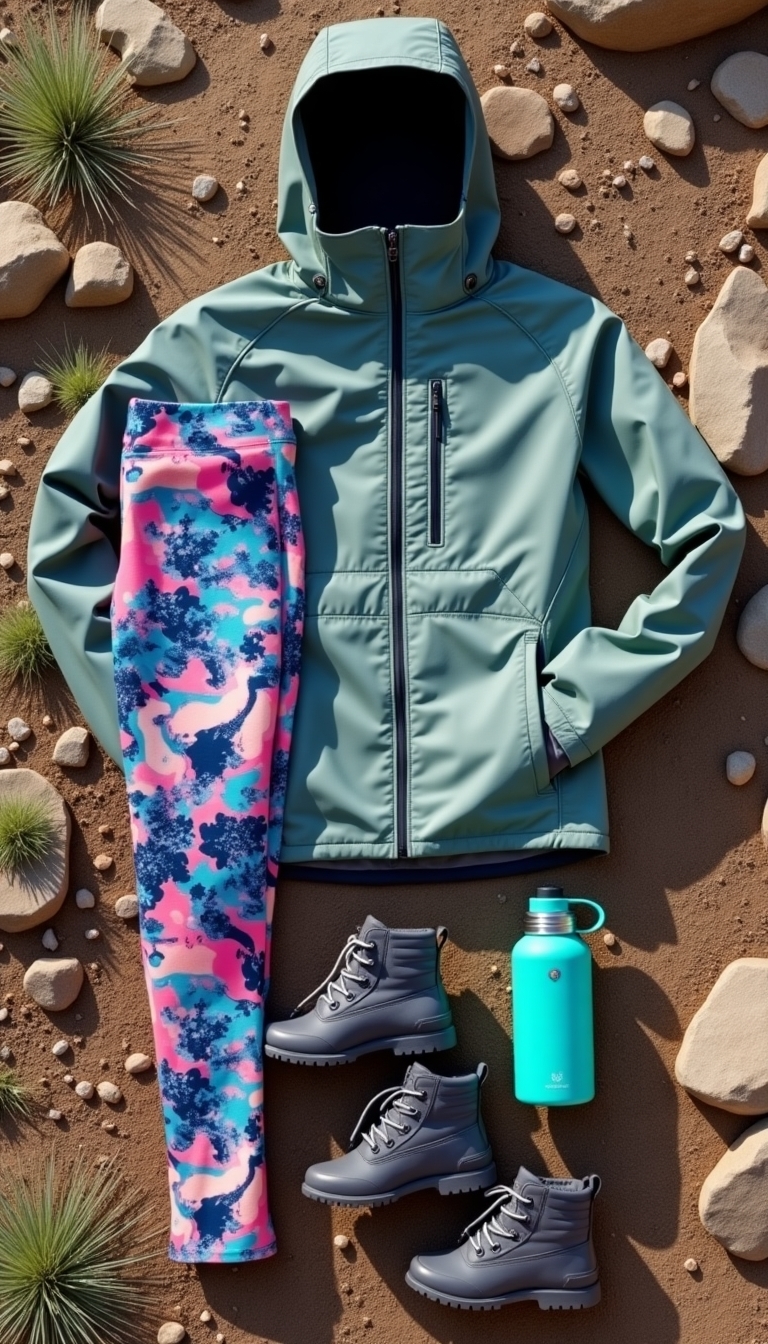
Breathable, moisture-wicking fabrics made from synthetic or merino wool form the foundation of any functional outdoor outfit that doesn’t leave you overheated or damp. Fitted hiking pants create a streamlined look that’s more intentional than baggy cargo pants, though you need to balance style with the range of motion required for scrambling over rocks.
Wide-brimmed hats provide sun protection and style, while sporty sunglasses complete the look without being purely decorative. Neutral earth tones serve as versatile base colors, but don’t be afraid to use patterns or brighter accent pieces that add personality and improve visibility on the trail.
Creating a Cohesive Look With Your Hiking Gear
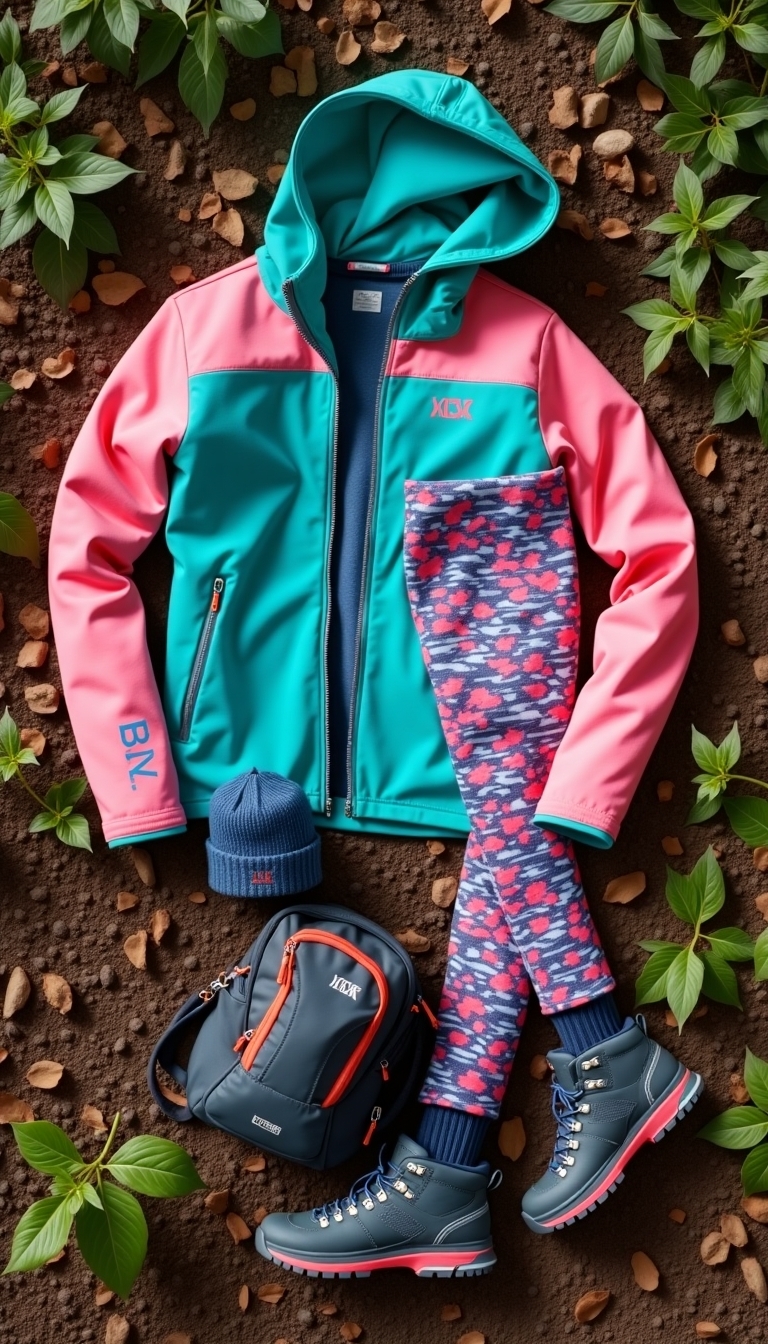
Building a color palette around earth tones like browns, greens, and grays gives you a grounded aesthetic where everything works together naturally. Layer in a few brighter colors for visibility and visual interest, choosing one or two accent colors that appear across multiple pieces in your wardrobe.
Neutral base layers in black, gray, or tan mix easily with other pieces, allowing you to create different outfits without needing a large wardrobe. Accessories like a colorful backpack or patterned socks add personality without overwhelming your outfit, and they’re easy to swap out if you want to change up your look.
My take…
Your hiking gear should make you feel confident and comfortable, not like you’re wearing someone else’s hand-me-downs or trying too hard to look like a catalog model. Start with quality boots that fit your actual hiking style, then build outward with clothing and accessories that share a cohesive color palette and aesthetic.
Function always comes first, since appearance doesn’t matter if you’re cold, wet, or covered in blisters after two miles. The sweet spot is gear that performs exactly how you need it to while reflecting your personal style, making you look forward to getting dressed for the trail instead of just grabbing whatever’s clean.