Looking to escape the summer madness at America’s national parks? Fall might be your best-kept secret. The crowds thin out dramatically after Labor Day, leaving trails quieter and parking lots easier to navigate.
You’ll catch nature putting on its own show as aspens turn gold and wildlife becomes more active before winter sets in. Whether you’re after backcountry solitude or just want to reach a popular trailhead without circling the lot for an hour, these 21 parks deliver something the summer crowds never get to see.
Contents
- 1 Shenandoah National Park, Virginia
- 2 Acadia National Park, Maine
- 3 Glacier National Park, Montana
- 4 Yosemite National Park, California
- 5 Great Smoky Mountains National Park, Tennessee & North Carolina
- 6 Congaree National Park, South Carolina
- 7 Voyageurs National Park, Minnesota
- 8 Great Basin National Park, Nevada
- 9 Saguaro National Park, Arizona
- 10 North Cascades National Park, Washington
- 11 Rocky Mountain National Park, Colorado
- 12 Grand Canyon National Park, Arizona
- 13 Sequoia and Kings Canyon National Parks, California
- 14 Badlands National Park, South Dakota
- 15 Olympic National Park, Washington
- 16 Isle Royale National Park, Michigan
- 17 Dry Tortugas National Park, Florida
- 18 Lassen Volcanic National Park, California
- 19 Grand Teton National Park, Wyoming
- 20 Yellowstone National Park, Wyoming
- 21 Clingman’s Dome (Kuwohi), Great Smoky Mountains
Shenandoah National Park, Virginia
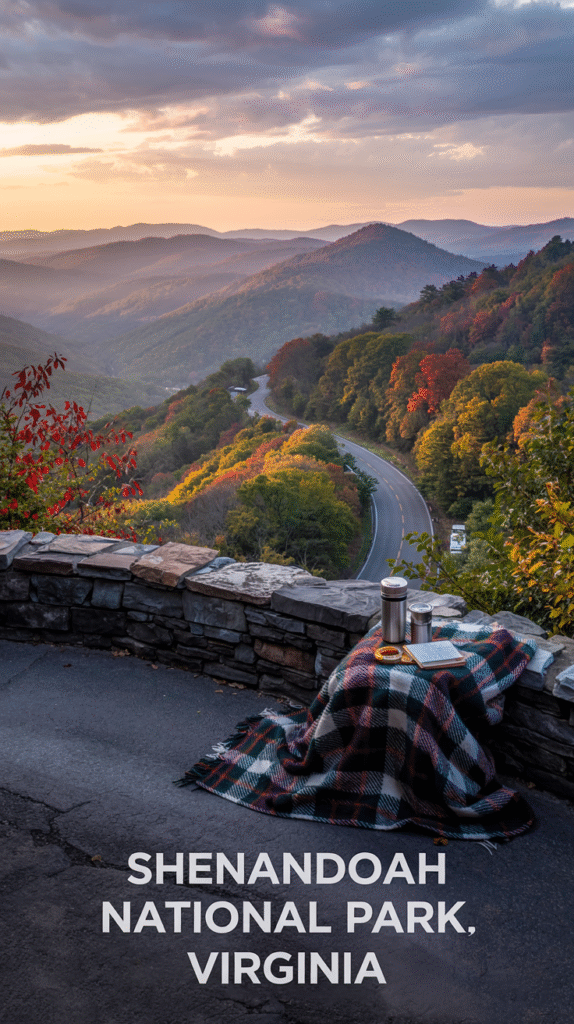
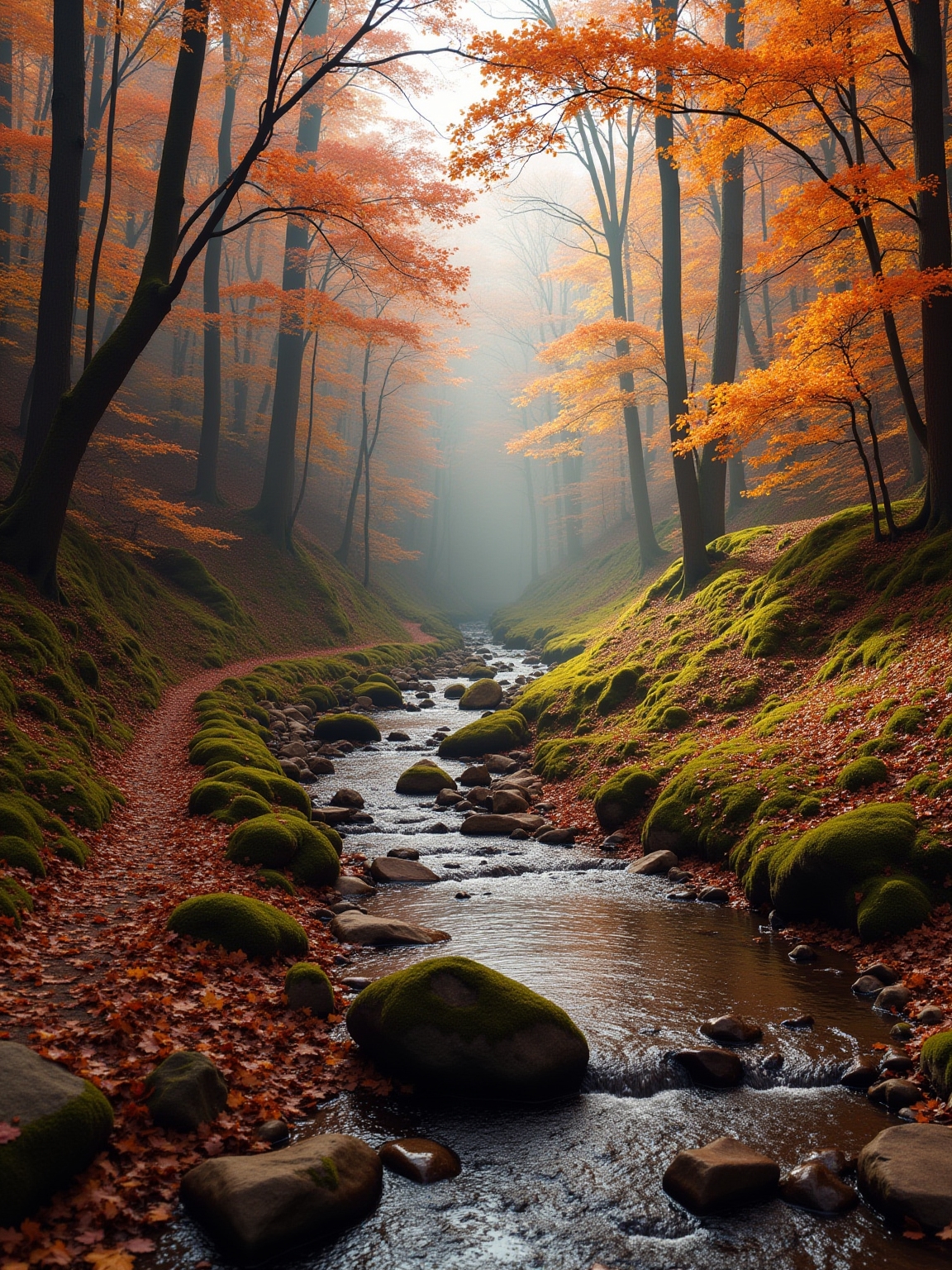
Skyline Drive cuts through Shenandoah for 105 miles, and those 75 overlooks become serious photo ops when October hits. The trick is visiting during the week because weekends still pack in the leaf peepers through November.
Dark Hollow Falls and White Oak Canyon will test your legs, but the waterfalls framed by red maples make the climb worth it. Buy your entrance pass online before you go and you’ll skip the line at the gate.
SEE THIS: 23 Charming Alpine Villages to Visit This Fall.
Acadia National Park, Maine
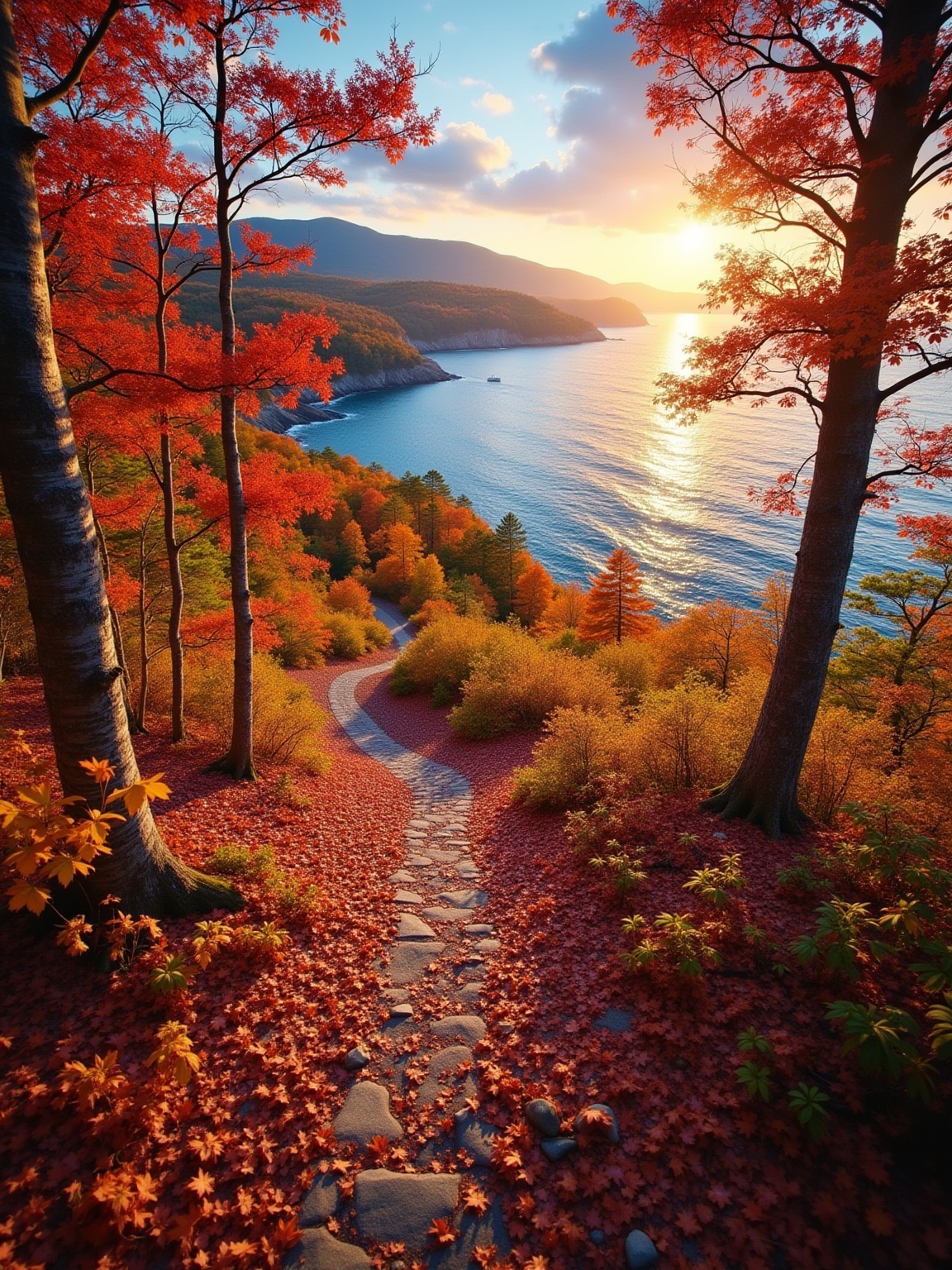
Acadia sees fewer people after summer wraps up, which means you can actually enjoy those 158 miles of trails without playing leapfrog with other hikers. The park set a record with 797,000 visitors last July, so the contrast in fall is pretty dramatic.
Layer your clothing because Maine weather in autumn can swing from crisp mornings to warm afternoons without warning. Those carriage roads make for fantastic biking when you’re not dodging tour buses.
SEE THIS: 18 Cozy Midwest Cabins Perfect for a Fall Escape.
Glacier National Park, Montana
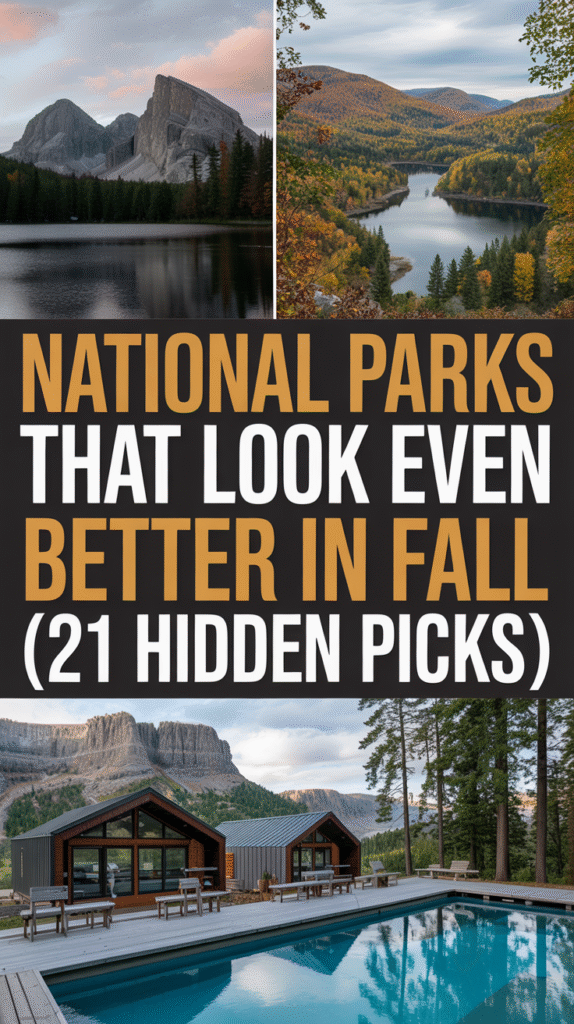
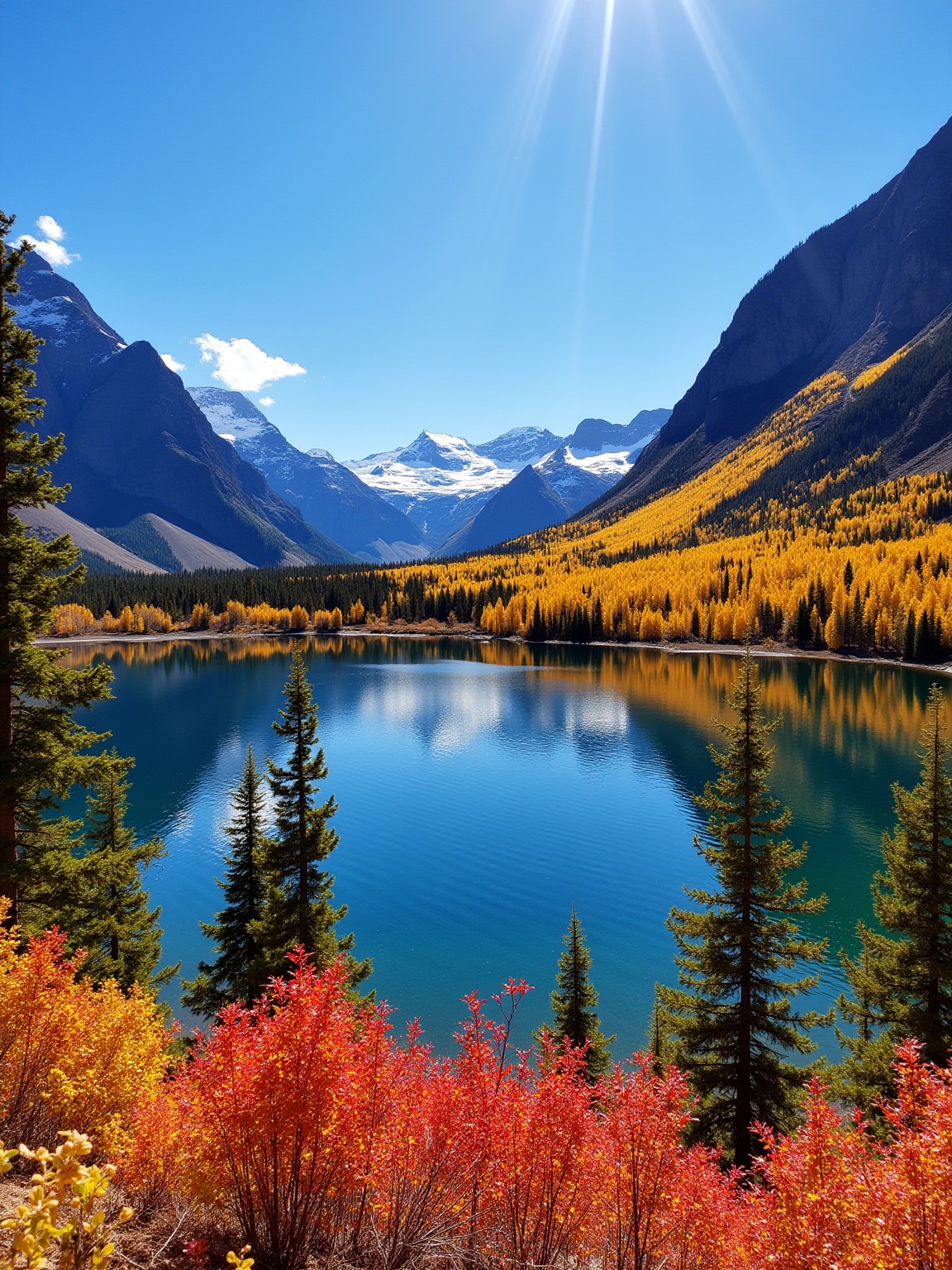
September hits Glacier with mild temperatures and prime conditions for spotting wildlife before they hunker down for winter. Visitor numbers drop off a cliff after Labor Day, leaving trails peaceful in ways summer never allows.
October brings even more solitude as golden larches light up the mountainsides against evergreen backdrops. The air turns sharp and clean, making every breath feel like you’re getting your lungs professionally detailed.
SEE THIS: The Best Haunted Inns & Ghost Tours in America.
Yosemite National Park, California
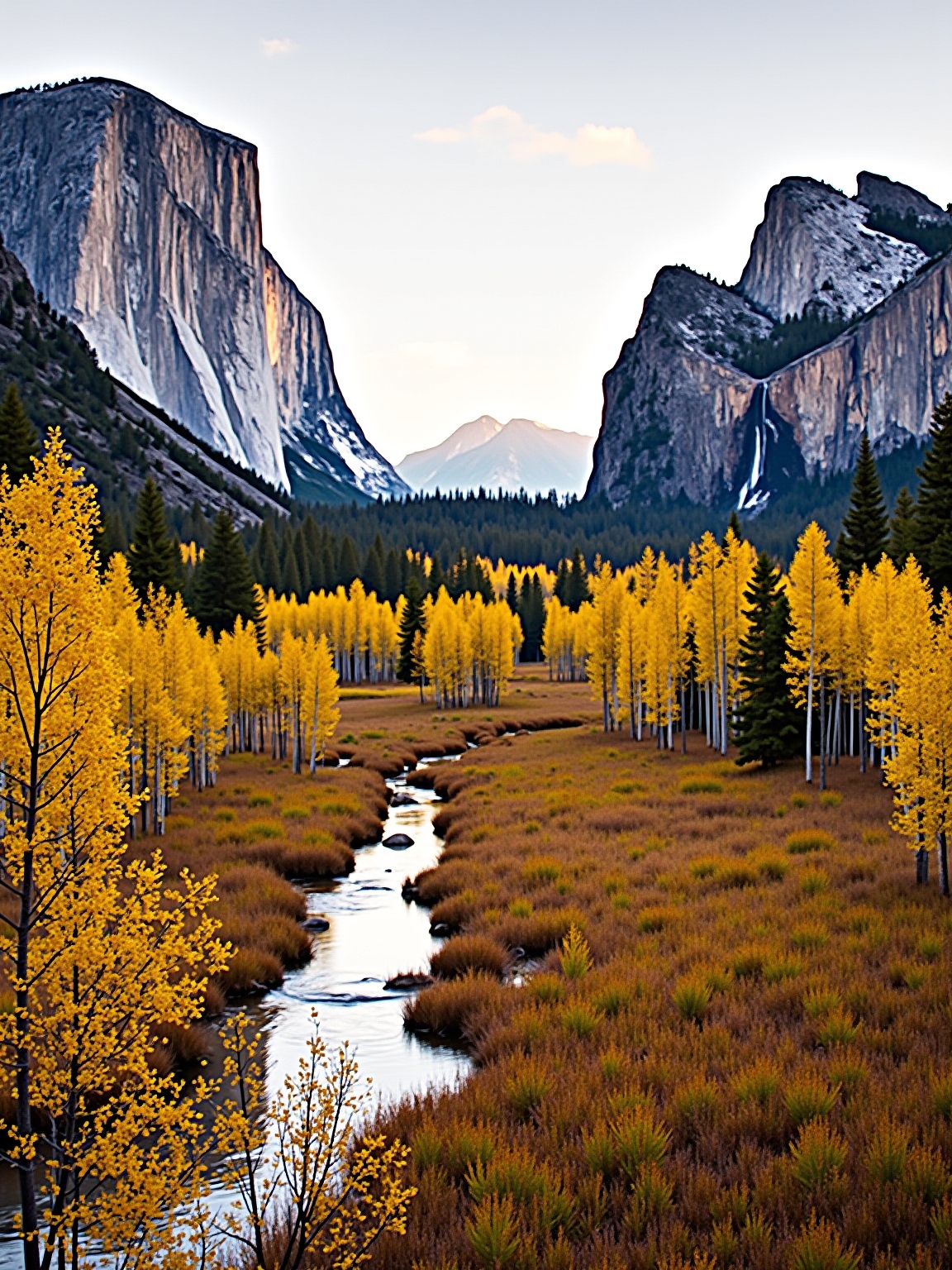
Only 13% of Yosemite’s annual visitors show up in fall, which transforms the park from a crowded spectacle into something closer to wilderness. Mid-October through early November delivers the best color as maples, oaks, and dogwoods burn bright against the granite walls.
Recent rain actually helps because waterfalls that went dry in summer roar back to life. Pack for anything weather-wise, but you’ll finally get those postcard shots without strangers photobombing your frame.
Great Smoky Mountains National Park, Tennessee & North Carolina
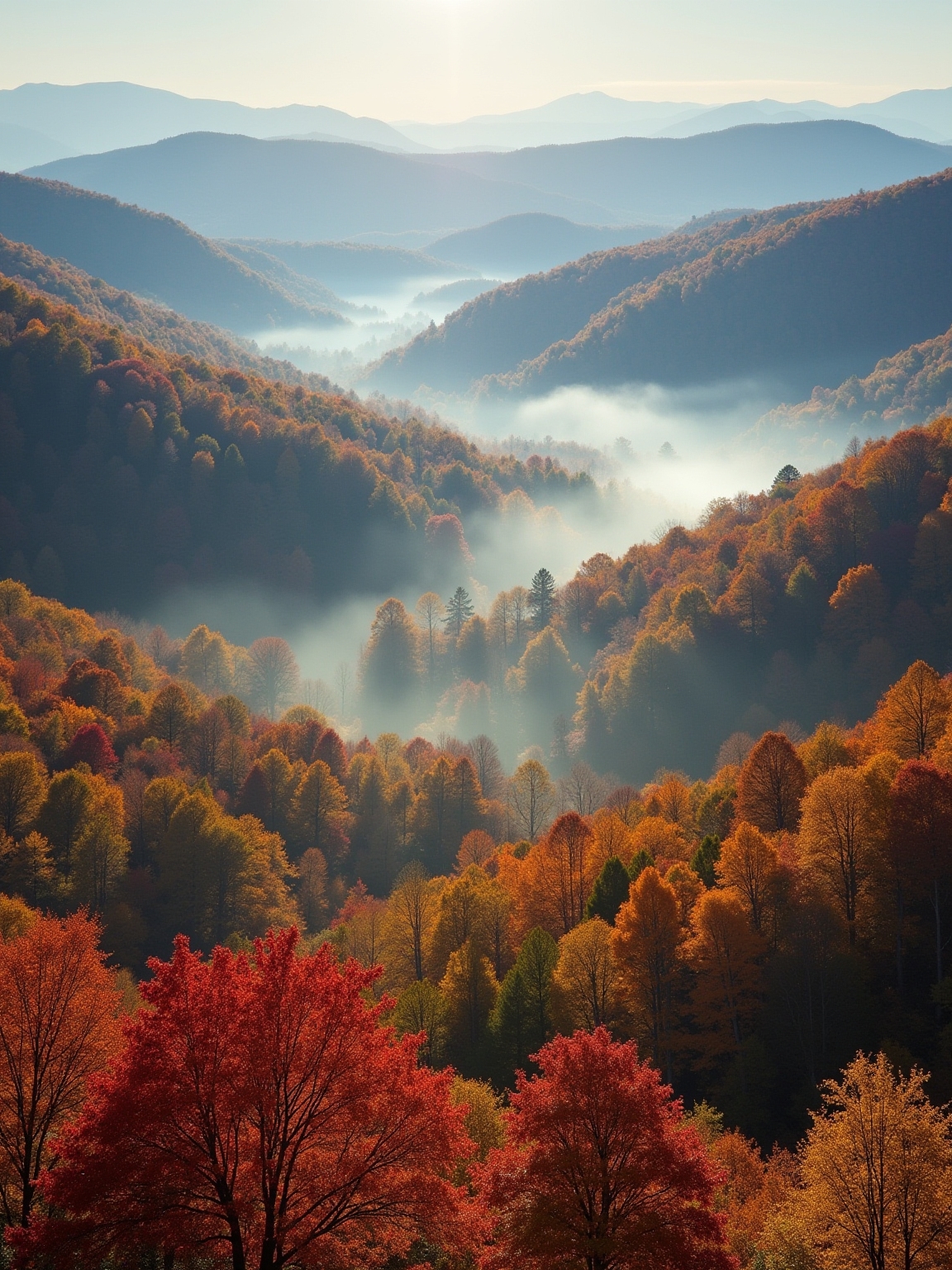
The Smokies hold the crown as America’s most visited national park, but recent years have seen visitor numbers tick down slightly. Early fall or late fall gives you the best shot at enjoying the Blue Ridge Parkway without sitting in traffic.
Wildlife viewing picks up as animals prepare for winter, and ranger programs run with smaller groups that can actually hear the presentation. The fall foliage here is legendary for good reason, though timing it right takes some luck.
Congaree National Park, South Carolina
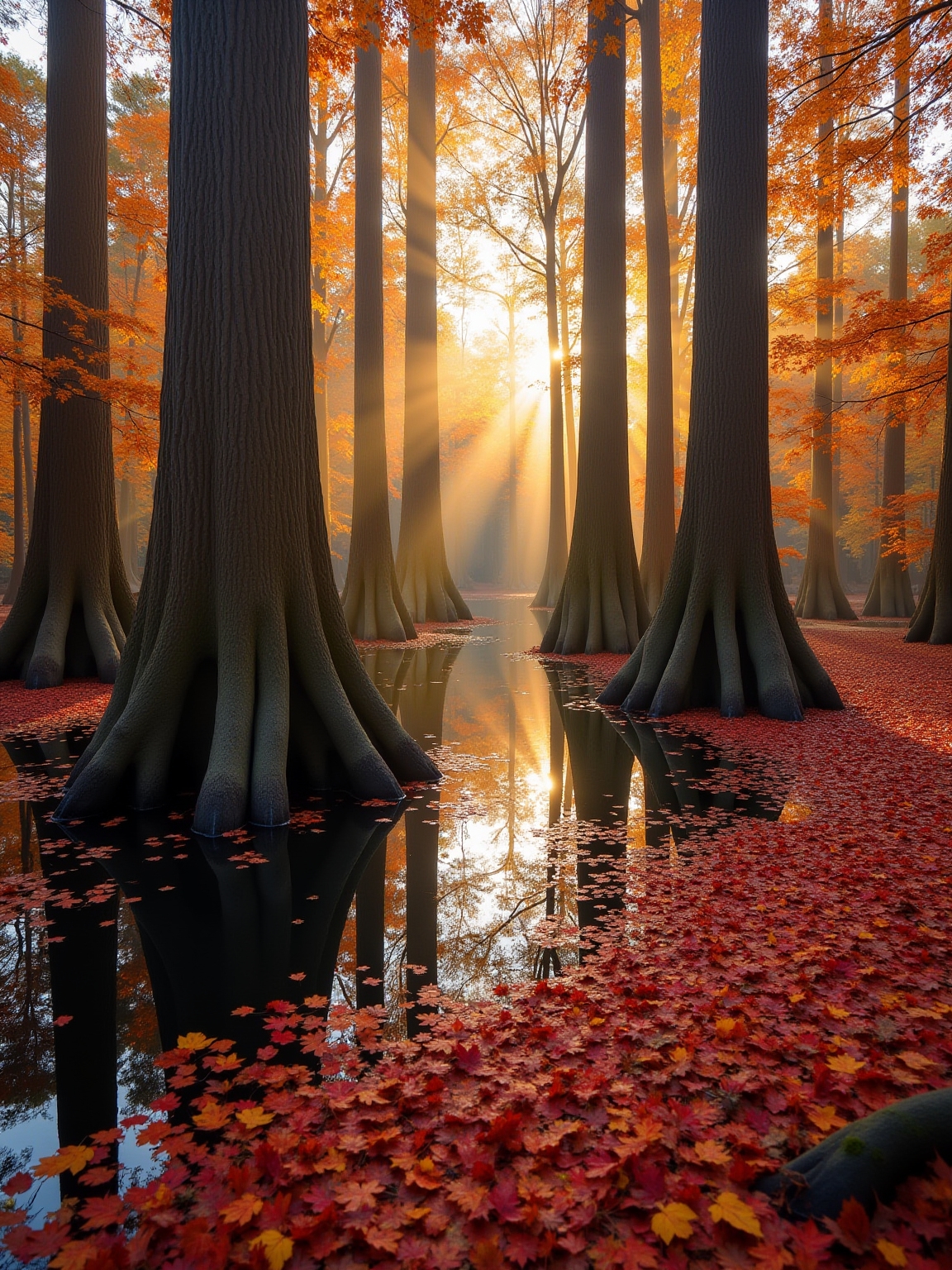
Congaree offers something completely different from mountain parks with its old-growth bottomland hardwood forest that feels primeval.
The Boardwalk Loop Trail keeps your feet dry while you wind through massive trees draped in Spanish moss. Moderate crowds and pleasant weather make fall ideal, though those wetlands still harbor mosquitoes so bring repellent. Wilderness camping here puts you deep in an ecosystem most people never experience.
Voyageurs National Park, Minnesota
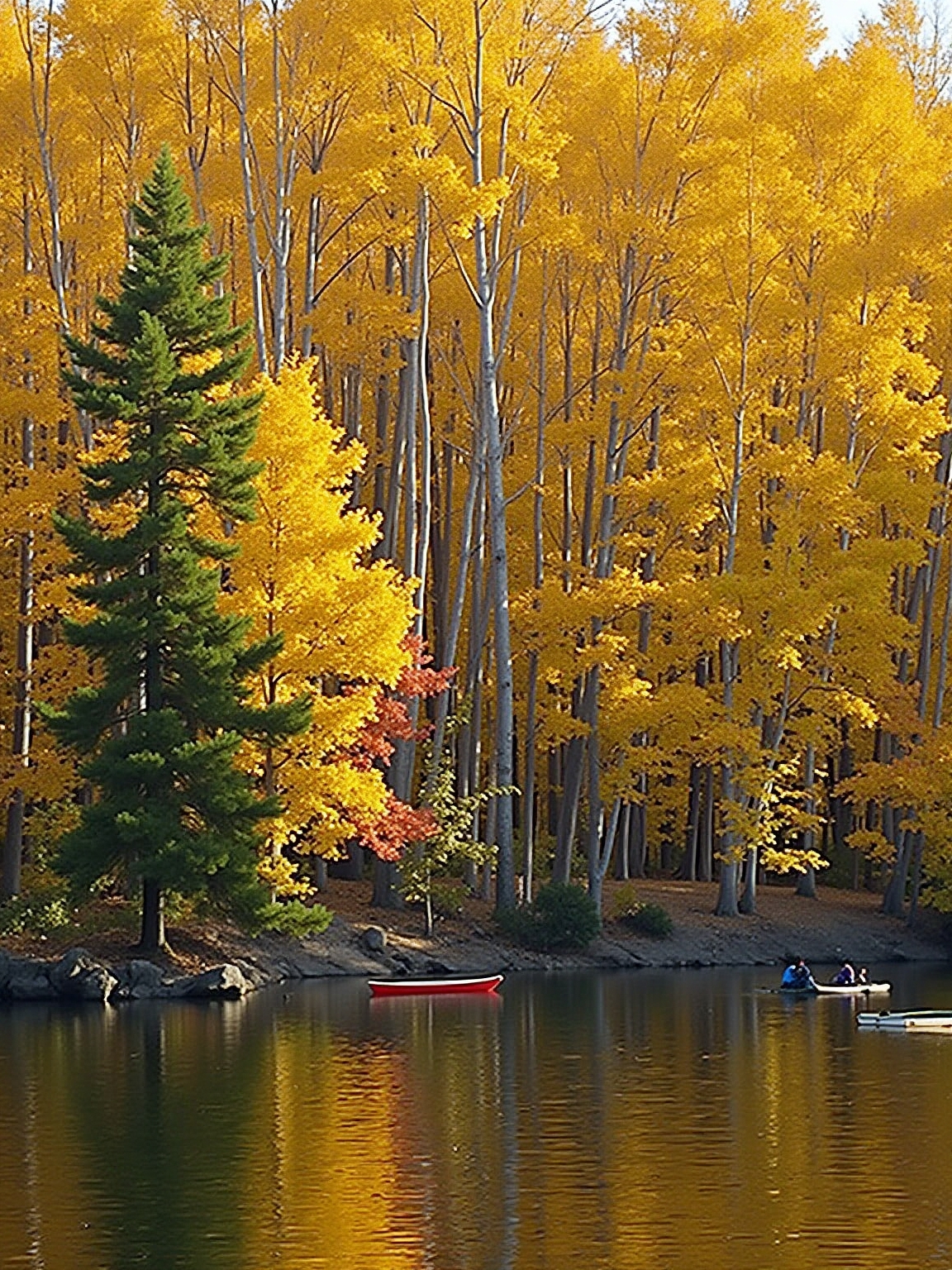
Tucked against the Canadian border, Voyageurs spreads across 218,055 acres of wilderness that most Americans have never heard of. The park earned International Dark Sky certification, and fall’s crisp nights deliver stargazing that’ll make you question why you live in a city.
Canoeing and kayaking through fall foliage creates moments of complete silence broken only by paddle strokes. Visitor numbers stay low, giving you the kind of solitude that’s increasingly rare in our national park system.
Great Basin National Park, Nevada
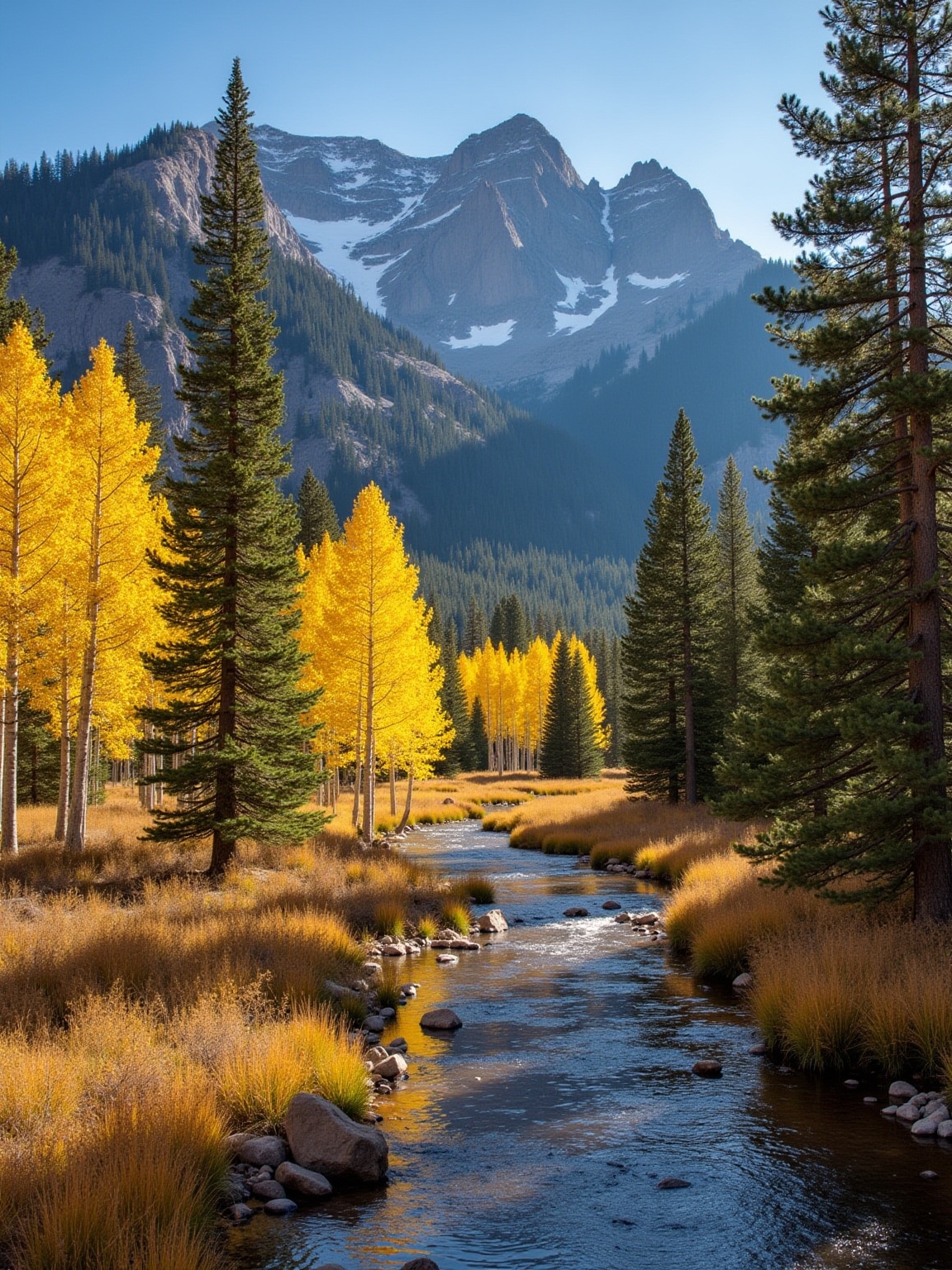
Great Basin pulls in only about 140,000 visitors annually, making it a statistical ghost town compared to the heavy hitters. Ancient bristlecone pines here have weathered thousands of years, and Wheeler Peak Glacier sits as Nevada’s only permanent ice field.
Fall crowds thin even further, opening up hiking, fishing, and stargazing opportunities under some of the darkest skies in the country. The isolation feels earned when you’re standing among trees that predate the pyramids.
Saguaro National Park, Arizona
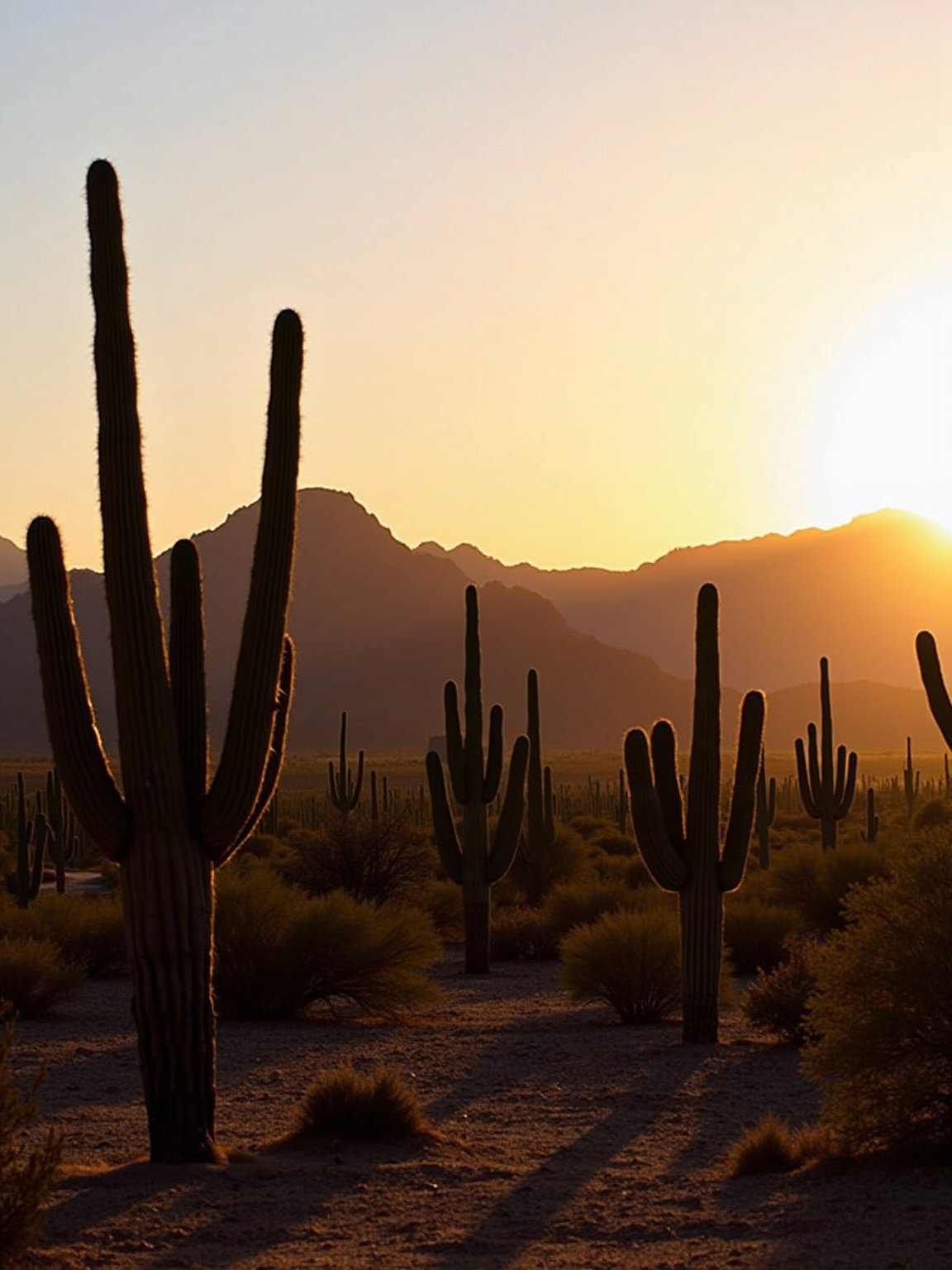
Summer heat in the Sonoran Desert can be brutal, but fall transforms Saguaro into something manageable and beautiful. Those iconic saguaros photograph best at sunrise or sunset when the light goes golden and wildlife emerges.
Trails empty out compared to peak season, giving you room to explore without feeling like you’re on a nature-themed conveyor belt. The night sky here rivals any planetarium, with stars visible all the way down to the horizon.
North Cascades National Park, Washington
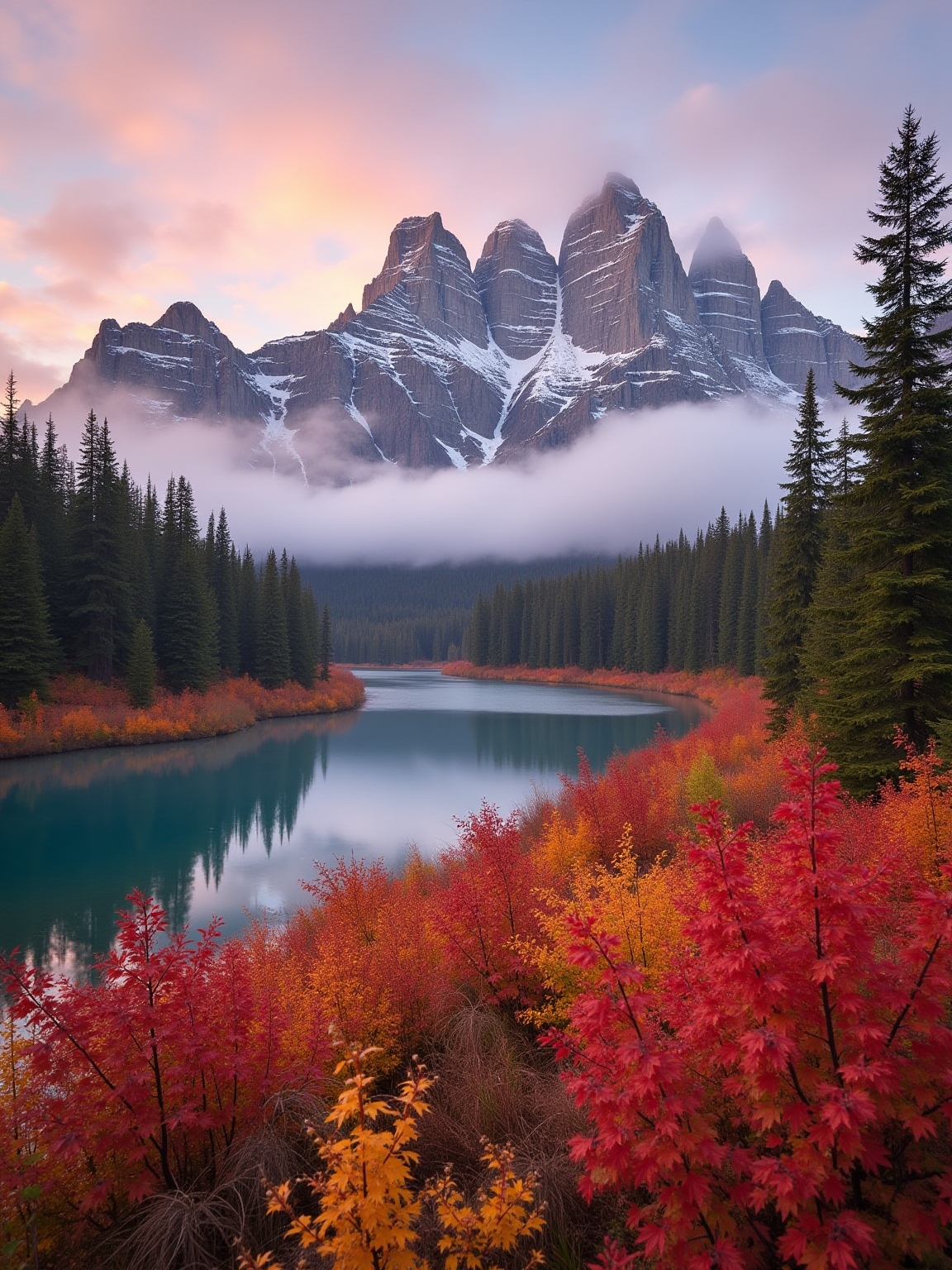
North Cascades drew only 16,485 visitors in 2024, making it one of America’s most overlooked national parks. Fall brings cooler temperatures that make hiking comfortable and foliage that pops against the rugged peaks.
The lack of crowds means you’ll have trails essentially to yourself on weekdays. Quiet hikes here feel like a reward for choosing the road less traveled.
Rocky Mountain National Park, Colorado
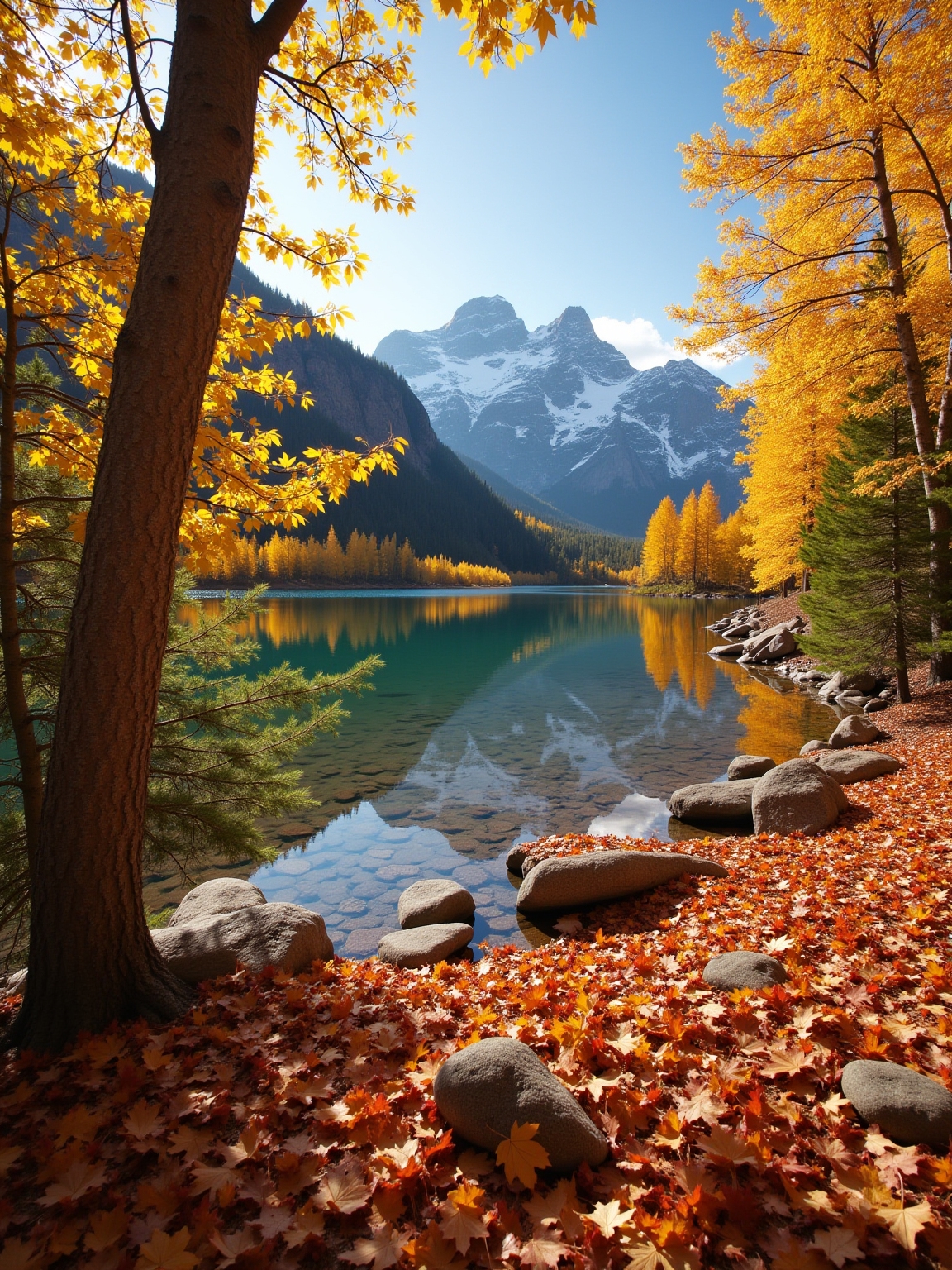
Visitor numbers at Rocky Mountain dropped 11% from 2019 levels, creating breathing room on trails that used to feel like rush hour. Weekdays offer real solitude, though weekends still attract elk rut enthusiasts who come for the bugling and mating displays.
Aspen groves turn entire mountainsides gold in late September and early October. Weather can shift fast, so pack layers and don’t trust a sunny morning to last all day.
Grand Canyon National Park, Arizona
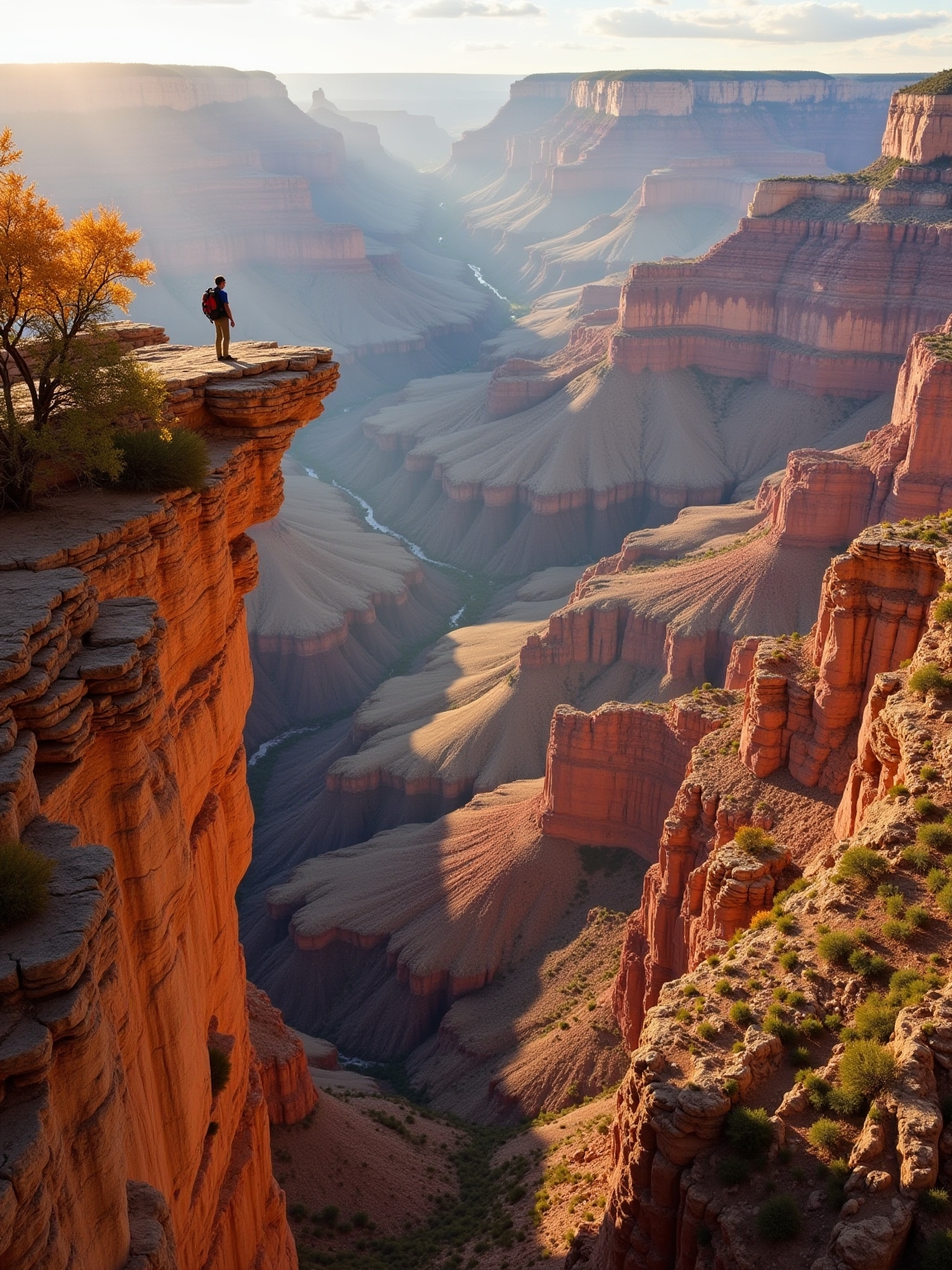
September through November brings mild weather to the Grand Canyon and far fewer people than summer’s crushing crowds. The North Rim sees even lighter traffic and offers a different perspective on the canyon’s immensity.
Planning hikes for weekdays and avoiding the prime sunrise and sunset hours gets you closer to having trails to yourself. The canyon doesn’t need peak crowds to deliver its punch.
Sequoia and Kings Canyon National Parks, California
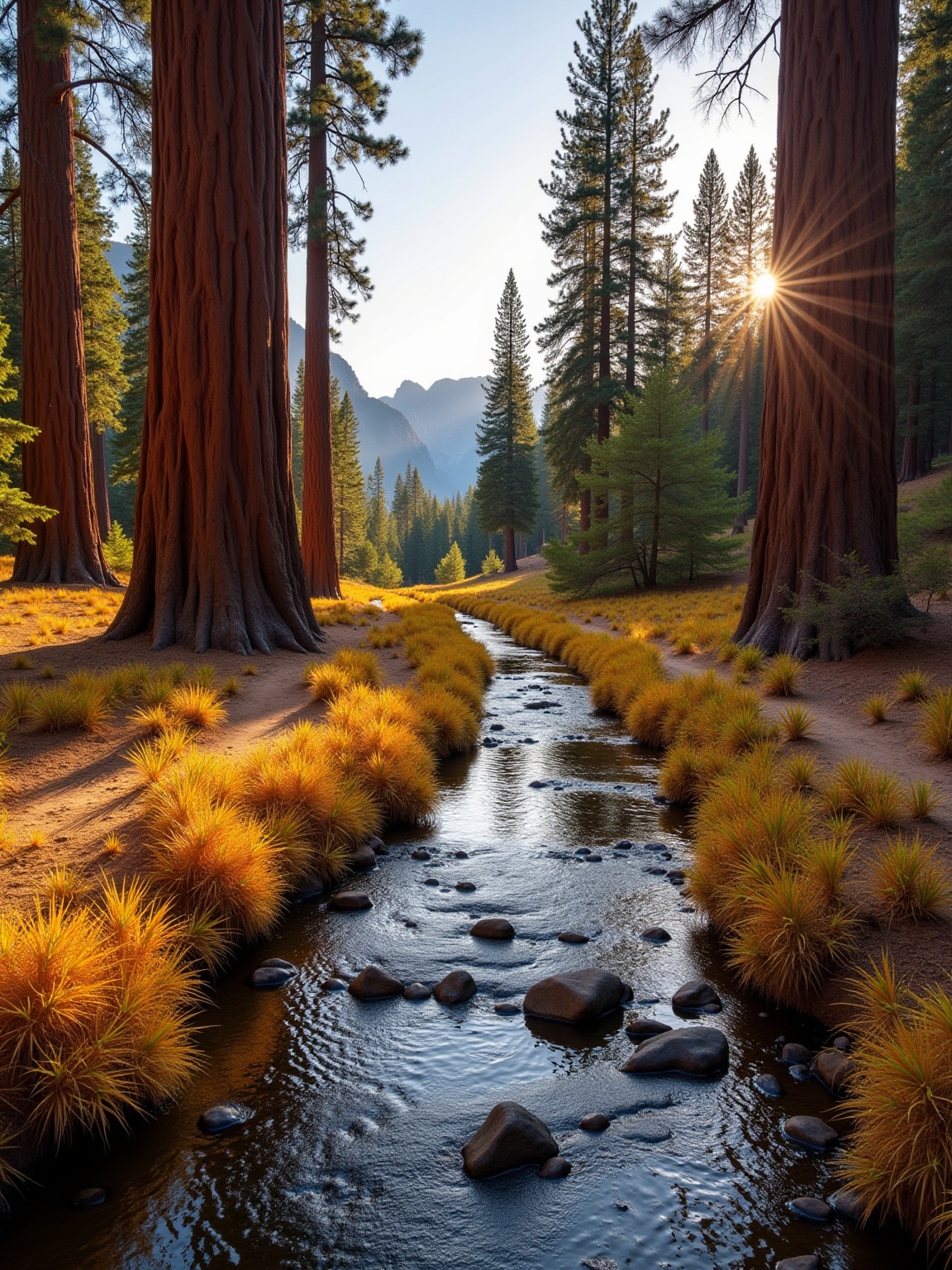
General Sherman still dominates Sequoia as the world’s largest tree by volume, and fall crowds mean you can actually spend time with it. Kings Canyon’s rugged terrain and scenic rivers flow through landscape that feels untouched despite the trails.
The Tokopah Falls trail makes for a solid day hike when you’re not bumping into other groups every five minutes. These parks reward fall visitors with impressive landscapes minus the summer chaos.
Badlands National Park, South Dakota
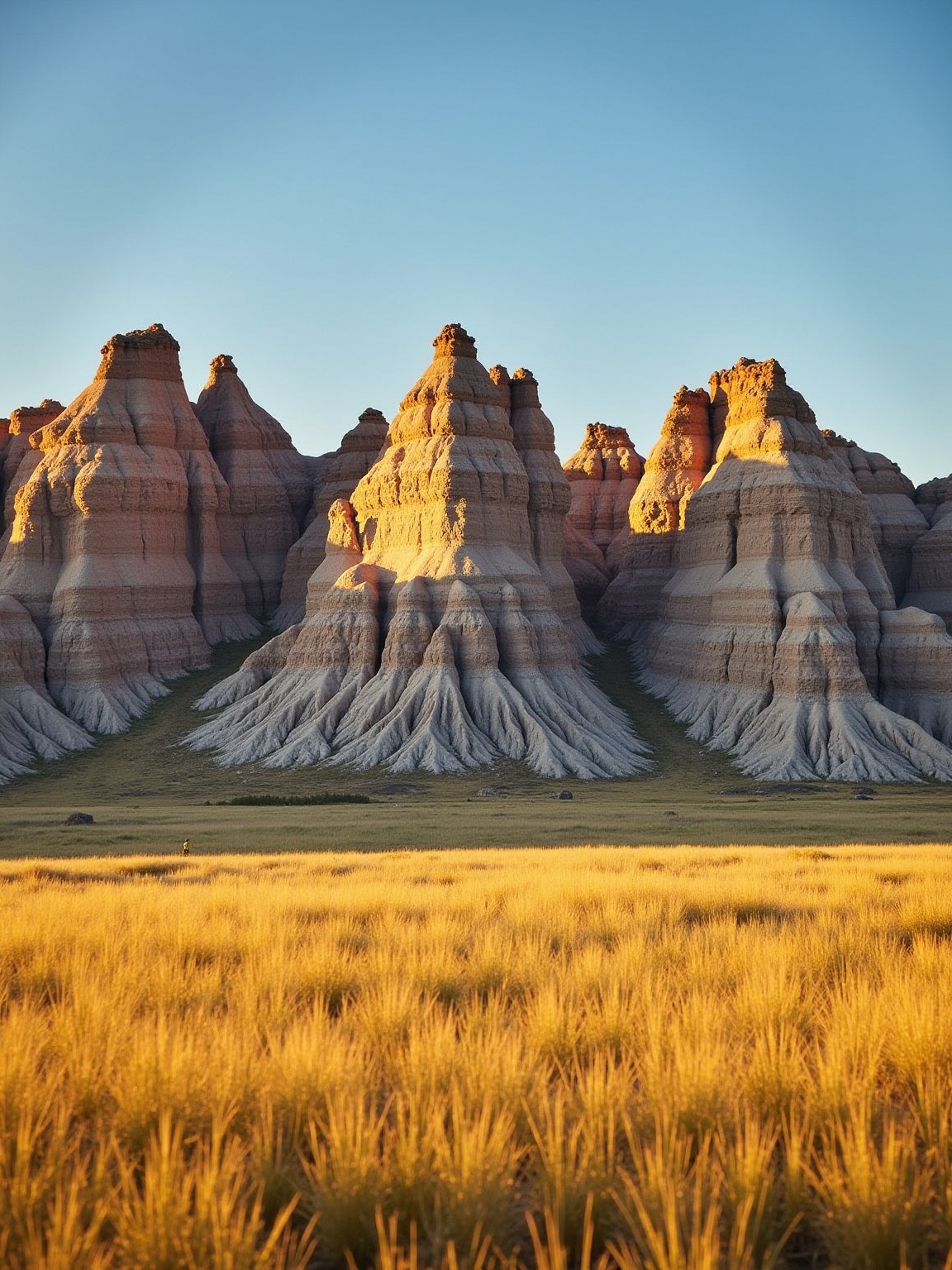
Cooler fall temperatures make exploring the Badlands’ rugged terrain actually pleasant instead of punishing. Bighorn sheep and prairie dogs become easier to spot as vegetation dies back and animals move around more.
The geological formations here look like another planet, all striated colors and sharp erosion patterns. Clear skies deliver exceptional stargazing, and cultural history sites get the attention they deserve when crowds thin out.
Olympic National Park, Washington
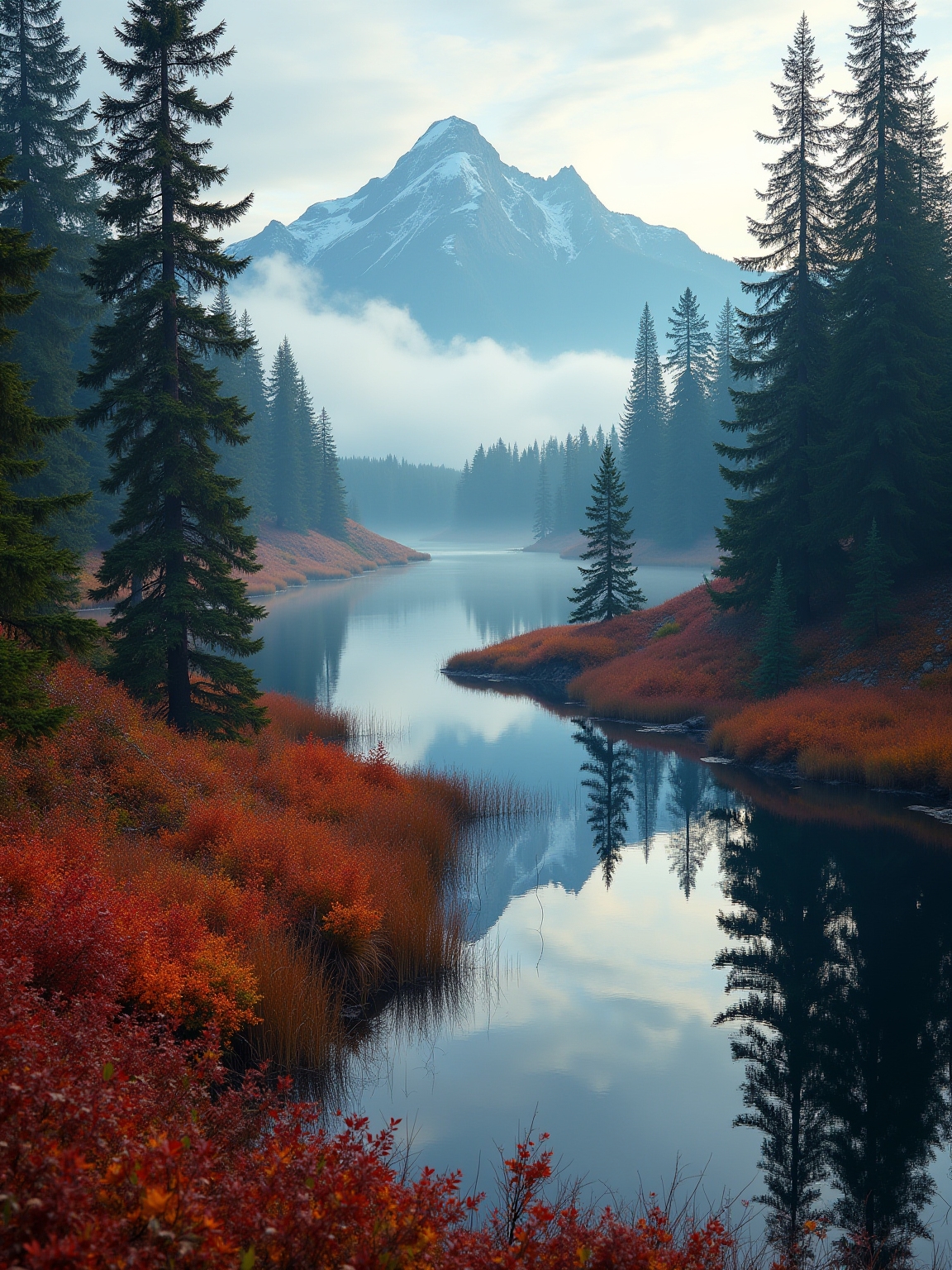
Olympic’s temperate rainforest explodes with color in fall while alpine trails offer peaceful hiking without summer’s crowds. The park’s diverse ecosystems mean you can go from rainforest to coast to mountains in a single day.
Fall weather in the Pacific Northwest can be wet, but that’s what makes the rainforest so lush. Fewer visitors mean better wildlife viewing and trails that feel genuinely wild.
Isle Royale National Park, Michigan
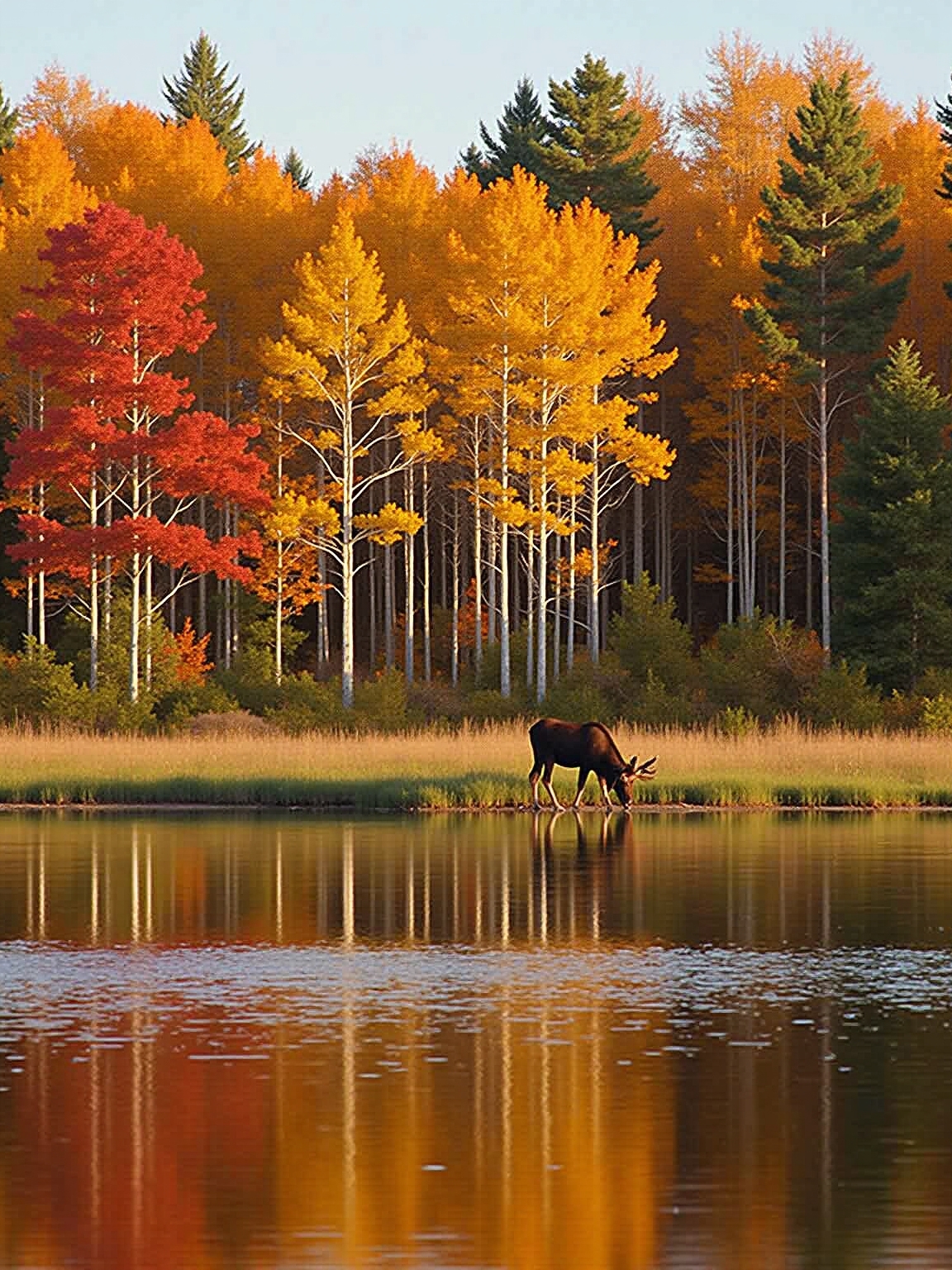
Isle Royale saw only 25,454 visitors in 2022, cementing its status as one of America’s least-visited national parks. Getting there requires a ferry or floatplane, which keeps casual tourists away and preserves the island’s remote character.
Fall foliage on Lake Superior creates stunning contrasts against blue water, and moose and wolf sightings increase as animals prepare for winter. The isolation here is the whole point.
Dry Tortugas National Park, Florida
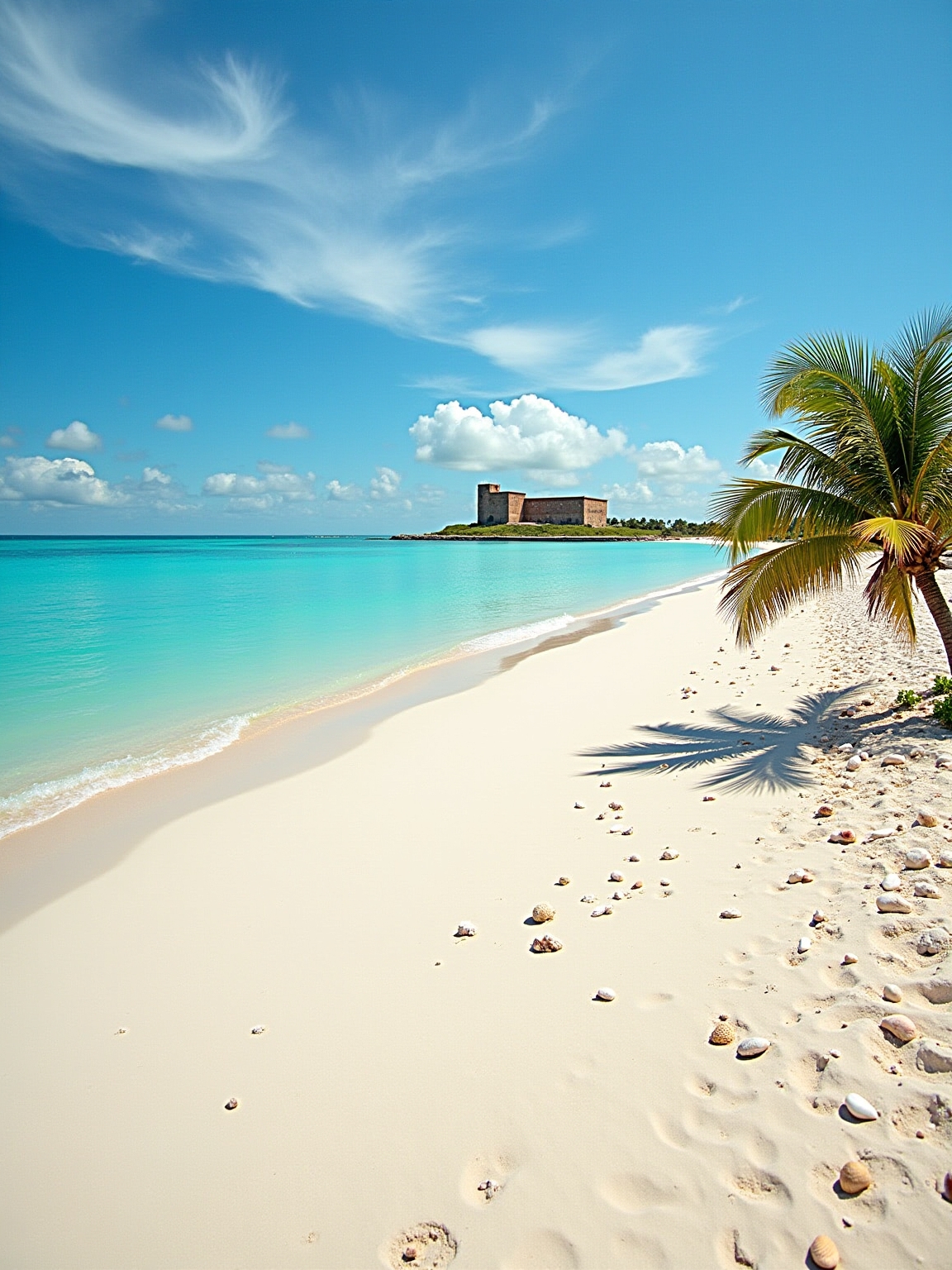
Accessible only by boat or seaplane, Dry Tortugas keeps crowds naturally low and rewards those who make the journey. Fort Jefferson’s brick walls tell stories of Civil War history while surrounding waters teem with marine life.
Fall brings mild weather that makes exploring comfortable instead of sweltering. The park delivers solitude and stunning seascapes that feel world apart from mainland Florida.
Lassen Volcanic National Park, California
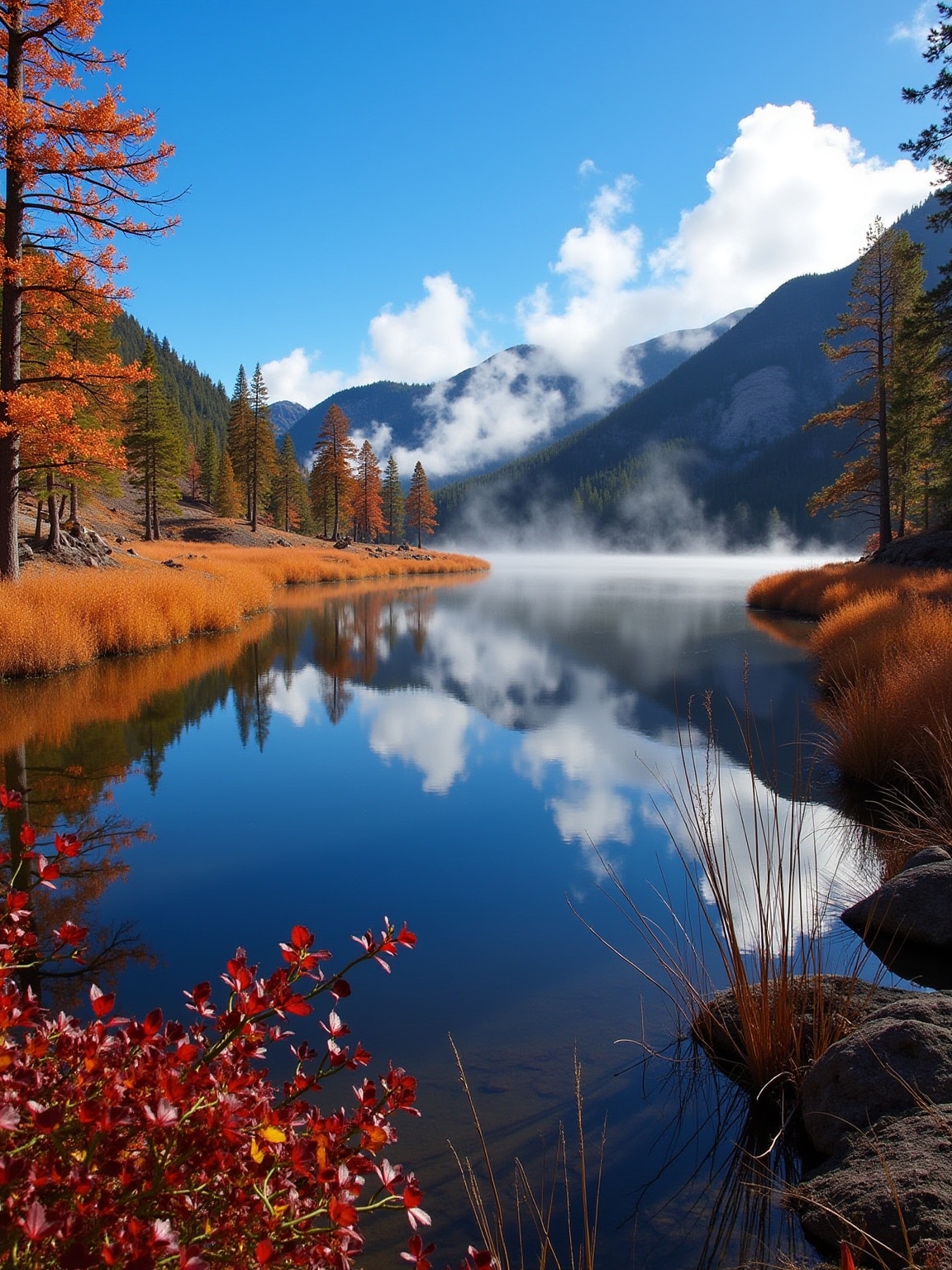
Moderate visitation trends mean Lassen never gets crushed by crowds even in peak season, and fall makes it even quieter. Lassen Peak and Manzanita Lake showcase the park’s volcanic origins through features you can actually observe up close.
Cooler temperatures and fall foliage create ideal conditions for hiking without overheating. The park’s volcanic wonders feel more accessible when you’re not navigating around tour groups.
Grand Teton National Park, Wyoming
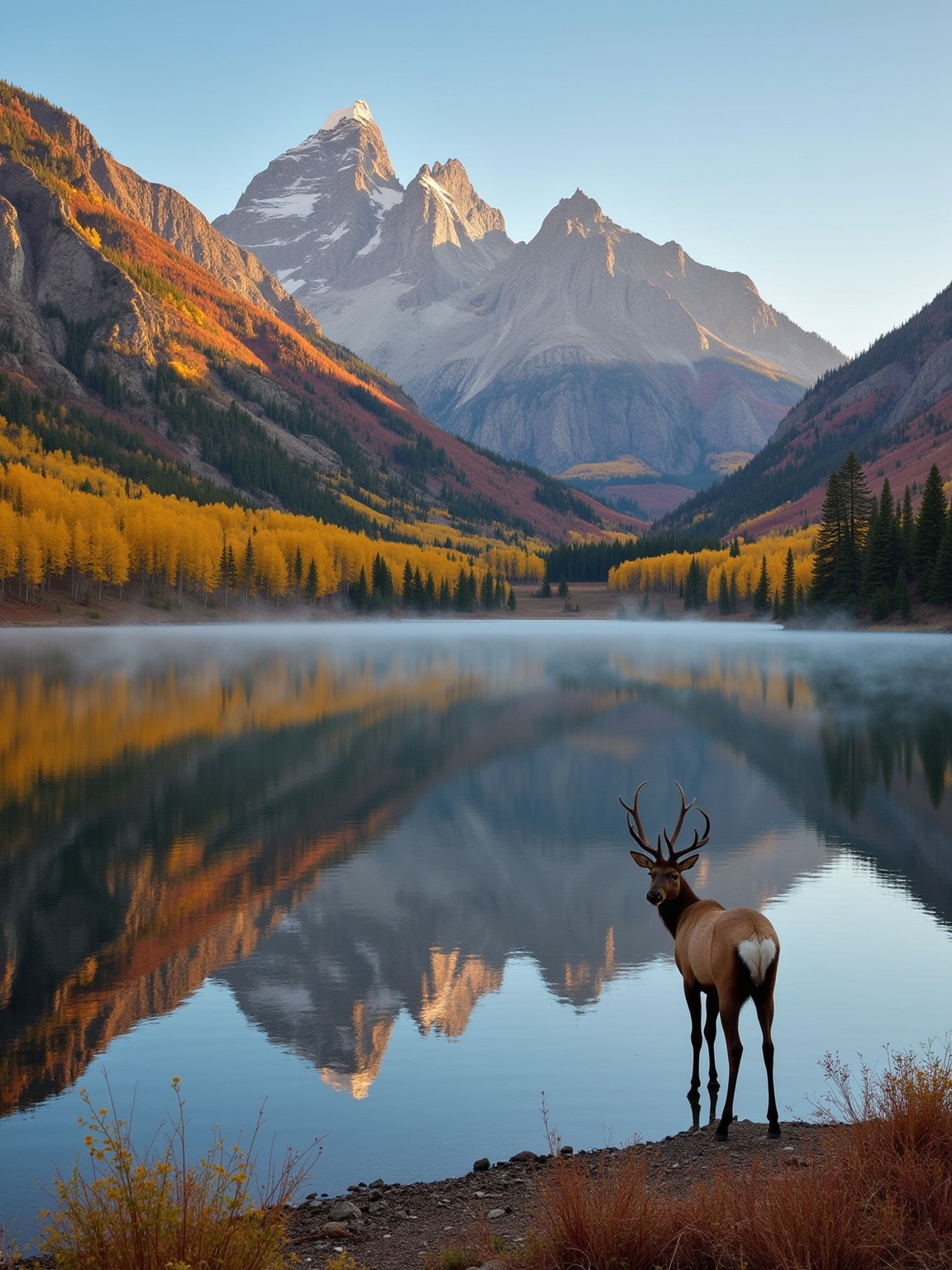
Summer crowds at Grand Teton give way to September serenity as visitor numbers drop significantly. Jenny Lake and Taggart Lake become peaceful again, offering reflections of the Tetons without dozens of people jockeying for photos.
Scenic drives reveal vibrant foliage transforming the landscape from green to gold. Fall hiking here delivers the kind of experience the park was meant to provide before it became so popular.
Yellowstone National Park, Wyoming
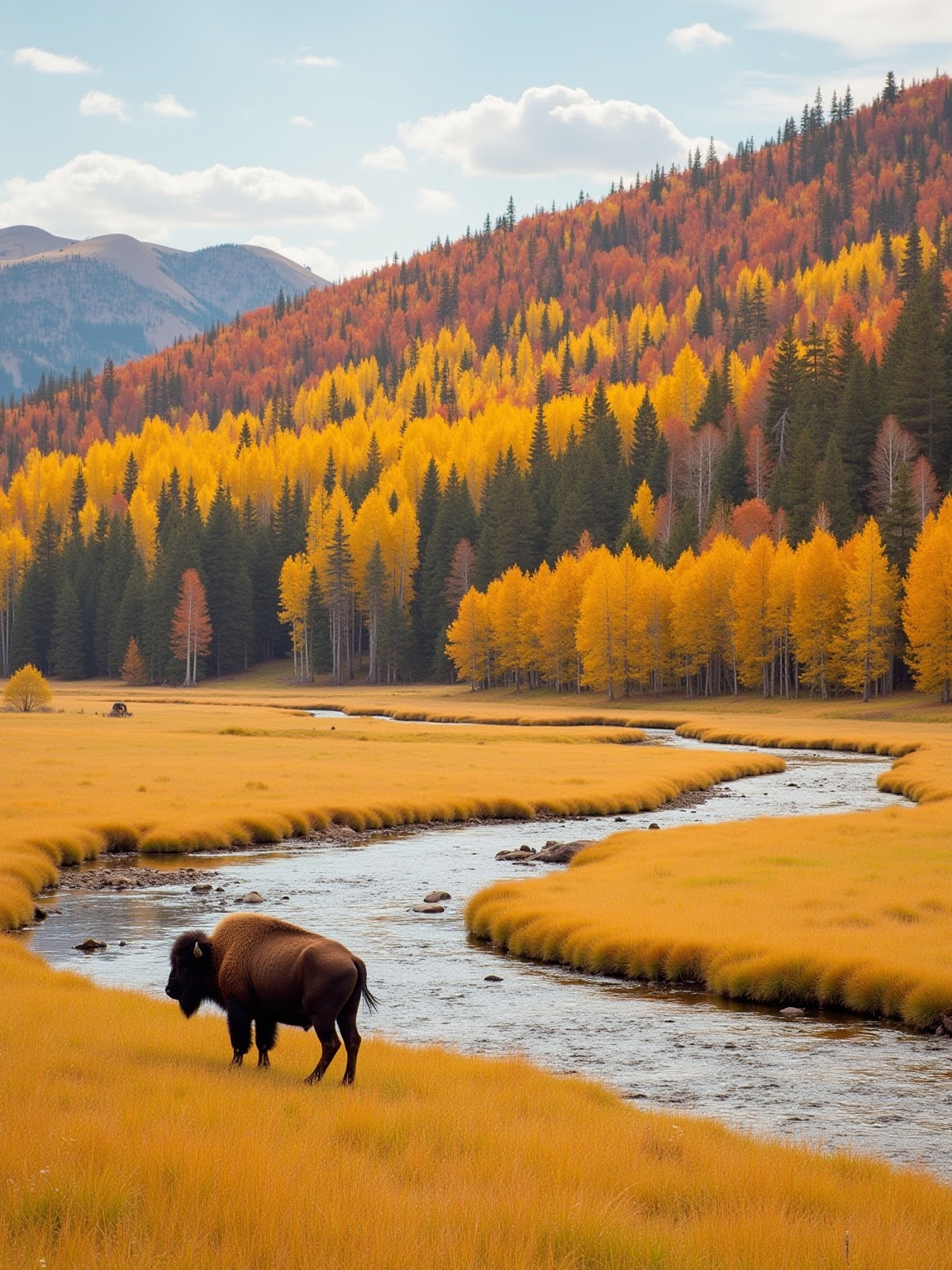
October transforms Yellowstone from a traffic jam into something closer to what early explorers experienced. Old Faithful and Grand Prismatic Spring perform for smaller audiences, making them feel more impressive somehow.
Elk and bison become more active as they prepare for winter, creating prime wildlife watching opportunities. Autumn foliage and cooler temperatures make walking around thermal features comfortable instead of exhausting.
Clingman’s Dome (Kuwohi), Great Smoky Mountains
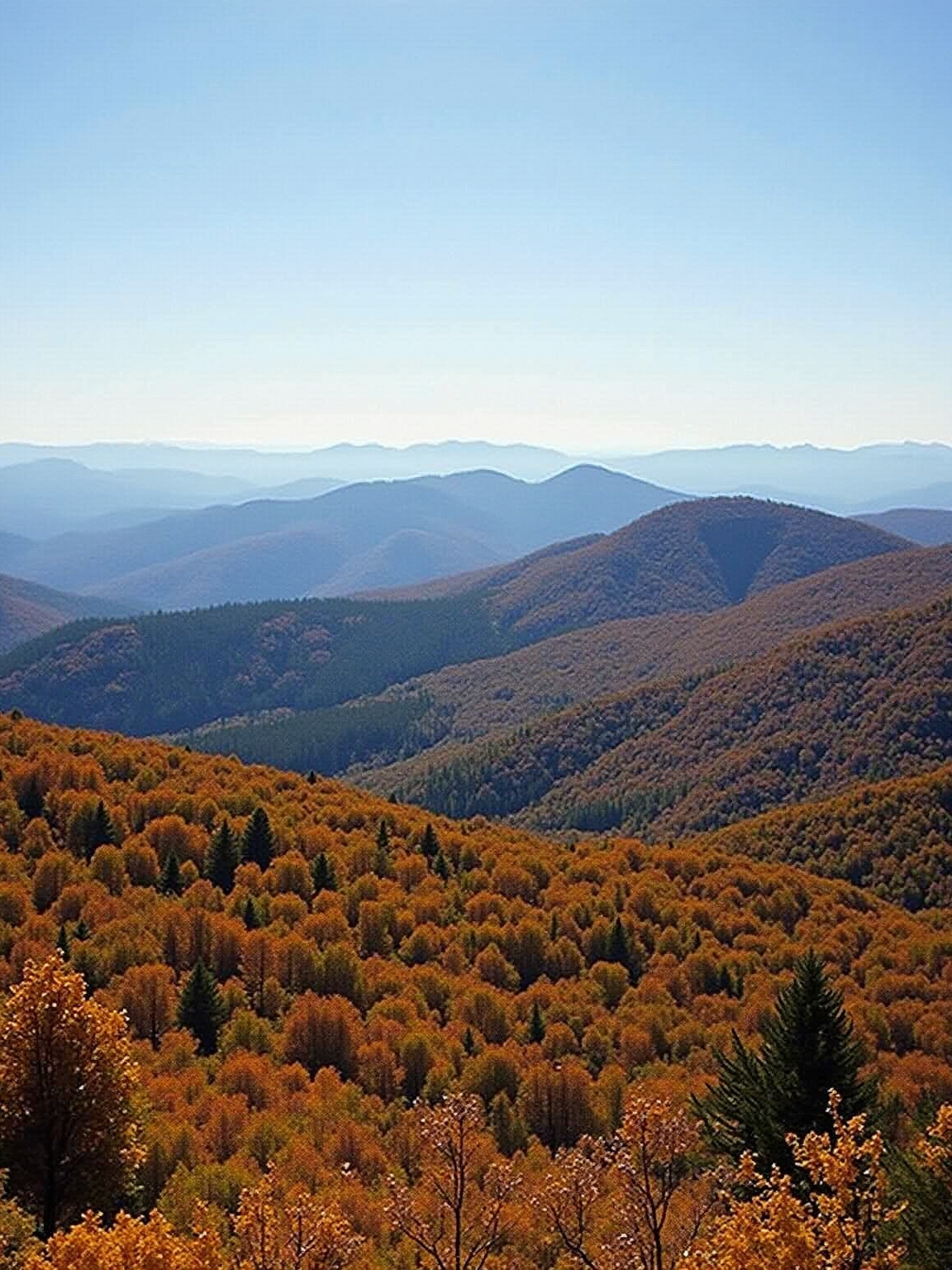
Kuwohi sits at 6,643 feet as the Smokies’ highest point, recently restored to its Cherokee name after years as Clingman’s Dome. The observation tower at the summit delivers 360-degree views stretching up to 100 miles on clear days.
Getting there requires a steep half-mile trail that separates casual visitors from those willing to work for the view. The site holds deep cultural significance for the Cherokee, adding layers of meaning beyond just the scenery.