Have you ever wondered if the theory that autumn is the best season to visit alpine villages holds true?
Every autumn, the crowds thin out, the light turns golden, and suddenly you can actually hear the cowbells echoing across the valleys.
These 23 villages become what they’ve always been meant to be: quiet retreats where the pace slows down and the mountains feel bigger somehow. Sure, the foliage puts on a show, but it’s really about catching these places in their most authentic season. You’ll taste food that’s meant for cooler weather, meet locals who finally have time to chat, and experience Alpine life without fighting for elbow room at every viewpoint.
Contents
- 1 Hallstatt, Austria
- 2 Filzmoos, Austria
- 3 Alpbach, Austria
- 4 Chamonix, France
- 5 Annecy, France
- 6 Les Contamines, France
- 7 La Clusaz, France
- 8 Le Semnoz, France
- 9 Zermatt, Switzerland
- 10 Arolla, Switzerland
- 11 Gstaad, Switzerland
- 12 Wengen, Switzerland
- 13 Courmayeur, Italy
- 14 Reith Im Alpbachtal, Austria
- 15 Ramsau Am Dachstein, Austria
- 16 Salzkammergut Region, Austria
- 17 Chamonix to Courmayeur Hiking Tour
- 18 Jungfraujoch Excursion From Wengen
- 19 Dachstein Massif Near Filzmoos
- 20 Arolla Waterfall Trails
- 21 Dolomite Festivals in Italy
- 22 Almabtrieb in Austrian Villages
- 23 Val Gardena, Italy
Hallstatt, Austria
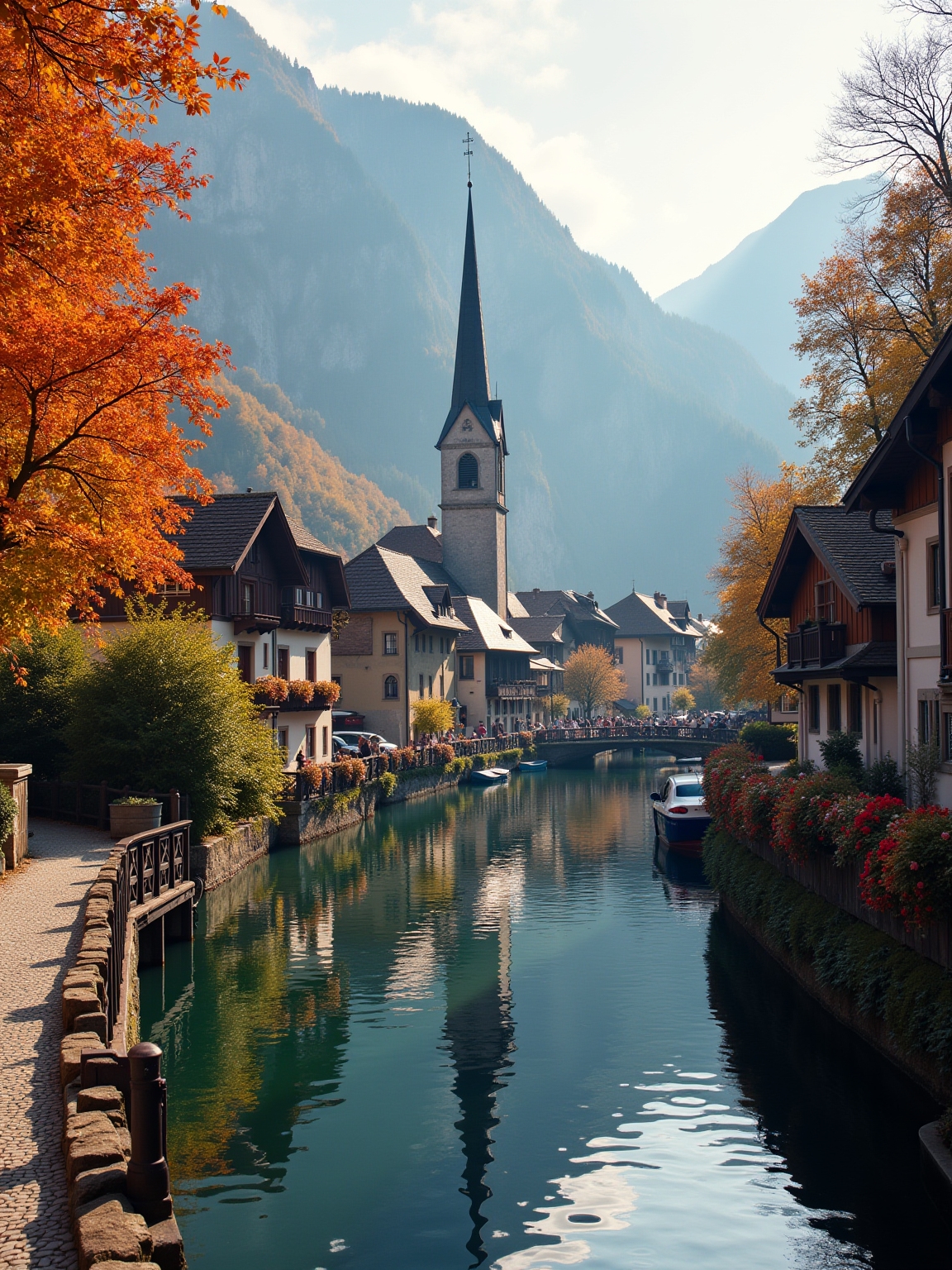
Hallstatt sits on the edge of its namesake lake like it’s been photoshopped into place, which explains why up to 10,000 people show up daily during peak season. The village earned its UNESCO status from 7,000 years of salt mining history, and you can still tour the ancient Celtic mines that made this place wealthy centuries ago.
What most visitors miss is the Hallstatt Museum, where you’ll find artifacts that predate most European cities. The locals will tell you straight up that tourism is both a blessing and a curse here, and honestly, they’ve got a point.
SEE THIS: 21 Best National Parks to Visit in Fall Without the Crowds.
Filzmoos, Austria
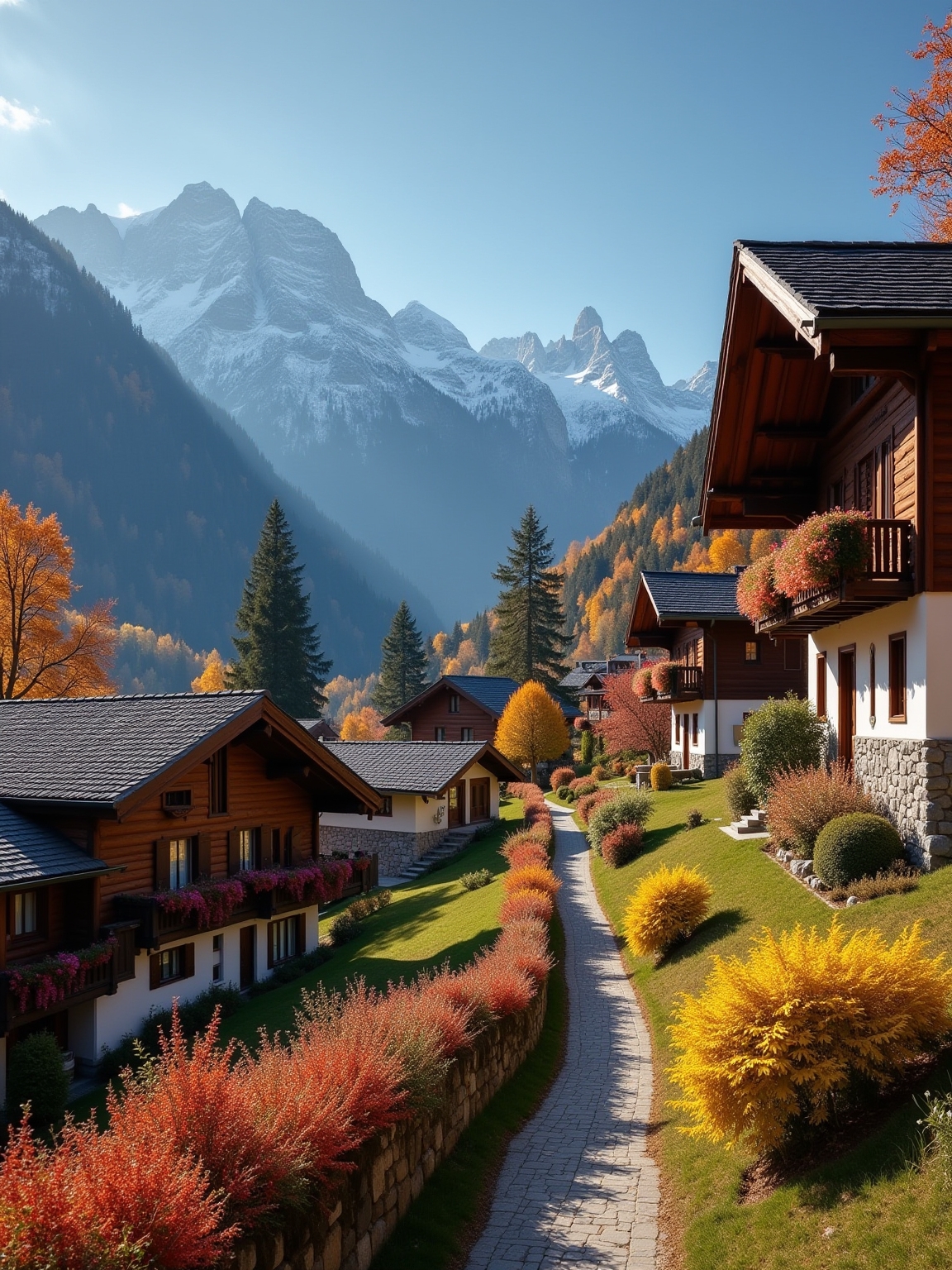
I always send people to Filzmoos when they tell me Hallstatt was overwhelming. This village sits at 1,060 meters in Salzburg state, tucked into a valley where the Dachstein range creates a natural amphitheater around you.
The hiking trails here don’t require you to be a mountaineer, just someone who appreciates a good walk with views that make you stop mid-sentence. Fall brings out the local festival scene, and you’ll actually meet Austrians from neighboring valleys rather than tour groups from cruise ships.
SEE THIS: 18 Cozy Midwest Cabins Perfect for a Fall Escape.
Alpbach, Austria
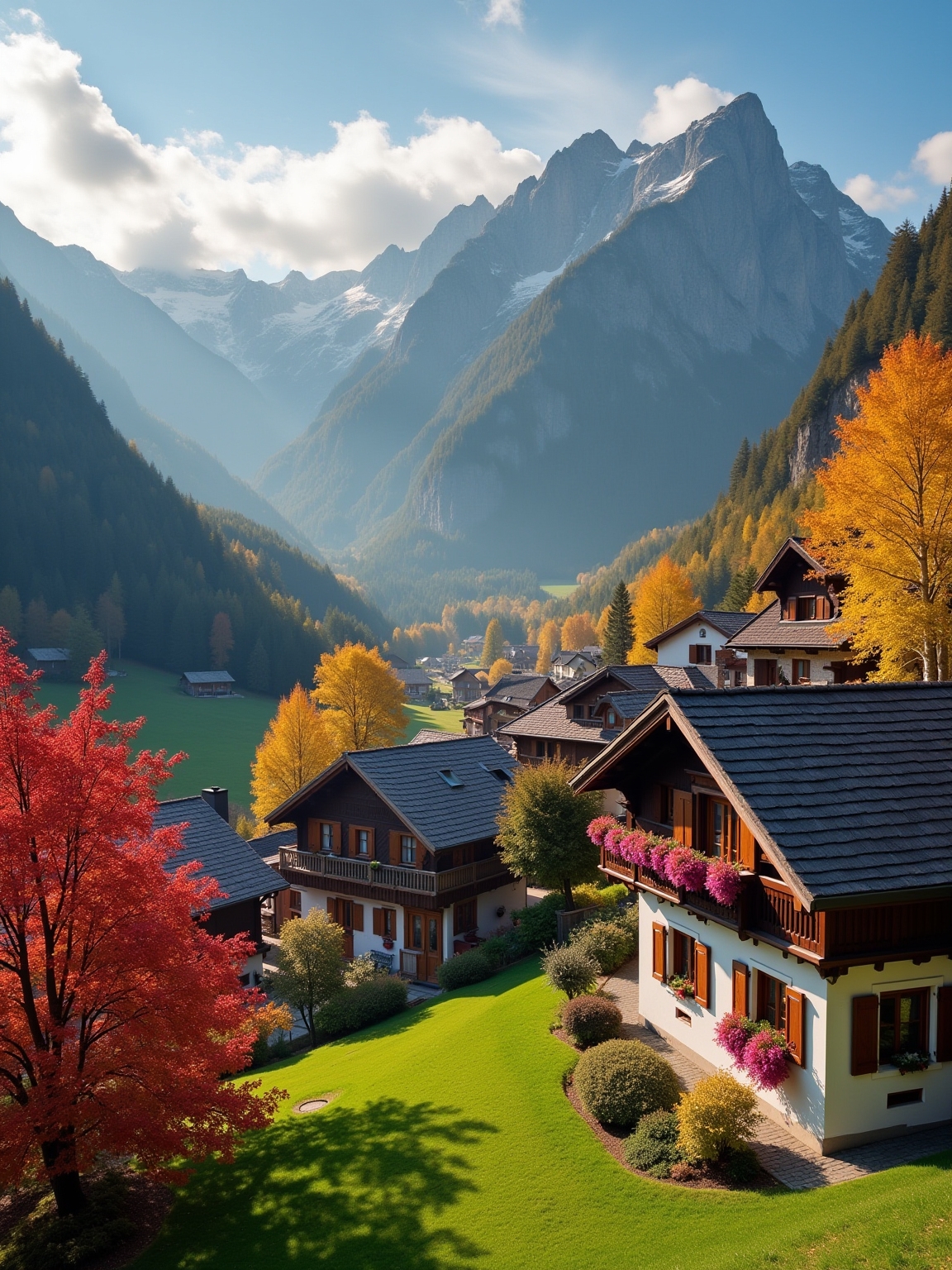
Alpbach won “most beautiful village in Austria” decades ago, and the residents took that responsibility seriously. Every building follows strict architectural guidelines that keep the traditional wooden chalet style intact, right down to the geraniums spilling from window boxes.
At 975 meters elevation, the village works year-round as a base for whatever mountain activity suits your mood. What I appreciate most is how Alpbach refuses to expand beyond its natural boundaries, which means it feels the same size now as it did thirty years ago.
SEE THIS: The Best Haunted Inns & Ghost Tours in America.
Chamonix, France
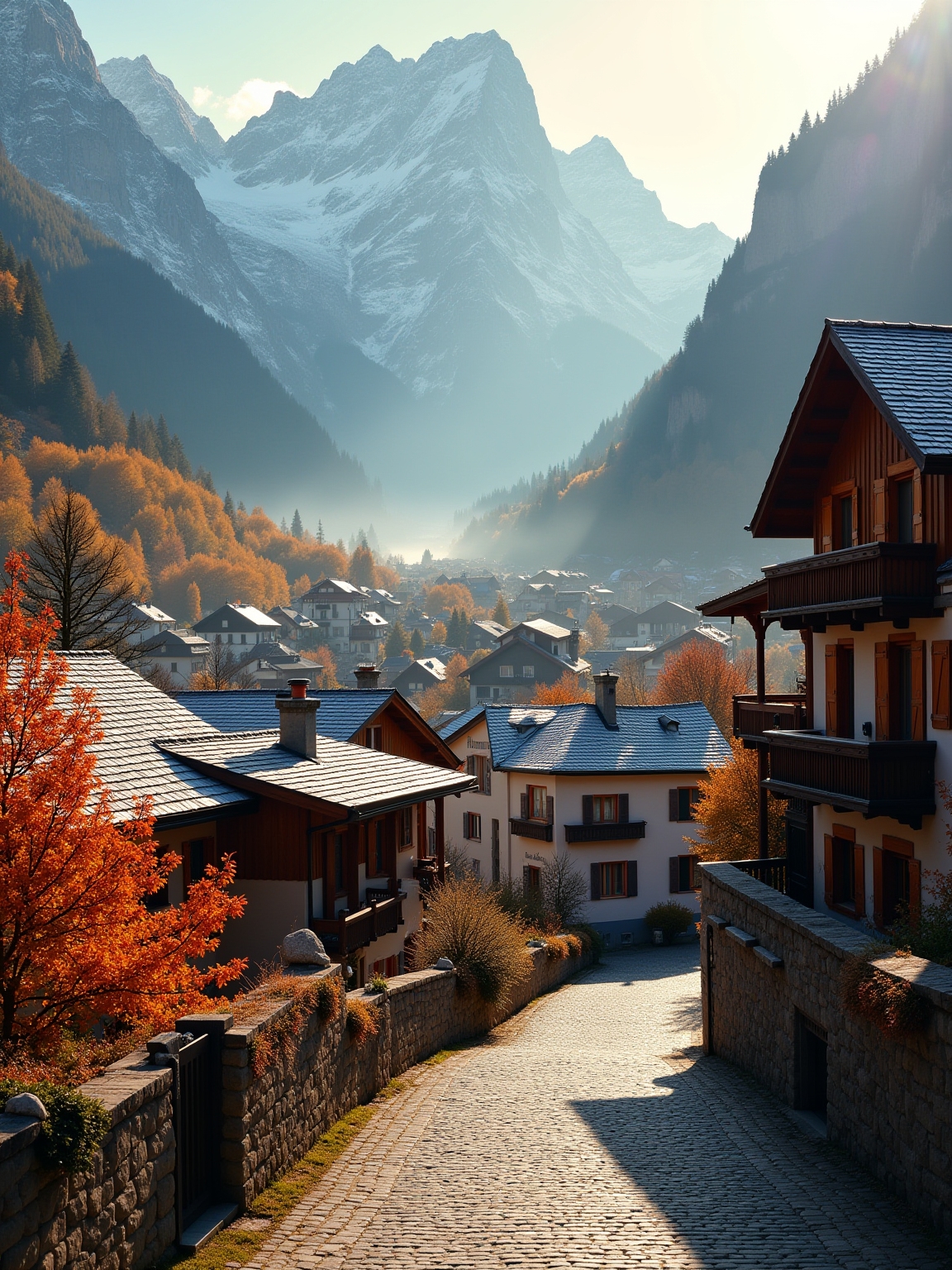
Chamonix built its reputation on being the gateway to Mont Blanc, and that cable car ride up Aiguille du Midi still makes my palms sweat every single time. The town itself runs along a valley floor that’s been hosting climbers and skiers since the first Winter Olympics in 1924.
You can take the old cog railway to Mer de Glace and walk inside the glacier cave they carve out fresh each summer. The “Step Into the Void” glass box hangs over a 1,000-meter drop, which sounds gimmicky until you’re standing in it.
Annecy, France
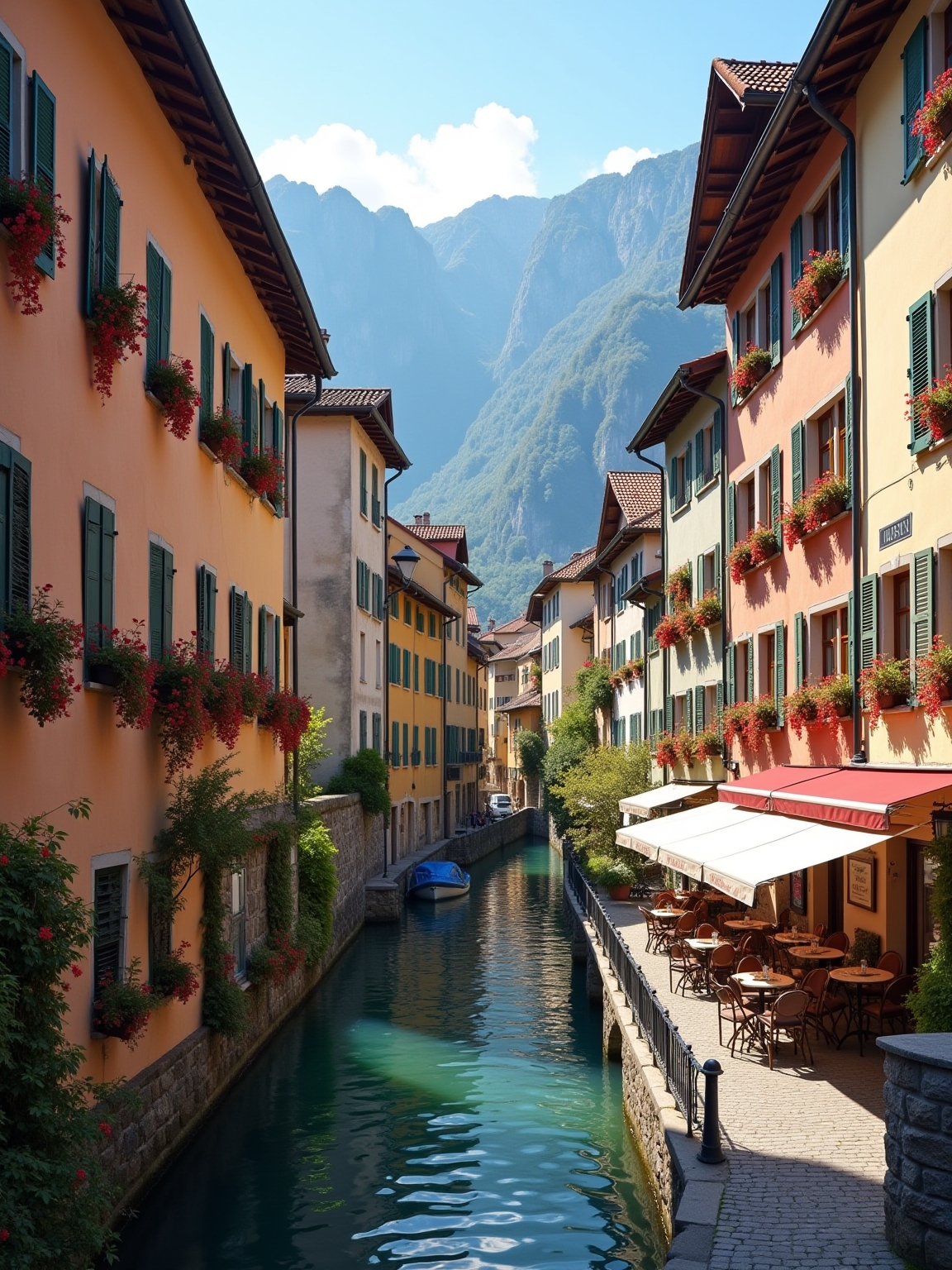
Annecy earned that “Venice of the Alps” nickname from the canals that run through its medieval quarter, though I’d argue the comparison sells it short. The lake itself is spring-fed and so clean you can drink from it, which explains why the swimming here beats any pool you’ve ever been in.
With 94 hotels and hundreds of Airbnb options, you’ll find something that fits your budget and style without much hunting. The old town’s cobbled streets lead to restaurants where the cheese comes from farms you can see from your table.
Les Contamines, France
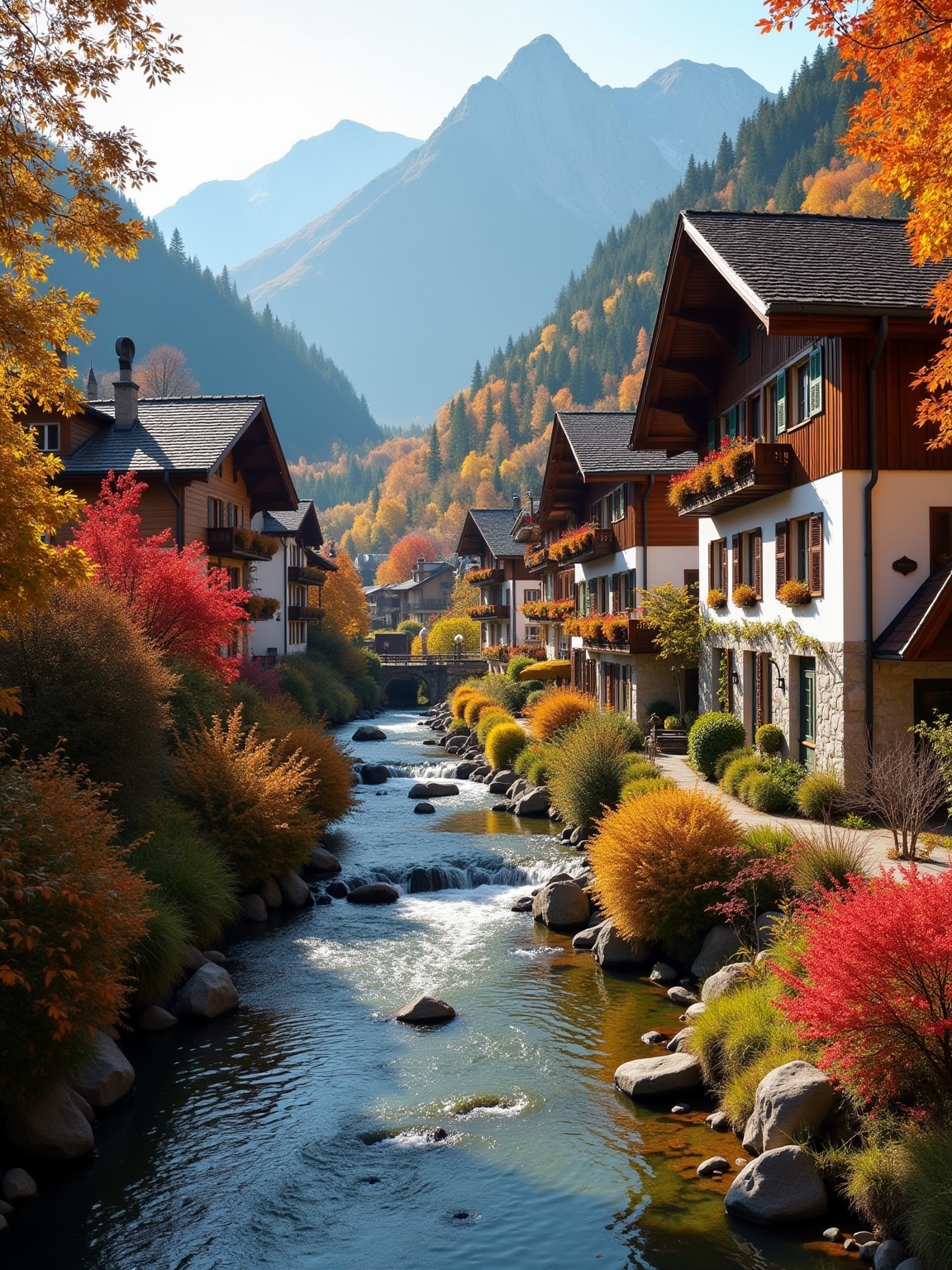
Les Contamines keeps a population just over 1,100, which tells you everything about its commitment to staying small. The village spreads across a valley in Haute-Savoie, surrounded by peaks that belong to the Mont Blanc massif but see a fraction of Chamonix’s traffic.
Traditional Savoyard architecture dominates here, meaning stone foundations, wooden upper floors, and roofs designed to hold serious snow weight. The nature reserve adjacent to town offers hiking that ranges from gentle valley walks to routes that’ll test your fitness.
La Clusaz, France
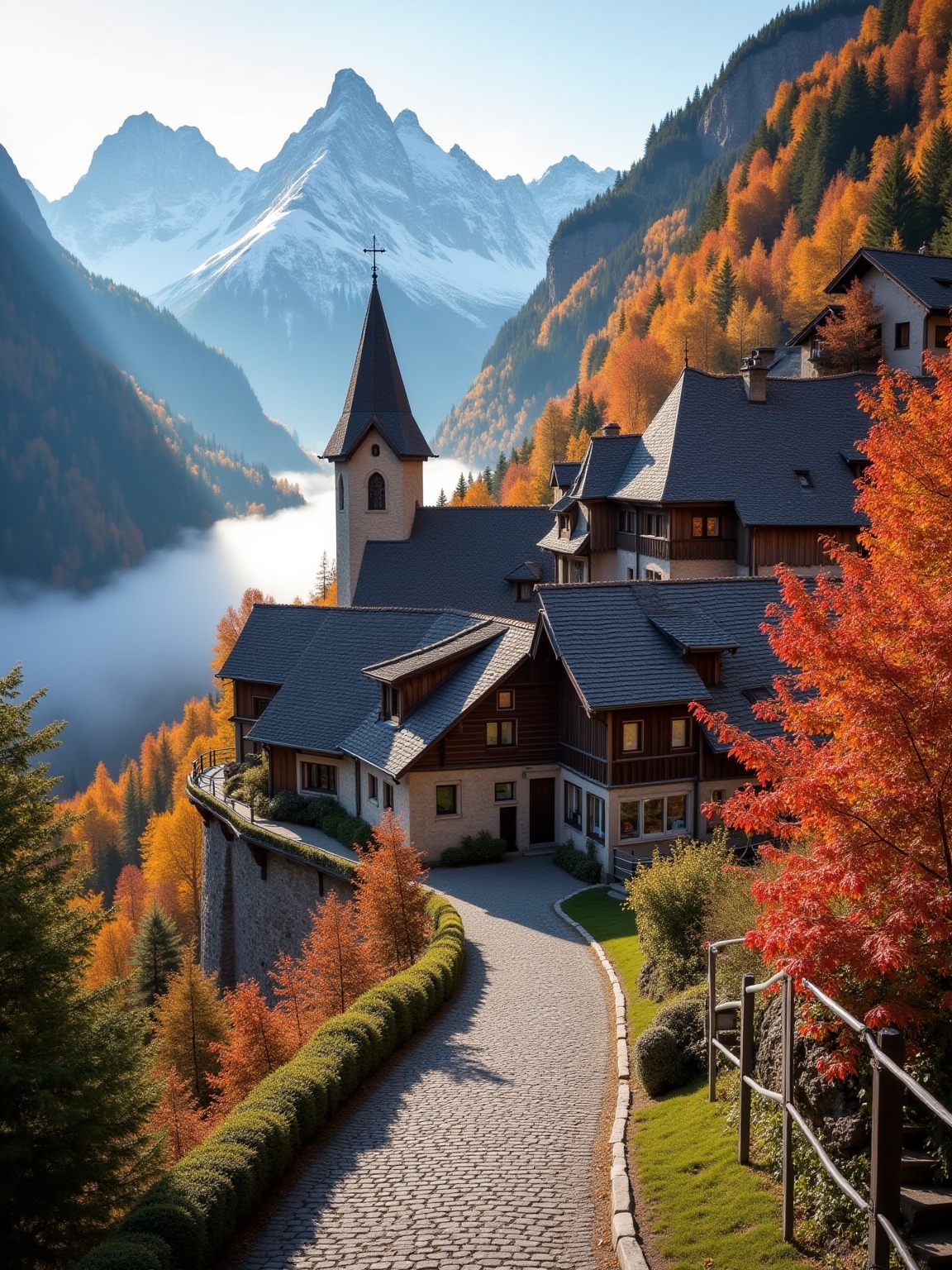
La Clusaz sits at 1,040 meters in the Aravis range, which puts it high enough to guarantee good snow but low enough to avoid altitude issues. The village has been a ski destination since the 1930s, and you can see that history in the mix of old farmhouses and modern chalets that line the streets.
Winter sports culture runs deep here, but fall brings out the hikers and mountain bikers who appreciate trails without the summer heat. The Aravis peaks create a dramatic backdrop that changes character completely depending on the weather and time of day.
Le Semnoz, France
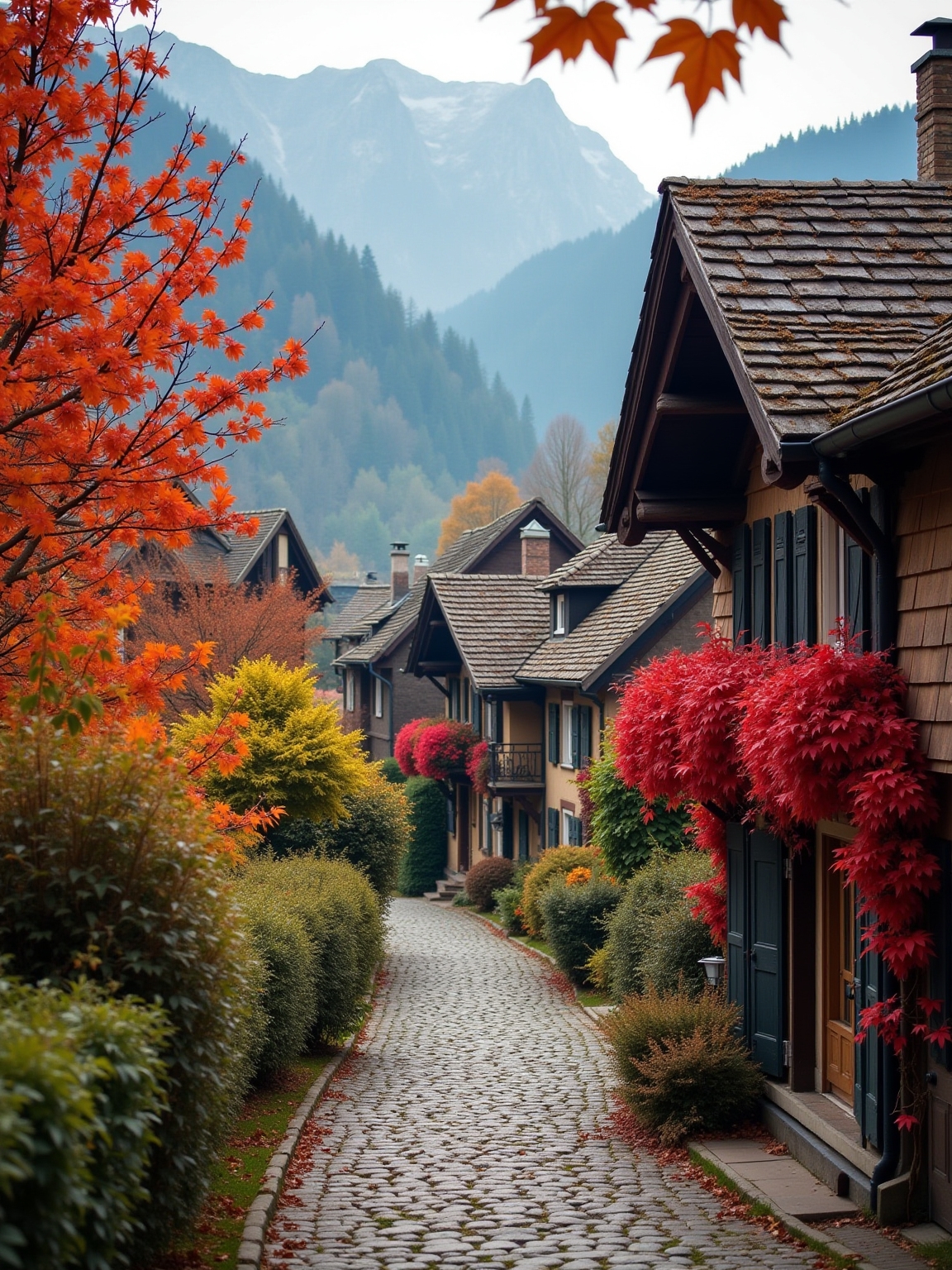
Le Semnoz sits just twenty minutes from Annecy, which makes it ridiculously accessible for a mountain that delivers genuine Alpine experiences. The 30-kilometer road spirals up through forests that explode with color come October, and locals call this area the “green lungs” of the region for good reason.
At the summit, Crêt de Châtillon, you’re looking at a panorama that includes Mont Blanc on clear days. Winter transforms the area into a small ski zone that families love because it’s not trying to compete with the mega-resorts.
Zermatt, Switzerland
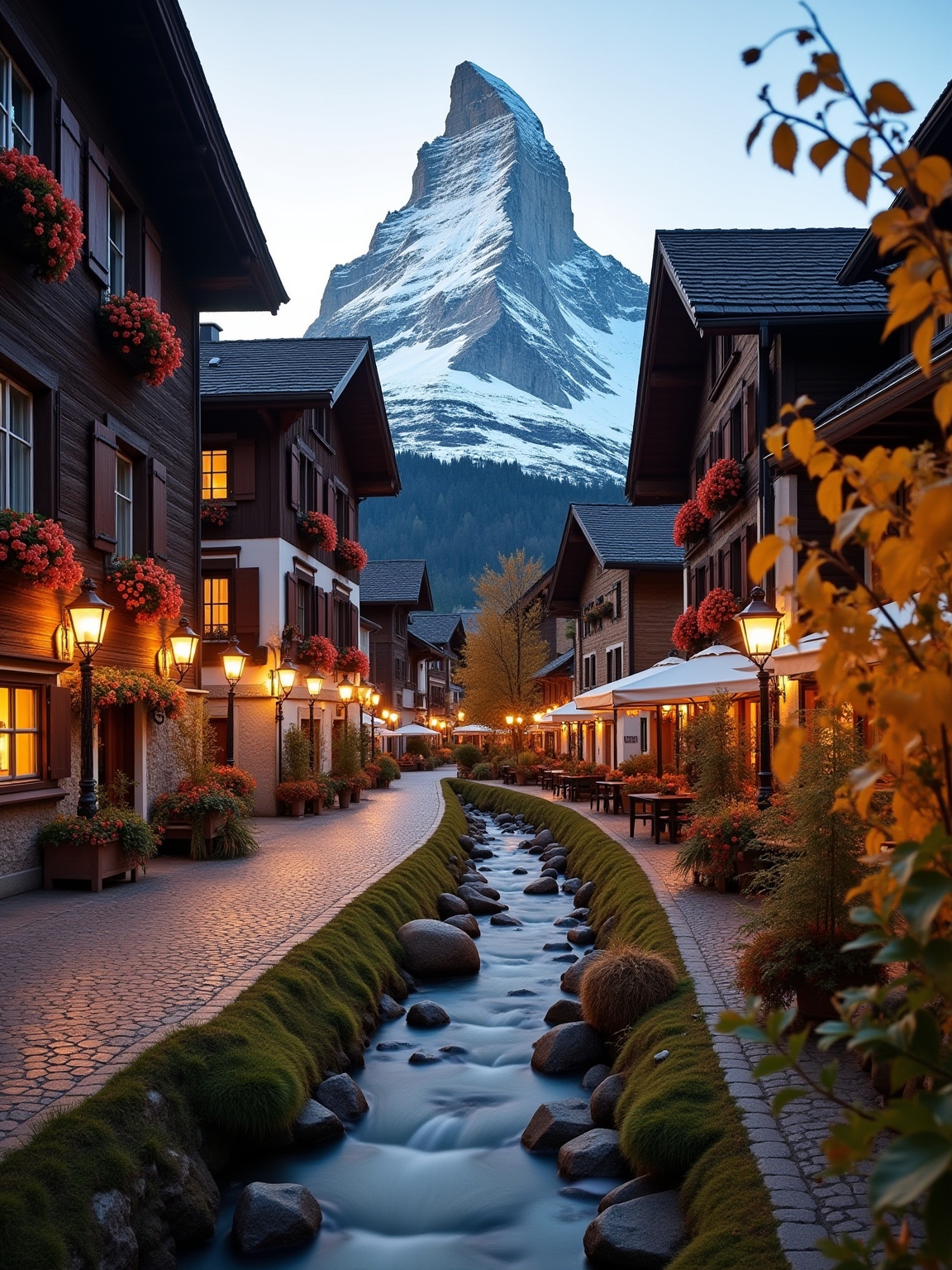
Zermatt banned cars in 1961, which might be the smartest decision any mountain town ever made. The village sits at the base of the Matterhorn with about 6,000 residents, though 39% of them are foreign nationals who came for a season and never left.
Electric taxis and horse-drawn carriages handle transport, which sounds quaint until you realize how much quieter and cleaner everything is. The skiing and hiking here work year-round because the glaciers keep some runs open even in summer, though fall offers the best weather for high-altitude hikes.
Arolla, Switzerland
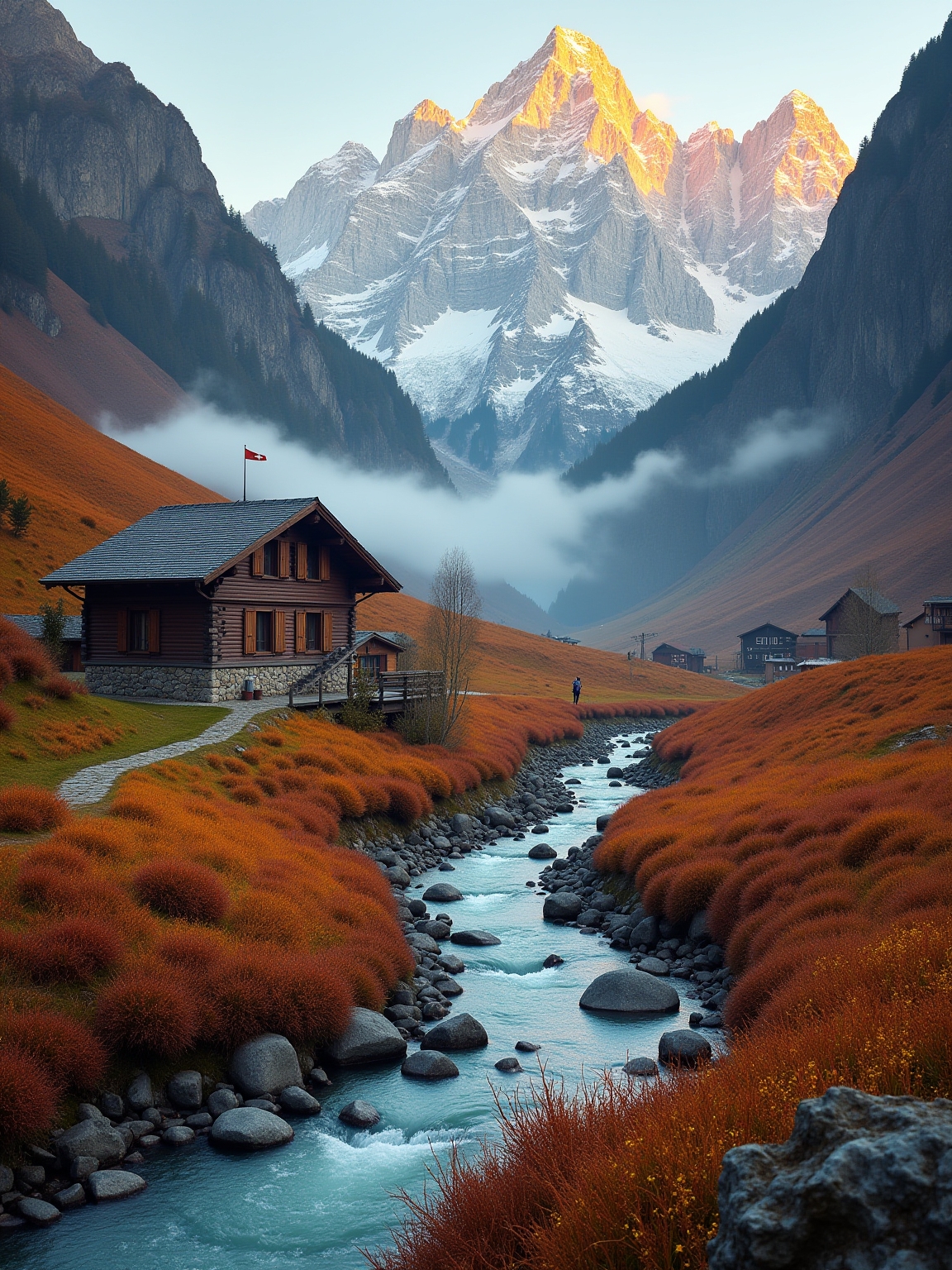
Arolla ends the Val d’Hérens at 2,000 meters elevation, which means you’re already well into the mountains before you even start hiking. Only about fifty people live here permanently, and they’ve managed to keep the village looking exactly like an Alpine settlement should.
The glaciers surrounding Arolla provide access to serious mountaineering routes, but you can also take easier trails that loop through meadows and past mountain huts. This is the kind of place where you’ll meet more climbers than casual tourists.
Gstaad, Switzerland
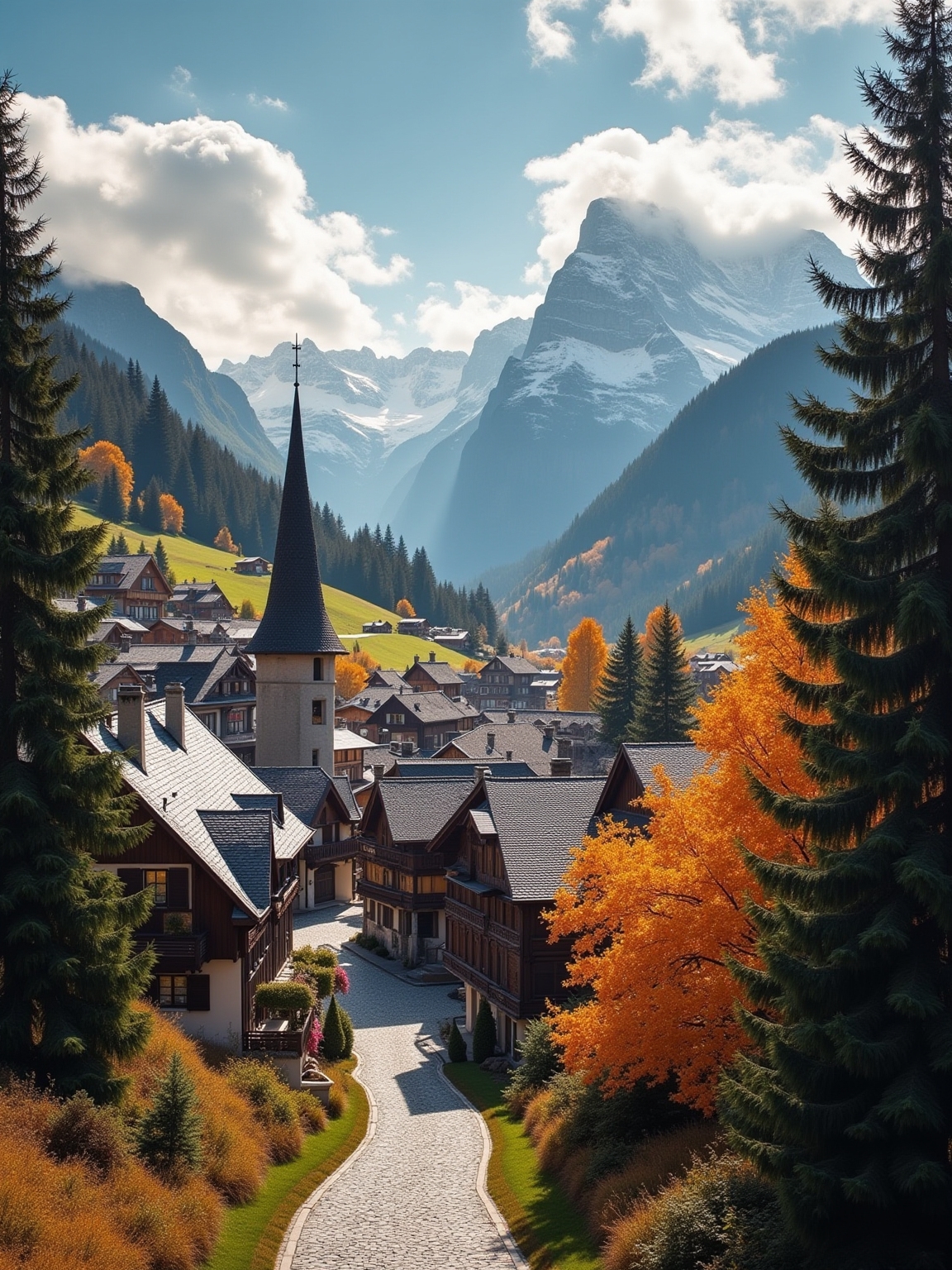
Gstaad gets labeled as a luxury destination, and yes, the hotels and shopping live up to that reputation. But the car-free promenade and the hiking trails don’t care about your bank account.
The village spreads across a valley where traditional chalets outnumber modern buildings, and strict zoning keeps it that way. Fall hiking here means you’ll have trails to yourself that would be packed in summer, and the mountain views include the Wildhorn, Rinderberg, and Lauenenhorn peaks.
Wengen, Switzerland
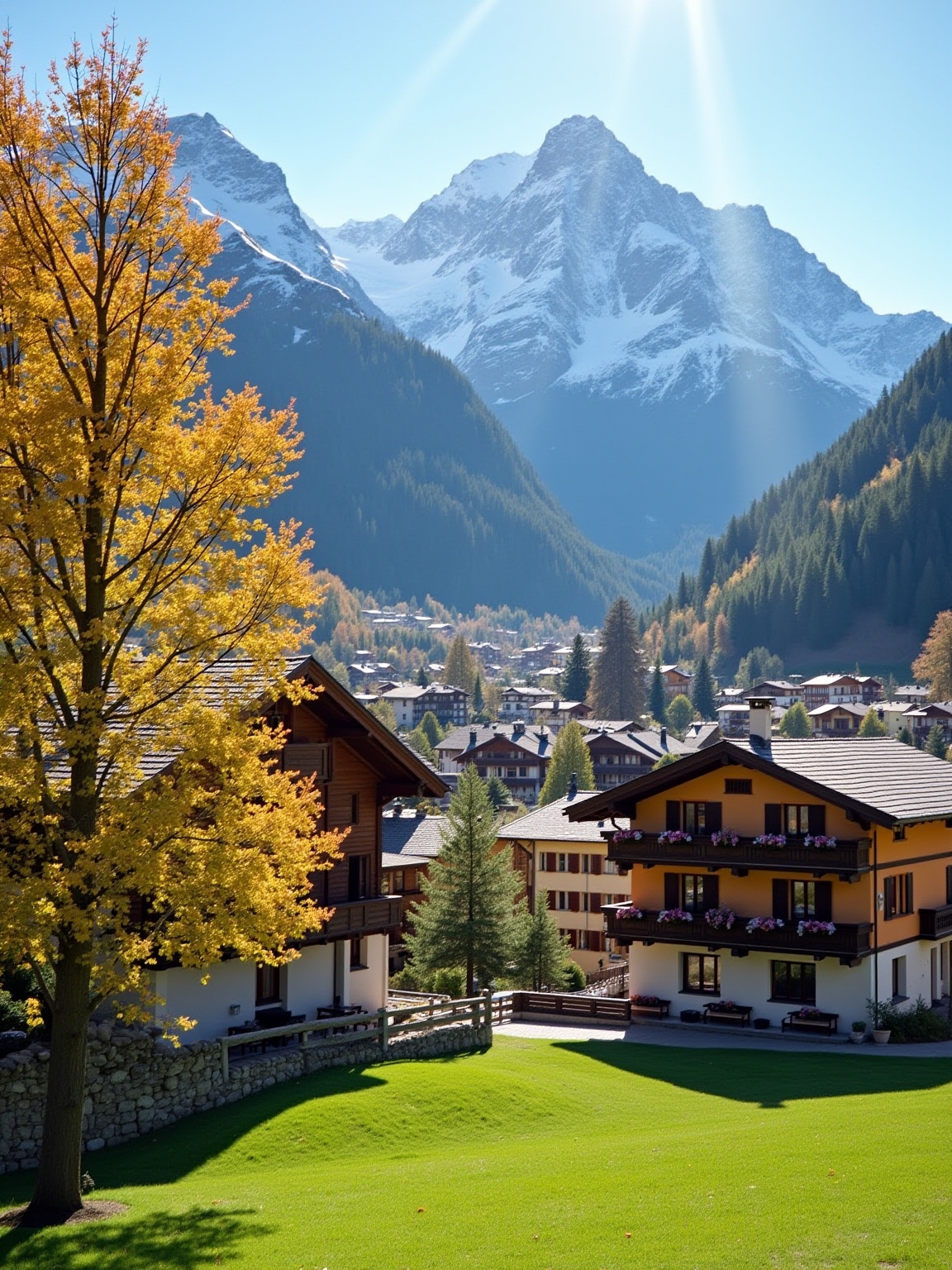
Wengen sits on a plateau that you can only reach by train, which immediately filters out the day-trippers who aren’t willing to commit. The village faces the Eiger, Mönch, and Jungfrau, which locals call the “big three” and tourists photograph until their phone batteries die.
Traditional wooden chalets line car-free streets where electric carts handle any heavy lifting. The hiking and skiing here cater to every skill level, from valley walks to routes that require actual mountaineering knowledge.
Courmayeur, Italy
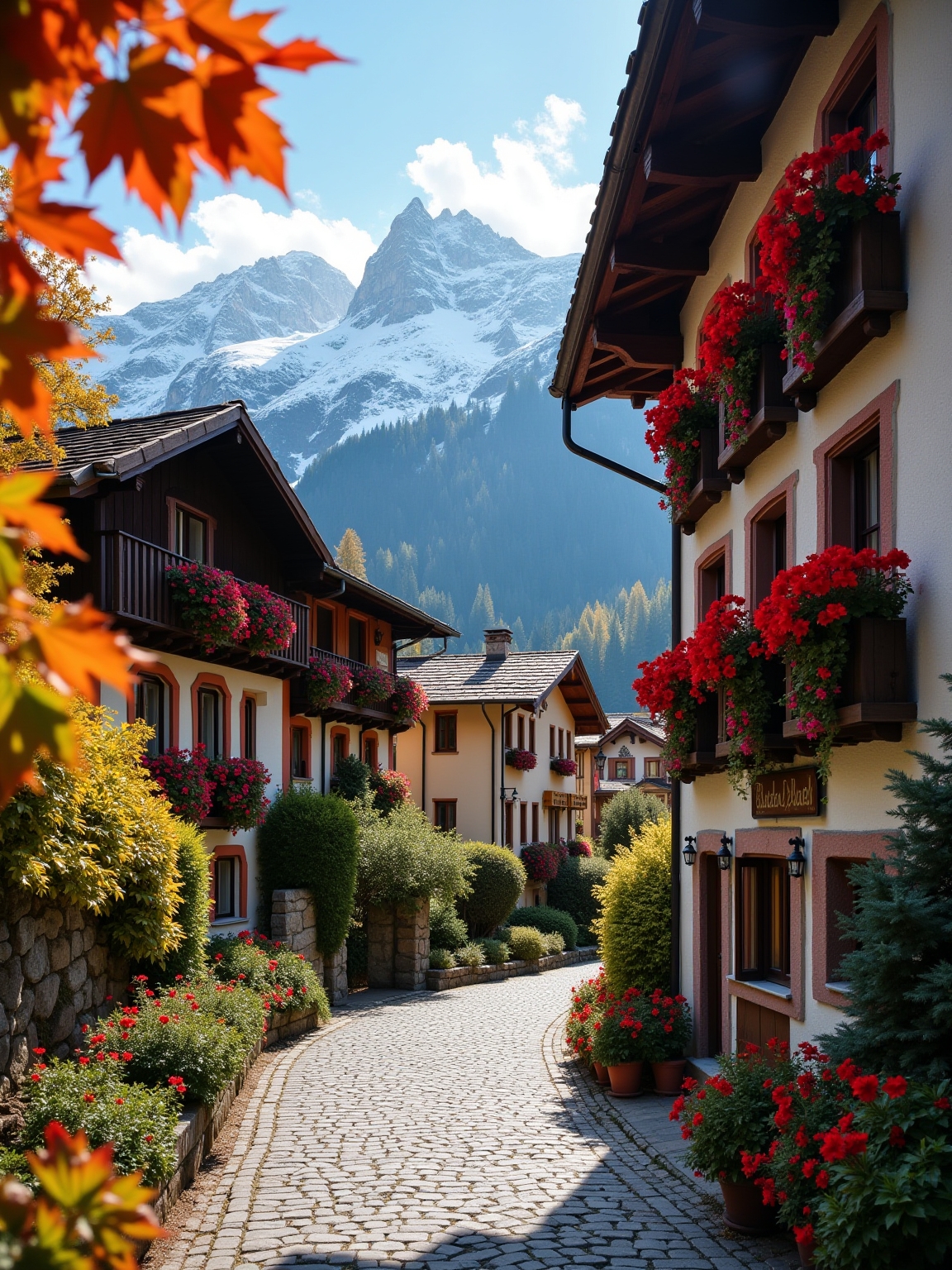
Courmayeur claims the Italian side of Mont Blanc and makes the most of its 1,224-meter elevation. The skiing here connects to French slopes through the mountain, which gives you two countries’ worth of terrain on a single lift ticket.
Via Roma’s pedestrian section concentrates the shopping and dining into a walkable core that feels more like a neighborhood than a tourist strip. The Skyway Monte Bianco cable car rotates as it climbs, which is either thrilling or nauseating depending on your constitution.
Reith Im Alpbachtal, Austria
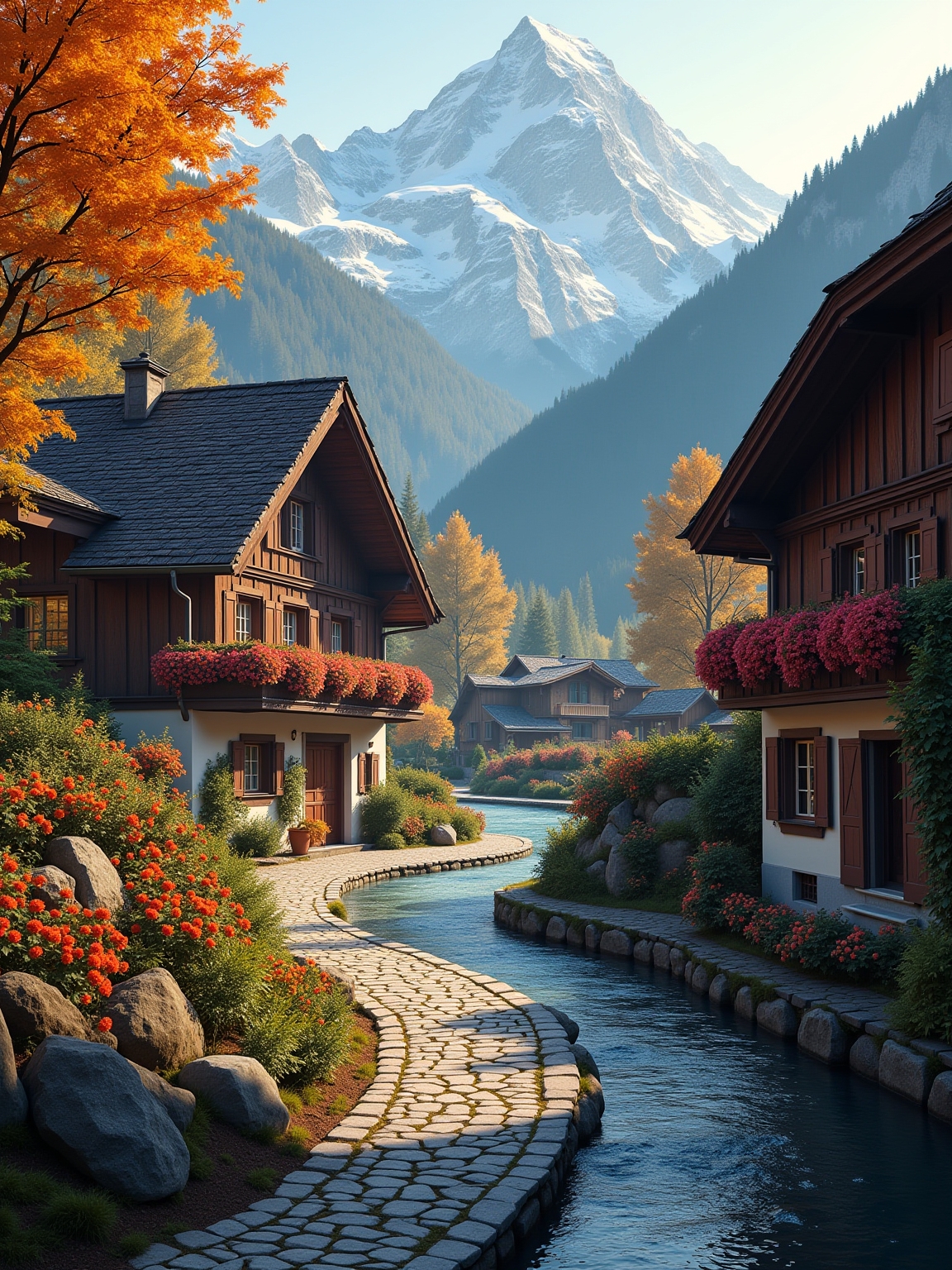
Reith Im Alpbachtal spreads across a sunny plateau in the Kitzbüheler Alps, with records dating back to 976 that prove people have always recognized good real estate. The village center bans through traffic, which creates streets where kids actually play outside and you can hear conversations.
Fall brings the farmers’ market to life with produce and cheese from surrounding valleys. Juppi’s Enchanted Forest draws families with young kids, while the hiking trails attract anyone who wants elevation gain without technical difficulty.
Ramsau Am Dachstein, Austria
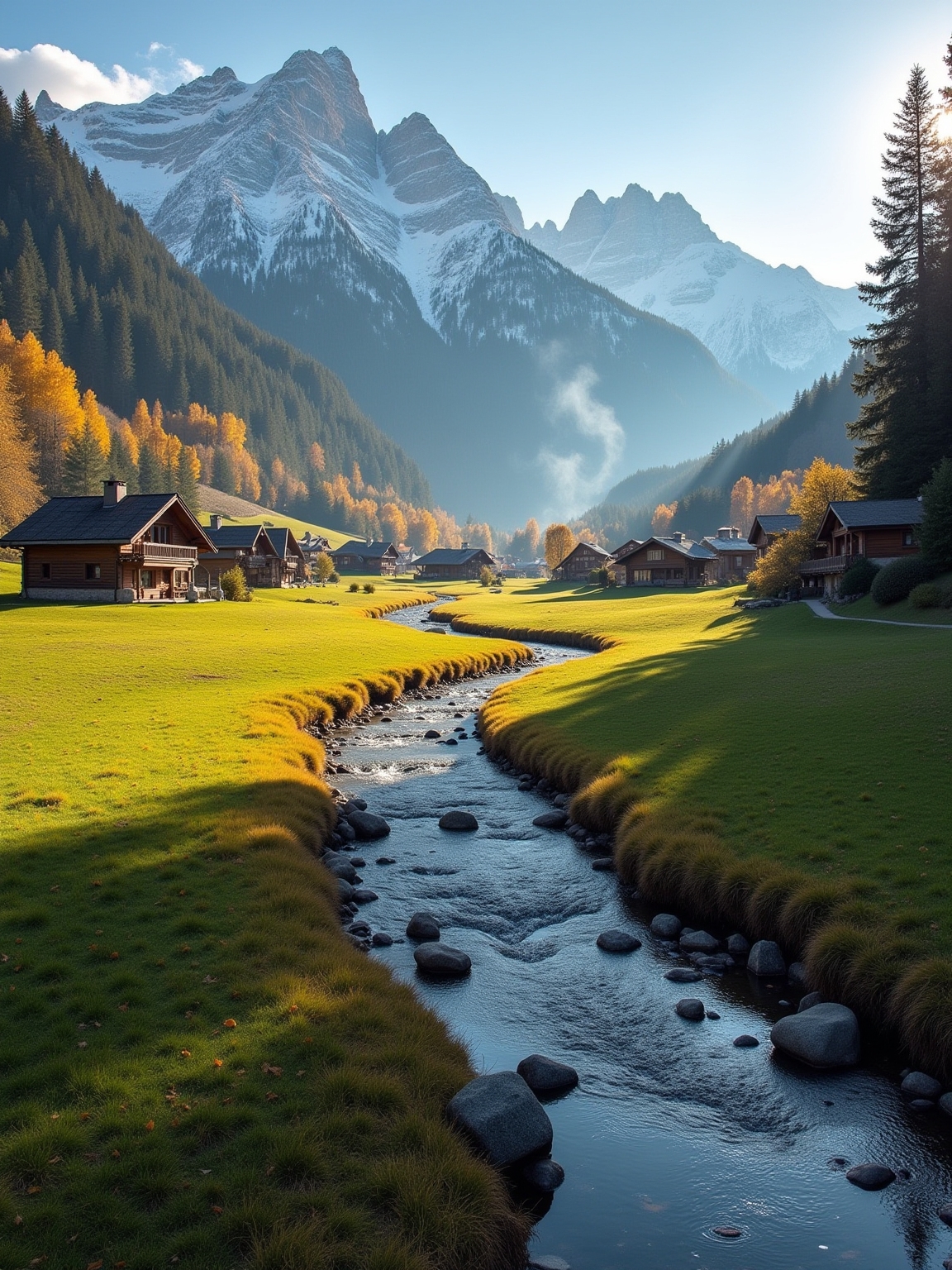
Ramsau Am Dachstein wedges itself between the Dachstein massif and the Enns valley, giving it terrain that ranges from riverside flats to high Alpine approaches. The hiking trails here won awards for their maintenance and signage, which matters when you’re navigating mountain routes.
Cross-country skiing dominates winter, with groomed tracks that stretch for kilometers through valley floors and into forests. The Dachstein Glacier offers those tourist attractions like the Sky Walk and Ice Palace, which are actually worth doing despite sounding gimmicky.
Salzkammergut Region, Austria
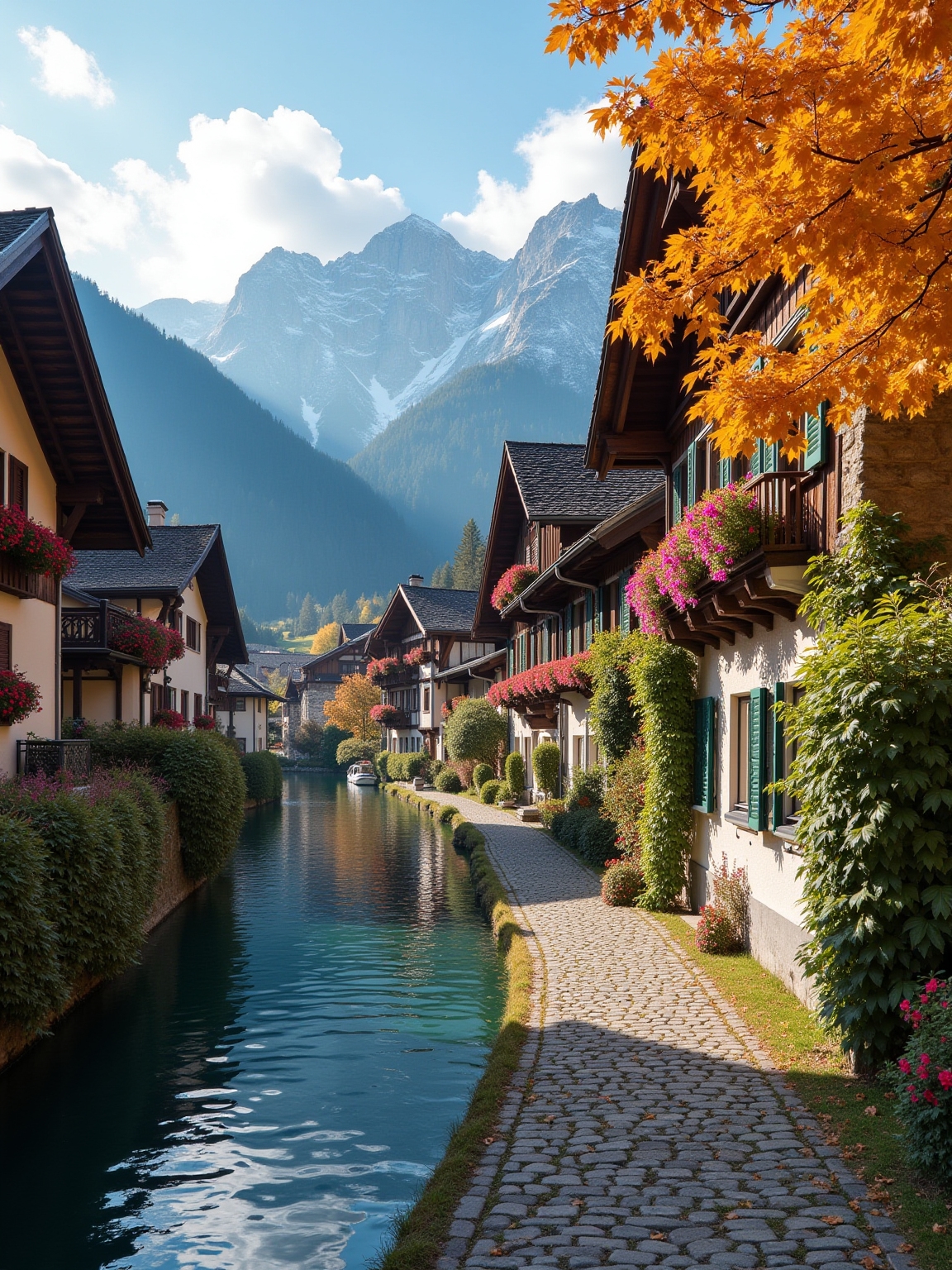
Salzkammergut spreads east of Salzburg with more than seventy lakes caught between mountains and valleys. The Dachstein mountains anchor the southern edge, while historic salt mines near Gmunden tell the story of the region’s wealth.
UNESCO designated the whole area as a World Heritage Site because of how human habitation and natural landscapes have coexisted for thousands of years. Resort towns dot the lakeshores, each with its own character and reasons to visit.
Chamonix to Courmayeur Hiking Tour
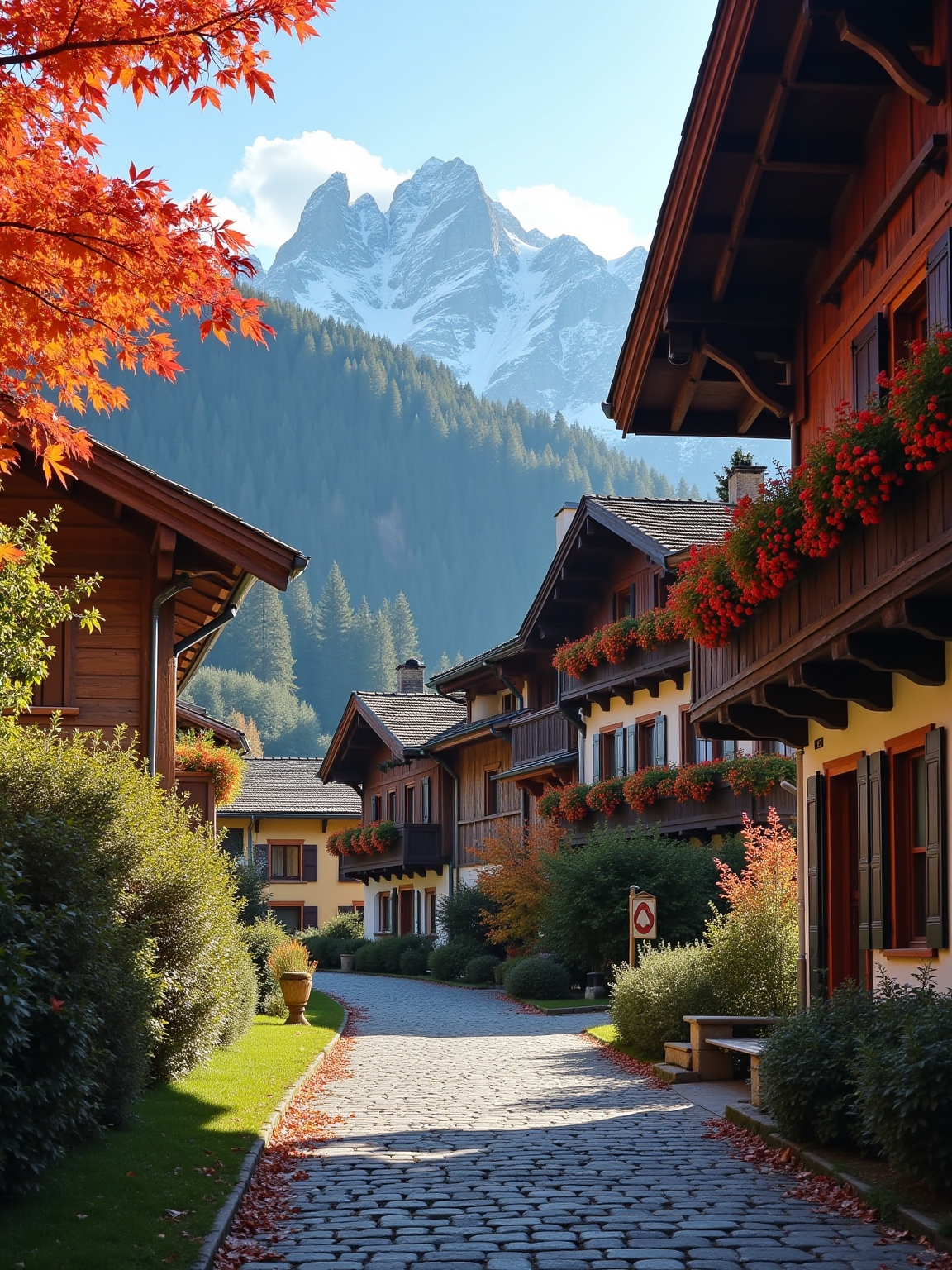
The Chamonix to Courmayeur route covers eighteen to twenty-one kilometers of serious Alpine terrain. You’ll climb and descend through elevation changes that require good fitness and proper gear, not just enthusiasm.
The trail runs through granite peaks and past glaciers that have been retreating visibly over the past few decades. Mountain huts provide basic shelter and meals, though you shouldn’t expect hotel amenities up here.
Jungfraujoch Excursion From Wengen
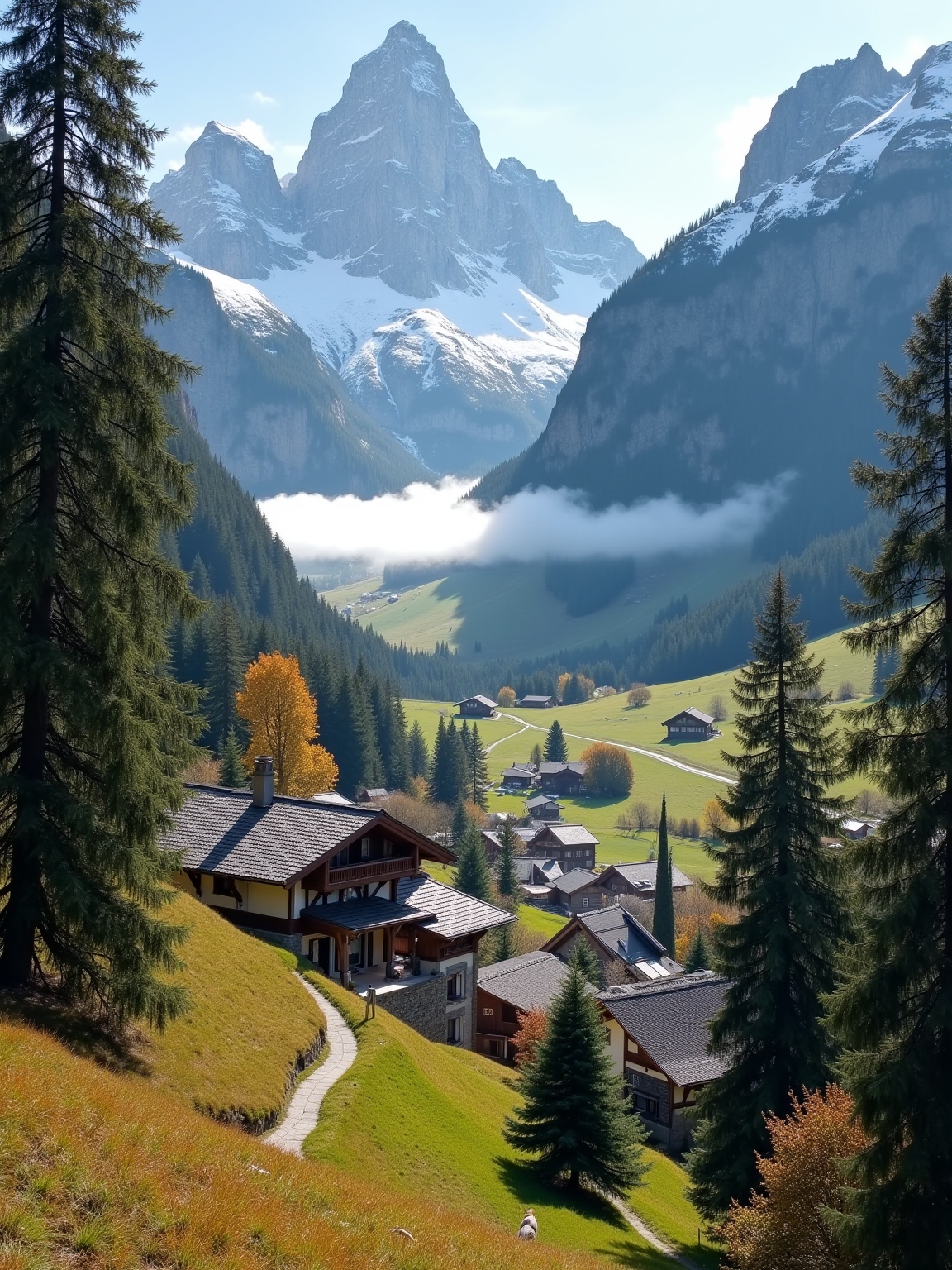
The Jungfraujoch excursion starts in Wengen with a choice between two train routes. The direct route goes through Kleine Scheidegg, while the scenic option loops through Grindelwald first.
Both end at Jungfraujoch, which markets itself as the “Top of Europe” and actually delivers on the hype. The Aletsch Glacier spreads below the viewing platform like a frozen river that’s been flowing for millennia.
Dachstein Massif Near Filzmoos
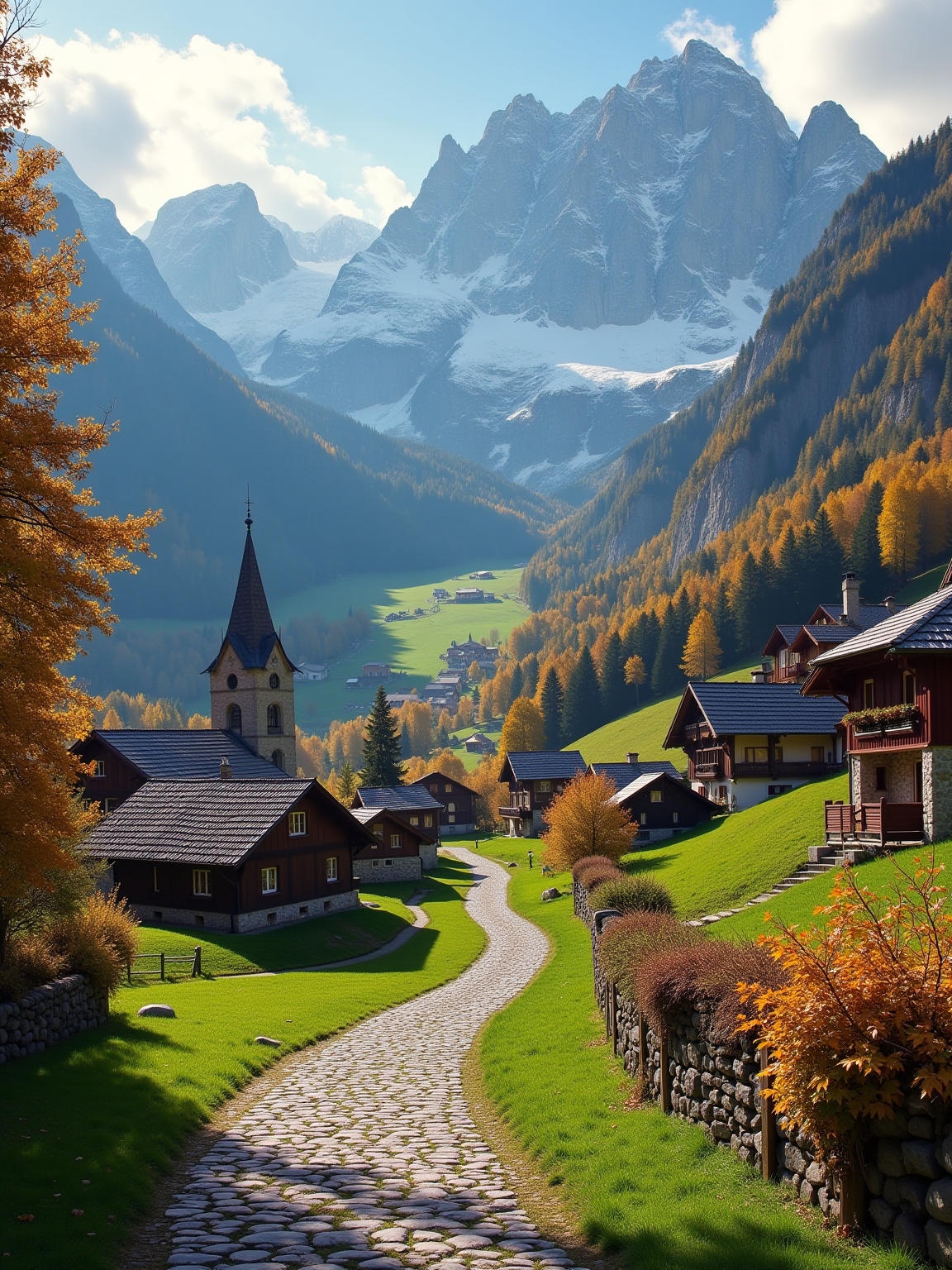
The Dachstein Massif rises to 2,995 meters from Filzmoos, making it the tallest peak in the group. More than 250 kilometers of trails cross the area, ranging from valley walks to technical Alpine routes.
The Roßbrand viewpoint delivers panoramas covering about 150 peaks, including the distinctive Bischofsmütze. You can spend a week here hiking different trails and never cover the same ground twice.
Arolla Waterfall Trails
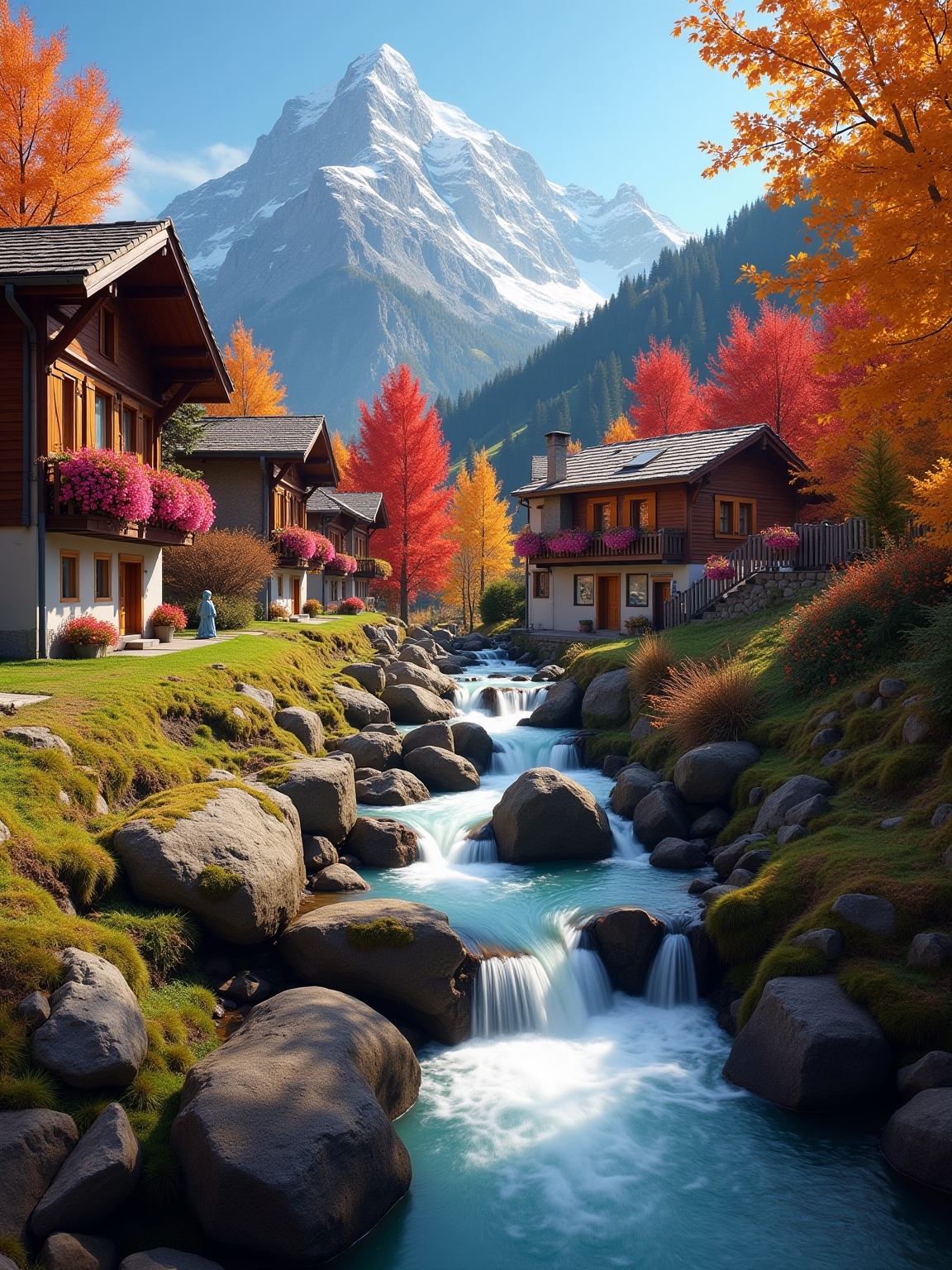
The Arolla Waterfall Trails start from Sion and climb through Alpine scenery that gets better with every switchback. The Cascades d’Arolla drop at 2,260 meters, which means you’re working for the view.
The trails mix forested sections with rocky terrain that requires decent hiking boots. These routes suit anyone with reasonable fitness and a willingness to gain some elevation.
Dolomite Festivals in Italy
The Dolomites host festivals throughout the fall that celebrate everything from music to food. I Suoni delle Dolomiti puts concerts in mountain settings that force you to hike to the venue.
The Delicious Festival Dolomiti combines trail running with regional food, which sounds contradictory until you try running on a full stomach of speck and polenta. These events draw locals and visitors who appreciate mountain culture beyond just the scenery.
Almabtrieb in Austrian Villages
Almabtrieb transforms Austrian villages every fall when about 180,000 cattle, sheep, and goats parade down from summer pastures. This tradition dates to the 1600s and marks the end of the grazing season with decorated livestock and grateful farmers.
Tirol and Vorarlberg host the biggest celebrations, where entire towns turn out for parades that last hours. The ornate decorations on the animals reflect both pride and relief that everyone made it through another summer in the high country.
Val Gardena, Italy
Val Gardena sits in the Dolomites of South Tyrol, where Ladin culture maintains traditions that predate modern Italy. The valley runs through dolomite rock formations and pine forests that create microclimates worth paying attention to.
Ortisei’s woodcarving tradition produces work that ranges from religious statues to modern sculptures. The skiing here is famous, but the hiking on Alpe di Siusi offers trails through the largest high-altitude Alpine meadow in Europe.