If you’ve ever walked into your living room and thought, Why does this space feel so cramped or awkward?, you’re definitely not alone.
The great news is you don’t have to pick between a stylish room and one that actually works for real life. With smart furniture placement, clever storage, and a few design tricks, even the tiniest living room can feel beautiful, spacious, and totally functional.
The key is understanding which layouts make the most of your square footage—and how to tailor them to your lifestyle.

Contents
- 1 Key Takeaways
- 2 The Classic Sofa-and-Two-Chairs Triangle
- 3 Angled Seating for Visual Interest and Better Flow
- 4 Flanking Chairs to Maximize Narrow Spaces
- 5 The U-Shaped Arrangement for Spacious Living Rooms
- 6 Oversized Sectionals That Work in Small Spaces
- 7 Corner L-Shaped Sectionals for Open Floor Plans
- 8 Floating Furniture Away From Walls
- 9 Dual-Zone Layout With Central and Intimate Seating Areas
- 10 Wall-Mounted TVS With Console Storage Below
- 11 Multifunctional Ottomans for Seating and Storage
- 12 Daybed-Style Sofas for Airy, Open Sightlines
- 13 Low-Profile Coffee Tables With Built-In Storage
- 14 Vertical Shelving Above Windows and Doorways
- 15 Convertible Sofa Beds for Multi-Use Rooms
- 16 Area Rugs to Define Zones in Open Spaces
- 17 Light-Legged Furniture for an Open Feel
- 18 Built-In Storage Units That Anchor Your Layout
Key Takeaways
- Float furniture away from walls to create distinct zones, expose more floor area, and enhance traffic flow in open-concept spaces.
- Use multifunctional pieces like ottomans and daybed-style sofas that provide storage, seating, and sleeping options while maintaining clean lines.
- Arrange seating in triangular or U-shaped configurations to encourage conversation while maximizing usable space and visual balance.
- Choose furniture with exposed legs and light-colored finishes to create visual lightness and make rooms appear larger and more open.
- Install wall-mounted TVs with floating consoles and built-in storage to maximize vertical space without cluttering floor areas.
The Classic Sofa-and-Two-Chairs Triangle
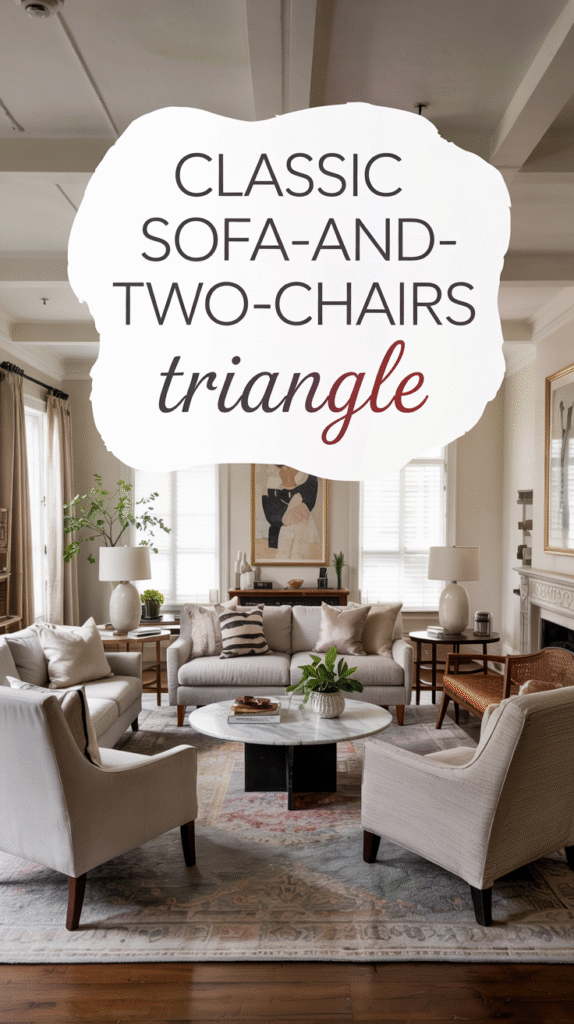

The sofa-and-two-chairs setup is a long-time favorite for a reason—it just works. It creates an easy, balanced layout that naturally encourages conversation, whether you’re hosting guests or just hanging out with family.
This arrangement really shines in medium to larger living rooms, where you can place the chairs about 10–12 feet from the sofa for comfortable chatting without shouting across the room. The coffee table becomes the natural center point, keeping the space grounded while still allowing people to move around easily.
If you want a more cohesive look, go for matching chairs. If you prefer a little personality, try mixing textures or styles—think a modern sofa paired with vintage accent chairs.
Add a couple of well-placed side tables so everyone has a spot for drinks or books without cluttering walkways. And for the best flow, keep about 16 inches between your coffee table and seating.
Angled Seating for Visual Interest and Better Flow
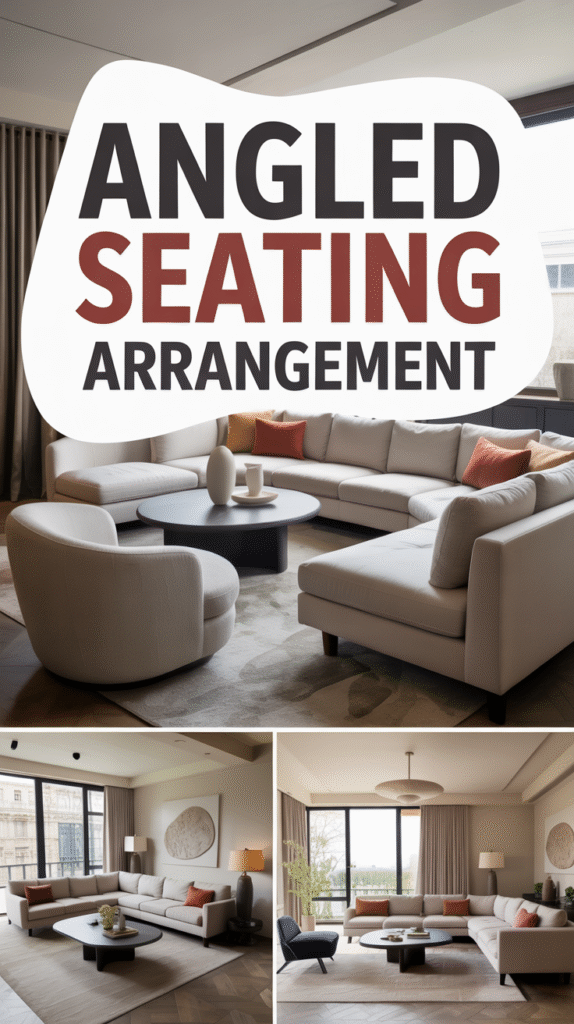

If your living room layout feels a little stiff, angling your furniture can make a huge difference.
Turning your sofa or sectional just 45 degrees instantly adds personality and helps the room feel more open—especially in spaces with awkward corners or odd floor plans.
Swivel chairs work great with this setup since they can rotate toward the main seating area. Just remember to leave enough room to walk around comfortably, and consider rounded or curved pieces to keep the look smooth and uncluttered.
Flanking Chairs to Maximize Narrow Spaces
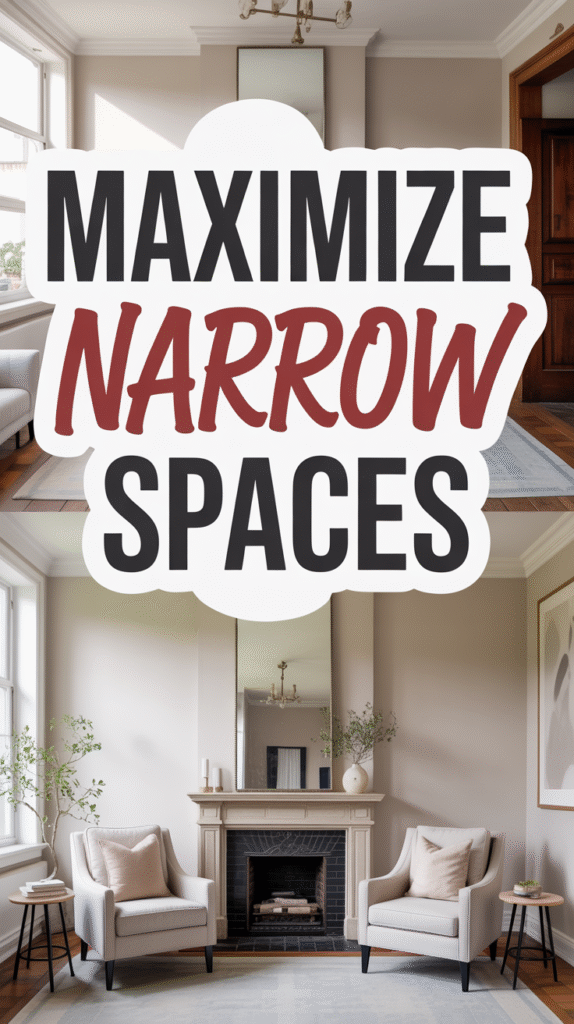

Working with a long, narrow living room? Flanking chairs might be your new best friend. Placing two matching chairs on either side of a fireplace or focal wall creates balance and makes the room feel wider.
Choose slimmer, armless styles with exposed legs to keep things airy, and leave about 18–24 inches of breathing room between pieces.
Light-colored fabrics help bounce light around, and a slight angle can improve sightlines without eating into your walkway.
The U-Shaped Arrangement for Spacious Living Rooms
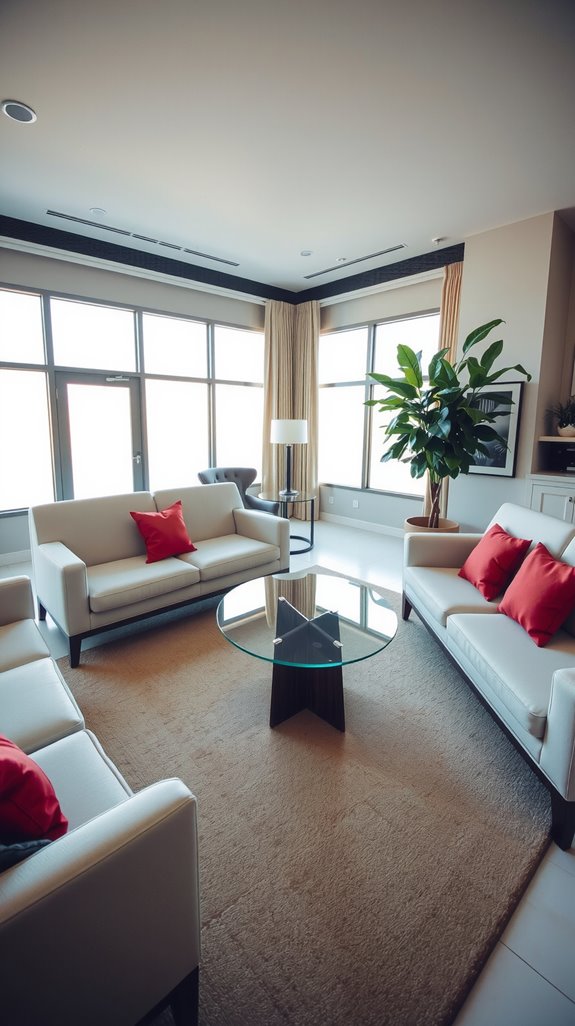
If you’re lucky enough to have a large living room, a U-shaped sectional is a fantastic way to make the space feel cozy and connected.
With three sides wrapping around a central area, everyone gets a comfy spot and conversations feel effortless. This setup also helps define the living zone in open floor plans without using walls or screens.
Many U-shaped sectionals come with storage or modular pieces, so you can customize the layout to fit your needs and your style.
Oversized Sectionals That Work in Small Spaces

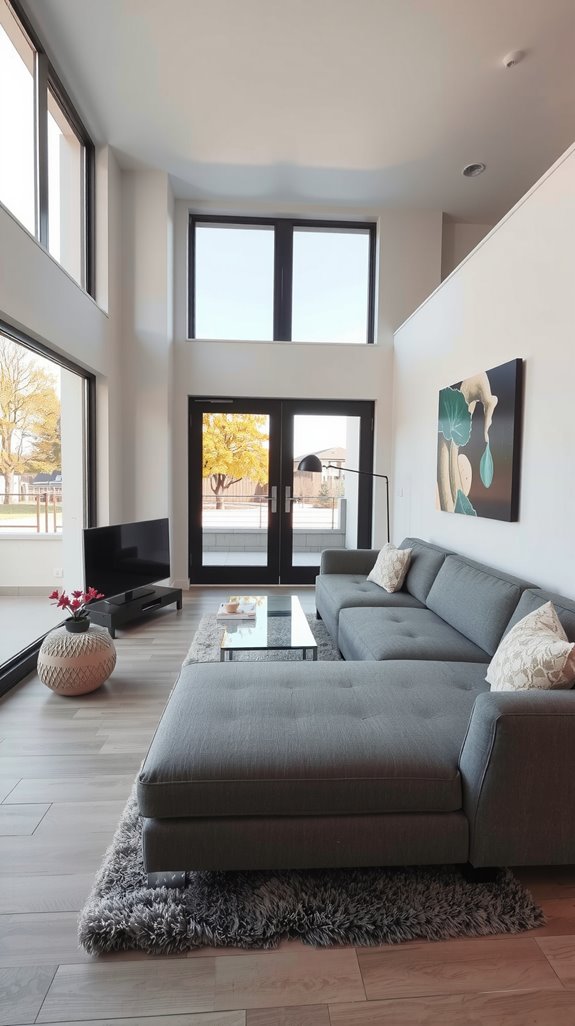
It sounds counterintuitive, but a big sectional can actually make a small living room feel better.
The trick is choosing a low-profile style with slim backs and light upholstery so it doesn’t overwhelm the room. Exposed legs help keep the space feeling open, and rounded edges reduce that “boxy” look.
Place the sectional slightly away from the wall or near a window to keep the room bright. Bonus points if it includes storage or sleeper features—perfect for small spaces that need to multitask.
Corner L-Shaped Sectionals for Open Floor Plans

In open layouts, an L-shaped sectional is a simple way to define the living area without blocking sightlines. These pieces make great use of corner space and usually seat four to five people comfortably.
Reversible options let you switch the layout depending on your room’s flow, and clean-lined designs keep everything looking modern and uncluttered.
Just remember to measure both the full length and the “L” extension to ensure you have room for a coffee table and foot traffic.
Floating Furniture Away From Walls

Pulling your furniture off the walls might feel strange at first, but it instantly makes a room feel more inviting and spacious.
Floating your sofa and chairs creates natural zones for conversation, relaxation, or entertainment—especially helpful in open-concept homes.
This approach also frees up wall space for art or shelving. Use a rug to anchor the seating area and add a floor lamp behind the sofa to keep the lighting warm and functional.
Dual-Zone Layout With Central and Intimate Seating Areas

If your living room is long or has extra space to play with, creating two separate seating zones can make it feel more intentional.
Use your main sofa or sectional to anchor the central gathering spot, then add a cozy pair of chairs or a small loveseat in a corner or near a window for reading or relaxing.
Rugs help define each zone, and keeping 18–24 inches of clearance around furniture ensures everything feels open and easy to move through. Layered lighting keeps both areas inviting without overwhelming the room.
Wall-Mounted TVS With Console Storage Below
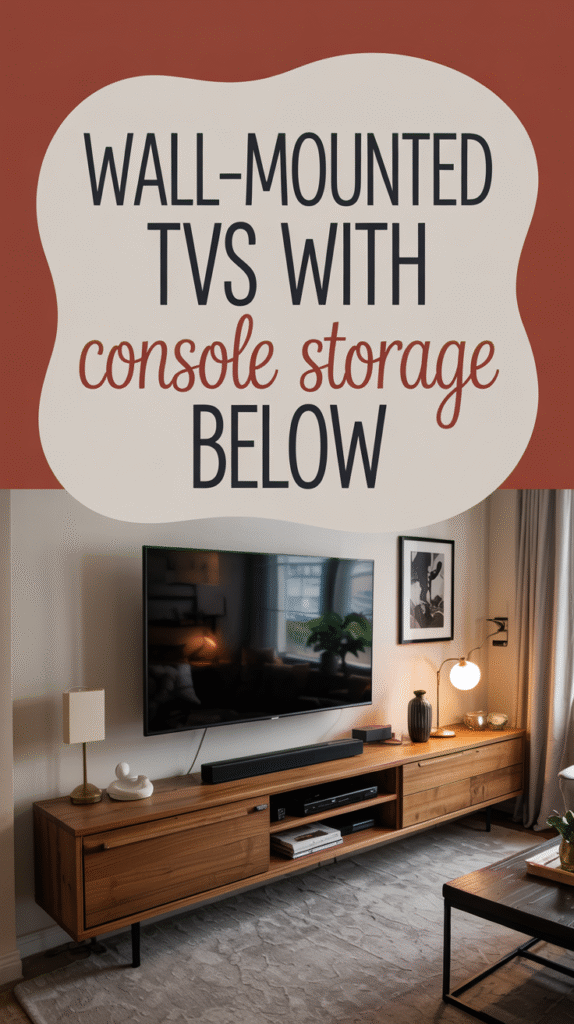
Mounting your TV on the wall instantly streamlines your space, and pairing it with a console underneath keeps everything neat.
Choose a console that sits at a comfortable eye level when you’re seated, and leave a couple of inches between the top of the console and the bottom of the TV so it doesn’t feel cramped.
Storage really matters here—drawers or cabinets hide cords and media clutter. Floating consoles are great if you want clearer floors and a more modern vibe.
Multifunctional Ottomans for Seating and Storage

An ottoman that doubles as storage is a lifesaver in smaller living rooms. It’s extra seating, a footrest, and even a coffee table when you add a tray.
Inside, you can stash blankets, remotes, or toys to keep things looking tidy. These pieces also work well in bedrooms or entryways, making them a smart investment beyond just the living room.
Daybed-Style Sofas for Airy, Open Sightlines
If you want your living room to feel open and breezy, a daybed-style sofa is a great swap for a bulky couch.
With their low profiles and often armless designs, they keep sightlines clear and make small spaces feel bigger. They’re comfy for daytime lounging and double as an extra sleeping spot for guests.
You can place one against a wall to free up floor space or float it to subtly divide an open room. Pair it with wall-mounted shelves to keep things organized without visual clutter.
Low-Profile Coffee Tables With Built-In Storage
A low coffee table instantly makes a room feel more open, and choosing one with hidden storage keeps the space clutter-free.
Drawers, shelves, or lift-top designs are perfect for stashing remotes, magazines, or throw blankets. Round or oval shapes are especially good in tight spaces since they’re easier to walk around.
Stick with durable materials that can handle everyday use, and pick a finish that blends with your décor for a clean, streamlined look.
Vertical Shelving Above Windows and Doorways
That empty space above windows and doors? It’s prime real estate. Adding slim shelving up high gives you extra room for books, plants, or décor without eating into your floor space.
Light-colored finishes help the shelves blend in, while secure mounting keeps everything safely in place. Since the shelves draw the eye upward, they make ceilings feel taller—a great trick for smaller rooms.
Convertible Sofa Beds for Multi-Use Rooms
If your living room doubles as a guest room or office, a convertible sofa bed is a game changer. Modern versions look sleek, feel comfortable, and come in sizes from twin to king when unfolded.
Just make sure you measure your space—including the room needed to pull the bed out. Many styles now include bonus features like built-in storage or USB ports, making them even more practical for everyday use.
Area Rugs to Define Zones in Open Spaces
In open-concept rooms, area rugs are your best tool for giving each part of the space its own identity. A large rug under the main seating helps anchor the living area, while different textures or patterns can distinguish workspaces or dining zones.
Let the front legs of your seating sit on the rug for a cohesive look, and enjoy the added perks—sound absorption, comfort, and floor protection.
Light-Legged Furniture for an Open Feel
Furniture with slim, lifted legs instantly makes a room feel lighter and more spacious because you can see the floor beneath it.
This small design tweak helps natural light move through the room and keeps larger pieces from looking heavy. It also makes cleaning easier and improves airflow. Light wood or metal finishes enhance the open feel even more.
Built-In Storage Units That Anchor Your Layout
Built-in storage is one of the best ways to add structure and purpose to your living room.
Floor-to-ceiling units instantly turn a blank wall into a functional focal point, giving you space for books, décor, or media equipment.
If your room is smaller, try built-ins around a fireplace or opt for floating shelves to keep things feeling light. Mixing open shelving with closed cabinets keeps the look balanced—display what you love, hide what you don’t. Plus, adjustable shelves make it easy to adapt as your storage needs change.
Conclusion
At the end of the day, creating a great living room isn’t about choosing between style and practicality—you can absolutely have both.
With the right layout, a few multifunctional pieces, and some smart design choices, even a small space can feel open, intentional, and inviting. Focus on furniture that earns its place, keep sightlines clean, and use thoughtful zoning to make the most of every inch.
When you combine comfort with creativity, your living room becomes not just a place to sit, but a space you genuinely love spending time in.