Hikers often obsess over brand names when they should be focusing on fabric weight. Prioritizing logos over performance is a mistake that costs comfort and sometimes safety.
The terrain doesn’t care what’s stitched on your jacket, but it will absolutely punish you for wearing the wrong materials. Your closet needs pieces that can handle sudden weather shifts, whether you’re grinding up a summer ridge line or pushing through a winter storm. Let me walk you through how to build a wardrobe that actually earns its space in your pack.

Contents
- 1 Moisture-Wicking Base Layer and Fleece Combo for Winter Trails
- 2 Waterproof Shell Jacket With Insulated Gloves for Cold Weather Protection
- 3 Lightweight Tank Top and Quick-Drying Shorts for Summer Hikes
- 4 Wide-Brimmed Hat and Long-Sleeve Sun Protector for Hot Trail Days
- 5 Breathable Leggings and Tank Top Layering for Spring Adventures
- 6 Comfortable Joggers With Pockets for Variable Spring Weather
- 7 High-Rise Leggings With Moisture-Wicking Fabric for Warm Trails
- 8 Stretchy Hiking Pants With Elastic Waistband for All-Day Comfort
- 9 Insulated Puffer Jacket and Fleece-Lined Neck Gaiter for Winter Warmth
- 10 Waterproof Hiking Boots and Wool Socks for Cold, Wet Conditions
- 11 Hiking Sandals With Good Traction for Water Activities
- 12 Light-Colored Breathable Fabrics for Peak Summer Temperatures
- 13 Transitional Outerwear Layers for Unpredictable Spring Conditions
- 14 Durable Pants for Protection Against Bugs and Overgrowth
- 15 Coordinating Colors and Styles for Trail-Ready Fashion
- 16 Versatile Pieces That Layer From Warm to Cool Settings
- 17 Lightweight Trail Shoes for Spring and Summer Trekking
- 18 Functional Accessories That Combine Style and Season-Appropriate Performance
- 19 Multi-Use Trekking Outfits for Both Trails and Everyday Wear
Moisture-Wicking Base Layer and Fleece Combo for Winter Trails
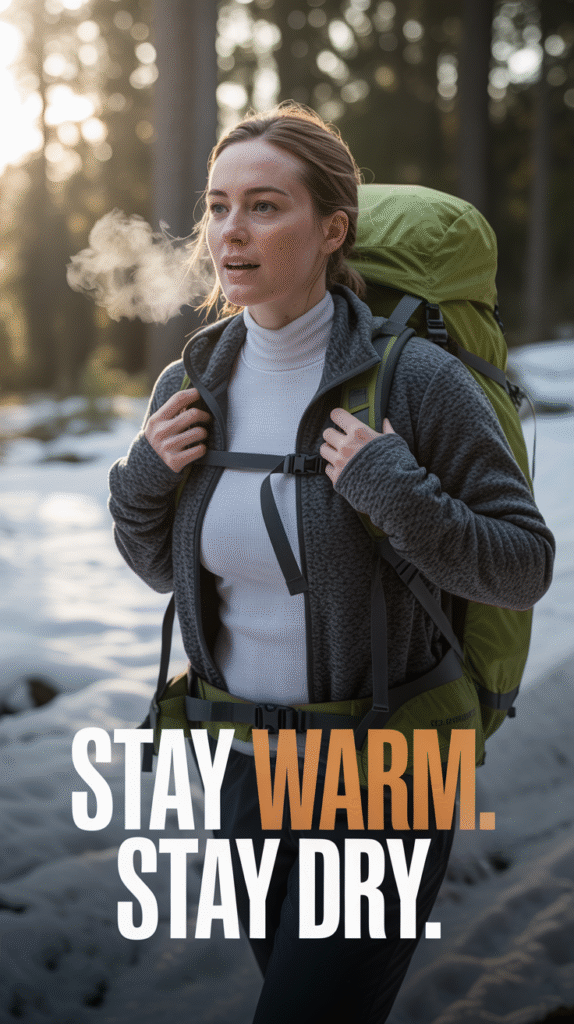
Start with a base layer that fits close to your skin without strangling you. Merino wool pulls sweat away from your body while keeping you warm even when it gets damp, which matters more than most people realize when you’re three miles from the trailhead.
Synthetics work too, though they’ll start smelling faster than wool after a few wears. Add a midweight fleece that breathes well enough to prevent that clammy feeling you get when you’re working hard uphill but still traps enough heat for rest breaks.
Waterproof Shell Jacket With Insulated Gloves for Cold Weather Protection
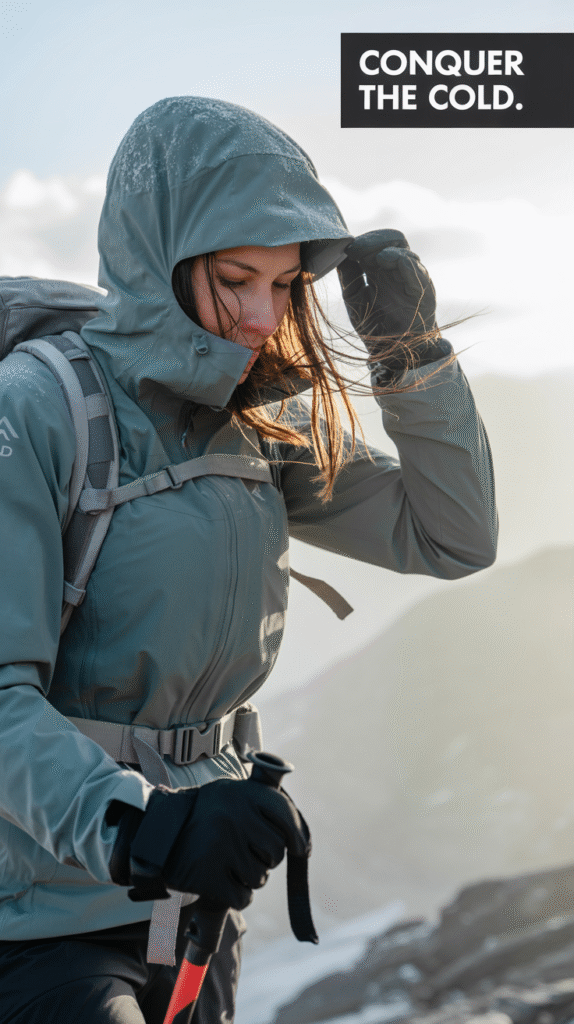

A waterproof shell with at least a 10,000mm rating keeps you dry when the weather turns nasty. Look for pit zips because you’ll overheat on climbs even in freezing temperatures, and that sweat becomes dangerous once you stop moving.
Your gloves need waterproof membranes and wrist closures that actually seal out snow when you’re scrambling over boulders. Pack the whole system down small since mountain weather changes faster than you can check a forecast.
Lightweight Tank Top and Quick-Drying Shorts for Summer Hikes


Wide-Brimmed Hat and Long-Sleeve Sun Protector for Hot Trail Days

A wide-brimmed hat with UPF 50+ fabric shields your face and neck from direct sun. The brim needs enough stiffness to hold its shape in wind, otherwise it’ll just flop around and annoy you for hours.
Long sleeves might seem counterintuitive in heat, but lightweight UPF 50+ fabric blocks 98% of UV radiation while staying cooler than exposed, sunburned skin. Snow and sand reflect UV rays up at you from below, so that hat alone won’t cut it on glaciers or desert trails.
Breathable Leggings and Tank Top Layering for Spring Adventures


Moisture-wicking leggings with mesh panels handle those schizophrenic spring mornings when you start at 35 degrees and finish at 65. Look for secure pockets because fumbling with a pack every time you need your phone gets old fast.
Your tank top should offer enough coverage to hike comfortably without a bra line disaster but still layer smoothly under a windbreaker when the temperature drops. This combination adapts faster than you can peel off a fleece.
Comfortable Joggers With Pockets for Variable Spring Weather

Lightweight joggers in nylon-spandex blends move with you instead of fighting every step. A DWR finish sheds light drizzle without the bulk of rain pants, and multiple pockets keep your gear accessible.
The elastic waistband with a drawstring means you can layer a base underneath without the whole situation sliding down mid-hike. Moisture-wicking properties prevent that swampy feeling when you’re pushing hard uphill in variable temps.
High-Rise Leggings With Moisture-Wicking Fabric for Warm Trails

High-rise waistbands stay put during steep climbs without cutting into your stomach. Polyester and nylon blends actively pull moisture away from your skin instead of just sitting there soggy like cotton.
The high waist also means you can skip the constant shirt-tugging that comes with low-rise pants on technical terrain. Functional pockets let you ditch the hip belt for shorter hikes.
Stretchy Hiking Pants With Elastic Waistband for All-Day Comfort

Four-way stretch fabric eliminates that stiff, restricted feeling you get with traditional hiking pants. The elastic waistband flexes with your breathing and movement instead of digging in after lunch or during big step-ups.
Reinforced knees and seat handle contact with rock and dirt without tearing after one season. Prana and Columbia both make versions that last multiple years of regular trail abuse.
Insulated Puffer Jacket and Fleece-Lined Neck Gaiter for Winter Warmth
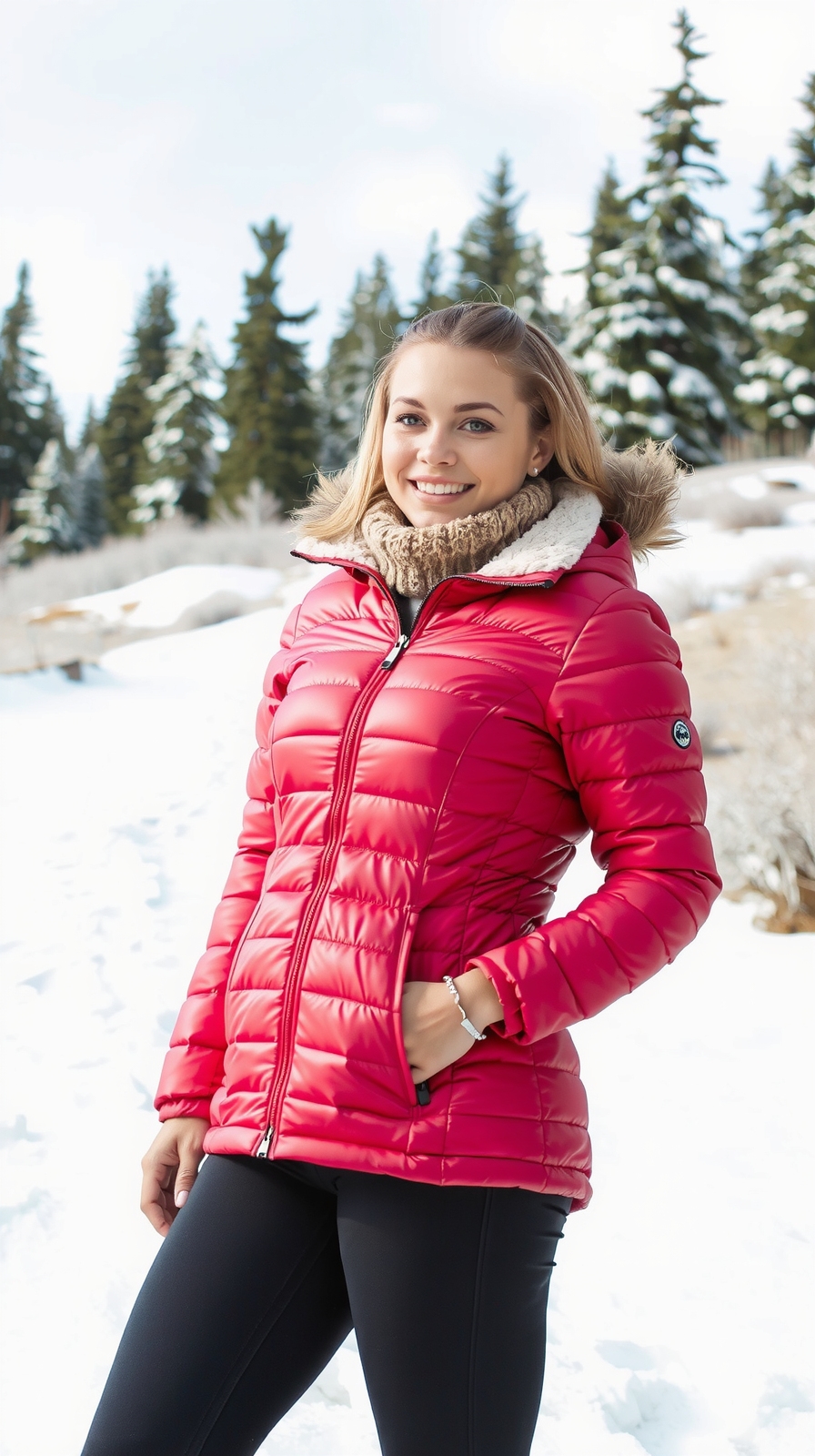
Down insulation with 650 to 900 fill power packs more warmth per ounce than anything else, though it fails completely when wet. Synthetic fill sacrifices some warmth-to-weight ratio but keeps working in rain and snow.
A fleece-lined neck gaiter seals the gap between your jacket collar and chin where cold air loves to sneak in. The gaiter also packs down to nothing when you warm up on climbs.
Waterproof Hiking Boots and Wool Socks for Cold, Wet Conditions
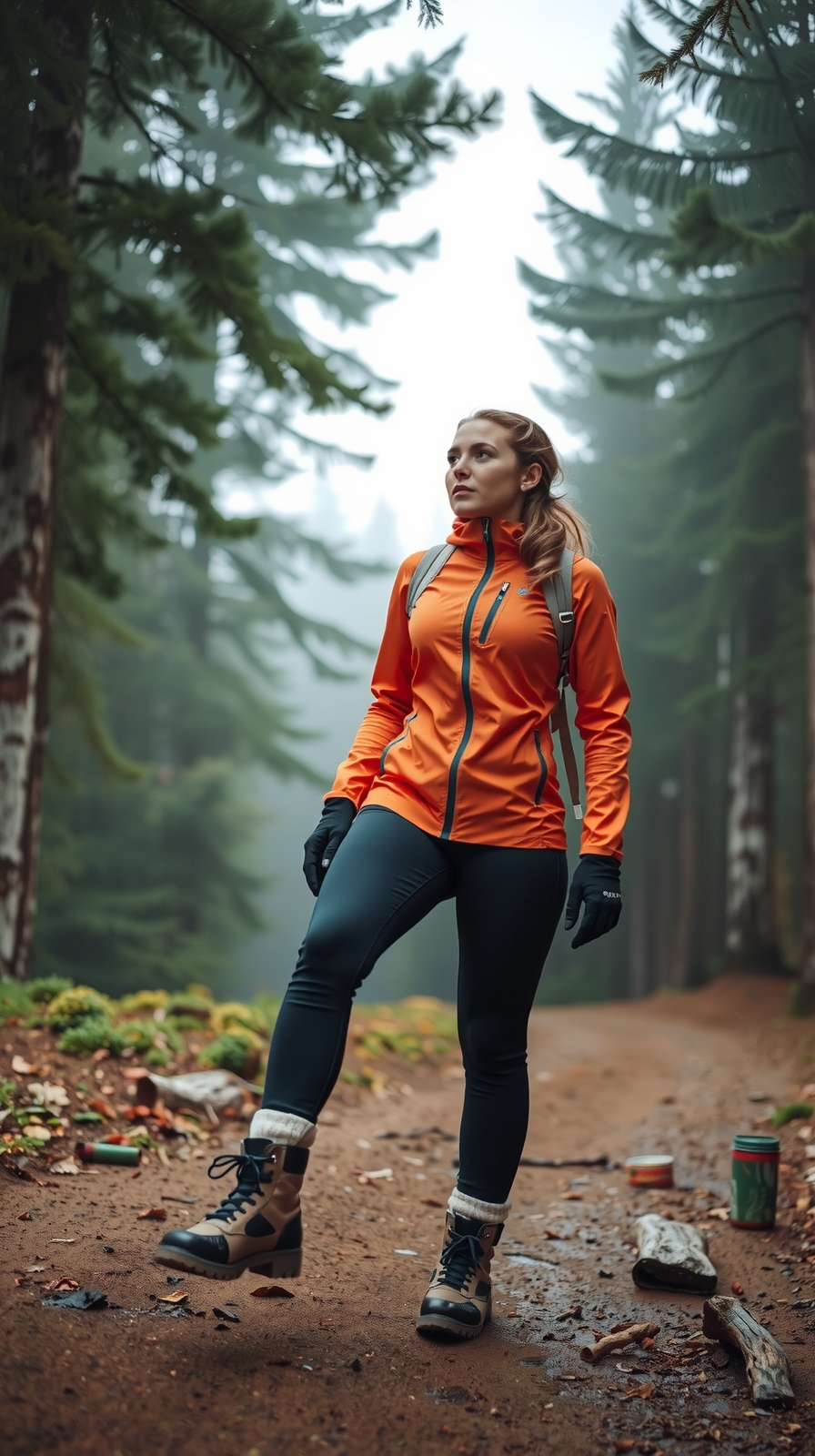
Gore-Tex membranes keep your feet dry while 200g to 600g insulation maintains warmth in snow. Your feet take more punishment than any other part of your body on winter trails, dealing with constant wet cold that can turn dangerous fast.
Merino wool socks wick moisture and insulate even when damp, which prevents both blisters and frostbite. Skip cotton socks entirely because they’ll leave you miserable within the first mile.
Hiking Sandals With Good Traction for Water Activities
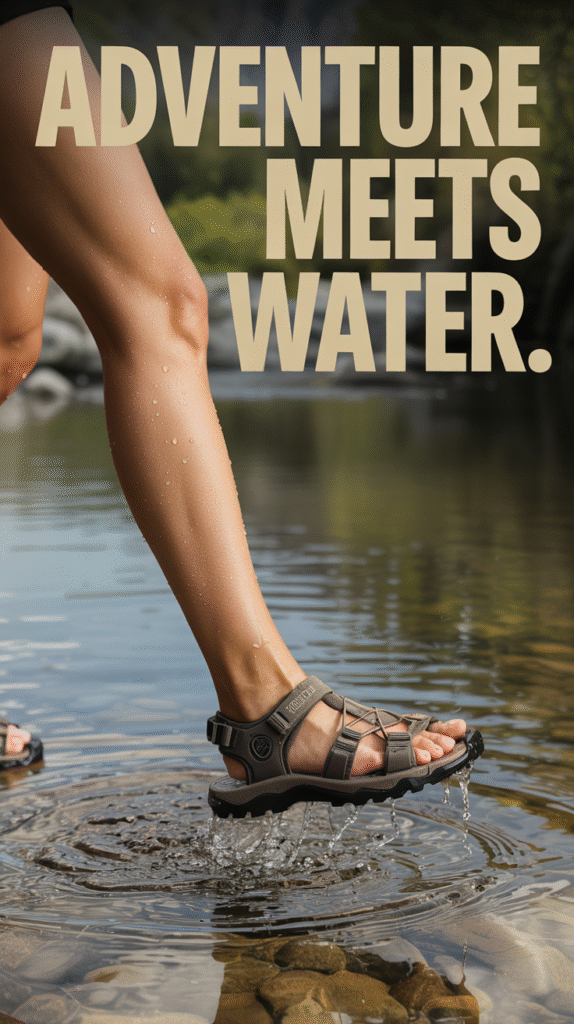
Vibram or Aquagrip outsoles grip wet rocks better than standard rubber. Quick-drying webbing and adjustable straps mean the sandals fit securely without holding water against your skin.
Toe bumpers protect against submerged rocks you can’t see in murky water. EVA midsoles cushion your feet on uneven stream beds where you’re walking more carefully than on regular trail.
Light-Colored Breathable Fabrics for Peak Summer Temperatures
Light-colored clothing reflects sunlight instead of absorbing it into the fabric. Merino wool, linen, and nylon blends wick sweat while letting air circulate against your skin.
UPF 50+ ratings block UV radiation without relying on sunscreen that sweats off in the first hour. Open weaves enhance evaporative cooling, which is your body’s primary defense against overheating on exposed ridges.
Transitional Outerwear Layers for Unpredictable Spring Conditions
Merino wool base layers regulate temperature while wicking moisture better than synthetics. Breathable fleece midlayers add insulation without trapping so much heat you overheat on climbs.
Packable waterproof shells with pit zips and adjustable hoods handle sudden rain and wind without taking up half your pack. This three-layer system lets you fine-tune your temperature in five-degree increments.
Durable Pants for Protection Against Bugs and Overgrowth
Tight-weave nylon and polyester fabrics physically block mosquito bites through the material. Permethrin treatment adds chemical protection that survives the lifetime of the garment through dozens of washes.
Articulated knees and gusseted crotches let you move freely through dense vegetation without the fabric binding. The pants also shield your legs from thorns, poison ivy, and rough bark on overgrown trails.
Coordinating Colors and Styles for Trail-Ready Fashion
Bright colors stand out against natural backgrounds, which matters for safety when you need to be visible to other hikers or search parties. Contrast your clothing with the environment you’re hiking through rather than blending in.
Mix bold pieces with neutral tones to avoid looking like a walking highlighter. Classic patterns like plaid work across different trail settings without clashing.
Versatile Pieces That Layer From Warm to Cool Settings
Moisture-wicking base layers in synthetic or merino work from morning frost to afternoon sun. Insulating midlayers like fleece or lightweight puffers pack small when you don’t need them.
Waterproof shells compress into their own pockets for easy access when clouds roll in. Convertible pants and zip-neck tops give you adjustment options without carrying separate pieces.
Lightweight Trail Shoes for Spring and Summer Trekking
Trail shoes around 13 ounces move faster than boots on dry, well-maintained trails. Mesh uppers breathe better than leather in hot weather, but dry quickly after stream crossings.
Moderate lugs provide enough traction for most terrain without the aggressive tread that wears out fast on pavement. Protective toe guards and responsive foam cushioning handle rocky sections without the ankle support of full boots.
Functional Accessories That Combine Style and Season-Appropriate Performance
Wool buffs shift between headband, neck protection, and hat depending on conditions. Moisture-wicking gloves keep your hands warm without forcing you to remove them every time you need to adjust a strap. Trekking poles reduce impact on your knees during descents, which adds up over long days. UPF-rated hats in waterproof materials handle both sun exposure and unexpected rain.
Multi-Use Trekking Outfits for Both Trails and Everyday Wear
Moisture-wicking fabrics in neutral colors look normal at the grocery store after your hike. Semi-fitted cuts avoid the baggy, technical look while maintaining a full range of motion.
Practical pockets hold your essentials without obvious outdoor branding screaming “I just came from REI.” The same pieces that handle summit attempts work fine for running errands without requiring a complete wardrobe change.