Cooking over a campfire shouldn’t feel like a chore when you’re trying to enjoy the outdoors. The best camping meals are simple enough that you’re not spending your whole evening hovering over a fire, but tasty enough that you actually look forward to eating them.
You don’t need fancy equipment or culinary skills to make good food in the backcountry. A little planning and the right recipes go a long way, and none of the 15 here will have you hauling extra gear or scrubbing pots by headlamp for an hour.
Contents
- 1 Easy Camping Breakfasts
- 2 Baggie Omelets
- 3 Campfire Cinnamon Rolls
- 4 Hot Granola Breakfast
- 5 French Toast Sticks
- 6 Breakfast Burritos
- 7 One-Pot Camping Meals
- 8 Cheesy Asparagus One Pot Orzo
- 9 Bubble and Squeak
- 10 Camp Stove Chilaquiles
- 11 Sweet Potato Peanut Stew
- 12 Camping Mac & Cheese
- 13 Campfire Desserts
- 14 Apple Crisp
- 15 Campfire Banana Boats
- 16 Conclusion
Easy Camping Breakfasts
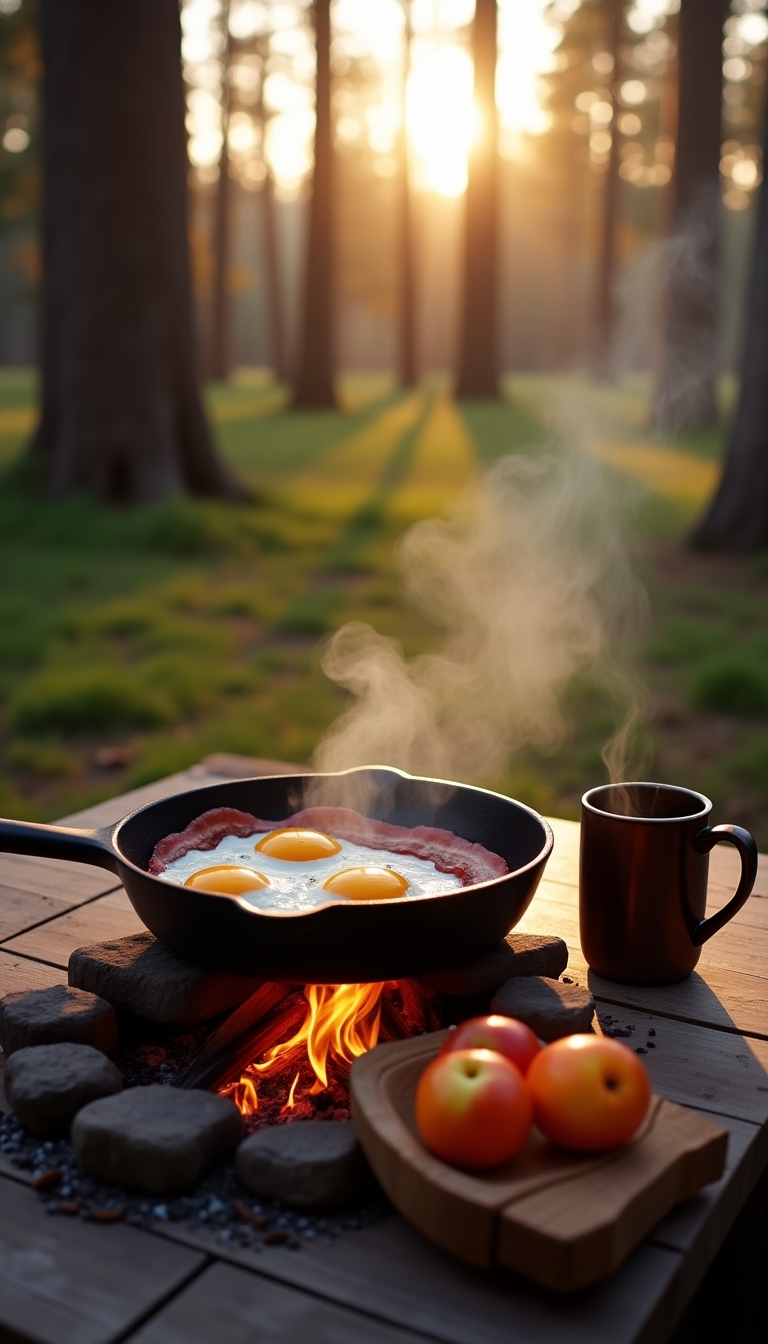
Breakfast at camp sets the tone for your day, so it needs to be quick, filling, and actually worth eating. Campfire cinnamon rolls take almost no effort if you buy the premade dough, and they taste like a treat instead of trail food.
Potato and egg scrambles give you protein and carbs in one pan, while baked oatmeal can be prepped the night before and warmed up in the morning. Overnight oats require zero cooking at all; just mix them before bed and eat them cold when you wake up.
Baggie Omelets
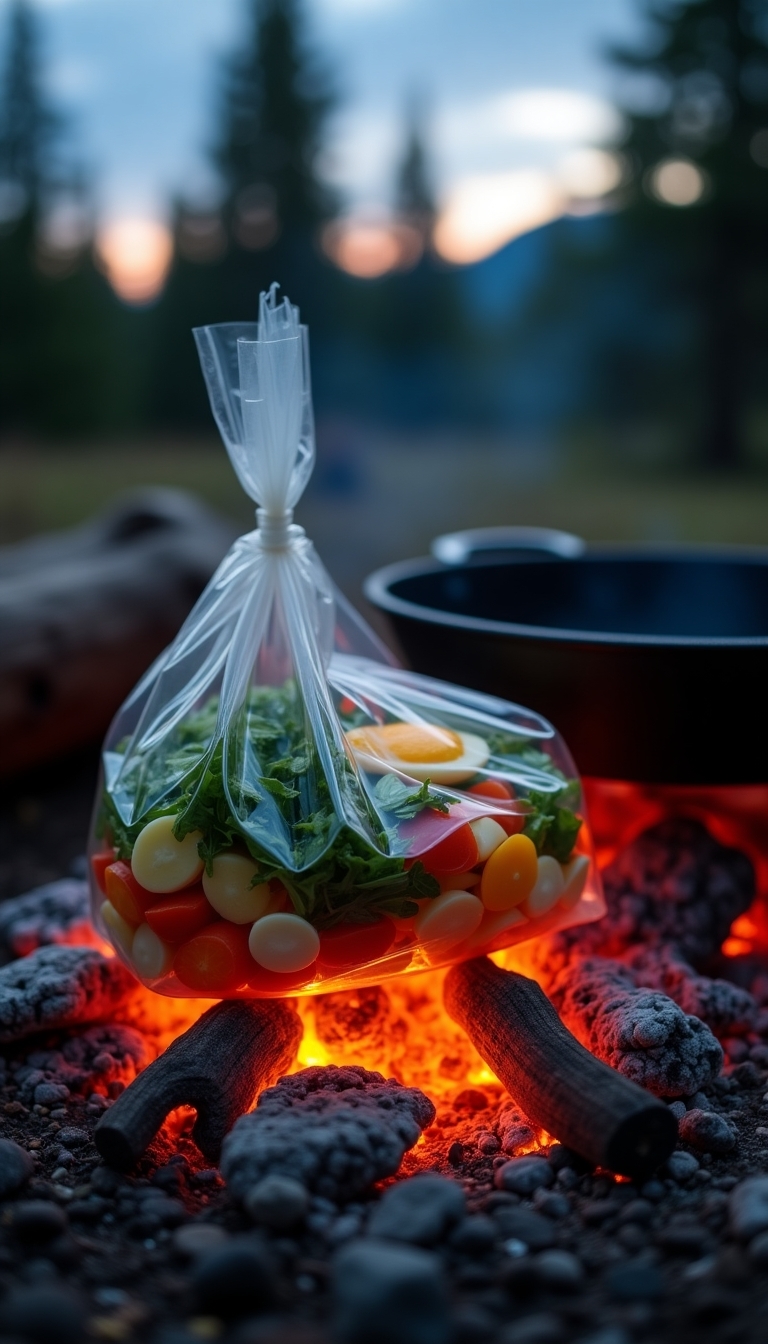
Baggie omelets solve the problem of cooking multiple breakfasts at once without needing separate pans for each person. Crack two eggs into a quart-sized freezer bag, add cheese, vegetables, cooked meat, salt, and pepper, then seal it and squish everything together.
Drop the sealed bag into a pot of boiling water and let it cook for 12 to 15 minutes until the eggs set. Each person can customize their own omelet, and cleanup is basically nonexistent since you’re just tossing the bags when you’re done.
Campfire Cinnamon Rolls
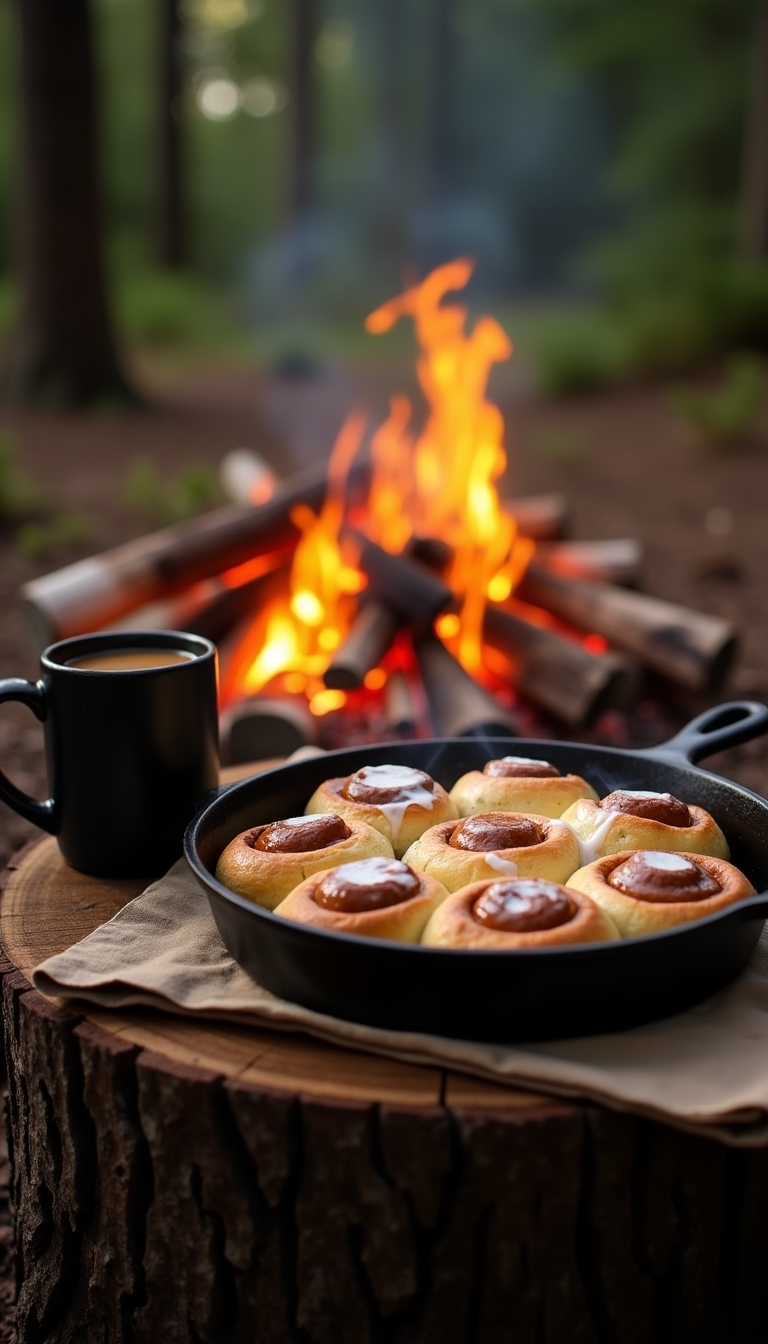
Premade cinnamon roll dough turns into something special when you cook it over a fire instead of in an oven. You can cook them in a cast-iron skillet over moderate heat for about 15 minutes, rotating the pan occasionally so they brown evenly.
For a campfire twist, hollow out orange halves, fill them with the dough, wrap them in foil, and nestle them in the coals. The orange keeps the rolls moist and adds a subtle citrus flavor that works surprisingly well with cinnamon.
Hot Granola Breakfast
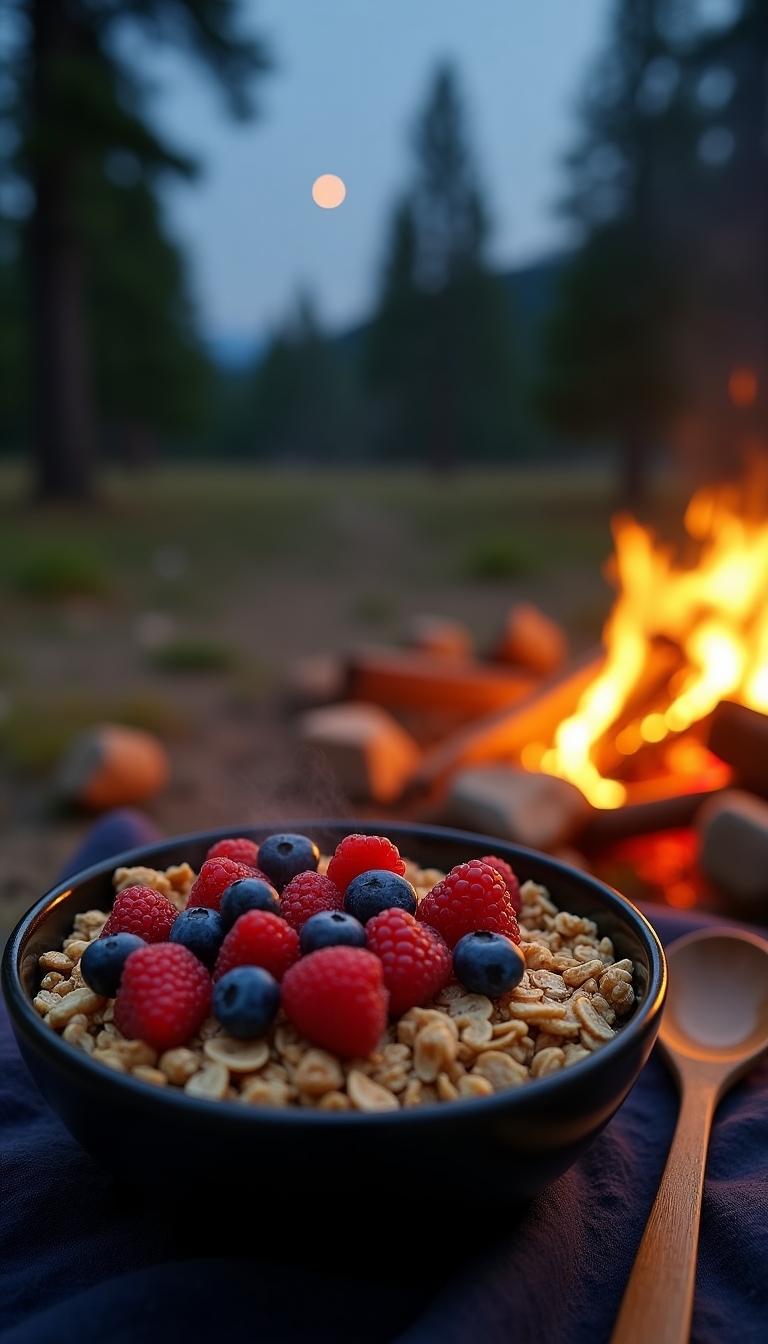
Hot granola gives you more substance than cold cereal and cooks faster than most breakfast options. Start with oatmeal flakes and add butter, brown sugar, salt, dried fruit, and nuts in whatever combination sounds good.
Cook it in a skillet or wrap portions in foil packets and heat them over the fire. At around 760 calories per serving, this breakfast will keep you fueled through a long morning hike without needing a snack an hour later.
French Toast Sticks
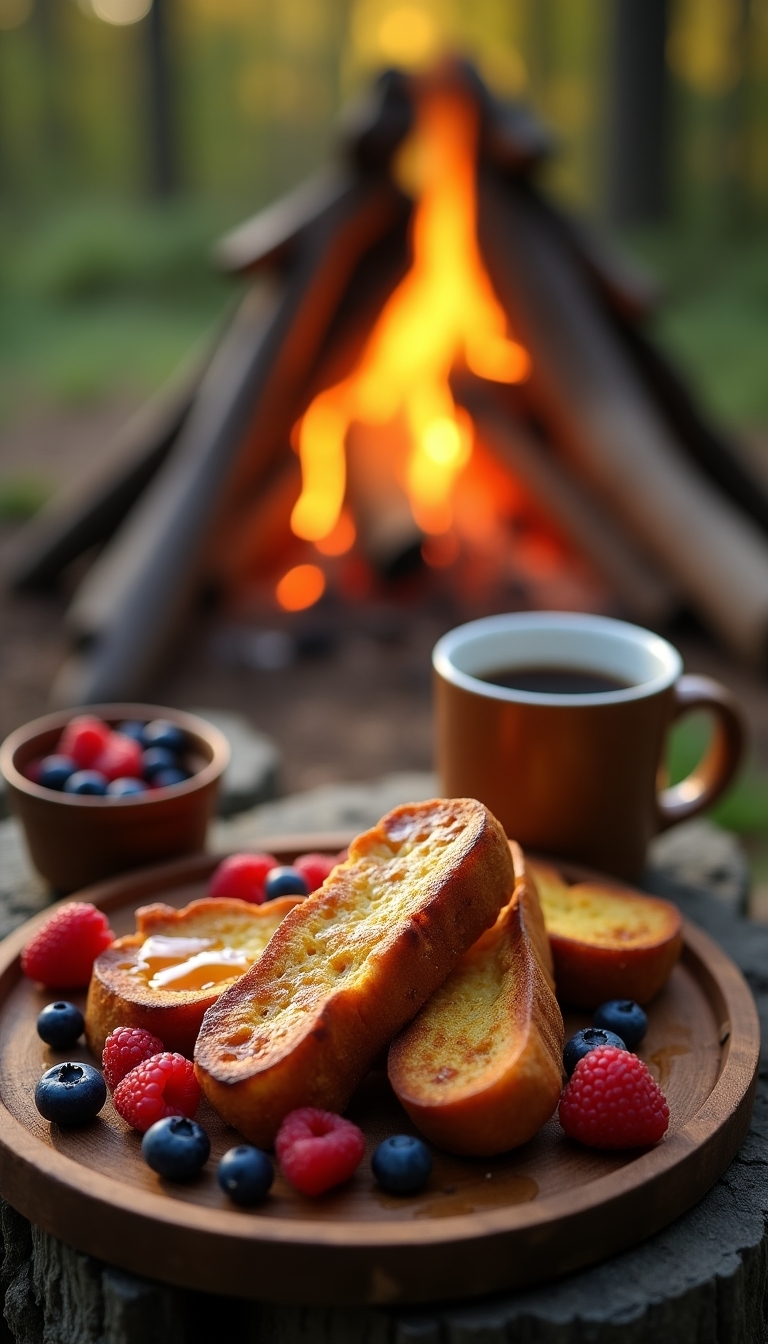
French toast sticks are easier to manage over a campfire than full slices because they cook faster and flip more easily. Use thick bread like Texas toast, cut into strips about an inch and a half wide, so they hold together when you dip them.
Mix your batter at home with eggs, milk, sugar, cinnamon, and salt, then store it in a sealed container until you’re ready to cook. Fry the sticks in butter over medium heat for about three minutes per side, and serve them with syrup or fresh berries.
Breakfast Burritos
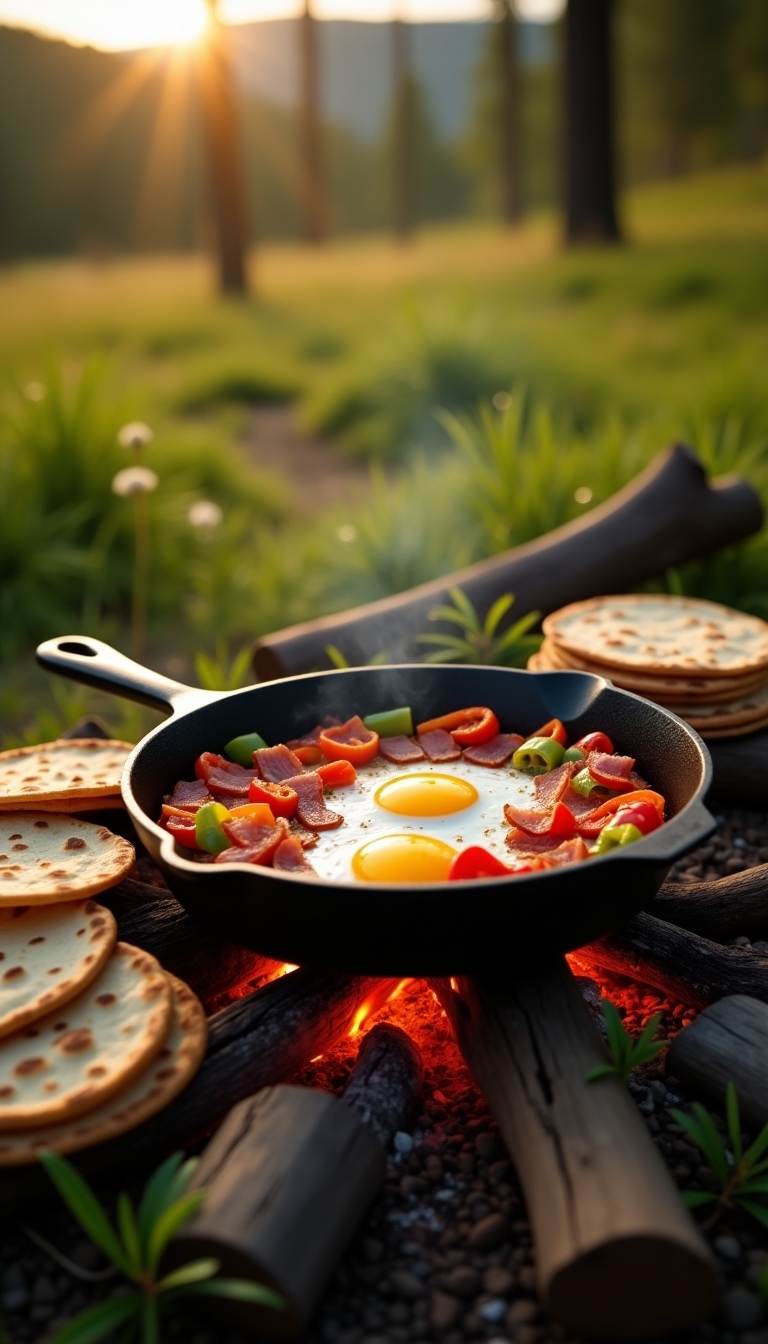
Breakfast burritos pack everything you need into a tortilla that you can eat with one hand while breaking down camp. Brown some sausage in a skillet, scramble eggs with diced chiles or onions, add crispy potatoes and cheese, then wrap it all up.
Make them ahead of time, wrap them in foil, and refrigerate or freeze them until your trip. When you’re ready to eat, just warm them over the fire for a few minutes, and you’ve got a complete breakfast.
One-Pot Camping Meals
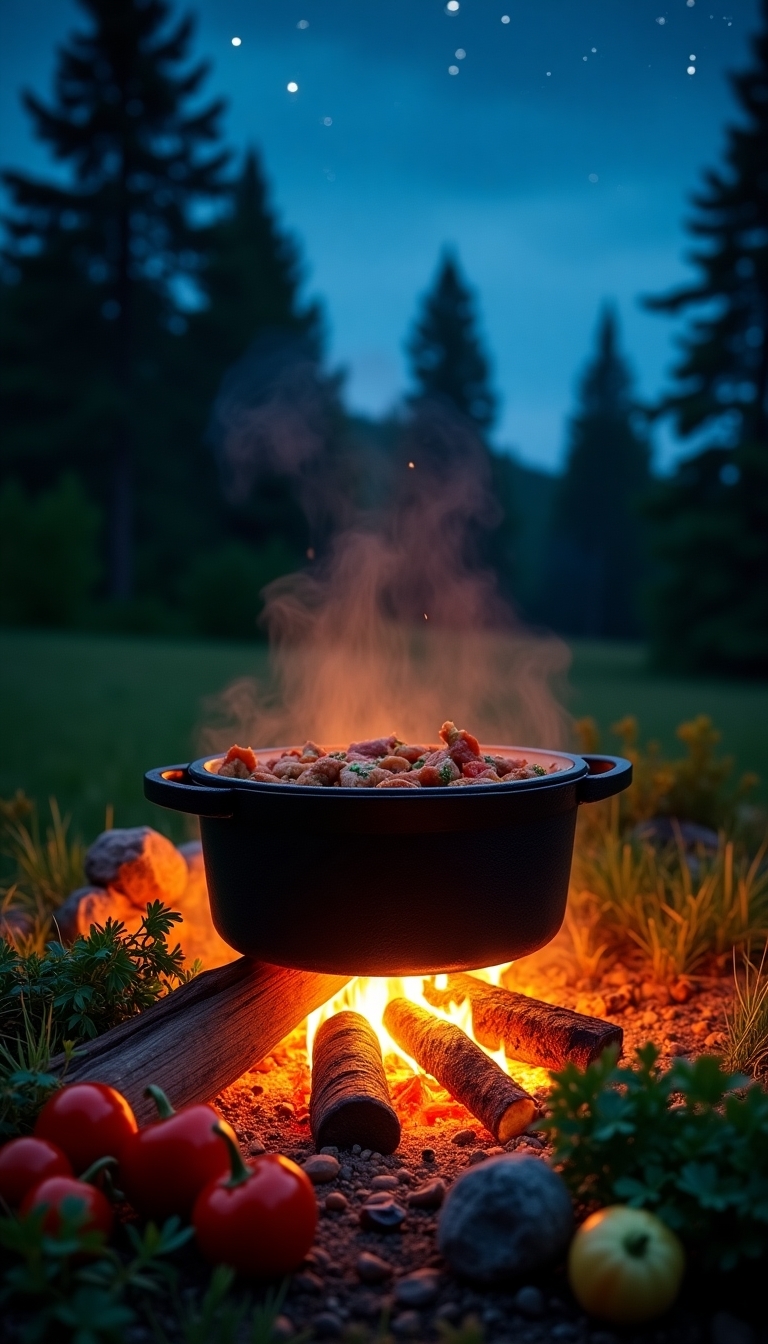
One-pot meals are worth their weight in gold when you’re camping because they mean less to carry, less to clean, and less time cooking. You can make everything from beef stroganoff to stir-fries in a single pot or skillet.
Pre-measure your ingredients at home and pack them in bags or containers so you’re not trying to portion things out at the campsite. The fewer dishes you dirty, the more time you have to actually enjoy being outside instead of scrubbing pans.
Cheesy Asparagus One Pot Orzo
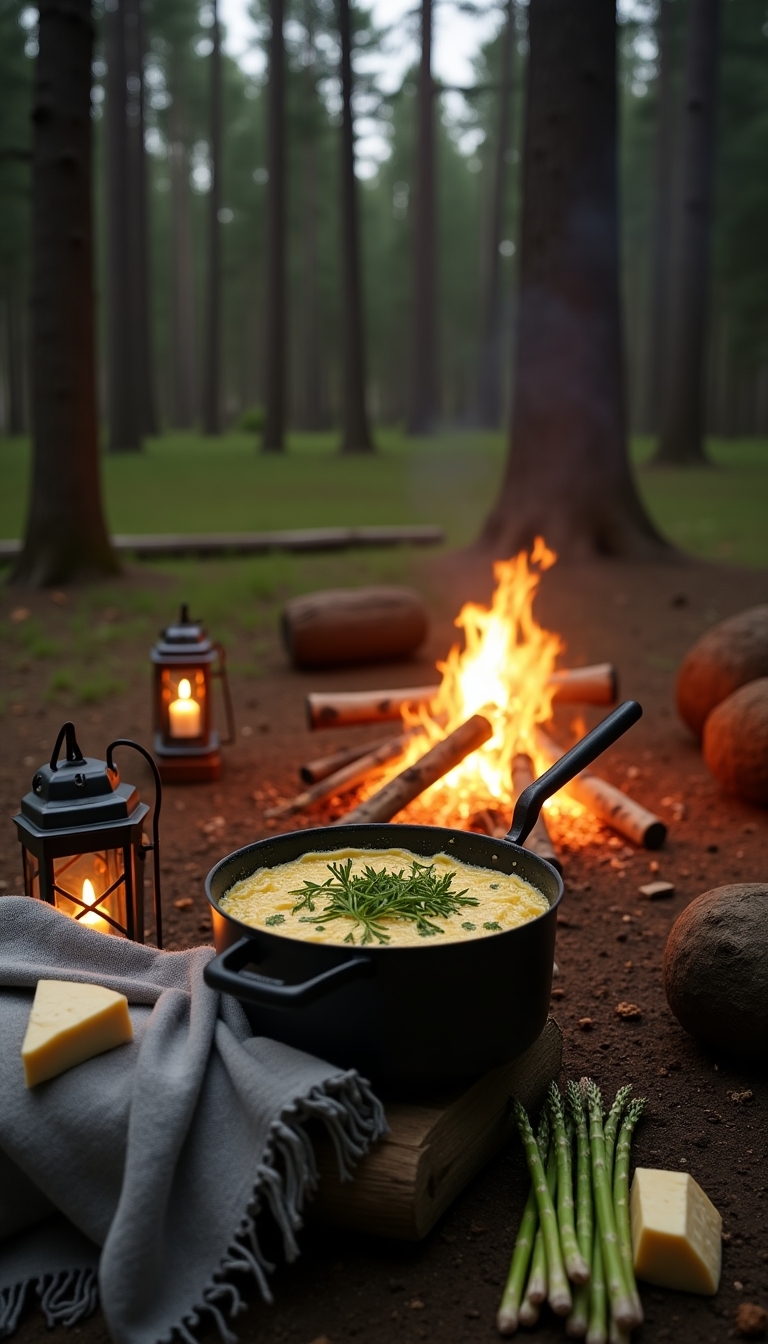
This orzo dish cooks entirely in one pot and takes about 20 minutes from start to finish. Boil the orzo, then add asparagus, garlic powder, herbs, sun-dried tomatoes, and a generous handful of shredded cheese.
The dish works as a vegetarian main, or you can add grilled chicken or tofu if you want more protein. At 523 calories and 22 grams of protein per serving, it’s substantial enough to be dinner without leaving you hungry an hour later.
Bubble and Squeak
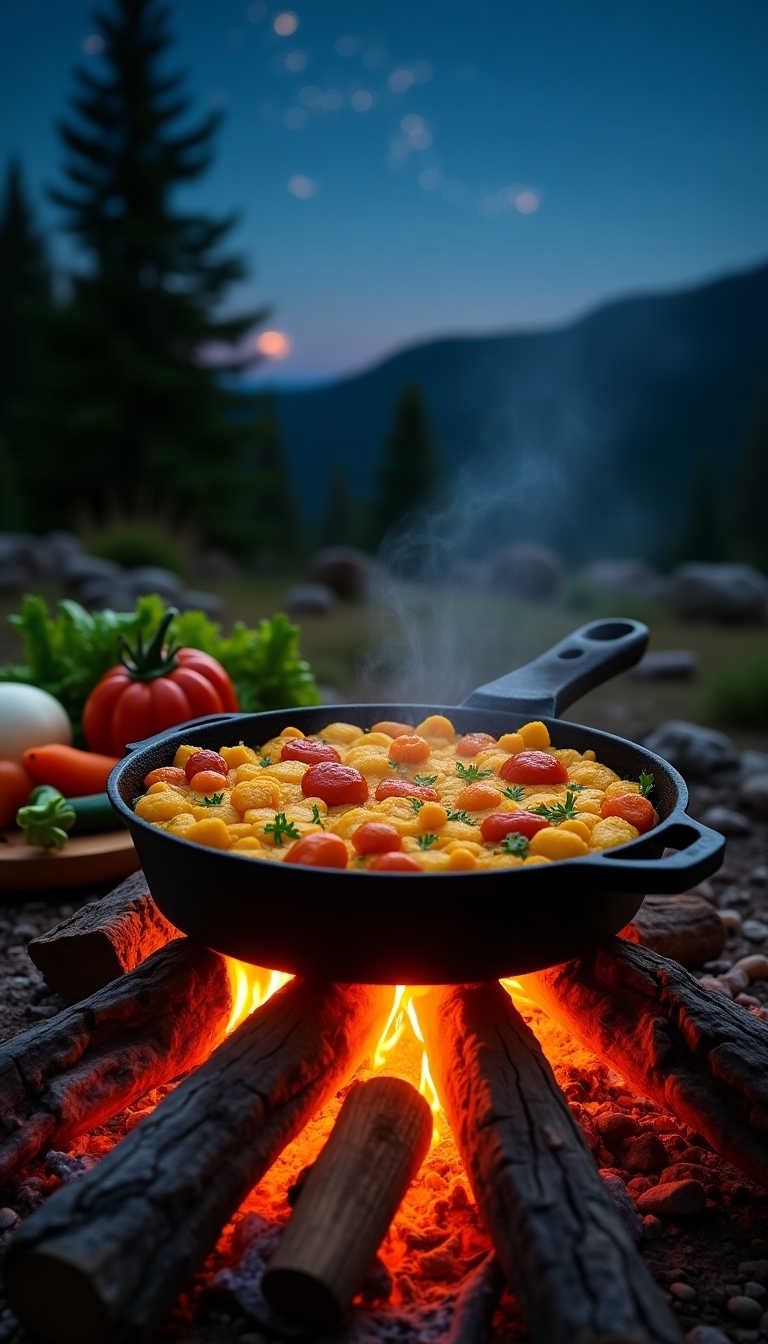
Bubble and squeak turns leftover vegetables into a meal instead of letting them go to waste in your cooler. The traditional version uses potatoes and cabbage, but you can throw in whatever vegetables you have left from previous meals.
Fry everything in a pan until it gets crispy and golden, or bake it if you have a camp oven. The dish gets its name from the sounds it makes while cooking, and it tastes better than you’d expect from something made with leftovers.
Camp Stove Chilaquiles
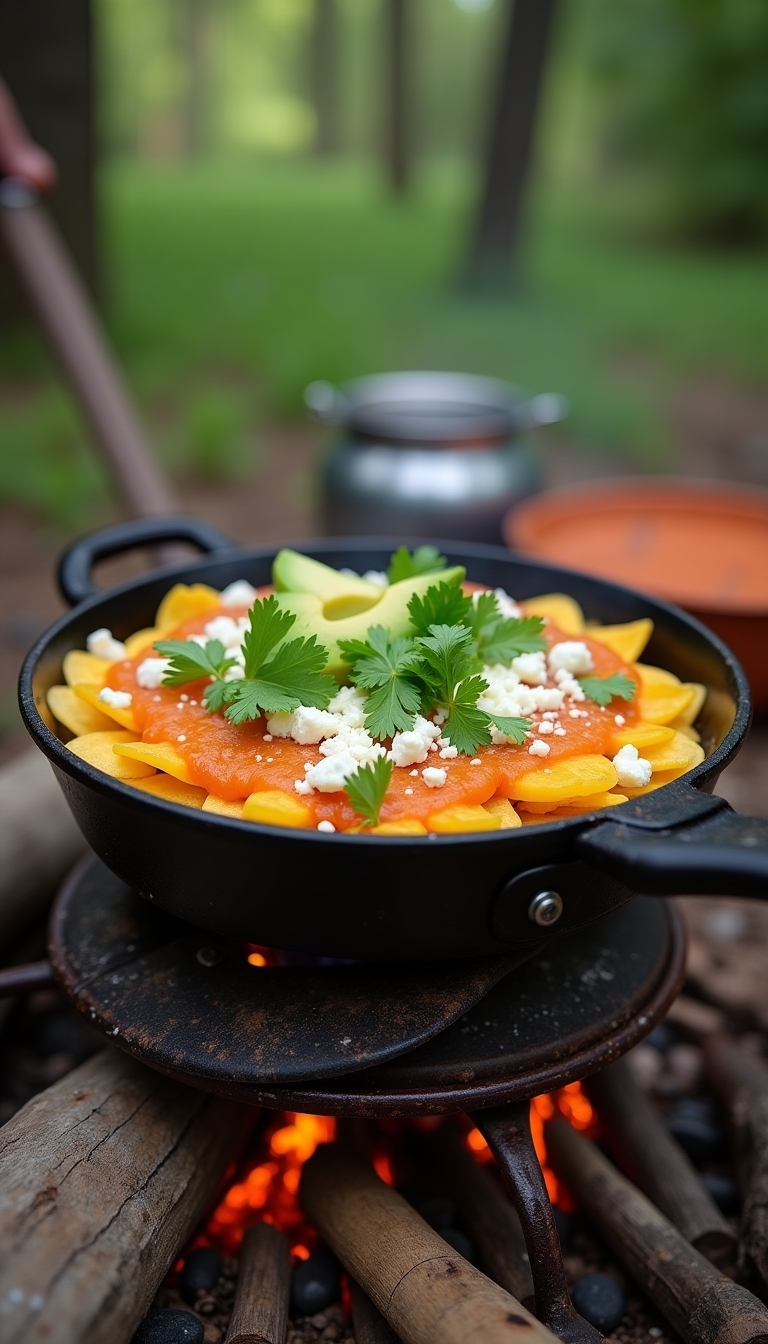
Chilaquiles come together in under 30 minutes and use ingredients that travel well and don’t need refrigeration. Fry corn tortilla wedges in oil until crispy, then simmer them in your choice of sauce with sautéed onions and garlic.
Crack eggs directly into the pan and let them cook in the wells you’ve made in the tortillas. Top with avocado, cilantro, cheese, or whatever you have on hand for a meal that works equally well for breakfast or dinner.
Sweet Potato Peanut Stew
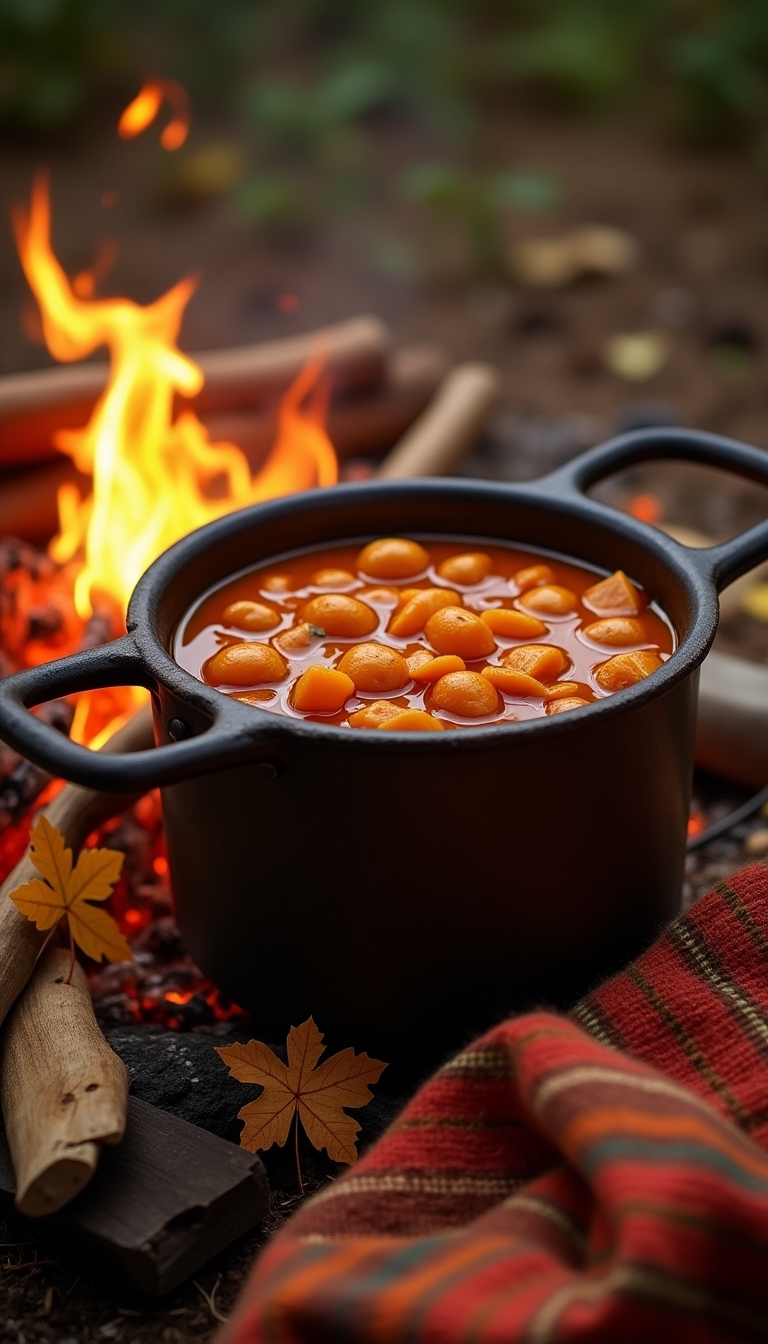
This stew draws from West African flavors and creates a filling meal that warms you up after a cold day outside. Sauté onions and garlic, add cubed sweet potatoes, broth, canned tomatoes, and a few spoonfuls of peanut butter for richness.
Let everything simmer until the sweet potatoes soften, then stir in chickpeas for extra protein. Add cumin, ginger, or other spices if you want more heat, and garnish with chopped peanuts or fresh herbs.
Camping Mac & Cheese
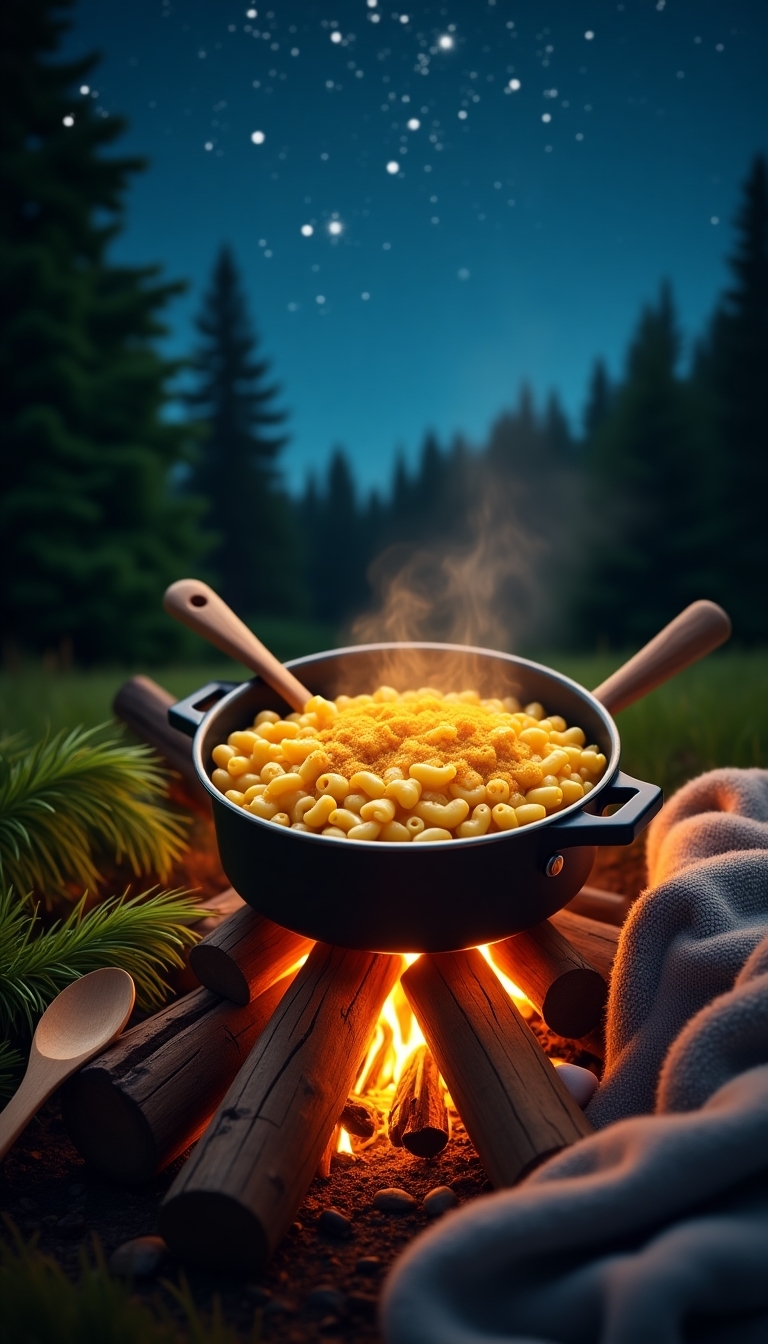
Mac and cheese cooked over a fire tastes better than the boxed stuff and isn’t much harder to make. Partially cook elbow macaroni at home, then mix it with Alfredo sauce, a blend of cheddar, mozzarella, and parmesan, plus a splash of milk.
Add cooked kielbasa or bacon if you want meat, then pack everything in an aluminum pan. Cook it over hot coals or on a grill for 15 to 30 minutes until the cheese bubbles and browns on top.
Campfire Desserts
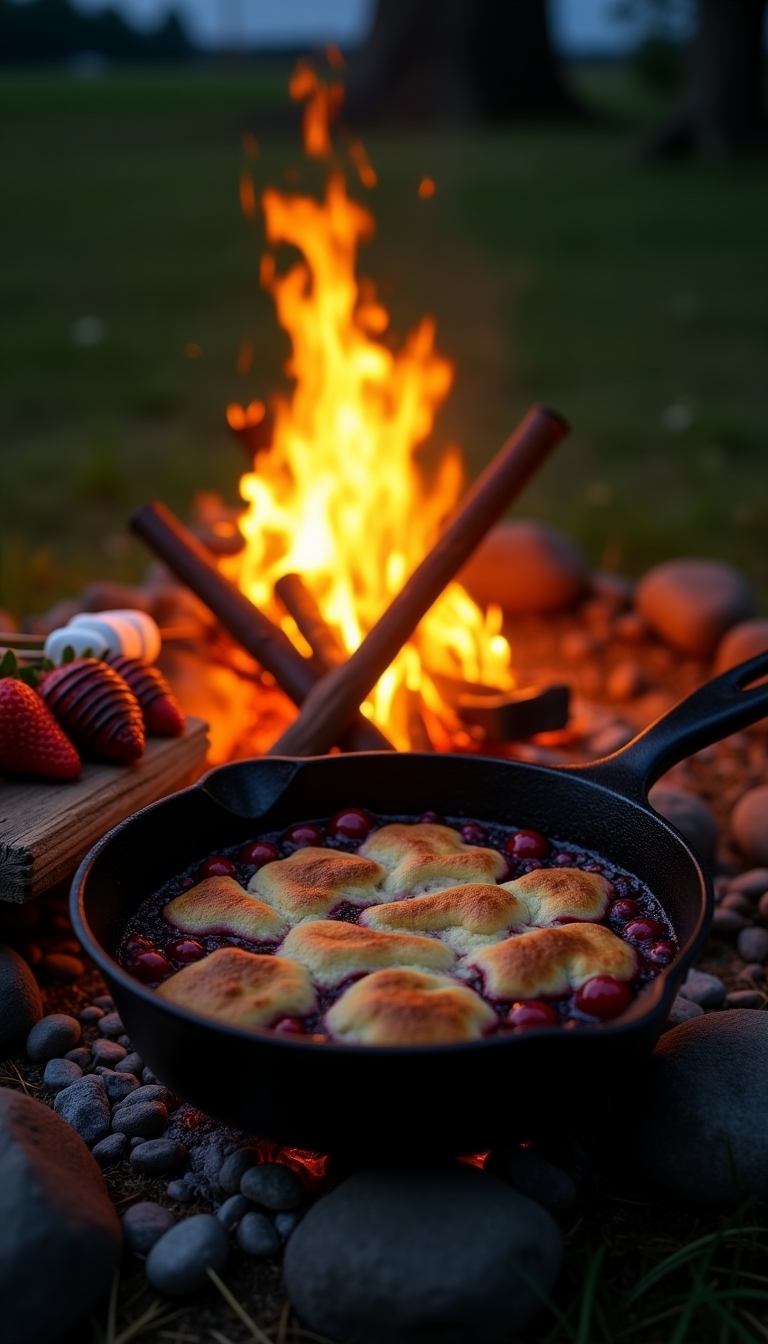
Dessert at camp doesn’t need to be fancy, just sweet enough to feel like a reward after a long day. Banana boats stuffed with chocolate and marshmallows are classic for a reason: they’re easy, and everyone likes them.
Campfire cones work the same way but use waffle cones instead of bananas. Baked apples with cinnamon and brown sugar taste like pie without the work, and foil packet berry crumble gives you fruit and a crumbly topping in one neat package.
Apple Crisp
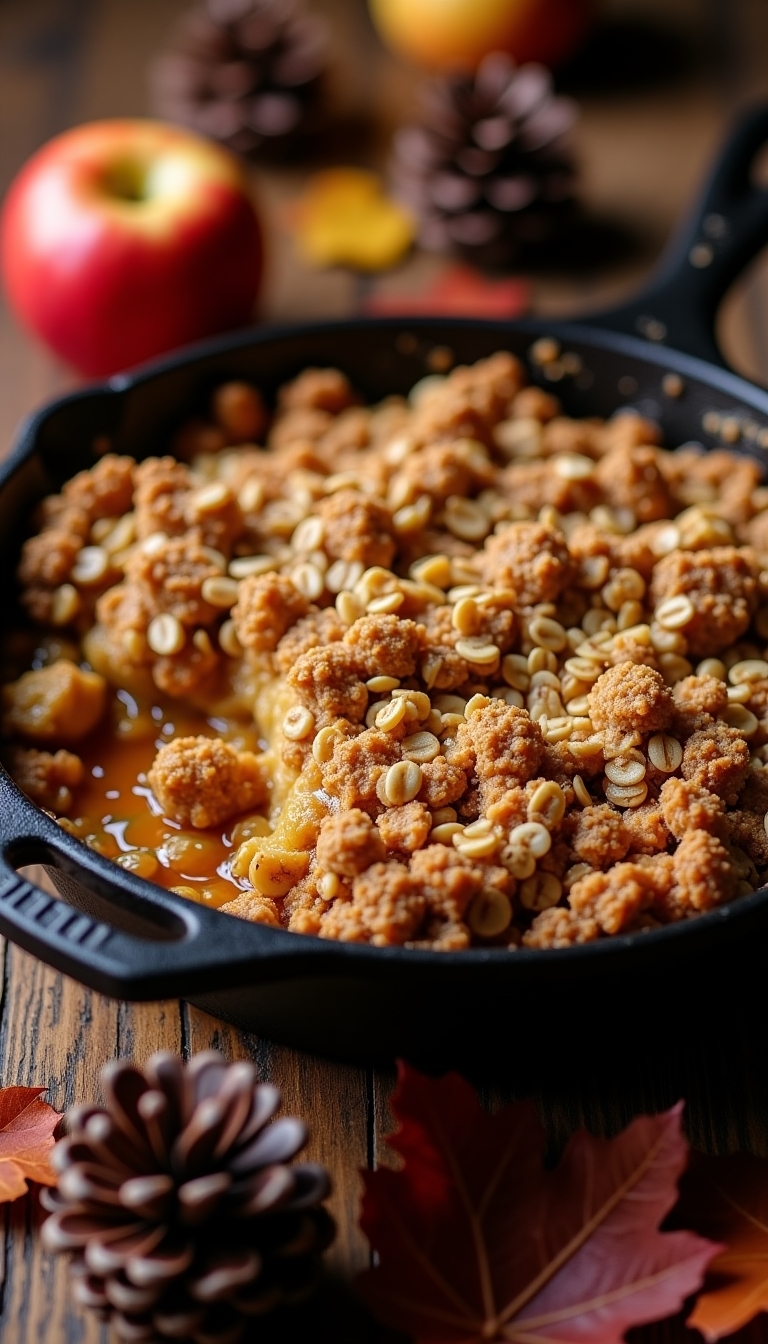
Apple crisp needs a mix of tart and sweet apples like Granny Smith and Honeycrisp to get the right balance of flavors. Combine sliced apples with brown sugar, oats, and melted butter, then cook them in a cast iron pot or divide them into foil packets for individual servings.
The whole thing takes 15 to 30 minutes over the fire and serves 6 to 8 people. Bring vanilla ice cream or caramel sauce if your cooler has room, because warm apple crisp is good but warm apple crisp with ice cream is even better.
Campfire Banana Boats
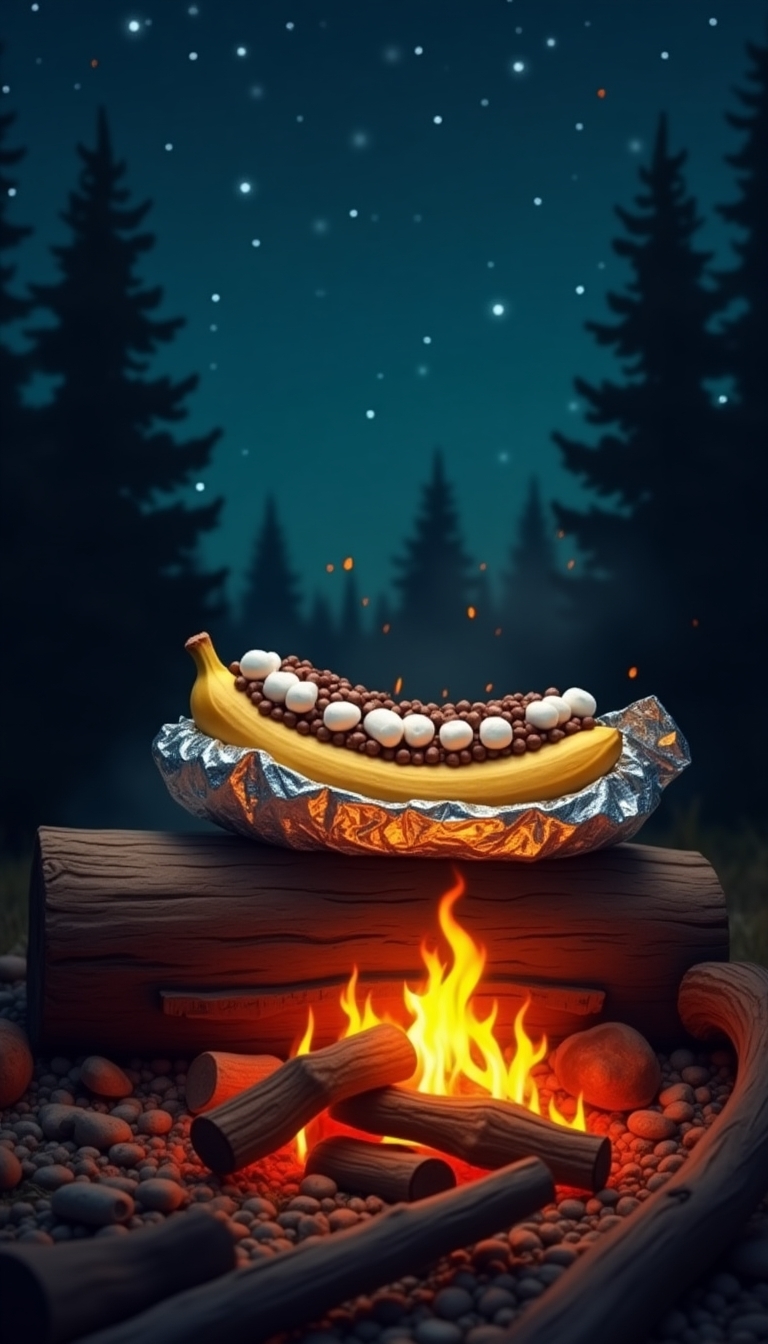
Banana boats are the easiest campfire dessert you can make, requiring no skill and almost no cleanup. Cut a banana lengthwise without slicing all the way through, then stuff it with chocolate chips, mini marshmallows, or Nutella.
Wrap the whole thing tightly in foil and set it in the hot coals for about 10 minutes until everything inside melts. Crushed graham crackers on top add some crunch and make it feel more like s’mores without the mess of roasting marshmallows.
Conclusion
Good camping food doesn’t require gourmet skills or complicated recipes, just a little planning and willingness to keep things simple. Start with one or two meals from this list on your next trip and see what works for your cooking style and the group you’re with.
The goal is to spend less time worrying about food and more time enjoying why you went camping in the first place. Pack smart, keep it simple, and eat well out there.