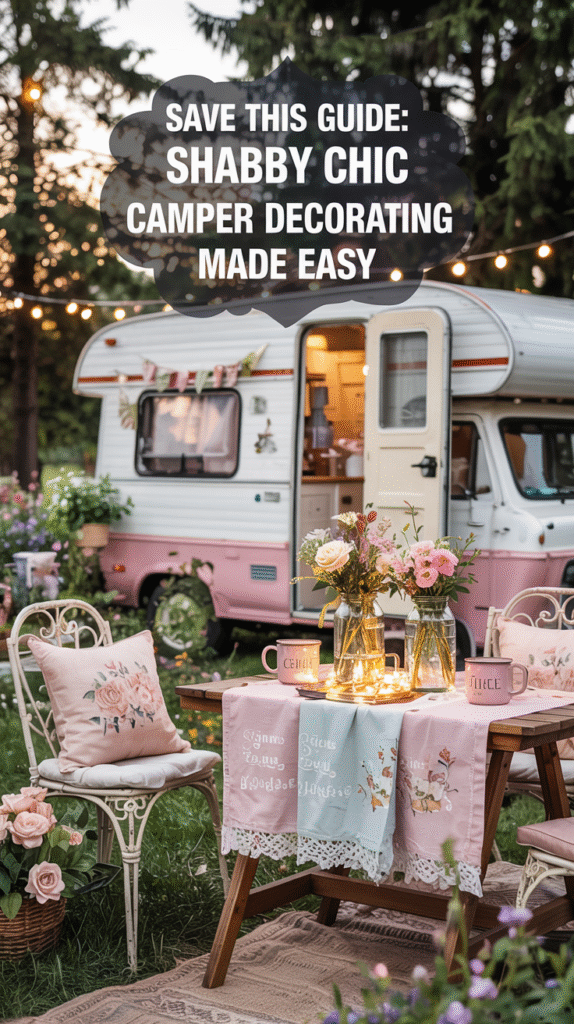
Shabby chic is one of those styles that looks effortless but takes a real eye to pull off in a small space. A camper gives you just enough room to get it right without overdoing it.
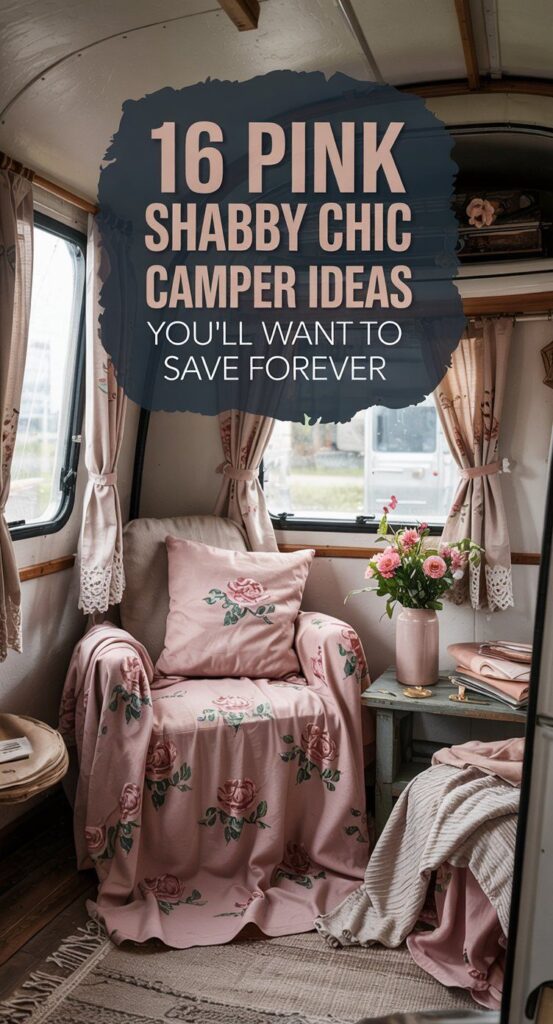
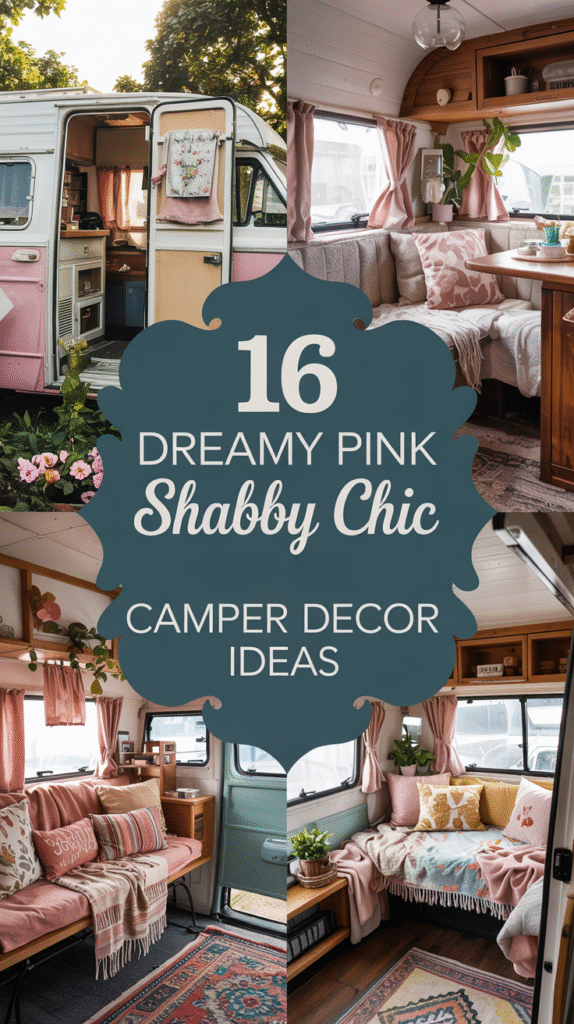
The whole philosophy leans into worn edges, soft color, and the kind of layered coziness that makes people want to stay a while. I’ve seen rigs decorated this way that felt more like a French countryside bedroom than a trailer, and the 16 ideas ahead show you exactly how to get there, pink florals and all.
Contents
- 1 Soft Pastel Color Palette
- 2 Floral and Lace Textiles
- 3 Layered Textures for Coziness
- 4 Slipcovered Seating
- 5 Pastel Cushions and Throws
- 6 Vintage and Distressed Furniture
- 7 Natural Textures With Rattan
- 8 Antique Lighting Fixtures
- 9 Decorative Vintage Accessories
- 10 Handmade DIY Accents
- 11 Warm Cozy Illumination
- 12 Strategic Plant Placement
- 13 Rustic Storage Solutions
- 14 Multifunctional Furniture
- 15 Outdoor Shabby Chic Spaces
- 16 Style Fusion Inspirations
Soft Pastel Color Palette
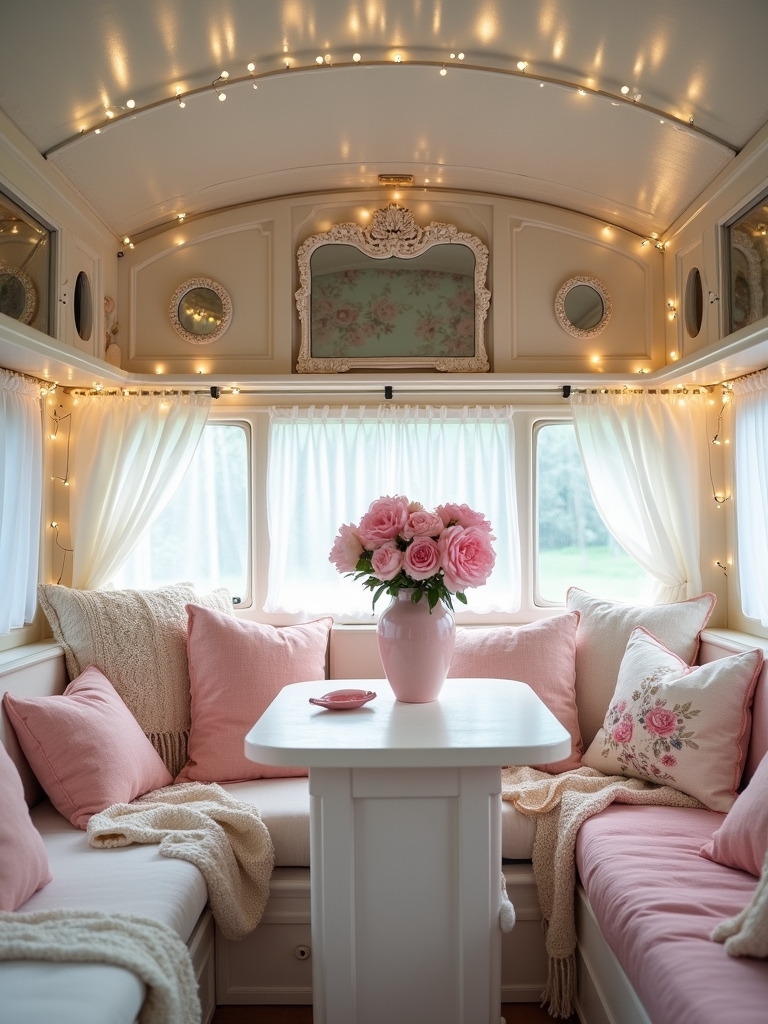
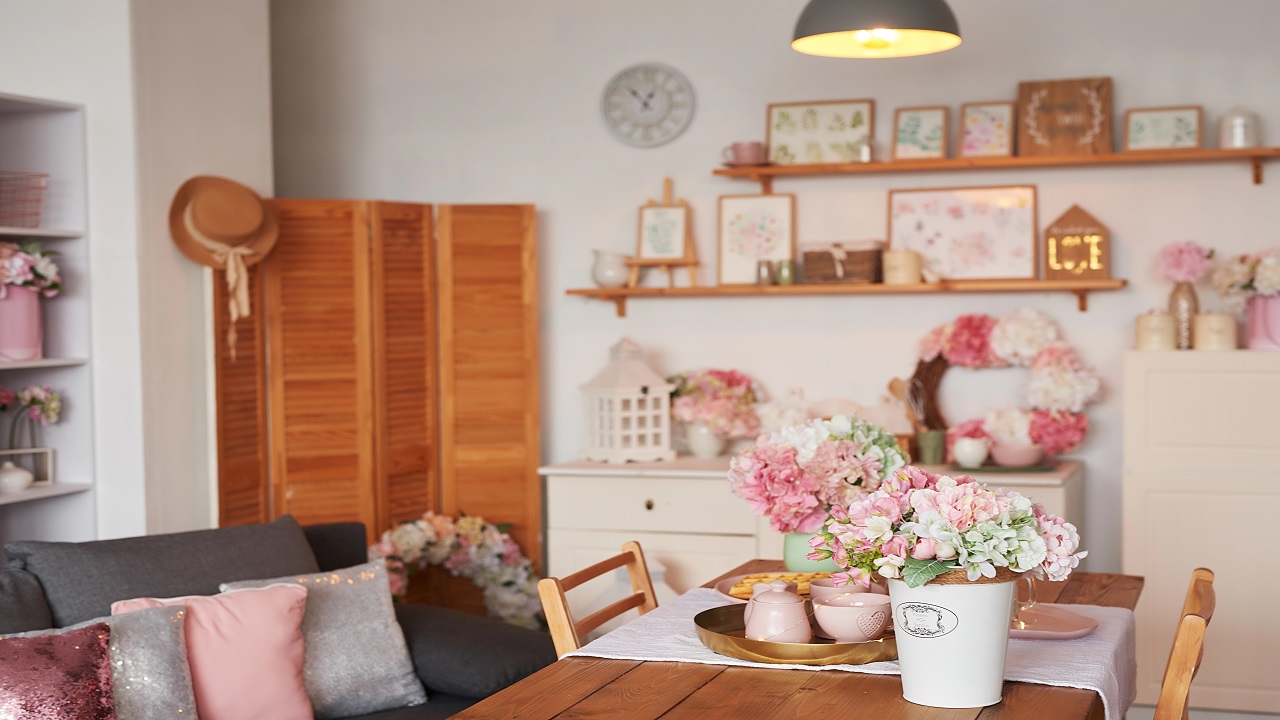
The color palette is where everything starts, and getting it wrong makes every other decision harder. Blush pink, dusty rose, pale teal, and muted lavender all work well together without fighting for attention.
Anchor those softer tones with off-white, cream, or warm sand on your larger surfaces like walls, cabinetry, and ceilings. That grounding layer keeps the space from feeling too sweet and gives the eye somewhere to land.
SEE THIS: Shabby Chic Camper Interior Ideas: 15 Purple Thrifted & Vintage Finds.
Floral and Lace Textiles
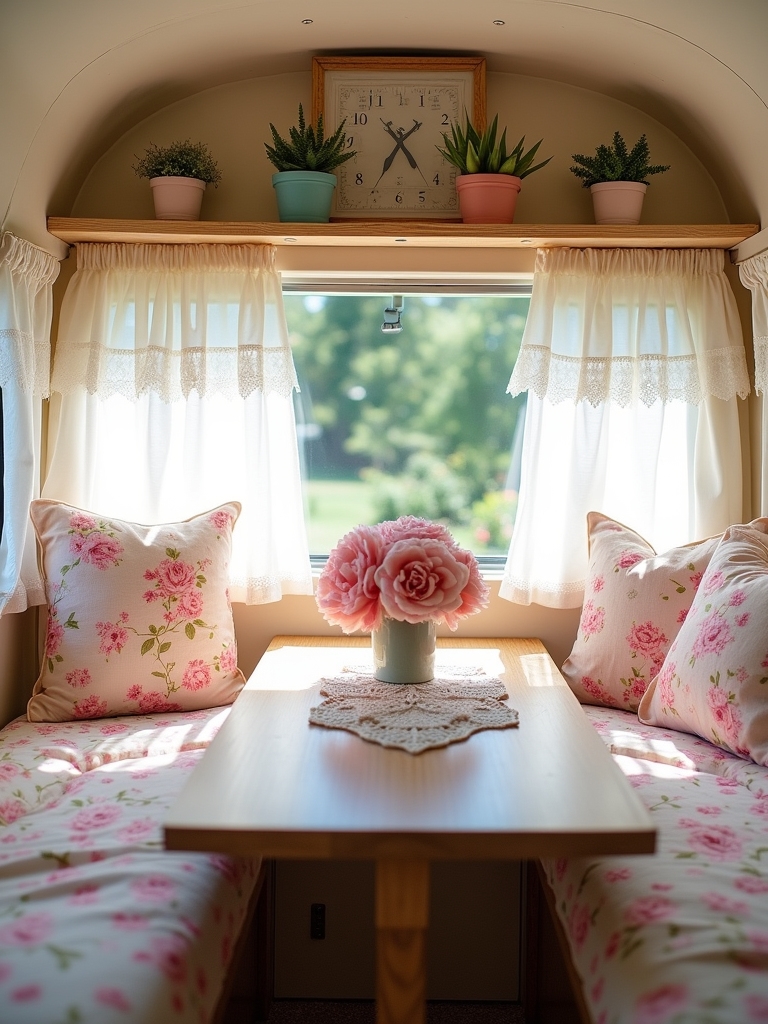
Florals in a camper work best when they stay in the soft pastel family rather than going bold and saturated. Rose prints on cushion covers or curtains in blush tones feel nostalgic without overwhelming a tight interior.
Layer in cotton lace, ideally in off-white or tea-dyed tones, for that authentic sense of age and wear. A lace-trimmed slipcover on a bench seat pulls the whole room into the same visual story.
SEE THIS: 18 DIY Camper Slide-Out Hacks That Make Space Magically Appear.
Layered Textures for Coziness
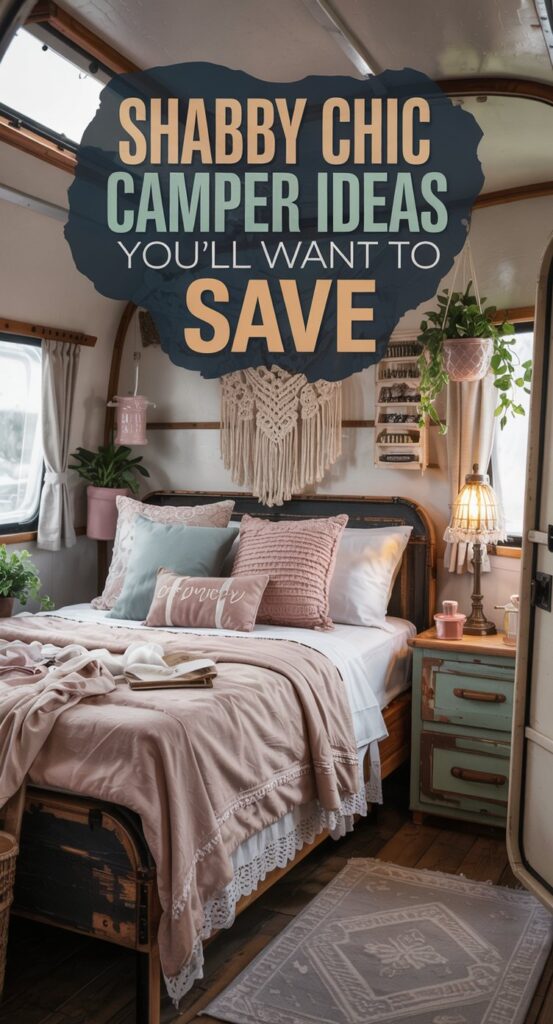
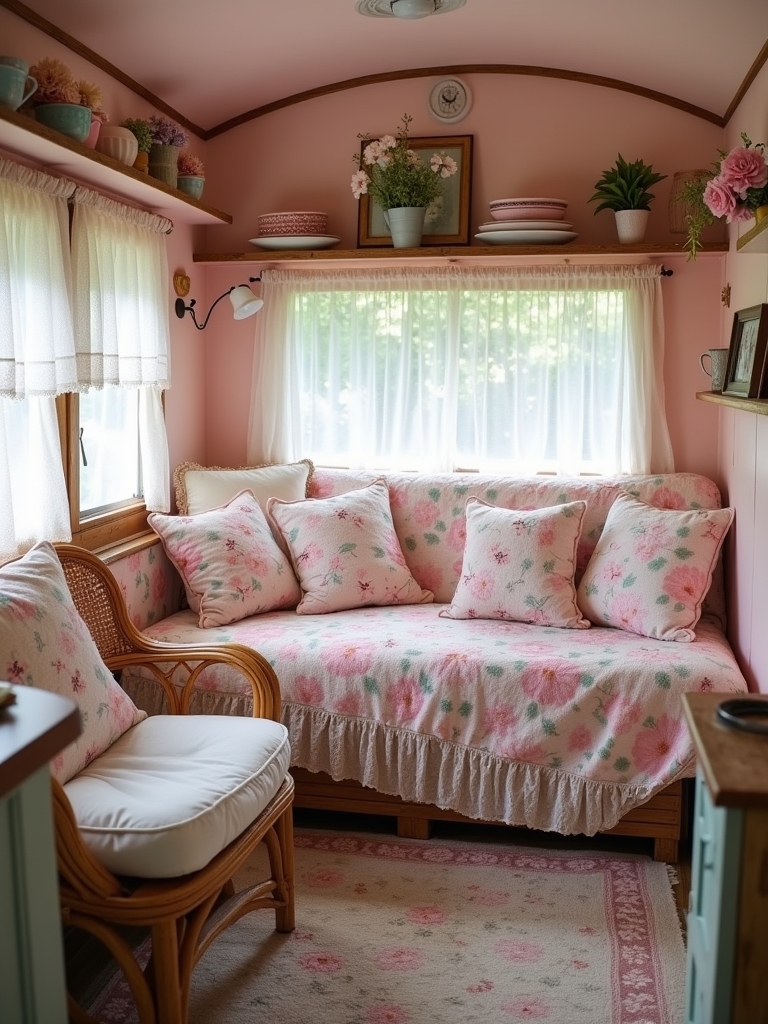
Texture is what separates a shabby chic camper that feels genuinely cozy from one that just looks like it’s trying.
Macramé wall hangings bring an artisanal quality to bare walls, and a small Oriental-style rug underfoot adds depth and warmth underfoot on cold mornings.
Mix cushion fabrics deliberately: velvet, linen, and cotton in the same seating area create a richness that a single fabric can’t. The goal is a space that looks like it accumulated naturally over the years, not one assembled in an afternoon.
SEE THIS: 17 Before & After: Camper Renovation That Doubled Living Space.
Slipcovered Seating
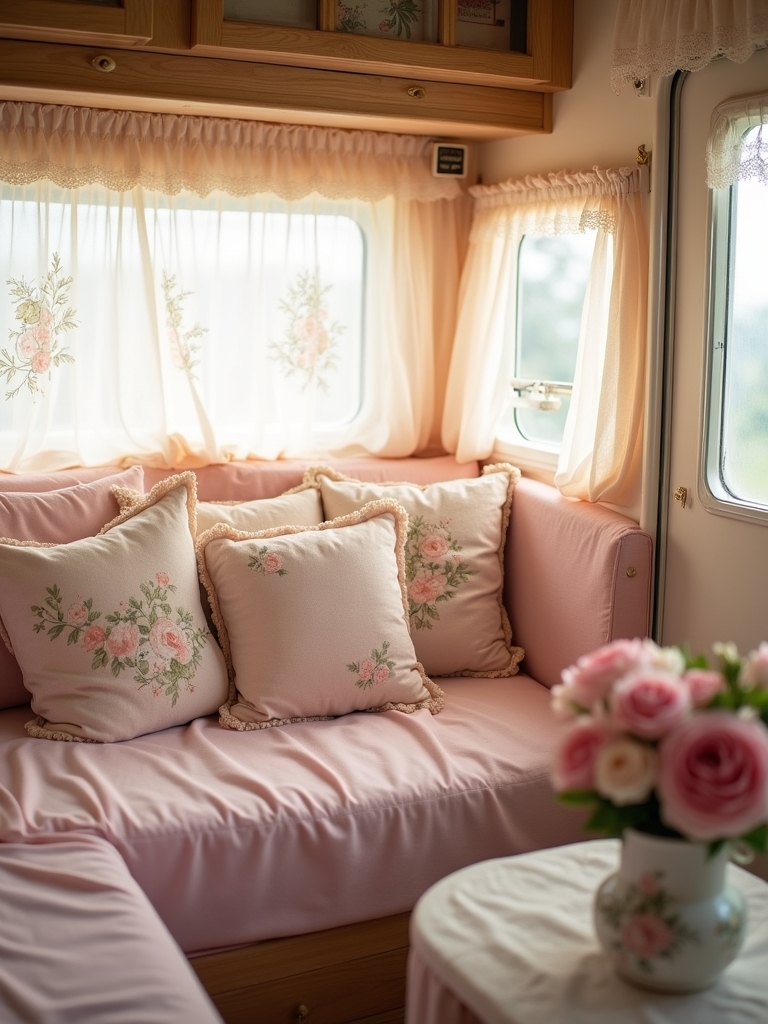
Slipcovered furniture makes more sense in a camper than almost anywhere else, and not just because it looks the part.
Choose removable, machine-washable covers in blush, mint, or creamy white, and you’ve solved one of the messiest problems in camper life before it starts.
Cotton and linen blends hold up well to the wear of travel while maintaining that soft, lived-in quality the style depends on. Lace trim or subtle embroidery along the edges adds a delicate detail that lifts the whole piece without asking much effort from you.
SEE THIS: 20 Rustic Farmhouse RV Exterior Styled for Every Seasons.
Pastel Cushions and Throws
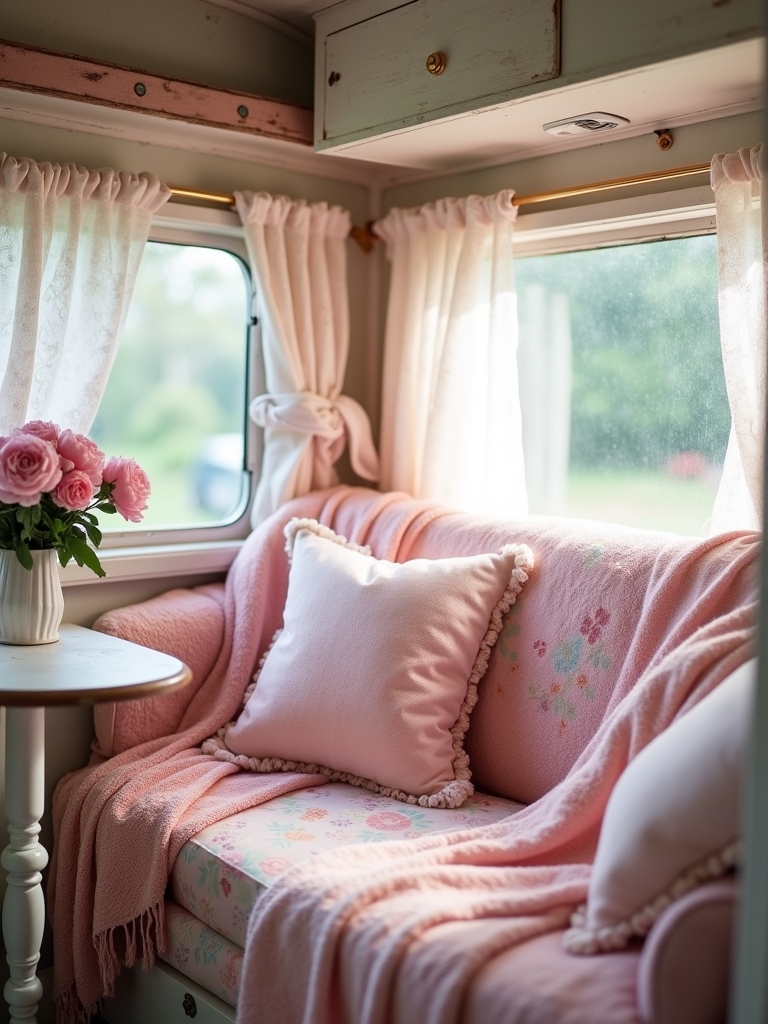
Once the seating is sorted, cushions and throws are where you can have some fun with color and pattern. Stack cushions in varying sizes across your seating, mixing floral prints with solid pastels so nothing feels too matched or stiff.
Linen and cotton fabrics breathe well in a camper and hold their shape through repeated use and washing. A light throw with fringed edges draped over the back of a chair adds warmth and doubles as a blanket on cool nights without taking up any dedicated storage space.
Vintage and Distressed Furniture
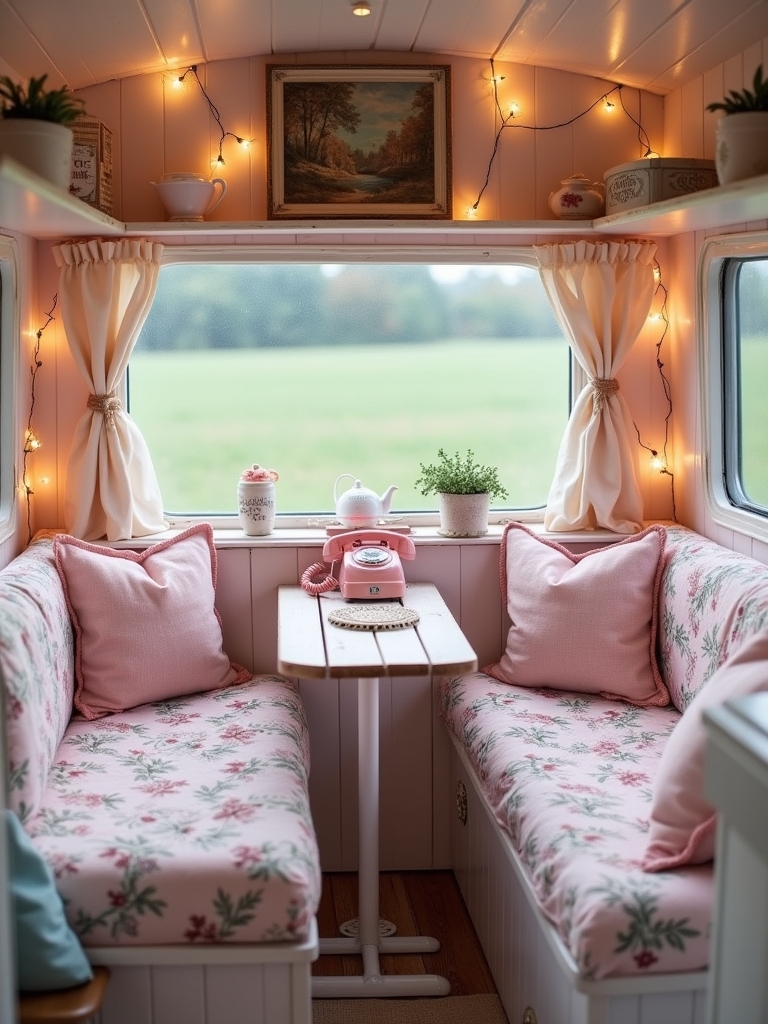
The furniture you choose sets the mood faster than almost any other element in the space. A small distressed wooden table, a loveseat with a worn patina, or a vintage trunk used as a coffee table all carry the right kind of history.
If you’re sourcing new pieces, light sanding the edges and a crackle finish can convincingly replicate that aged quality. Metal tins and painted wooden crates fill in gaps both decoratively and functionally, which matters when every inch counts.
Natural Textures With Rattan
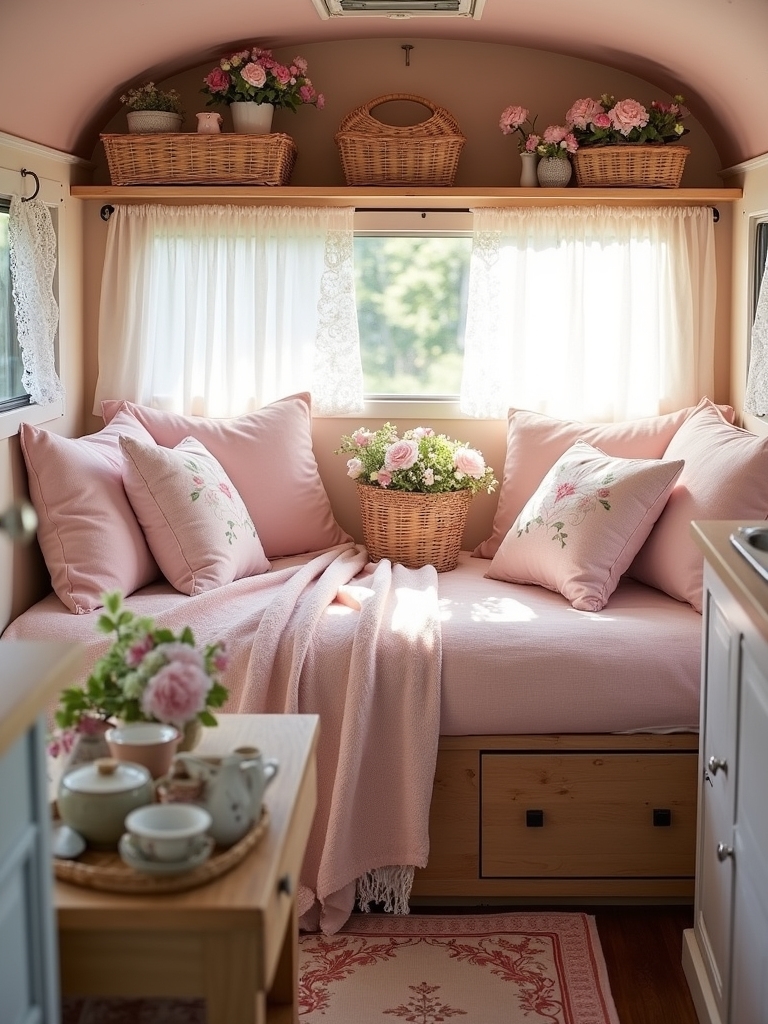
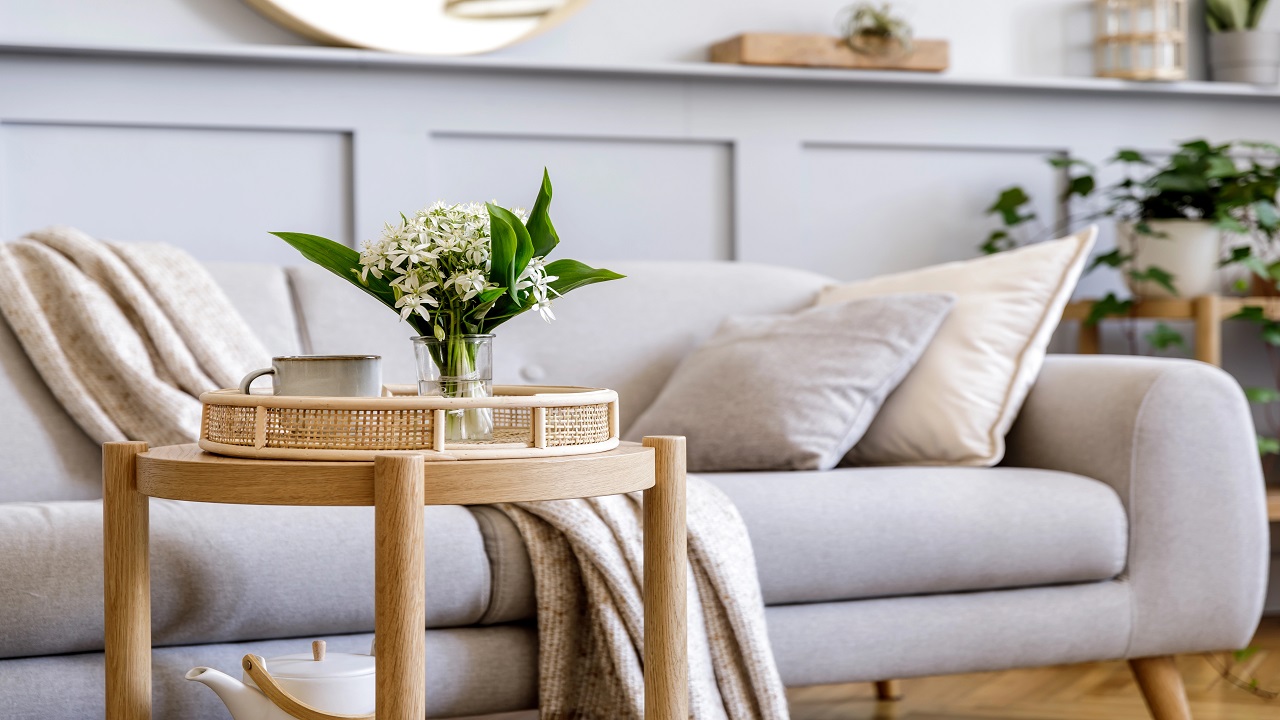
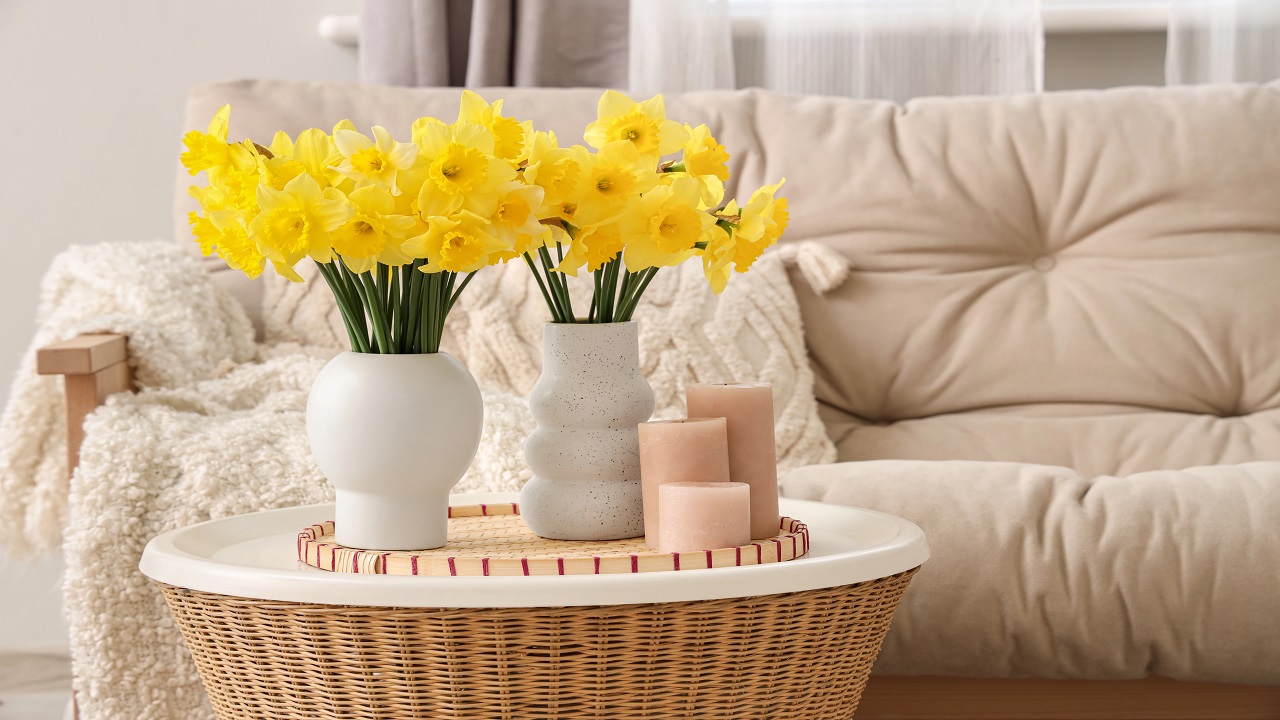
Rattan is one of the hardest-working materials in a shabby chic camper, and it earns that reputation every time. The earthy tones and natural fibers bring warmth to a small interior without adding visual weight.
An armchair with rattan sides or a set of woven storage baskets read as both practical and intentional, which is exactly what you need in a limited footprint. Pair rattan pieces with macramé cushions or a pastel throw to bring the natural textures back into the overall color palette.
Antique Lighting Fixtures
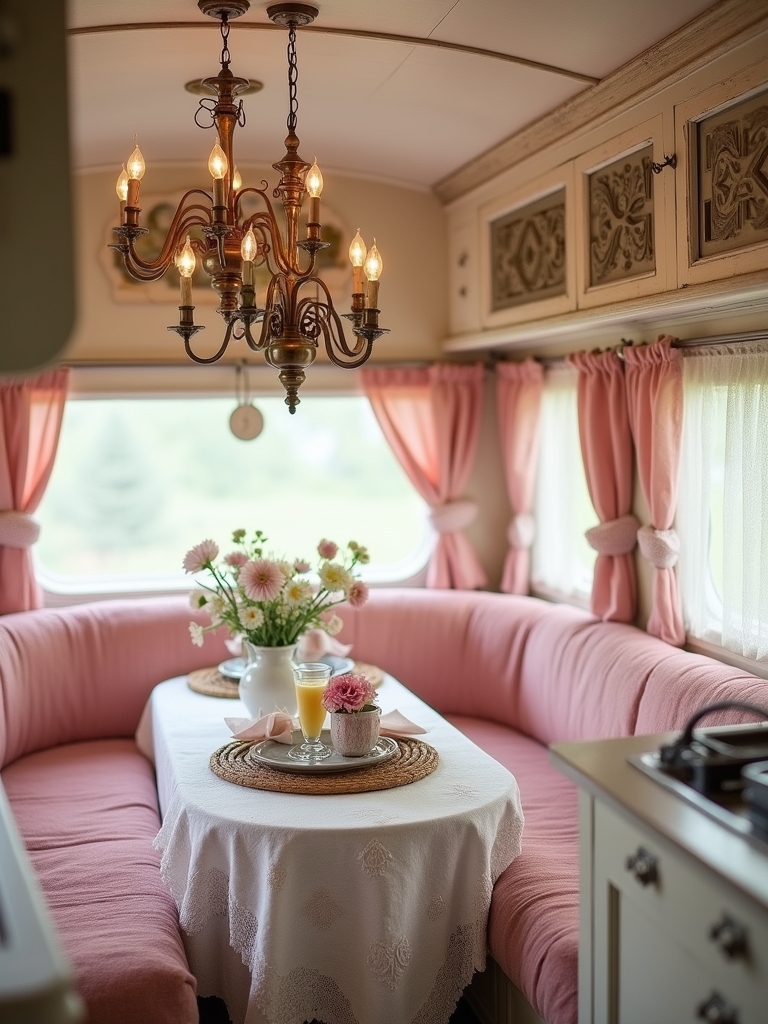
Lighting fixtures are one of the easiest ways to establish a vintage tone before anything else goes into the space. Wall sconces with distressed finishes and soft curves carry that antique character whether the light is on or off.
Frosted glass shades and wrought iron bases both read as period-appropriate and hold up well to the vibration of road travel. Make sure any vintage-style fixture uses modern wiring and safe electrical components, and choose dimmable bulbs so you can dial the atmosphere up or down as the evening calls for it.
Decorative Vintage Accessories
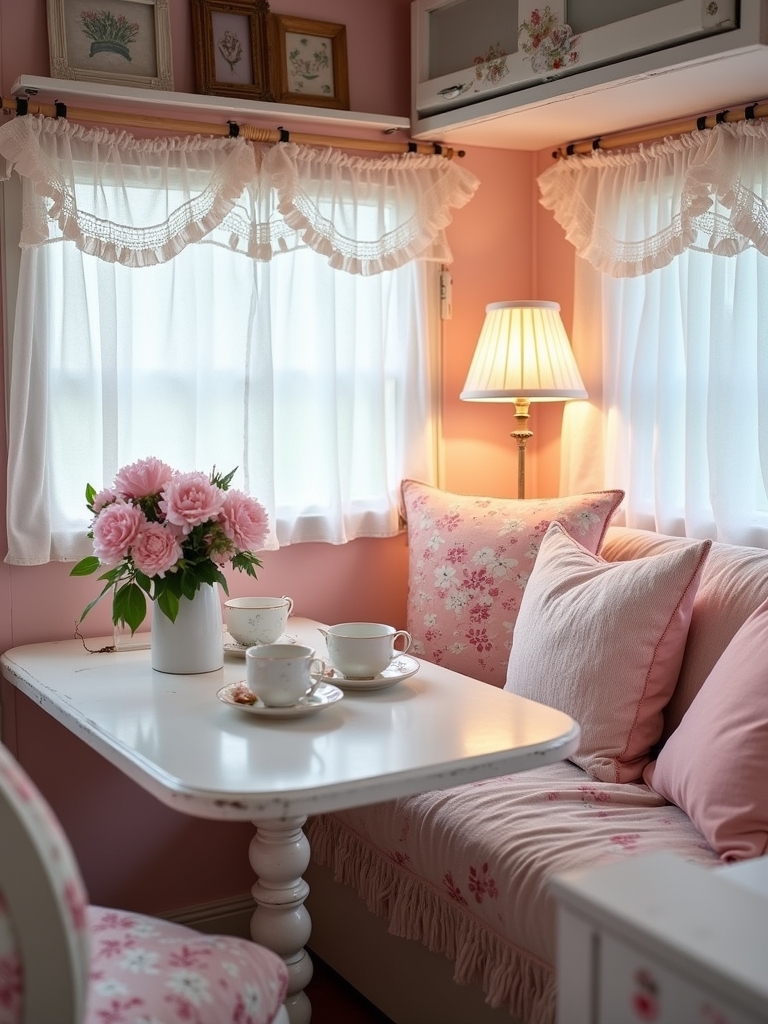
The accessories are where a camper gets its personality, and in this style, a few well-chosen pieces beat a crowded shelf every time. Mason jars earn their place as storage, vases, and display pieces all at once, while enamelware in soft pastel hues adds practical charm to the kitchen area.
Vintage clocks, old mirrors, and small picture frames personalize the space and bring in a sense of history without requiring much room. Woven baskets and painted crates do double duty as decor and storage, which in a camper is exactly the kind of efficiency that keeps a small space livable.
Handmade DIY Accents
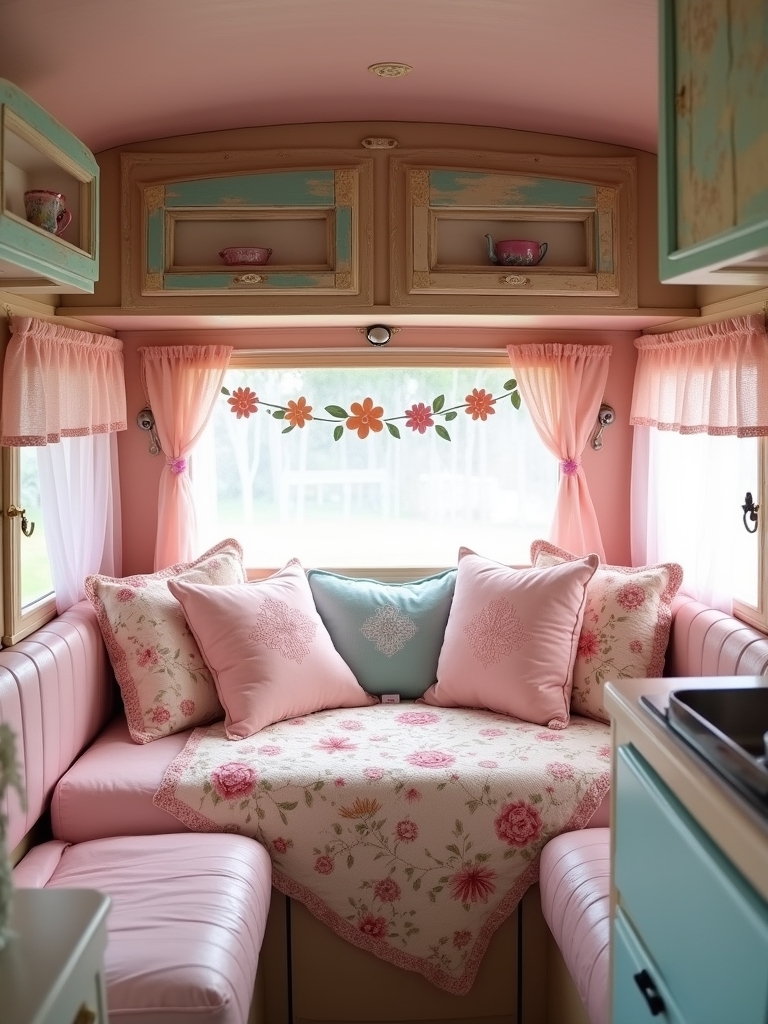
There’s something about a handmade detail that store-bought pieces simply can’t replicate, and in a shabby chic camper, that authenticity matters. A macramé wall hanging adds texture and a slightly boho quality that fits naturally within the broader style.
Distressed wood frames made from pallet scraps, fabric flowers stitched from remnant linen, and lace trim stapled along a shelf edge all give the space a made-by-hand quality that feels personal. These small touches are also forgiving: imperfect edges and uneven finishes are exactly the point.
Warm Cozy Illumination
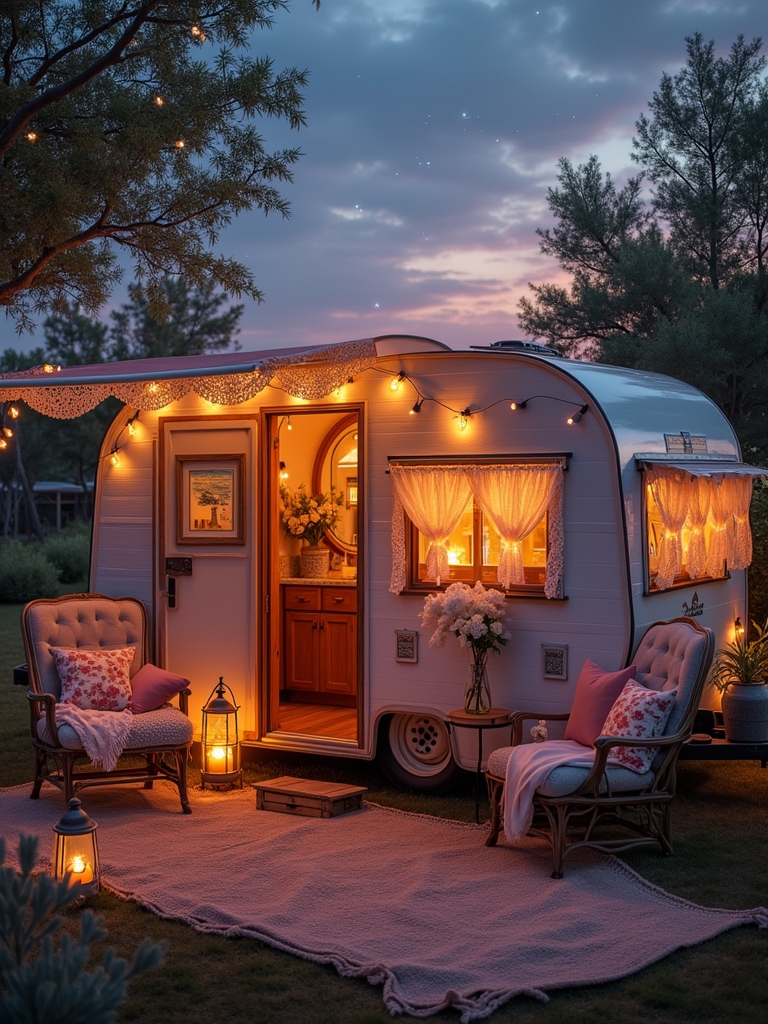
After dark, the lighting you’ve chosen either makes the space feel magical or it doesn’t, and the difference usually comes down to layering. String fairy lights give the interior a warm, dreamy quality that no single overhead fixture can replicate on its own.
Battery-operated options mean no complicated wiring, and 12V fixtures run cleanly off your camper’s existing electrical system. A small lamp with a warm white LED bulb near the seating area adds a third layer of light that makes the whole interior feel wrapped and intimate rather than staged.
Strategic Plant Placement
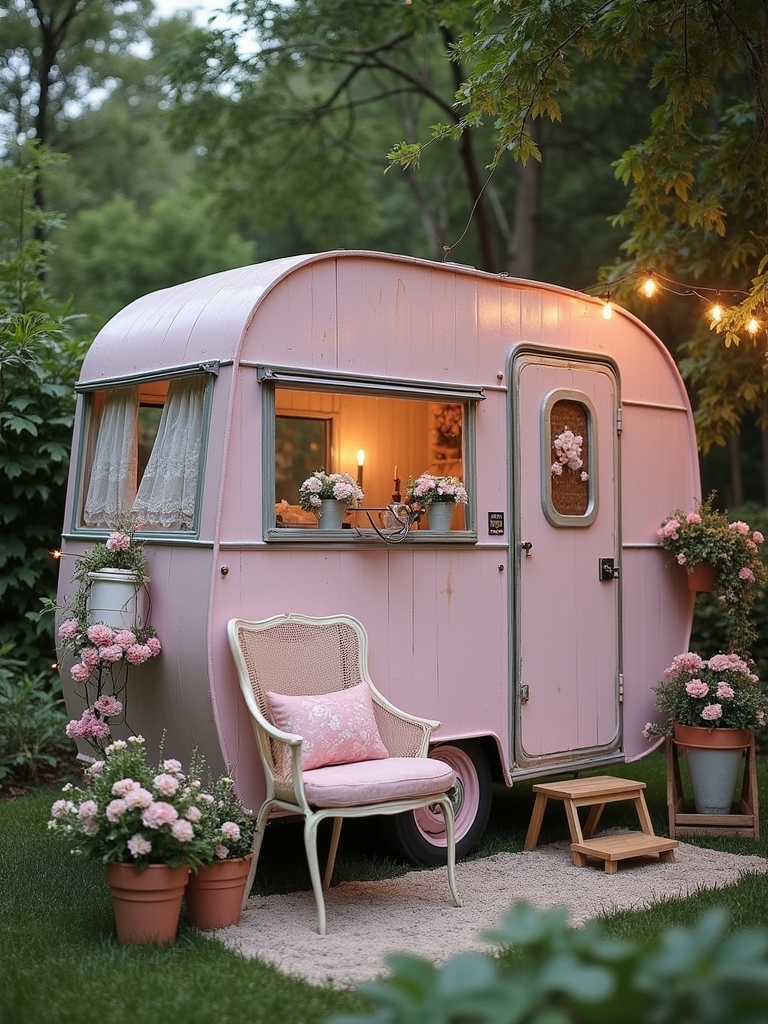
A few well-placed plants do more for a camper interior than most people expect. Pothos, succulents, and snake plants all handle low light and the temperature swings that come with life on the road.
Hang planters near windows or mount floating shelves to keep greenery off the floor and out of the way while you’re moving. Pastel-colored vintage pots tie the plants back into the overall color story and give even a small cactus a reason to feel intentional rather than incidental.
Rustic Storage Solutions
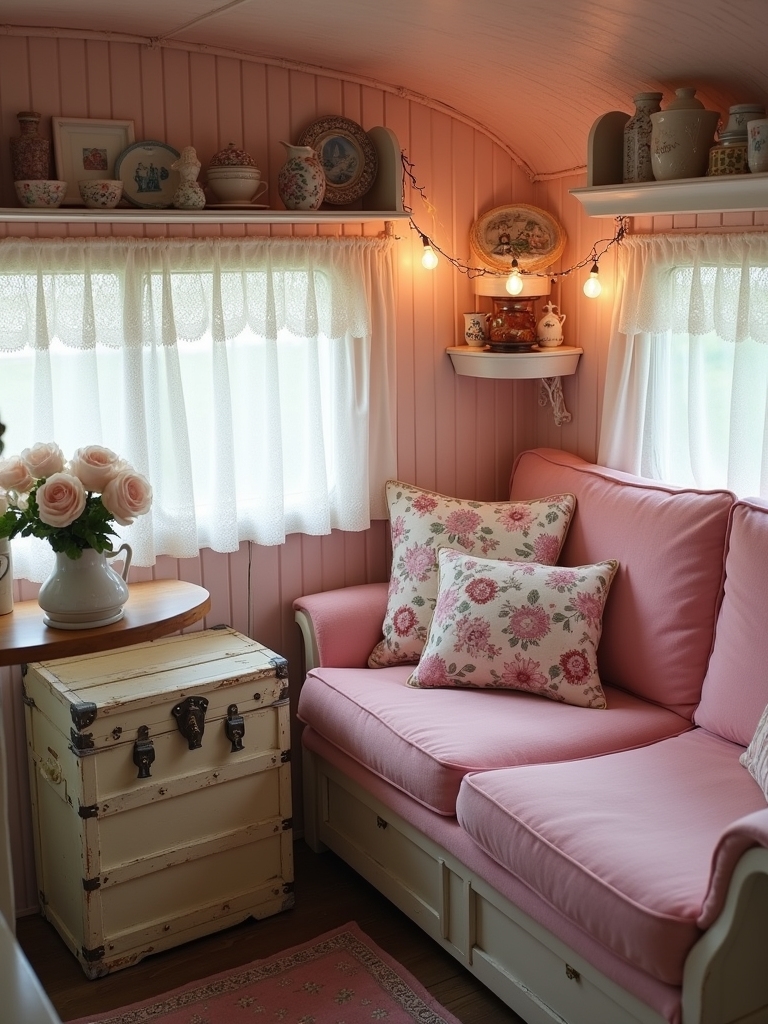
Storage in a camper has to work twice as hard as it does in a house, and rustic solutions handle that pressure without sacrificing style. Reclaimed wood shelving mounted overhead or recessed into walls keeps surfaces clear while adding warmth at the same time.
Stackable containers, woven baskets, and vintage crates organize pantry items and everyday essentials while looking like they belong in the space. Door-mounted racks and bulkhead compartments tuck outdoor gear and travel supplies out of sight without eating into your living area.
Multifunctional Furniture
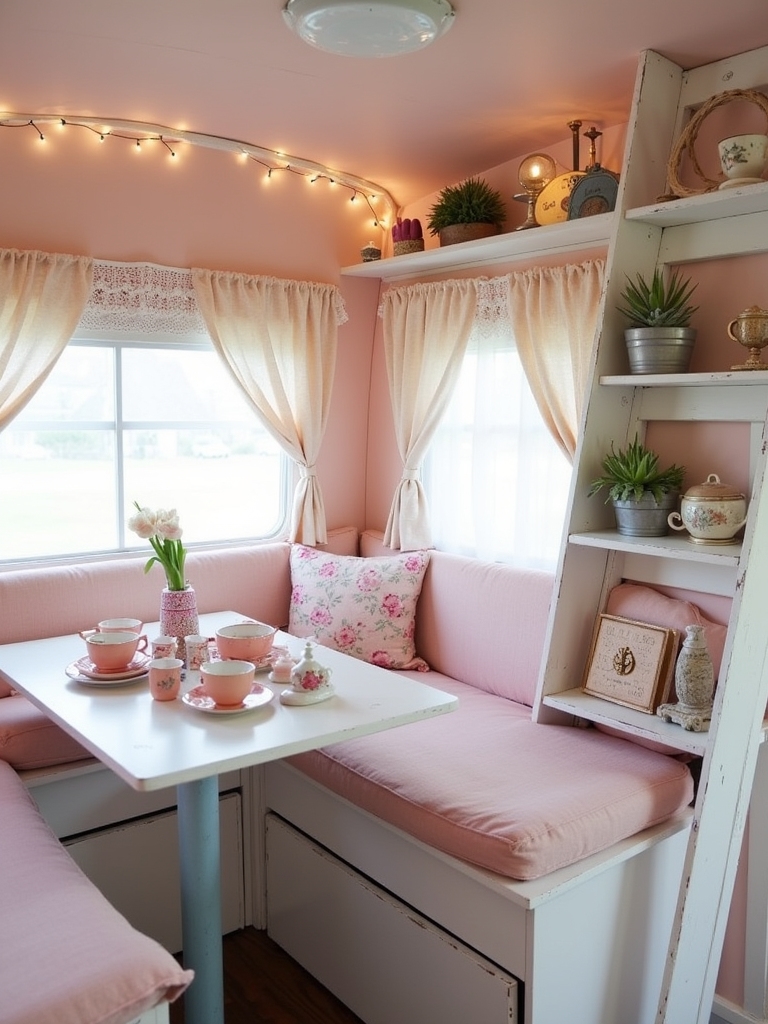
Every piece of furniture in a small camper should do at least two things, and the shabby chic aesthetic actually encourages exactly that kind of thinking. A storage ottoman covered in floral fabric gives you seating, a footrest, and a place to stash extra blankets all at once.
Fold-out sleeper chairs, extendable tables, and vintage crates used as end tables keep the space flexible without feeling sparse or improvised. Hidden compartments built into benches or under beds mean you can keep the visual style soft and uncluttered while still having room for everything you need on a longer trip.
Outdoor Shabby Chic Spaces
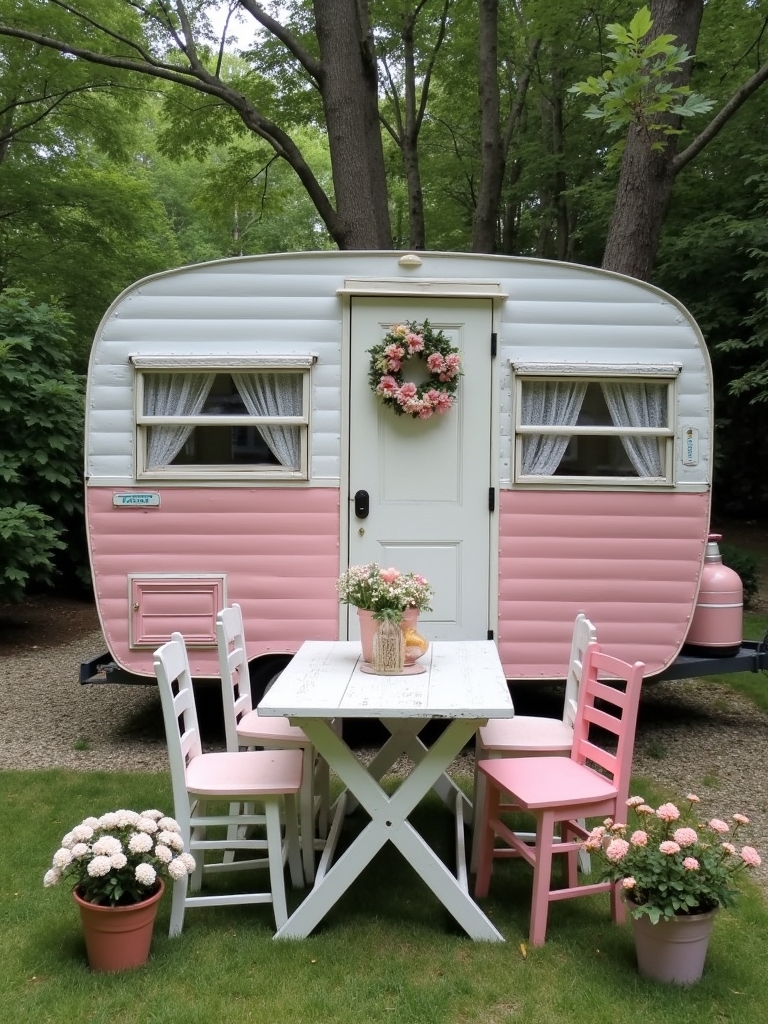
The space just outside your camper door is worth decorating, especially if you tend to linger over morning coffee or evening meals outside. A small bistro set in wrought iron or a distressed wooden bench with pastel floral cushions sets the right tone without requiring much effort to pull together.
Wrap string lights around an awning post or through nearby branches for the same warm glow you’ve built inside. A vintage metal planter filled with wildflowers or trailing vines ties the outdoor setup back to the interior and makes the whole campsite feel like one cohesive space.
Style Fusion Inspirations
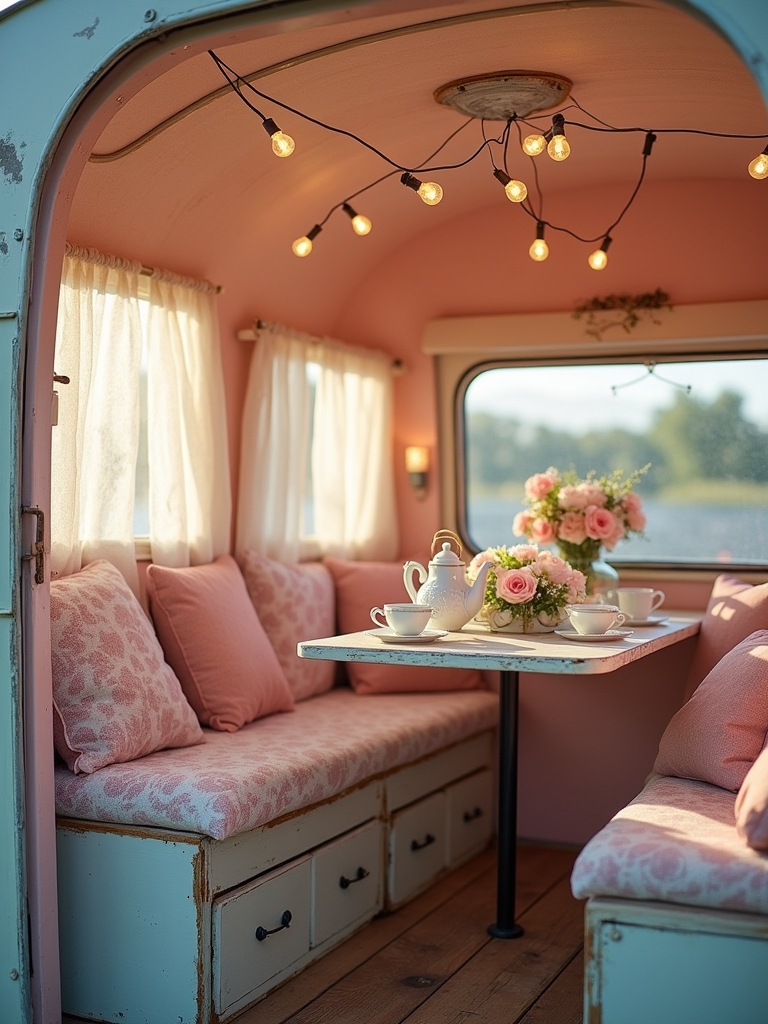
Shabby chic doesn’t have to mean strict and singular, and some of the most interesting campers I’ve seen fold in elements from other styles without losing the thread. A Turkish rug underfoot brings a slightly bohemian energy that plays well against lace curtains and distressed wood.
Blending blush pink with mint green across different textiles keeps the pastel palette interesting without tipping into monotony. The key is using vintage lighting and worn accessories as the common thread that holds the mixed influences together and makes the space feel curated rather than confused.
Conclusion
Shabby chic works in a camper because the scale forces you to be selective, and selective is exactly what this style rewards. Every piece you bring in should have some texture, some history, or some softness to offer.
The campers that nail this look aren’t the ones with the most stuff; they’re the ones where every item feels like it was chosen with care. Get the palette right, layer your textiles, and let a few well-chosen vintage pieces do the heavy lifting, and the rest of the space will follow their lead naturally.