You don’t need a designer budget to make your living room look like you hired one.
The difference between a room that looks “just okay” and one that makes people ask, “Who’s your designer?” usually isn’t about money. It’s about knowing what actually matters.
I’m talking about strategic color choices, smart furniture placement, and those finishing touches that pull everything together. If you want to turn a pretty average space into something that feels genuinely polished, here’s exactly how to do it.
Contents
- 1 Start With a Cohesive, Elevated Color Palette
- 2 Choose Furniture That Looks Substantial
- 3 Use Lighting to Create Depth and Warmth
- 4 Elevate the Room With Texture
- 5 Style Surfaces Like a Designer
- 6 Make the Walls Look Thoughtfully Designed
- 7 Ground the Room With the Right Rug
- 8 Hide Everyday Clutter Like a Pro
- 9 Add One Statement Detail That Feels Luxurious
Start With a Cohesive, Elevated Color Palette
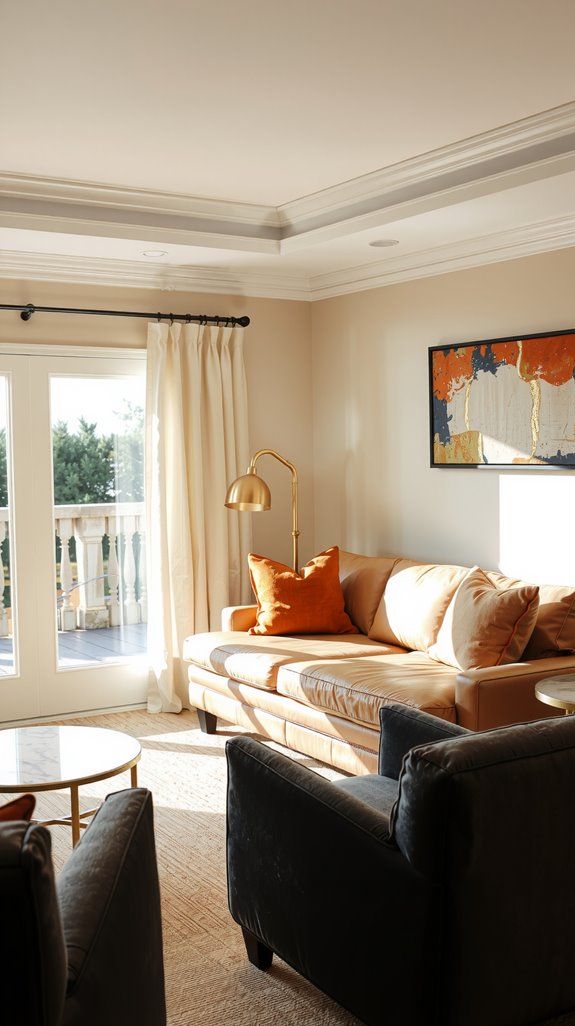
If you get the colors wrong, nothing else matters. You can buy a $5,000 sofa, but if it clashes with the walls, it’ll still look like a garage sale find.
Expensive-looking rooms all have one thing in common: the colors look like someone actually thought about them, not like they just happened by accident.
The difference between a chaotic space and a sophisticated one often comes down to how you work with light tones, dark accents, and contrast throughout the room.
Some combinations just work; warm neutrals with deep navy, soft grays with charcoal and cream, or beige with caramel and black create instant visual refinement. These aren’t risky choices, but they give a refined feel that pulls a room together.
Why expensive rooms always look color-intentional
When you walk into a high-end space, you’ll notice right away that the colors feel purposeful. Nothing looks random or thrown together.
Most expensive rooms stick to three or four complementary colors, max. That’s it. Everything works together instead of fighting for attention.
This intentional approach prevents the space from feeling cluttered or disjointed, allowing each element to work together seamlessly.
Timeless color schemes that instantly feel high-end
Certain color combinations have stood the test of time because they create an inherent sense of sophistication and balance. Navy and cream, charcoal and ivory, or warm taupe with soft white deliver instant elegance.
These pairings work because they offer contrast without harshness, allowing your furniture and architectural details to shine. Plus, they’re forgiving and versatile, naturally drawing your eye around the space in an effortless way.
How to layer light, dark, and contrast without chaos
Contrast brings interest, but you can’t just scatter it around randomly and hope it works out.
You’ll want to establish one dominant tone, light, medium, or dark, then introduce contrast through intentional accents. This creates depth without overwhelming the space.
Use the 60-30-10 rule: sixty percent dominant tone, thirty percent secondary, and ten percent contrast for visual balance.
Choose Furniture That Looks Substantial
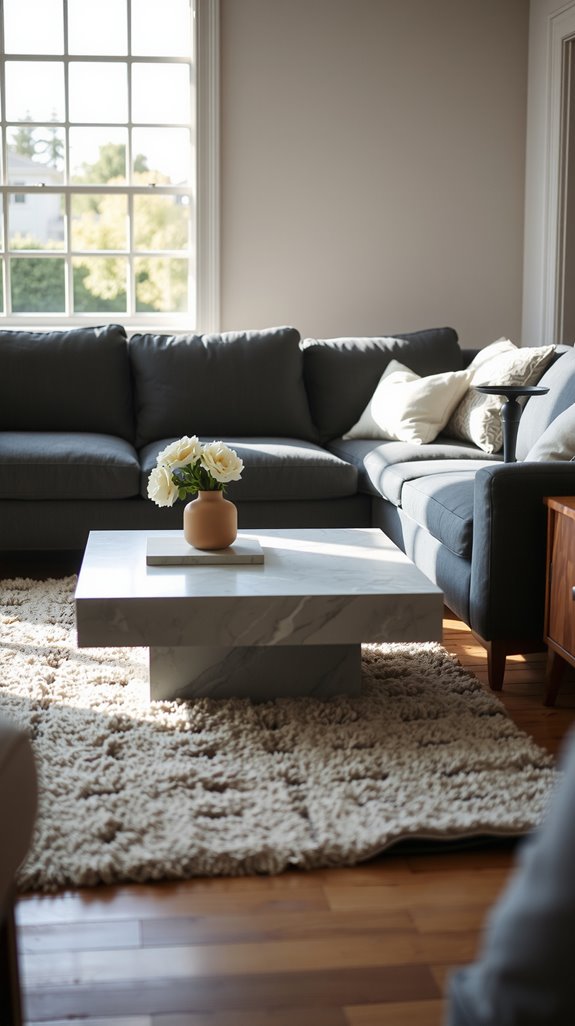
I’ve seen people drop five figures on a living room that still ends up looking cheap. Why? Because they ignored scale.
In design, visual weight beats price tag every time. A budget sofa with chunky arms and a deep seat will always look more expensive than a delicate, spindly piece that costs three times as much. You want furniture that looks like it owns the floor, not like it’s floating above it.
Why scale and proportion matter more than price
When decorating your living room, the visual weight of your furniture matters far more than what you paid for it.
A budget sofa with substantial arms and a thick frame is going to command attention better than some flimsy expensive piece that looks like it might collapse if you sit on it wrong.
Focus on pieces with visible heft, sturdy legs, generous cushions, and solid construction. These elements create luxury through presence, not price tags.
Sofa and chair shapes that read designer
Certain furniture silhouettes instantly signal quality, no matter where you bought them.
Look for sofas with tight, tailored backs instead of overstuffed cushions. Chairs with exposed wooden legs instead of skirted bases. Clean-lined pieces with generous proportions always appear more expensive than ornate, busy designs.
You don’t need a trained eye to spot quality; you just need to look at the lines. Avoid sofas that are overly tufted or sit too low to the ground; everyone can tell you got them at a showroom clearance.
Common furniture mistakes that cheapen a room
Lightweight furniture creates an instant budget look, no matter how much you actually spent.
The biggest error I see is too many legs. If your sofa has tall, thin legs, your coffee table has thin metal legs, and your side chair has spindle legs, the room feels nervous. It feels temporary. Ground the space. If the sofa is lifted, get a heavy, solid coffee table. If the chairs are airy, get a sofa that sits flush to the floor.
If a piece looks flimsy or insubstantial, it will diminish the credibility of your room. Go for furniture with visible weight, thick table legs, substantial chair frames, and sofas with low, grounded profiles.
Avoid anything that looks like a strong breeze could knock it over. And skip furniture with spindly legs, as they create visual weakness that your eye picks up on immediately.
Use Lighting to Create Depth and Warmth
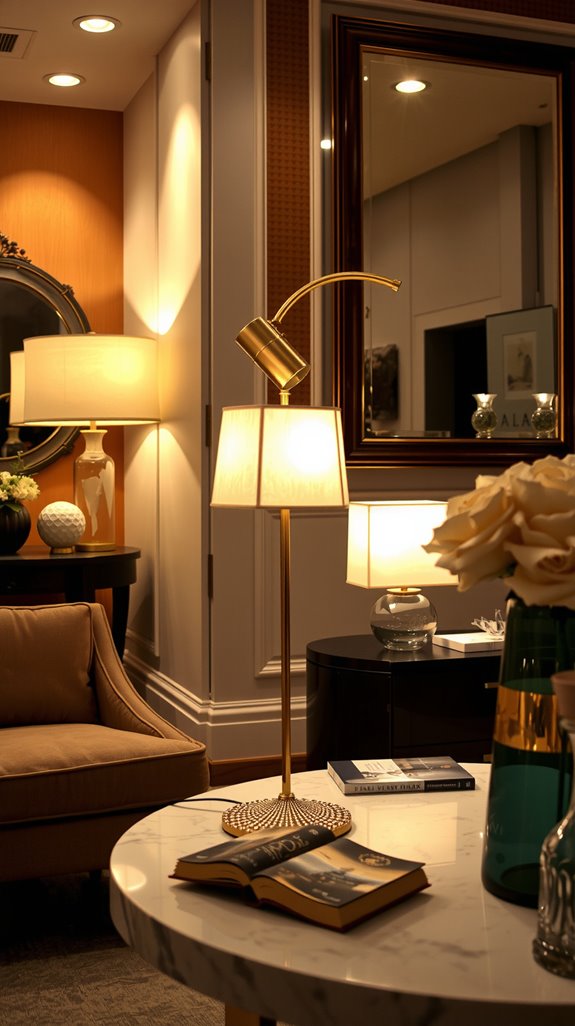
You’ve chosen substantial furniture, but harsh overhead lighting can instantly cheapen the entire room by creating flat, unflattering shadows that kill any visual interest.
The real secret to an expensive atmosphere is layered lighting. I’m talking floor lamps, table lamps, and accent lights at different heights. This adds depth and dimension in a way that overhead lighting just can’t.
Understanding bulb temperature and where to place things strategically will take your space from feeling like a sterile box to a warm, inviting retreat that actually looks professionally designed.
Why overhead lighting kills the expensive vibe
Sure, overhead lighting is functional. It illuminates the room. But it also creates that flat, institutional vibe you’d find in a dentist’s office, not a sophisticated living space.
High-end homes don’t rely on overhead lighting. They use layered lighting at multiple heights, such as table lamps, floor lamps, and wall sconces, to create dimension and visual interest.
This approach casts gentle shadows and highlights specific areas, making your room feel intentionally designed rather than simply lit.
Floor lamps, table lamps, and layered lighting strategies
Strategic placement of floor lamps and table lamps transforms your living room from a single-note space into one with genuine depth.
Position lamps at different heights across the room to create pools of light that guide the eye. Mix ambient lighting with task lighting, and use dimmers whenever possible.
This layering mimics how designers illuminate high-end spaces, adding warmth and sophistication without overhead glare.
Bulb temperature and placement tips designers swear by
Most people completely overlook bulb temperature, and that’s why their carefully arranged lighting falls flat.
Go with warm bulbs (2700K-3000K) for inviting spaces, and layer them at different heights throughout your room.
Use accent lights to highlight artwork or architectural details, while placing ambient fixtures at eye level or above. This combination creates depth, eliminates harsh shadows, and makes budget-friendly rooms appear professionally designed.
Elevate the Room With Texture
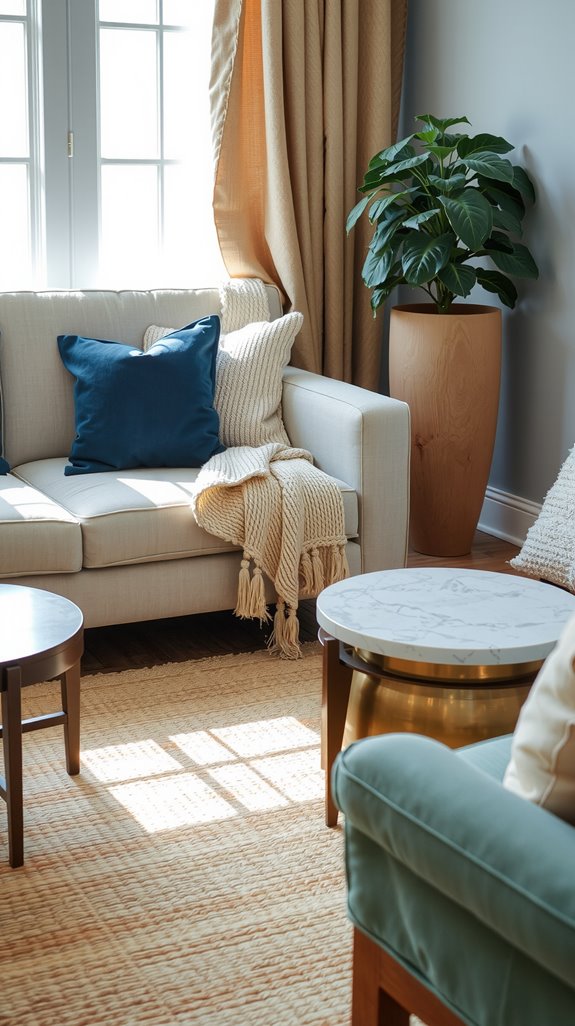
Texture is the difference between a room that looks flat and one that feels rich. It adds interest through the strategic combination of materials; mixing smooth with rough, warm with cool, soft with hard.
You create depth and richness by mixing smooth glass with rough linen, warm wood with cool metal, and soft textiles with hard surfaces.
Best part? Introducing texture doesn’t require expensive purchases. Layer some throw pillows, add a chunky knit blanket, and toss in some woven baskets; it instantly elevates your room’s appeal.
Mixing materials like wood, metal, linen, and glass
When you combine different materials in your living room, you create visual interest that paint color alone can’t achieve.
If you have a smooth glass coffee table, pair it with rough linen upholstery. If you have warm wood furniture, introduce cool metal accents. Try to layer at least three different materials throughout the room. That contrast is what creates the “collected” look money usually buys.
How texture adds richness without clutter
Beyond simply mixing different materials, you’ll want to focus on how those materials feel, both visually and physically.
A nubby linen pillow against a velvet sofa, or a chunky knit throw draped over smooth leather. These tactile differences create visual interest through contrast.
They add depth and sophistication to your space without requiring additional items or overwhelming the room with too much stuff.
Budget ways to introduce depth and softness
You don’t need to spend a fortune to layer texture throughout your living room.
Textured throw pillows, knit blankets, and woven baskets from budget-friendly retailers add instant depth. Bring in natural elements like dried pampas grass or eucalyptus branches in a simple vase.
Layer an affordable jute rug over existing flooring or drape a chunky knit throw across your sofa for immediate tactile interest.
Style Surfaces Like a Designer
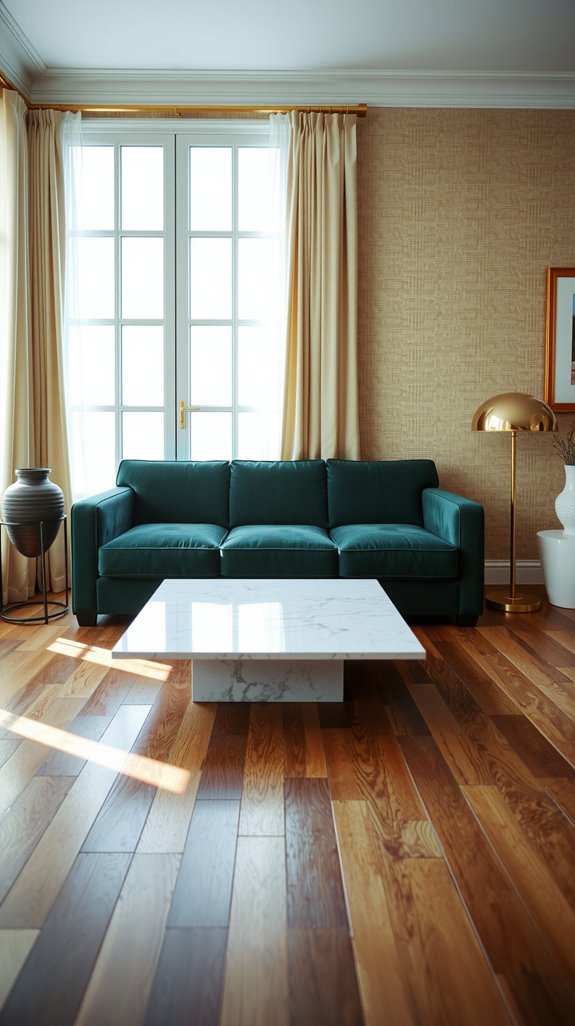
The finishing touches on your horizontal surfaces can make or break whether a space looks professionally designed or just cluttered and incomplete.
Surface styling has fundamental principles about balance, proportion, and restraint that designers use instinctively. Once you learn to curate your coffee tables, consoles, shelves, and side tables with intention, you’ll create vignettes that elevate your entire room.
Coffee table styling rules that feel intentional
While many homeowners treat coffee tables as catch-all surfaces for remote controls and magazines, designers approach them with a formula that balances function and visual interest.
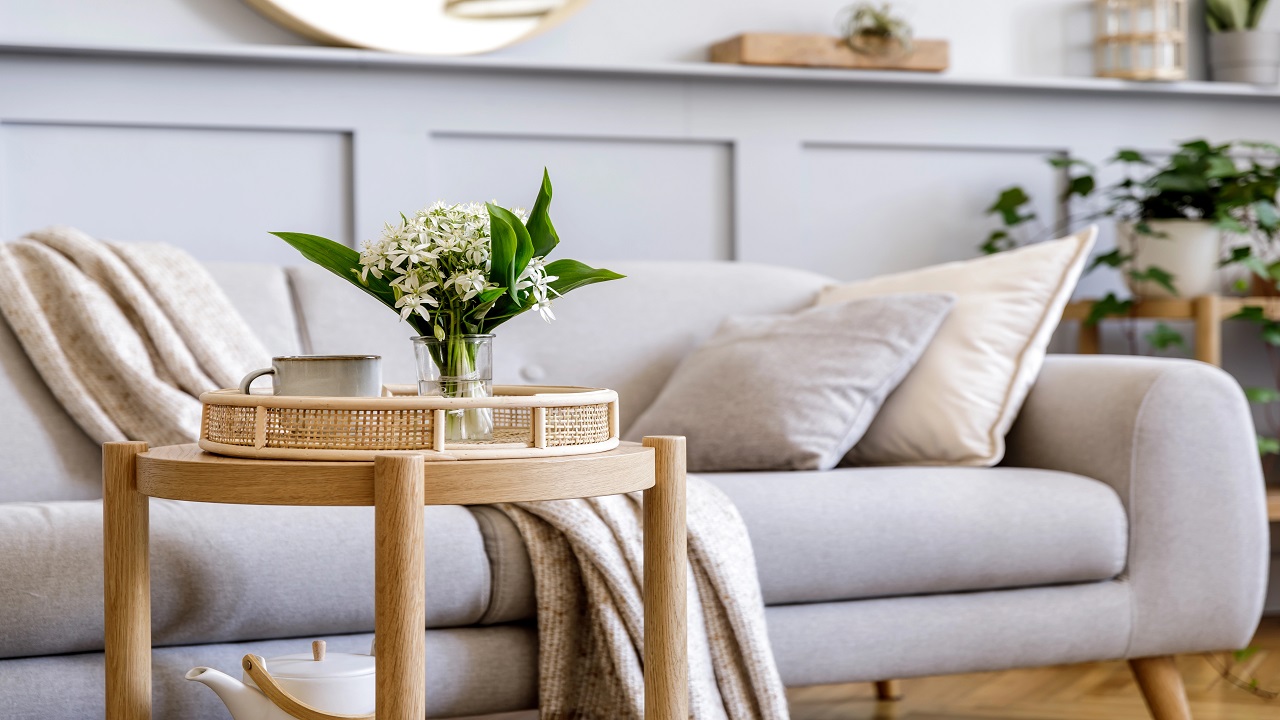
Arrange items in groups of three or five at varying heights. Include one substantial object (like a coffee table book), something organic (like flowers), and a practical element (like a decorative tray) to corral the small clutter.
Console tables, shelves, and side tables done right
Mastering horizontal surfaces throughout your living room requires the same thoughtful approach you’d apply to your coffee table, but with adjustments for each surface’s specific role.
Console tables behind sofas work well with symmetrical arrangements with lamps flanking decorative objects.
Side tables need functional items like coasters within reach, while floating shelves display curated collections in odd-numbered groupings.
Each surface should balance beauty with purpose.
Why negative space makes a room feel luxe
Here’s what makes surface styling so much easier: empty space isn’t wasted space. It’s what makes everything else look intentional.
Overcrowded shelves and tables read as clutter, no matter how expensive the items are. Leave breathing room between objects, and resist the urge to fill every inch.
This restraint creates visual calm and allows your carefully chosen pieces to actually stand out.
Make the Walls Look Thoughtfully Designed
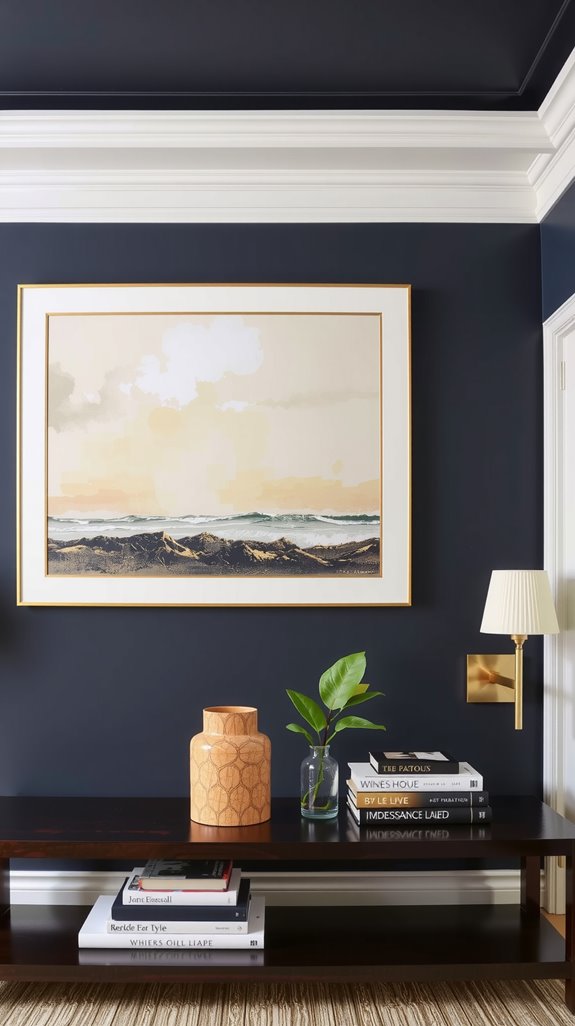
Your walls are the largest visual surface in your living room, and treating them with intention separates a finished space from one that feels incomplete.
The way you hang art, whether you choose a single oversized piece above the sofa or a curated gallery wall, immediately signals your design sophistication.
You don’t need custom millwork or expensive installations to achieve a thoughtfully designed look, as strategic placement of artwork and affordable upgrades can deliver the same polished impact.
Art sizing and placement that feels gallery-worthy
When it comes to transforming blank walls into a curated display, the size and placement of your artwork matter just as much as the pieces themselves.
The most common mistake? Hanging art too high. Art should be at eye level, typically 57-60 inches from the floor to the center of the piece. If you hang it too high, it feels disconnected from the furniture. Choose larger statement pieces over small scattered frames, and maintain consistent spacing between grouped works.
This creates a visual impact that mimics professional galleries.
One large statement piece vs a gallery wall
The choice between a single oversized artwork and a curated gallery wall fundamentally shapes your room’s aesthetic direction.
Large statement pieces create immediate impact and work best in minimalist spaces, while gallery walls add visual interest to traditional or eclectic rooms.
Think about your furniture scale. Oversized art complements substantial sofas, while gallery arrangements suit smaller seating configurations and add personality through collected pieces.
Affordable wall upgrades that mimic custom design
While custom millwork and architectural details cost thousands, strategic wall treatments deliver the same polished look for a fraction of the price.
Apply board-and-batten wainscoting with pine strips and paint, install picture-frame molding to create elegant panels, or add peel-and-stick 3D tiles behind your sofa.
These architectural elements add depth and sophistication, transforming flat walls into designer-worthy backdrops that elevate your entire space.
Ground the Room With the Right Rug
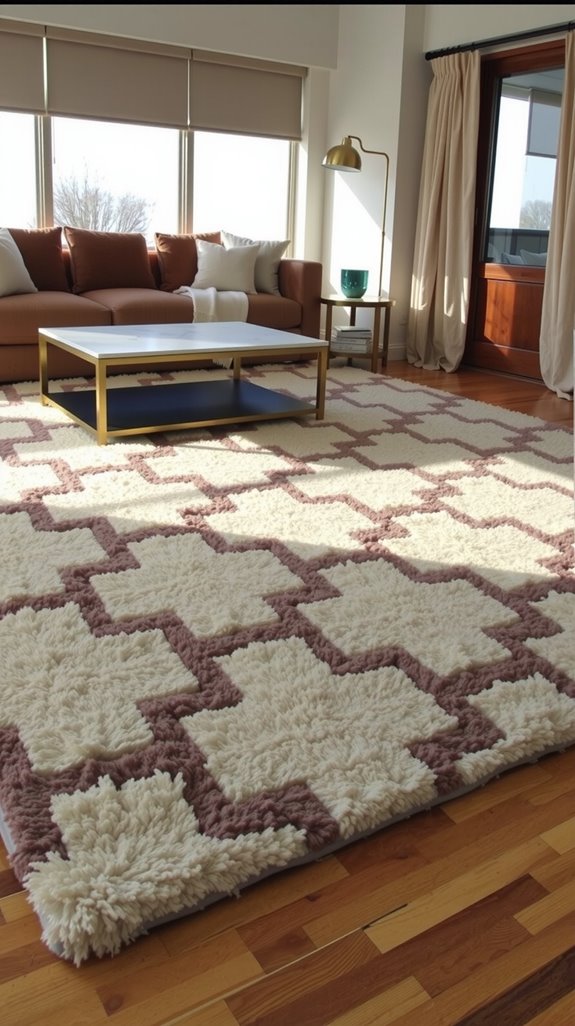
A rug isn’t just about comfort; it’s one of the most visible investments in your living room, and choosing the right size signals that you understand design fundamentals.
The patterns and textures you select should add visual interest and sophistication without competing with your furniture or overwhelming the space.
If your budget doesn’t stretch to a custom piece, you can layer rugs strategically to create a high-end, intentional look that suggests you spent far more than you did.
Why rug size is a major expensive signal
In most living rooms, undersized rugs signal budget constraints more obviously than any other design choice.
A properly sized rug should extend at least six inches beyond your furniture on all sides. At the very least, the front legs of your sofa and chairs need to rest comfortably on it.
This generous proportion creates visual weight and permanence, immediately elevating your room’s perceived value, regardless of the rug’s actual price.
Patterns and textures that elevate without overpowering
Once you’ve established the correct size, pattern selection becomes your primary tool for adding sophistication without creating visual chaos.
Subtle geometric designs, traditional Persian motifs, or textured neutrals create depth while maintaining refinement. Avoid busy patterns that compete with furniture or artwork.
Select rugs with low-contrast patterns or varied pile heights that add dimension without demanding attention. This lets other design elements shine.
Layering rugs to fake a custom look
Layering rugs transforms standard floor coverings into designer-worthy installations that appear custom-made for your space.
If a massive vintage rug isn’t in the budget, cheat. Place a smaller, expensive-looking patterned rug over a larger, inexpensive neutral base (like sisal or jute). This creates a high-end, custom look for a fraction of the price.
Hide Everyday Clutter Like a Pro
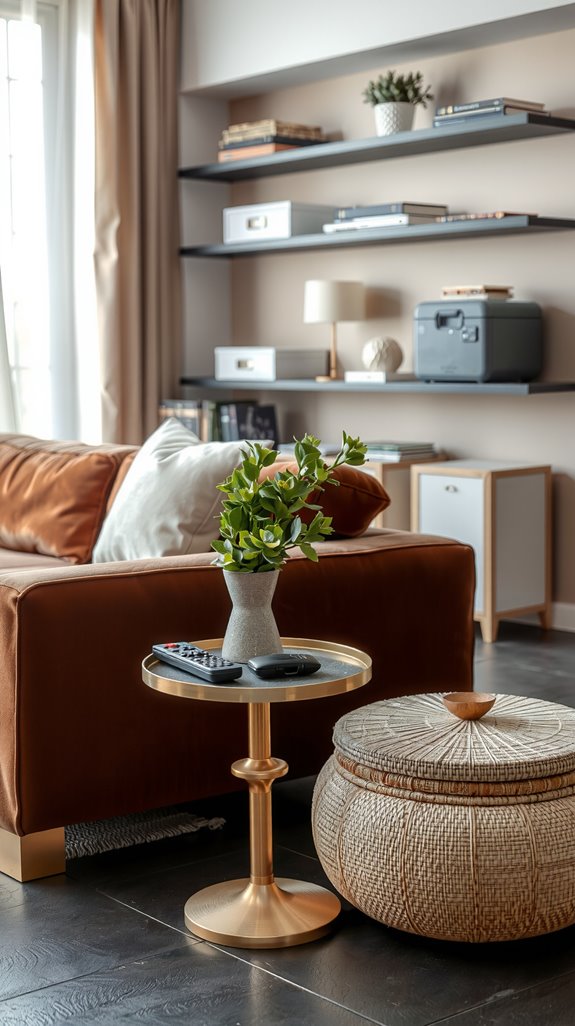
The difference between a living room that looks professionally designed and one that feels cluttered often comes down to strategic storage.
Expensive living rooms rarely display remote controls, charging cables, magazines, or everyday items in plain sight; these details are carefully concealed within furniture pieces that serve dual purposes.
You need storage solutions that blend seamlessly with your décor and a simple daily routine that keeps surfaces clear, creating that polished, showroom-ready look.
Storage solutions that don’t look like storage
The most effective storage solutions seamlessly integrate into your room’s aesthetic instead of announcing their practical function.
Consider ottomans with hidden compartments, coffee tables featuring concealed shelving, or console tables with discreet drawers.
These pieces maintain visual harmony while controlling clutter, ensuring your living room appears intentionally curated rather than just organized.
What expensive living rooms never leave visible
Luxury living rooms maintain their polished appearance by carefully concealing items that reveal the practical side of daily life.
They hide remote controls in decorative boxes, tuck charging cables behind furniture, and store throw blankets in ottomans rather than draped over sofas.
Mail, keys, and personal items disappear into drawers. Even tissue boxes get upgraded to sculptural holders that blend with the décor.
Quick resets that keep the room polished daily
Before clutter piles up throughout the day, establish a five-minute evening routine that restores your living room to its showcase state.
Return throw pillows to their arranged positions, fold blankets over chair arms, and clear surfaces of daily items.
Store remotes in decorative boxes, straighten books and magazines, and fluff cushions. These simple resets prevent visual chaos from diminishing your room’s expensive appearance.
Add One Statement Detail That Feels Luxurious
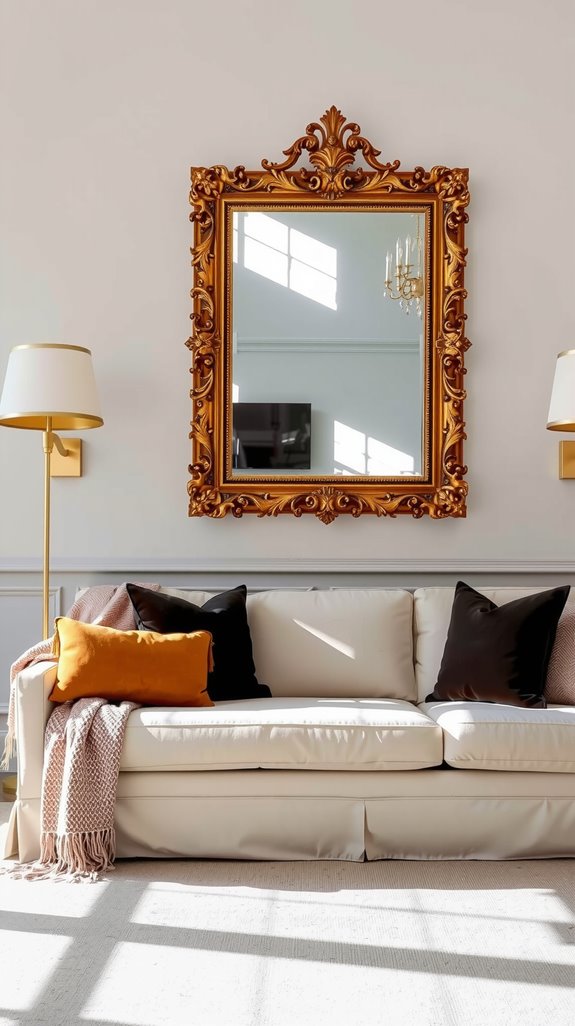
You don’t need to fill every surface with expensive pieces to create a luxurious living room; you just need one statement detail that commands attention.
The key is selecting a single focal point, whether it’s an oversized piece of art, a sculptural light fixture, or a velvet sofa, then keeping everything else intentionally understated.
This approach lets you splurge strategically on one exceptional item while saving on the rest, making the luxury feel deliberate rather than excessive.
Choosing a focal point that anchors the room
A living room without a clear focal point feels scattered and incomplete, no matter how expensive the furniture or thoughtful the layout.
Choose one anchoring element, a fireplace, oversized artwork, or dramatic window view, and arrange your seating to face it.
This creates visual hierarchy and gives guests an immediate sense of where to look.
When to splurge vs save strategically
While budget-conscious decorating makes sense for most purchases, splurging on the right items can transform your ordinary room into a space that feels expensive rather than simply furnished.
Invest in a statement sofa or quality area rug, as these anchor pieces define your room’s character.
Save on accessories, accent pillows, and decorative items you’ll likely refresh seasonally, maximizing impact without overspending.
How restraint makes luxury feel believable
True luxury doesn’t need to announce itself through excess.
When you limit your statement pieces to one per room, each element commands attention without competing for it. A single sculptural lamp or an oversized piece of art carries more weight than five mediocre accessories clustered together.
This disciplined approach creates breathing room that allows quality to shine.