A low-profile Japanese platform bed sounds like a small change. In a 180-square-foot studio, it can feel like gaining an entirely new room, three feet of breathing space without losing an inch of comfort or storage.
What started as a design trend among minimalists has quietly become a legitimate solution for anyone dealing with shrinking living spaces and sky-high rents. Here’s why it works, and how to make it work for you.

Contents
- 1 What Makes Japanese Modular Beds Different From Standard Frames?
- 2 Why Japanese Modular Beds Are Replacing Traditional Bedroom Furniture
- 3 How Much Do Japanese Modular Beds Cost Compared to IKEA?
- 4 Tool-Free Assembly: How Japanese Modular Beds Go Together
- 5 Space-Saving Features Perfect for Small Apartments
- 6 Why Japanese Modular Beds Last Longer Than Conventional Frames
- 7 Natural Materials and Low-Profile Design: Core Japanese Bed Elements
- 8 How to Style Your Bedroom Around a Japanese Modular Bed
What Makes Japanese Modular Beds Different From Standard Frames?
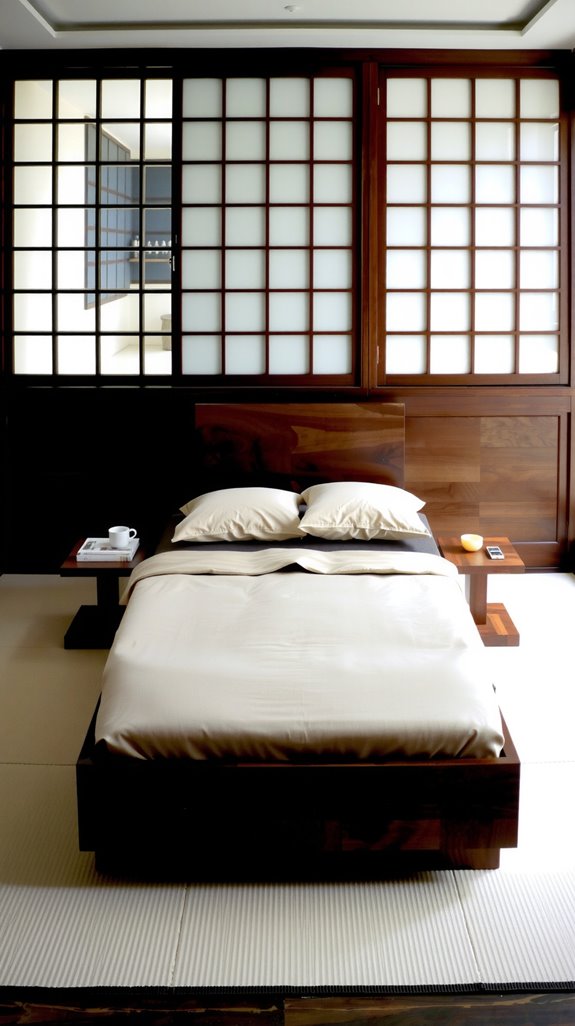
The most obvious difference hits you the moment you walk into a room with one of these beds: they sit way closer to the floor than anything you’d find at a typical furniture store. Traditional Western frames stack everything vertically with box springs, thick mattresses, and tall posts that eat up visual space.
Japanese designs go horizontal instead, using interlocking joinery that snaps together without a single screw or nail. The materials tell their own story too, with solid wood, bamboo, and real tatami mats replacing the particleboard and metal brackets you’ll find in most conventional frames.
Why Japanese Modular Beds Are Replacing Traditional Bedroom Furniture

Walk through any major city, and you’ll notice apartments getting smaller while furniture somehow stays the same bulky size. Standard bed frames weren’t designed for 400-square-foot studios or narrow bedrooms that barely fit a dresser.
These low-profile platforms solve that problem by ditching the box spring entirely and keeping the whole sleeping surface just inches off the ground. The firm support actually helps with spinal alignment if you’re used to sinking into a soft mattress, and the construction quality from solid wood or bamboo means you’re not replacing wobbly slats every few years.
How Much Do Japanese Modular Beds Cost Compared to IKEA?
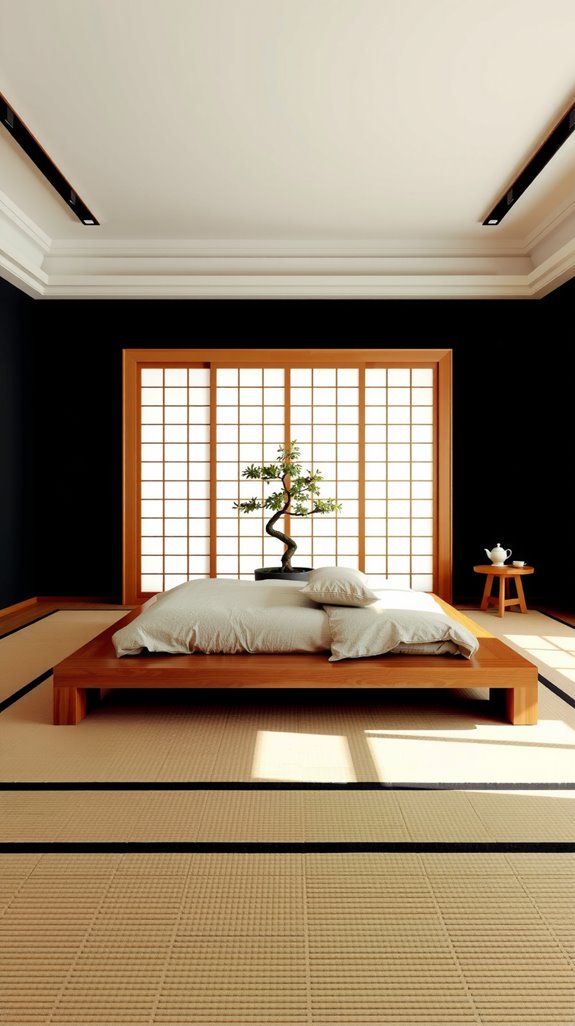
You’re looking at anywhere from $600 to $3,300 for a quality Japanese-style platform bed, while IKEA’s options run between $200 and $800. ComfortPure’s basic models start around $600, which puts them close to IKEA’s Hemnes at $499, but that’s where the comparison gets interesting.
Premium features like authentic tatami mats or traditional joinery techniques can add $500 to $1,500 to the base price. Handcrafted models with built-in storage and multiple finish options sit at the higher end, but you’re paying for craftsmanship that’ll outlast anything made from compressed wood and cam locks.
Tool-Free Assembly: How Japanese Modular Beds Go Together
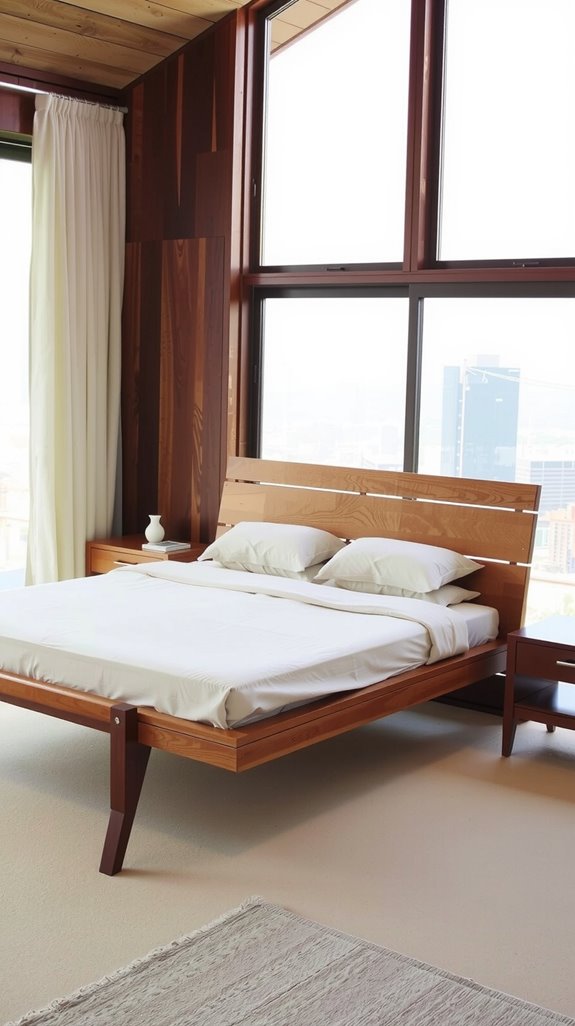
I’ve assembled enough IKEA furniture to know that “30-minute setup” usually means an hour of hunting for the right screw and cursing at wordless instructions. Japanese modular beds skip all that nonsense with traditional joinery that locks together by hand.
The slats attach with heavy-duty Velcro strips, and any knobs you need to tighten work with just your fingers. Most bamboo models go from box to bedroom in under 20 minutes, and the hook-and-lock system keeps everything rock solid even when you’re moving around at night.
Space-Saving Features Perfect for Small Apartments
That seven-inch platform height makes a bigger difference than you’d think when you’re working with limited square footage. Pushing the bed against the wall actually works because the legs recess inward instead of sticking out like traditional frames.
Built-in drawers give you storage without adding a separate dresser, and compact sizing options can free up 15 to 20 percent more floor space than standard beds. Anyone living in under 500 square feet knows that extra room isn’t just nice to have; it’s the difference between cramped and livable.
Why Japanese Modular Beds Last Longer Than Conventional Frames
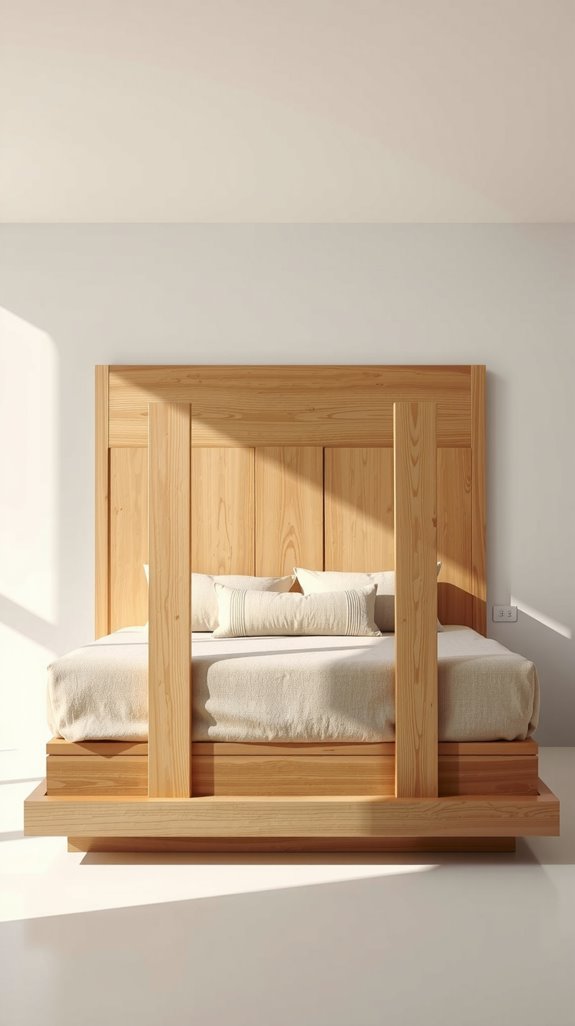
Metal brackets and screws work fine until they don’t, and conventional frames start squeaking and wobbling after a year or two of regular use. Japanese joinery techniques have been around for centuries because they actually get stronger over time as the wood settles into place.
The precision-cut joints distribute weight so evenly that you won’t hear a single creak even with two people moving around. Quality models handle anywhere from 600 to over 1,500 pounds without sagging, and the thick, solid wood slats maintain their shape for decades instead of warping after a few seasons.
Natural Materials and Low-Profile Design: Core Japanese Bed Elements
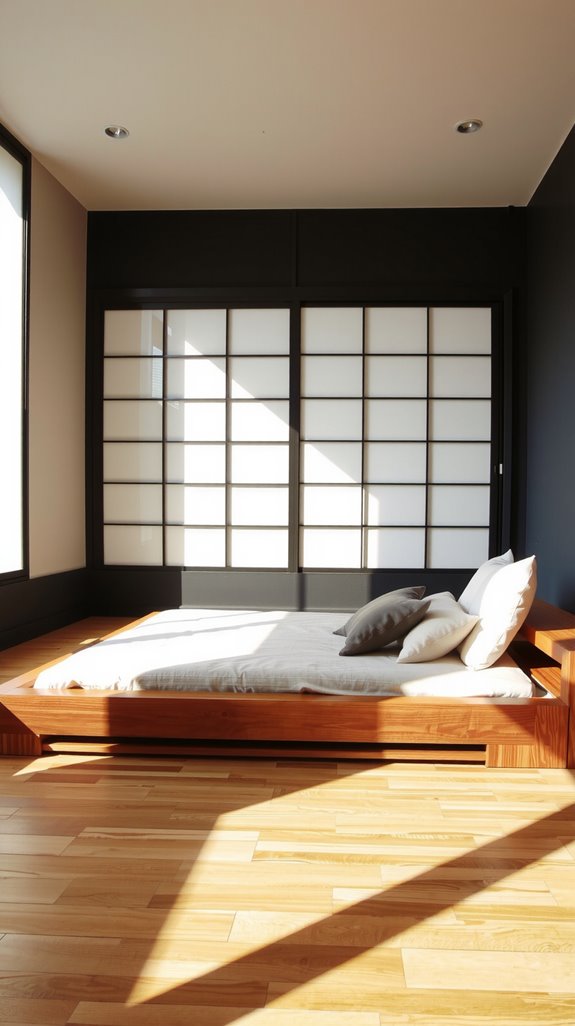
FSC-certified poplar hardwood, solid acacia from Vietnamese plantations, and sustainably harvested bamboo show up in most quality Japanese-style frames. These aren’t just aesthetic choices; natural materials breathe better and hold up longer than synthetic alternatives.
The typical 12-inch overall height includes about 8.3 inches of clearance underneath, which gives you storage space without the visual bulk of a high frame. That low profile creates the minimalist look everyone wants, but it also serves a practical purpose by eliminating the need for a box spring and keeping your center of gravity closer to the ground.
How to Style Your Bedroom Around a Japanese Modular Bed
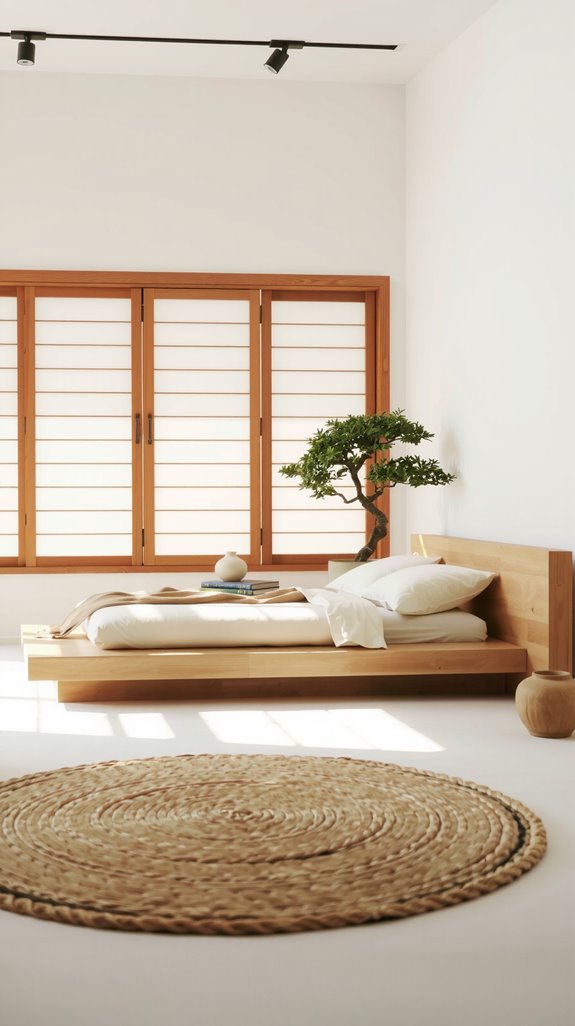
Organic cotton or linen bedding works better than synthetic fabrics because the whole point is creating a natural, breathable sleeping environment. A simple wooden headboard with clean lines makes more sense than anything upholstered or ornate, and woven rattan accents tie the natural materials together.
Soft lighting from paper lanterns or bamboo pendants beats harsh overhead fixtures every time. Keep the bed as the central focus, add a storage bench at the foot if you need seating, and bring in a few low-maintenance plants to complete the look without cluttering the space.
Conclusion
These beds work because they solve real problems instead of just looking good in photos. Standard furniture forces you to work around its limitations, while Japanese modular designs adapt to any space.
The durability means you’re buying once instead of replacing cheap frames every few years. Your bedroom setup should make your life easier, not harder, and that’s exactly what these low-profile platforms deliver.