Stand at the base of a powerful waterfall, and you’ll feel something shift in the air around you. The mist is charged with negative ions that genuinely lift your mood, a phenomenon scientists have studied for decades. America’s waterfalls range from thundering giants that make Niagara look modest to secret desert springs you can only reach after miles on foot.
Some cascade through underground caves lit by colorful lights, while others create “moonbows” that appear only when conditions align perfectly.
Planning your waterfall road trip means chasing these natural wonders at the right time of year, because many of them transform dramatically with the seasons or disappear entirely by late summer. The 15 ahead are worth building a whole trip around.

Contents
- 1 Niagara Falls, New York
- 2 Shoshone Falls, Idaho
- 3 Multnomah Falls, Oregon
- 4 Havasu Falls, Arizona
- 5 Cumberland Falls, Kentucky
- 6 Yosemite Falls, California
- 7 Snoqualmie Falls, Washington
- 8 Ruby Falls, Tennessee
- 9 Palouse Falls, Washington
- 10 Akaka Falls, Hawaii
- 11 Tahquamenon Falls, Michigan
- 12 Burney Falls, California
- 13 Whitewater Falls, North Carolina
- 14 Kaaterskill Falls, New York
- 15 Taughannock Falls, New York
Niagara Falls, New York
Everyone talks about the Canadian side, but crossing the border means dealing with longer lines and a more tourist-trap atmosphere. The American side gives you both American Falls and Bridal Veil Falls within the boundaries of the nation’s oldest state park.
You’ll still get soaked on the Maid of the Mist, and you can explore actual hiking trails instead of just casinos and wax museums. The 8 to 9 million annual visitors here are significantly fewer than what Canada sees, which translates to shorter waits and better photo opportunities without strangers photobombing your shots.
Shoshone Falls, Idaho

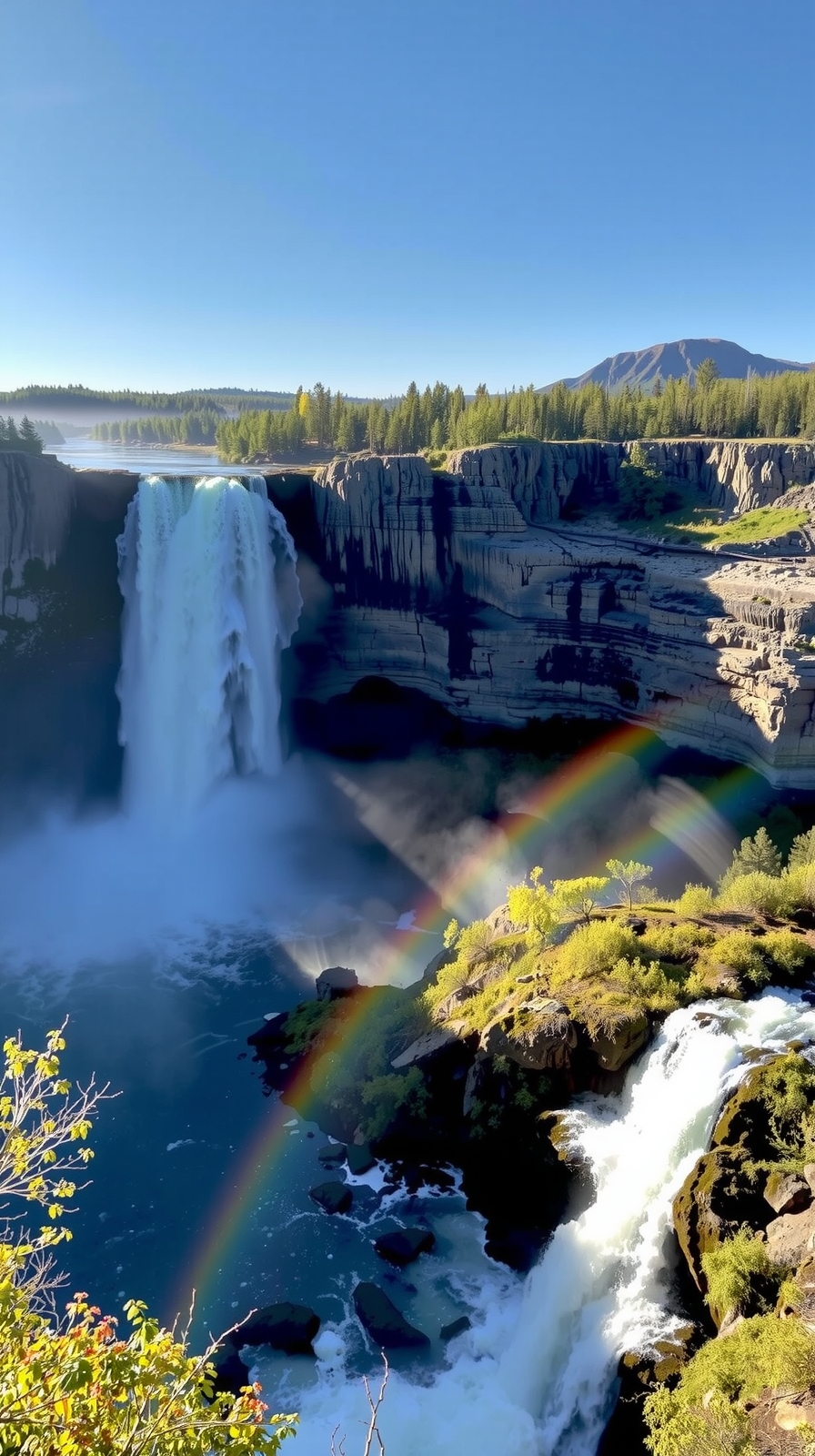
The Snake River canyon doesn’t get the attention it deserves, probably because Idaho doesn’t exactly scream “waterfall destination” to most people. Shoshone Falls drops 212 feet, which is 45 feet higher than Niagara, and stretches 900 feet wide when spring snowmelt pushes flows to 20,000 cubic feet per second.
Timing matters here more than almost anywhere else because irrigation pulls so much water out by summer that the falls can look pretty wimpy by August. Ancient floods carved this canyon 14,000 years ago, and the five-dollar entrance fee to the city park gets you overlooks, trails, and picnic spots with views that’ll make you wonder why you’ve been sleeping on Idaho all these years.
Multnomah Falls, Oregon
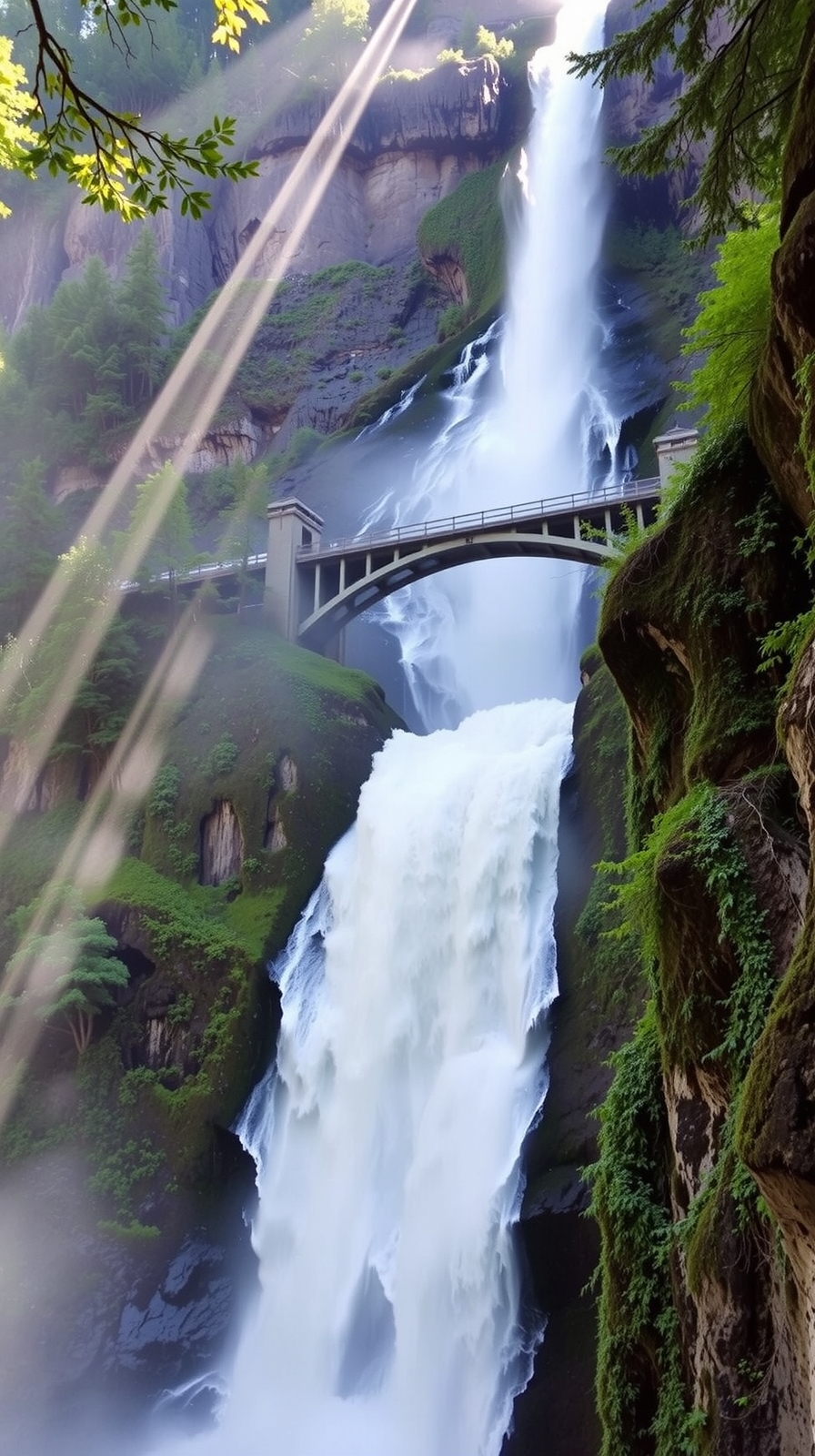
Pull off Interstate 84 in the Columbia River Gorge and within seconds you’re staring up at 620 feet of cascading water split across two tiers. More than two million people make this stop every year, which should tell you something about how accessible and impressive it is.
The historic Benson Bridge from 1914 lets you walk right beneath the falls, getting you close enough to the 542-foot upper drop that you’ll feel the spray. Underground springs from Larch Mountain keep this waterfall flowing strong every month of the year, so you don’t have to time your visit around snowmelt or worry about showing up to a trickle.
Havasu Falls, Arizona
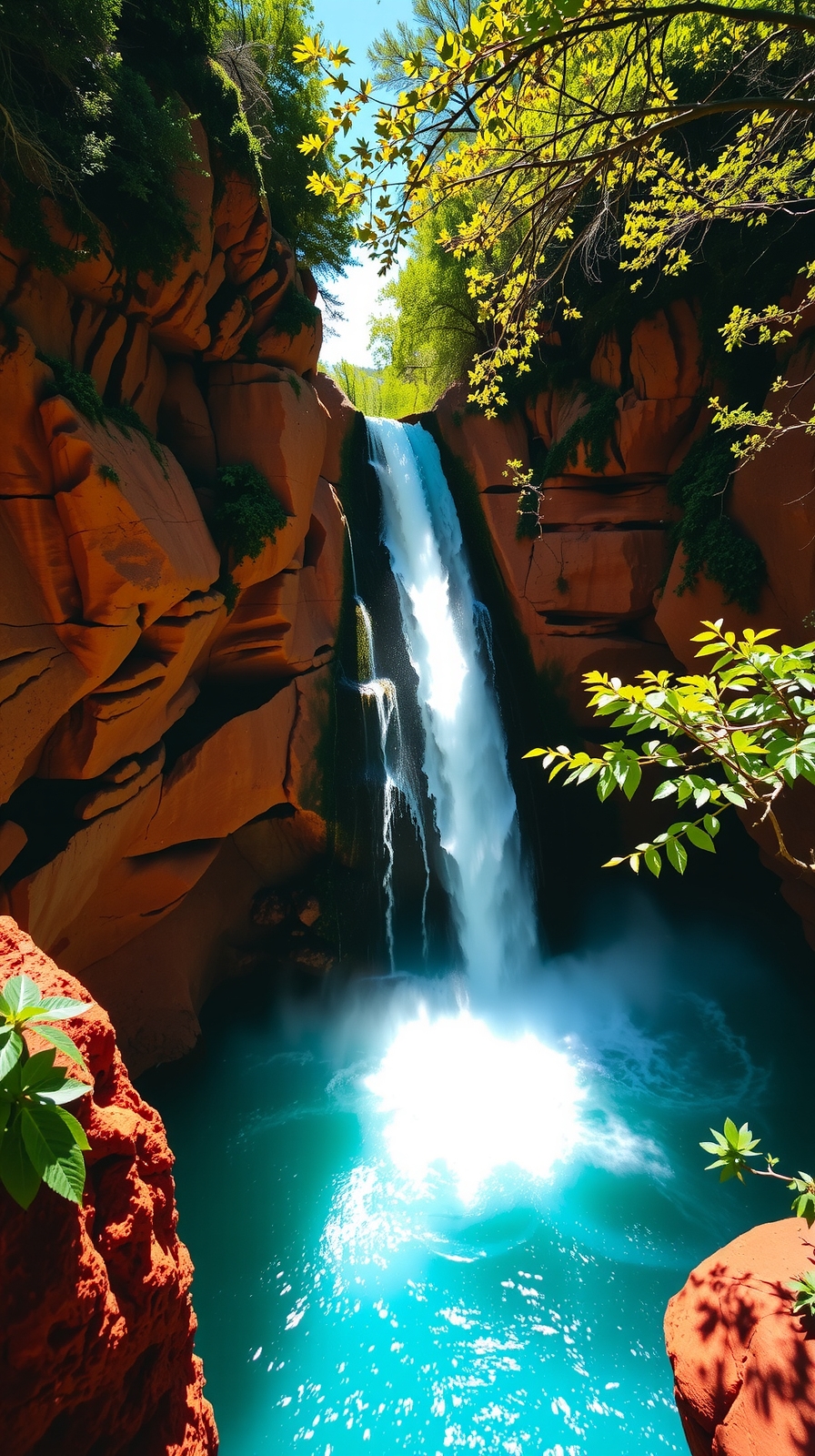
The Havasupai people, whose name literally means “people of the blue-green waters,” have called this place home for centuries, and one look at those turquoise pools explains why. Havasu Falls plunges somewhere between 90 and 100 feet over red rock cliffs into water so vividly colored it looks photoshopped, thanks to dissolved magnesium and calcium carbonate.
Getting here requires either a 10-mile hike from the canyon rim or a helicopter ride to Supai Village, followed by another 2-mile walk. Permits are notoriously difficult to score, and you’ll need to plan months ahead, but that’s exactly why the experience feels so special when you finally make it happen.
Cumberland Falls, Kentucky

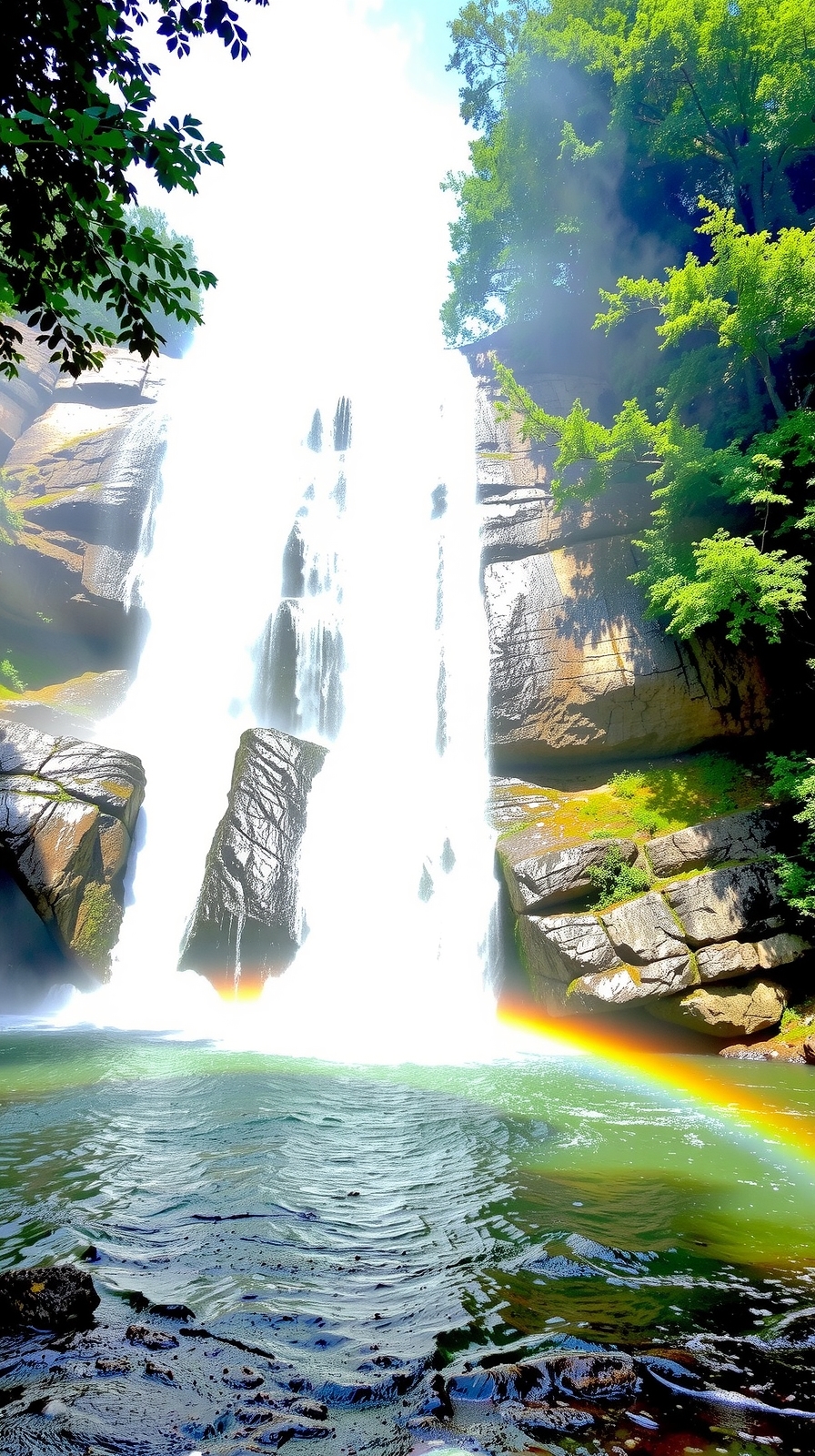
The Cumberland River has been cutting through ancient sandstone in southeastern Kentucky for millennia, creating a 68-foot drop over a 125-foot-wide ledge that locals rightfully call the “Niagara of the South.” What sets this waterfall apart isn’t just its size but what happens during full moons on clear nights.
Cumberland Falls creates moonbows—lunar rainbows formed when moonlight refracts through the mist—and it’s the only place in the Western Hemisphere where you can regularly witness this phenomenon. The state resort park surrounding the falls covers 1,657 acres with 17 miles of trails, giving you plenty of ways to explore the gorge’s 400-foot walls from different angles.
Yosemite Falls, California
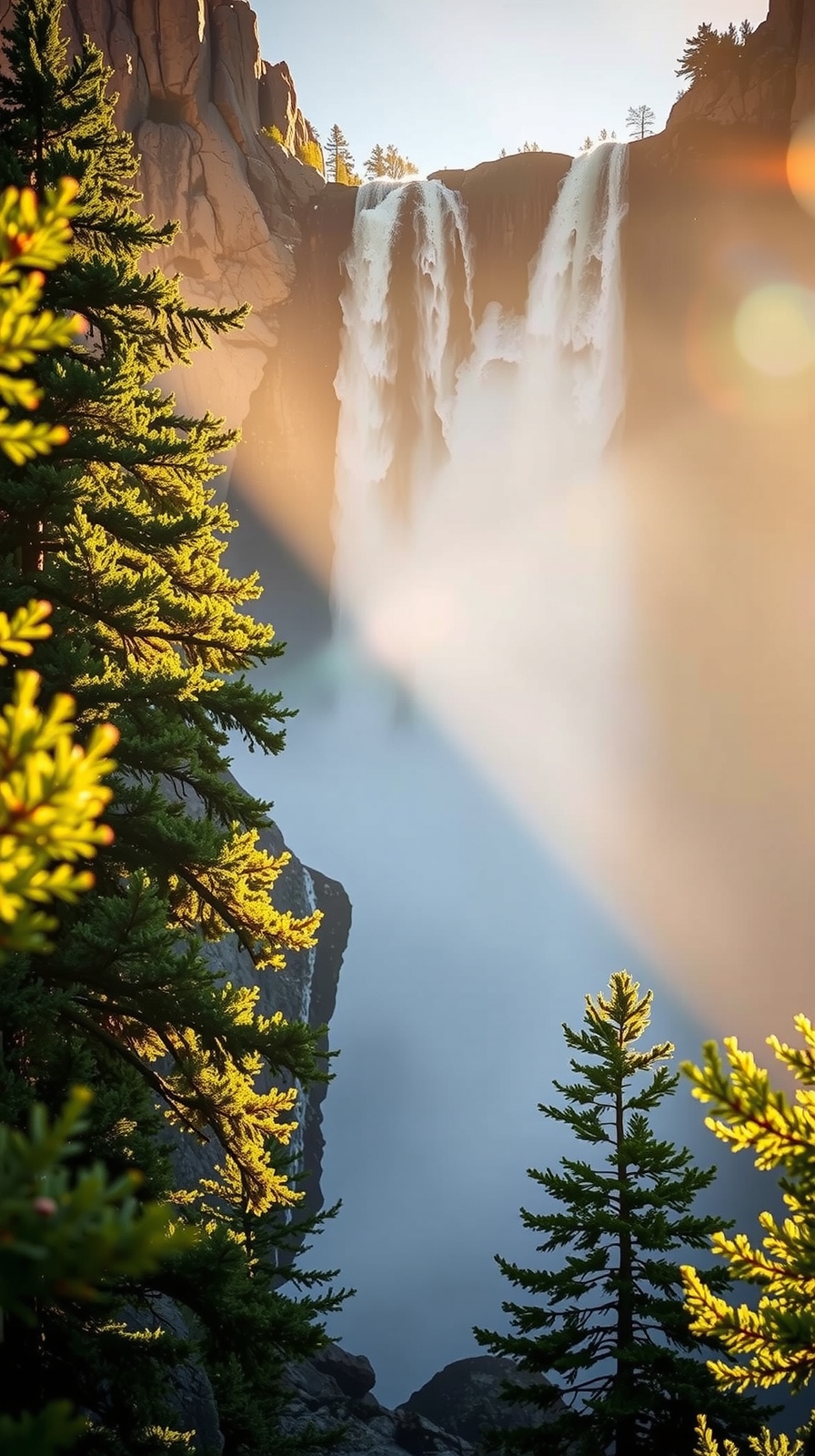
You can see Yosemite Falls from almost anywhere in Yosemite Valley, which makes sense when you’re talking about North America’s tallest waterfall at 2,425 feet. The upper section alone drops 1,430 feet—roughly the same height as the old Sears Tower in Chicago.
May brings the most dramatic flows when snowmelt peaks at around 300 cubic feet per second, but show up in August and you might find nothing but dry rock. The lower trail works for wheelchairs and strollers, while the strenuous upper trail from the 1870s rewards you with views that make the climb worth every step.
Snoqualmie Falls, Washington

Seattle sits just 30 miles west, making Snoqualmie Falls an easy day trip that pulls in more visitors than any natural attraction in Washington except Mount Rainier. The 268-foot drop over granite cliffs has been generating hydroelectric power since 1898, still providing about 1 percent of Puget Sound Energy’s total supply.
The Snoqualmie Tribe considers this a sacred site where they’ve held ceremonies for generations, long before it became famous as the backdrop for Twin Peaks in the 1990s. Free parking and wheelchair-accessible viewing decks in the two-acre park mean you can visit year-round without planning much beyond showing up.
Ruby Falls, Tennessee
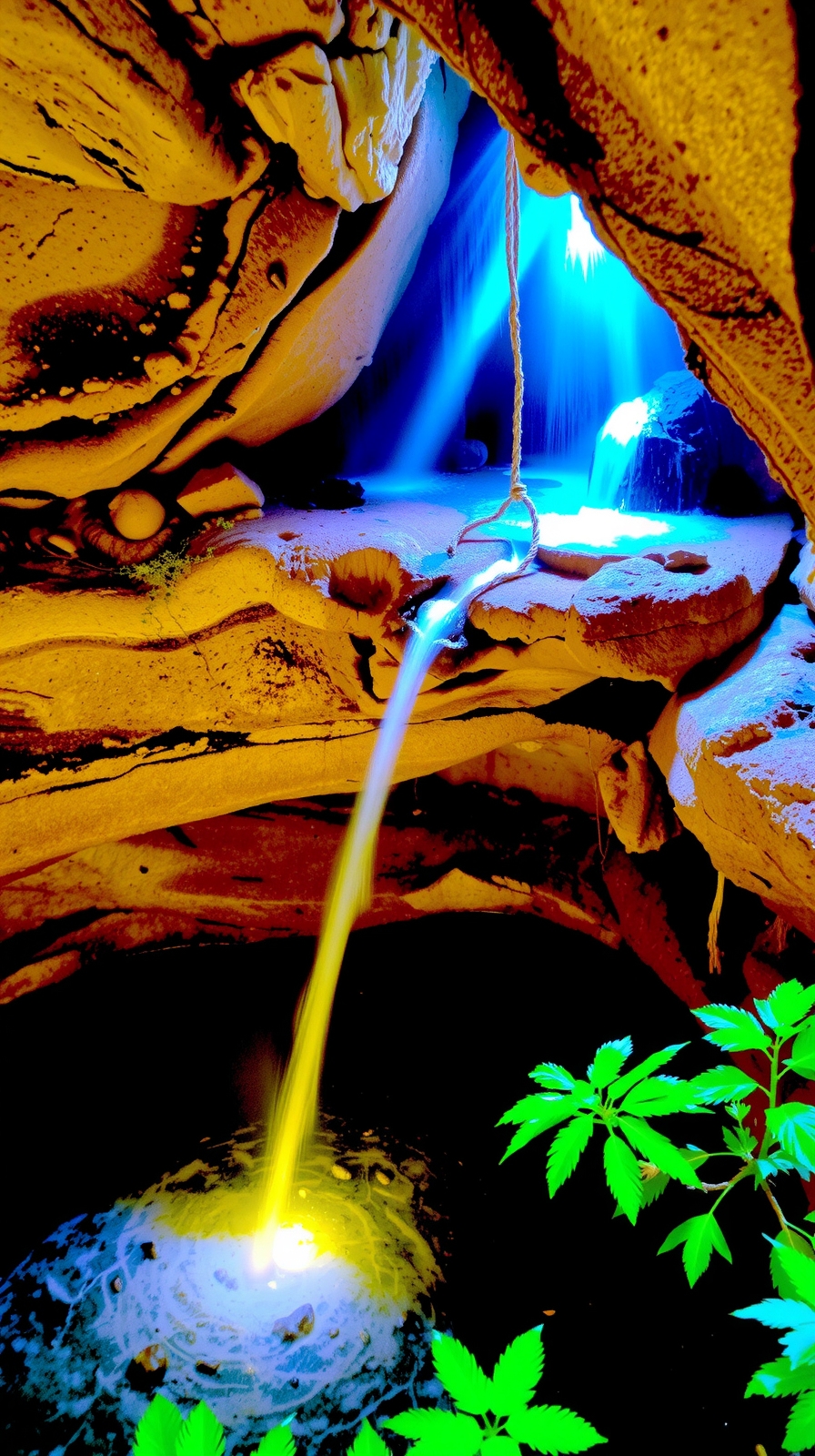
Most waterfalls require a hike to reach them, but Ruby Falls requires an elevator ride down 260 feet into Lookout Mountain. This 145-foot underground cascade sits inside a limestone cave that Leo Lambert discovered in 1928 while searching for the original cave entrance his father had shown him as a child.
You’ll walk a half-mile through the cave past stalactites and stalagmites before reaching the main chamber, where LED lights illuminate the falls in rotating colors. The temperature stays at 60 degrees year-round down there, which means it’s the perfect escape whether you’re visiting in July or January.
Palouse Falls, Washington
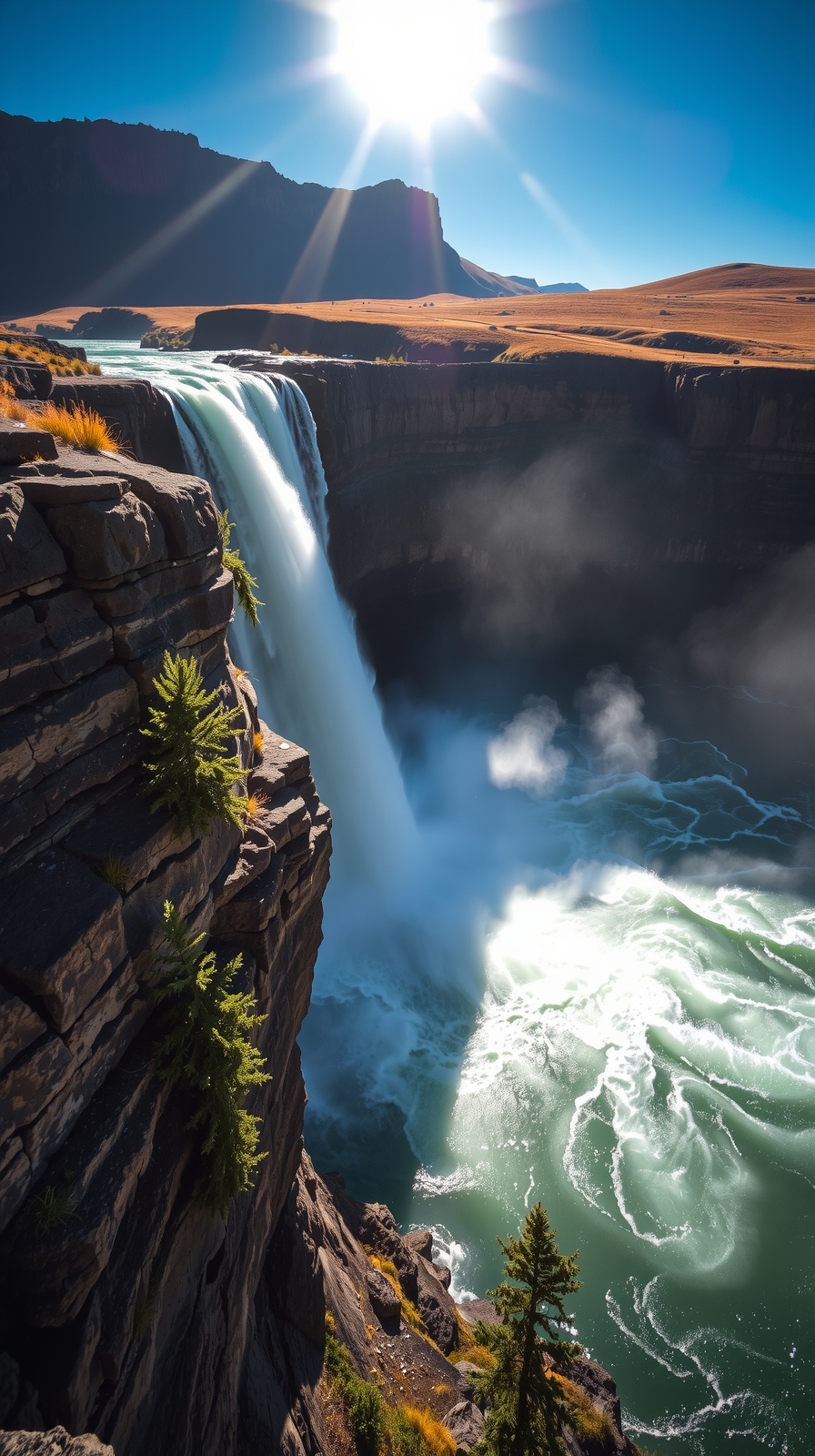
The Palouse River launches itself off a 186-foot basalt cliff in a landscape that looks more like Mars than the Pacific Northwest. Massive floods from glacial Lake Missoula carved this canyon more than 13,000 years ago, scouring the basalt and creating the amphitheater-shaped basin you see today.
Washington designated this as the official state waterfall in 2014, and the 94-acre state park now draws nearly 100,000 visitors annually to its three viewpoints. Kayaker Tyler Bradt made headlines here in 2009 when he paddled over the falls and survived, setting what many consider an unofficial world record that nobody’s been eager to challenge.
Akaka Falls, Hawaii
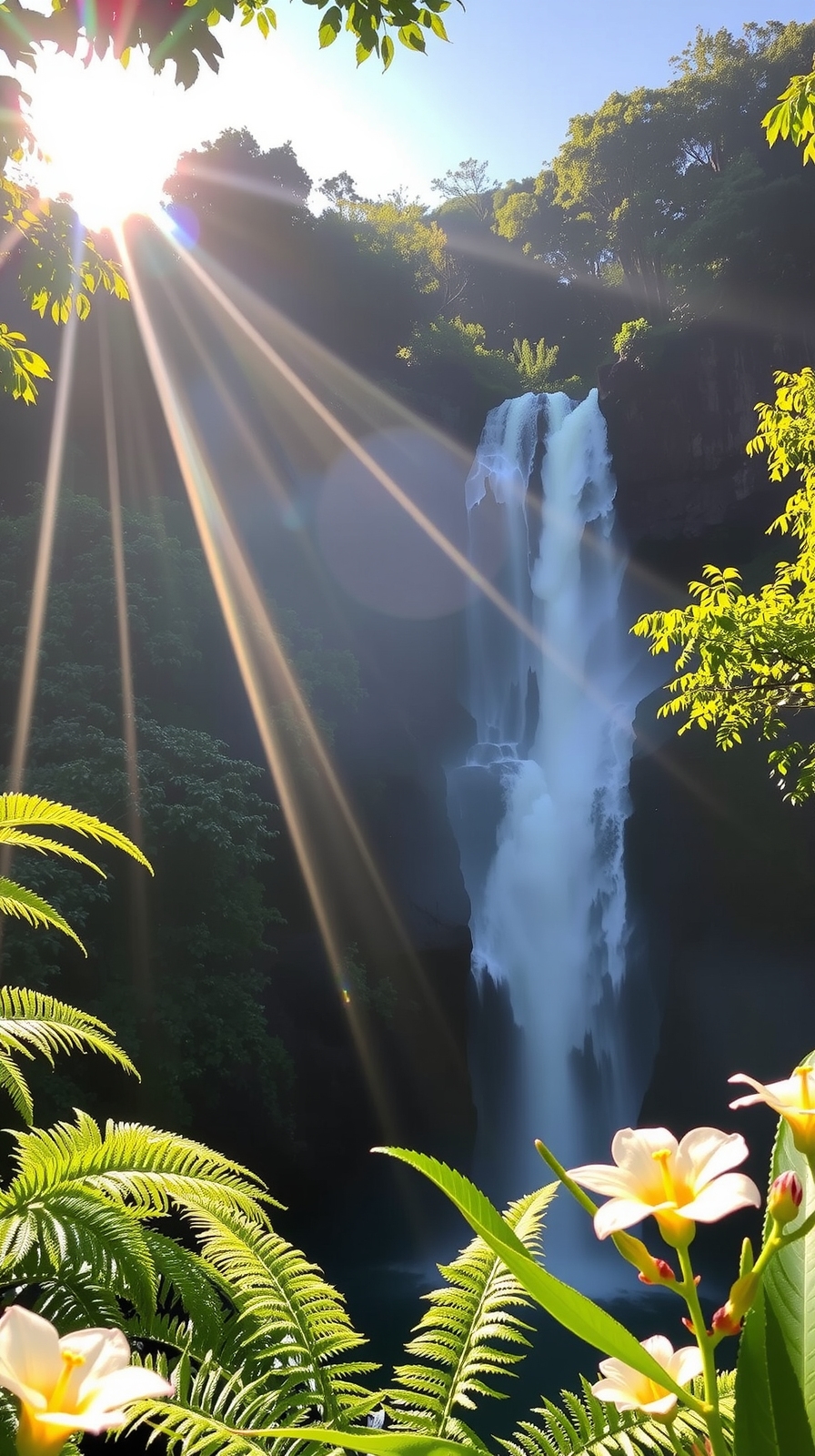
Eleven miles north of Hilo on the Big Island, Akaka Falls drops 442 feet into a gorge so lush with tropical vegetation you’ll be stopping every few feet to take photos. The paved half-mile loop trail takes about 30 minutes if you don’t count all the time you’ll spend gawking at bamboo groves, wild ginger, and native Hawaiian plants.
You’ll pay five dollars to enter the state park, and you’ll encounter some stairs and potentially wet conditions, but the payoff includes views of both Akaka Falls and the 300-foot Kahuna Falls. This is one of Hawaii’s most accessible waterfall experiences, which explains why it’s packed with tour buses during peak hours.
Tahquamenon Falls, Michigan
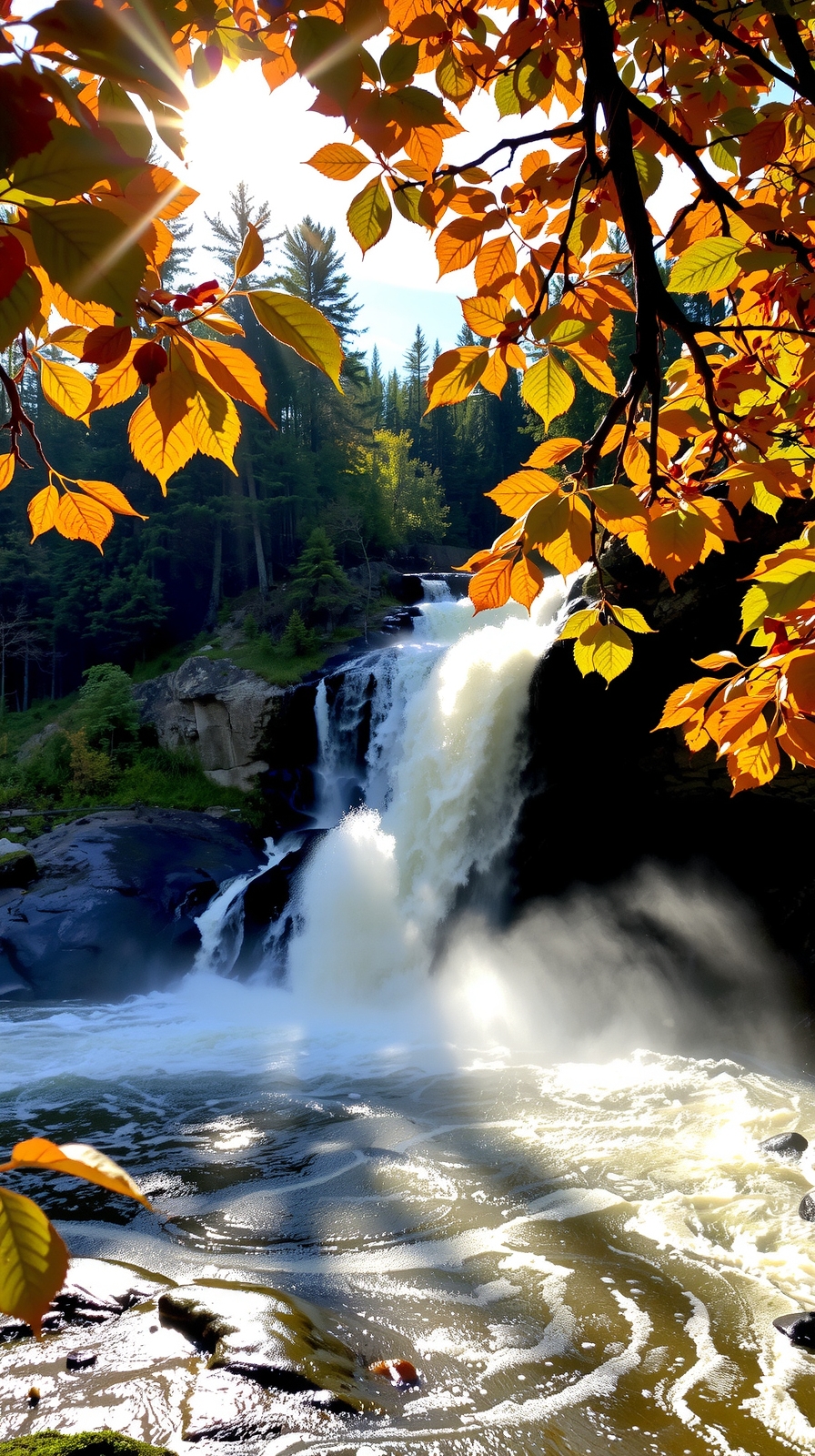
The amber-colored water flowing over Tahquamenon Falls looks like root beer, and that’s because tannins from upstream cedar swamps stain the river a distinctive brown. The Upper Falls drops 50 feet across a 200-foot expanse, pushing up to 50,000 gallons per second during spring runoff—making it second only to Niagara for sheer volume east of the Mississippi.
The Lower Falls downstream splits into five smaller cascades around an island you can reach by rowboat rental. The 46,179-acre state park gives you 35 miles of trails to explore, and unlike many waterfalls, this one stays open and accessible even in winter when everything freezes into ice sculptures.
Burney Falls, California
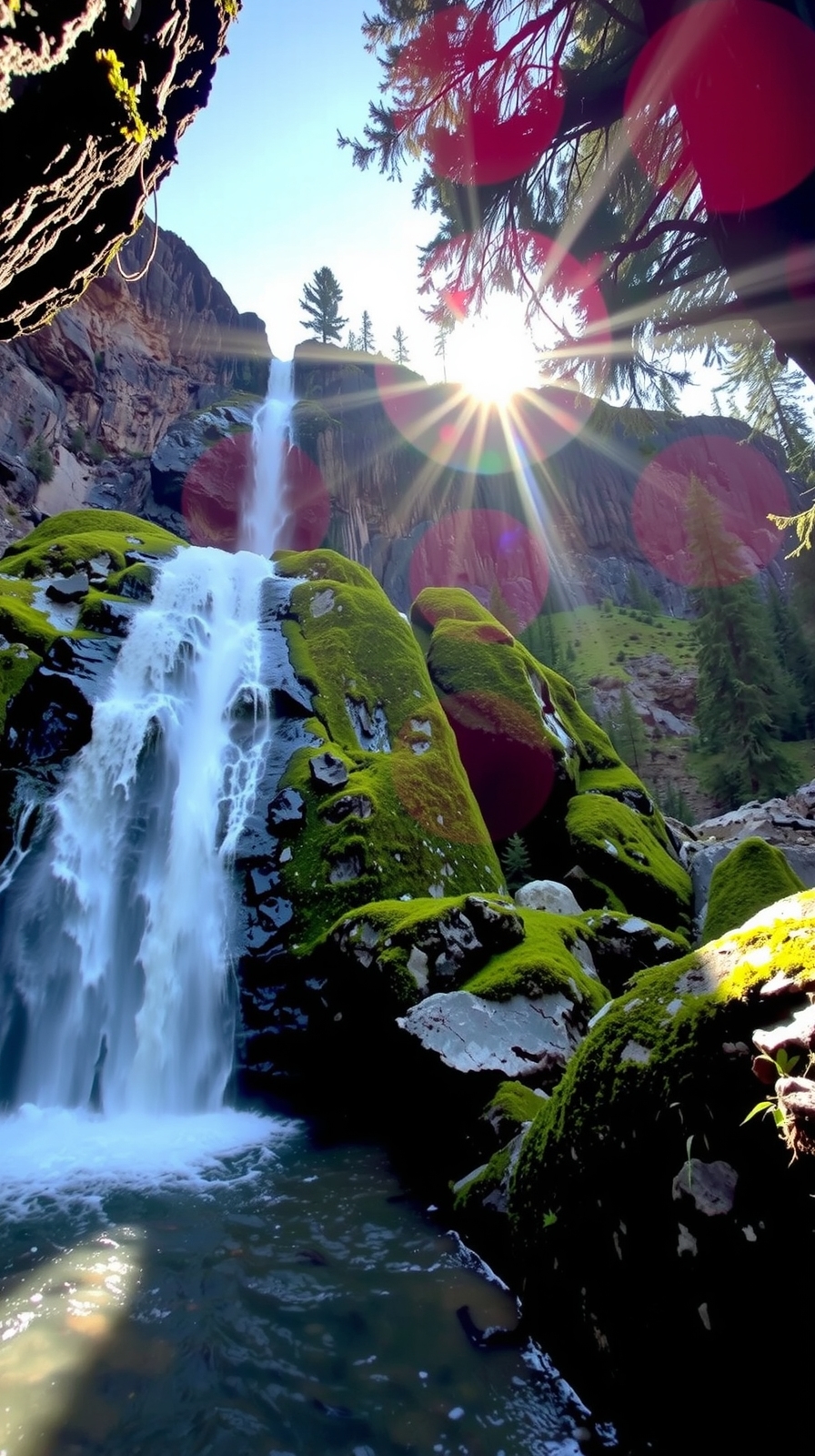
Theodore Roosevelt called Burney Falls “the eighth wonder of the world,” which sounds like hyperbole until you realize this 129-foot waterfall flows at 100 million gallons per day even during California’s worst droughts. Water doesn’t just pour over the top—it streams through porous volcanic rock all along the 250-foot width, emerging from underground springs both above and through the falls itself.
The geology here is legitimately unique, carved from lava flows that created the perfect conditions for year-round flow. McArthur-Burney Falls Memorial State Park near Redding sees more than 250,000 visitors annually who come for the hiking, camping, and the chance to witness something that doesn’t follow normal waterfall rules.
Whitewater Falls, North Carolina
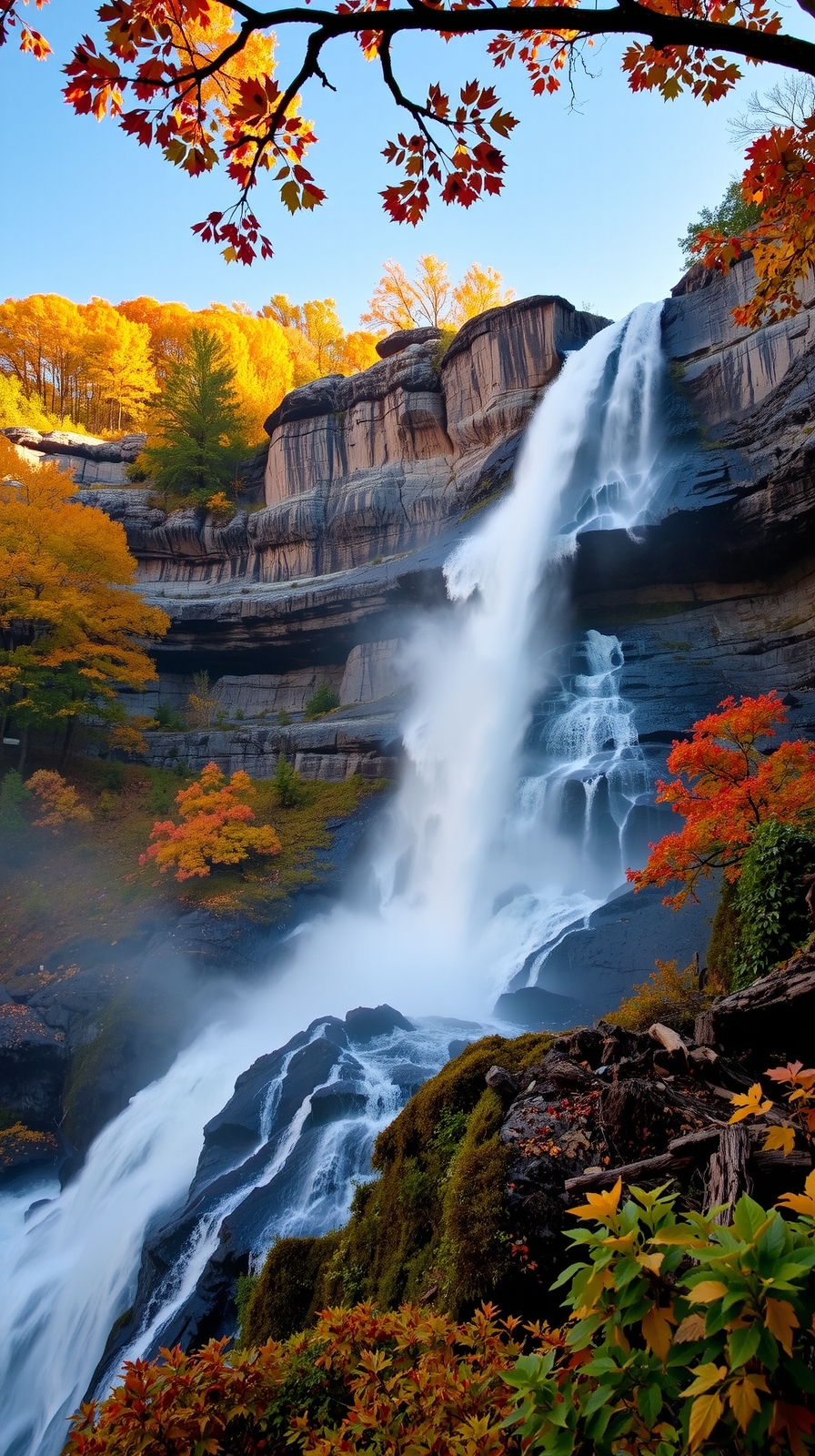
The upper section of Whitewater Falls plummets 411 feet down volcanic rock formations in the Blue Ridge Escarpment, claiming the title of highest waterfall east of the Rockies. Getting to the upper falls viewpoint requires just a short 0.22-mile paved trail, though you’ll need to descend 154 steps to reach the best platforms.
The lower falls drops another 200 feet and sits about 1.9 miles downstream if you’re up for a moderate hike. Morning visits help you avoid the crowds, but bring water since there are no facilities once you’re on the trails in Nantahala National Forest.
Kaaterskill Falls, New York
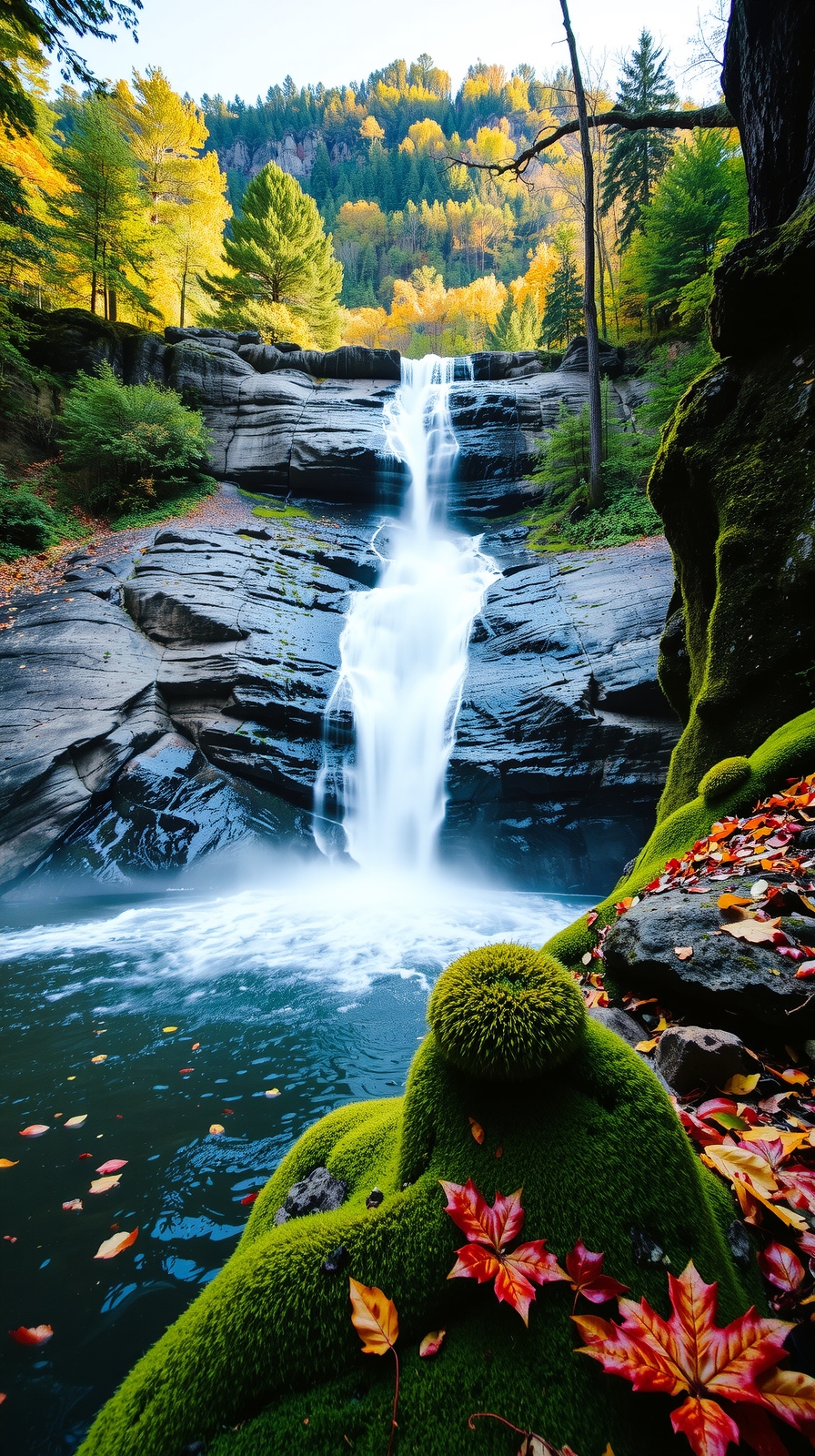
Hudson River School painters made Kaaterskill Falls famous in the 1800s, and Washington Irving mentioned it in “Rip Van Winkle,” so this 260-foot waterfall has been drawing tourists longer than most American attractions. The cascade drops in two stages, 167 feet in the upper tier and 64 feet in the lower, making it one of New York’s tallest waterfalls.
Over 200,000 people hike the 1.4-mile roundtrip trail through Kaaterskill Wild Forest every year, though the loose stone terrain demands sturdy boots and attention to where you’re stepping. Artists still set up easels here trying to capture what Thomas Cole saw almost two centuries ago, though these days they’re competing for space with Instagram photographers.
Taughannock Falls, New York
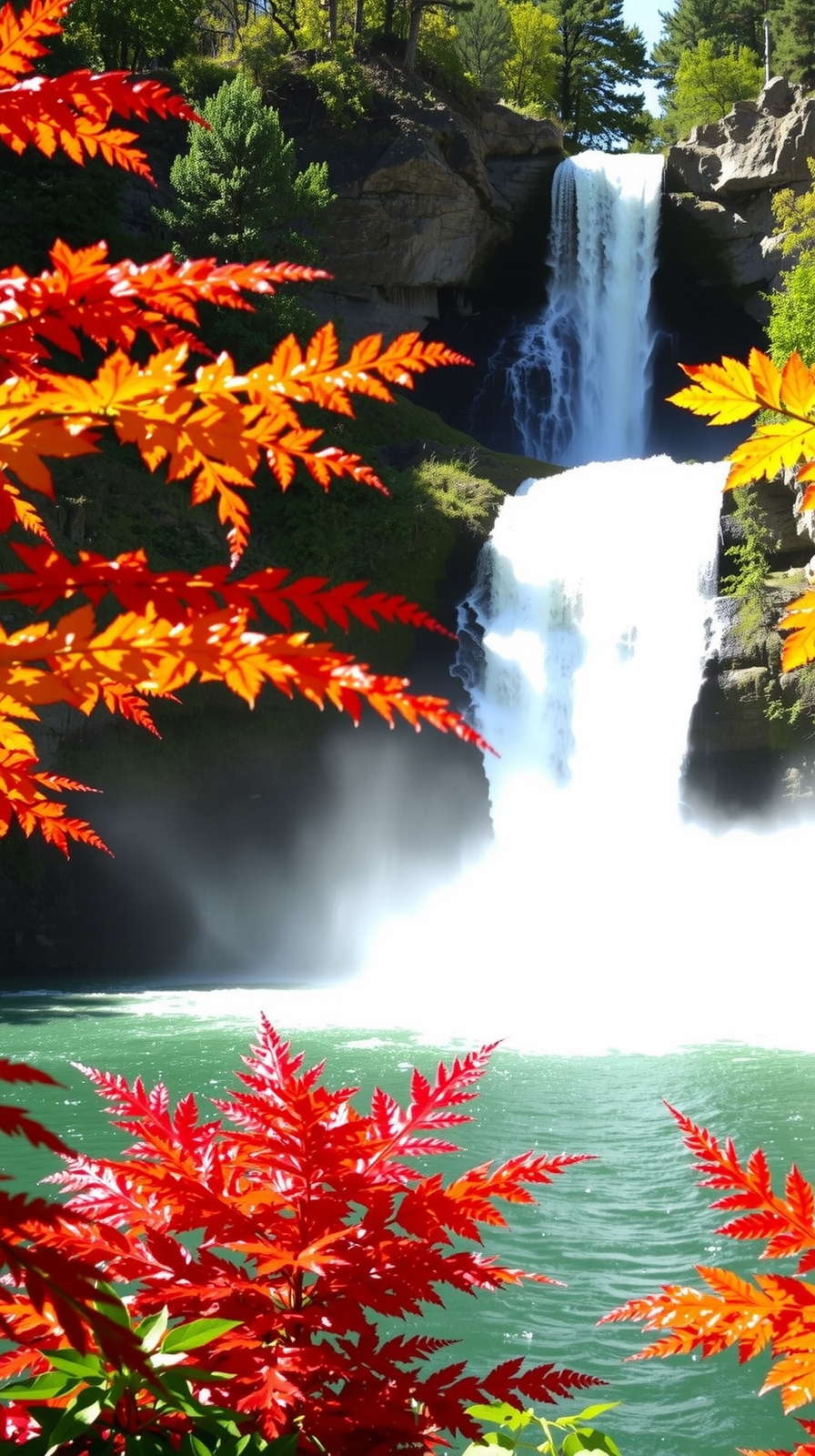
At 215 feet, Taughannock Falls beats Niagara by 33 feet and claims the title of the tallest single-drop waterfall east of the Rockies.
The three-quarter-mile gorge trail takes you right to the base of the falls through a canyon carved into ancient shale, while the rim trail offers views across Cayuga Lake that explain why this region inspired so many landscape painters.
The 750-acre state park pulls in more than 560,000 visitors annually who come for camping, winter snowshoeing, and year-round waterfall access.
Unlike some dramatic waterfalls that require serious hiking or permits, Taughannock delivers maximum impact with minimal effort, which is probably why it’s become such a fixture on New York road trip itineraries.