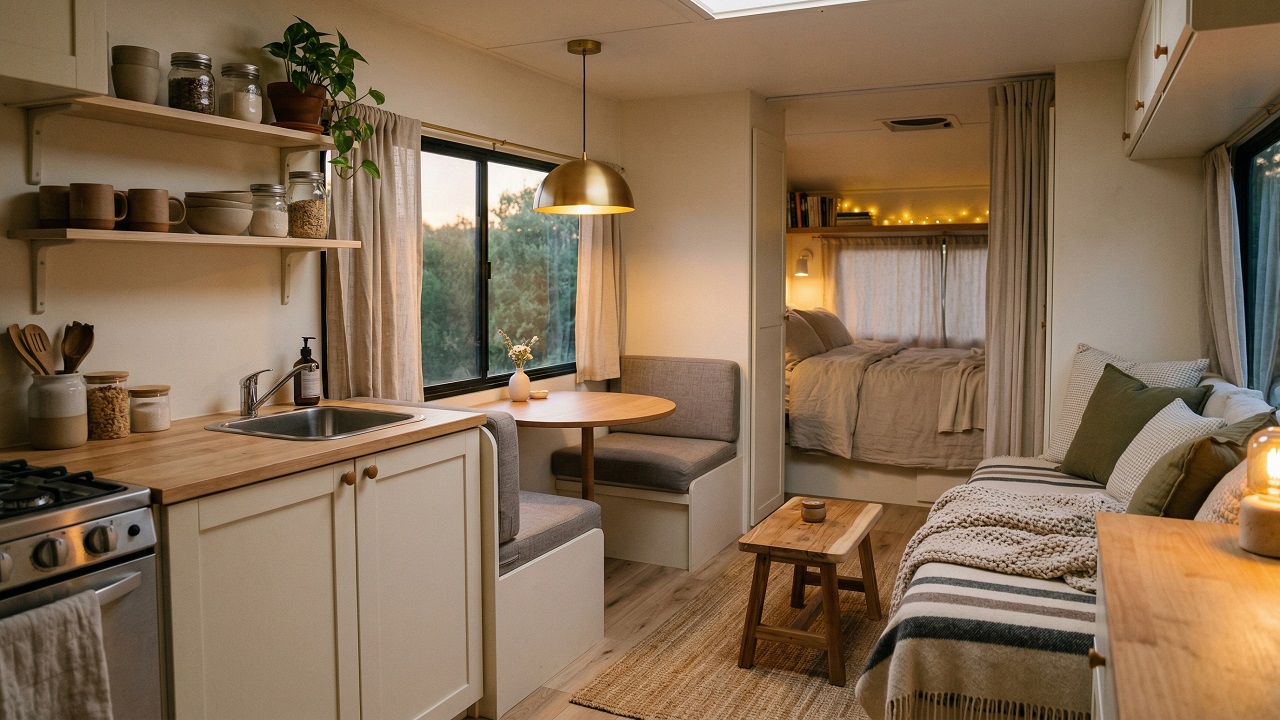
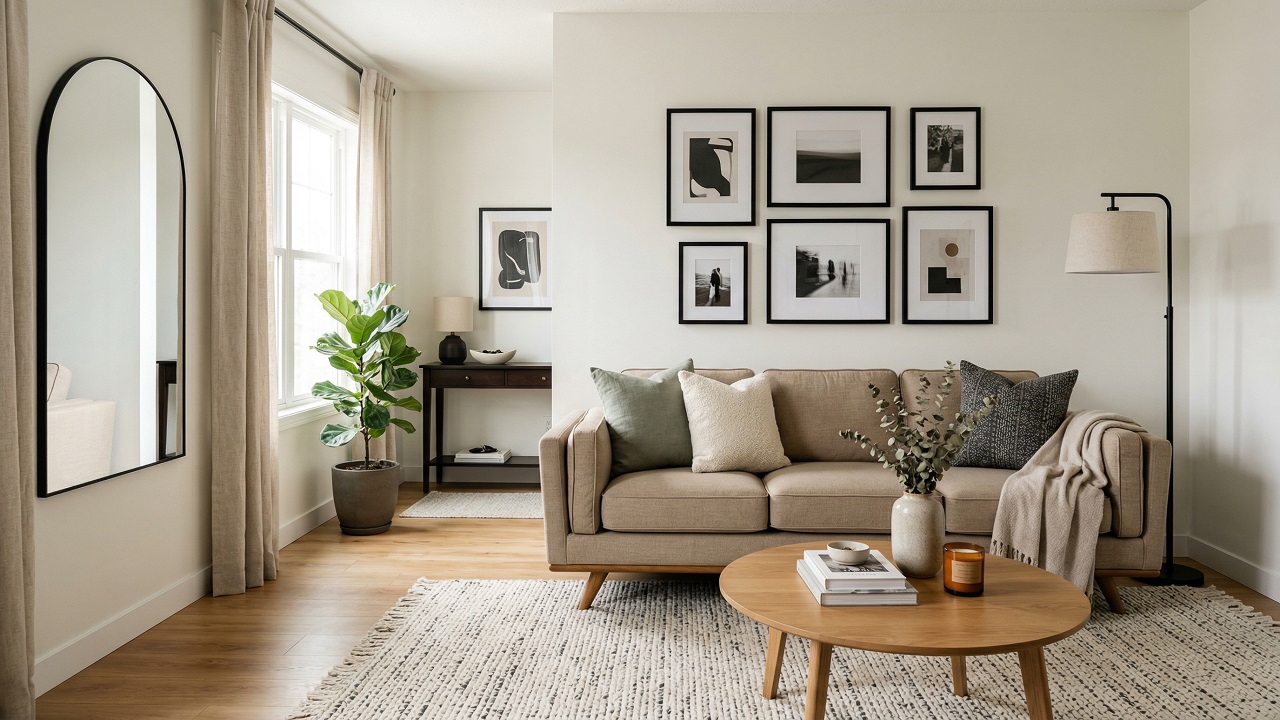
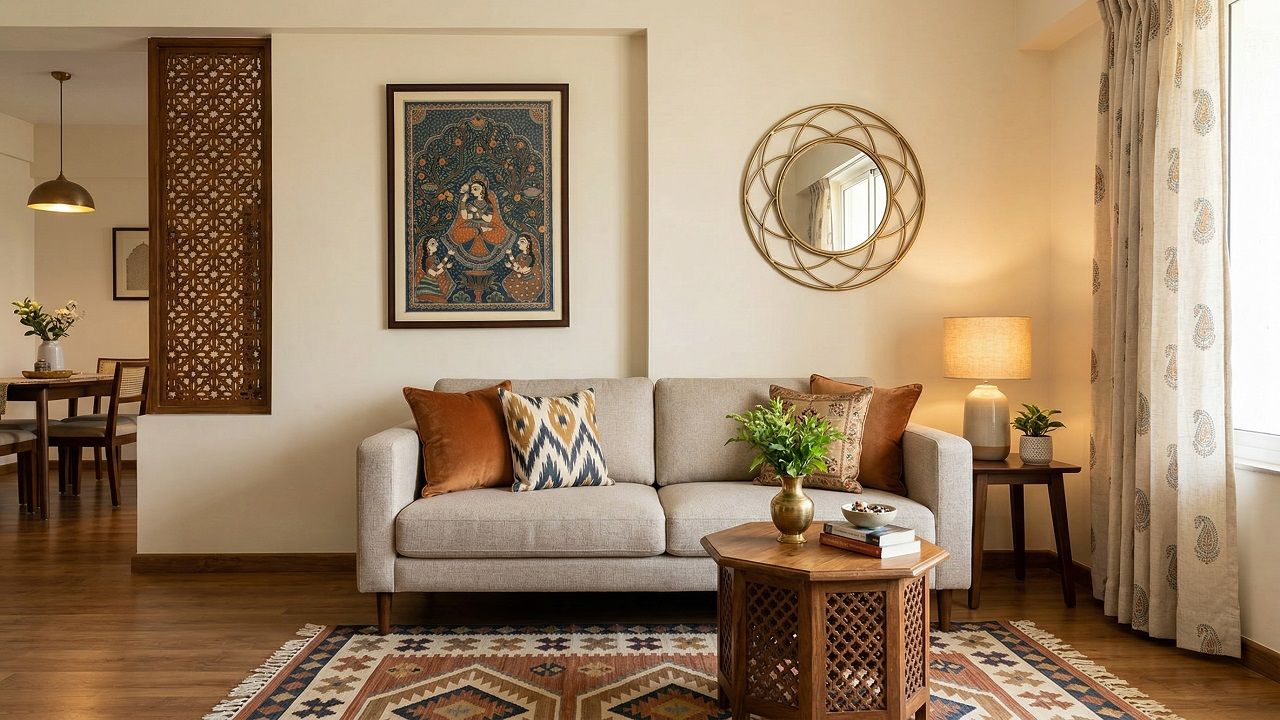
You can feel the difference the moment you walk into a calm, neutral living room. It slows your breathing in a way bold walls rarely do. We could even say families argue less in rooms wrapped in soft beige and warm gray.
The space feels steady, and that steadiness changes how you move through it. Choosing neutrals is less about trends and more about how you want to feel at home.
Get the combination right, and the room works quietly in the background, letting everything else take center stage. Here we show you how to find that balance.
Why neutral color combinations work in living rooms
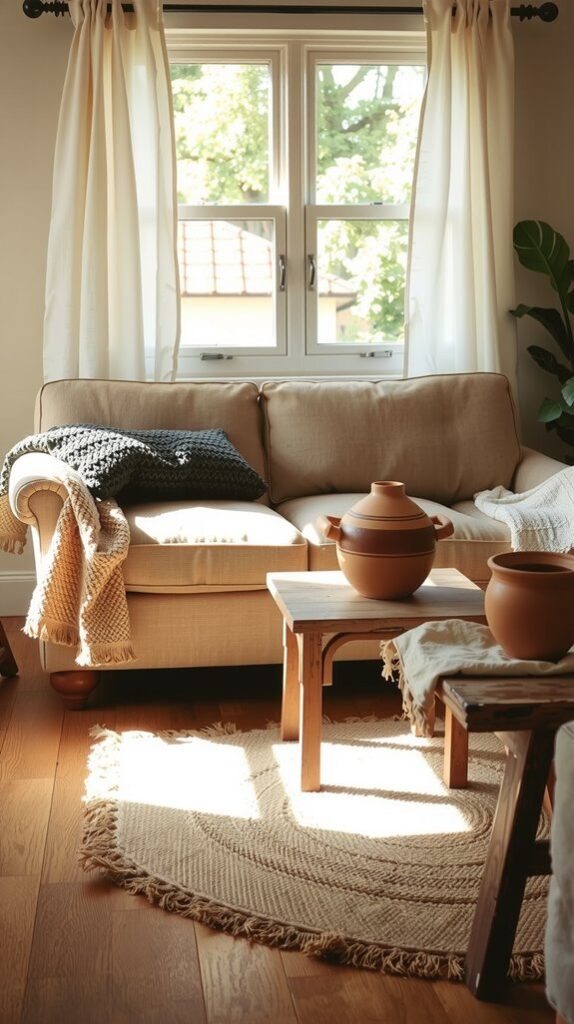
A living room sees everything from movie nights to hard conversations. Loud colors can tire you out faster than you expect.
Neutrals hold the room together without stealing attention from people or furniture. That quiet backdrop makes the space feel settled instead of busy.
How neutrals create balance and longevity
I have repainted bold walls after only a year, and I learned my lesson. Beige, gray, and soft white age far more gracefully.
They let you swap pillows, art, and rugs without starting over. Years later, the room still feels current because the base never fought for attention.
Why neutral palettes adapt easily to changing décor
Think of neutrals as the steady ground under your feet. You can lean modern one season and traditional the next.
A new sofa or bold artwork will not clash with a calm backdrop. The walls stay put while the personality shifts around them.
Choosing the right neutral color combination
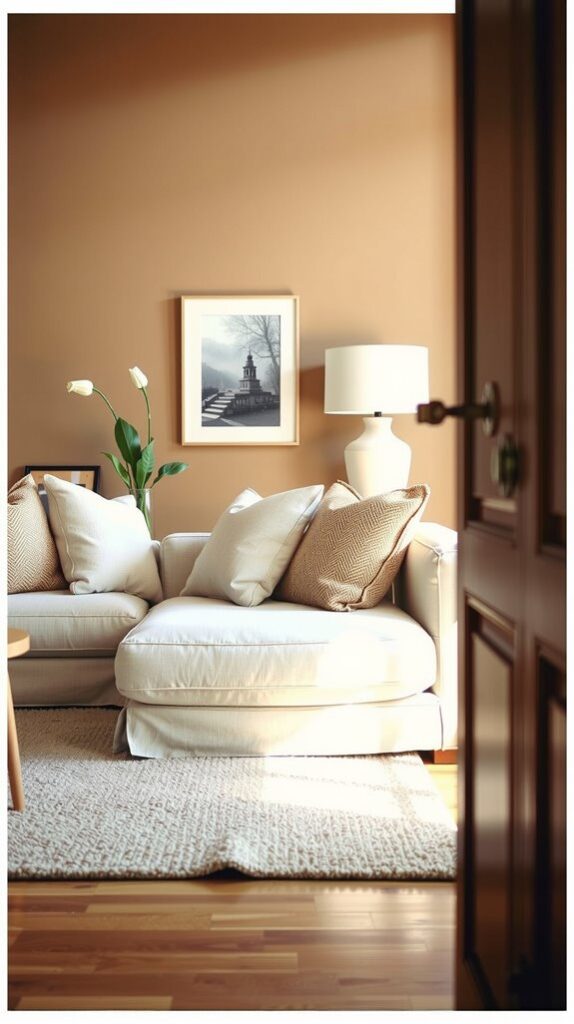
Before opening a paint can, study the light in your room. Morning sun pulls warmth from beige, while north light cools everything down.
Pick one undertone family and stay loyal to it. That single decision keeps the room from feeling slightly off.
Warm vs cool neutral undertones
Warm neutrals carry hints of yellow, red, or soft brown. They feel cozy on cloudy days and welcoming at night.
Cool neutrals lean toward blue or green and suit bright, airy spaces. Mixing both families often creates tension you cannot quite name.
Selecting a main neutral and a supporting shade
Every good neutral room has a clear leader. Let your main shade cover the walls or the largest furniture pieces.
in a supporting tone through chairs, curtains, or built ins. That hierarchy keeps the palette calm instead of muddy.
Matching neutrals with flooring and furniture
Your floors are not going anywhere, so start there. Dark wood loves lighter walls that lift the whole space.
Pale oak can handle deeper taupe or charcoal without shrinking the room. When the fixed pieces and paint agree, everything else falls into place.
Best neutral color combinations
Beige and cream combinations
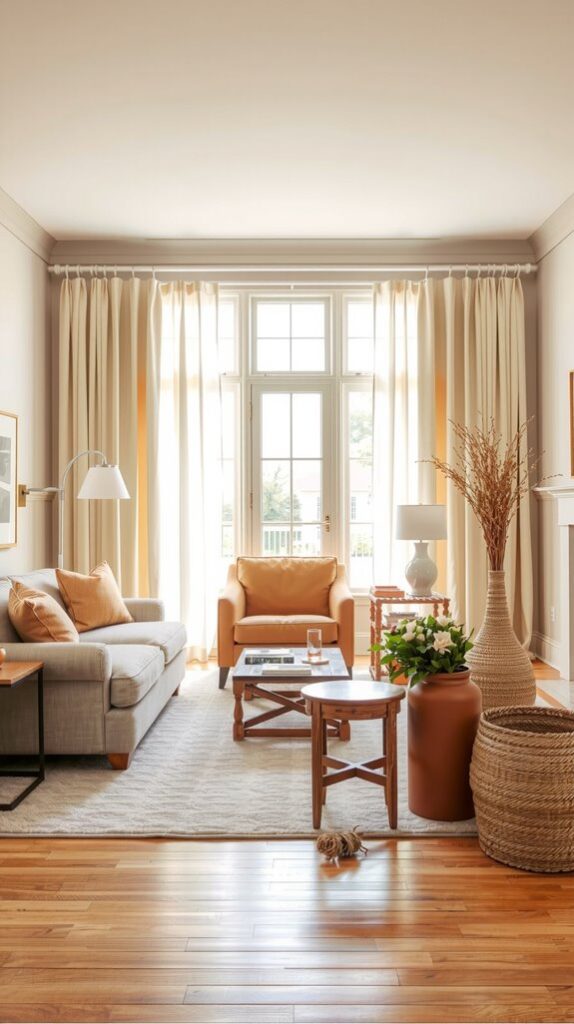
Beige and cream have anchored more living rooms than any trend color ever will. They share warm undertones, so the shift between them feels natural.
Layered together, they soften corners and make ceilings feel higher. Add natural fabrics and the room almost glows at dusk.
Gray and white palettes
Gray and white can look sharp or soft depending on the undertone. A cool gray with crisp white trim feels clean and tailored.
Warmer grays create a gentler contrast that works in family homes. Layer two or three grays and the space gains depth without adding color.
Greige-based neutral schemes
Greige sits comfortably between gray and beige. It solves the problem of rooms that feel too cold or too yellow.
Pair it with white trim and wood accents for balance. The result feels current but still relaxed enough for everyday living.
Layering neutrals for depth and interest
Mixing light, medium, and dark neutrals
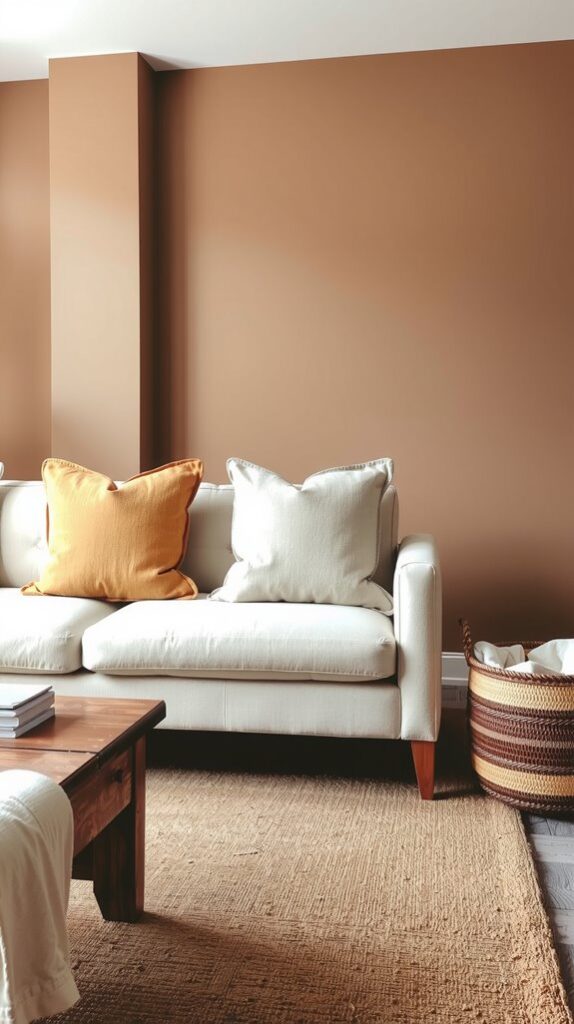
A single flat shade will make even a large room feel dull. Start light on the walls, then add medium tones through sofas and chairs.
Finish with darker accents in frames, lamps, or side tables. That quiet contrast keeps the eye moving without breaking the calm.
Using texture to prevent flatness
Color alone will not carry a neutral room. You need linen, wool, leather, and maybe a rough jute rug underfoot.
Each material catches light in a slightly different way. The room feels rich because your eye reads texture as variation.
Incorporating wood and natural materials
Wood keeps neutrals from feeling sterile. A walnut coffee table or oak shelf brings warmth you cannot fake with paint.
Rattan and woven pieces add another layer of softness. Those natural notes make the space feel lived in rather than staged.
Combining Neutral Color For Small Living Space
Light neutrals that visually expand space
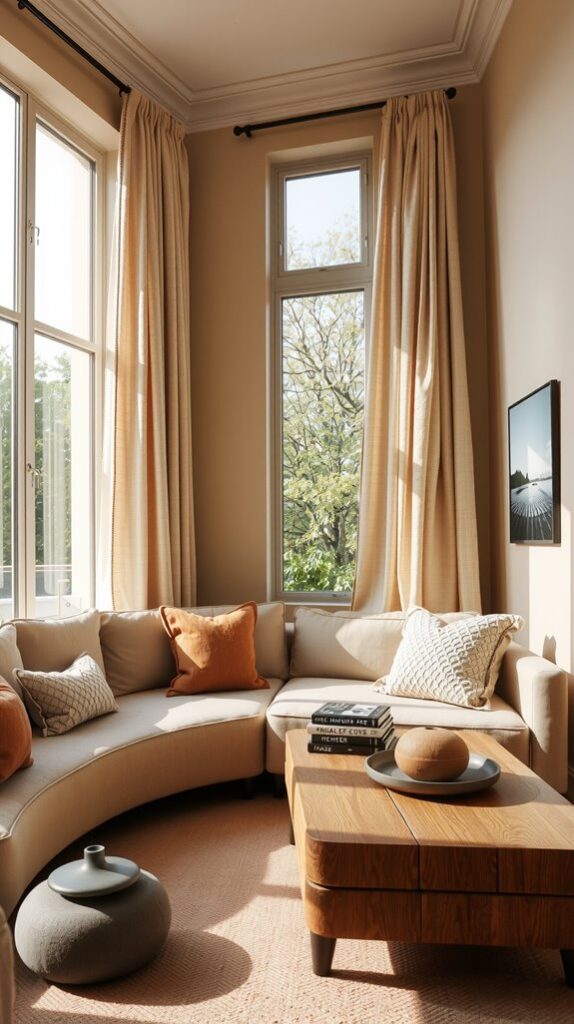
Small rooms benefit most from a restrained palette. Light creams and soft grays bounce light around the walls.
The boundaries blur, and the room feels less boxed in. Keeping contrast gentle helps the space breathe.
Soft contrast without harsh lines
In tight quarters, sharp contrast can slice the room into pieces. Blend cream with beige or warm gray with taupe instead.
The subtle shifts create interest without drawing hard edges. Your eye moves smoothly, which makes the room feel larger.
Modern neutral living room color ideas
Minimal neutral palettes
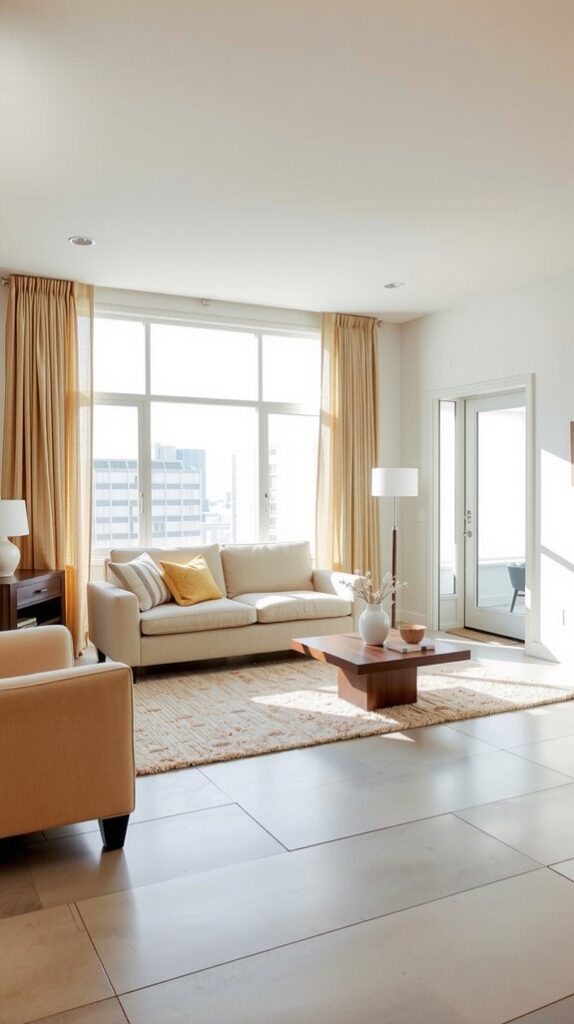
A modern neutral room often relies on only two or three shades. Soft white, warm gray, and a hint of beige can carry the whole space.
Clean lines stand out when the colors stay quiet. The result feels intentional rather than busy.
Neutral combinations with black or charcoal accents
Sometimes a neutral room needs a little weight. Black frames, charcoal lamps, or dark table legs anchor the lighter tones.
That touch of depth keeps the palette from drifting into bland territory. Used sparingly, it sharpens the whole design.
Keeping modern neutrals warm
Modern does not have to mean cold. Warm wood, woven textiles, and soft lighting change the mood completely.
Choose bulbs with a gentle glow instead of harsh white light. The room stays clean and simple, yet still feels like somewhere you want to curl up at night.