You don’t need two weeks off to feel like you’ve had a proper adventure. The trick is picking a campsite that puts you within striking distance of everything you want to do, whether that’s hiking to waterfalls, paddling a lake, or driving scenic backroads.
Set up your tent once and spend the rest of your trip radiating out from that single basecamp instead of packing up and moving every other day. You’ll actually see more, do more, and waste less time wrestling with tent poles in the dark. The 16 spots below are built for exactly that.
Find Multi-Activity Campsites With FreeCampsites.net and Campendium
Both FreeCampsites and Campendium let you filter by what’s actually nearby, not just what amenities the campground itself offers. The real gold is in the user reviews, where people mention the unmarked trailhead two miles up the road or the swimming hole you’d never find on a map.
Photos show you what the approach looks like, which matters when you’re hauling kayaks or trying to figure out if your sedan can handle the access road. Start with the filters but read the comments because that’s where locals drop the good intel.
14-Day BLM Stays: How Free Dispersed Sites Support Week-Long Hubs
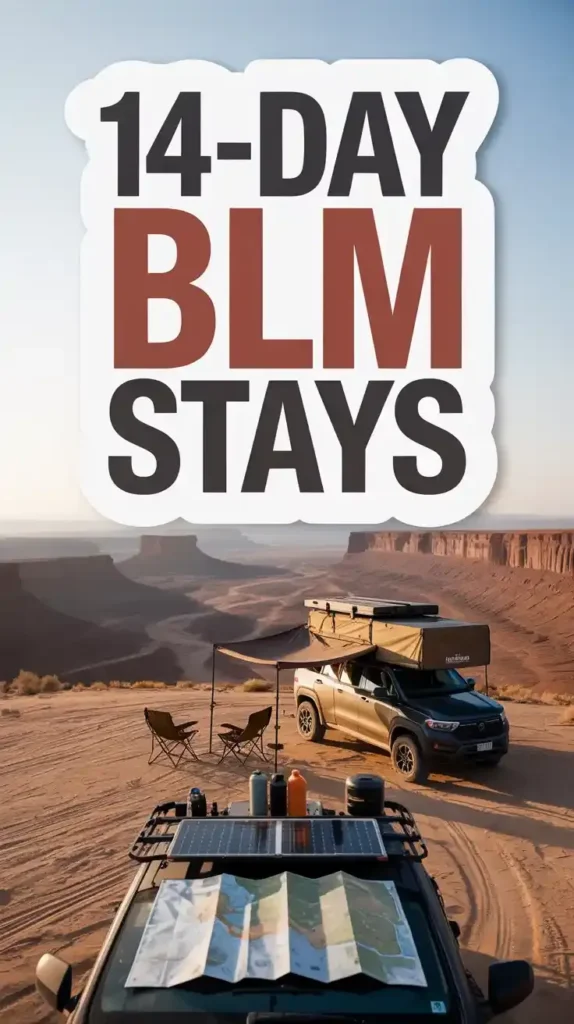
Bureau of Land Management dispersed camping gives you 14 consecutive days in the same spot without paying a dime. That’s plenty of time to set up a proper basecamp and explore everything within an hour’s drive without feeling rushed.
The catch is you’re completely on your own, no water spigots, no bathrooms, no trash service, so pack accordingly. Look for the brown carsonite posts or road signs that mark legal camping areas, because BLM regulations shift between districts and nobody wants a citation.
National Forest Campgrounds: Trail Clusters, Lake Access, and Free Spurs
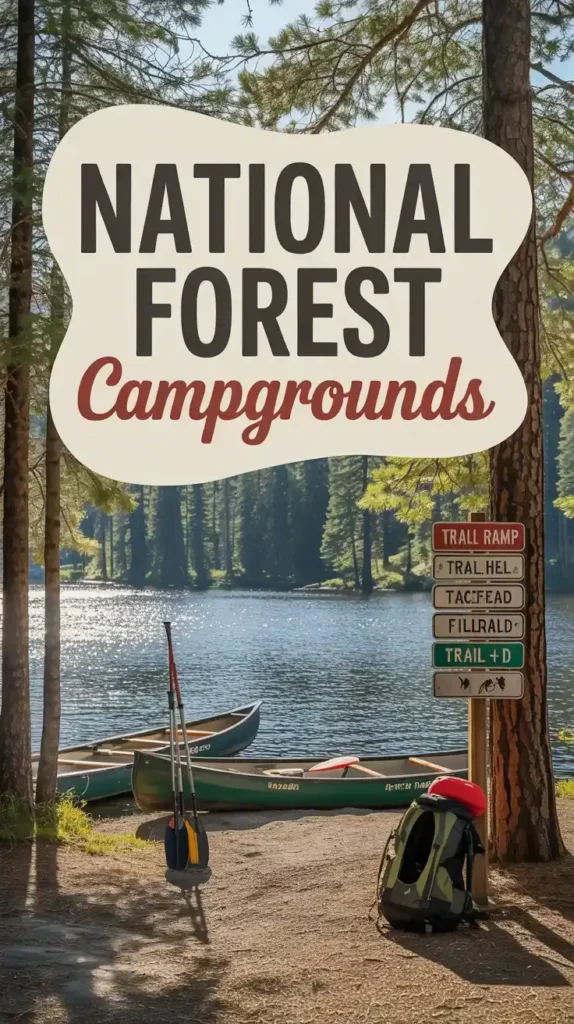
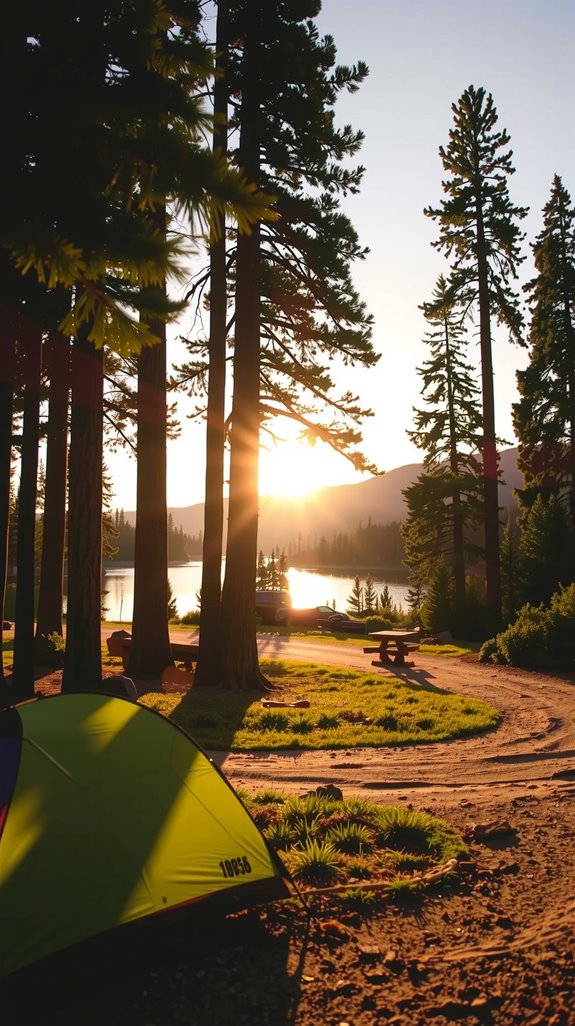
Claiming a spot at a national forest campground puts you at the center of a five-mile activity radius rather than just giving you a place to sleep. Most lakeside sites come with boat ramps and swimming beaches right there, while multiple trailheads branch out in different directions from the same parking area.
You can usually choose between developed loops with flush toilets and water or primitive spurs that cost less and feel quieter. The Forest Service keeps the basics running at both, fire rings, bear boxes, and vault toilets at minimum, which beats digging catholes every morning.
Developed Campgrounds vs. Free Dispersed: Match Amenities to Your Plans
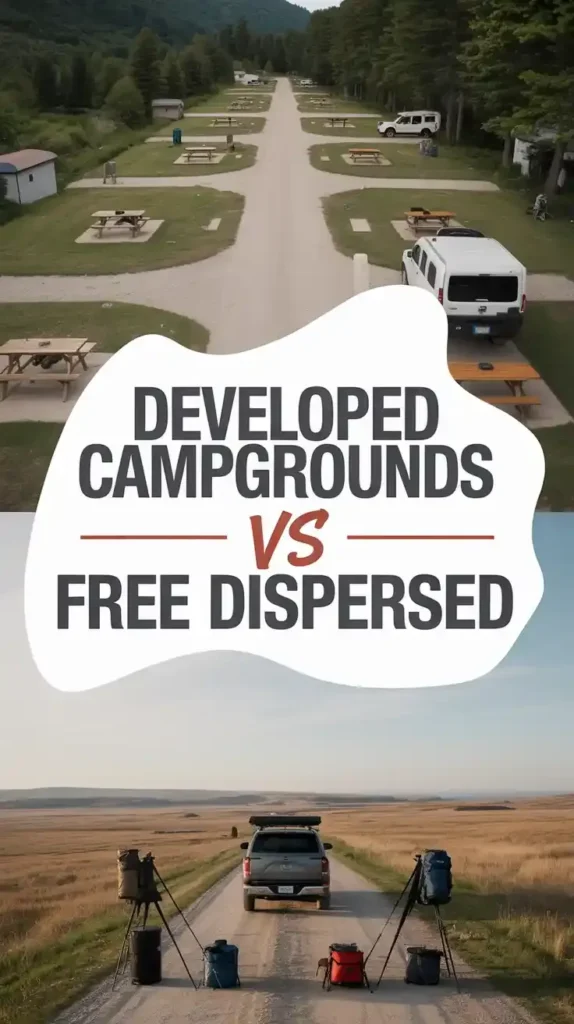
Your choice between a developed campground and dispersed camping determines what goes in your vehicle and how your whole trip unfolds. Developed sites mean running water and bathrooms but also reservation headaches and neighbors close enough to hear their Bluetooth speaker.
Dispersed camping costs nothing and puts you miles from anyone, but you’ll need extra water jugs, a high-clearance vehicle for rough roads, and backup plans when your first three spots are taken. Pick based on how self-sufficient you’re willing to be and whether you value amenities or solitude more.
Stretch Your Car Camping Weekend: Cluster Hikes, Drives, and Swims
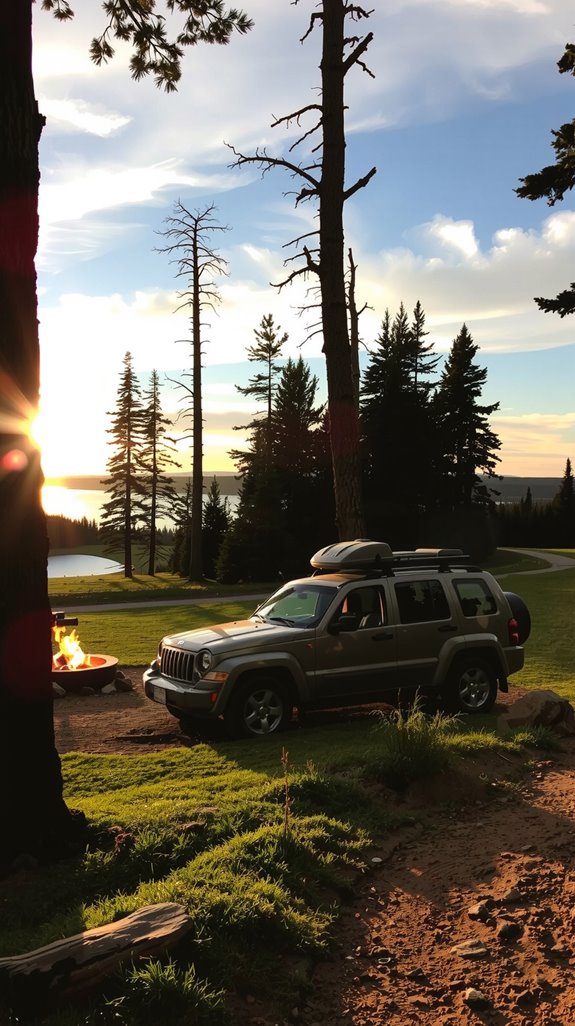
Setting up camp once and building a spoke-and-wheel itinerary from there beats the pack-and-move routine every time. Knock out a big morning hike from one trailhead, then return for an easier sunset walk from the same parking lot instead of driving somewhere new.
Link activities around a single watershed, swimming after a ridge hike, or build elevation tiers so you have high-altitude and low-valley options when the weather rolls in. Planning activity clusters from one basecamp means more hiking, less windshield time.
Yosemite Valley: Walk to Waterfalls, Drive to Glacier Point, Swim in the Merced
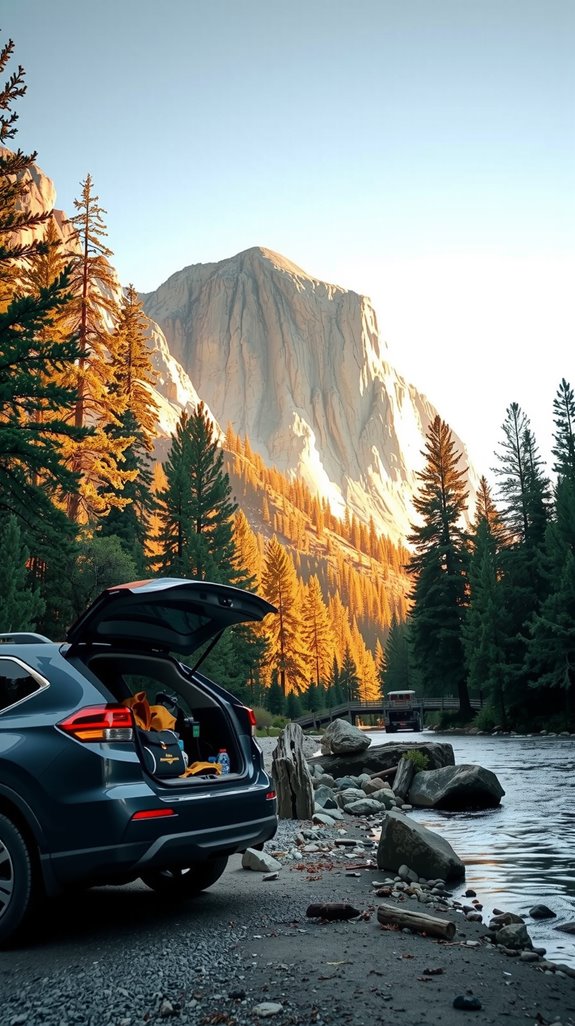
Yosemite Valley packs an absurd concentration of waterfalls and viewpoints into a small enough area that one campground handles it all. Walk the paved loop to Lower Yosemite Fall before breakfast, take the Mist Trail’s granite staircase up to Vernal Fall by midday, then drive Glacier Point Road for that 3,200-foot overlook before dinner.
The Merced River runs cold enough to make you yelp but perfect for an afternoon soak between hikes. Everything loops back to the same campground, so you unpack once and actually relax.
Grand Teton’s Colter Bay: Lake Paddles, Mountain Hikes, and Wildlife From One Camp
Colter Bay sits on Jackson Lake’s northeastern shore and functions as the most efficient basecamp in Grand Teton National Park. You’ve got 324 regular sites plus RV hookups and tent cabins if you want walls, all with the Tetons rising directly across the water.
Launch your kayak from the marina in the morning, hike the Heron Pond loop to watch moose in the afternoon, then glass for wildlife along the lakeshore at sunset. Two weeks here won’t feel repetitive because the variables, weather, wildlife, light, change daily even when your tent doesn’t.
Elkmont in the Smokies: 800 Trail Miles From One Camp
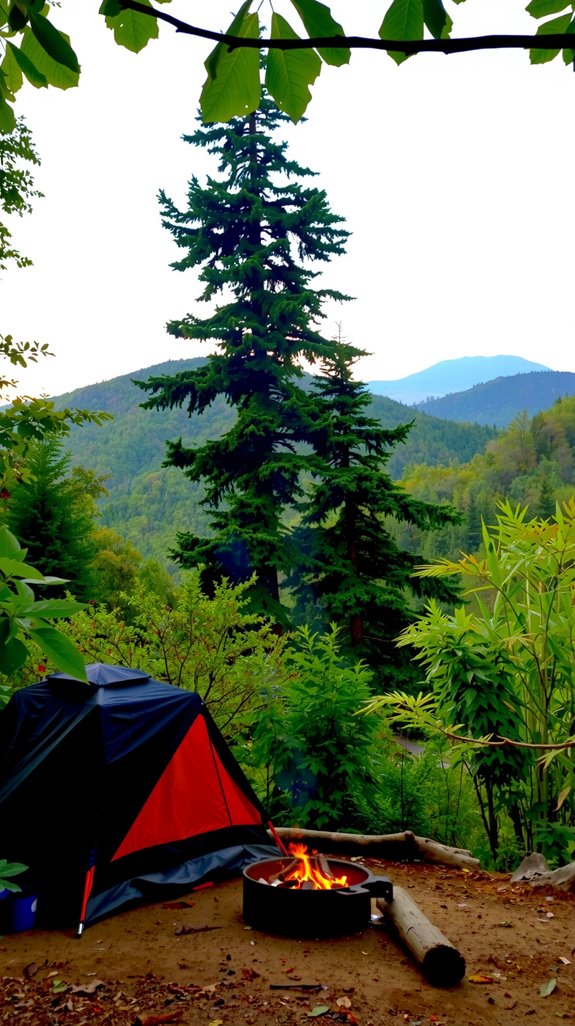
Elkmont Campground in Great Smoky Mountains National Park puts you at the junction of more than 800 miles of maintained trail. Little River Trail starts right at the campground entrance, while Jake’s Creek and Cucumber Gap branch off close enough to walk from your site.
You could hike a different loop every day for two weeks without driving anywhere or repeating a route. The logistics disappear when trailheads are this close, leaving you with just the question of which direction to walk today.
Zion’s Watchman Campground: Shuttle to Angels Landing, Walk to the Virgin River
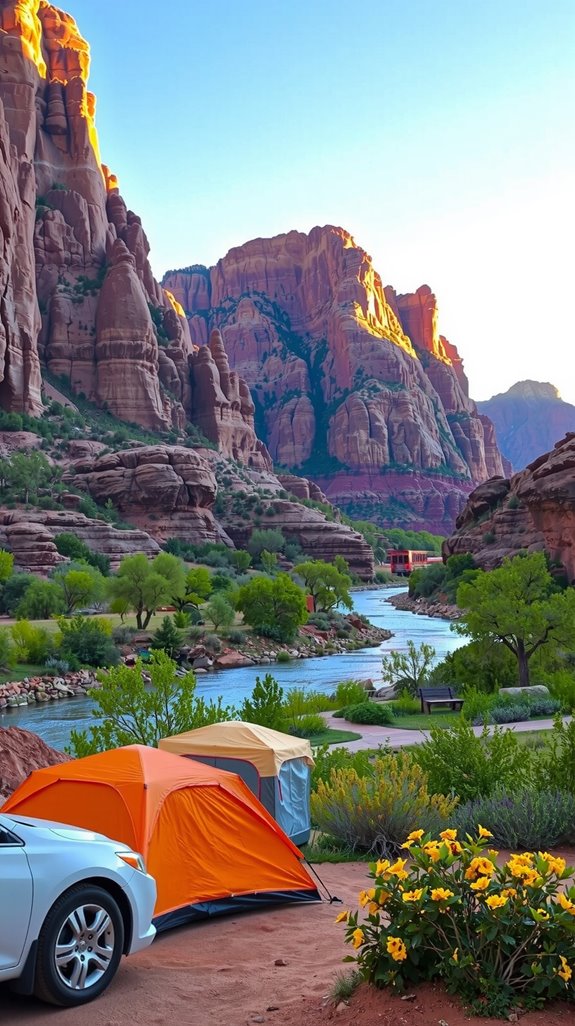
Watchman Campground sits at Zion’s south entrance, where the free shuttle system turns your campsite into a transit hub for the entire canyon. Shuttles run every 10 to 15 minutes to Angels Landing, the Narrows, and every other major trailhead up the canyon.
When you’re done hiking, walk the paved Pa’rus Trail along the Virgin River right from camp or just sit in the shade and watch climbers on the walls above. Your truck stays parked for days because the shuttle handles everything.
Yellowstone’s Loop Camps: Geysers, Bison, and Waterfalls on Daily Drives
Yellowstone spreads its attractions across a figure-eight road layout instead of concentrating them in one area like most parks. Camp at Canyon Campground and you’re an hour from Lamar Valley’s wolves, Old Faithful’s eruptions, and Grand Prismatic Spring’s ridiculous colors.
The loop roads connect to each other, so you can chain different thermal basins and wildlife zones without backtracking or moving camp. Bison jams and geyser gazing work better from a stationary basecamp anyway.
Kaibab National Forest: Grand Canyon Rim Views From a Free Dispersed Site
Most people don’t realize you can camp for free in Kaibab National Forest and wake up with rim views instead of paying $36 a night inside the park. The three ranger districts, North Kaibab, Tusayan, and Williams, all have dispersed sites within 30 to 45 minutes of canyon overlooks.
You’ll need a vehicle with decent clearance for the forest roads, and there’s no water anywhere, so bring everything you need. Stay 200 feet back from roads and water sources, and you’re legal for 14 days.
Noontootla Creek in Georgia: Creekside Fishing, Forest Hikes, and Total Quiet
Noontootla Creek runs through the Blue Ridge Wildlife Management Area in Chattahoochee National Forest, where three mountain streams meet at a spot called Three Forks.
Free dispersed sites line the gravel Forest Service Road 58, many with wooden tent platforms already built and creek access for brook trout. The Appalachian Trail is nearby for day hiking. The best part is the near-total absence of people and the constant sound of moving water.
Richland Creek, Arkansas: Waterfalls and Swimming Holes Steps From Your Car
Richland Creek Recreation Area in Ozark-St. Francis National Forest gives you wilderness waterfalls without the wilderness approach. Park beside a clear mountain stream and walk minutes to waterfalls, swimming holes, and bluff-lined pools that look like they should require a backpacking trip.
The 11 primitive sites sit right on the edge of 11,800-acre Richland Creek Wilderness with trailhead access and creek noise all night. You get the backcountry experience with a cooler full of beer in your truck.
Pearl Ponds, Maine: Backcountry Feel, Drive-Up Access
Pearl Ponds in Maine’s North Woods proves you don’t have to hike five miles to feel remote. Four primitive sites with picnic tables, fire rings, and vault toilets sit at the end of gravel logging roads near five small ponds.
Paddle, fish, and watch for moose without carrying a 40-pound pack or pitching your tent in the dark after a long approach. The solitude feels earned even when your vehicle is 20 feet away.
Pacific Crest Trail Camps in Oregon: Different Alpine Hikes Every Morning
Camping near the PCT in Oregon’s Cascade Lakes region lets you wake up to a new alpine hike each day without moving your tent. Set up near Elk Lake or Shelter Cove on Odell Lake and you’ve got access to Three Sisters Wilderness, Rosary Lakes, and Diamond Peak viewpoints all from one spot.
The season runs late June through October when snowmelt clears the high country. Each trailhead offers different terrain and views, so your daily decision is just picking a direction.
Camp Yosemite and Zion in Shoulder Season for Quieter Basecamp Trips
Late April through May and September through October turn Yosemite and Zion into completely different parks. You’ll catch Yosemite’s waterfalls at full snowmelt flow in May without fighting for parking or sharing viewpoints with 50 other people.
Campsite reservations actually exist, lodging costs drop 20 to 40 percent, and the weather stays mild enough for comfortable camping. Basecamp at Upper Pines or North Pines and spend your days exploring valley trails without the summer circus.