I’ve spent years styling my home, and I’ve learned that a beautiful spring dining table usually comes down to one secret.
We’ve all been there: you set out your favorite bud vases and decorative eggs, only to realize the decor looks “messy” or like it’s floating aimlessly across the wood. I call this “flat table syndrome,” and it happens when your spring table decor lacks a clear anchor.
To fix this, I use the Pedestal Trick. By using a simple stand or riser to create a focal point, you can achieve a light and airy decor look without needing a ton of expensive items.
Whether you’re hosting an Easter brunch table or a casual spring dinner party, grounding your arrangement with elevation is the quickest way to make a simple spring table look professionally curated.
Contents
Choosing Your Anchor: The Best Pedestal Styles for Every Home
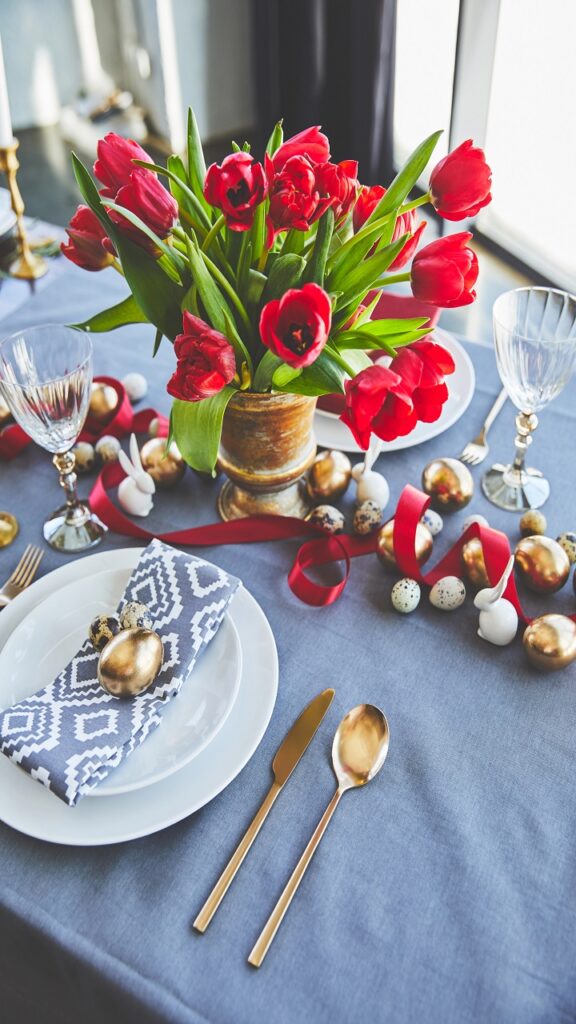
When I first started experimenting with this trick, I realized that the “pedestal” doesn’t have to be a literal marble column. Honestly, half the fun is looking around your house to see what can serve as a sturdy base.
The goal here is to choose a material that complements your existing spring table decor without competing for attention. Here are a few of my favorite ways to set the stage:
The Rustic Farmhouse Look
For a farmhouse spring vibe, I almost always reach for a chunky wooden cake stand or a distressed white riser.
There’s something so grounding about natural wood textures paired with delicate seasonal table styling, it keeps the whole look from feeling too precious. It adds that “lived-in” warmth that makes a spring dining table feel inviting rather than stiff.
The Modern Botanical Aesthetic
If you’re going for a more modern, light and airy decor style, a simple white ceramic stand or a sleek marble slab works wonders. These materials stay out of the way visually, letting your greenery take center stage.
I love how a clean white pedestal makes the vibrant greens of botanical accents really pop against a neutral runner.
The Vintage Cottagecore Vibe
If your vibe is a bit more “brunch in the garden,” you might want to try a glass pedestal or even a tiered wire basket to lean into that cottagecore tablescape aesthetic. This style is all about charm and nostalgia. Just a quick tip from my own trial and error: pay attention to the height!
You want your floral centerpieces to sit high enough to create visual interest, but not so high that you’re playing peek-a-boo with your guests.
| READ THIS GUIDE: 13 Spring Home Decor Tricks: Visual Editing & Spring Coffee Table Decor Trays for the Minimalist Mama. |
The Anatomy of a Grounded Spring Centerpiece
Once you’ve picked your pedestal, it’s time for the fun part: the actual styling. I like to think of this as building a tiny, curated ecosystem right in the middle of the spring dining table.
To avoid that “floating” look, you have to layer your elements so they feel connected to each other. Here is my go-to formula for a perfectly balanced spring tablescape:
The Base Layer
I never just plop a vase on a bare pedestal and call it a day. I always start by softening the surface. Usually, I’ll tuck in some green Spanish moss, a few sprigs of eucalyptus, or even a draped linen napkin. This acts as a foundation for your floral centerpieces and makes the whole arrangement feel more organic and less “staged.”
The Hero Element
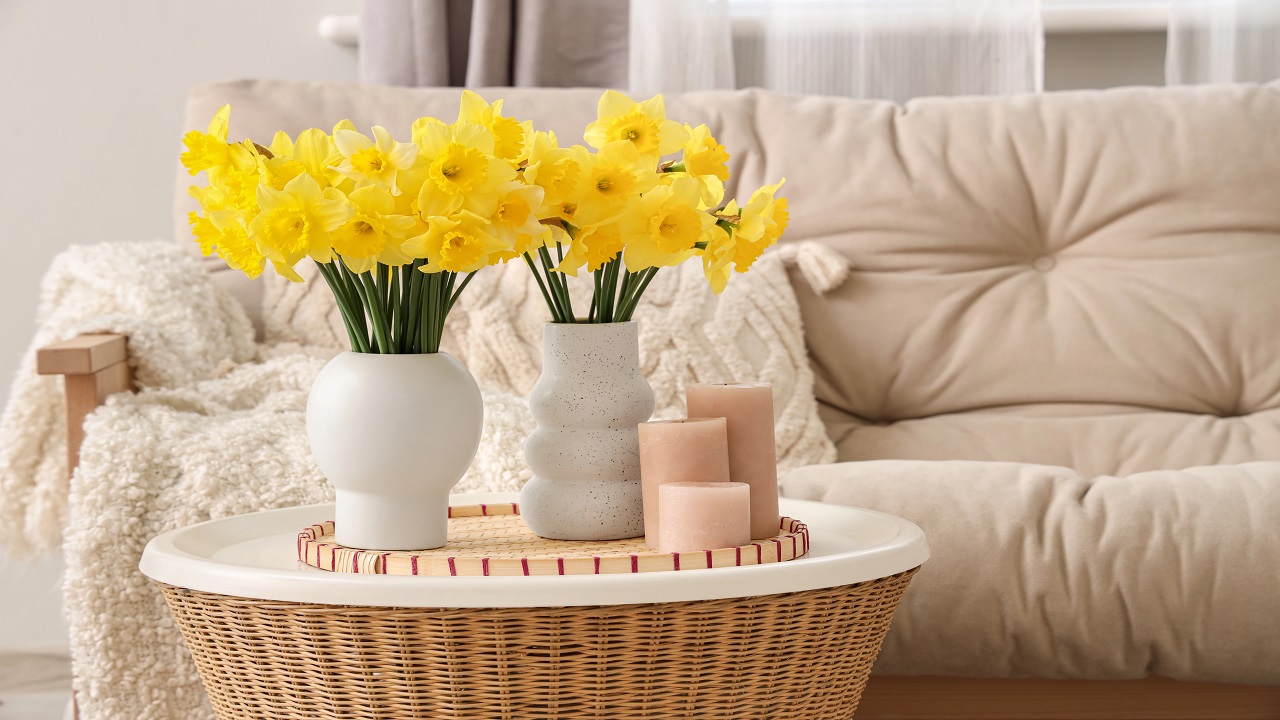
This is your showstopper. For a classic spring table decor look, I love using a cluster of tulips, daffodils, or my personal favorite—fluffy peonies. CLICK to get some peonies here!
By placing your main florals on the highest point of the pedestal, you’re giving them the “throne” they deserve. It immediately draws the eye and creates that gorgeous light and airy decor focal point we’re all after.
The “Spill” Effect
To really ground the look, you want some of your decor to “spill” off the pedestal and onto the table surface.
I’ll often trail a piece of ivy or a delicate silk ribbon down from the top level. This connects the elevated botanical accents to the rest of the table, so the transition feels seamless rather than abrupt.
| READ THIS: The Ultimate Spring Decor Roundup: 35 Ways to Refresh Every Space. |
Styling Your Pedestal for Specific Spring Occasions
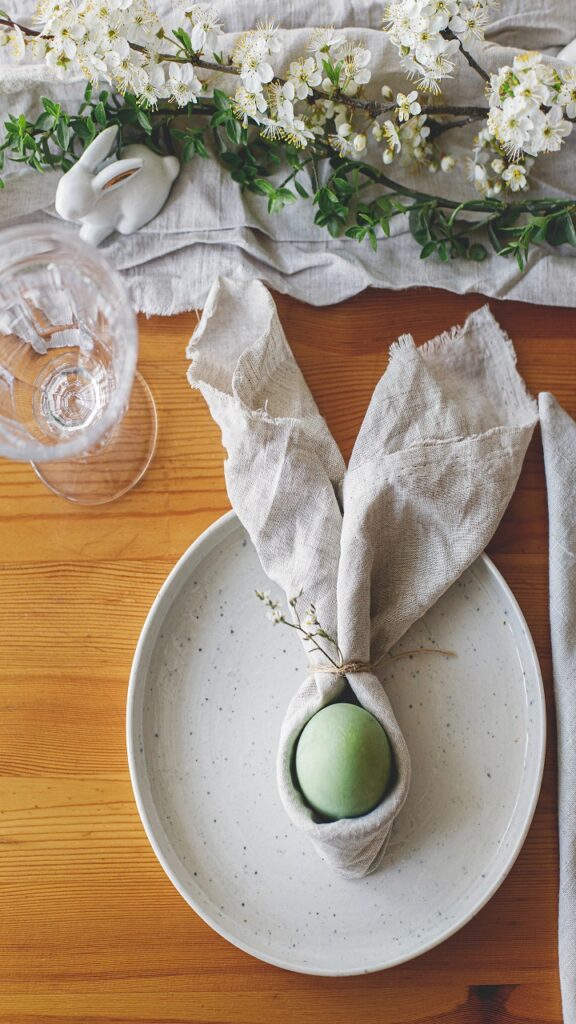
One of the reasons I’m so obsessed with the pedestal trick is that it’s incredibly versatile. You can use the exact same stand but swap out a few small seasonal table styling pieces to completely change the mood depending on what you’re hosting.
The Easter Brunch Table
For an Easter brunch table, I ditch the tall vases and go for something more whimsical. I’ll use my pedestal to elevate a beautiful “showstopper” nest filled with speckled eggs or even a simple lemon cake decorated with edible flowers. It makes the food part of the decor, which is always a win in my book.
The Mother’s Day Luncheon
When I’m styling for a Mother’s Day table setting, I lean heavily into a pastel aesthetic. I’ll use a white ceramic pedestal and top it with vintage teacups filled with sweet peas or ranunculus. It feels soft, feminine, and extra special for the moms in your life. CLICK Here to get some ranunculus here.
The Casual Garden Party
If you’re just having friends over for a spring dinner party, keep it low-key. I like to use a wooden plinth and top it with a few terracotta pots filled with fresh herbs like rosemary or mint.
It’s a rustic spring look that smells amazing and feels totally effortless—even if you spent twenty minutes getting the herb placement “just right.”
Simple Accents to Surround Your Centerpiece
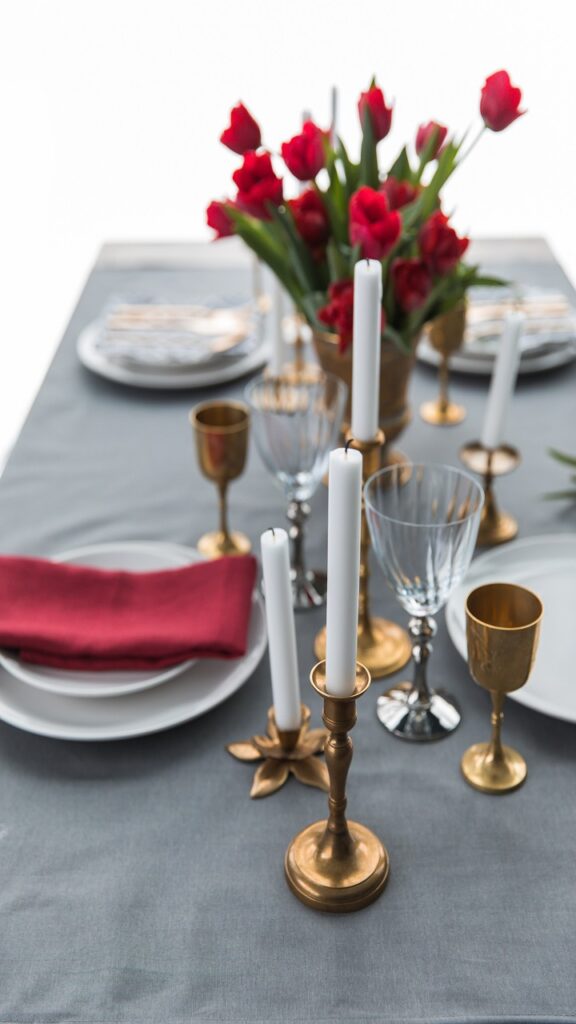
Now that your pedestal is looking like a masterpiece, it’s tempting to keep adding more and more to the rest of the spring dining table.
But here is where I have to give you a little “tough love” styling advice: step away from the clutter! The beauty of the pedestal trick is that it does the heavy lifting for you, so you don’t need to cover every square inch of your spring tablescape.
Negative Space is Key
One of the biggest mistakes I see in seasonal table styling is the fear of empty space. If your pedestal is the “anchor,” the rest of the table needs room to breathe. I like to leave a good amount of “naked” table surface so that the grounded decor really stands out. It makes the whole room feel more light and airy decor and less like a storage unit for craft supplies.
Layering Textures
Instead of adding “more stuff,” I focus on adding more texture. I’ll layer in some woven placemats, delicate glassware, or a few slim taper candles in pastel aesthetic shades.
These elements complement the height of the pedestal without blocking the view. It’s all about creating a simple spring table that feels rich and layered, not crowded.
The Rule of Three
If you do feel like the base of your pedestal looks a little lonely, use the “Rule of Three.” I’ll tuck three small botanical accents—like a single speckled egg, a tiny tea light, and a small sprig of greenery—right at the foot of the stand. It draws the eye down from the <u>floral centerpieces</u> and tethers the whole look to the table.
Effortless Seasonal Hosting
At the end of the day, I’m all about decor that looks expensive but is actually incredibly low-maintenance. The pedestal trick is my favorite way to transition through the season without having to reinvent the wheel every time I have friends over for a spring dinner party.
Whether you’re repurposing a cake stand from the kitchen or a wooden riser from your entryway, creating that vertical focal point is the secret to a professional-looking spring table decor setup.
It’s simple, it’s grounded, and it’s the perfect way to bring a little bit of that garden party vibe indoors.
So, grab a stand, find some fresh blooms, and give your spring dining table the “lift” it deserves. I promise, once you start grounding your decor this way, you’ll never go back to a flat table again!