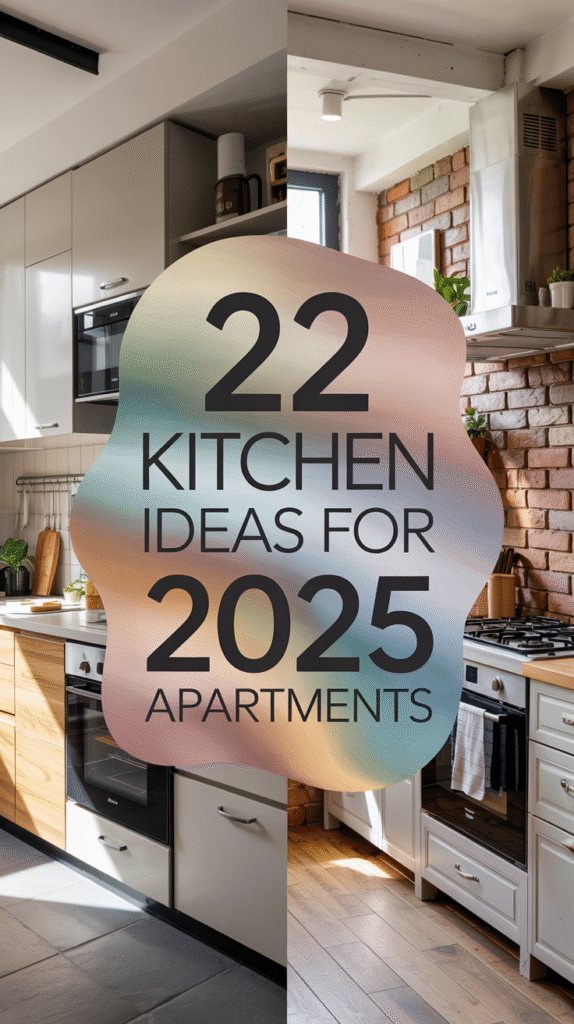
Small kitchens reveal exactly how well a design holds up under pressure. You learn fast what steals space and what earns it. The good news is that 2025 brings a genuine shift toward smarter, more honest kitchen design, one that trades decoration for function without looking like a utility closet.
These ideas aren’t theoretical; they’re the kind of changes that make you wonder how you ever cooked without them. Whether you’re working with a galley layout or a studio apartment corner, there’s more room to work with than you think.
Contents
- 1 Maximize Floor Space With Built-In Appliances
- 2 Embrace Multi-Functional Furniture
- 3 Selective Use of Open Shelving
- 4 Enhance Light With Reflective Backsplashes
- 5 Create Hidden Storage Compartments
- 6 Warm Natural Color Palettes
- 7
- 8 Strategic Use of Dark Accents
- 9 Earthy Ceramic Dishware and Textiles
- 10 Light-Reflecting Materials for Expansiveness
- 11 Multiple Small Light Sources
- 12 Warm-Toned Lighting Fixtures
- 13 Incorporate Mid-Century Modern Elements
- 14 Oversized Sconces for Statement Lighting
- 15 Layered Lighting for Mood Enhancement
- 16 Seamless Lighting Integration
- 17 Integrated Refrigerators With Cabinetry
- 18 Rounded Cabinet Corners for Softness
- 19 Flush-Mounted Cabinet Doors
- 20 Combination Storage Solutions
- 21 Balance of Open and Closed Shelving
- 22 Multi-Use Countertops for Versatility
- 23 Efficient Kitchen Workflow Design
Maximize Floor Space With Built-In Appliances
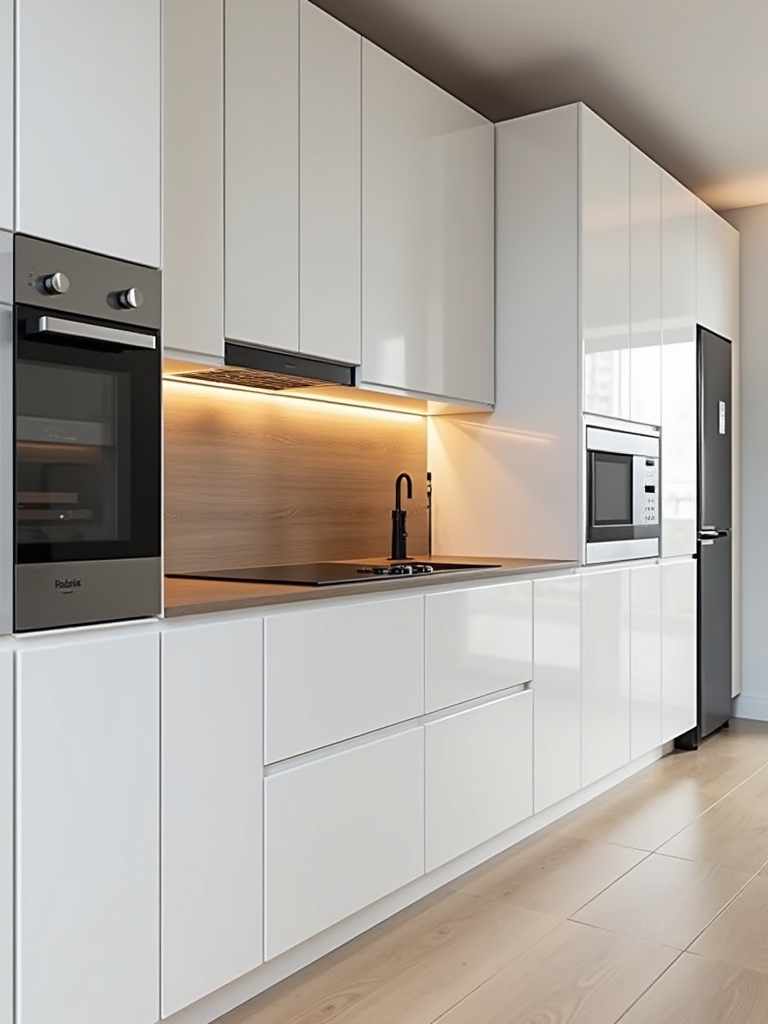
Nothing steals square footage faster than appliances that stick out from the wall like afterthoughts. Built-in dishwashers, under-counter microwaves, and wall ovens solve that by tucking everything flush with the surrounding cabinetry.
Recessed handles let furniture sit closer without catching, which opens up traffic lanes in kitchens where every inch counts. The floor stays clear, movement stays easy, and the whole room feels like it was actually planned.
SEE THIS: 25 Small Room Makeover Ideas That Feel Big on Style.
Embrace Multi-Functional Furniture
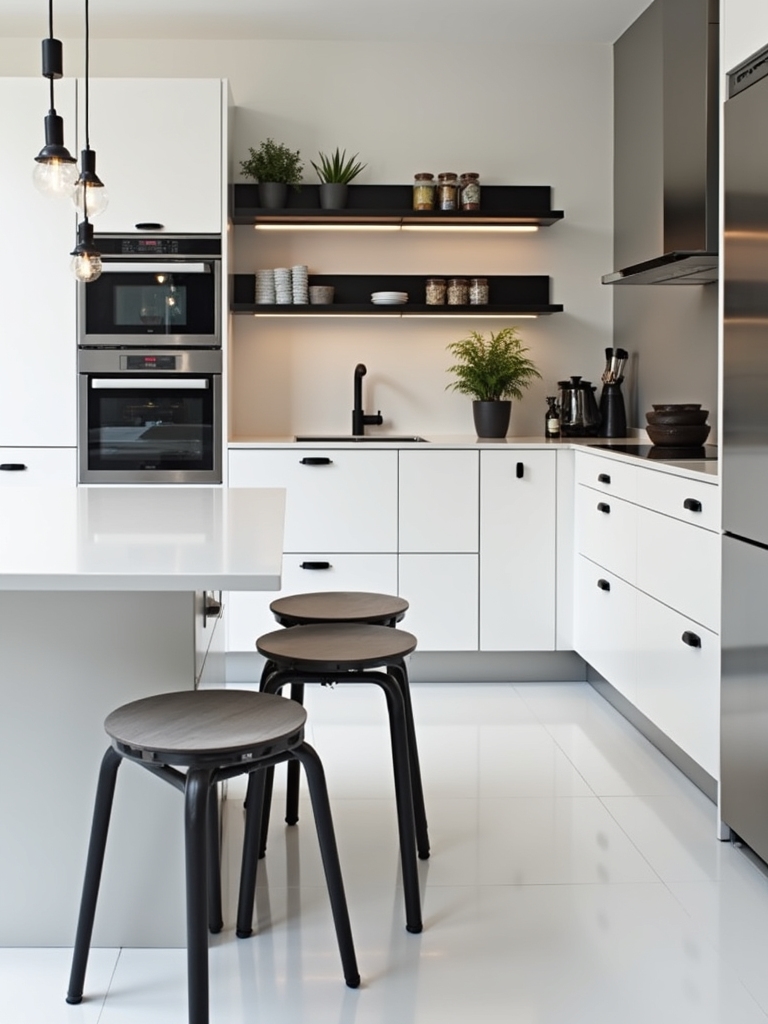
A well-chosen kitchen island does more work than most people realize. The best ones combine prep space, casual dining, and concealed storage in a single footprint, sometimes with a pull-out extension for the nights you need more room.
Built-in seating along one side eliminates separate bar stools cluttering the floor. It stops being furniture and starts being infrastructure.
SEE THIS: 21 Stunning Black and Natural Wood Kitchen Ideas for a Cozy-Modern Look.
Selective Use of Open Shelving
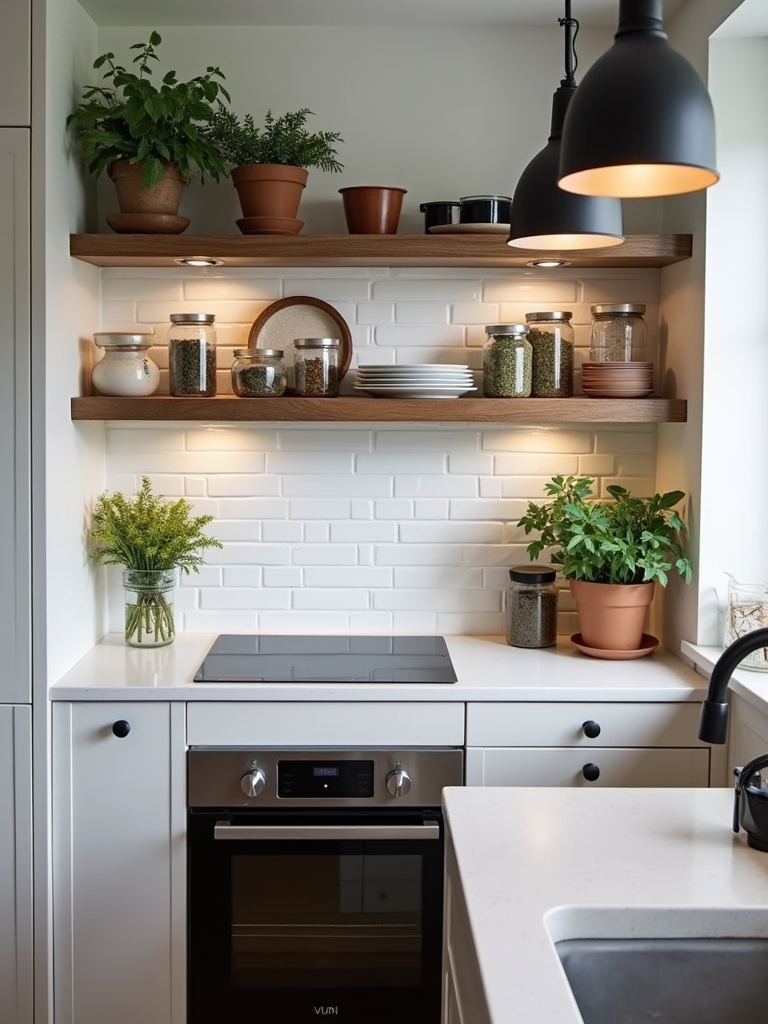
Open shelving works best when it’s selective, not wholesale. Remove cabinet doors only where light already falls naturally, and keep those shelves stocked with things you reach for every single day.
The visual openness tricks the eye into reading the room as larger, but only when the shelves stay honest and uncluttered. Think of them as a curated edit of your kitchen, not a dumping ground with the doors removed.
SEE THIS: How to Add Soft, Feminine Touches to a Vintage Cabin Space.
Enhance Light With Reflective Backsplashes
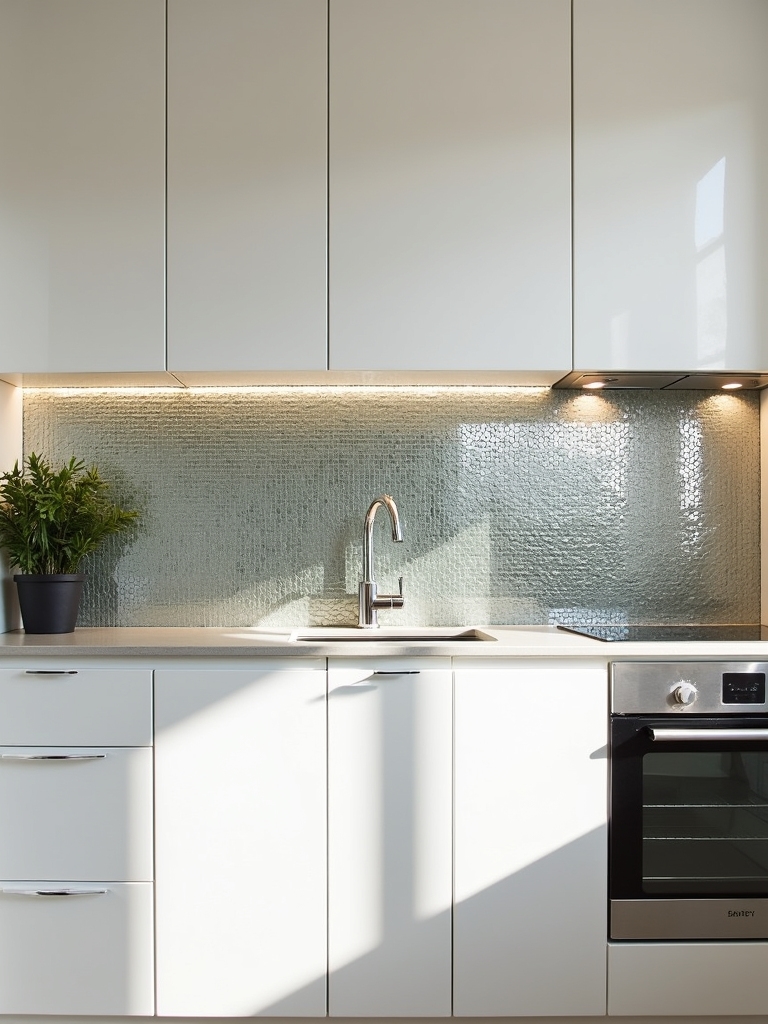
Mirrored glass and brushed steel backsplashes do something no paint color can fully replicate: they move light around the room. Materials like stainless steel and polished tile catch both natural and artificial light, bouncing it into corners that would otherwise sit flat and dim.
Textured options like hammered metal or beveled subway tile add visual interest without killing that reflectivity. In a small kitchen, the backsplash is essentially a lighting decision disguised as a design choice.
SEE THIS: Functional Yet Cozy: 2025 Modern Apartment Decor Ideas for Working Women.
Create Hidden Storage Compartments
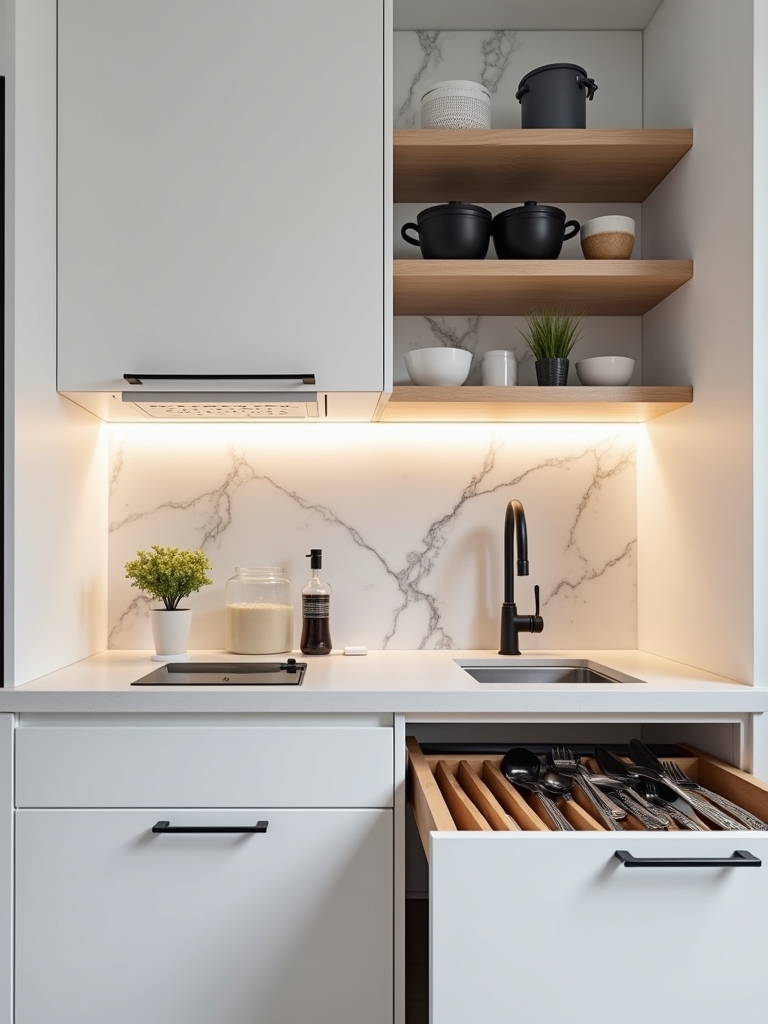
The floor is full of storage most people never touch. Toe-kick drawers beneath base cabinets are ideal for flat sheet pans and cutting boards, while tip-out trays in front of the sink keep sponges and brushes off the counter.
Pull-out cutting boards and rollout drawers handle the bulky, awkward items that typically get shoved into the back of a cabinet and forgotten. When every overlooked inch earns its keep, the countertops finally get to breathe.
Warm Natural Color Palettes
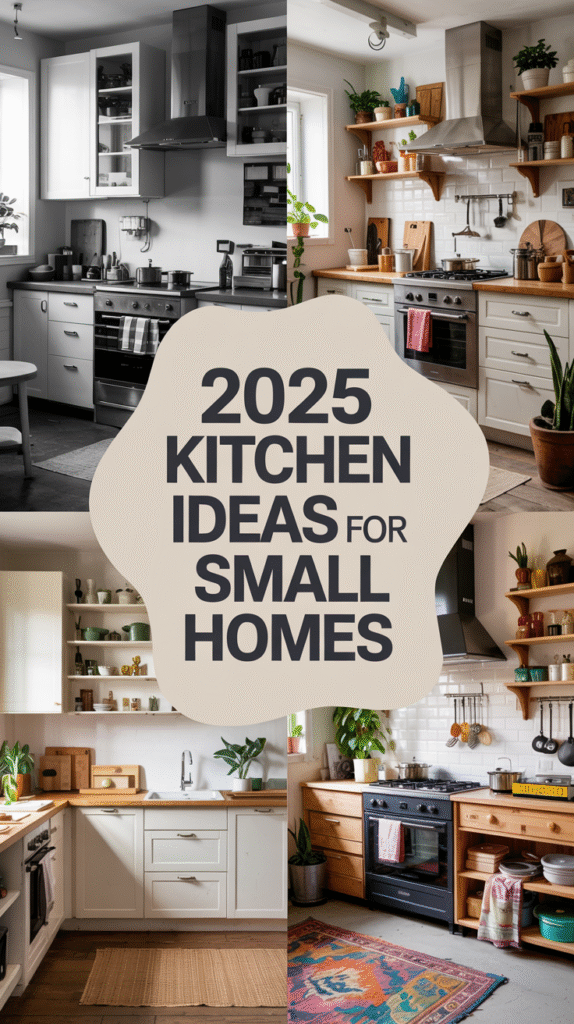
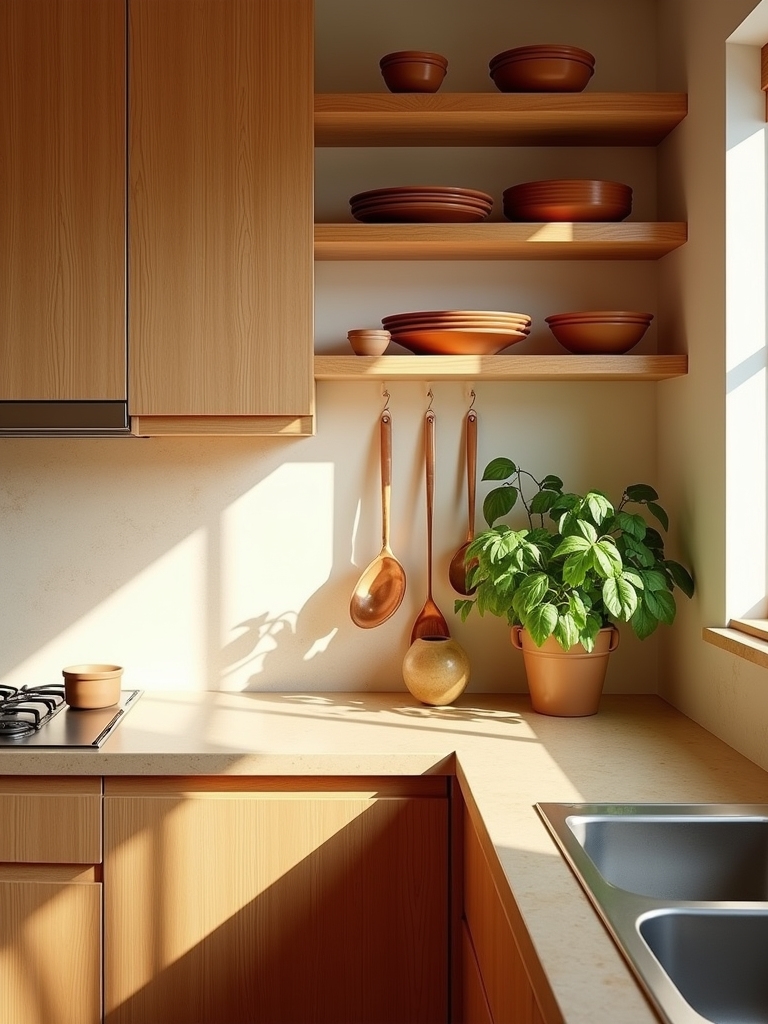
Sage green and warm wood tones have earned their dominance in 2025 kitchens because they age well and work in almost any light. Mocha Mousse, Pantone’s color of the year, brings that rare combination of brightness and coziness that cooler neutrals struggle to deliver.
Soft beiges and warm browns reflect light without the sterility of stark white, which makes them especially forgiving in north-facing kitchens. These colors don’t chase trends; they settle into a space like they were always there.
Strategic Use of Dark Accents
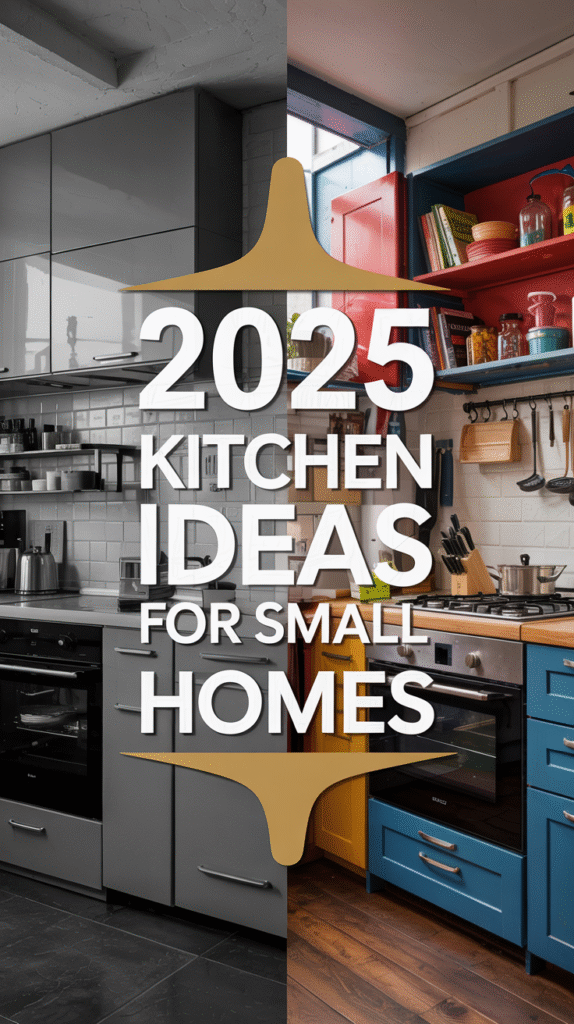
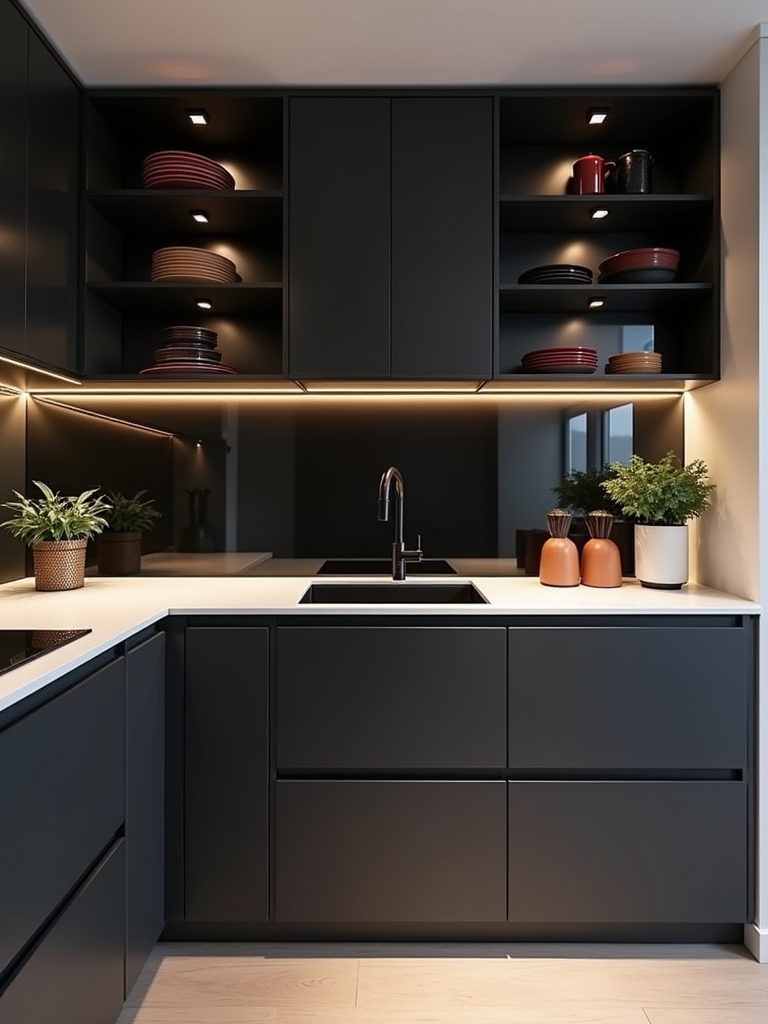
A small kitchen doesn’t need to shy away from dark finishes; it just needs to use them deliberately. Matte black hardware and dark quartz countertops add visual weight in the right places, grounding a space that might otherwise feel scattered and lightweight.
One run of dark lower cabinetry against lighter uppers creates contrast that draws the eye downward and makes the ceiling feel higher by comparison. Done carefully, dark accents give a small kitchen the kind of quiet confidence that bigger rooms take for granted.
Earthy Ceramic Dishware and Textiles
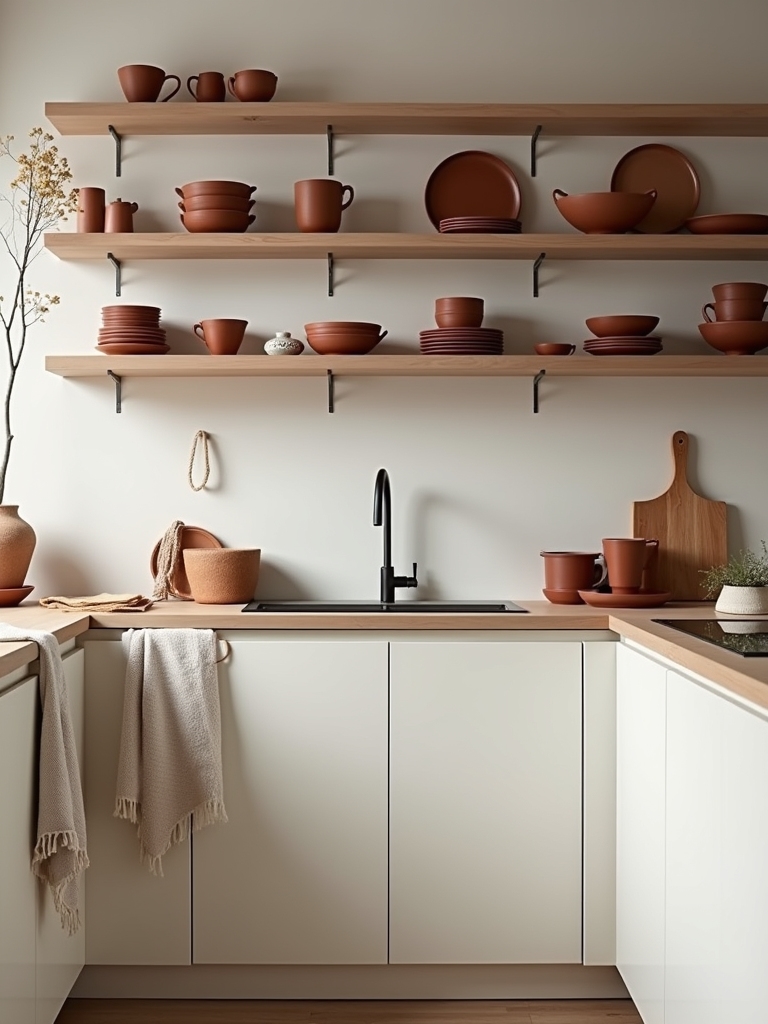
The objects you use every day contribute more to a kitchen’s atmosphere than most design guides admit. Handformed ceramics in terracotta, mocha, and warm cream bring a tactile quality that manufactured dishware rarely achieves.
Linen dish towels and cotton runners in matching earth tones unify the palette without requiring a single renovation or a contractor. These are inexpensive, low-commitment changes that make a kitchen feel genuinely lived in rather than staged for a listing photo.
Light-Reflecting Materials for Expansiveness
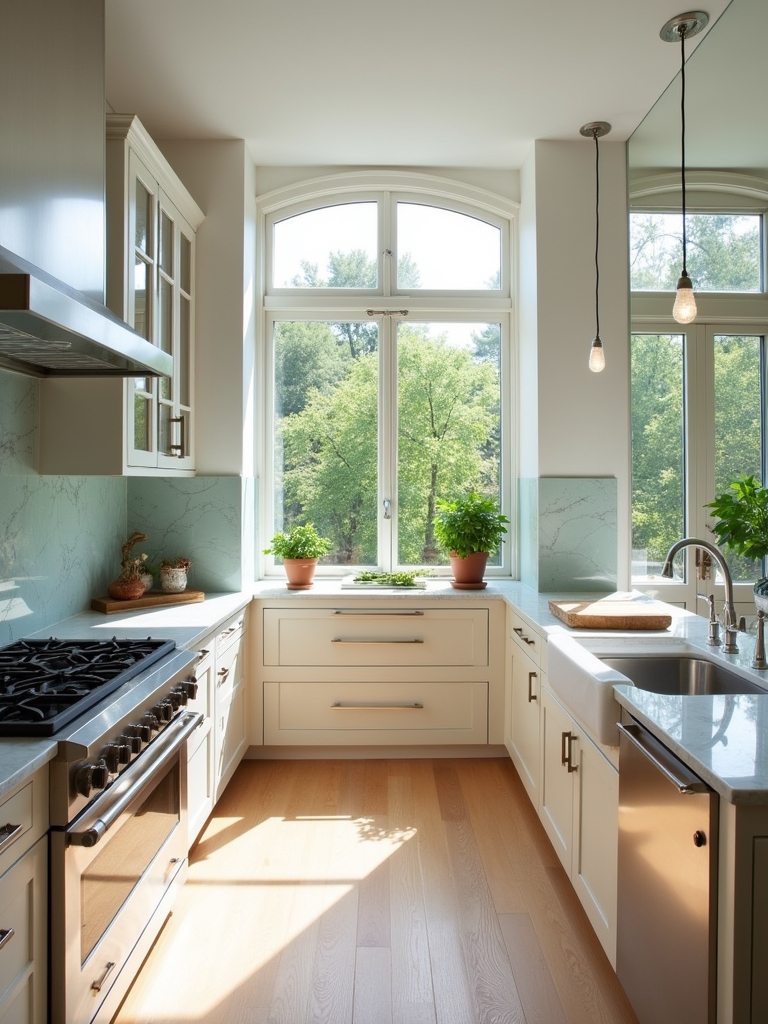
Beyond the backsplash, reflective materials throughout the kitchen build on each other in ways that genuinely shift how the space reads. Glass-front cabinet doors push depth into the cabinetry, while stainless steel appliances amplify whatever light source is nearest.
Semi-gloss wall finishes in cool white or warm beige keep the bounce going across the largest surfaces in the room. Layer enough of these materials together and a small kitchen starts to feel like it has a secret square footage no floor plan shows.
Multiple Small Light Sources
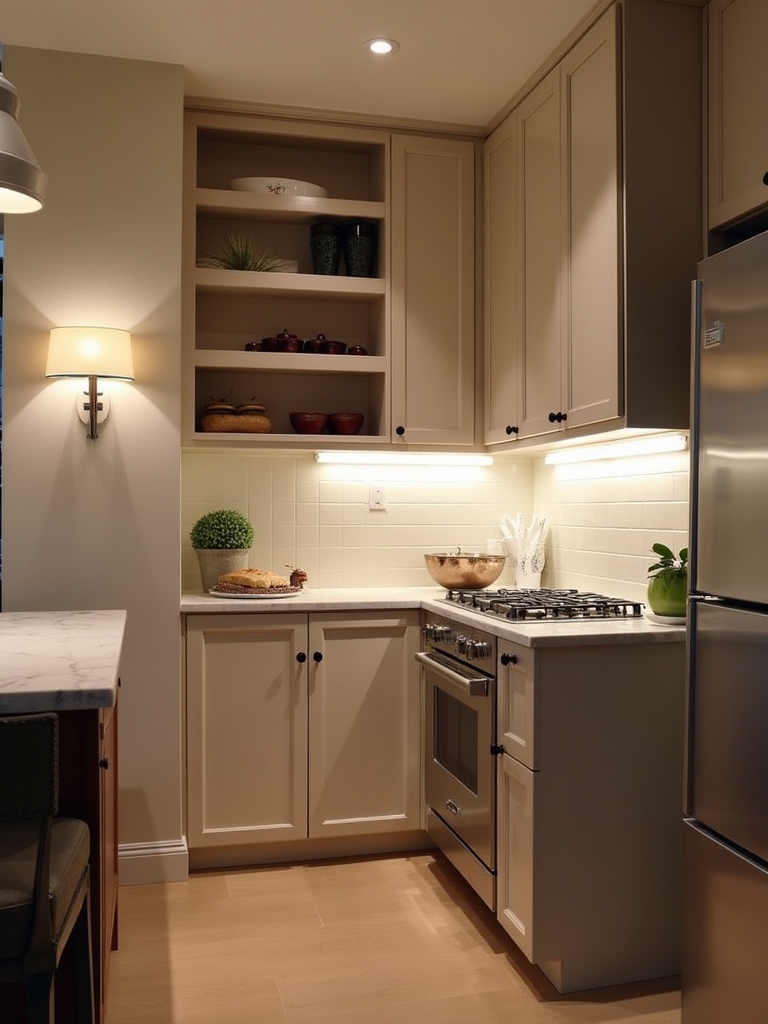
One overhead fixture in a small kitchen creates as many shadows as it eliminates. The smarter approach mixes ambient ceiling light, task lighting over work surfaces, and accent lighting to build a balanced, layered glow.
Under-cabinet LEDs are the workhorses here: they light the counter directly without cluttering the ceiling or eating into headroom. Smart systems that let you adjust brightness throughout the day are worth the investment, particularly in kitchens that pull double duty as dining and work spaces.
Warm-Toned Lighting Fixtures
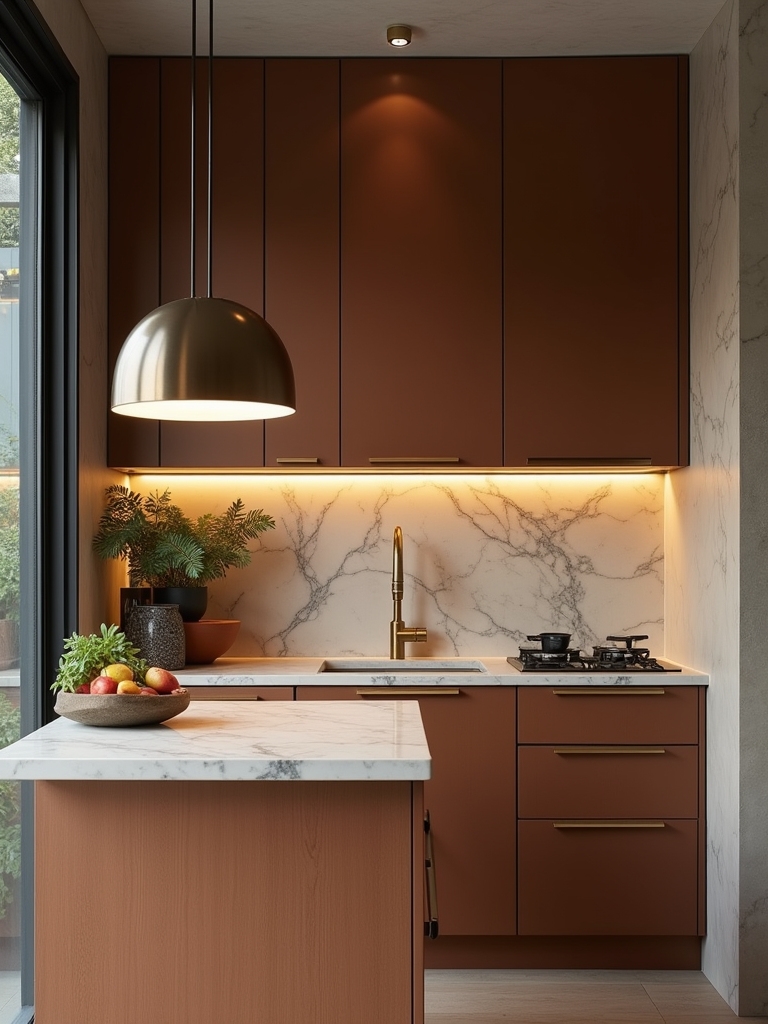
The color temperature of your bulbs shapes how a kitchen feels more than most people expect. Warm white LEDs in the 2700K to 3000K range create a glow that reads as inviting rather than clinical, which matters more in a small kitchen where the light hits everything at once.
They render food colors accurately and make wood tones and warm cabinetry look their best. They also happen to use far less energy than the incandescent bulbs they replace, which is a quiet bonus that adds up over time.
Incorporate Mid-Century Modern Elements
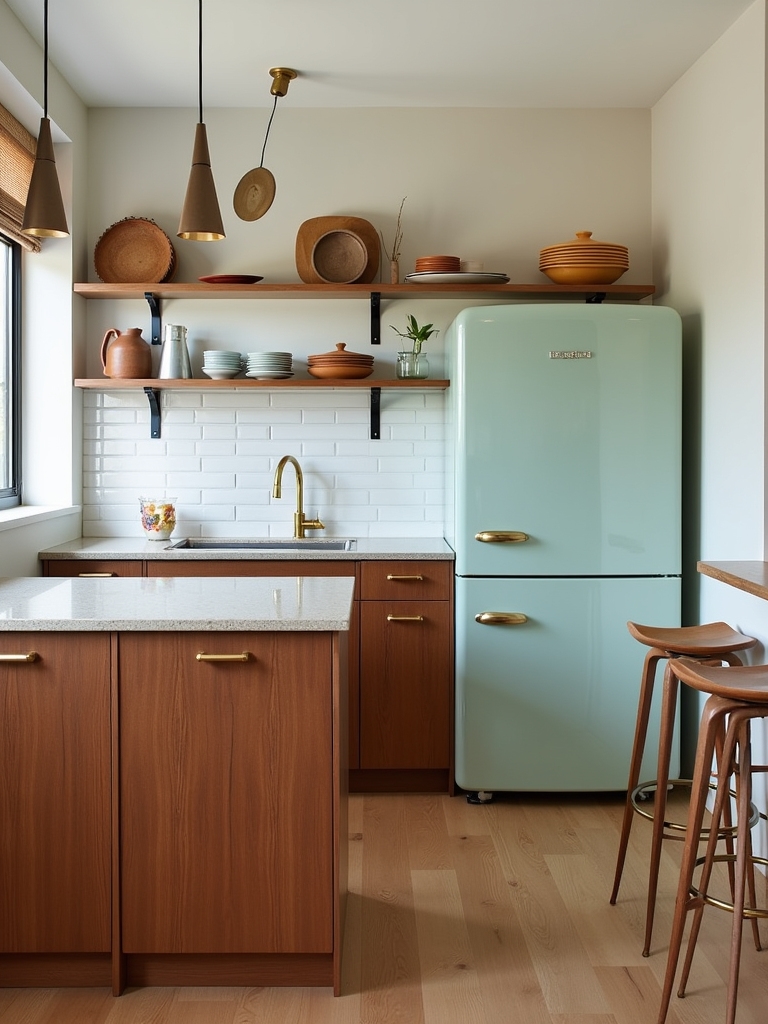
Flat-panel cabinetry in walnut or warm oak brings mid-century character without overwhelming a compact space. Brass or matte black hardware is the detail that ties the look together; a few well-chosen pulls do more than a full cabinet replacement.
Statement pendant lighting over an island references the era without requiring a period restoration. The appeal of mid-century design in a small kitchen is that it prizes visual clarity, which compact spaces desperately need.
Oversized Sconces for Statement Lighting
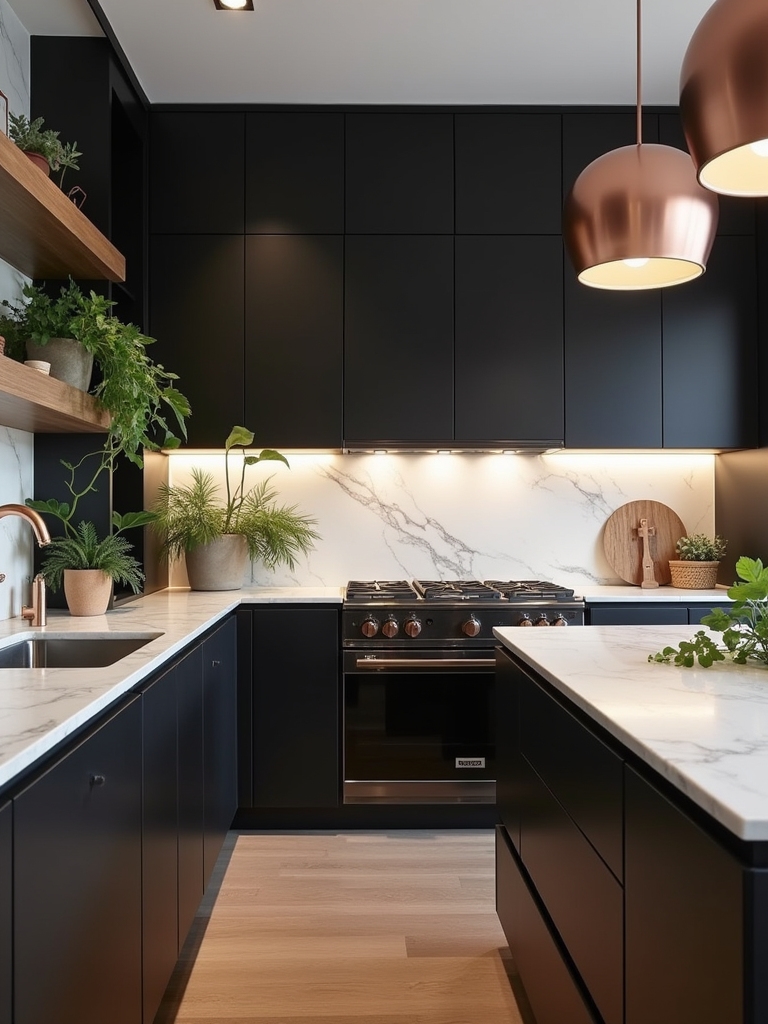
An oversized sconce makes a bolder statement than a pendant in kitchens where ceiling height is limited. Materials like marble, aged brass, or smoked glass add a layer of texture that bare bulb fixtures simply can’t match.
Position them around six feet from the floor to balance light distribution with visual impact, keeping them clear of cabinet doors and traffic paths. One well-placed sconce on either side of a window or range hood can define the whole character of the kitchen.
Layered Lighting for Mood Enhancement
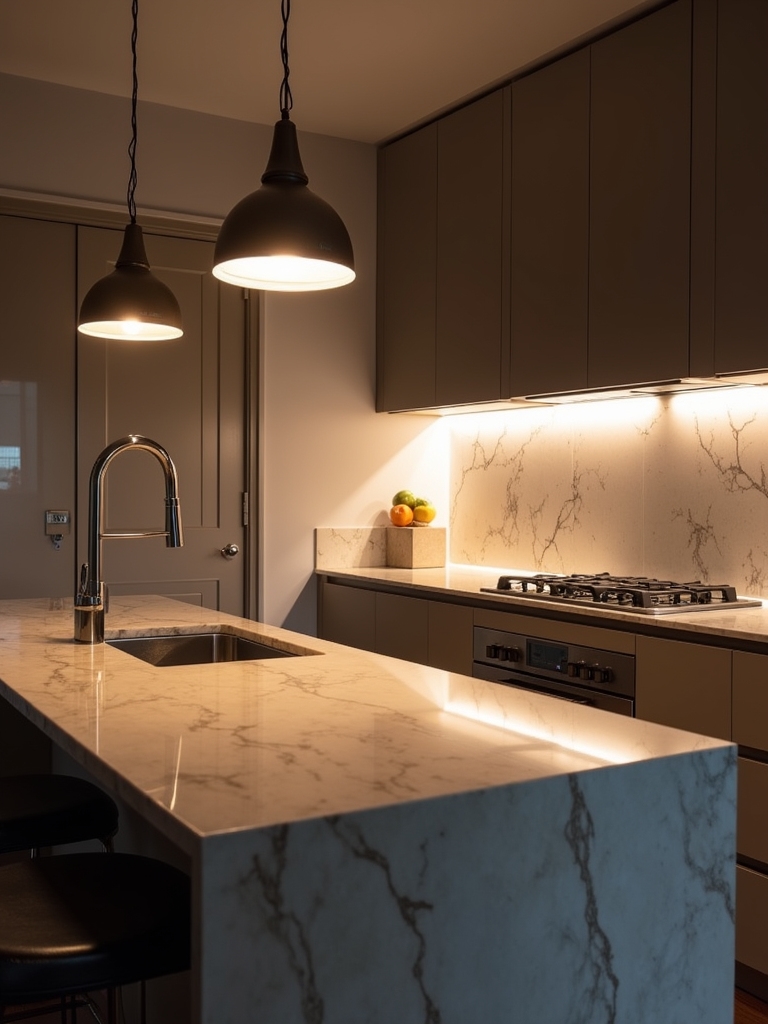
Layered lighting is the difference between a kitchen that works and one that just looks like it should. Recessed ambient light forms the foundation, giving the room an even, comfortable baseline glow to build on.
Task lighting over every prep surface comes next, because cooking in your own shadow is a problem that gets old the very first time it happens. The final layer, accent lighting inside glass cabinets or along a toe kick, is what separates a kitchen that functions from one that actually feels good to be in.
Seamless Lighting Integration
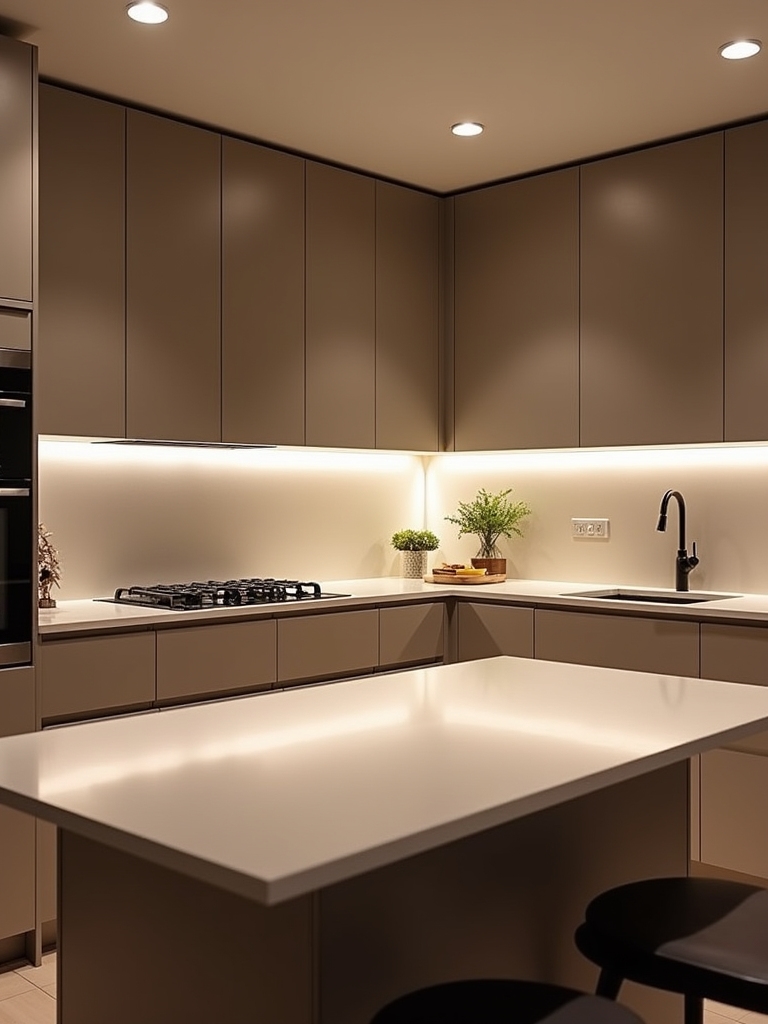
Concealed lighting built into the architecture of the kitchen reads as sophistication rather than decoration. OLED strips tucked into cabinet recesses and ceiling coffers produce light without visible fixtures, keeping lines clean and surfaces uninterrupted.
Under-cabinet LEDs that sit flush with the shelf bottom disappear entirely when you’re not looking for them. Motion-activated options near the floor are particularly useful at night, giving just enough light to navigate without flooding the room at 2 a.m.
Integrated Refrigerators With Cabinetry
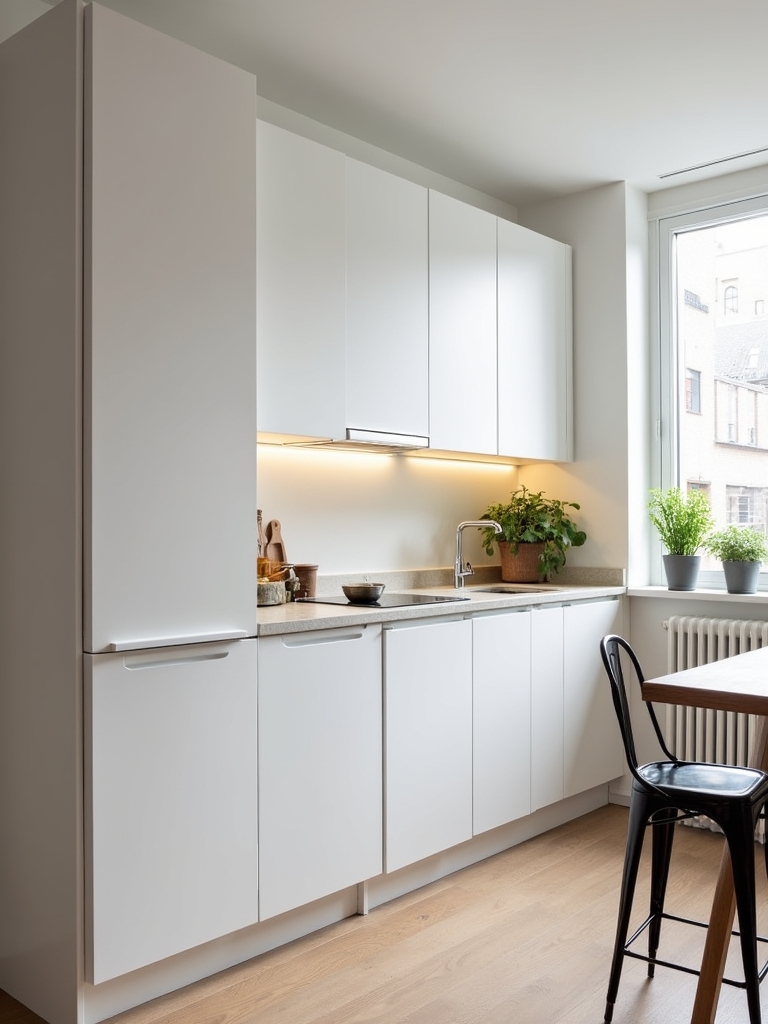
An integrated refrigerator is one of the single biggest visual changes you can make to a small kitchen. These units sit flush with the cabinet run and accept custom panel fronts that match the surrounding cabinetry, making the appliance effectively disappear.
The result is an unbroken visual line across the kitchen that makes the room feel longer and more considered. Tall, narrow profiles maximize storage in tight footprints without the bulk of a standard side-by-side taking over the room.
Rounded Cabinet Corners for Softness
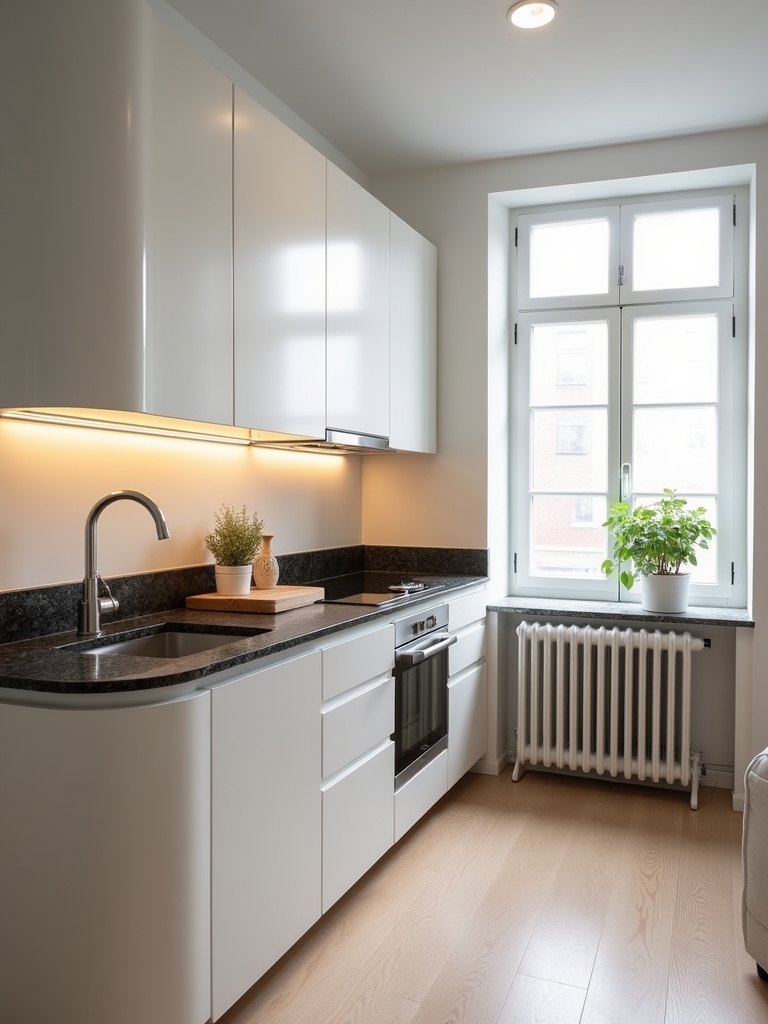
Rounded cabinet corners sound like a minor detail until you’ve caught a sharp corner with your hip a hundred times. Beyond the obvious practical benefit, soft corners read as warmer and more deliberate than the standard square edge that comes as the default on most cabinetry.
They complement curves elsewhere in the kitchen, carrying a visual softness from one element to the next. In a space where you’re working in close quarters, that gentler geometry makes a real difference in how the room feels day to day.
Flush-Mounted Cabinet Doors
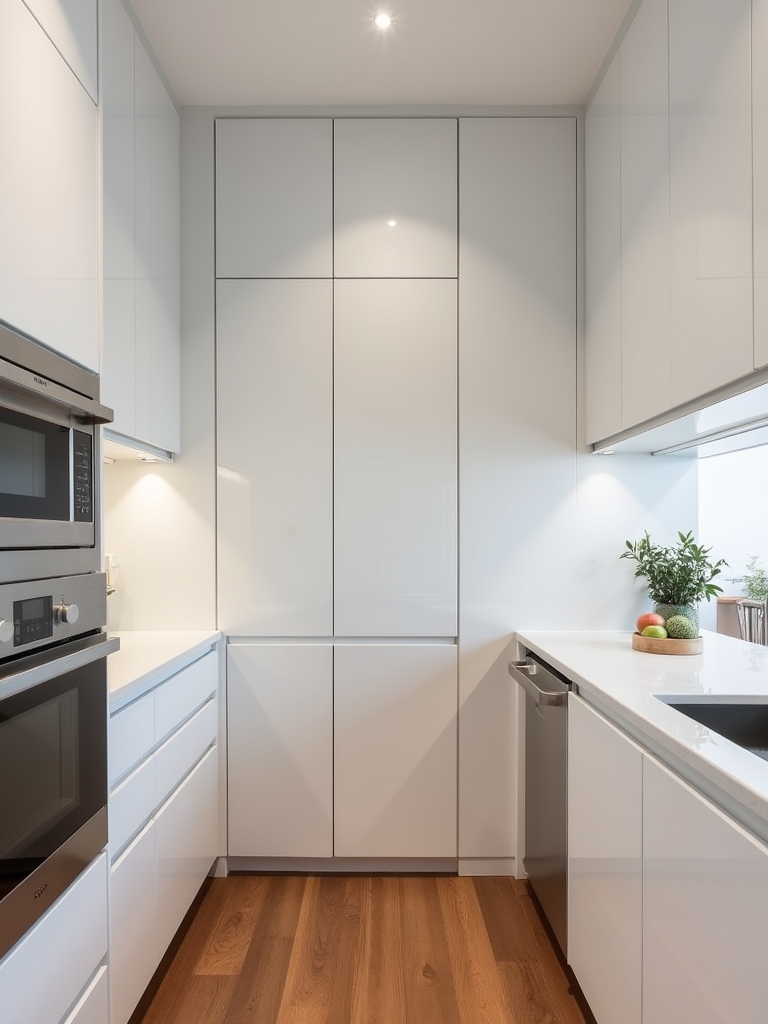
Flush-mounted cabinet doors sit perfectly even with the cabinet frame, creating a clean, shadow-free surface across the whole run. The effect is particularly powerful in small kitchens, where traditional raised-panel doors add visual noise that the room doesn’t have room to absorb.
They’re also more forgiving over time; without protruding profiles to chip or warp, they hold up better through years of daily use. Paired with simple hardware, flush doors give a kitchen a custom, high-end quality that has nothing to do with the price of the cabinets behind them.
Combination Storage Solutions
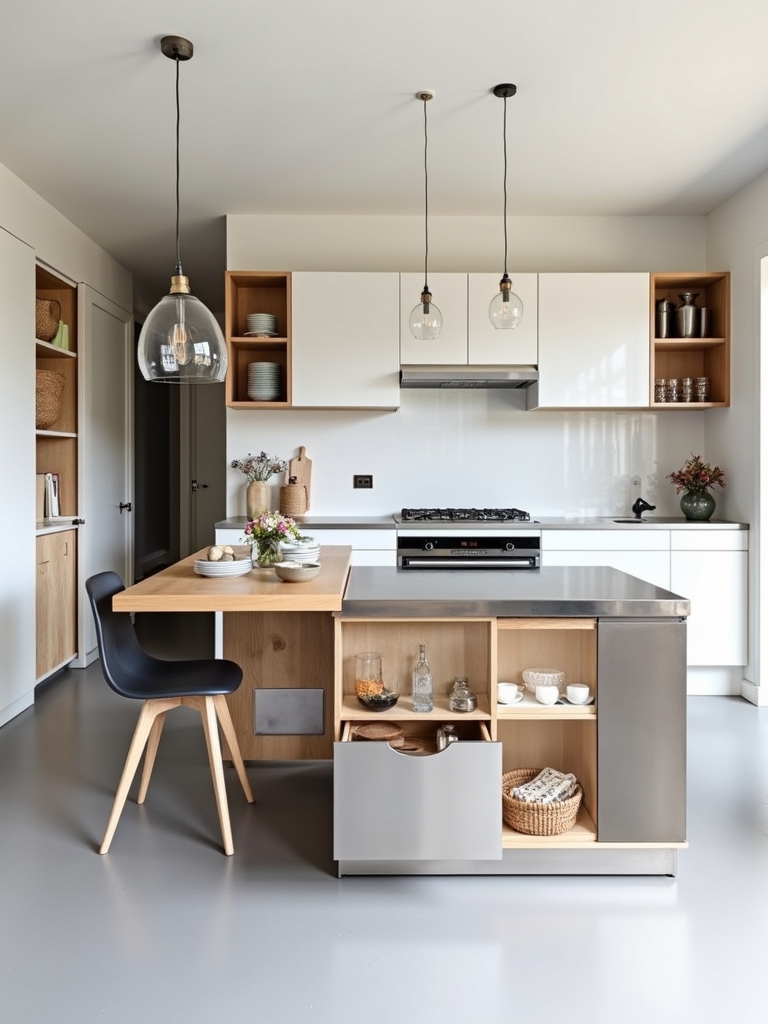
Slim pull-out pantry units that fit into six-inch gaps alongside the refrigerator hold far more than they have any right to. Rollout drawers in base cabinets keep pots and pans accessible without requiring you to empty the whole cabinet to reach the one on the bottom.
Modular drawer inserts keep utensils and dry goods separated and visible, which means you stop buying duplicates of things you forgot you had. Stack enough of these solutions together and a small kitchen stops feeling like a compromise.
Balance of Open and Closed Shelving
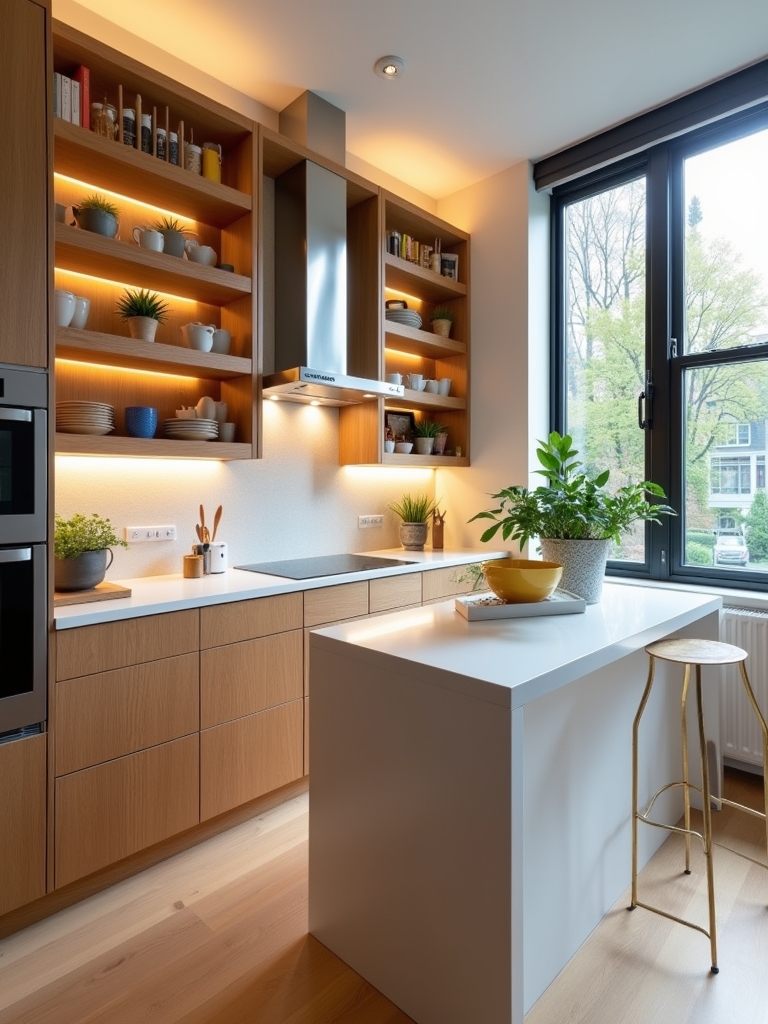
Open shelving works best alongside closed cabinetry, not instead of it. A rough split of 40 to 50 percent open to 60 percent closed keeps the kitchen breathing without turning every surface into a display you’re afraid to disturb.
Integrate open shelves within a closed cabinet run rather than treating them as a separate element, and the whole wall reads as cohesive rather than patched together. The closed cabinetry handles everything you don’t want on show, and the kitchen stays honest.
Multi-Use Countertops for Versatility
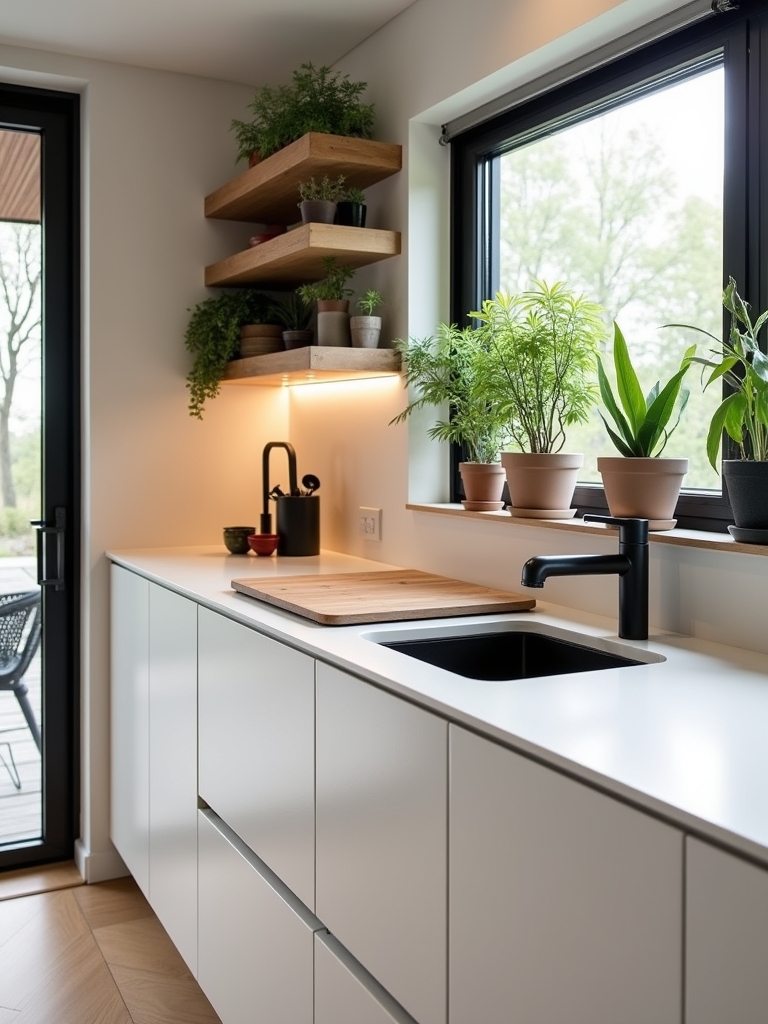
Quartz and granite handle heat, moisture, and daily abuse without complaint, which is why they’ve dominated kitchen countertops for decades.
The smarter move in a small kitchen is choosing a surface with integrated features built in: a pop-up outlet strip, an undermount prep sink in a secondary location, or a built-in cutting section that doesn’t require dragging out a board.
Light-toned surfaces reflect ambient light and make the counter feel longer than it measures. A countertop that does more asks the kitchen to hold less.
Efficient Kitchen Workflow Design
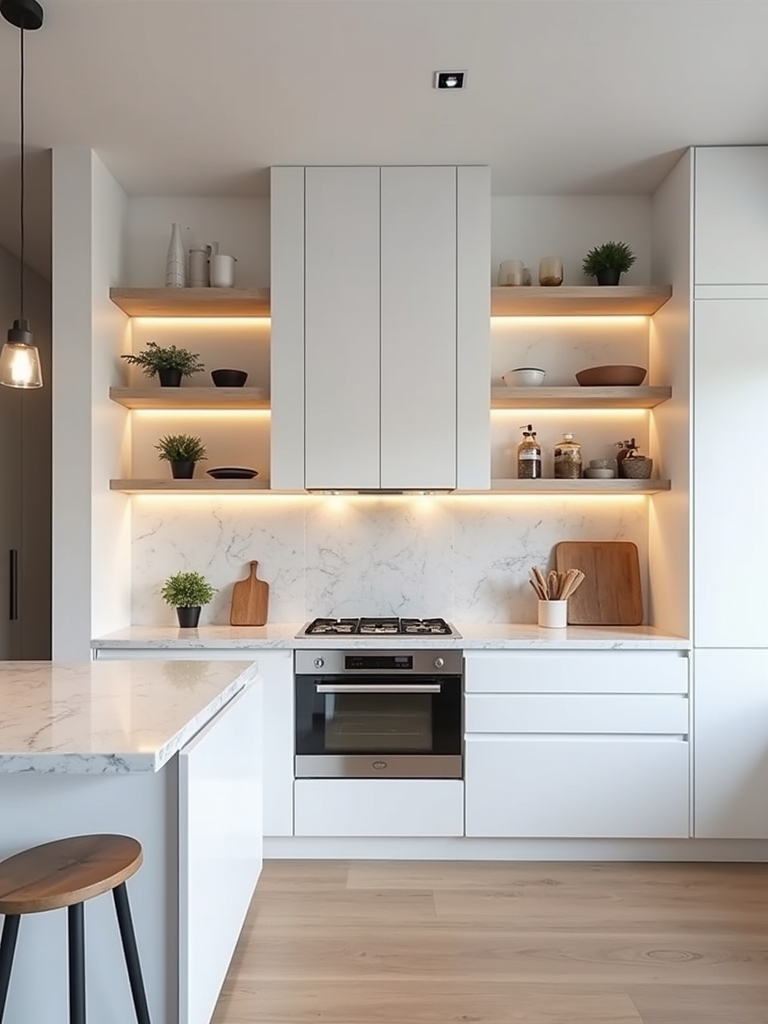
The most efficient kitchen layouts come from watching how people actually cook, not from following a showroom floor plan. Keep the refrigerator within easy reach of the prep area, and position the stove close enough to the sink that you’re not crossing the kitchen every time something needs draining.
Thinking in zones, prep, cooking, cleaning, and plating, reduces the back-and-forth that makes small kitchens feel chaotic even when they’re clean and organized.
A kitchen designed around how you actually move through it will always outperform one that merely looks like it should work.