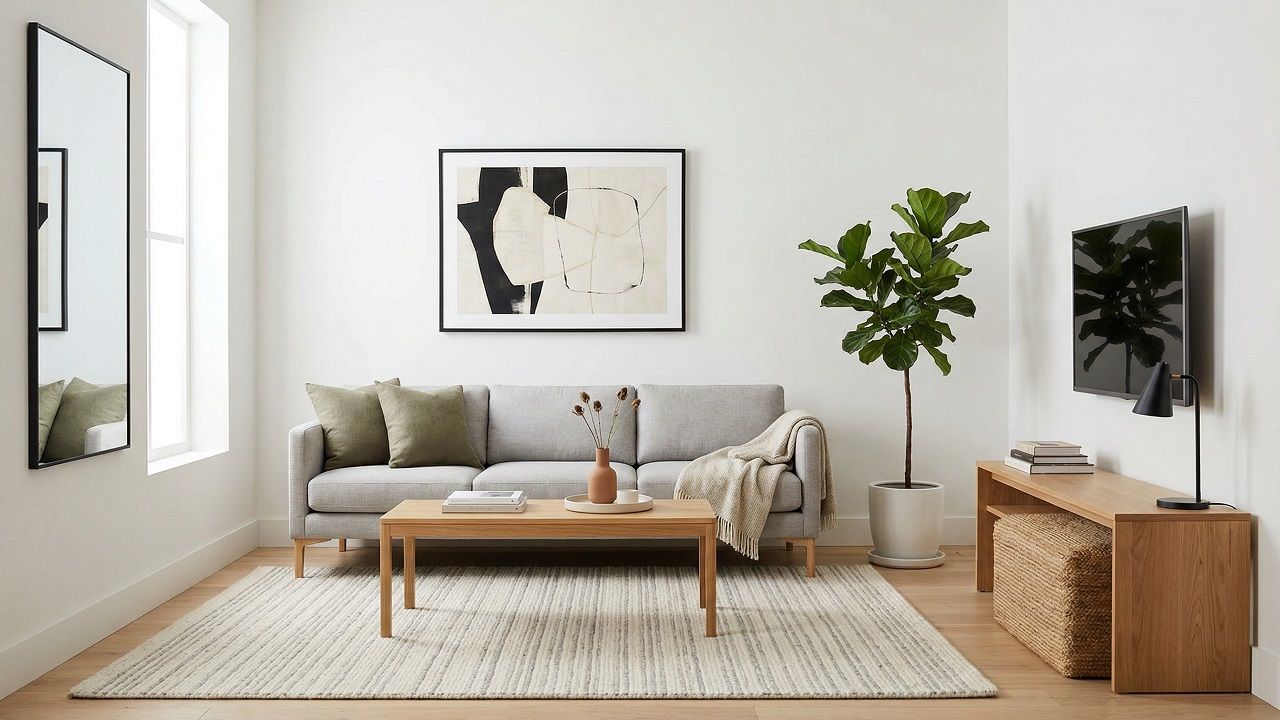
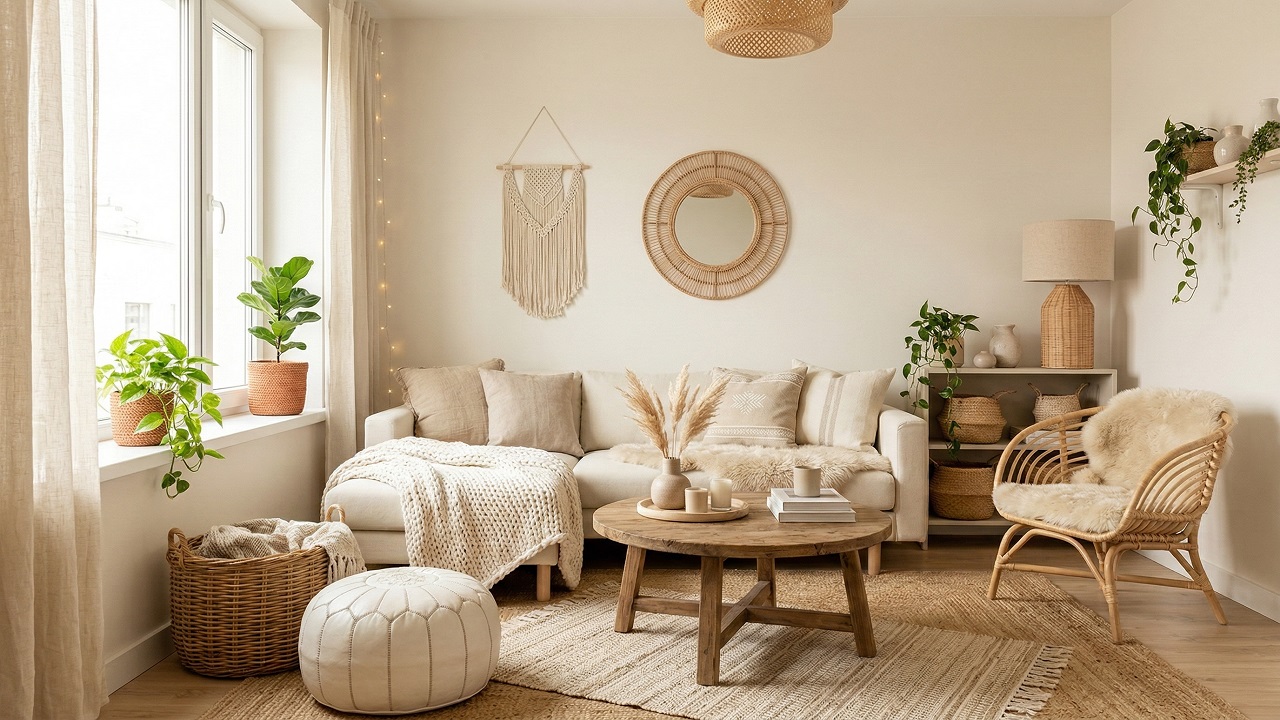
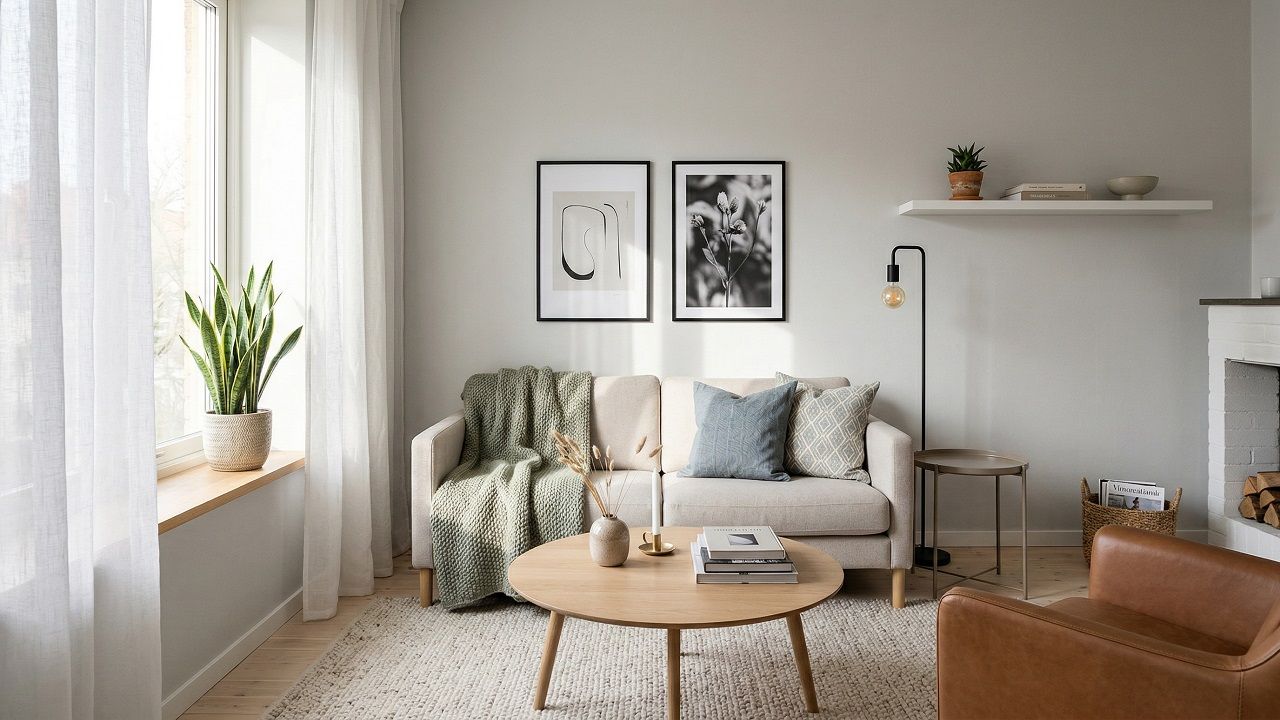
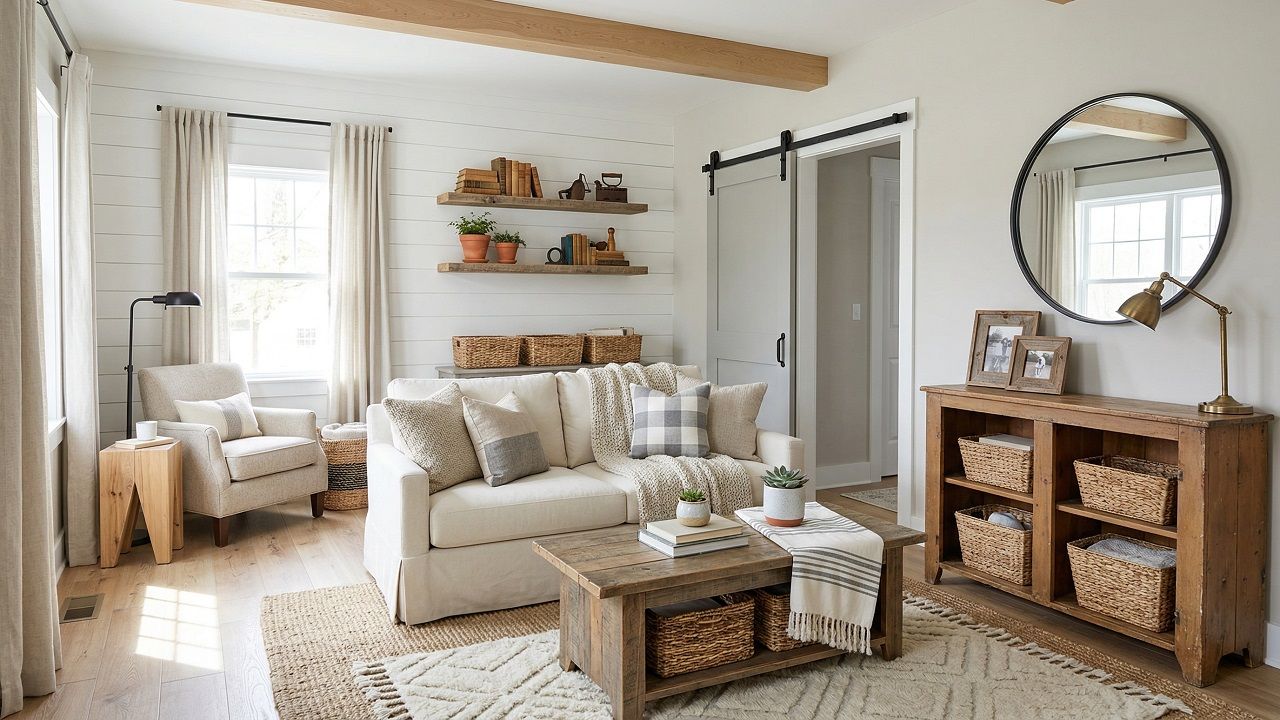
You can make a suburban small living room feel bigger with a few smart moves that actually fit real life—no need for a big remodel. Use light colors, layered lighting, and furniture that lifts off the floor to open up sightlines and make everything feel more airy.
Choose a tight color palette, maximize natural light, and pick multipurpose, low-profile furniture to create immediate spaciousness without sacrificing comfort.
You’ll find practical layout tips, clever storage ideas, and simple decor swaps that add depth and style. All this while keeping the traffic flow clear and the vibe cozy, which is what really matters day to day.
Proven Tricks to Make Small Living Rooms Look Bigger
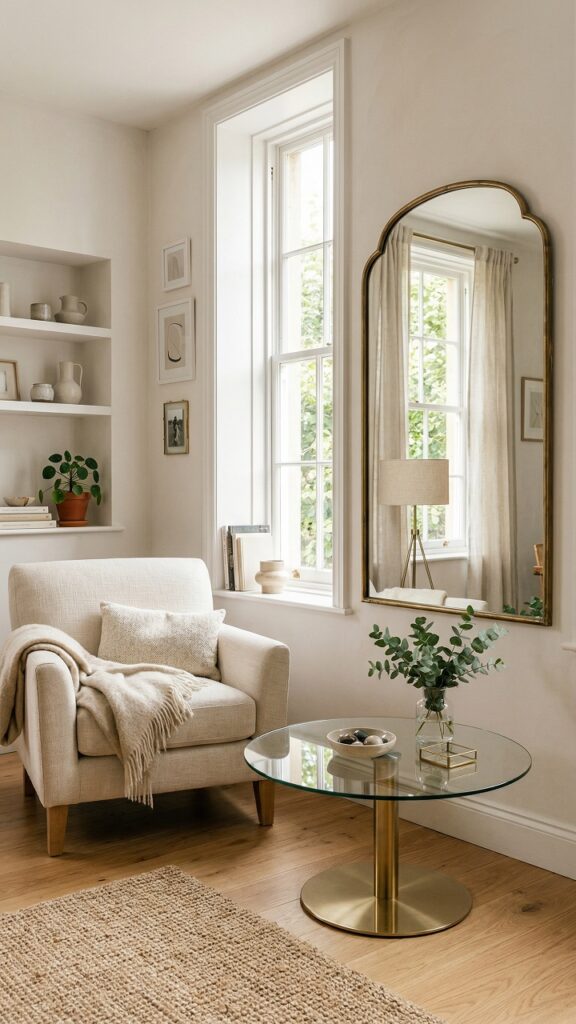
Light, reflection, and tidy surfaces can totally stretch your space. Focus on bringing in natural light, adding reflective pieces, and keeping décor simple so the room reads as open and calm.
Create the Illusion of Space With Mirrors and Reflective Surfaces
Hang a big mirror opposite a window to double the view and bounce natural light around. An oversized mirror or even a group of smaller ones adds depth without eating up floor space.
Try mirrored furniture—a console table or a glass-topped coffee table does the trick. These pieces reflect light and keep your eyes moving through the room, not stopping short.
Keep mirror frames slim and simple so they don’t weigh things down visually. Set out reflective trays, metallic lamps, or glossy picture frames on shelves for little flashes of shine here and there.
Don’t let clutter pile up near mirrors; too many objects nearby just make things feel busy and cramped. And yeah, clean mirrors and glass often—they work best when they’re sparkling, not smudged.
Embrace Light Colors and Monochromatic Schemes
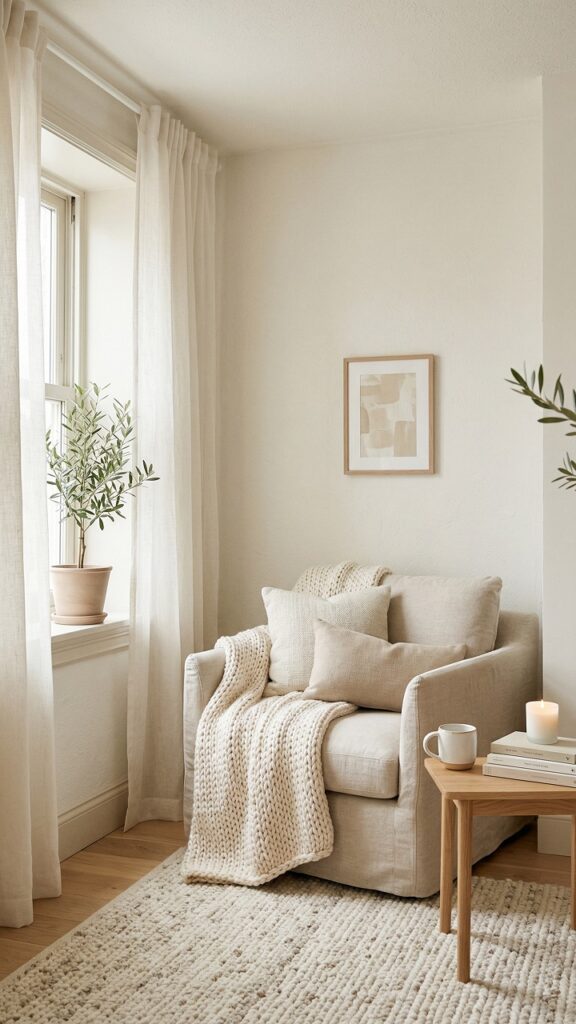
Pick neutral shades for your walls, big furniture, and ceiling for a seamless look. Painting the ceiling white or a light tone close to the wall color helps erase visual edges and gives the illusion of height.
Stick to a monochromatic color scheme—just different tints of the same color—so your eyes can travel smoothly across the room. Add interest with texture: a soft rug, woven throw, or linen curtains in similar tones keep things cozy but don’t interrupt the flow.
Go easy on the contrast. Dark trim or bold accent walls can chop up the space. If you crave color, pick one accent shade—use it sparingly on pillows or a single chair to keep the room feeling open and pulled together.
Smart Design and Furniture Choices for Spaciousness
Use furniture that does double duty and keeps sight lines wide open. Go for low-profile, light-colored pieces and arrange them so people can move through easily.
Optimize Furniture Arrangement and Layout
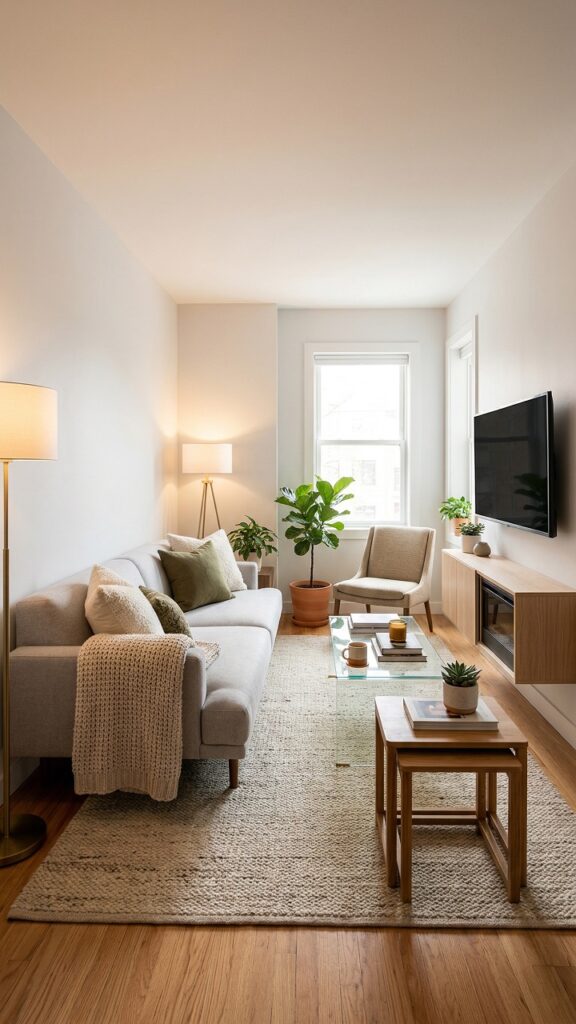
Push your sofa against the longest wall to free up floor space and carve out a clear walking path. An armless sofa or low-profile sectional avoids bulky visual weight.
Add an accent chair only if it doesn’t block the flow—maybe a lucite chair if you want extra seating that barely seems there. Group your furniture around a focal point, like the TV or fireplace, and use a glass coffee table or nesting tables to keep things feeling light.
Swap the sofa for a sofa bed if you need the room to multitask, or try a storage ottoman as a coffee table and extra seat. Make sure you leave 30–36 inches of clearance for walkways so nothing feels cramped.
Use rugs to define zones in studio-style or open-plan suburban layouts. Put furniture on the rug to visually group pieces. Honestly, try rotating layouts with the seasons—sometimes a small change makes the whole room feel brand new.
| READ THE PILLAR: Small Living Room Decor Ideas That Actually Work for Real Women. |
Incorporate Built-Ins, Floating Pieces, and Glass Elements
Install built-ins with recessed shelves to add storage without crowding the floor. Floor-to-ceiling built-ins make the wall useful and draw the eye up, which helps the room look taller.
Use closed cabinets down low and open shelving up top to balance storage and display. Mount floating TV consoles and wall shelves to keep the floor clear. A floating console under the TV hides electronics and instantly makes things feel less crowded.
Try floating furniture like slim wall-mounted desks or a skinny console table behind the sofa. Bring in glass or acrylic pieces—glass tables, a glass coffee table, or lucite chairs—to keep sight lines open and light bouncing around.
Mix glass with wood or metal so the space stays warm and doesn’t get too cold or sterile. There’s a sweet spot for everything, right?
Style-Boosting Decor Ideas to Open Up Your Small Living Room
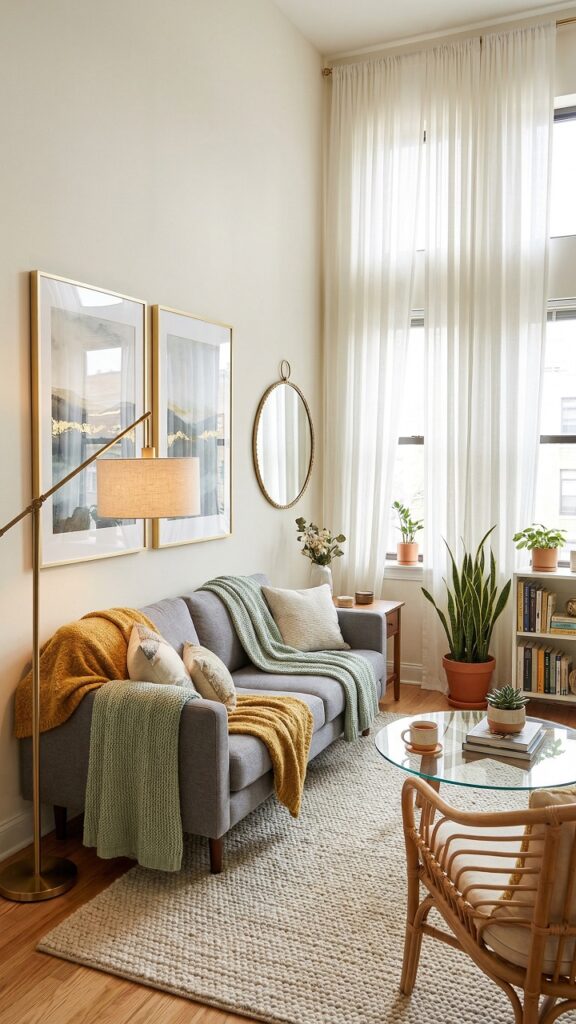
Use tall lines, smart lighting, reflective pieces, and clear visual zones to make your room feel larger and more intentional. Where you hang curtains, where you place art, and how you light corners can totally change how the whole space feels—sometimes more than you’d expect.
Hang Curtains High and Add Vertical Interest
Hang curtains 4–6 inches below the ceiling or right at the top of the window trim to make ceilings feel taller. Choose light, semi-sheer fabric to let daylight flood in.
Mount the rod wider than the window frame, so curtains clear the glass completely when open. Add vertical interest with tall, slim things: a floor-to-ceiling bookshelf, wall sconces stacked vertically, or a thin plant in the corner.
Simple crown molding can draw the eye up and give the ceiling a finished edge. Keep curtain patterns subtle and colors close to the wall shade so the vertical effect stays clean and uninterrupted.
Utilize Lighting, Mirrors, and Reflective Accessories
Layer your lighting: a dimmable overhead pendant, wall sconces by the seating, and a couple of table lamps. Put wall sconces up high so they wash light upward and make the room look taller.
Use warm white bulbs (2700–3000K) for a cozy look that still feels bright. Hang a big mirror opposite or next to a window to bounce light and double the view.
Try mirrored or acrylic furniture like a coffee table or side table to keep sightlines open. Add a little cluster of reflective accessories—a brass tray, glass vase, or mirrored frame—on a shelf or console to scatter light without making things cluttered.
Play With Wall Decor, Gallery Walls, and Art
Pick one large art piece above the sofa instead of a bunch of little frames to keep visual clutter down. If you love a gallery wall, keep it tight with matching frames and consistent spacing so it looks intentional.
Shoot for a focal piece at eye level—about 8–10 inches above the back of the sofa. Use floating shelves to display just a few curated objects and keep the floor clear.
Arrange shelves vertically or stagger them to guide the eye up. Try to keep frame and art colors related to your room’s palette so the wall feels pulled together, not chaotic. Save bold patterns for just one wall if you must, so you don’t shrink the space visually.
Define Zones With Rugs, Dividers, and Architectural Details
Try anchoring your seating with a rug that’s big enough for the front legs of your furniture to land on. It’ll pull the space together and make the whole area feel bigger—way better than just scattering pieces around.
Want to carve out a reading nook or entry? Toss in a narrow room divider or maybe an open shelving unit. You’ll get separation without blocking all the light.
Throw in some architectural details, like slim crown molding or a painted picture rail. Even a half-height wainscot can add structure and a bit of depth.
Those little touches make the room feel more intentional and layered, not just crowded. If you’re picking a divider, go for something airy—think metal or open wood slats—or stick with a low one so you don’t lose those open sightlines.