Women have been exploring wild places for as long as there have been trails to follow, and you’re part of that legacy every time you shoulder a pack. Backpacking isn’t about proving anything to anyone.
It’s about stepping into the woods with confidence, knowing you’ve prepared well and trusting yourself to handle whatever comes your way. Whether you’re planning your first overnight trip or your fiftieth, the fundamentals stay the same: good gear, smart planning, and a healthy respect for the environment you’re entering.
This guide covers all of it, with the specific needs of women in the backcountry front and center throughout.
Contents
Building Mental and Physical Resilience
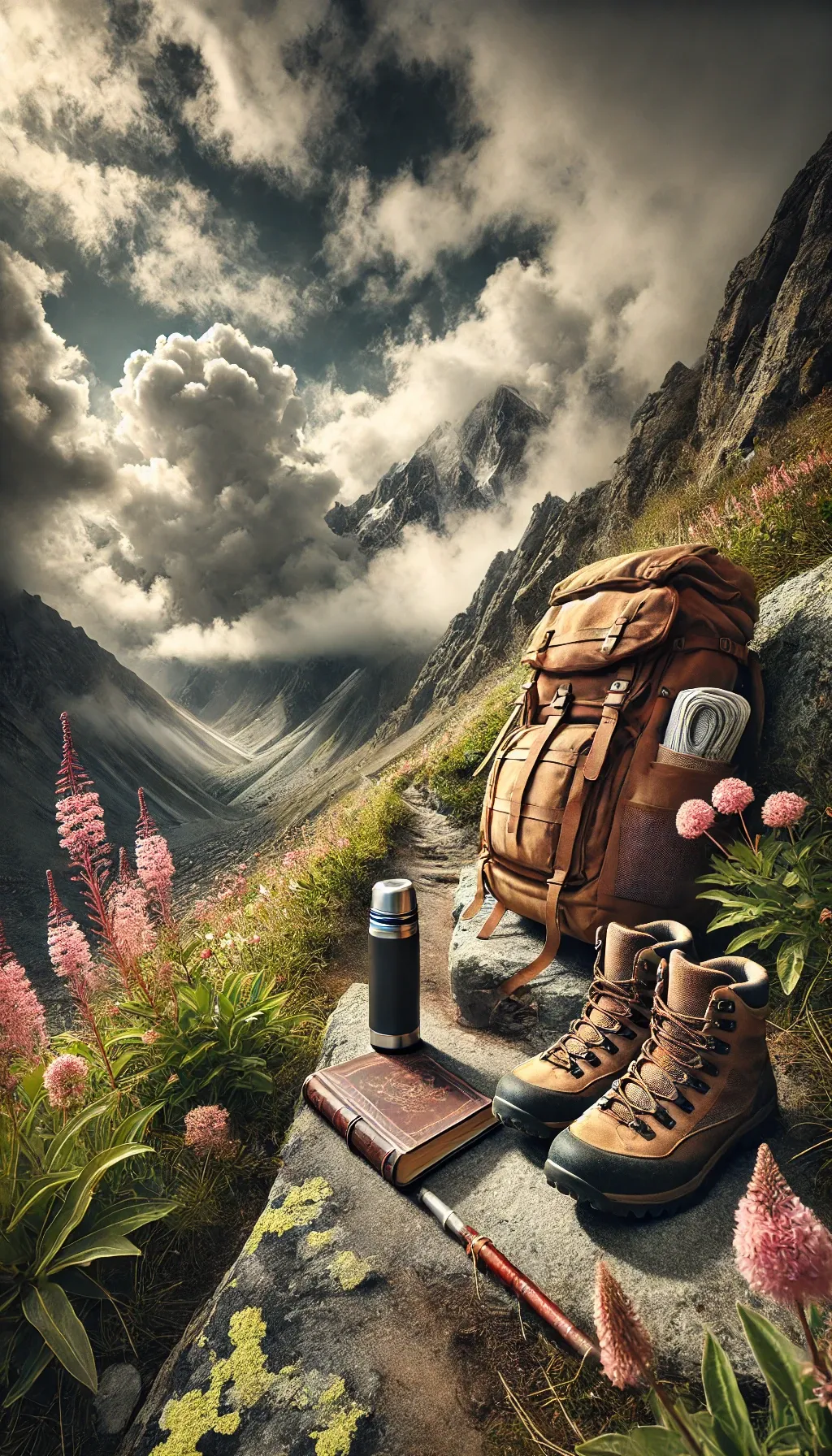
Your mind matters just as much as your muscles when you’re miles from the trailhead. Before your trip, spend time visualizing yourself on the trail, handling challenges calmly and moving through difficult terrain with confidence.
Create a simple phrase you can repeat when things get hard, something that reminds you why you’re out there. On the physical side, train specifically for what you’ll be doing by hiking with a weighted pack, doing squats and lunges, and building up your cardiovascular endurance gradually over several weeks.
SEE THIS: 15 Cute & Comfy Summer Hiking Outfits That’ll Make You Want to Hit the Trail ASAP.
Essential Gear for Women Backpackers
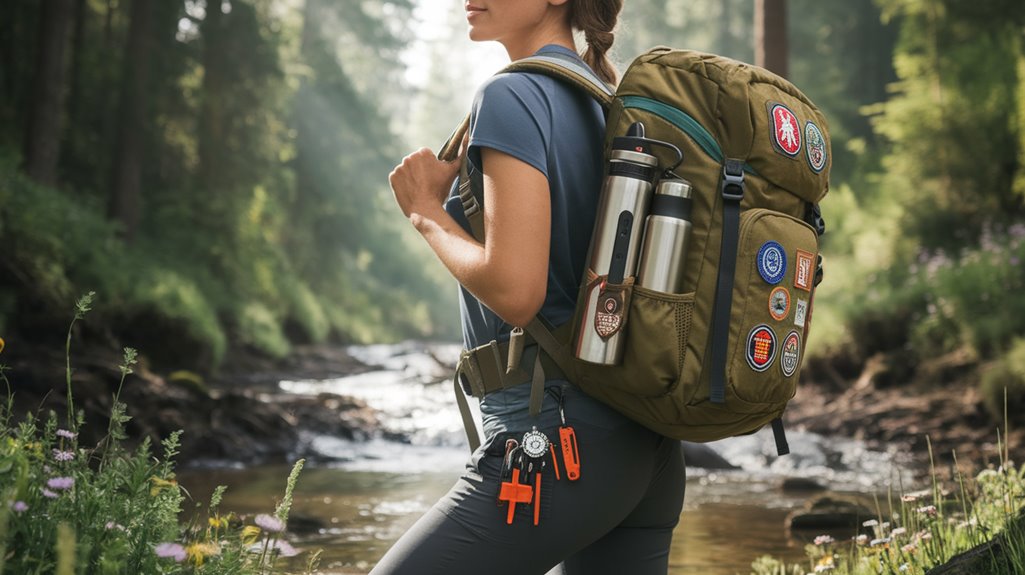
The right gear makes everything easier, and that starts with a pack designed for a woman’s torso length and hip structure. Keep your total base weight under 25 pounds if possible, choosing lightweight options that don’t sacrifice durability.
The Big Agnes Tiger Wall UL1 tent weighs just over two pounds and handles weather beautifully for solo trips. Pair it with a women-specific sleeping bag like the Big Agnes Sidewinder, which has extra insulation in the footbox and chest area where women tend to feel cold first.
SEE THIS: Aesthetic Hiking Trails & Destinations Ideas to Try This Season.
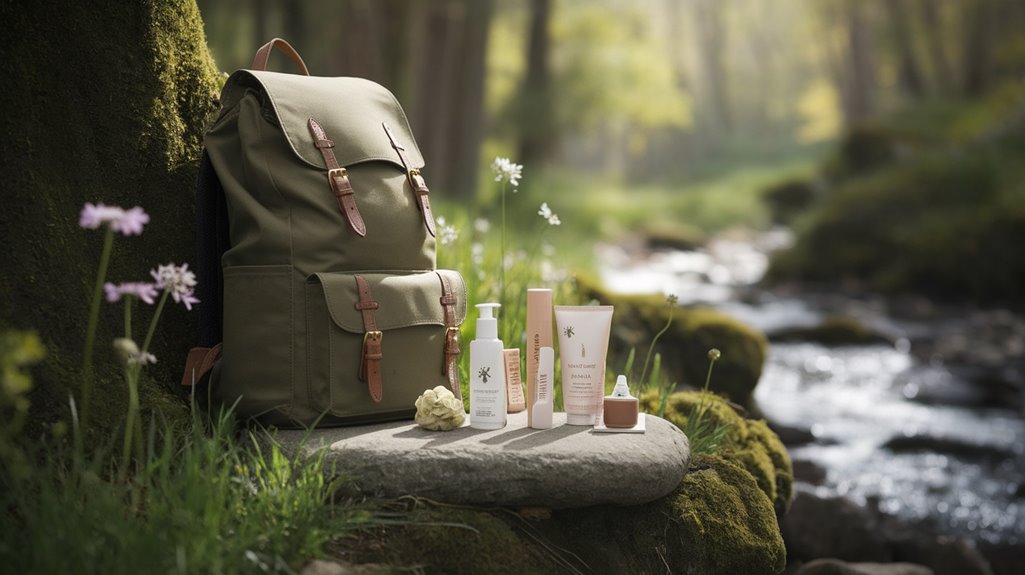
Staying clean in the backcountry doesn’t require a full bathroom setup, just a few smart items and good habits. Pack hand sanitizer and use it religiously before eating and after bathroom breaks.
If you need to wash up, use biodegradable soap, but keep it at least 200 feet from any water source. A quick-dry towel and some unscented wet wipes will handle most face and body cleaning without leaving a trace.
SEE THIS: Hiking Boots vs. Trail Runners: Which Is Right for You This Summer?.
Safety Strategies for Female Solo Adventurers
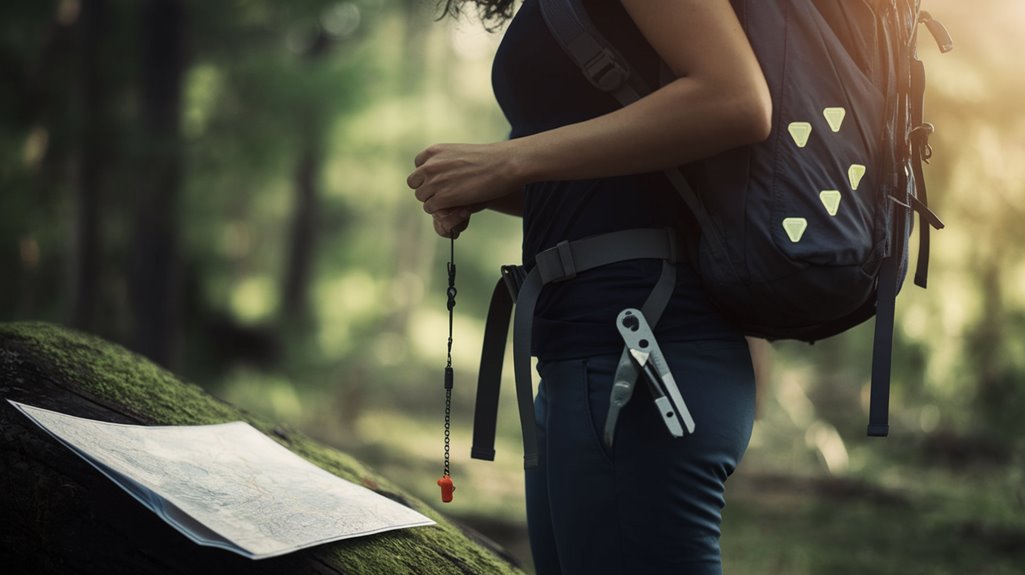
Solo hiking gives you freedom, but it also requires extra planning and awareness. Always leave a detailed itinerary with someone at home, including your exact route, campsites, and when you’ll check in.
Stick to popular, well-marked trails for your first few solo trips until you’re comfortable with navigation and self-reliance. Carry a personal locator beacon or satellite messenger, trust your gut if something feels wrong, and don’t hesitate to turn around if conditions change or you’re not feeling confident.
Preparing for Emergencies and Unexpected Situations
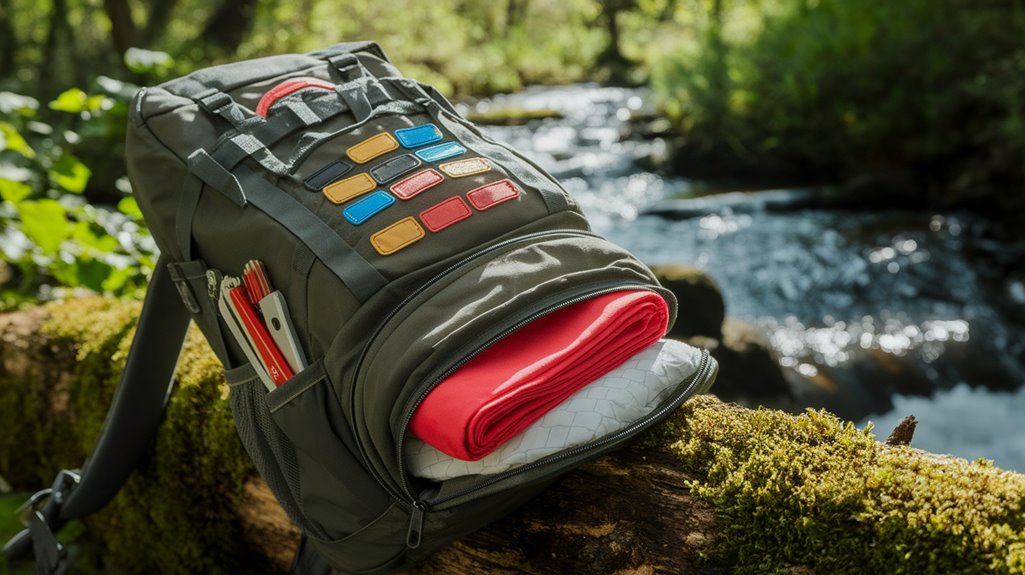
The Ten Essentials exist for a reason, and you should know how to use every item in your pack before you need it. Your first aid kit should include blister treatment, pain relievers, any personal medications, and items for treating cuts and sprains.
Practice fire starting at home, learn basic water purification methods, and know how to build an emergency shelter from a tarp. If something goes wrong, stop and think before you act, stay put if you’re lost, and use a whistle to signal for help since it carries farther than your voice.
Respecting Wildlife and the Environment
The wilderness isn’t ours to conquer; it’s ours to move through carefully and leave undisturbed. Make noise on the trail by talking or clapping occasionally so you don’t surprise wildlife, especially in areas with bears or mountain lions.
Store all food and scented items in a bear canister or hang them properly at least 100 yards from your tent. Follow Leave No Trace principles by packing out everything you bring in, staying on established trails, and camping in designated spots or on durable surfaces.
Conclusion
You don’t need to be superhuman to backpack successfully; you just need to be prepared, aware, and willing to learn from each trip. Start with shorter overnight hikes to build your skills and confidence before tackling longer or more remote routes.
The wilderness will challenge you, teach you things about yourself you didn’t know, and give you a sense of peace that’s hard to find anywhere else. Pack smart, stay alert, and get out there.