The biggest mistake new tiny house owners make is thinking small means settling for less. Your compact space can be just as comfortable and twice as efficient as a conventional home when you work with it rather than against it.
Most people look at their 400 square feet and see limitations, but I see a puzzle where every piece can pull double or triple duty if you’re clever about it.
What separates a cramped, frustrating living situation from one that actually feels spacious comes down to making intentional choices about what stays, what goes, and how every element earns its place. These 13 hacks make those choices a lot clearer.
Contents
- 1 Install Murphy Beds to Reclaim Your Floor Space
- 2 Transform Walls Into Storage Goldmines With Pegboards and Hooks
- 3 Choose Furniture That Works Double Duty
- 4 Build Storage Into Every Staircase and Raised Platform
- 5 Push Large Furniture Against Walls to Open Up the Center
- 6 Add Wall-Mounted Folding Tables for Instant Workspace
- 7 Use Lofted Sleeping Areas to Free Up Living Space Below
- 8 Replace Nightstands With Slim Wall Ledges
- 9 Create Zones With Strategic Furniture Placement
- 10 Maximize Natural Light With Skylights and Large Windows
- 11 Choose Light Colors and Reflective Surfaces to Visually Expand Space
- 12 Opt for Modular and Stackable Furniture for Ultimate Flexibility
- 13 Design Custom Hidden Compartments in Unexpected Places
Install Murphy Beds to Reclaim Your Floor Space
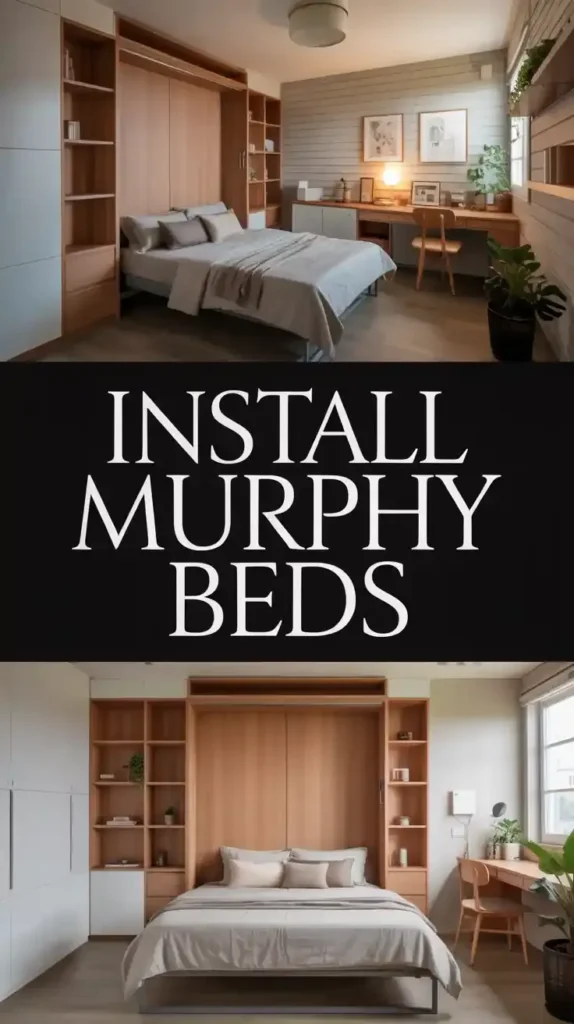
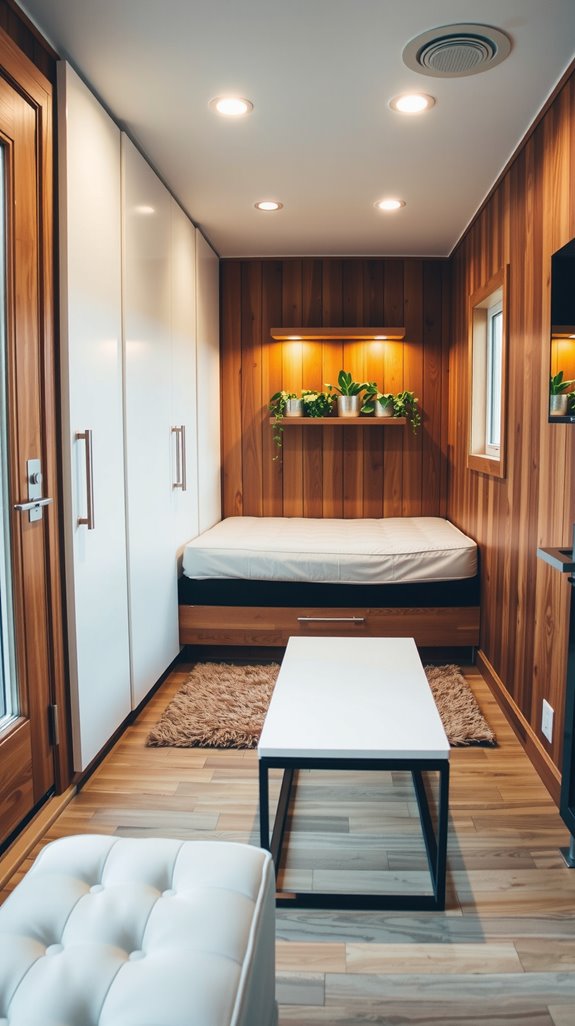
A Murphy bed might be the single best investment you’ll make in your tiny house because it gives you back about 30 square feet every morning. I’ve watched people transform their entire living situation by folding their bed into the wall and suddenly having room for a proper dining table or home office.
The newer models integrate desks or sofas right into the unit, so when the bed goes up, you’ve got a functional workspace or seating area instead of just blank wall. Just make sure you mount it properly into studs because the last thing you want is your bed crashing down at 2 AM.
Transform Walls Into Storage Goldmines With Pegboards and Hooks
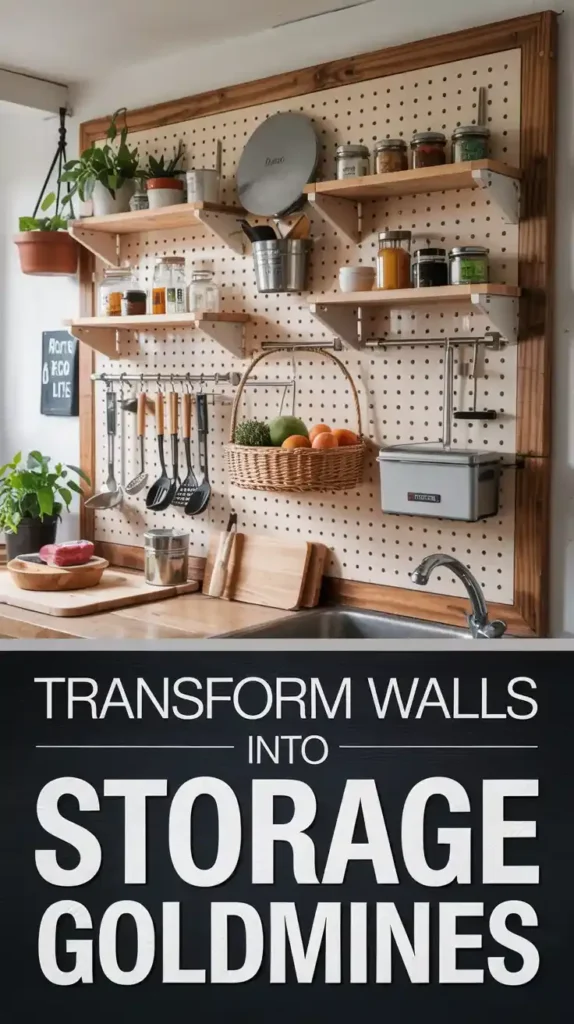
Your walls are doing absolutely nothing for you right now except holding up your roof, and that’s a waste of valuable real estate. Pegboards turn blank vertical space into incredibly flexible storage that you can rearrange whenever your needs change.
I install them above kitchen sinks for cooking tools, inside closets for accessories, and near workbenches for supplies, always using spacers so hooks actually have room to fit properly. If the industrial look bothers you, frame it out with some simple baseboard molding and suddenly it looks like intentional design instead of garage overflow.
Choose Furniture That Works Double Duty
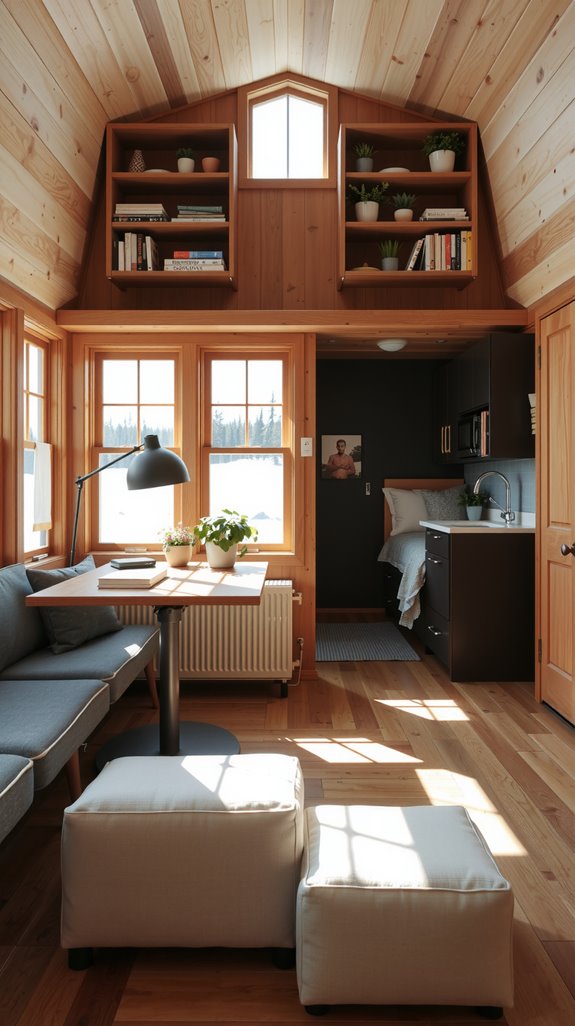
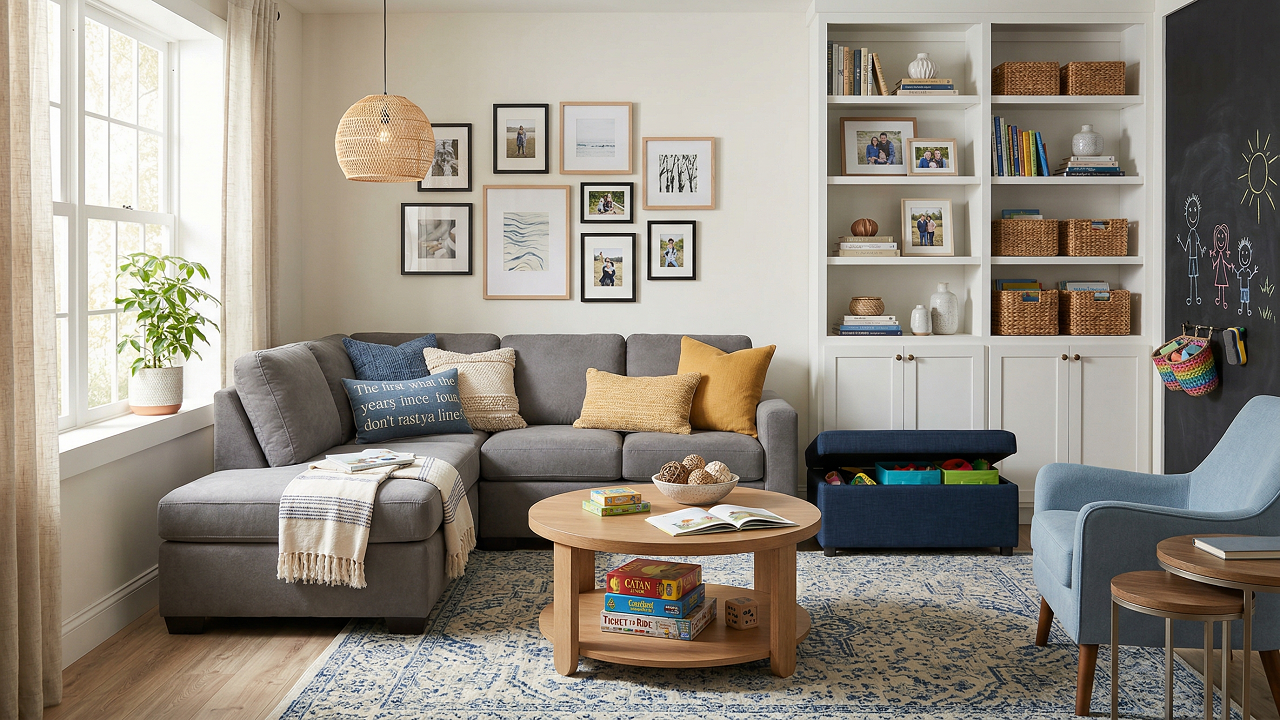
Every piece of furniture in your tiny house needs to justify the floor space it occupies, and single-purpose items rarely make the cut. That oversized armchair might be comfortable, but a storage ottoman gives you seating, a footrest, and hidden storage for blankets or board games all in one compact package.
Convertible sofa beds let you host overnight guests without dedicating permanent space to a guest room, and folding tables disappear when you need floor space for yoga or kids playing. The key is thinking through your daily routines and finding pieces that adapt to multiple scenarios instead of just one.
Build Storage Into Every Staircase and Raised Platform

Stairs that just move you from one level to another are a criminal waste of space in a tiny house. I design staircase storage as stacked boxes with drawers, cupboards, or pull-out pantries built into each riser, and the difference in usable storage is massive.
You can safely load these up because properly installed heavy-duty brackets will support over 1,200 pounds without issue. Test your design with cardboard first so you can figure out drawer depths and door swings before you commit to cutting expensive plywood.
Push Large Furniture Against Walls to Open Up the Center
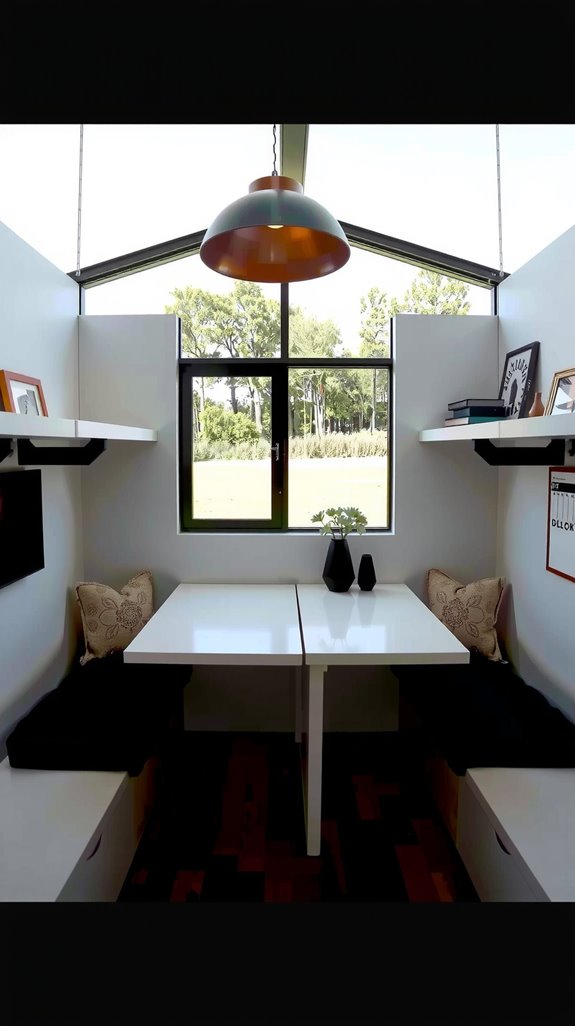
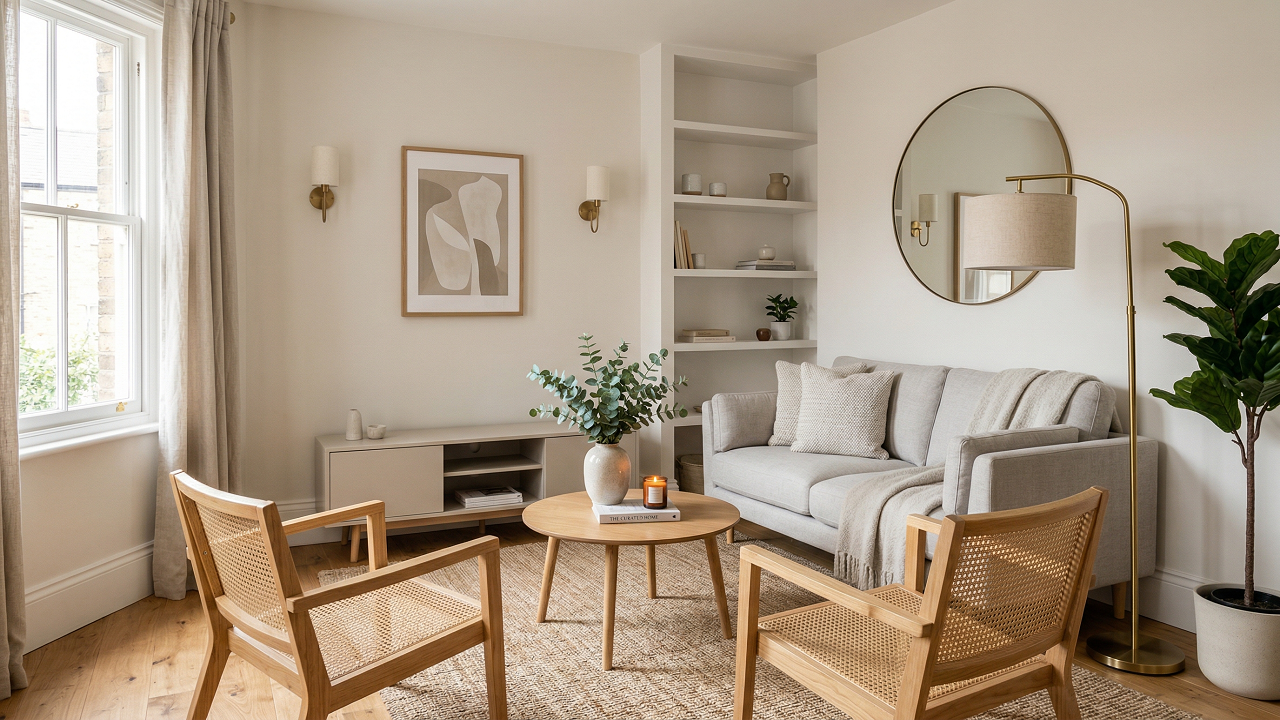
The middle of your tiny house needs to stay clear because that’s where you actually live and move throughout your day. Pushing beds, sofas, and storage cabinets against walls creates a central zone that doesn’t feel like an obstacle course every time you need to walk somewhere.
This setup also improves how light moves through your space since you’re not blocking windows or creating dark pockets behind furniture. Your room will feel less cluttered even if you haven’t gotten rid of a single item.
Add Wall-Mounted Folding Tables for Instant Workspace

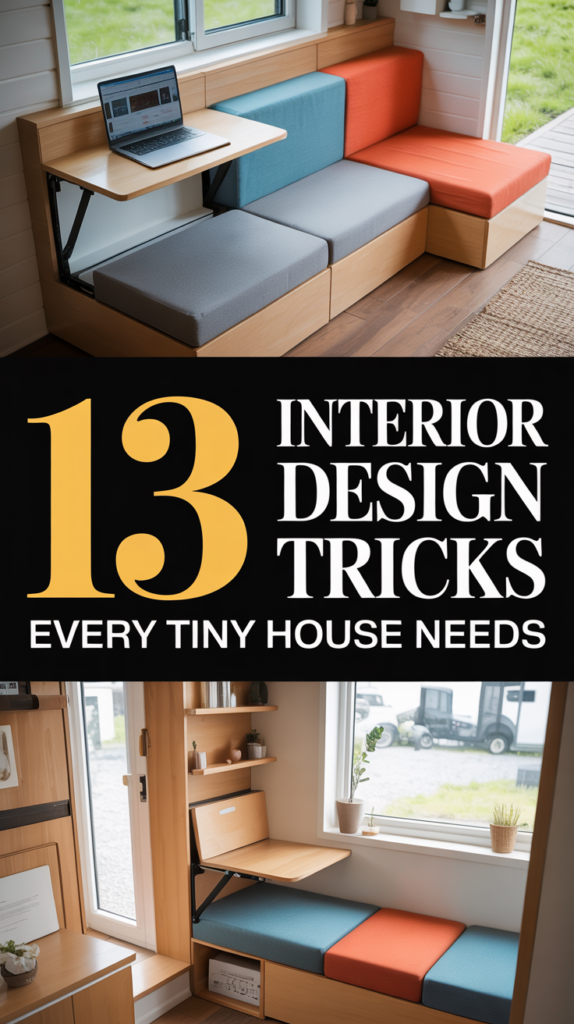
I love wall-mounted folding tables because they give you a full desk or dining surface when you need it and then completely disappear when you don’t. These tables hold up to 110 pounds easily, which means you can work on a laptop, spread out paperwork, or serve dinner for two without any concerns about stability.
When you fold them down, you can add a shallow shelf above to display photos or plants so the wall doesn’t look bare. Installation takes maybe an hour and the transformation in usability is immediate.
Use Lofted Sleeping Areas to Free Up Living Space Below
Sleeping lofts take advantage of vertical space that would otherwise go completely unused in your tiny house. The key is building proper stairs instead of relying on ladders because climbing up to bed after a long day gets old fast, and stairs give you bonus storage options.
Make sure you include windows or skylights up there because adequate ventilation prevents that stuffy, coffin-like feeling some lofts develop. Once your bed is overhead, your main floor opens up for a real living room, office space, or whatever you actually need during waking hours.
Replace Nightstands With Slim Wall Ledges
Nightstands take up way too much floor space for what they actually do, which is hold your phone and maybe a glass of water. Floating ledges mounted right beside your bed serve the same function while occupying exactly zero square feet of your floor.
You can install them at whatever height works best for reaching over from bed, and they cost a fraction of what even a basic nightstand runs. The visual difference is significant too because removing that bulky furniture makes your sleeping area feel less cramped.
Create Zones With Strategic Furniture Placement
Your tiny house might be one big room, but that doesn’t mean it has to feel like living inside a studio apartment. I arrange furniture to create distinct areas for different activities, so cooking doesn’t bleed into working, and relaxing doesn’t happen on top of your dining table.
Placing a sofa with its back to the kitchen naturally separates those two zones without needing walls or dividers. Modular pieces let you reshape your layout when you need the space to function differently, and built-in seating often includes storage underneath for maximum efficiency.
Maximize Natural Light With Skylights and Large Windows
Nothing makes a small space feel bigger faster than flooding it with natural light, and skylights are your secret weapon. They bring in up to 30% more light than regular windows because they capture the sun throughout the day as it moves across the sky.
The newer energy-efficient models don’t turn your house into an oven in summer or an icebox in winter like old skylights used to. Operable versions also improve air circulation, which matters more in tiny houses where cooking smells and humidity can linger.
Choose Light Colors and Reflective Surfaces to Visually Expand Space
Dark walls make small rooms feel like caves, while whites, soft grays, and pale beiges bounce light around and trick your eye into seeing more space. This is physics working in your favor.
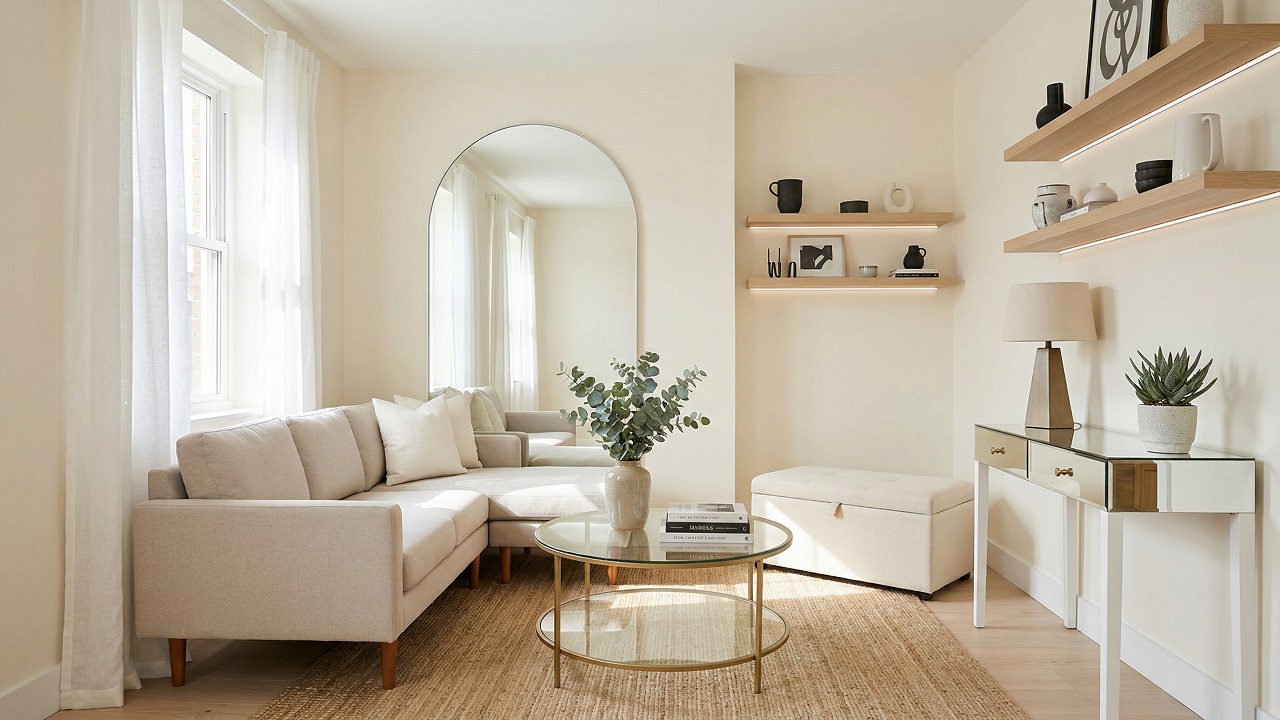
Add mirrors, glossy tile backsplashes, or glass cabinet doors to multiply the effect because reflective surfaces create depth that doesn’t actually exist. You’ll notice the difference immediately when you walk in because the space feels airier even though the dimensions haven’t changed.
Opt for Modular and Stackable Furniture for Ultimate Flexibility
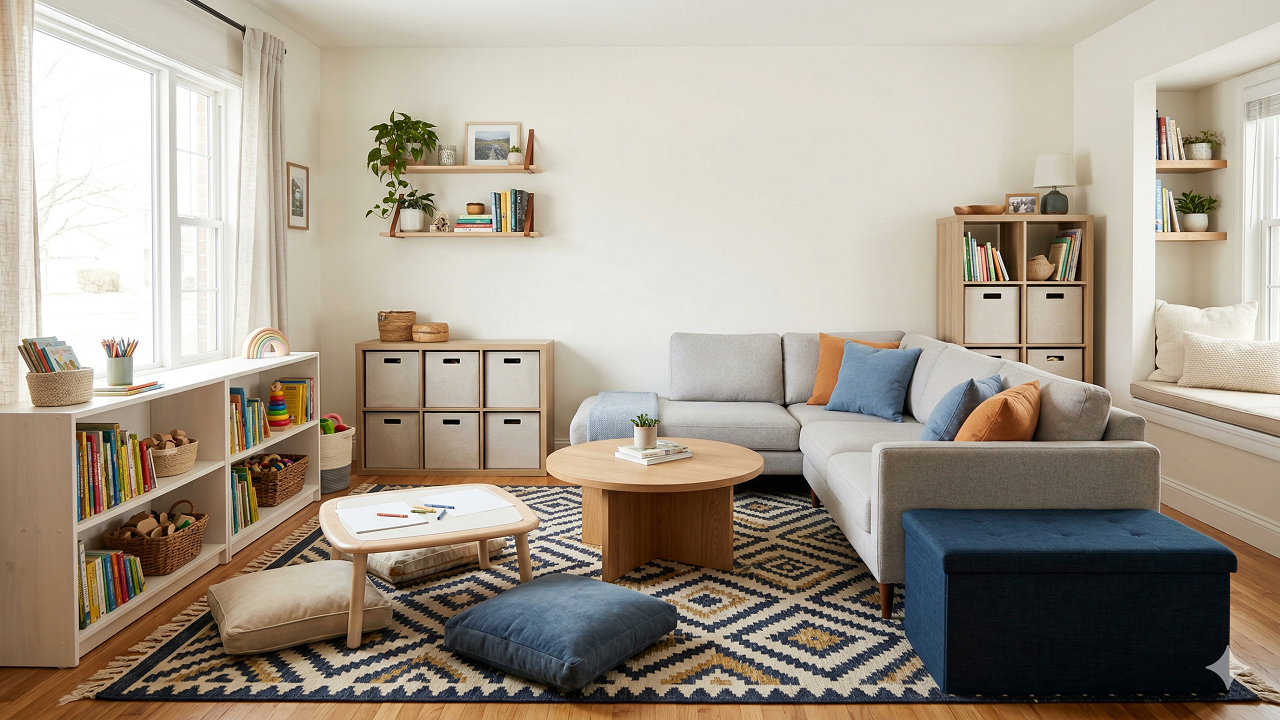
Life changes, and your furniture needs to keep up without requiring you to replace everything you own. Modular sofas reconfigure from an L-shape for movie nights to separate seats when you’re hosting a dinner party, and stackable chairs disappear into a closet when you need floor space.
Multi-functional pieces that combine seating with storage can increase your usable space by 25 to 35%, which makes a noticeable difference in how the house functions. The upfront cost might be higher, but you’ll save money over time by not constantly buying new furniture.
Design Custom Hidden Compartments in Unexpected Places
Once you start looking for hidden storage opportunities, you’ll find them everywhere in your tiny house. Stair risers can hold pull-out drawers for shoes or kitchen supplies, and the space between wall studs is perfect for narrow cabinets.
Floor trap doors work great for seasonal items you only need a few times a year, and hollow furniture with lift-up seats hides everything from extra bedding to tax documents. The goal is making storage invisible so your space looks clean while still holding everything you actually need to keep.