Let’s be honest—decorating a tiny living room isn’t just about style, it’s about making it actually work. When every inch counts, the wrong sofa, extra chair, or bad layout can make your space feel cramped fast.
A lot of advice out there looks good in photos but doesn’t hold up in real life. You don’t need more ideas—you need the right ones. The kind that help your tiny living room feel functional, comfortable, and a little bigger than it actually is.
If you’re trying to figure out what fits, what doesn’t, and how to stop your space from feeling crowded, this is where you start.
Why Your Tiny Living Room Feels Smaller Than It Should
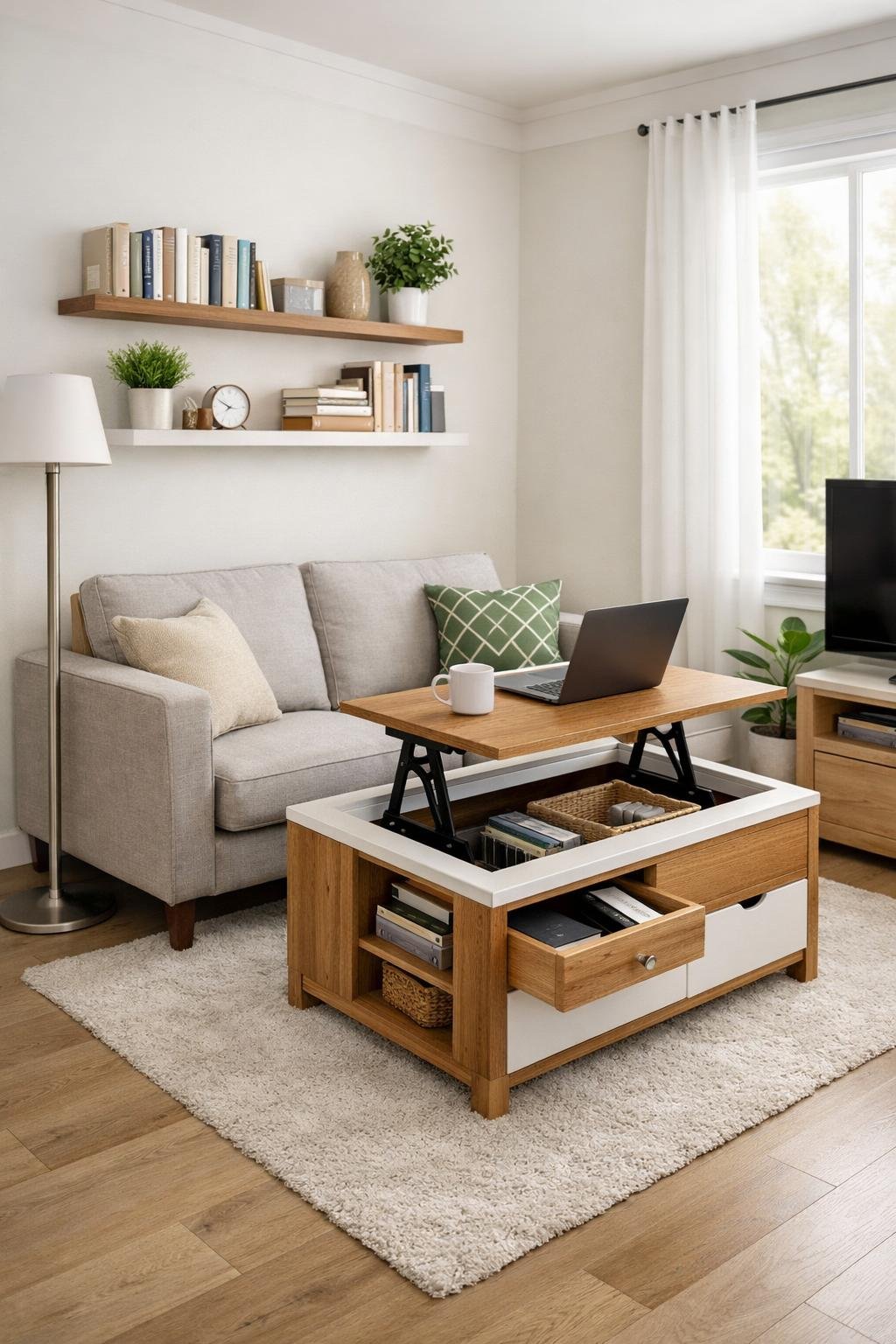
Most of the time, it’s not the size—it’s how the space is set up. A tiny living room can feel twice as cramped just from a few wrong choices.
The Layout Mistakes Shrinking Your Space
- Pushing all furniture against walls (kills flow)
- Blocking natural walkways
- No clear focal point (TV, window, or seating area)
This makes your tiny living room layout feel awkward and tight instead of open.
Why “More Furniture” Is the Problem
- Extra chairs “just in case” = wasted space
- Large coffee tables = no movement
- Too many small pieces = visual clutter
In very small living room ideas, every piece needs a purpose. If it’s not functional or used daily, it’s just taking up space.
What NOT to Put in a Tiny Living Room (Biggest Space Killers)
If your space feels cramped, it’s usually because of what you’ve added—not what’s missing. In a tiny living room, the wrong pieces take over fast.
Oversized Furniture (Biggest Mistake)
- Deep, bulky sofas that dominate the room
- Wide armchairs that block movement
- Heavy coffee tables that eat up floor space
These instantly shrink your very small living room and limit layout options.
Too Many Pieces = Instant Clutter
- Extra side tables “just in case”
- Multiple chairs that rarely get used
- Decor overload on every surface
In extremely small living room ideas, fewer pieces always work better.
👉 Rule to follow:
- If it doesn’t serve a daily purpose → remove it
- If it blocks movement → it’s too big
Your goal is simple: clear space first, then build smart.
Tiny Living Room Furniture Ideas That Actually Fit (And Work Hard)
Space-saving furniture really changes the game in a tiny living room. Pick pieces that multitask, like ottomans with hidden storage or a sofa that doubles as a bed.
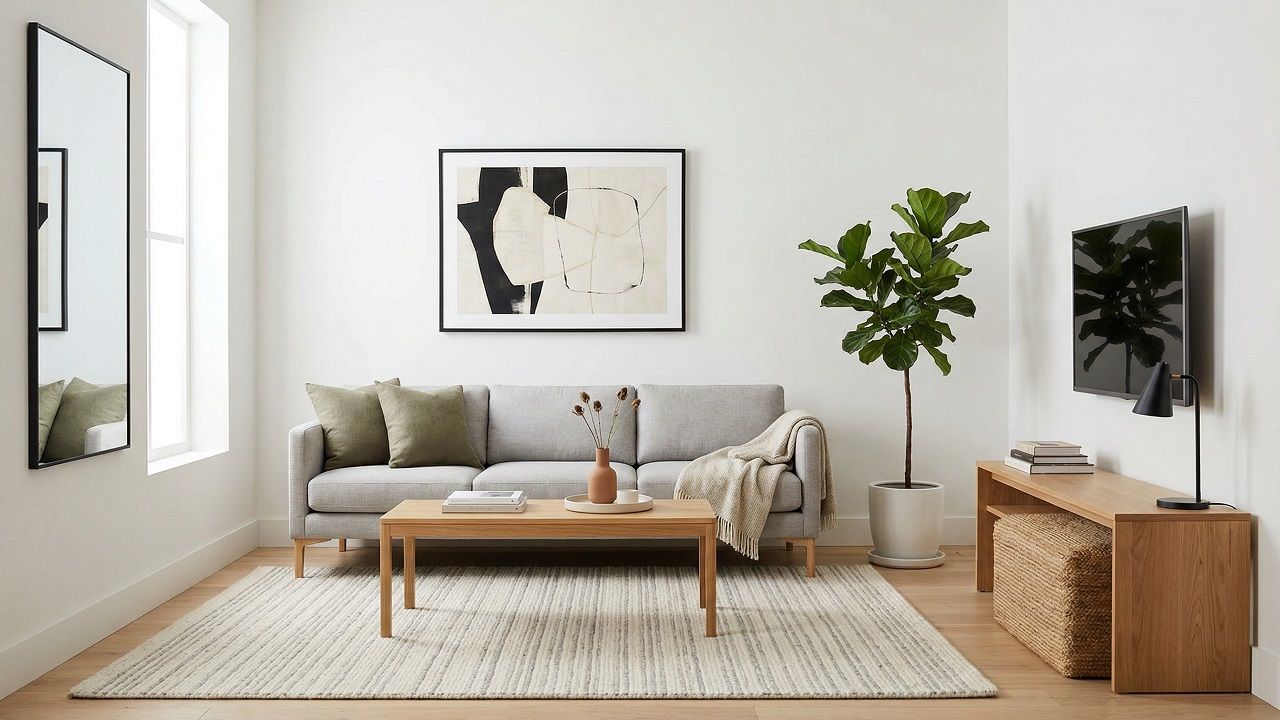
Furniture with exposed legs keeps things feeling lighter. Skinny-legged chairs and tables show off more floor, which somehow makes the room feel roomier.
A low-profile sofa sits closer to the ground and doesn’t eat up as much visual space as a big, chunky couch. That helps your room stay open instead of feeling stuffed to the brim.
Multi-Functional Furniture For Tiny Living Rooms (Non-Negotiable)
When space is tight, every piece has to pull its weight. Multi-functional furniture isn’t just nice to have—it’s a must.
A sofa bed turns your living room into a guest zone in seconds. Storage ottomans serve as both a footrest and a secret stash spot.
Nesting tables tuck away when you don’t need them, and stackable stools give you extra seats without hogging up space. A lift-top coffee table? That’s your dinner table and workspace, too.
Tiny Living Room Layout Ideas That Maximize Every Inch
Try floating your furniture away from the walls to create a sense of flow. That little trick can make a tiny living room feel way bigger than when everything hugs the edges.
Go for a corner TV setup to free up more wall space for seating. Face your sofa toward the corner to keep sightlines open.
Multi-functional pieces like storage ottomans or nesting tables let you maximize space without piling on clutter.
An L-shaped layout works wonders in tight spots. It defines zones but keeps the walkways open and easy to navigate.
How To Arrange Furniture In A Tiny Living Room (Step-By-Step)
Start by measuring your room and your furniture. Jot down the numbers so you can make sure everything fits—nobody wants to wrestle a too-big couch through a tiny doorway.
Put your biggest piece in place first, usually the sofa. Try pulling it away from the wall a bit to add depth. It feels weird at first, but it really does open up the room.
Add a small coffee table or ottoman next. If you can, pick one with storage so you can toss in remotes or magazines. Keep it low so it doesn’t block the view.
Furniture with exposed legs—think chairs and tables that show off the floor underneath—makes everything feel more open and breezy.
Use a rug to define different areas. No need for walls or dividers when a rug can do the zoning for you.
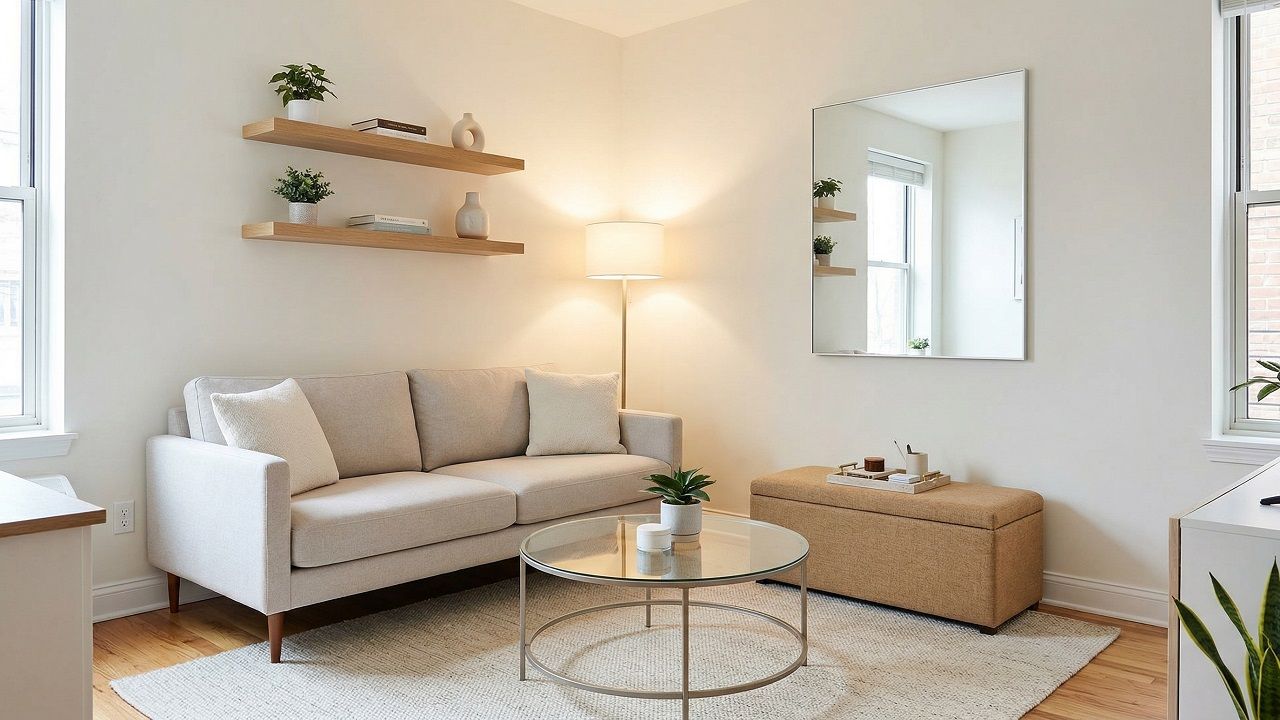
Mount floating shelves for vertical storage. They’ll hold your books and cute decor without eating up precious floor space. Hang your TV on the wall too if you can swing it.
For extra seating, go for clear or light-colored furniture. Transparent chairs or poufs won’t make the space feel boxed in.
Light + Mirrors: The Fastest Way To Make A Tiny Living Room Feel Bigger
Mirrors and good lighting are your secret weapons for opening up a small living room. Put a big mirror across from a window and let it bounce sunlight all over the place. It’s a simple move, but wow, it brightens things up.
Quick lighting upgrades that expand your space:
- Add layered lighting with wall sconces and a standing lamp
- Use pendant lights to draw eyes upward
- Install track lighting to brighten dark corners
Pick a mirror with a slim frame so your walls don’t feel crowded. Hang it at about eye level, maybe 60 inches from the floor. Mirrored coffee tables or side tables can also reflect light and make the room sparkle just a little more.
Color Ideas That Make Tiny Living Rooms Feel Open (Not Busy)
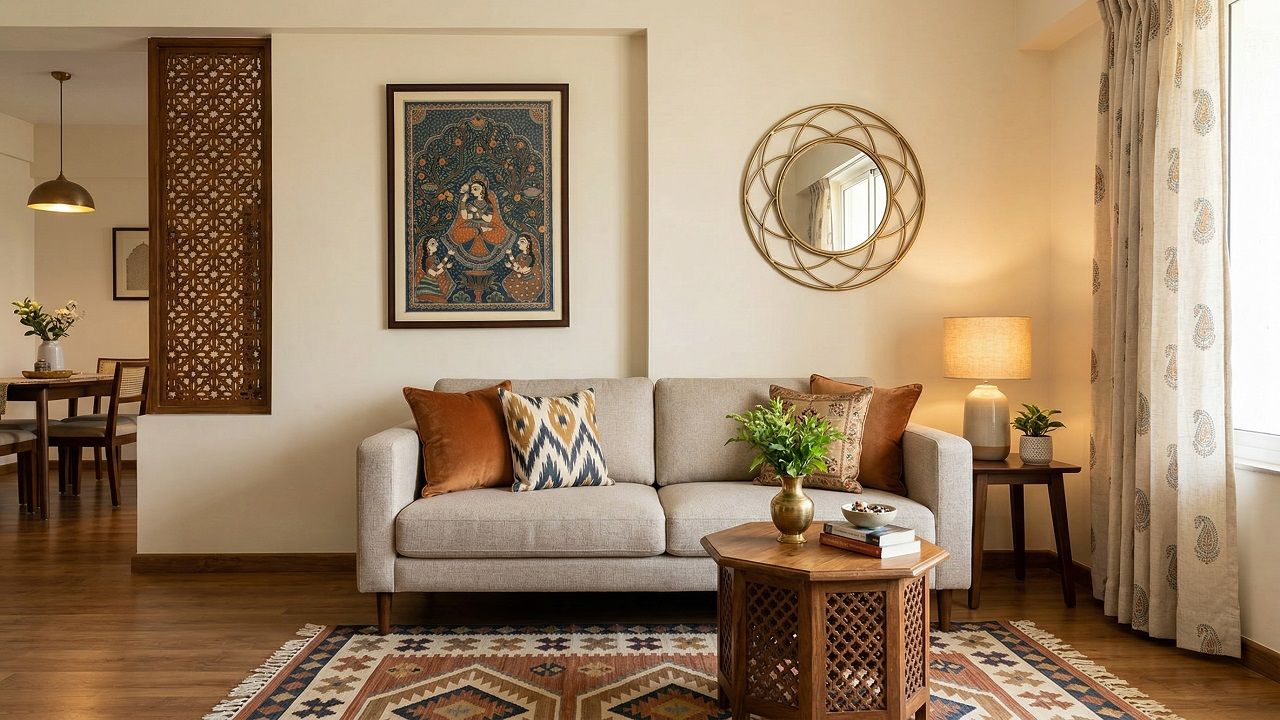
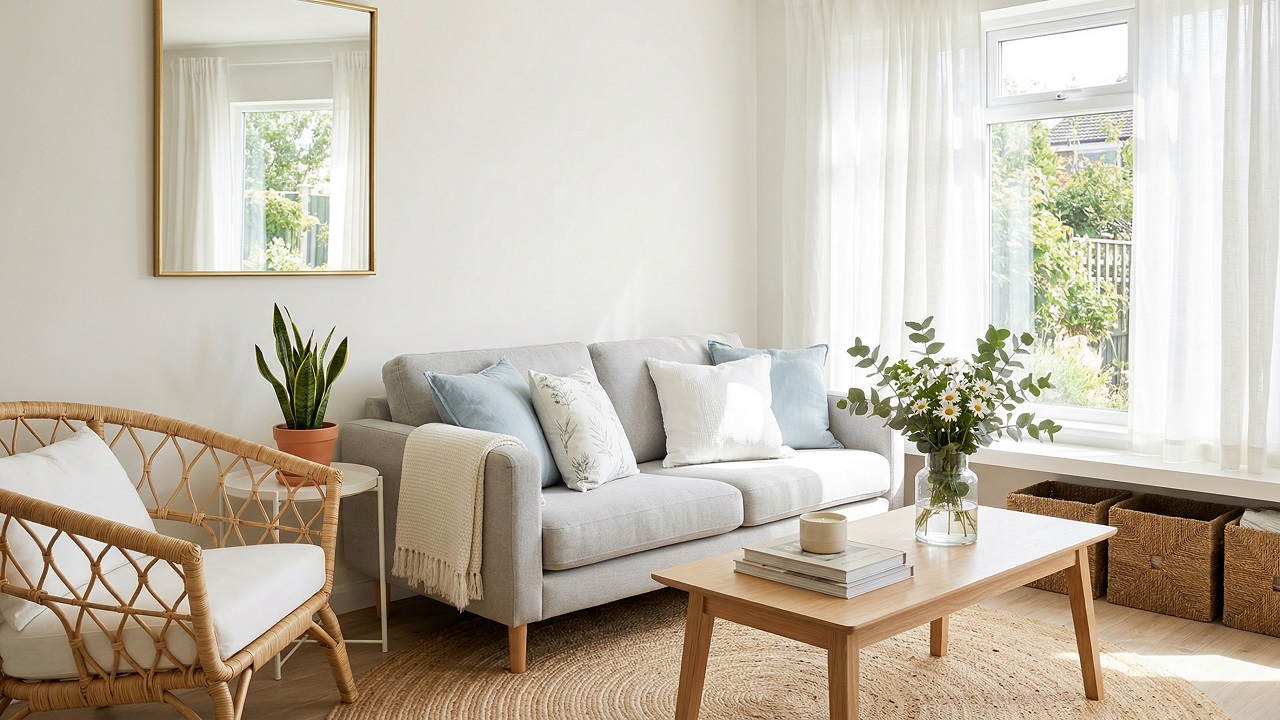
A neutral color palette lays the groundwork for a bigger-feeling living room. White, beige, and soft gray on the walls bounce light and keep things from feeling boxed in.
Warm neutrals like cream, taupe, and greige add a bit of coziness without making the space feel heavy. They play nicely together and make the room feel inviting.
Stick to matching light tones for the big stuff—walls, furniture, and large decor. That way, everything flows together and the space feels seamless.
Add pops of color with pillows or art if you want, but keep your main colors light and simple for that open, airy vibe.
Smart Storage Ideas For Tiny Living Rooms (Hide The Clutter)
Floating shelves are a lifesaver in small spaces. They give you storage up high without eating up floor space. Try mounting them above the sofa or by the door to stash books or display little treasures.
Built-in storage squeezes every inch of usefulness out of your room. Window seats with hidden compartments underneath? Yes, please—perfect for blankets and extra pillows.
Stash stuff under the sofa in rolling bins or flat containers. Out of sight, out of mind, right?
Vertical storage draws your eyes up and makes the room feel taller. Tall bookcases or wall organizers are your friends here.
Try these clever storage solutions:
- Ottoman cubes with lift-top lids
- Coffee tables with hidden drawers
- Behind-sofa console tables
- Wall-mounted hooks and racks
- Corner shelving units
Hidden storage keeps the mess tucked away. Storage sofas with compartments in the arms or under the cushions swallow up remotes, toys, or linens. Decorative baskets with lids fit right in and hide the everyday stuff.
Nesting tables that double as storage give you flexible surfaces that disappear when you don’t need them. Super handy for small spaces.
Decorating A Tiny Living Room Without Overcrowding It
Decorating a tiny space doesn’t mean you have to cram every surface with stuff. Start with a minimalist living room mindset—choose a few things you love and let them shine.
Keep your small living room decor simple:
- Pick one small gallery wall above your sofa instead of scattering art everywhere
- Use low-maintenance plants like succulents or pothos for a little life in the corners
- Go for multipurpose pieces, like ottomans with hidden storage
Your small living room design needs plenty of negative space. Leave some walls and tabletops bare so the room can breathe. Move things around now and then to keep it feeling fresh without piling on more decor.
Stick to a limited color palette to keep the flow going from one area to the next.
Tiny Living Room Ideas For Apartments, Studios & Shared Spaces
Apartments and studios really need smart layouts that work overtime. Try floating your sofa to create better flow, or squeeze a slim console desk behind it for bonus function.
Compact living gets way easier with multipurpose furniture. Storage ottomans, nesting tables, and wall shelves keep clutter at bay and save precious floor space.
Tiny homes love built-in seating with hidden storage. A window bench or banquette gives you comfort without crowding the room.
Shared spaces work best with flexible pieces—think movable ottomans or a fold-out side table that you can shift around as needed.
Tiny Living Room Ideas For Moms (Real-Life + Kid-Friendly)
Your tiny living room can totally work for the whole family with a few smart choices. Pick furniture with rounded edges so kids don’t get hurt on sharp corners.
Storage solutions that help:
- Ottomans with hidden compartments for stashing toys in a hurry
- Wall-mounted shelves to keep the floor clear
- Baskets at kid height so little ones can help put things away
Choose wipeable fabrics like microfiber or leather for your couch. Darker colors or busy patterns hide stains better than light ones—trust me on that one.
Lay down soft rugs in play areas so floor time is comfy. Anchor tall furniture to the walls for safety—that’s a must with little climbers around.
Budget Tiny Living Room Ideas That Still Look Put Together
You don’t have to break the bank to make your tiny living room feel intentional and stylish.
Start with these affordable updates:
- Use what you already have in new ways—move furniture around for better flow
- Add a big area rug to make the room feel larger and more finished
- Hang curtains high to draw eyes up and fake some height
- Display faux plants for a touch of green without the upkeep or cost
Thrift stores and online marketplaces are goldmines for furniture with skinny legs. Those pieces look lighter and take up less visual space than their chunky cousins.
Keep your color scheme simple. Stick to neutrals for the main stuff, then toss in a couple of accent colors with pillows or throws you already own.
Floating shelves are cheaper than bookcases and let you use your wall space for storage or display. Most home stores have affordable options.
The secret is picking items that do more than one thing. An ottoman can be your seat, your coffee table, and your storage—all at once.
Tiny Living Room Mistakes That Make Your Space Feel Cramped
Oversized furniture is honestly the biggest culprit. A massive sofa or a bulky armchair just eats up space way too fast.
Try picking pieces with slimmer arms and legs. When you can see more of the floor, the whole room feels lighter.
Pushing everything against walls actually shrinks the space visually. If you float your furniture slightly inward, you’ll get better flow and more walkways.
Too-small rugs make your furniture look like it’s just floating awkwardly. Go for a bigger rug—at least make sure the front legs of your seating land on it.
Poor lighting flattens your space and kills any cozy vibe. Mix it up with ceiling fixtures, a couple of floor lamps, maybe even a wall sconce or two to add some depth and warmth.