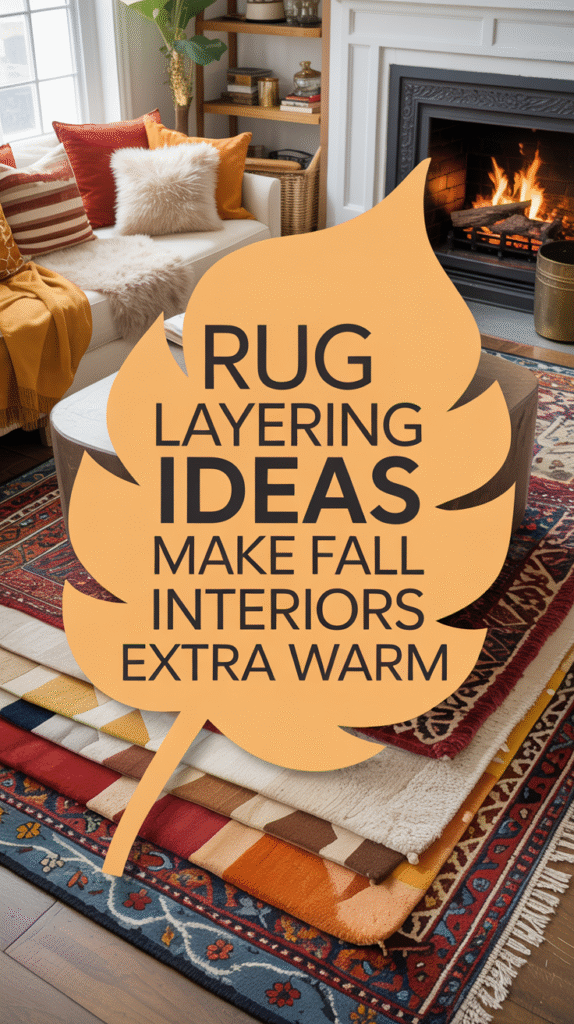
Fall is the perfect time for layering rugs because it makes your room feel super snug and expensive. You want to start out with a solid, neutral-toned base rug to act as the vibe curator for all the cool stuff you are going to stack on top later. Starting with a clean slate like this is the secret to getting that high-end look.
The floor starts to feel way more alive once you throw on a textured or patterned layer to break up the boring empty space. It adds so much personality and makes the room look like it was designed by a pro instead of just being random.
You should feel free to play around with different sizes or even tilt the top rug at a fun angle. You are about to make your house look like a literal dream. I can help you look through all the ways to make this happen.
Contents
Choosing the Right Base Rug
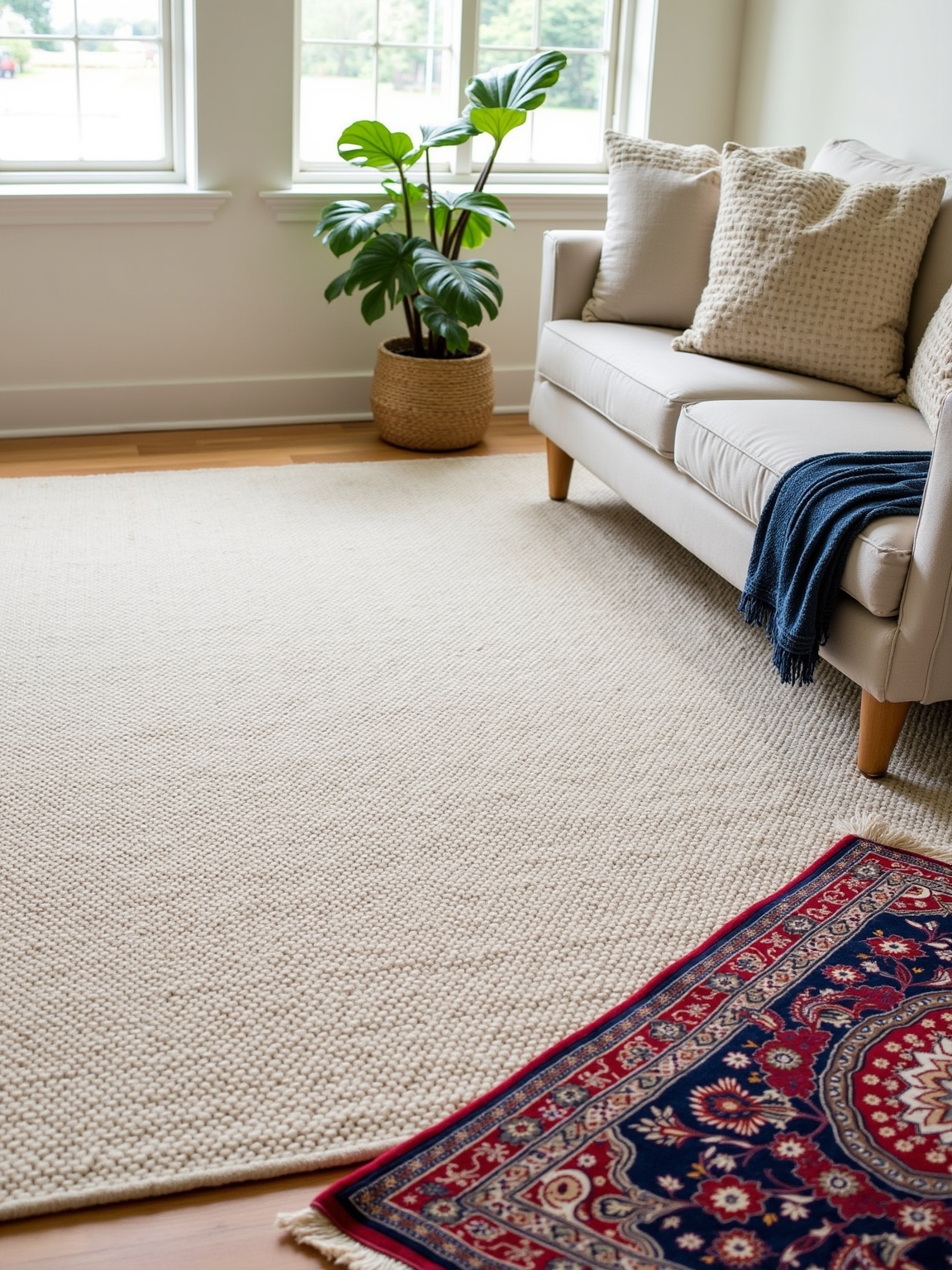
The first rug matters most. Picking out the perfect base rug is the biggest step for making your fall decor look like a total win.
You might want to go with wool if you have people walking around a lot since it works for high-traffic areas and is basically a tank when it comes to spills.
Budget options are out there. Synthetic blends are super cheap, but they might be a bit weird for the air you breathe.
If you want to be a sustainable icon, natural fibers like jute are the way to go. You just have to make sure your base rug is big enough to go past your furniture so it can create cohesion and comfort for the whole setup.
Your space needs that modern glow. Keeping things simple with clean lines makes your room feel massive and ensures your rug actually matches the rest of your room.
Selecting Neutral Tones for Versatility
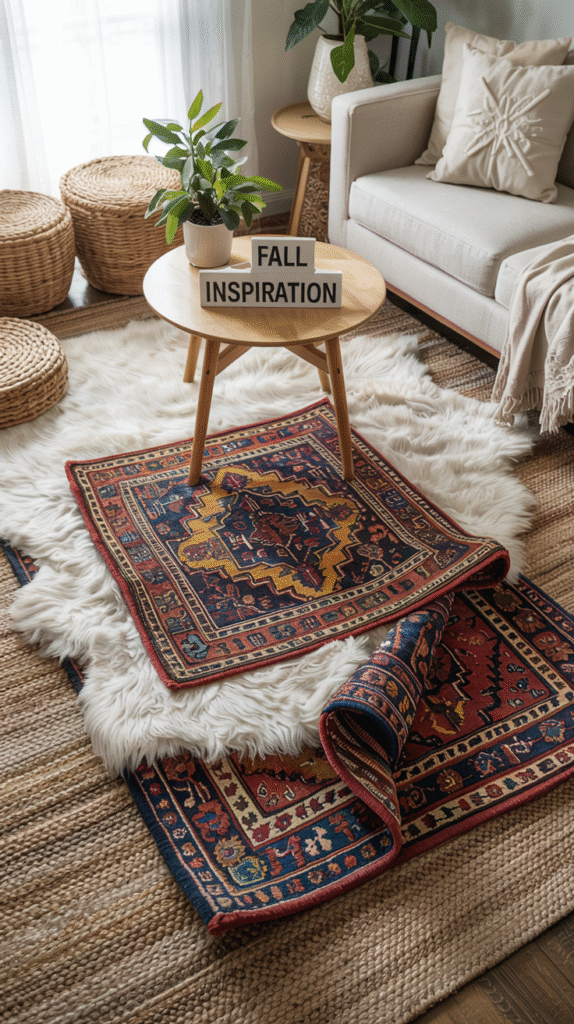
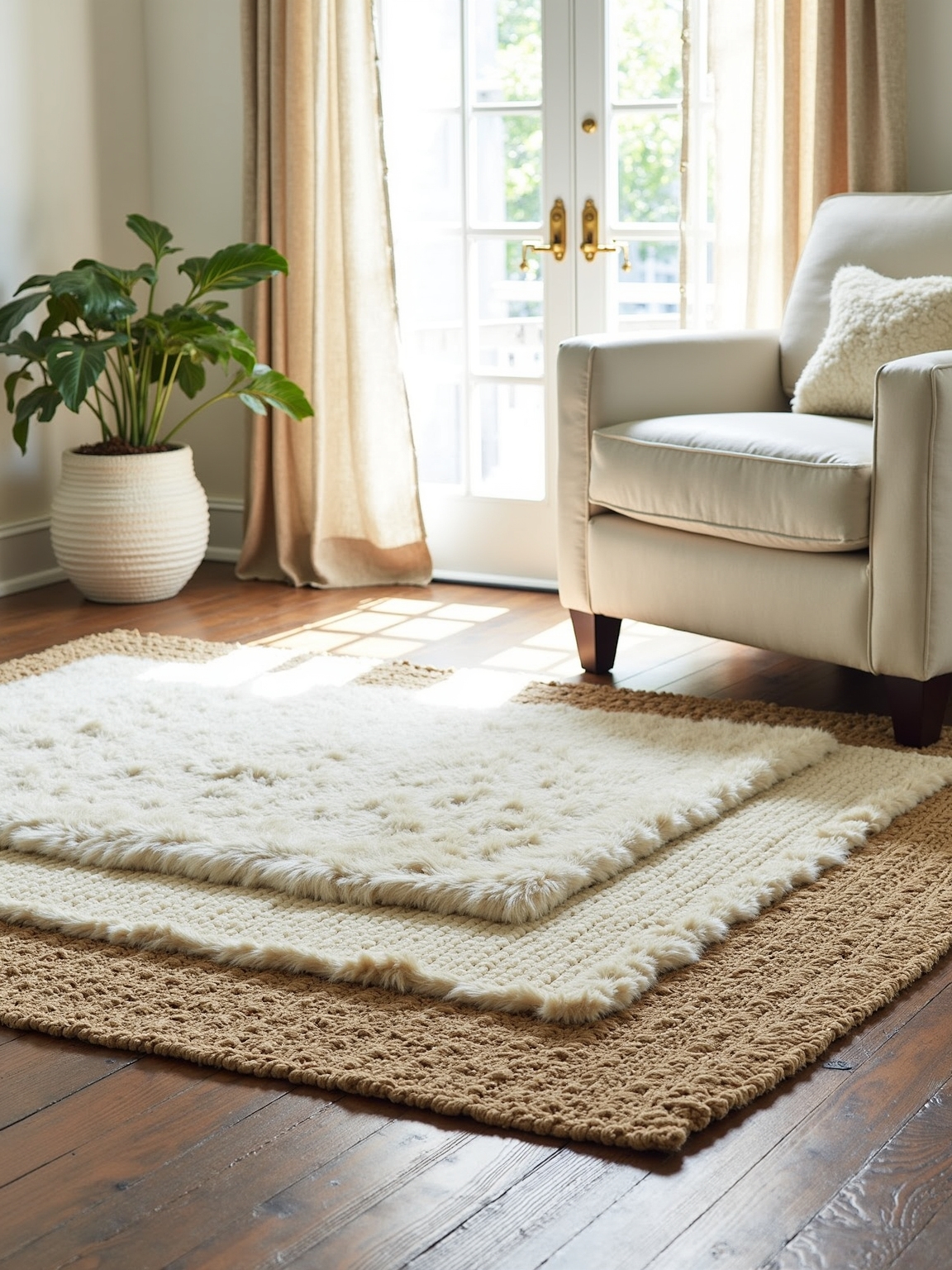
The colors are everything here. Grabbing a rug in neutral tones like beige or taupe is a pro move because it creates a timeless backdrop that lets your cool furniture and art take center stage.
Peaceful energy is the goal. These shades keep the room feeling chill and help create a calming atmosphere where you can actually relax. Plus, going neutral means your floor will still look fire even when the trends change next year.
The aesthetic stays winning forever. Neutral rugs are famous for having that timeless appeal and feeling super fancy, which basically makes your whole room look ten times better.
Incorporating Durable Outdoor Rugs
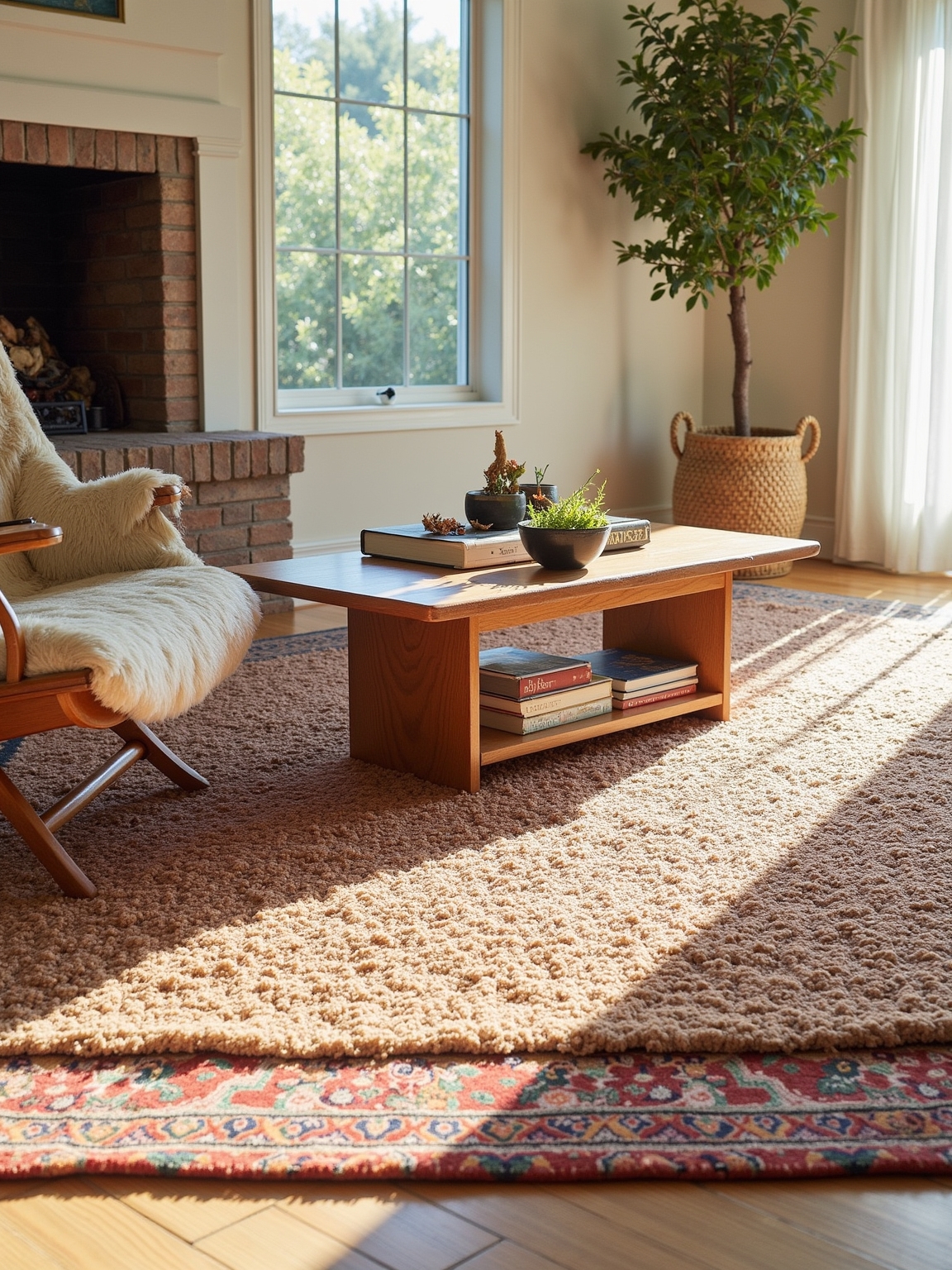
The whole vibe of your outdoor hang spot completely changes when you bring in durable outdoor rugs to handle the chaos of nature.
These rugs are usually built from super tough synthetic fibers like polypropylene, so they basically ignore weather damage and won’t get all bleached out by the sun.
You can literally just hose them off when they get messy, which makes them the absolute goat for high-traffic areas where everyone is hanging out.
The safety aspect is also a huge plus since these rugs provide that essential slip resistance so nobody is sliding around after a rain shower. Your patio floor gets a layer of protection while you get a soft place for your feet and a look that actually matches your aesthetic.
These pieces are made to survive basically any weather, so they are the perfect bridge between your indoor comfort and the great outdoors.
You might be wondering if an outdoor rug is actually worth the hype for a small balcony or a huge deck. It totally is because it defines the space and makes it feel like a real room instead of just a slab of concrete. It is the easiest way to give your outdoor setup a little more personality without having to buy all new furniture.
Using Natural Fibers for Texture
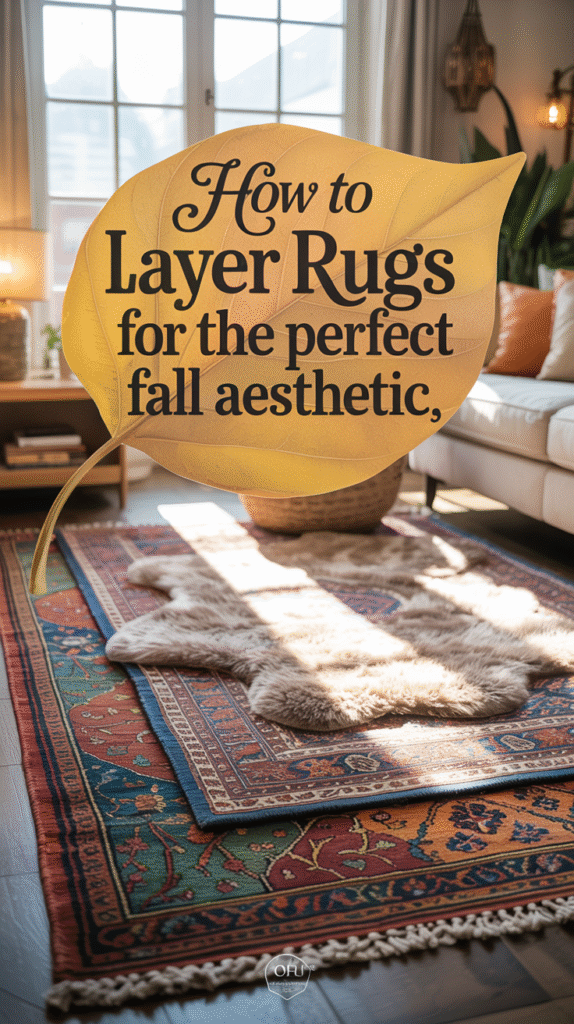
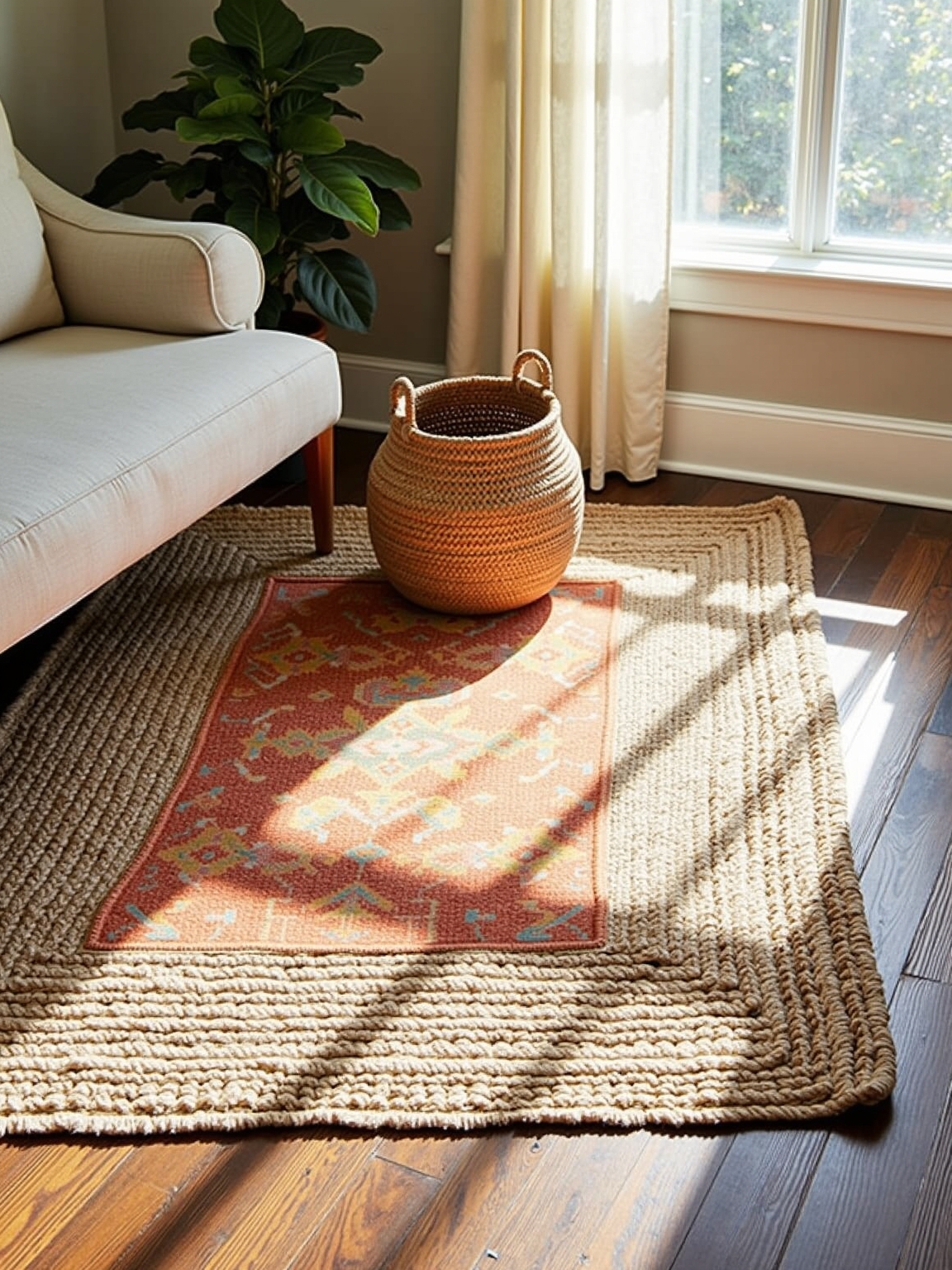
Want to elevate your space with a cozy fall ambience? That is the perfect excuse to go all out with natural fiber rugs to get those rich, touchable textures in your house.
Wool is a top tier choice because it acts like a cozy sweater for your floor and stays clean without much effort during the cold months.
If you are chasing those rustic, earthy textures, then jute and sisal are going to be your main characters, and seagrass is a legend for being able to handle a little moisture.
Softness is a major factor too, so adding some cotton or silk into the mix can give your floor a little bit of a luxe sheen. These fibers do a lot more than just look pretty; they actually make the room feel warmer and help keep your air quality from getting dusty.
You get a space that feels grounded and high-end just by switching up the materials under your feet. Thinking about the texture of a rug is something most people forget until they actually step on it.
Determining Appropriate Rug Sizes
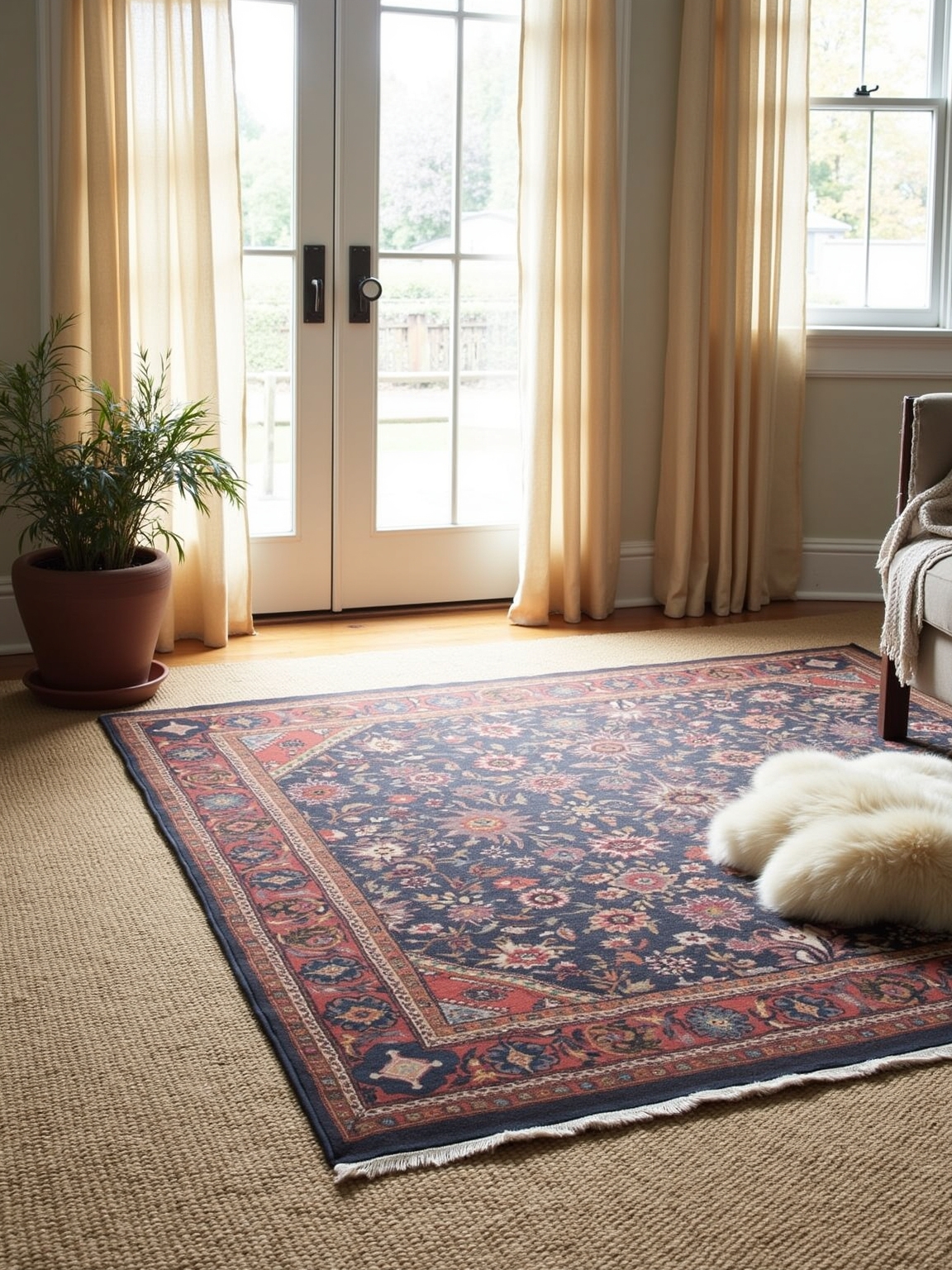
Your room can end up looking a little chaotic if you don’t nail the rug size to keep the furniture in check.
In most living rooms, the move is to anchor the whole seating area by making sure the front legs of your sofas and chairs are actually sitting on the rug.
You should probably aim for a big 8×10 or 9×12 foot rug so the space feels grand, and keep about 16 to 18 inches of floor showing between the couch and the coffee table.
A tiny rug is a total fashion crime in the interior design world because it makes the whole room look smaller than it actually is.
If you have a small vintage rug that you are obsessed with, just layer it over a giant, plain one to get that balanced look without losing your favorite piece. It makes the room feel intentional and cozy instead of like you just threw a bath mat in the middle of the floor.
Measurement is definitely the boring part of decorating, but it makes the biggest difference in the final reveal to ensure everything fits perfectly. Getting the dimensions right means you won’t have to deal with that awkward look of a rug that showed up way smaller than you thought it would be.
Harmonizing With Existing Décor
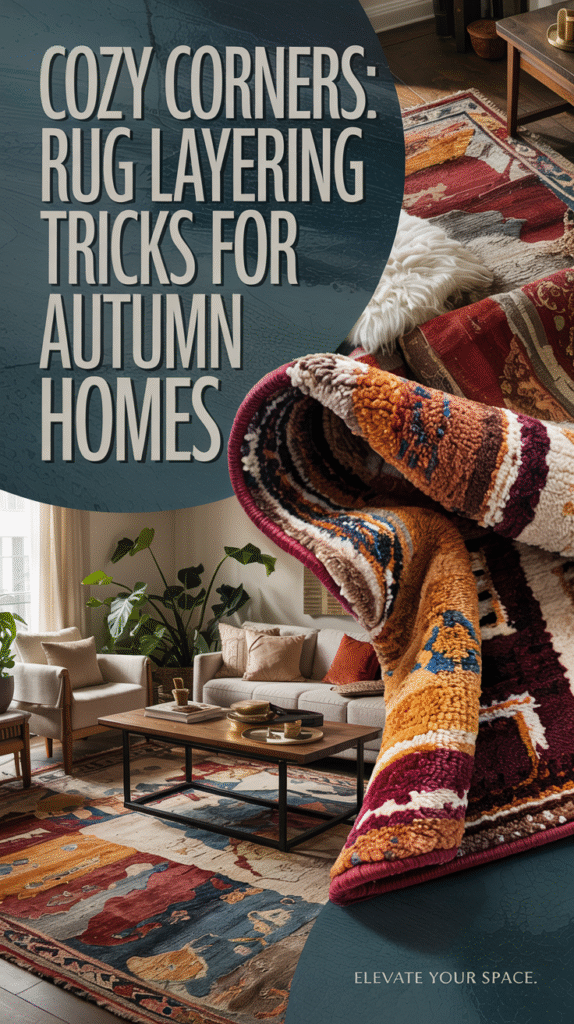

The goal for a cozy fall aesthetic is making sure your new rug layers actually get along with the furniture you already own.
You can start with natural fiber base rugs like jute to keep the foundation chill, then stack a super fluffy rug on top to maximize the snuggle factor. Stick to neutral tones to keep the room grounded, and then you can bring in those deep autumn oranges or browns to match your vibe.
Visual depth is what makes a room look like it was styled by a pro instead of just being a random collection of stuff.
Mixing up the materials gives you that texture variety and visual interest that keeps the eye moving without making the space feel cluttered or overwhelming. It is all about that perfect balance between being comfy and looking like you have your life together.
Your home should feel like a sanctuary where every piece has a purpose and a place.
Mixing Patterns and Colors Effectively
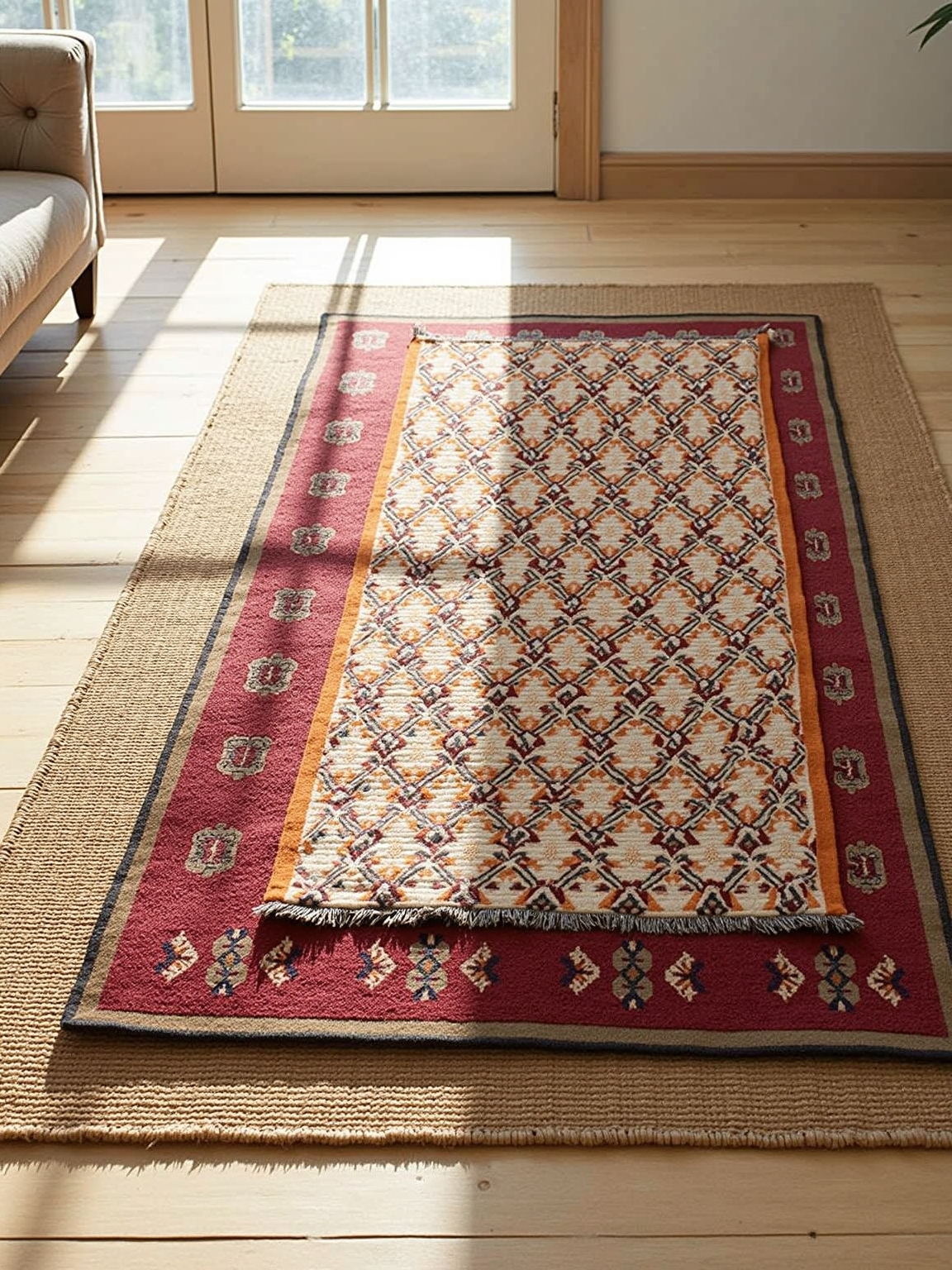
The art of layering rugs during the cozy months is all about being a master of mixing patterns and colors so your floor doesn’t look like a total accident.
You should try to balance the scales of your prints by pairing massive floral designs with tiny little geometric shapes so the contrast looks intentional instead of cluttered.
A solid rug is your best friend here because it anchors those louder patterns and gives your eyes a much-needed place to rest.
The whole vibe stays cohesive when you coordinate your colors using complementary hues to bring some life and energy into the room.
A pro tip is to find one dominant color that shows up in both rugs to tie all those different patterns together without any drama. It makes the whole setup look like you spent hours planning it when you really just followed a simple color rule.
A balanced floor makes the entire room feel more expensive and well-thought-out. If you are worried about the room looking too busy, just remember that matching one single shade across your layers is the ultimate cheat code for a unified look.
Embracing Fall-Themed Color Palettes
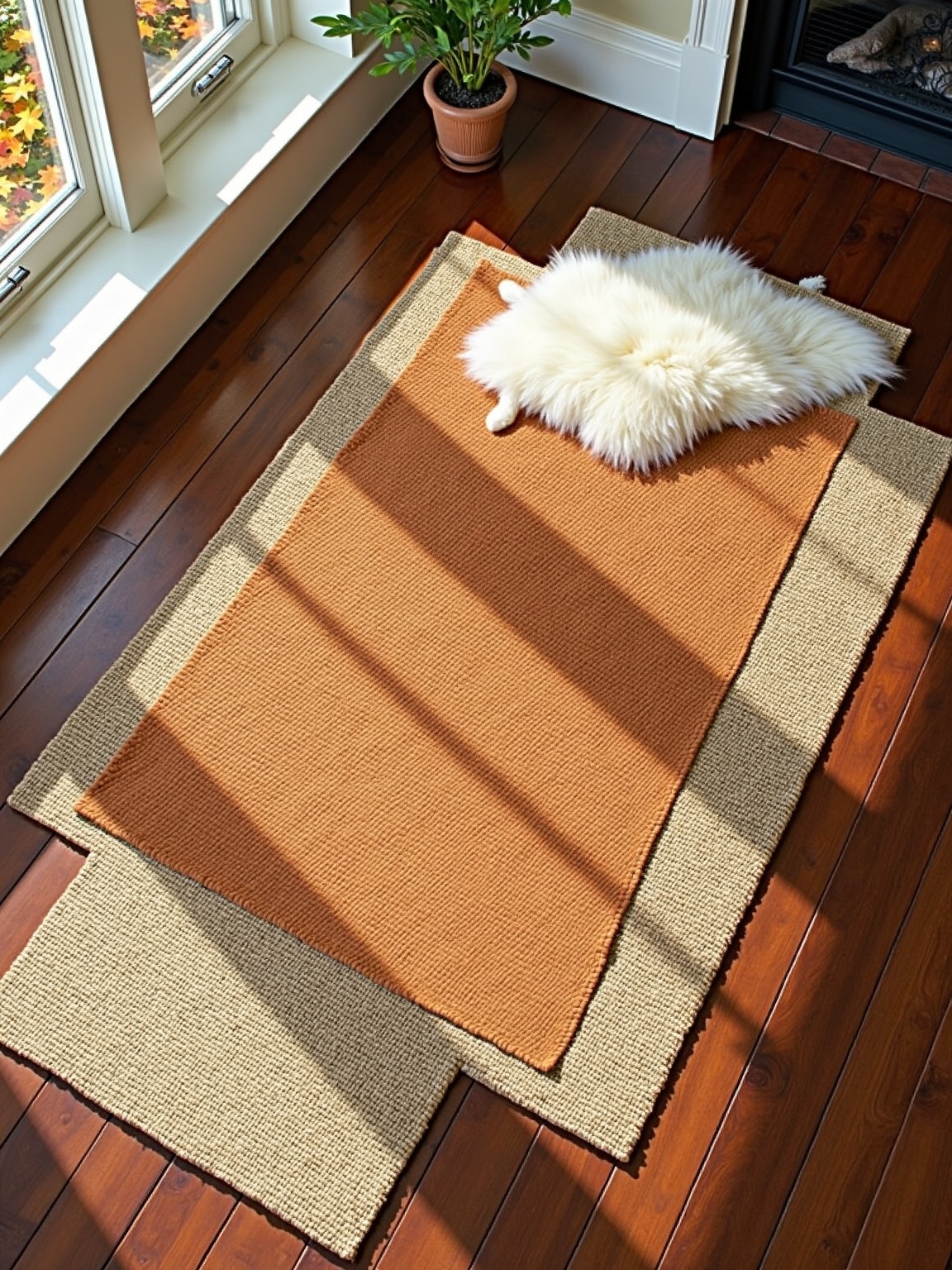
Autumn is basically the best time to lean into those earthy and warm neutrals that make your house feel like a giant, stylish hug.
You can totally embrace deep colors like sun-baked terracotta, forest green, and chocolatey browns, then balance them out with stone or warm white accents. These shades work together to create a space that feels high-end but also super inviting for a movie night.
The secret to that quiet luxury aesthetic everyone is obsessed with is integrating rich tones like mocha, chestnut, and espresso into your rug choices.
These colors feel super grounded and look amazing when you pair them with moss green or russet furniture to really lean into that fall warmth. Your decor will feel way more textured and expensive when you stick to this natural, moody palette.
A cozy room starts with these deep, rich colors that reflect the changing leaves outside. Mixing these dark browns with creamy whites keeps the energy from feeling too heavy while still giving you all the fall feelings.
Utilizing Year-Round Versatile Patterns
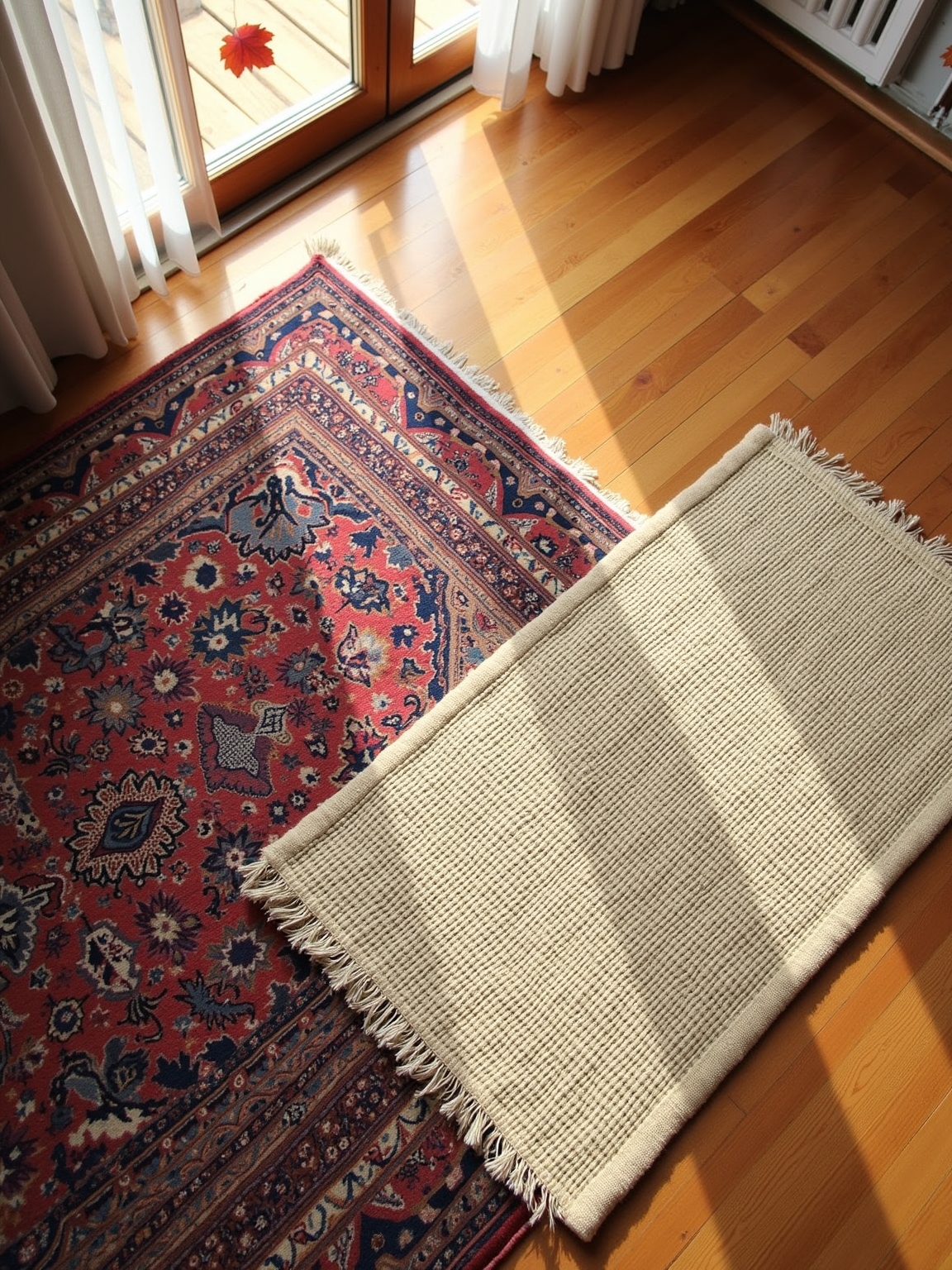
A home that looks good in every season starts with picking versatile patterns that dont go out of style when the calendar flips.
Geometric designs like trellis and herringbone are honestly the goats because they look fresh in a modern apartment but still fit in a more traditional house.
If you want something a bit more soft, muted floral designs bring that timeless elegance that works with almost any furniture you own.
A neutral palette with a really subtle pattern is the perfect flexible foundation for your room because it lets you swap out pillows and blankets whenever you want.
These rugs stay stylish all year long and keep your decor looking cohesive no matter what new trends you decide to try. It is basically the smartest way to shop because you aren’t stuck with something that only looks good for three months out of the year.
Smart design is all about longevity and making sure your big purchases can handle a style pivot. Patterns that aren’t too loud are much easier to live with for a long time without getting bored of the look.
Avoiding Clashing Designs
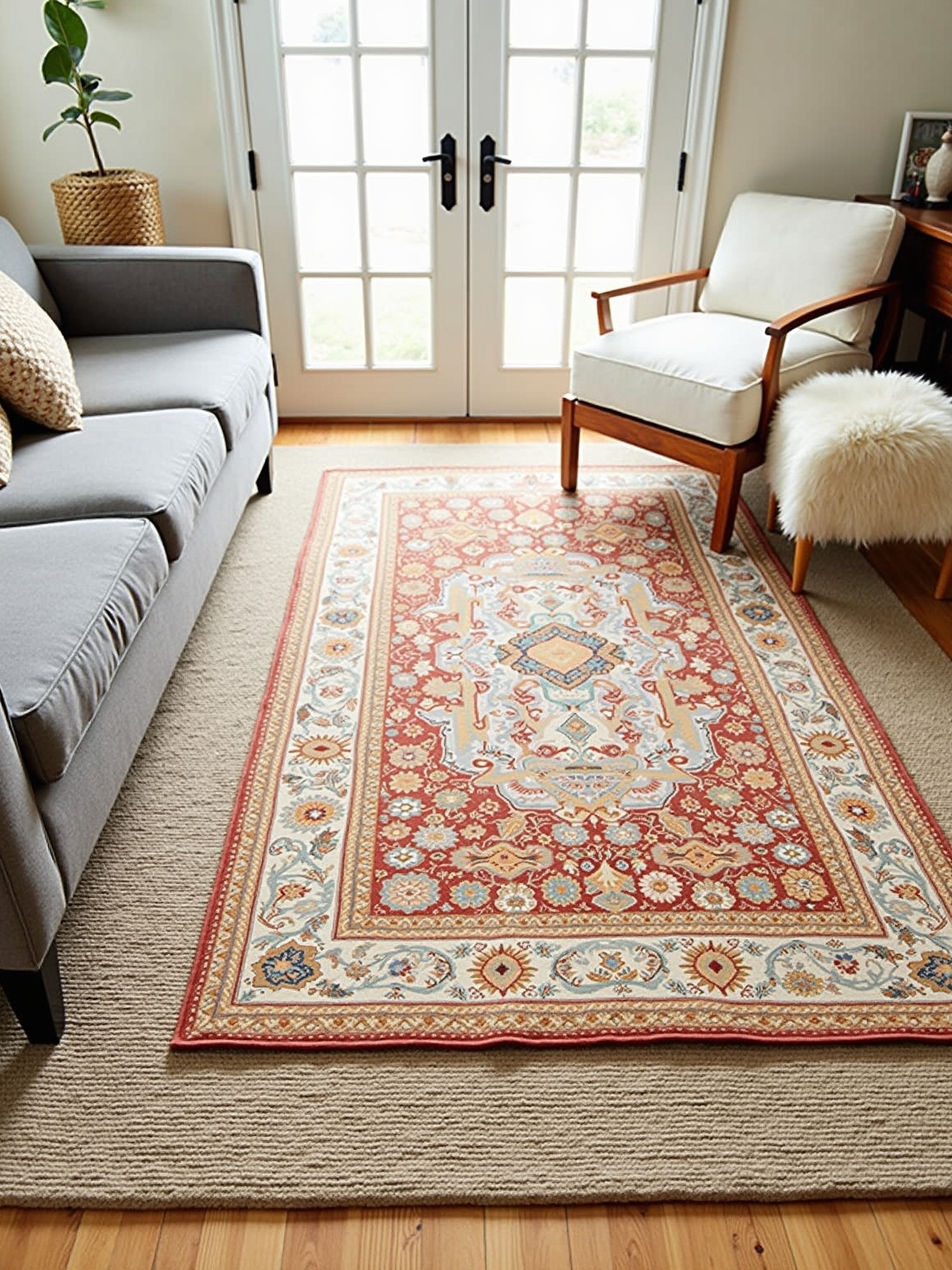
The secret to a harmonious rug layer is making some strategic choices so your floor doesn’t end up looking like a total mess.
A great hack is the 70/30 rule where 70% of your floor space is a chill, neutral base and the other 30% is where you let the bold patterns have their moment. This keeps the room from feeling like it has way too much going on at once.
The visual overload is real, so you should select complementary hues and mix up your pattern sizes to keep things looking sophisticated.
You can also play with different textures to soften the transition between two rugs and make any potential clashes look way more subtle. It is all about making sure the whole vibe feels intentional and stylish instead of just random.
A cohesive floor setup is what separates a Pinterest-worthy room from a chaotic one. Taking a second to think about how the patterns interact will save you a huge headache and keep your space feeling serene.
Adding Flair With Subtle Accents
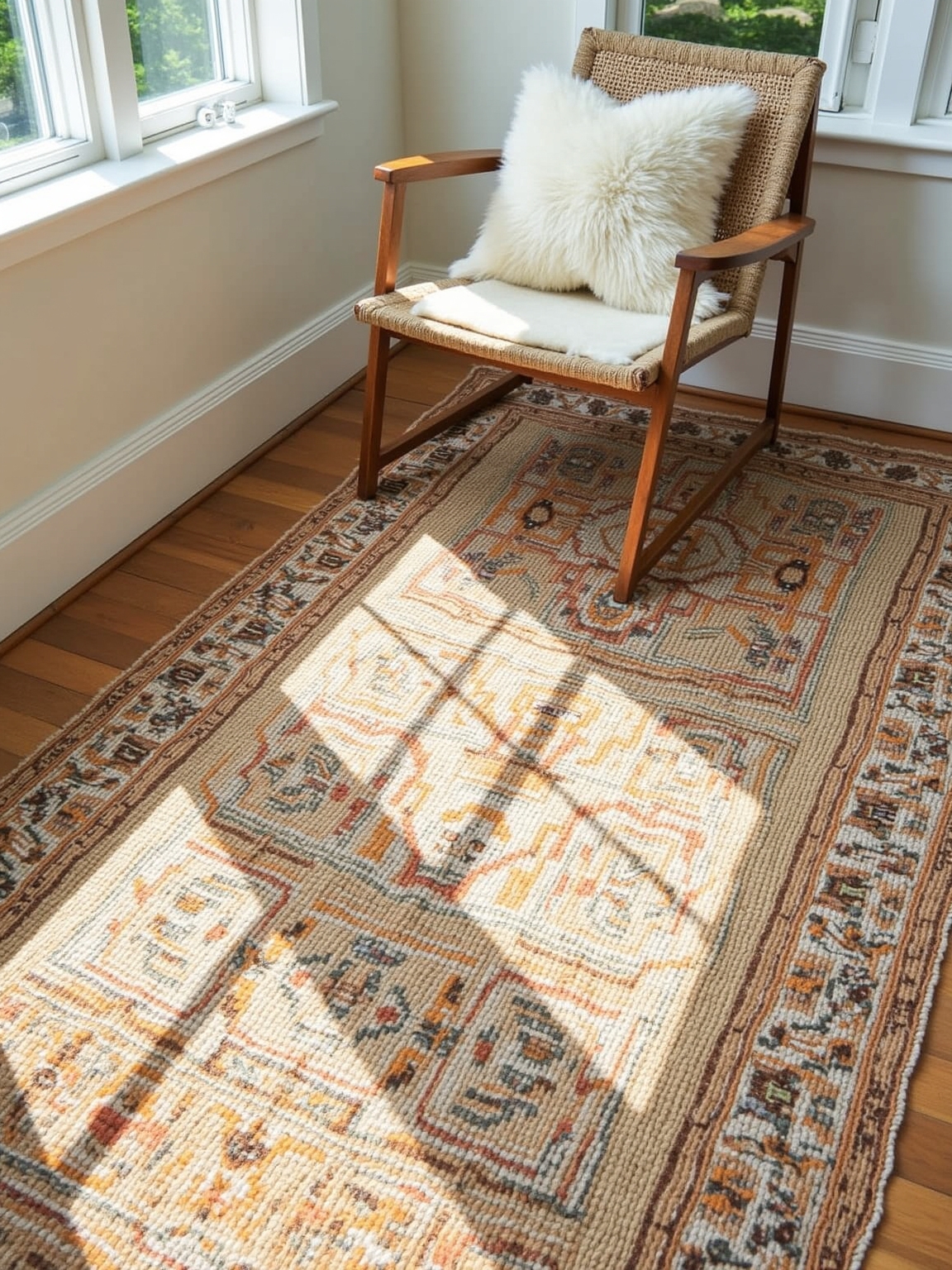
Once you’ve mastered the art of avoiding clashing designs, it’s time to shift your focus to adding flair with subtle accents. Use accent rugs in muted tones like ivory or beige to add that extra layer of depth.
These lighter pieces act as a foundational layer that makes the whole room feel more expensive without being too loud or distracting. You should definitely try a high-pile or shag texture over your natural fibers because that cozy contrast feels amazing under your feet.
A serene aesthetic is easy to maintain when you stick to neutral tones and minimal geometric patterns that play nice with your other decor.
These little details might seem small, but they really elevate the room and make it feel like a professional interior designer stopped by. It keeps everything looking polished and keeps the energy of the room super chill.
The best part about these subtle accents is that they add a ton of personality without taking over the whole space.
Combining Various Textures
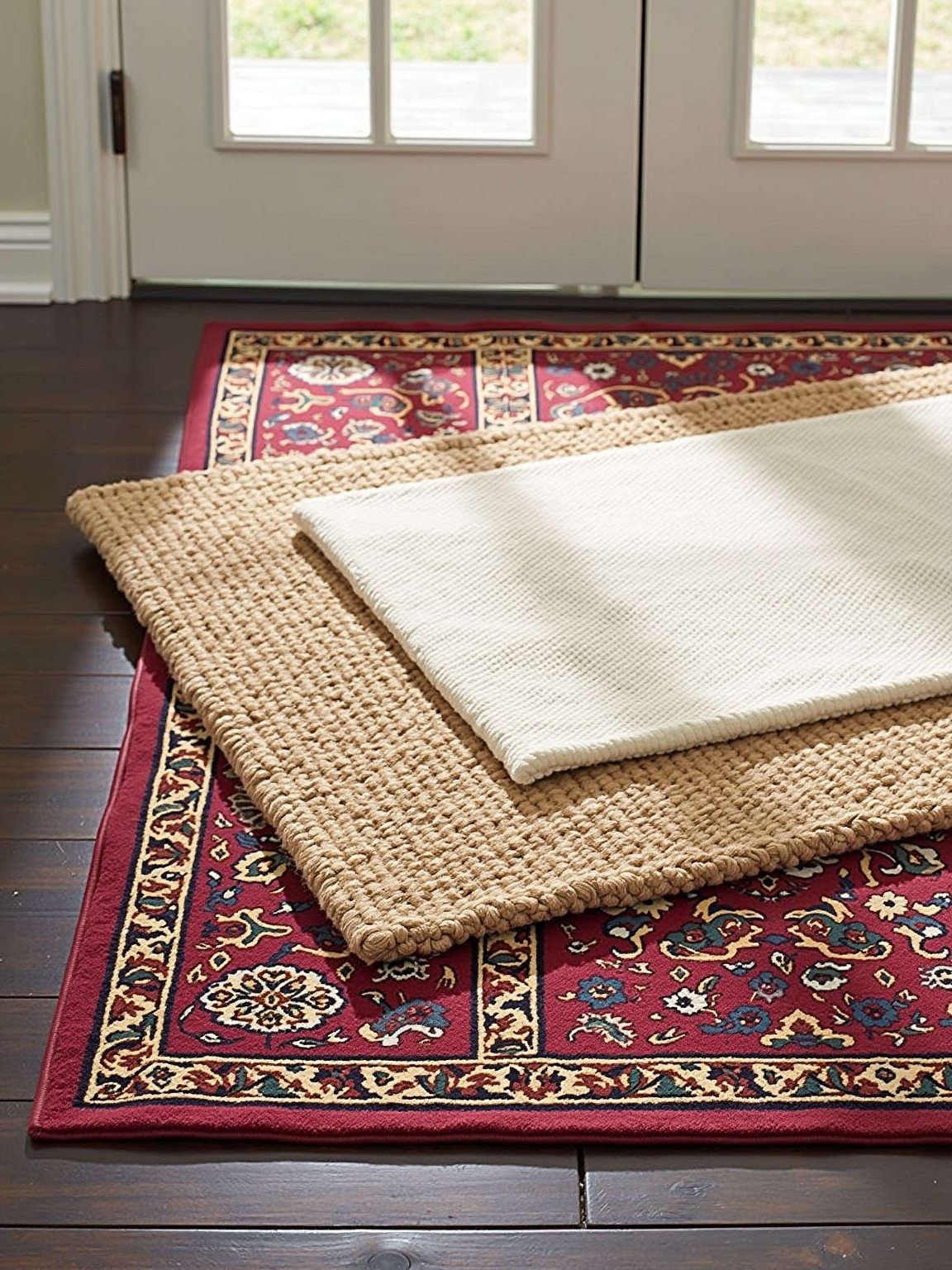
The whole mood of your room shifts when you start mixing up different feels because it turns a flat floor into a multidimensional haven of comfort.
You can pair a soft shag rug with a flatweave base to get that tactile interest going, which honestly feels so much more high-end than a single layer. Mixing up different piles is basically how you establish a texture hierarchy, adding a ton of depth and making your cozy little setup the star of the show.
The feeling of different materials under your feet is one of those small things that actually makes a house feel like a home.
You might wonder if it really makes a difference, but it totally changes how you experience your space. It is such a low-effort way to make your room feel like a professional designed it just for you.
Integrating Natural Materials
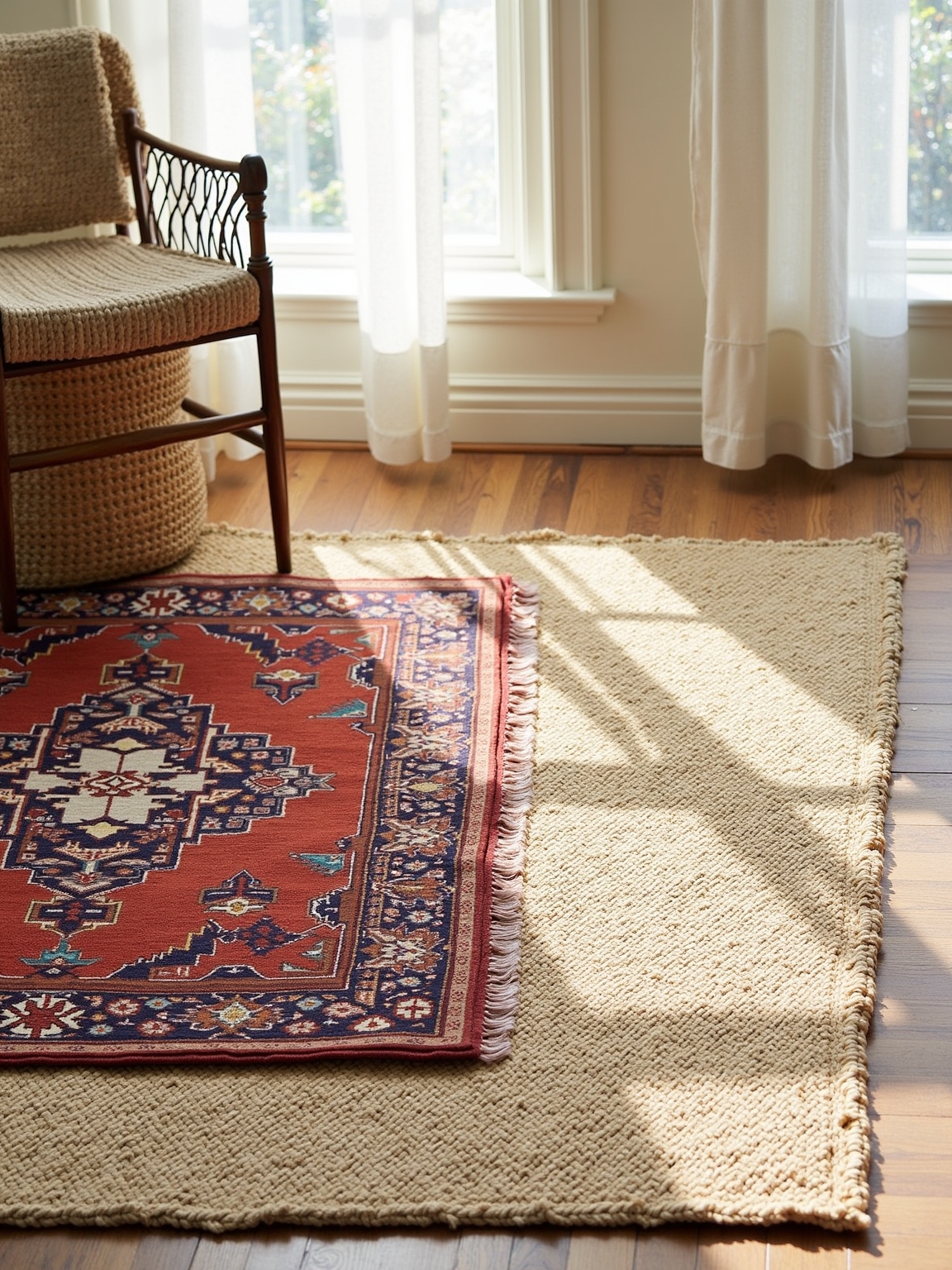
The foundation you build with natural materials really sets the tone for a space that feels warm and inviting from the jump.
You should definitely start with natural fiber rugs like jute or sisal as your base layers because they are super durable, cheap, and they cover a huge area without breaking the bank.
Their rustic vibe and neutral tones act as a versatile canvas, which lets you throw those softer, patterned rugs on top for extra depth.
The organic energy of these materials makes any room feel way more grounded and calm. It is a total pro move to use these as the foundation so your more exciting rugs can really shine. You get that earthy, natural look that makes everything feel expensive but still super approachable.
Balancing Pile Heights
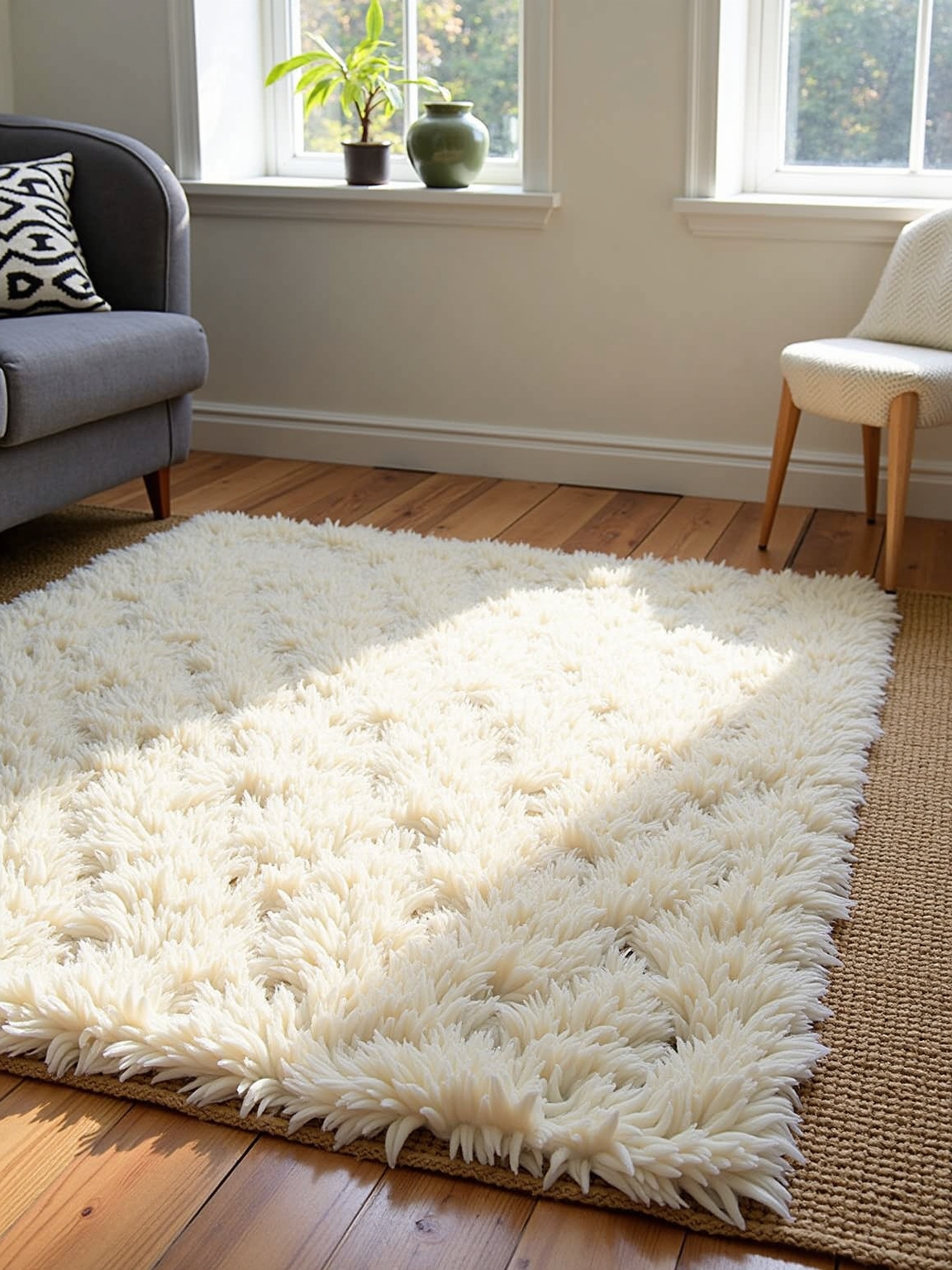
The next big step after you have your materials sorted is balancing those pile heights to keep things from looking flat.
You want to start with a low-pile rug as your base so everything stays stable and your furniture doesn’t wobble. Then, you can layer a high-pile or plush rug right on top to get that sweet contrast that makes the floor look interesting.
The goal is to avoid having two rugs with the exact same height because that just looks a bit accidental and boring.
You want the difference to be obvious enough to notice but not so extreme that you are tripping over the edge. It keeps the visual interest high while making sure the room is still super comfortable to walk through.
Ensuring Rug Placement Stability
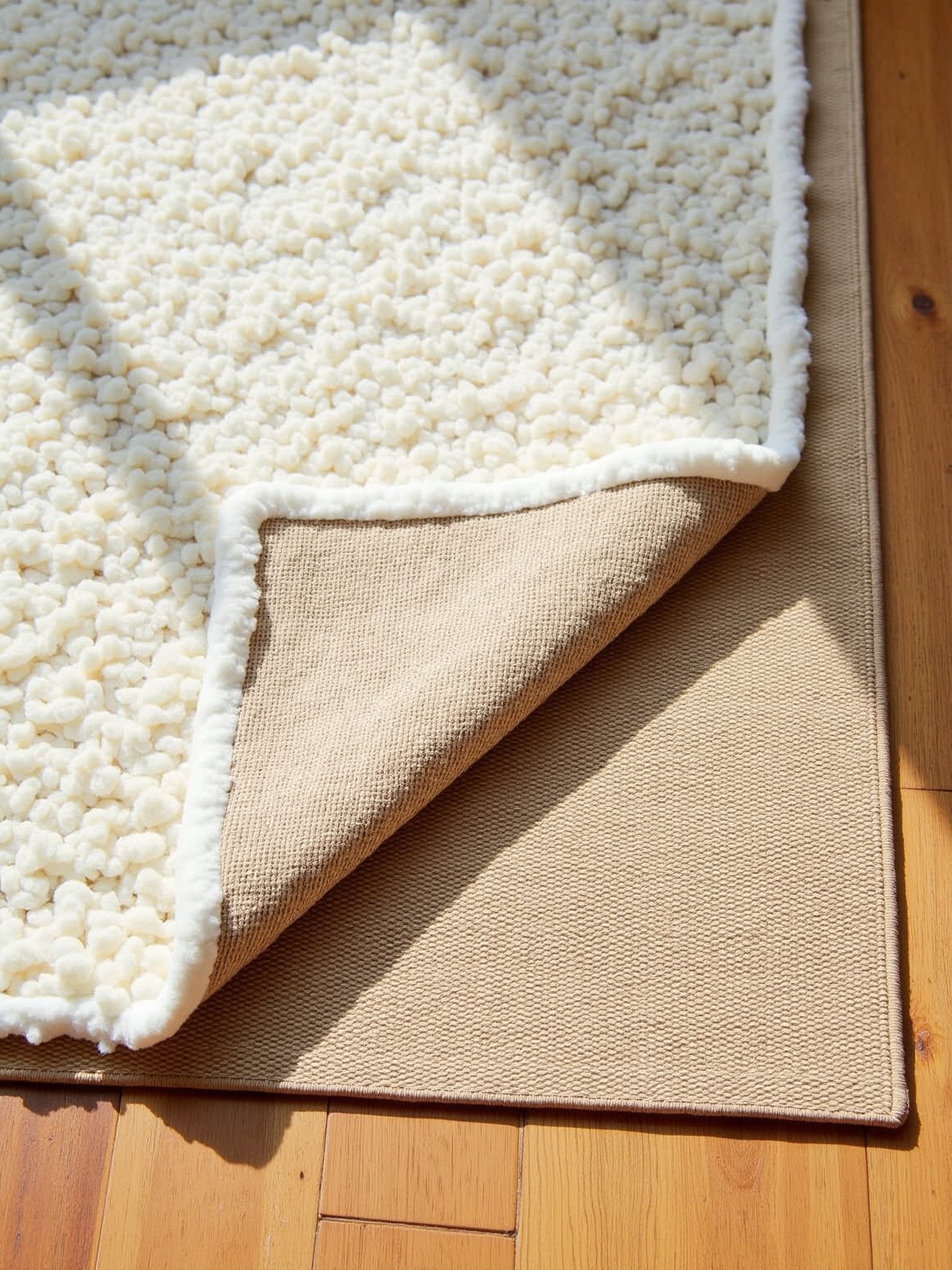
The vibe is completely ruined if people are sliding around, so keeping your setup steady is a huge deal for both safety and aesthetics.
You should always use non-slip rug pads or grip layers under your base rugs to prevent slipping on slick floors. For the top rugs, using smaller pads or little corner grips will keep them secure, especially if you have people or pets running through those high-traffic areas.
The bottom rug needs to lie perfectly flat so you don’t deal with any annoying bunching up in the middle of the room.
You can secure the edges with some tape or pads, focusing especially on the spots where the rugs meet the hard floor. It is one of those maintenance steps that makes the whole setup feel way more high-quality and safe.
Creating Visual Focal Points

The power of rug layers is that it lets you create visual focal points that can totally change the layout of a room.
You can use larger rugs to anchor the furniture and define where the chill part of the room starts, while smaller rugs draw people’s eyes to specific cool spots.
Combining contrasting patterns, colors, and textures is what makes these layered rugs the centerpiece of your entire design.
The strategy here is using size and placement to tell people where to look. Off-center placements are also a fun way to add some dynamic interest if you want to be a little bit edgy. It is such an easy hack to make a room look intentional and styled.
Layering Rugs on Porches
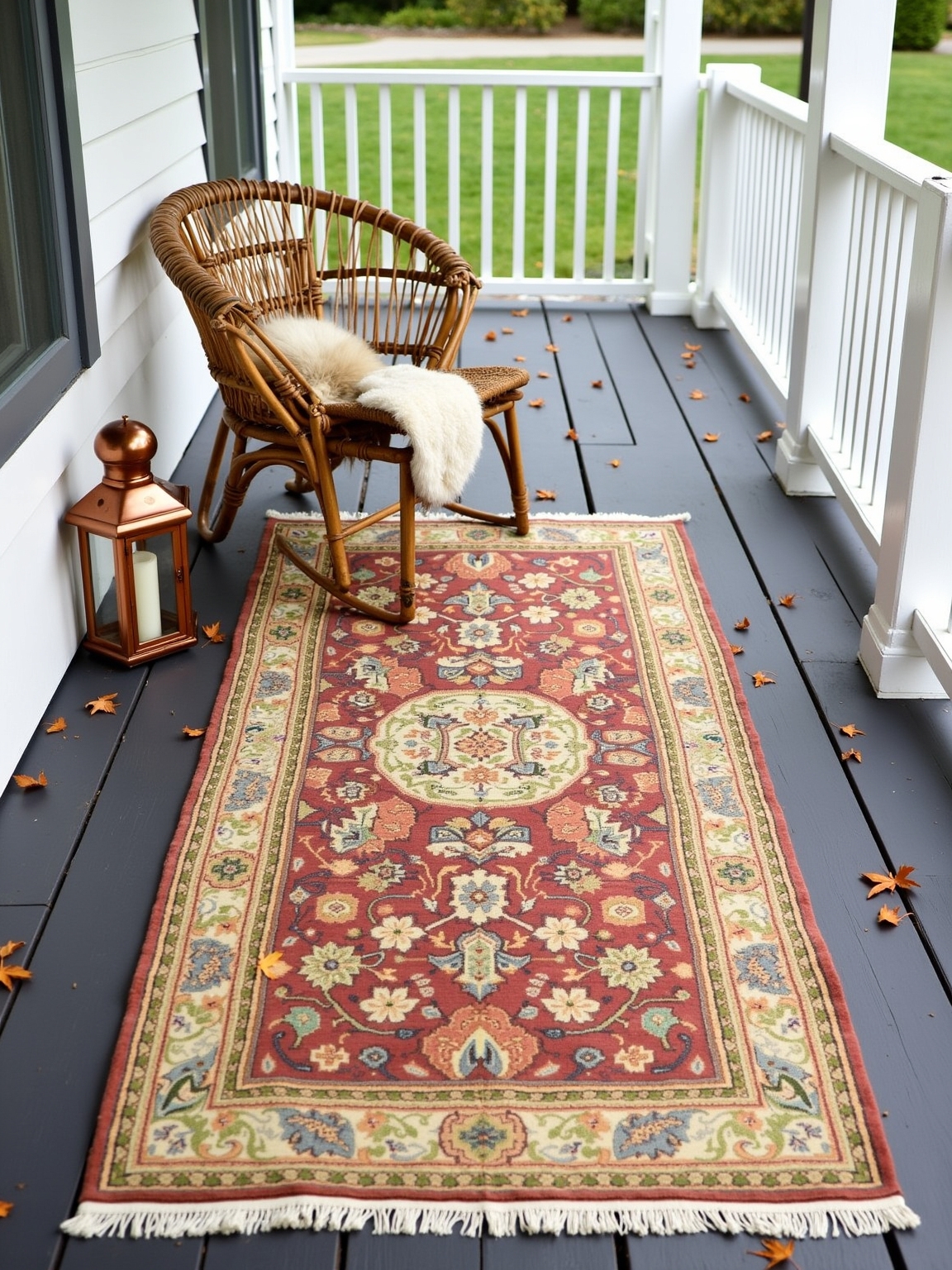
The porch is the perfect place to start your fall transition and create a cozy retreat where you actually want to hang out.
You should go for weather-resistant, flatweave rugs that can define your outdoor space and actually survive the rain and wind. Picking neutral or subtle patterns for the bottom layer is a smart move so they don’t fight with the fun stuff you put on top.
The best way to add some grit is to bring in natural fibers like jute for that extra texture. Then, you can layer a smaller, vibrant doormat on top for that pop of color and warmth that makes your entrance feel super welcoming. It is the first thing people see when they come over, so you might as well make it look fire.
Experimenting With Arrangements
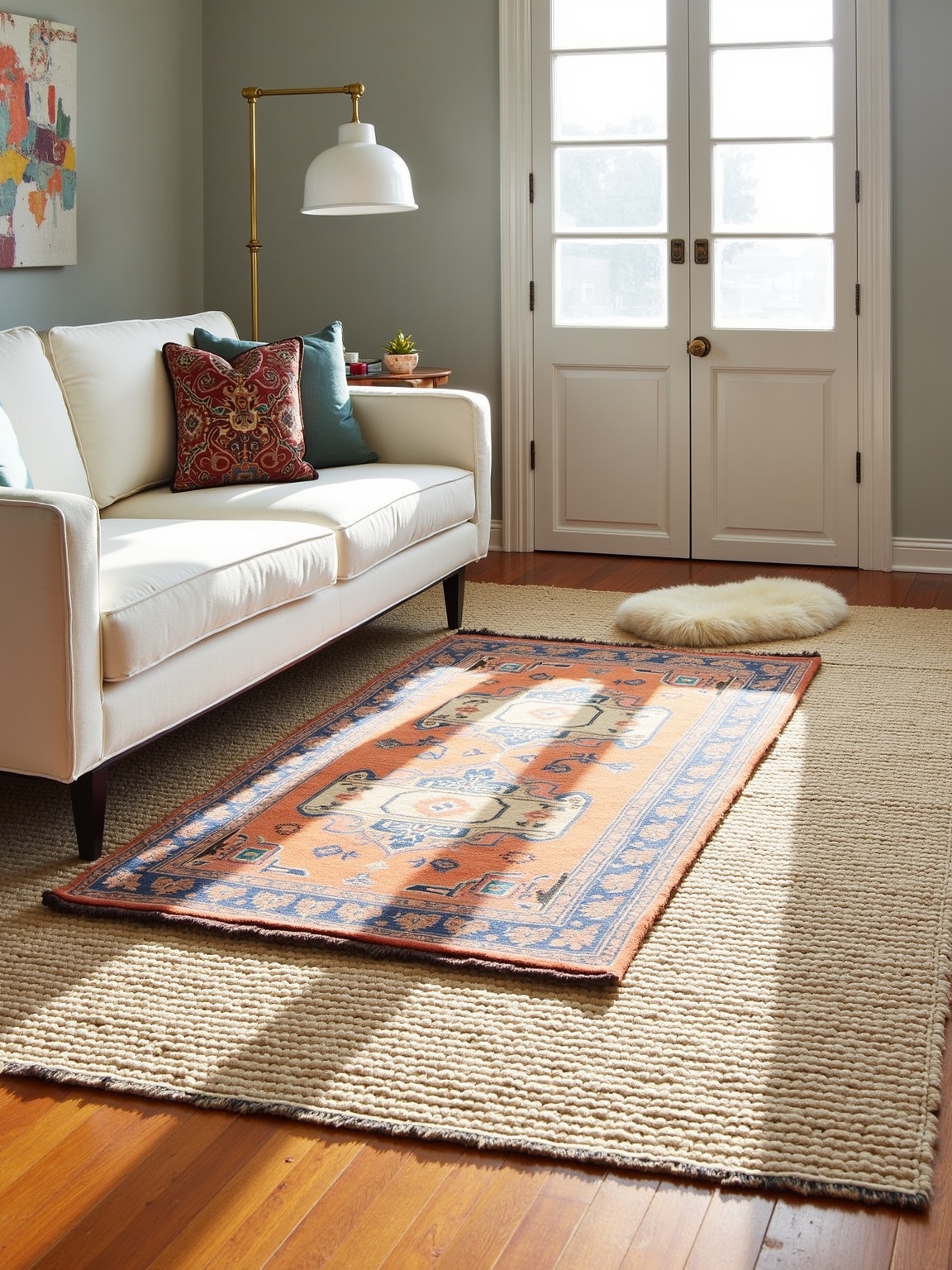
The creative spirit you used on the porch should definitely come inside as you start experimenting with layered rugs in your house.
You can play with texture and material contrast by using a jute or sisal base with a much softer wool or shag rug on top. Mixing up the patterns and scales, like putting a bold print over a subtle one, is a great way to show off your style.
The unexpected, modern touch comes from placing smaller rugs at weird angles on those larger bases. It breaks up the straight lines of the room and makes everything feel a bit more curated and less like a showroom. It is all about trying things out until the room finally feels like it hits the right note.
Enhancing With Seasonal Décor
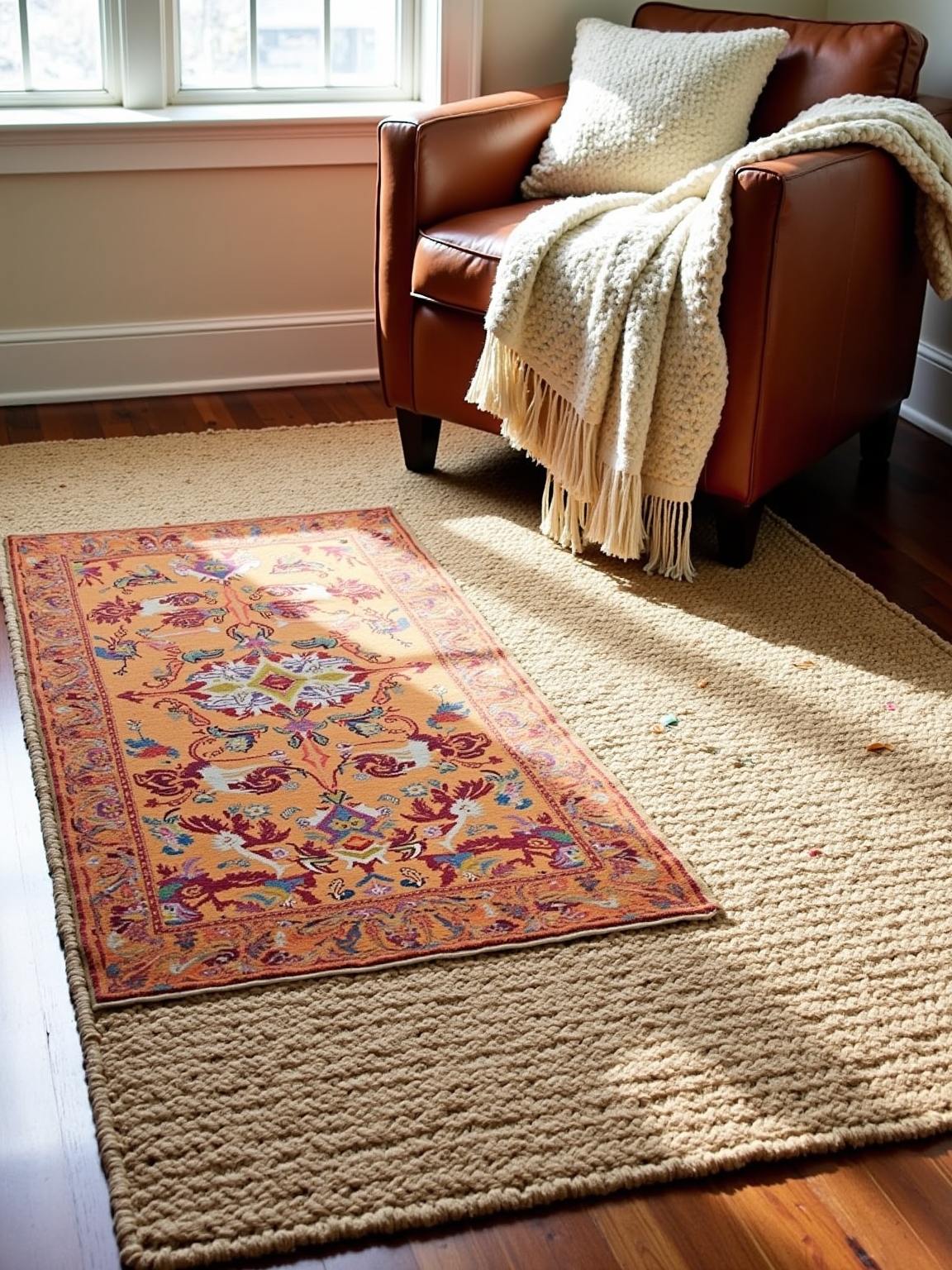
The real essence of fall comes through when you start enhancing your space with seasonal décor that matches your new rugs.
You should embrace those warm, earthy tones like rust, olive green, and deep brown through your pillows and statement furniture. Adding layered textures with chunky knits, velvet, and even some rattan will really drive home that cozy vibe.
The whole environment gets a major upgrade when you include autumn-inspired pieces like terracotta vases or some dried foliage.
It creates an inviting environment that makes you actually want to stay inside and hide from the cold. Everything feels way more cohesive when your rugs and your decor are vibing on the same wavelength.
Personalizing With Unique Accents
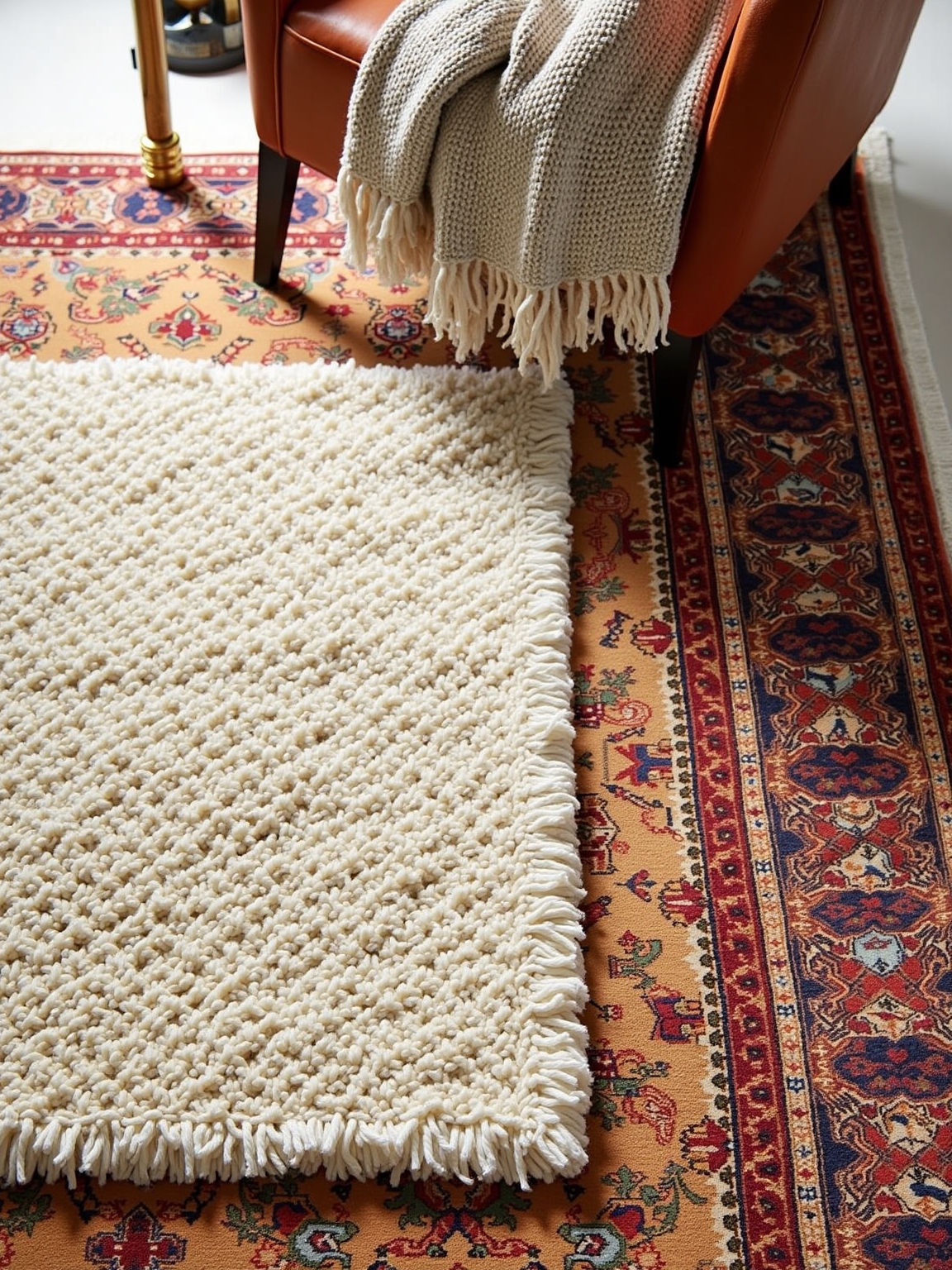
The final boss of interior design is personalizing your space with unique accents that reflect who you actually are.
You can use rug layering to mix textures like a pro, placing a plush high-pile rug over a coarse jute base for that extra warmth. Including ethnic prints or super vibrant colors is a cool way to tell a personal story through your floors.
The most unique placements, like diagonal arrangements, can create those dynamic focal points that make your space feel truly yours.
It is your house, so you should feel free to take risks and be a little bit extra with your choices. It turns a standard room into a reflection of your own aesthetic.