You don’t need to drop a fortune or start from scratch to make your bedroom feel completely different. People transform their spaces with nothing more than what they already own, plus a few smart tweaks.
The key is understanding which changes create the biggest visual impact and working strategically rather than randomly throwing things at the wall. Whether your budget is tight or you’re tired of the same old look, these approaches will help you create a fresh bedroom without abandoning the pieces you love.

Contents
- 1 Layer Throw Blankets and Decorative Pillows for Instant Coziness
- 2 Transform a Wall With Paint or Peel-And-Stick Wallpaper
- 3 Add Warmth and Visual Interest With Layered Rugs
- 4 Refresh Your Bedding With New Colors or Patterns
- 5 Replace Heavy Furniture With Light, Leg-Visible Pieces
- 6 Maximize Small Spaces With Multi-Functional Furniture
- 7 Declutter and Reorganize to Open Up the Room
- 8 Install Wall Sconces to Save Space and Add Ambiance
- 9 Create Layered Lighting With Multiple Light Sources
- 10 Build a Gallery Wall With Personal Touches
- 11 Extend Drapery Behind Your Bed for a Cocooning Effect
- 12 Add Texture With Wood Paneling or Natural Accents
- 13 Bring Life to Your Space With Plants and Greenery
- 14 Repaint or Refinish Existing Furniture for a Fresh Look
- 15 DIY Custom Pillow Covers From Leftover Fabrics
- 16 Rearrange Furniture to Optimize Flow and Highlight Focal Points
Layer Throw Blankets and Decorative Pillows for Instant Coziness


Throwing a few extra blankets and pillows on your bed might sound too simple to matter, but it’s honestly one of the fastest mood-shifters you can pull off. The trick is mixing textures that your eye wants to linger on, like a chunky knit against smooth linen or velvet next to cotton.
Arrange your larger pillows in back, then work forward with smaller ones, and don’t overthink the draping of that throw at the foot of your bed. Lumbar pillows aren’t just decorative either; they’re actually perfect for when you’re propped up reading and your lower back starts complaining.
Transform a Wall With Paint or Peel-And-Stick Wallpaper
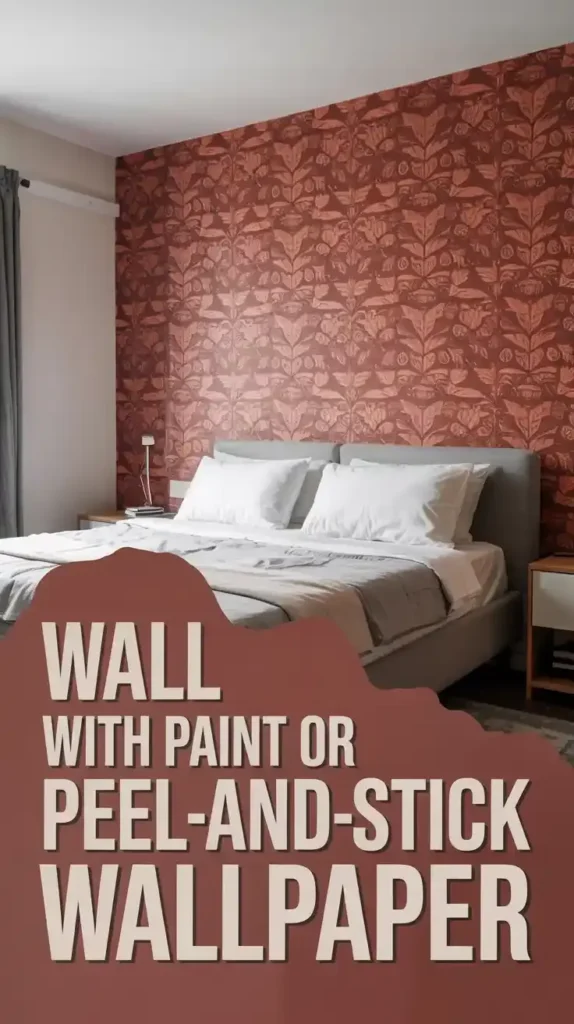
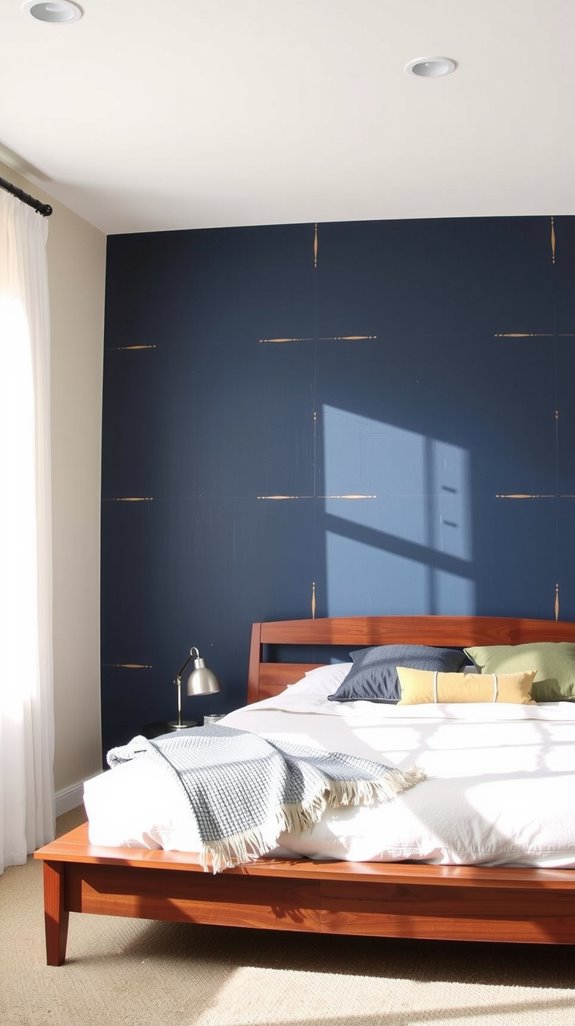
Painting or wallpapering a single accent wall gives you maximum drama without the commitment of redoing your entire room. You could go bold with an ombre gradient that shifts from deep to light, try geometric patterns if you’re feeling adventurous, or play it safer with removable wallpaper that peels off when you’re ready for something new.
Your choices here let you inject personality through color and pattern without backing yourself into a corner. Interior paint typically holds up for five to seven years in bedrooms, so you’re making a decision that’ll stick around long enough to matter but not so long you’ll feel trapped.
Add Warmth and Visual Interest With Layered Rugs
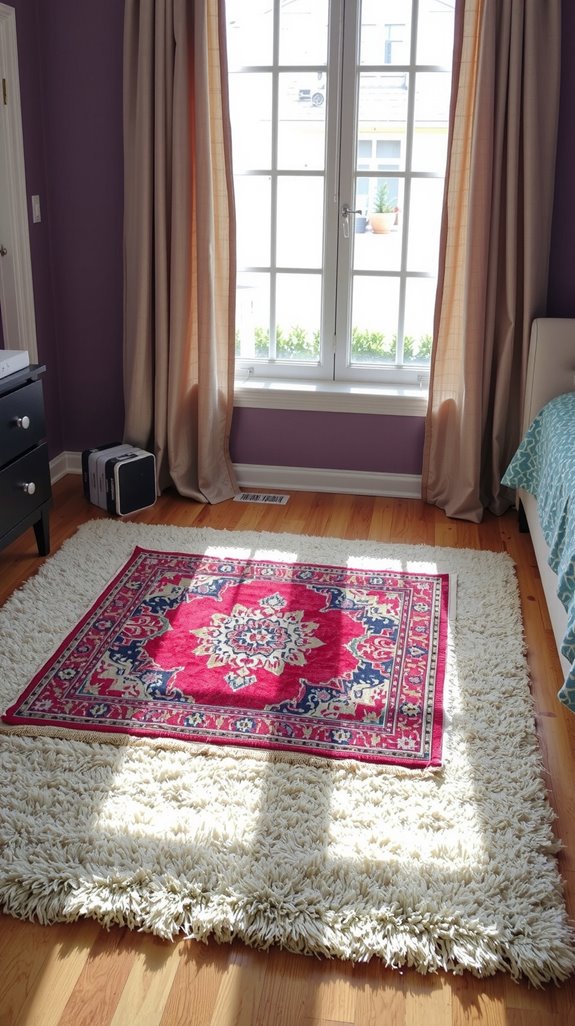
Layering rugs is one of those techniques that sounds fussy until you actually try it and realize how much depth it creates. Start with something natural and textured like jute on the bottom, then add a softer wool or plush rug on top to give your feet something to sink into.
This setup lets you define different zones in your bedroom without putting up actual dividers, and you can swap out just the top layer when you want a seasonal refresh. Make sure your area rug extends beyond the sides of your bed so you’re not stepping onto a cold floor first thing in the morning.
Refresh Your Bedding With New Colors or Patterns

our bedding takes up more visual real estate than anything else in the room, which means swapping it out delivers immediate results. Right now, warm clays, terracottas, and those soft dusty rose tones are everywhere for good reason; they make a room feel grounded without being heavy.
You can layer different shades of the same color family for depth, or go with lighter blues like cornflower and balance them with terracotta accent pillows. Skip those matching bedding sets that come pre-coordinated because they tend to look flat and generic instead of intentional.
Replace Heavy Furniture With Light, Leg-Visible Pieces
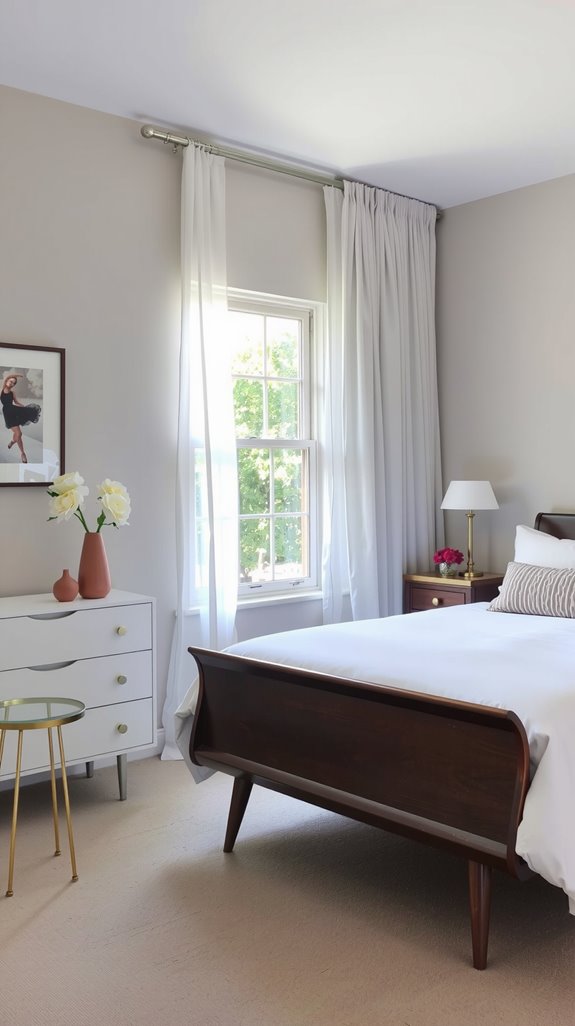
Chunky furniture might feel substantial, but it’s also eating up visual space and making your room feel smaller than it actually is. Swapping those pieces for furniture with exposed legs opens everything up because you can see straight through to the floor.
Light-colored or metal legs especially help reduce that visual weight while still supporting your mattress or dresser just fine. You’ll also find it way easier to vacuum under your bed and move things around when you inevitably want to rearrange again.
Maximize Small Spaces With Multi-Functional Furniture
Small bedrooms demand furniture that earns its keep by doing more than one job. A bed frame with built-in drawers eliminates the need for a separate dresser, while a fold-out desk disappears completely when you’re done working.
Storage ottomans give you somewhere to sit while hiding all that stuff you don’t want visible, and extendable nightstands adapt when you need more surface area. These pieces make the most of vertical space and keep your floor clear, which tricks your brain into thinking the room is bigger than it is.
Declutter and Reorganize to Open Up the Room
Before you start moving furniture around or buying new things, you need to deal with the clutter that’s already stealing your space. Clear off your nightstand, dresser, and any other flat surfaces that have become dumping grounds, then tackle your closet floor.
The “27-Fling Boogey” method works surprisingly well; just grab 27 items you don’t need and toss them as fast as you can, or commit to daily 20-minute decluttering sessions if you prefer building a habit. Drawer dividers and the Reverse Hanger trick (turn all hangers backward, then flip them forward as you wear things) help you maintain order once you’ve actually achieved it.
Install Wall Sconces to Save Space and Add Ambiance
Wall sconces do double duty by freeing up your nightstand while providing better reading light than most table lamps. Mount them about 30 to 36 inches above your mattress so the light hits your book instead of your face, and position them 30 to 45 centimeters from the edge of your headboard.
Adding dimmers gives you control throughout the day, from bright task lighting when you need it to a soft glow when you’re winding down. Your nightstand stays clear for your water glass, phone, and whatever else you actually reach for in the middle of the night.
Create Layered Lighting With Multiple Light Sources
Relying on a single overhead light is the fastest way to make your bedroom feel flat and uninviting. You need ambient lighting from ceiling fixtures, task lighting near your bed and desk, and accent lights to highlight artwork or architectural details you want to emphasize.
Dimmer switches let you adjust the intensity based on time of day or mood, which matters more than people realize. Mix your fixture types with pendants, lamps, and sconces so you’re not just repeating the same look throughout the room.
Build a Gallery Wall With Personal Touches
A gallery wall turns a blank stretch of bedroom wall into something that actually reflects who you are, instead of looking like a hotel room. Stick with frames in the same finish, whether that’s black, white, or natural wood, so the focus stays on what’s inside them.
Mix vertical and horizontal orientations, anchor the arrangement with larger pieces first, then fill in the gaps with smaller ones. Include your best personal photos, travel memorabilia, and anything with real meaning to you, and map the whole layout on your floor before you start hammering nails into the wall.
Extend Drapery Behind Your Bed for a Cocooning Effect
Hanging curtains behind your bed creates an instant luxury hotel vibe without requiring any major construction. Mount your curtain rods four to six inches below the ceiling and extend them 12 to 18 inches past each side of your bed so the fabric frames everything properly.
Layering sheer fabric underneath heavier drapes adds depth and lets you control light levels throughout the day. You can even tuck LED strip lighting behind the panels for a soft backlight that makes the whole setup feel more dramatic at night.
Add Texture With Wood Paneling or Natural Accents
Wood paneling brings in warmth and architectural interest that paint alone can’t match, whether you use reclaimed boards for character or clean modern slats for a contemporary look. The variation in wood tones and grain patterns creates natural texture without requiring any additional effort on your part.
Pair your panels with woven baskets, jute textiles, or stone elements to reinforce that connection to natural materials. This approach taps into biophilic design principles, which is just a fancy way of saying it makes your brain happy because humans are wired to respond to organic textures.
Bring Life to Your Space With Plants and Greenery
Plants do more than sit there looking pretty; they actually reduce stress, clean your air, and improve sleep quality by bumping up humidity and oxygen levels. Aim to fill about 20 percent of your visual space with greenery using larger leafy varieties like peace lilies, snake plants, or Boston ferns that don’t demand constant attention.
Nightstands, shelves, and windowsills all work as plant real estate, and the more strategically you place them, the bigger the psychological payoff. Just don’t go overboard if you tend to forget about watering; dead plants have the opposite effect of what you’re going for.
Repaint or Refinish Existing Furniture for a Fresh Look
Giving your old furniture a new finish costs almost nothing and completely changes how it reads in your space. Start with a thorough cleaning using mild soap to strip away oils and built-up grime, then sand from coarse to fine grit until the surface is smooth.
Apply a primer coat to prevent any wood tannins from bleeding through your new finish, then add your paint or stain in thin, even layers. Let each coat dry completely before adding the next one, or you’ll end up with a tacky mess that never fully cures.
DIY Custom Pillow Covers From Leftover Fabrics
If you have fabric scraps lying around from previous projects, turning them into pillow covers costs virtually nothing and adds custom texture to your bed. Cut your remnants into circles, squares, or triangles, then layer and pin them onto a backing fabric in whatever arrangement looks good to you.
Sew everything together with a quarter-inch seam allowance, and you’ve got one-of-a-kind pillow covers that also keep fabric out of the trash. This approach works especially well if you like that collected-over-time look instead of the everything-matches aesthetic.
Rearrange Furniture to Optimize Flow and Highlight Focal Points
Moving your furniture around costs nothing but time and can completely transform how your bedroom functions. Put your bed against a solid wall to establish it as the focal point, then make sure you have at least 24 to 36 inches of pathway space for easy movement around the room.
Create distinct zones for sleeping, getting dressed, and relaxing instead of letting everything blur together. Paired nightstands on either side of your bed create visual symmetry that makes the whole room feel more intentional and pulled together.