Summer hiking presents a particular challenge when it comes to clothing since you need to stay cool while still protecting yourself from the sun, bugs, and scrapes. The right outfit keeps you comfortable when you’re sweating uphill and doesn’t leave you shivering when you stop for a break at the summit.
Modern hiking clothes have come a long way from the bulky, purely functional gear of decades past, now offering performance fabrics in styles that actually look good. Whether you’re tackling a challenging trail or taking a casual nature walk, these outfit ideas will help you stay protected and comfortable without sacrificing your personal style.
Contents
- 1 Moisture-Wicking Base Layer Essentials
- 2 Stylish Long-Sleeved Shirts for Sun Protection
- 3 Versatile Hiking Shorts for Warm Days
- 4 Comfortable Fitted and Loose Bottoms
- 5 Lightweight Jackets for Wind Protection
- 6 Breathable Trail Runners for Summer Hiking
- 7 Supportive Hiking Boots for Rough Terrain
- 8 Choosing Footwear With Good Traction
- 9 Sunscreen Application Tips for Outdoor Adventures
- 10 Effective Bug Repellent Options
- 11 Sunglasses for Eye Protection and Style
- 12 Stylish Hats and Neck Gaiters for Sun Safety
- 13 Layering Techniques for Temperature Control
Moisture-Wicking Base Layer Essentials
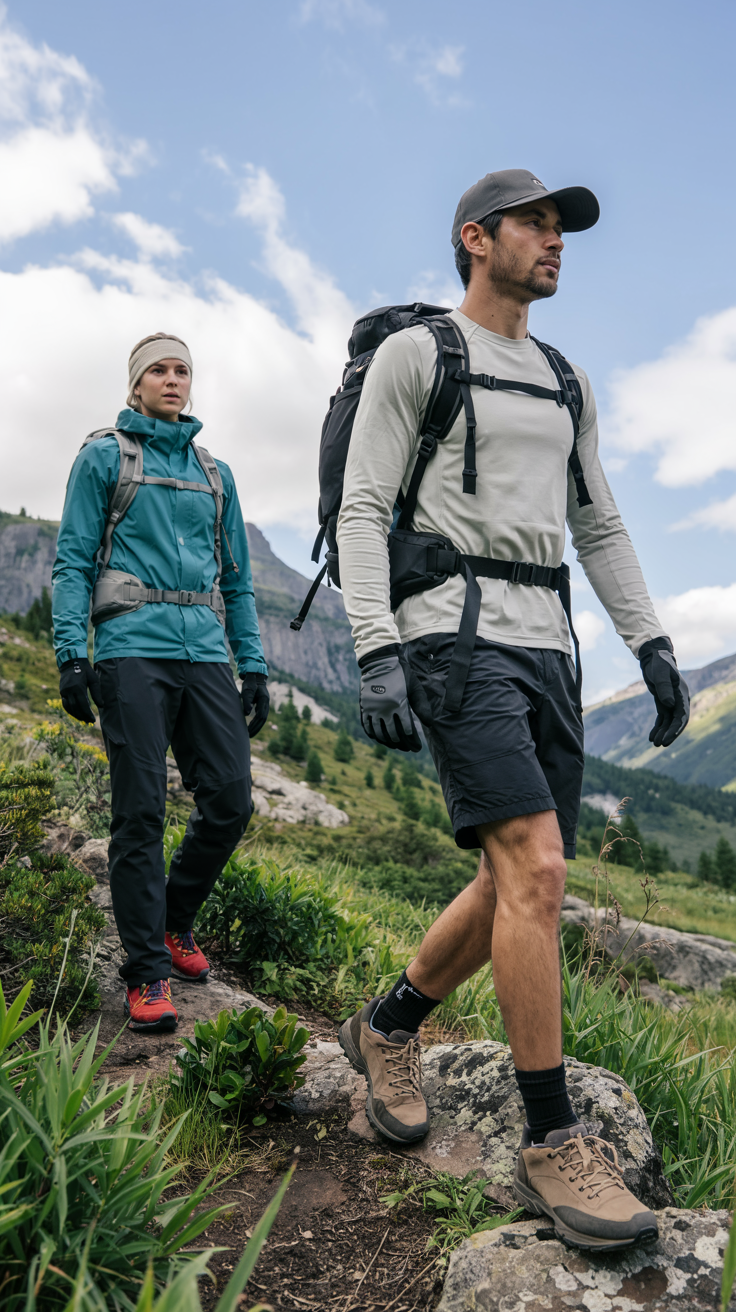
Synthetic fabrics like polyester and polypropylene excel at pulling sweat away from your skin and drying quickly. Merino wool offers natural odor resistance and temperature regulation, making it ideal for multi-day trips where you can’t wash clothes daily.
Your base layer should fit snugly without being tight, allowing it to work properly without causing chafing or bunching. Look for seamless construction and mesh panels in high-sweat areas, such as underarms and along the spine, for better ventilation.
Stylish Long-Sleeved Shirts for Sun Protection
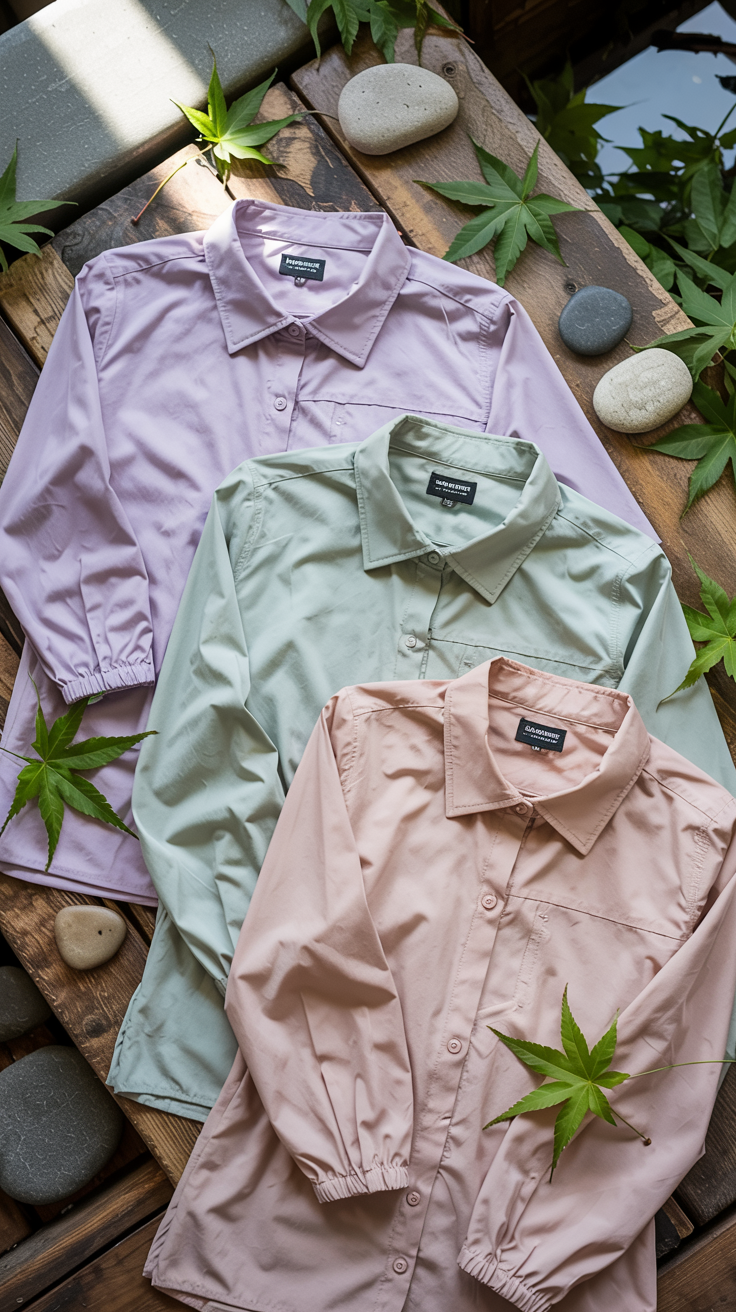
Long sleeves actually keep you cooler than short sleeves in intense sun by blocking UV rays and creating a barrier between your skin and the heat. Choose lightweight polyester blends with a UPF rating of at least 30, though 50 provides even better protection.
Loose-fitting designs allow air to circulate between the fabric and your skin, cooling you more effectively than tight shirts. Features like thumbholes keep sleeves in place and protect the backs of your hands, which many people often forget to protect with sunscreen.
Versatile Hiking Shorts for Warm Days
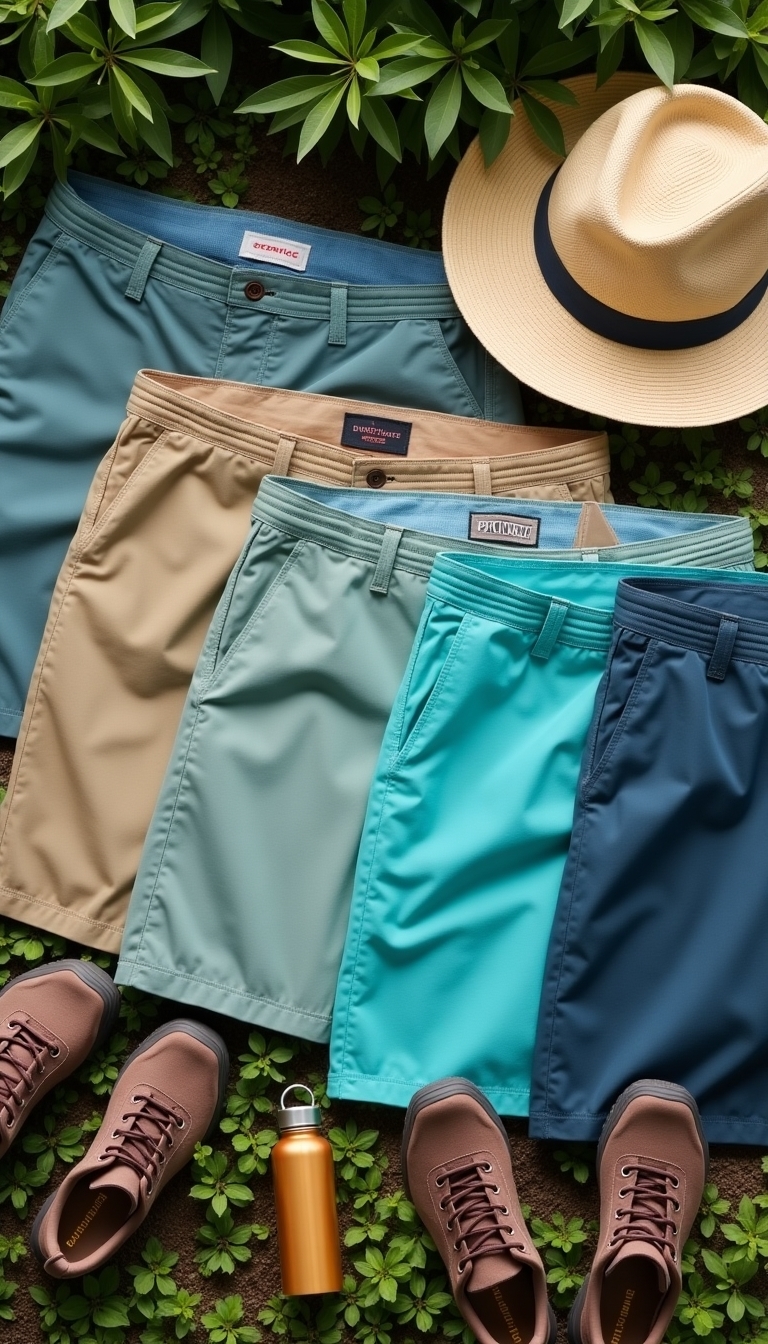
Good hiking shorts use breathable, moisture-wicking fabrics that dry quickly after you sweat or encounter water. Stretchy materials with some spandex content move with you instead of restricting your stride on steep climbs or big steps.
Look for multiple pockets, including at least one with a zipper, for items you can’t afford to lose, like keys or a phone. Inseam length is a personal preference; shorter inseams offer more cooling, while longer ones provide more sun and brush protection.
Comfortable Fitted and Loose Bottoms
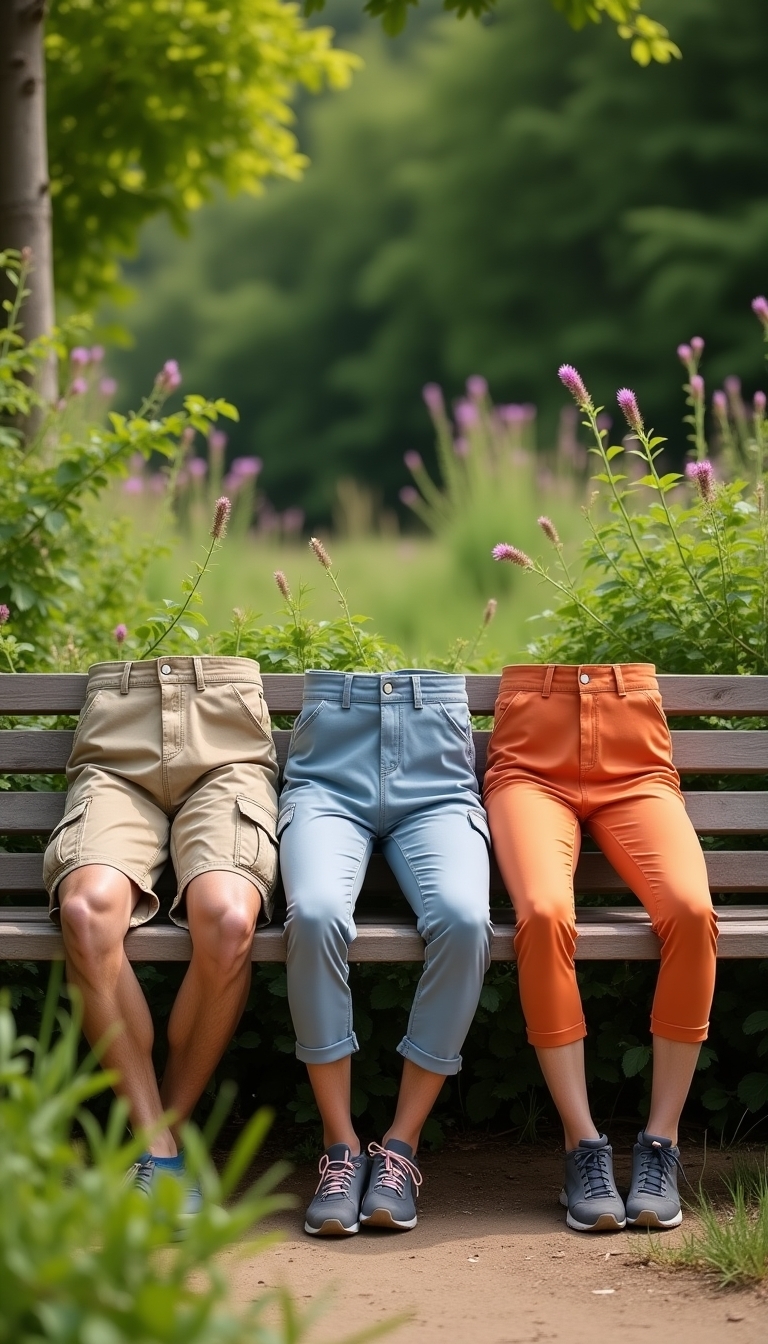
Fitted pants like the Outdoor Research Ferrosi offer stretchy fabric with articulated knees that prevent bunching and allow a full range of motion. They dry quickly, breathe well, and offer greater sun and scratch protection than shorts without overheating you.
Loose pants like the prAna Halle II give you airflow and comfort with a more relaxed fit that some people prefer for all-day wear. Many options now use recycled materials, letting you make a more sustainable choice without sacrificing performance.
Lightweight Jackets for Wind Protection
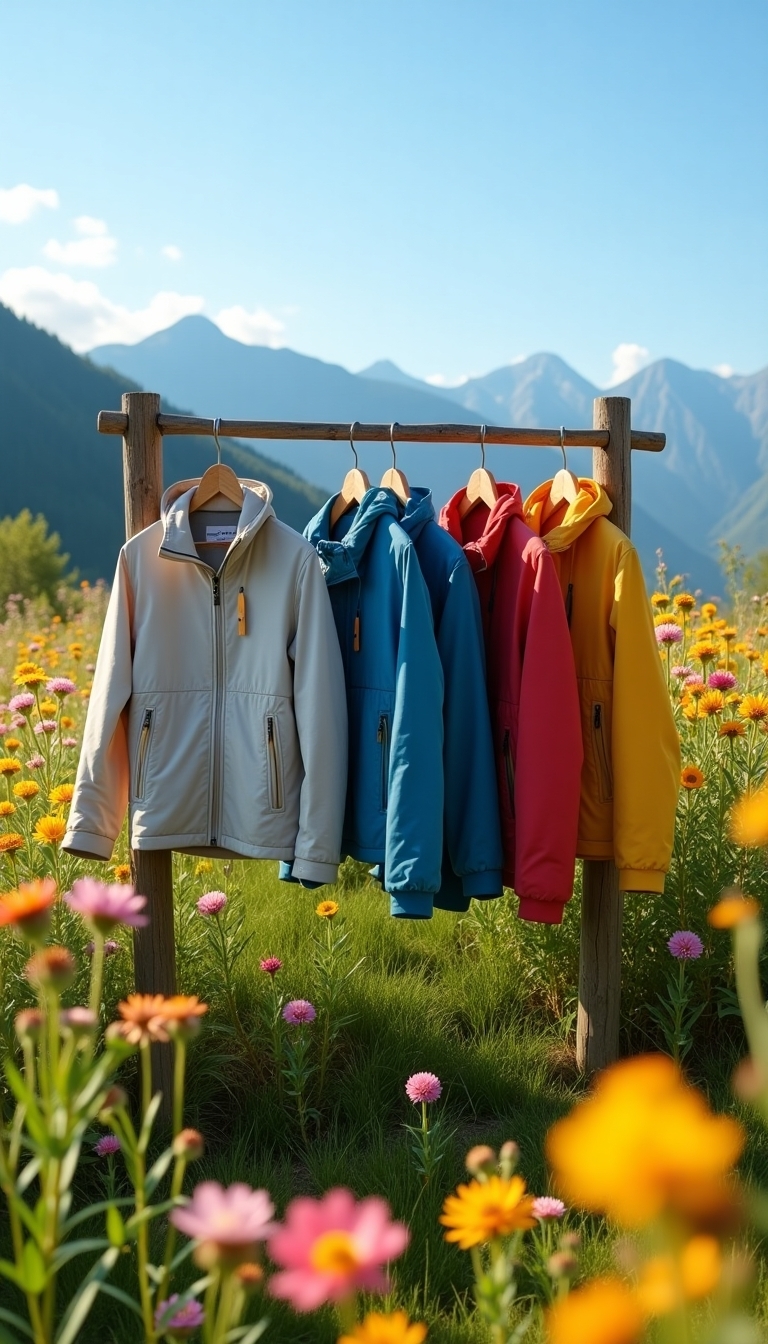
Windbreakers weighing just a few ounces block breezes that can chill you quickly when you stop moving or reach an exposed ridge. These jackets pack down small enough to stuff in a pocket or attach to your pack without taking up significant space.
Look for adjustable hoods and cuffs that seal out wind, and ensure they are long enough to cover your lower back when you’re bent over or reaching up. Water-resistant versions handle light drizzle or morning dew without the weight and bulk of full rain jackets.
Breathable Trail Runners for Summer Hiking
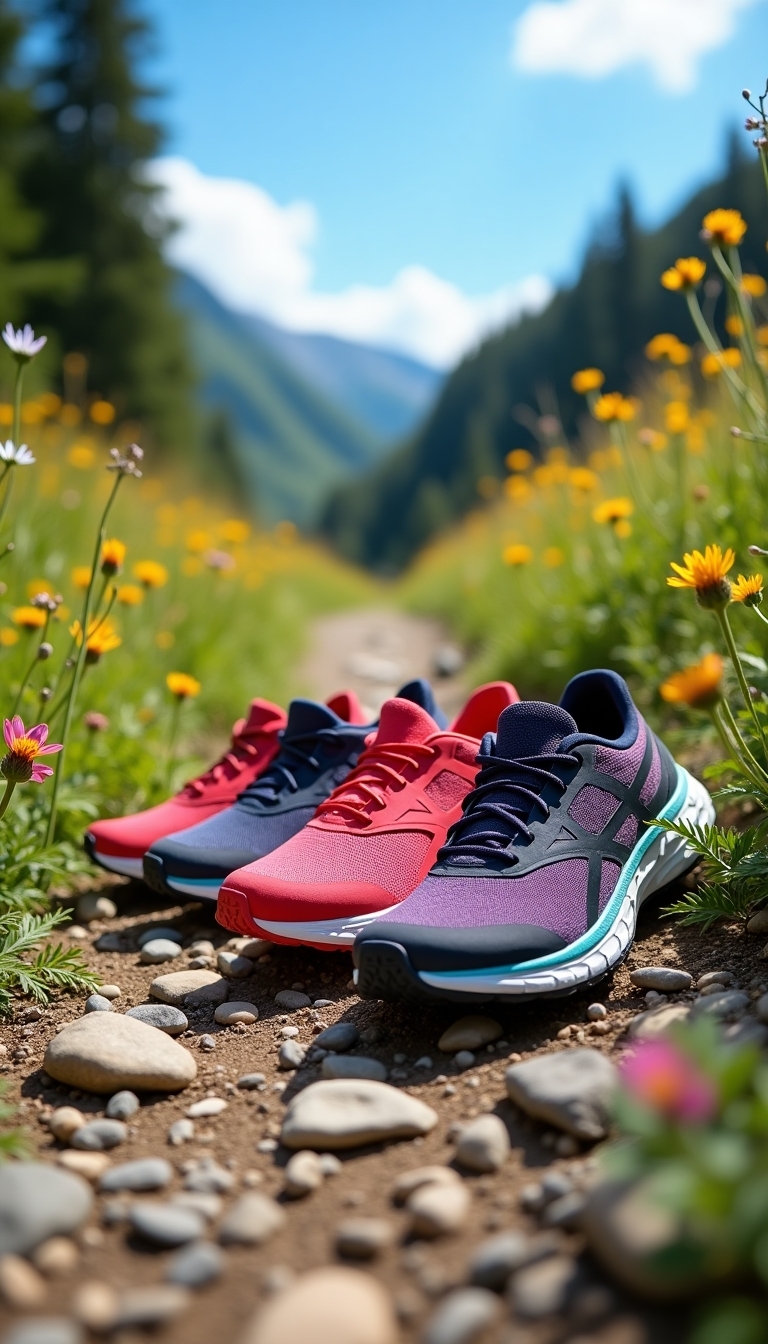
Mesh uppers in trail runners allow airflow that keeps your feet significantly cooler than waterproof hiking boots in summer heat. The lighter weight reduces fatigue over long distances, with most trail runners weighing half what traditional boots do.
Moisture-wicking materials in the shoe lining draw sweat away from your feet, reducing the risk of blisters and keeping you more comfortable. Rubber toe guards and rock plates protect your feet from impacts and sharp objects while maintaining the shoe’s lightweight feel.
Supportive Hiking Boots for Rough Terrain
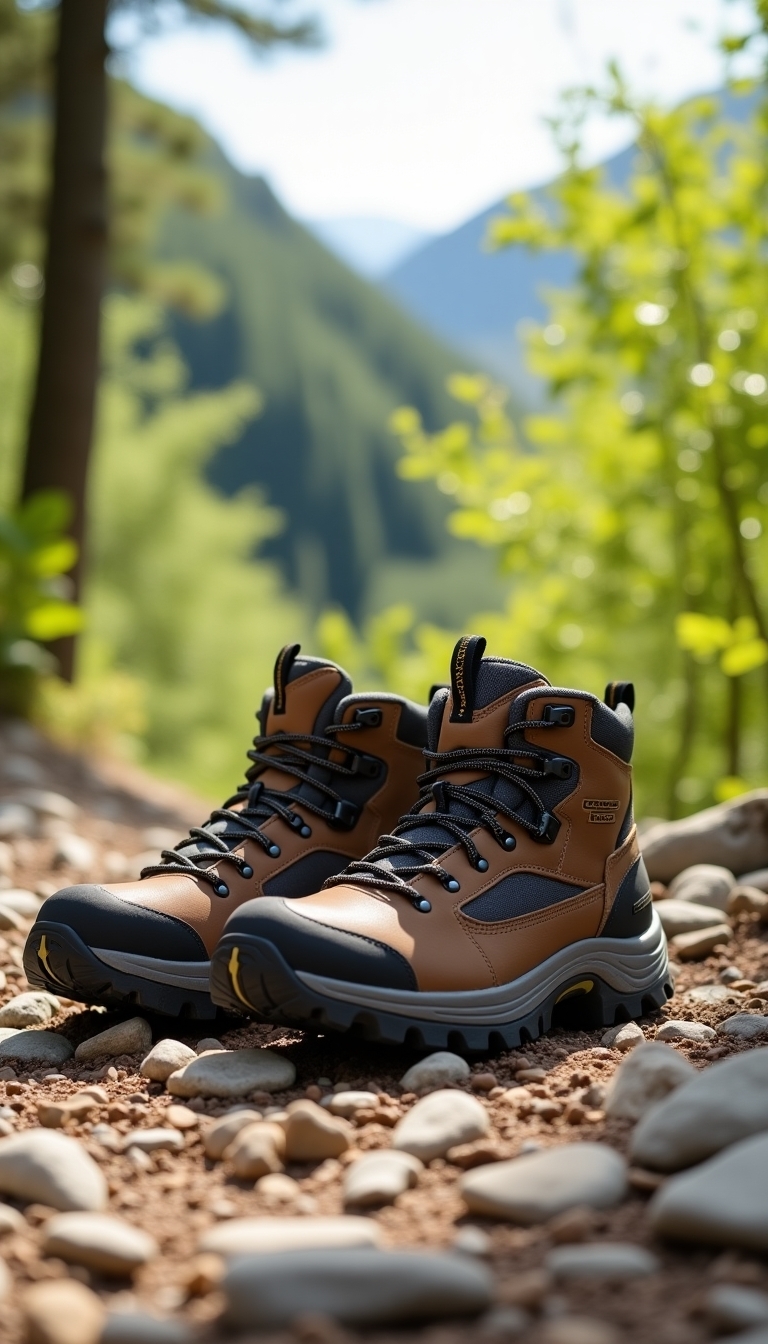
Higher ankle collars provide stability and protect against rolling on uneven ground, making boots the better choice for technical trails with many rocks or roots. Dual-density midsoles absorb impact on your joints during descents, which matters more as trails get steeper and rockier.
Stiffer boots support your feet better under heavy pack weight, distributing the load more evenly than flexible shoes. The trade-off is extra weight and less breathability, so save boots for when you actually need the support rather than wearing them on easy trails.
Choosing Footwear With Good Traction
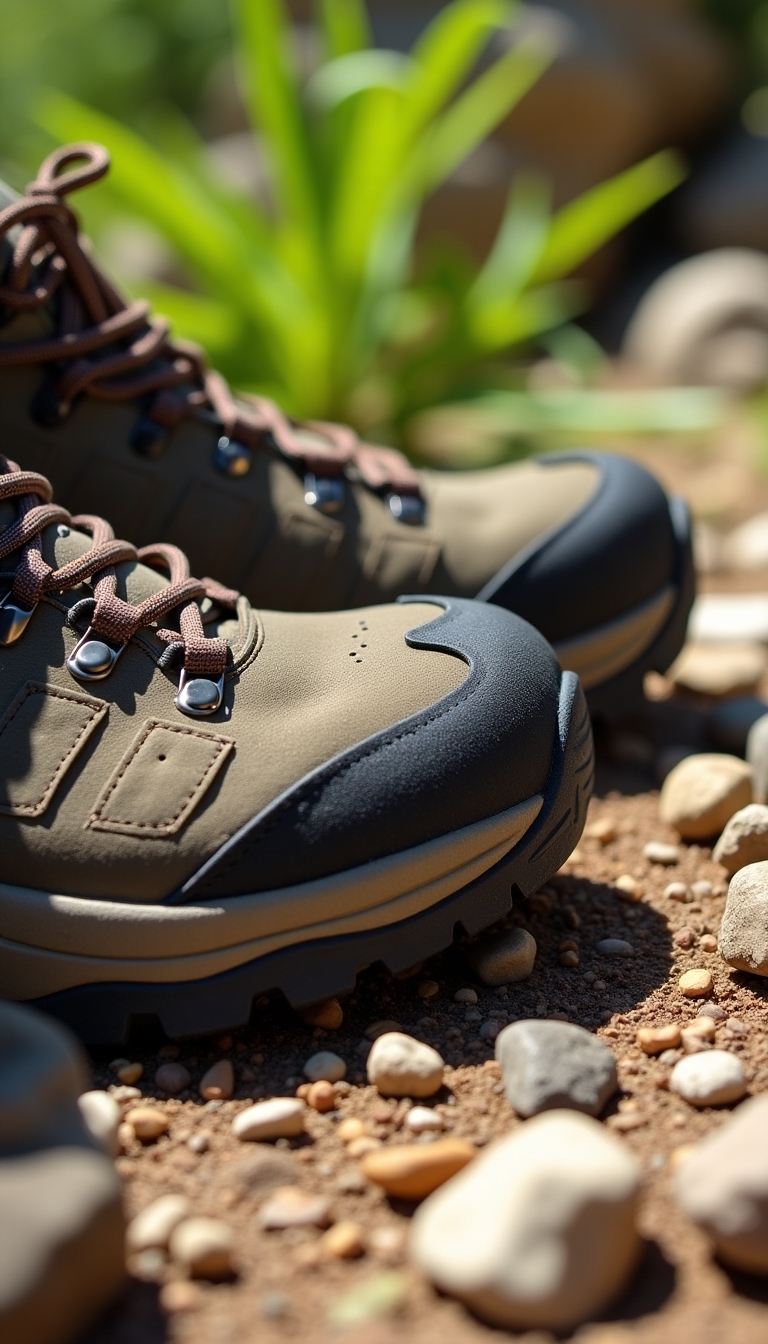
Tread patterns matter more than you might think, with deeper, more aggressive lugs gripping better on loose dirt and mud. The rubber compound affects performance too, with softer rubber gripping better on wet rocks but wearing out faster on pavement.
Look for soles that combine different hardnesses, with stiffer rubber on edges for support and softer rubber in the center for traction. Test your traction needs based on where you actually hike, since trail conditions vary dramatically between dry desert paths and wet forest trails.
Sunscreen Application Tips for Outdoor Adventures
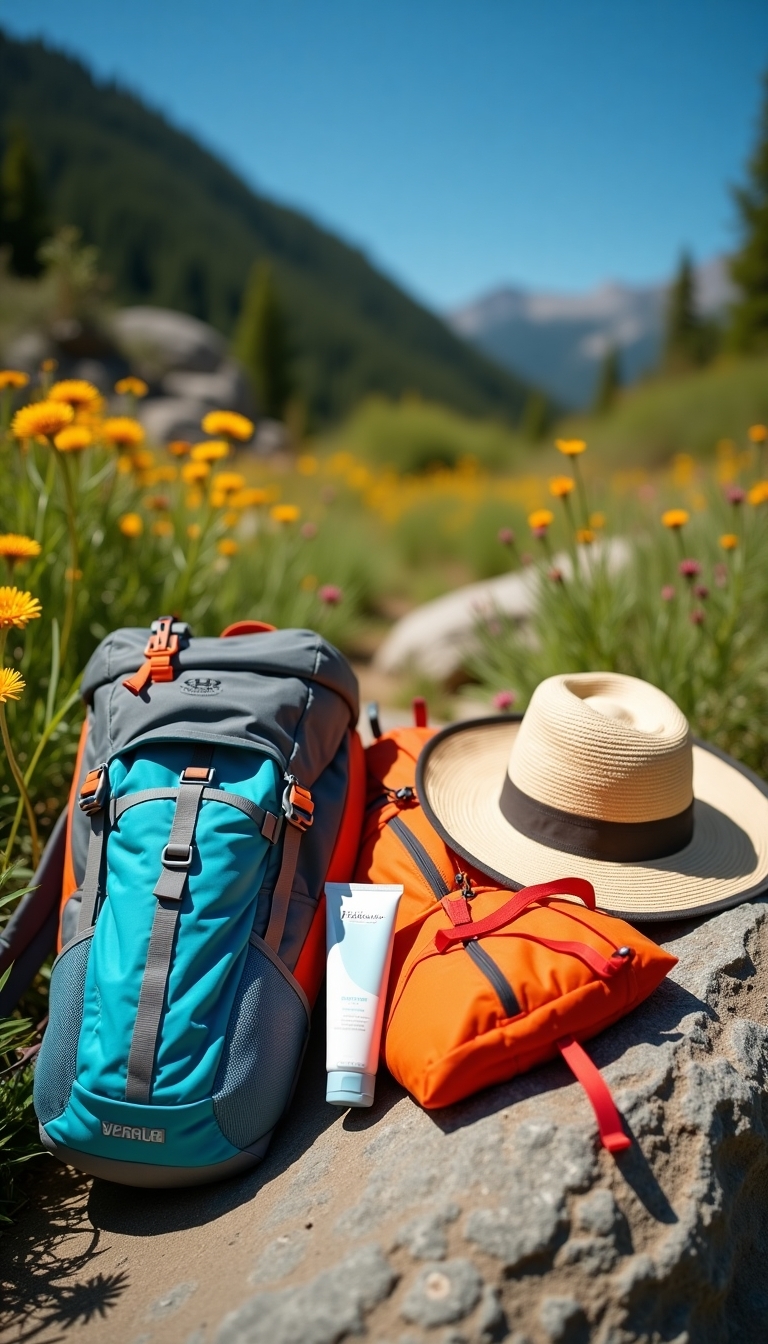
Apply about an ounce of broad-spectrum SPF 30 or higher sunscreen 15 to 30 minutes before you start hiking so it has time to absorb. Don’t forget commonly missed spots like ears, the back of your neck, the tops of your feet, and your hands.
Reapply every two hours and immediately after heavy sweating or swimming, since no sunscreen is truly waterproof despite what labels claim. Sunscreen sticks work well for your face since they won’t run into your eyes when you sweat, and they’re easier to apply without getting your hands greasy.
Effective Bug Repellent Options

DEET-based repellents remain the most effective option, providing hours of protection and are effective against a wide range of biting insects. Picaridin offers similar protection with less odor and a less greasy feel, making it popular with people who dislike DEET.
Natural options like lemon eucalyptus oil work but require more frequent reapplication and don’t last as long. Permethrin-treated clothing provides an additional layer of protection and remains effective through multiple wash cycles, repelling ticks and mosquitoes that land on your clothes.
Sunglasses for Eye Protection and Style

Polarized lenses reduce glare from water, snow, and rocks, making it easier to see the trail and potential hazards. Look for 100% UV protection regardless of lens color or darkness, since UV damage happens even on cloudy days.
Lightweight, durable frames made from materials like TR90 Grilamid stay comfortable during long hikes and survive being stuffed in packs. Wraparound styles block light from the sides and stay more secure when you’re moving, though they’re not everyone’s preferred look.
Stylish Hats and Neck Gaiters for Sun Safety
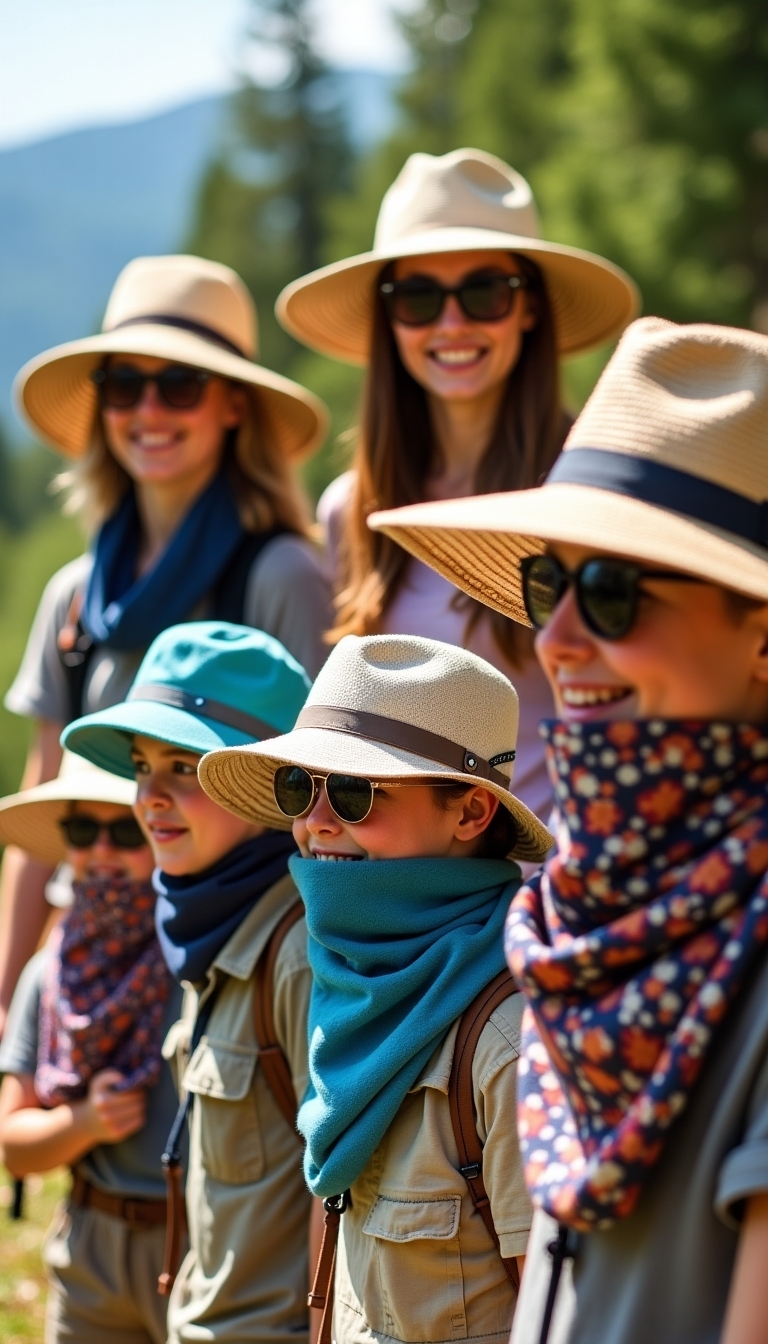
Wide-brimmed hats with UPF 50 protection shield your face, neck, and ears from sun damage that can accumulate into serious problems over the years of hiking. Look for breathable fabrics and ventilation panels that prevent your head from overheating in direct sun.
Chin straps keep your hat secure in the wind without being so tight that they cause headaches after hours of wear. Neck gaiters provide versatile sun protection that you can adjust based on conditions, ranging from a simple neck covering to a full-face shield.
Layering Techniques for Temperature Control
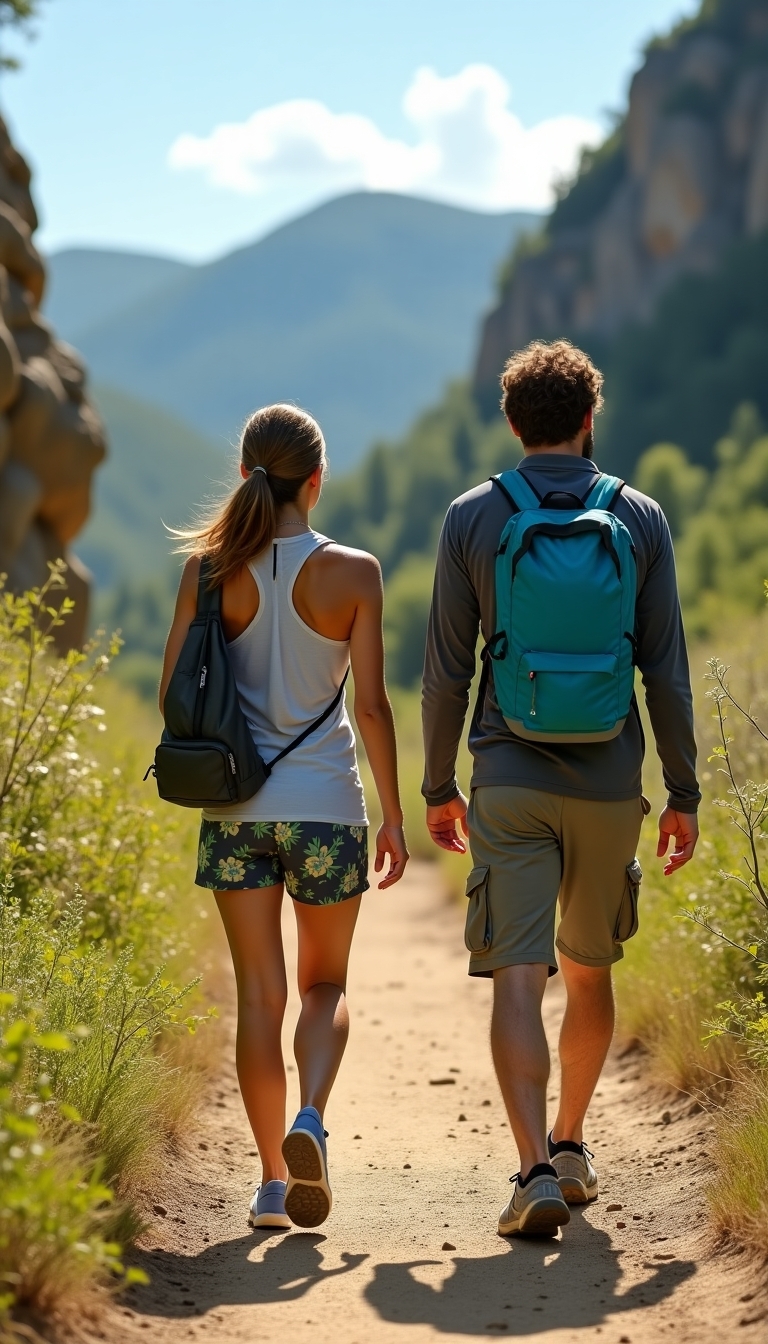
Start with a moisture-wicking base layer that pulls sweat away from your skin so you don’t get clammy when you stop moving. Add a lightweight insulating layer, such as thin fleece, that you can remove easily when you warm up after climbing.
Your outer layer should block wind and light rain while still allowing enough breathability that you don’t get soaked on the inside by your own sweat. The key to successful layering is adjusting before you get too hot or too cold, not waiting until you’re already uncomfortable to make changes.