It’s easy to get swept up in the excitement of a Fourth of July camping trip and realize somewhere on the highway that you forgot half of what actually makes the weekend work.
A trunk full of patriotic decorations won’t keep you cool at noon or fed after the fireworks. The right gear is what turns a chaotic holiday weekend into one worth repeating, and with a little last-minute planning, you can still pull it together. Here’s exactly what to grab before you go.
Setting Up Your Patriotic Base Camp
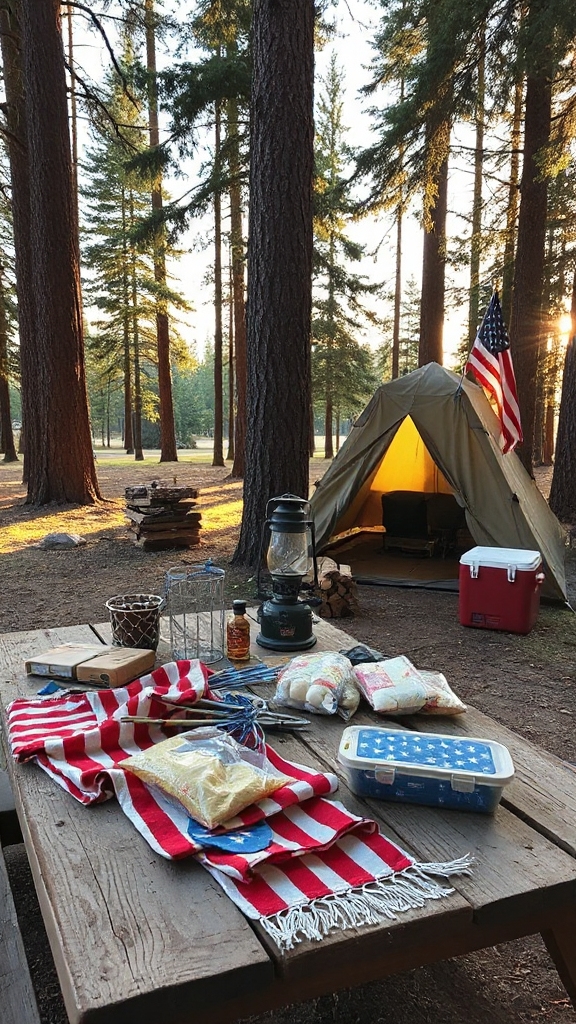
Your base camp is the foundation of the entire trip, and getting it set up right from the start saves you headaches for the rest of the weekend.
A season-appropriate tent with secure stakes keeps you dry and grounded even if the weather turns, and arranging comfortable camp chairs around a central gathering area creates a natural hub where everyone wants to hang out.
Red, white, and blue banners and flags add a festive touch without requiring a lot of effort, and a citronella candle near the seating keeps insects away while adding a little ambiance.
SEE THIS: 25 Road Trip Destinations Perfect for Fourth of July Weekend!
Essential Weather Protection Gear
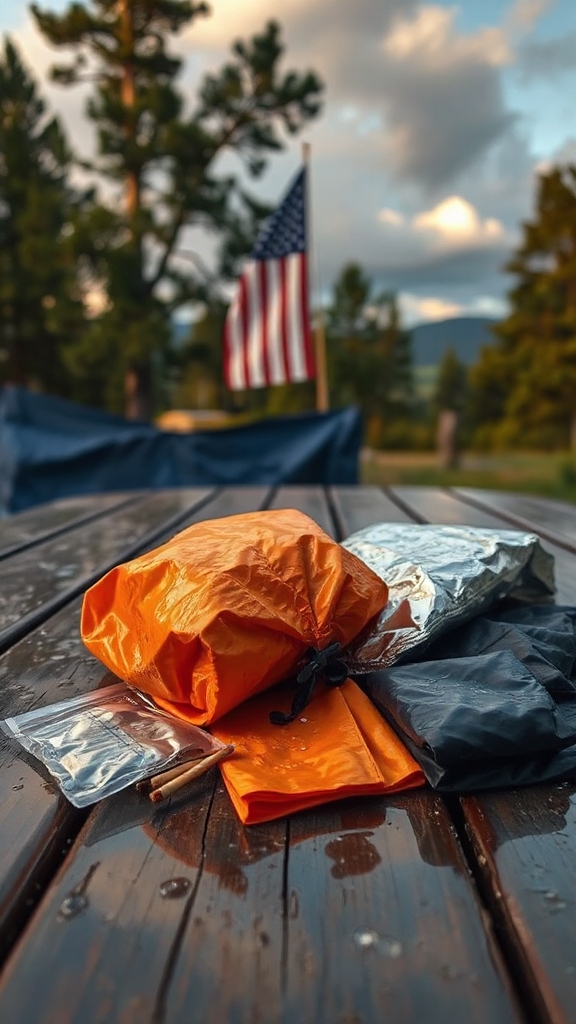
Fourth of July weather is unpredictable, so being prepared for sun, rain, and everything in between helps keep the trip from falling apart.
A portable shade canopy provides relief from midday heat and protects your gear from sudden downpours, and UPF-rated clothing combined with wide-brim hats and high-SPF sunscreen keeps the sun from ruining your skin.
Insulating layers are non-negotiable for evening firework displays when the temperature drops faster than you expect. Pack for the worst conditions rather than the best.
SEE THIS: 17 Fireworks Shows You Can’t Miss This Fourth of July!
Nighttime Temperature Management
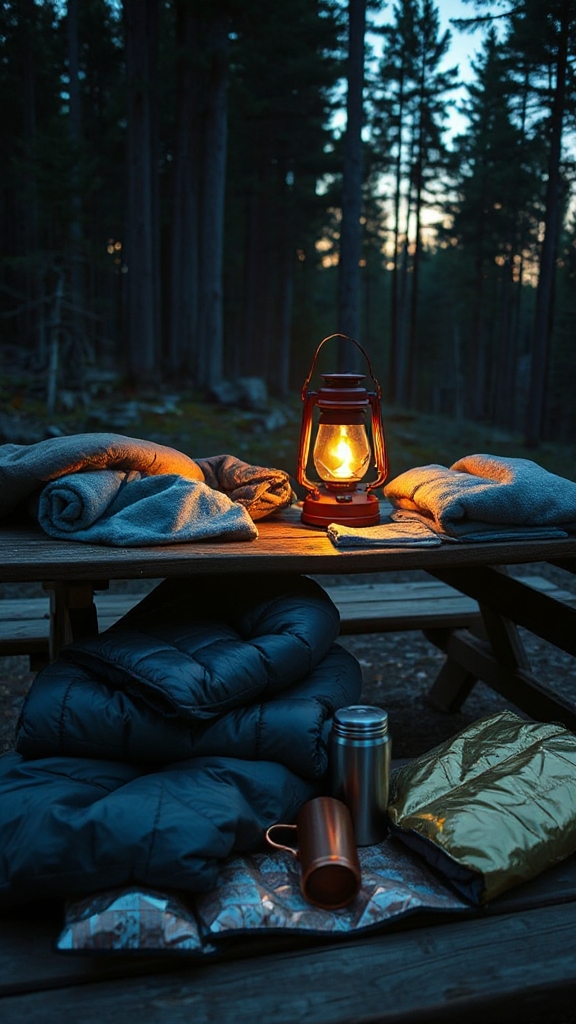
Summer camping does not mean warm nights, especially at higher elevations where the temperature can drop drastically after the sun goes down.
A high-quality sleeping bag rated below the expected low temperature is the starting point, and layering your sleep system with insulated mats underneath adds warmth from the ground up.
Moisture-wicking base layers keep sweat from chilling you overnight, and a well-sealed tent traps heat and blocks wind in a way that makes a noticeable difference.
SEE THIS: 18 Backyard BBQ Setup Ideas That Scream ‘USA!’!
Safe Food Storage Solutions
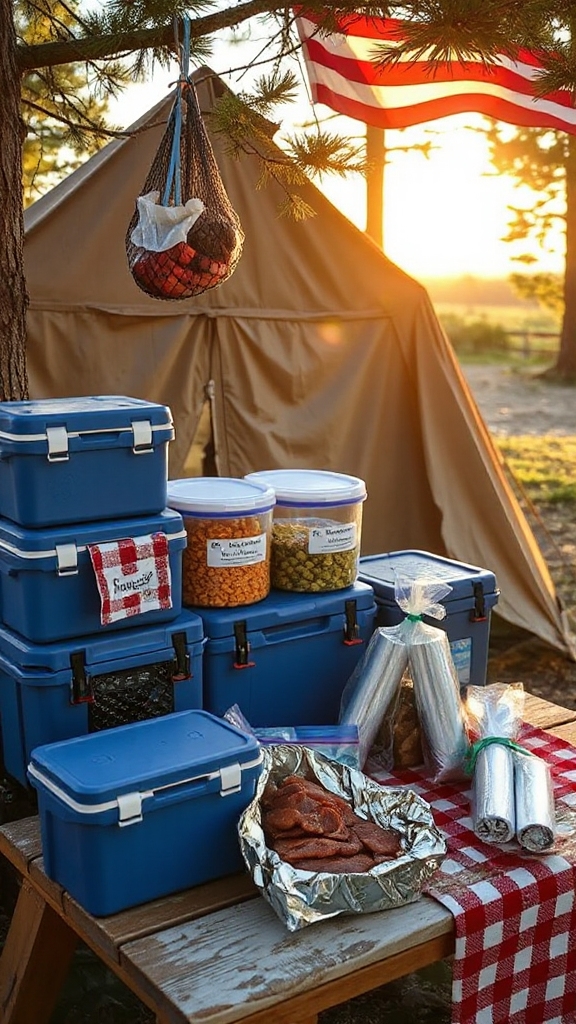
Food storage is simple until you are dealing with wildlife or spoiled meat at two in the morning; doing it right from the start prevents both problems. Sturdy plastic tubs keep insects out and make organization easier, and in active wildlife areas, bear-proof containers or metal storage boxes are non-negotiable.
Your cooler strategy should include separate units for drinks and perishables so you are not opening the food cooler every time someone wants a beer.
For backcountry camping, hang bear canisters or bags at least 10 feet high and away from your tent to keep your food secure and in compliance with local regulations. Rangers do check.
SEE THIS: 10 Festive Ways to Decorate Your Campsite for the Fourth of July!
Holiday Weekend Meal Planning
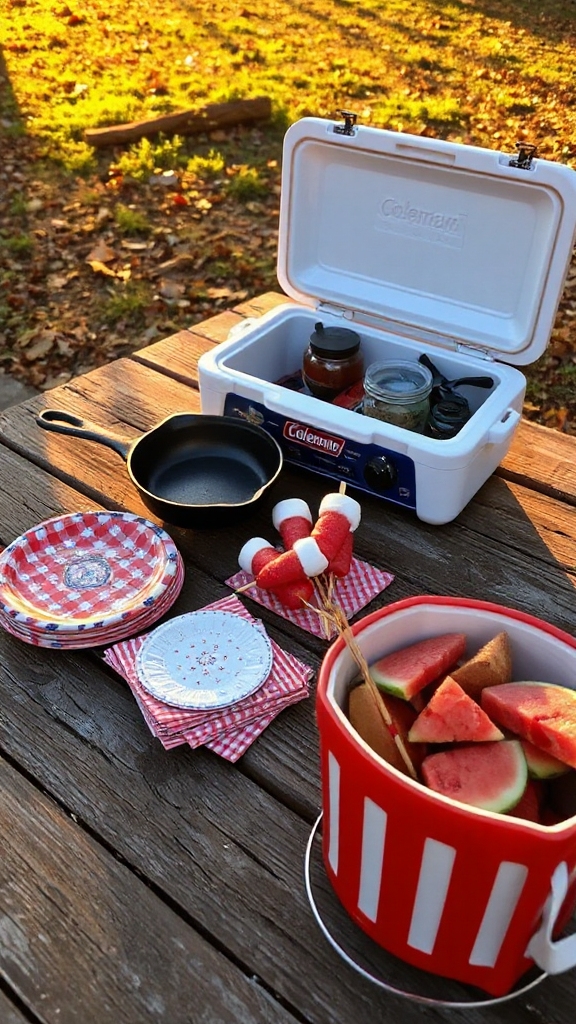
Meal planning for a Fourth of July camping trip is about balancing classic favorites with camping-friendly preparation, and a little prep at home saves time at the campsite.
Pack your cooler with marinades already prepared for grilled chicken and skewered vegetables, and keep breakfast simple with overnight oatmeal and patriotic parfaits that require almost no cooking.
Dinner options like veggie burgers and s’mores ingredients are versatile and work with any outdoor cooking setup, whether a grill, a fire pit, or a camp stove. Pre-measuring dry ingredients and storing them in sealed plastic bags streamlines the whole process and keeps you from fumbling with measuring cups in the dark.
SEE THIS: 15 Must-Have Summer Camping Outfit Pieces Every Outdoorsy Woman Needs!
Campfire Safety Equipment
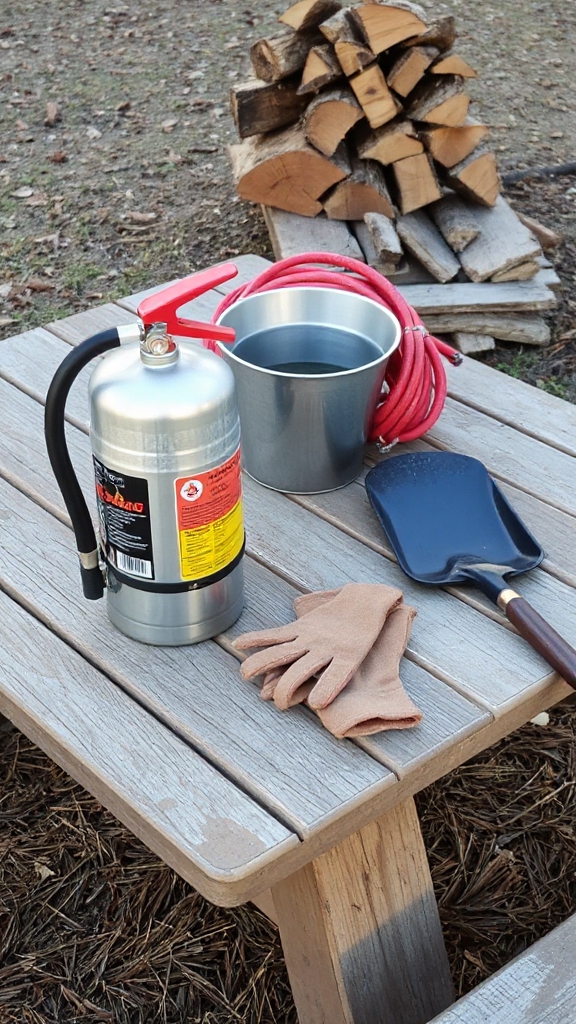
A campfire on the Fourth of July is practically required, but it is also one of the most dangerous parts of camping if you do not have the right safety equipment on hand.
A reliable fire extinguisher, heat-resistant gloves, and a sturdy shovel are the bare minimum, and a first aid kit stocked with burn cream and bandages handles the small accidents before they turn into big problems.
Keep a designated water supply and a fire blanket nearby for emergencies, because if something goes wrong, it goes wrong fast. Campfire safety is not about being paranoid. It is about being prepared, and the difference between the two is whether you have the right gear within arm’s reach.
Patriotic Lighting and Decor
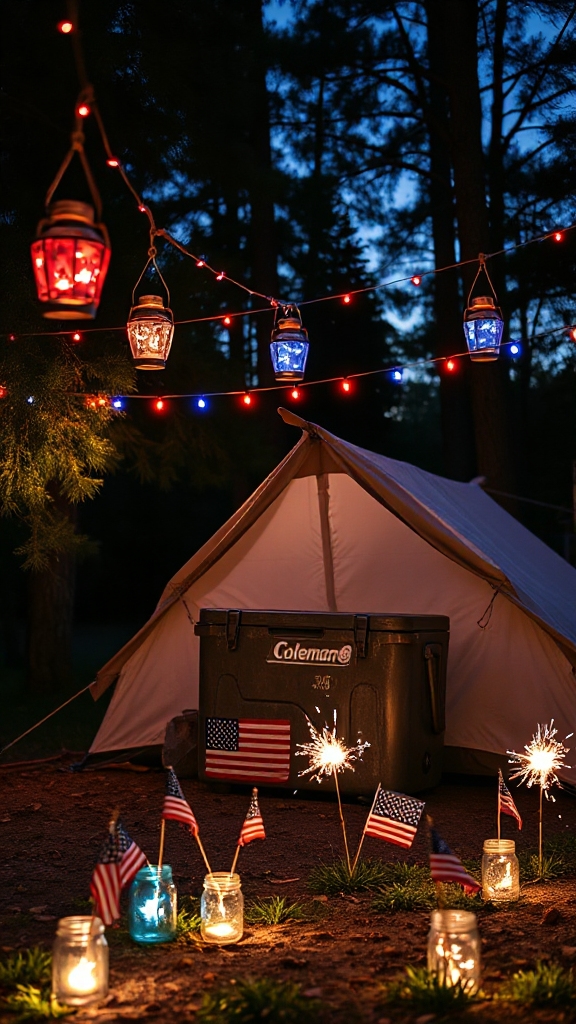
Transforming your campsite into a festive Independence Day celebration does not require a lot of gear, just the right lighting and a few well-placed decorations.
Weather-resistant LED string lights in red, white, and blue wrapped around tent poles and trees create an inviting glow that looks better after dark than almost any other decoration you could bring.
Star-shaped window lights and paper lanterns at the campsite entrance and dining area add visual interest without taking up space or requiring complicated setup.
Portable Power Solutions
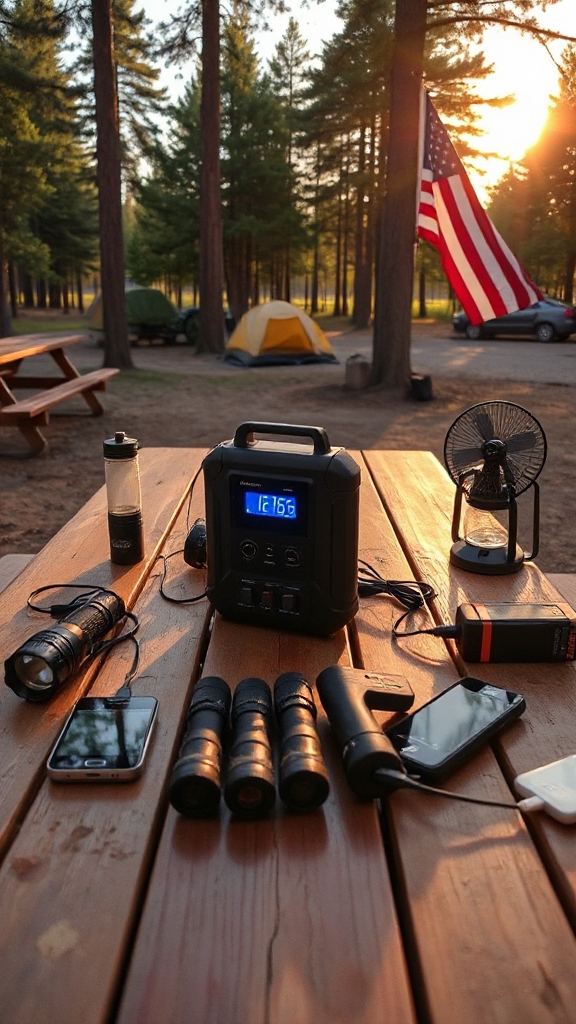
Modern camping means keeping devices charged and essential equipment running, and a reliable portable power station is what makes that possible without idling your truck all weekend.
Compact options like the EcoFlow River 2 Max or Bluetti Handsfree 2 both offer 512Wh capacity, which is enough to charge phones, run lights, and power small appliances for a full holiday weekend.
Multiple charging options, including solar panels and car adapters, give you flexibility in how you keep the power station topped off. It is one of those pieces of gear that seems optional until you are using it every single day, and then it becomes something you wonder how you ever camped without.
Navigation and Communication Tools
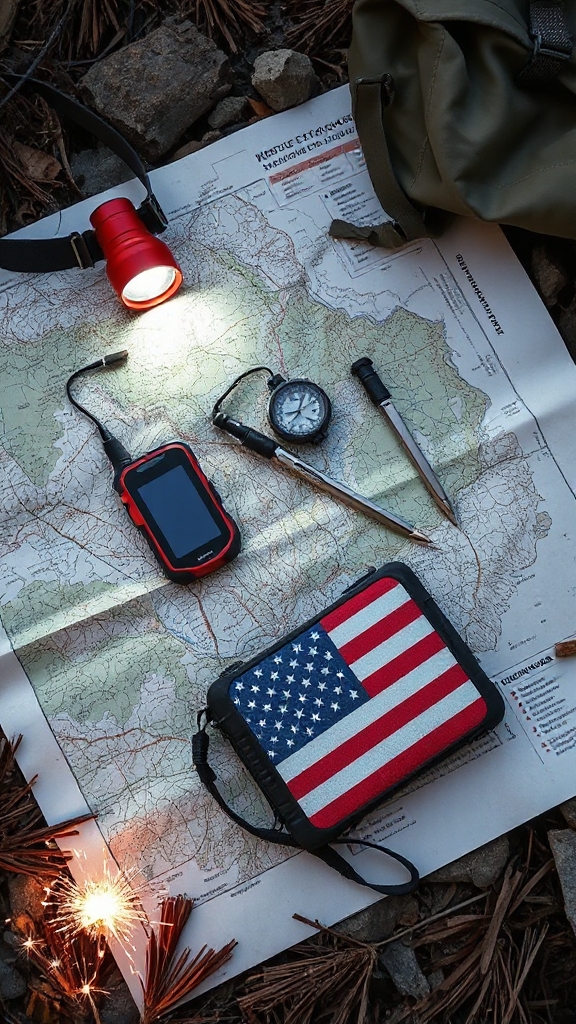
Cell service is not guaranteed at most campgrounds, and navigation tools become critical the moment you are out of range of the nearest tower. A water-resistant GPS device like the Garmin eTrex SE connects to multiple satellite systems for enhanced accuracy, and it works whether you have cell service or not.
A satellite communicator handles emergency situations when your phone is useless, and establishing clear communication protocols with your group before you leave ensures everyone knows what to do if someone gets separated. Navigation and communication tools are your lifeline in remote locations, and skipping them to save weight or money is a gamble that is not worth taking.
Insect Control Strategies
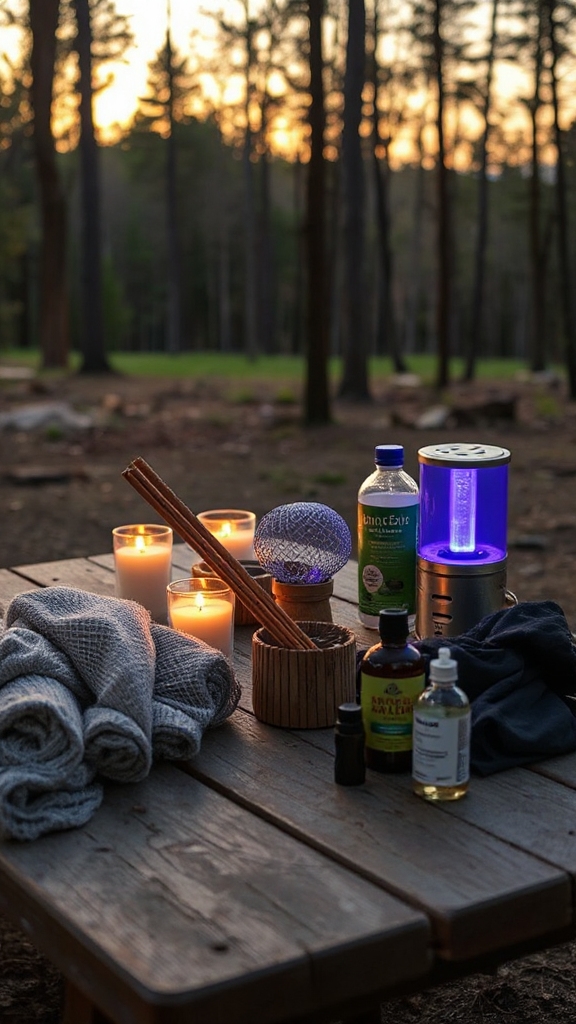
Insects can turn a great camping trip into a miserable one, and having a comprehensive insect control strategy is what keeps you comfortable enough to actually enjoy the outdoors.
EPA-approved permethrin-treated clothing and DEET-based repellents are the core of the defense, and physical barriers like mesh screens on your tent and dining area keep bugs out of the spaces where you are spending the most time.
Oscillating fans near seating areas disrupt flying insects and make it harder for them to land on you. Maintaining proper campsite hygiene by keeping food sealed and trash stored reduces what attracts them in the first place.
Campsite Comfort Items
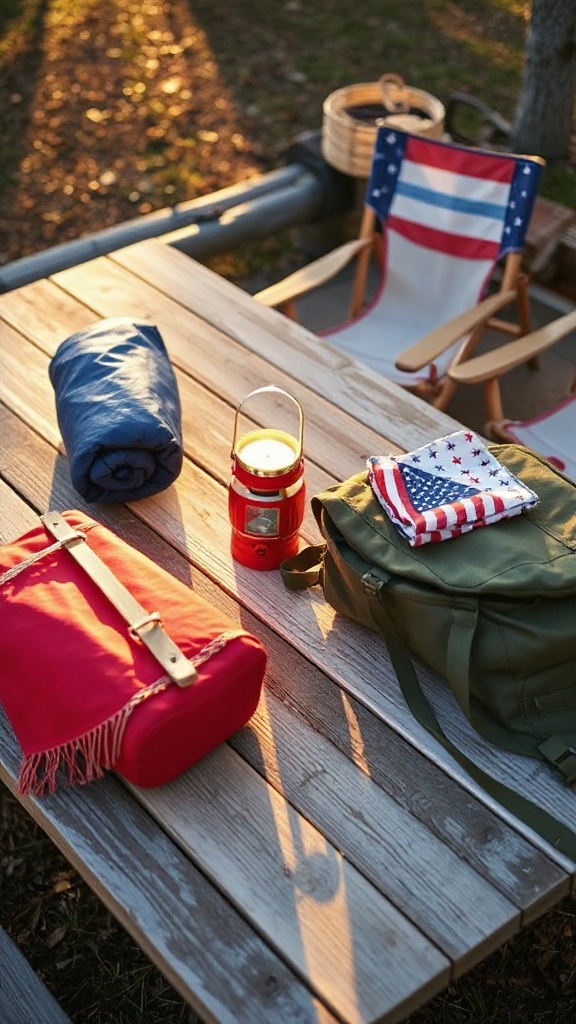
Comfort at a campsite is what separates a trip you endure from a trip you enjoy, and a few key items make all the difference. Camping chairs for each person, a sturdy camp table for meals and activities, and outdoor rugs to minimize dirt tracking into the tent create a living space that actually feels livable.
Lanterns and headlamps provide nighttime visibility without requiring you to hold a flashlight every time you need to move around, and tablecloths with clips keep your dining area clean and festive even when the wind picks up.
Holiday Weekend Entertainment
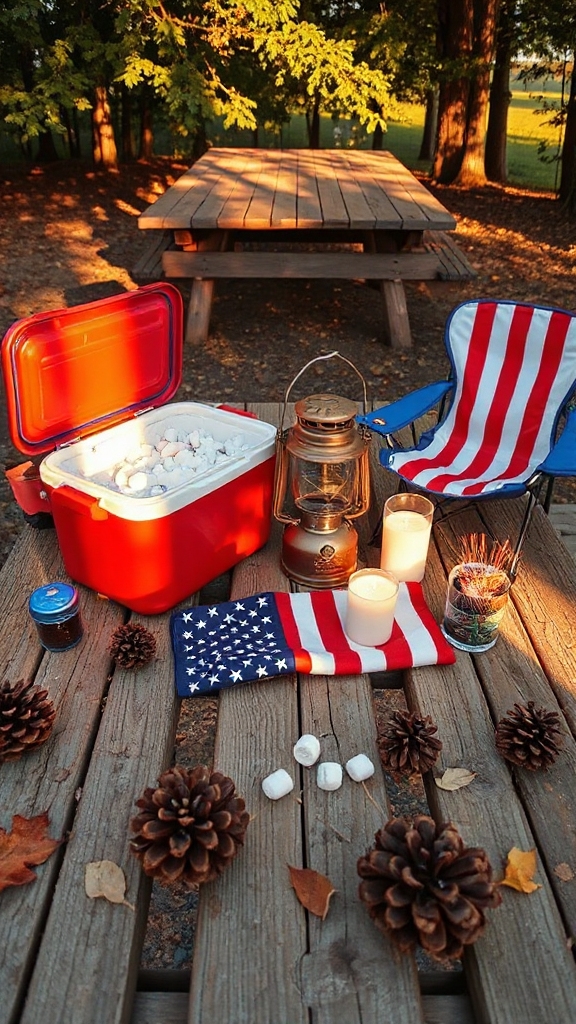
A Fourth of July camping trip needs entertainment that captures the patriotic spirit without requiring you to haul a lot of gear, and the right activities keep everyone engaged from morning to night.
Backyard-style games like flag football and obstacle courses work well during the day, and craft stations for tie-dye projects and face painting give kids something creative to do when they are tired of running around.
Evening activities like glow-stick dance parties and outdoor movie screenings take over after the sun goes down, and all of it creates the kind of holiday atmosphere that makes the trip feel special.
Cooking Equipment Checklist
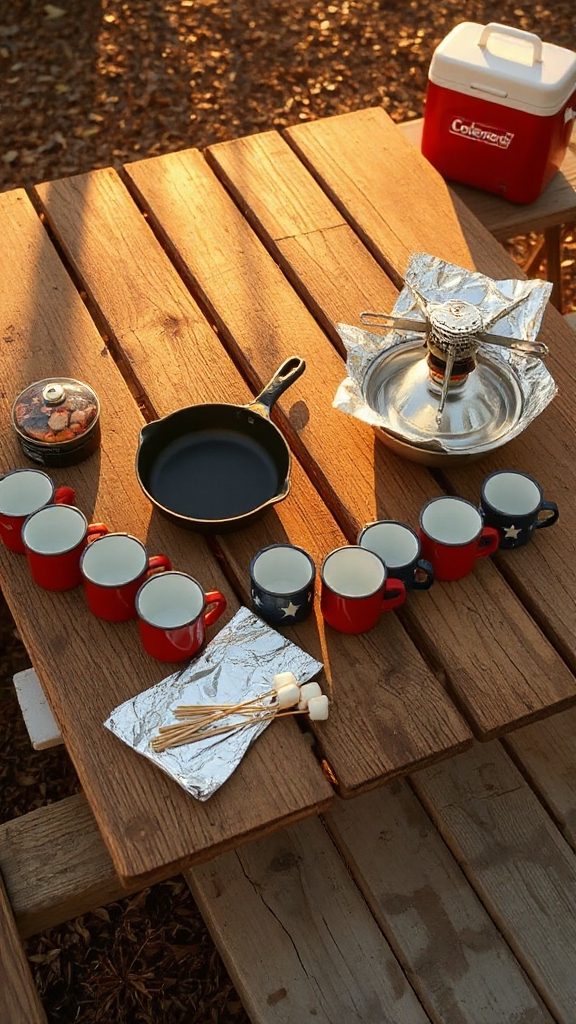
Cooking at a campsite requires the right equipment, and trying to improvise with whatever you brought from home is a recipe for frustration. A reliable cookware set that includes a Dutch oven for campfire meals, sturdy utensils, and heat-resistant gloves handles the basics without taking up too much space.
Cast iron skillets cook evenly over a fire or a camp stove, and a griddle turns breakfast into something you can actually enjoy rather than just tolerate. The right cooking equipment makes meal prep faster and easier, which means more time celebrating and less time standing over a fire trying to get something edible.
Celebration-Ready Dessert Station
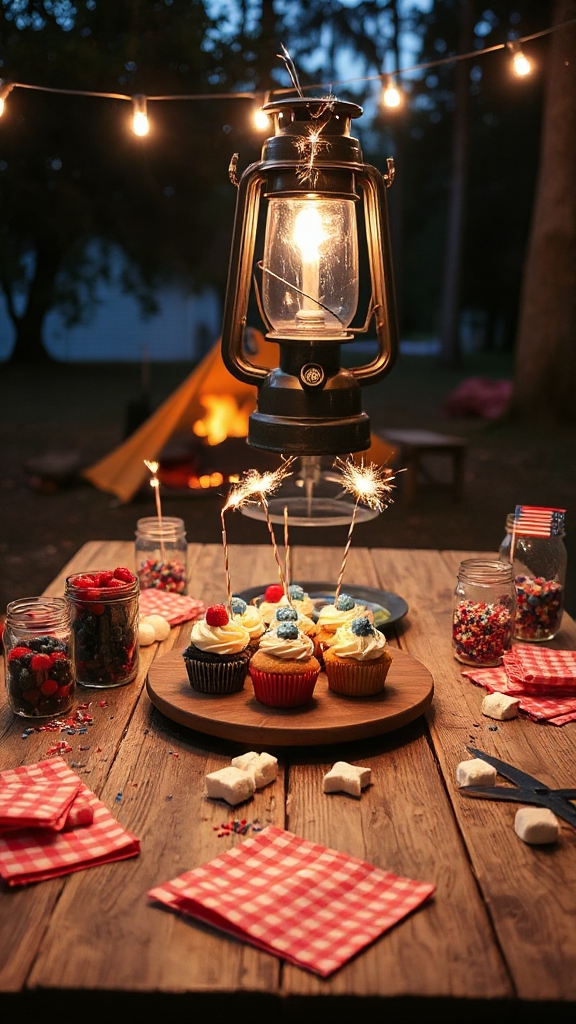
A Fourth of July camping trip is not complete without dessert, and setting up a dedicated dessert station makes it feel festive without requiring a lot of work.
Stock the station with campfire-friendly treats like s’mores and Rice Krispie treats, and arrange red, white, and blue fruits in patriotic patterns that look good in photos and taste good in the heat.
Handheld options that will not melt in summer temperatures are the smart choice, because nobody wants to deal with sticky, drippy desserts when the thermometer is pushing ninety.
Water Management Systems
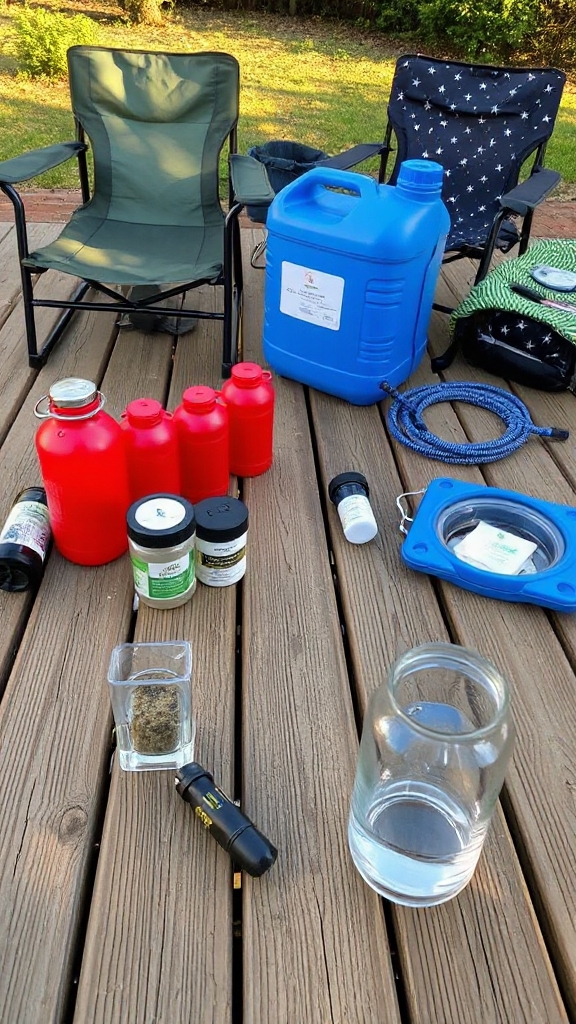
Water is the most critical resource at a campsite, and managing it properly means bringing enough, storing it safely, and having a backup plan when you run out.
You need approximately twenty to thirty gallons per person daily for drinking, cooking, and cleaning, which sounds like a lot but goes fast when you are actually using it.
Set up a water station with collapsible containers and filtration systems so you can refill from a stream or a lake if necessary, and freeze water jugs for your cooler so they provide both cooling power and backup drinking water as they melt.
Running out of water is one of the fastest ways to ruin a camping trip, and having a solid water management system is what prevents that from happening.
Campsite Organization Tools
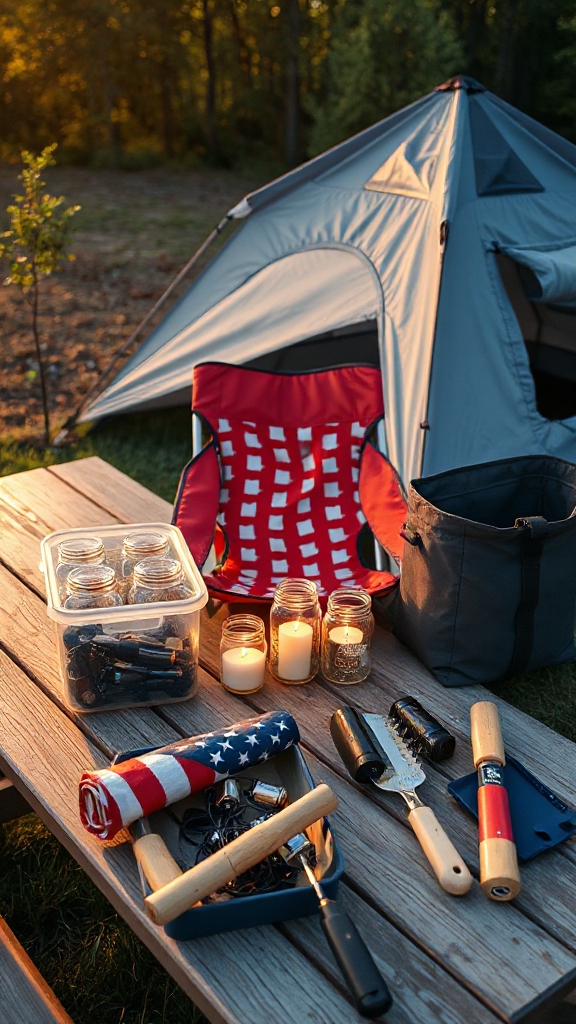
An organized campsite is easier to manage and more comfortable to live in, and a few simple tools make organization possible even in a small space. A multi-tool pocket knife and paracord handle a surprising number of tasks, from tying down gear to making quick repairs on equipment that breaks.
Bungee cords secure loose items during transport and keep things from shifting around in the truck bed, and duct tape offers quick fixes for unexpected situations that would otherwise derail the trip.
Holiday Weekend Safety Measures
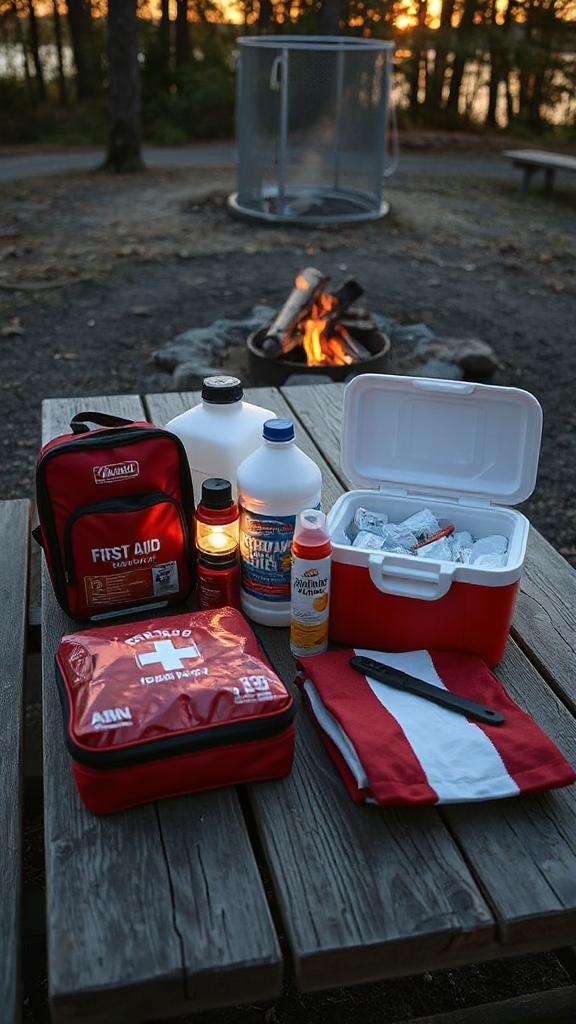
The Fourth of July brings unique safety risks that regular camping trips do not have, and heightened attention to those risks is what keeps everyone safe.
Keep fireworks away from dry grass and camping areas because wildfires start faster than most people realize, and maintain a well-stocked first aid kit that can handle burns, cuts, and everything in between.
Stay sober during water activities because accidents happen fast and judgment matters, and use Coast Guard-approved life jackets near water even if you are a strong swimmer.
Festive Dining Setup
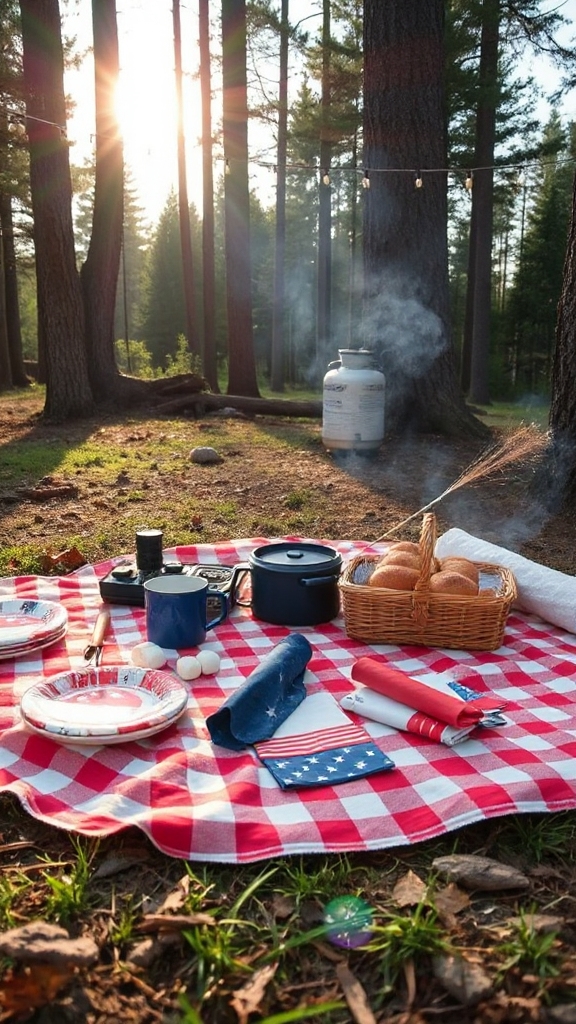
Red, white, and blue tablecloths, patriotic tableware, and festive string lights create a celebratory atmosphere without requiring you to haul a lot of extra gear.
Set up a versatile cooking station with a grill and a fire pit so you can handle classic favorites like burgers and s’mores, and incorporate refreshing options like watermelon pops and fruit salad that keep everyone cool in the summer heat.
The whole setup should feel intentional and festive, because the Fourth of July is one of those holidays where the presentation matters as much as the food itself.
Nighttime Visibility Equipment
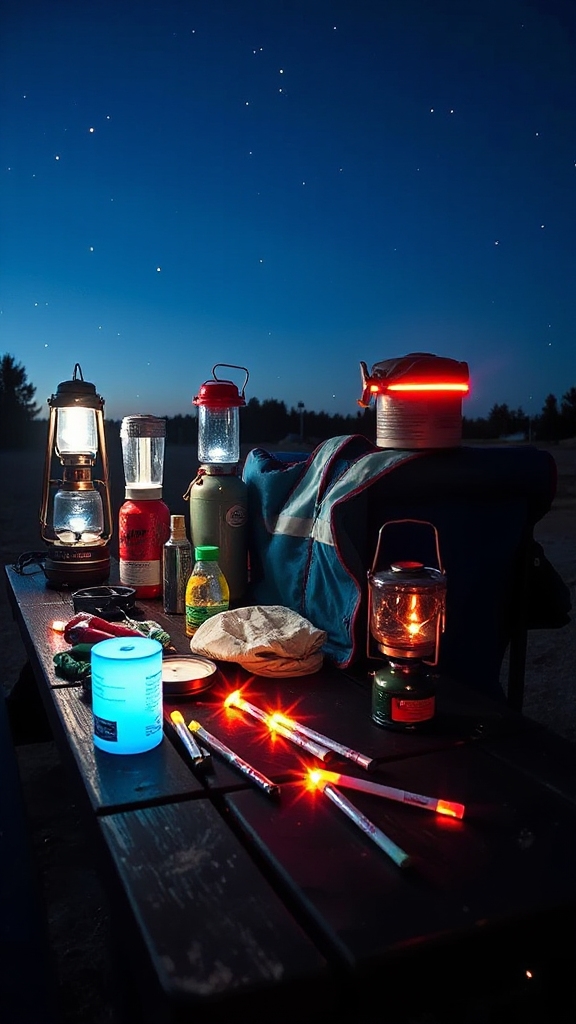
Once the sun goes down, proper lighting keeps a campsite safe and functional, and the right visibility equipment makes all the difference. LED lanterns provide ambient lighting for the main camp area, and multi-beam headlamps give you hands-free light for cooking, cleaning, or moving around in the dark.
Red-light options preserve your night vision for stargazing, and glow sticks and reflective gear mark paths so nobody trips over tent stakes or walks into a fire pit. Backup batteries for all of your equipment are non-negotiable, because running out of light at night is one of the most frustrating things that can happen on a camping trip.
Sun Protection Essentials
Sun protection is about avoiding burns, heatstroke, and long-term skin damage, and the right gear makes it possible to spend all day outside without paying for it later.
UPF50+ clothing, including long-sleeved shirts and pants, blocks UV rays better than sunscreen alone, and broad-spectrum SPF 30+ sunscreen fills in the gaps on exposed skin. UV-blocking sunglasses and a wide-brimmed hat protect your eyes and face, and a portable shade canopy at your campsite gives you a retreat from the sun during peak hours.
Emergency Preparedness Kit
An emergency preparedness kit is one of those things you hope you never need but cannot afford to be without, and putting it together before you leave means you are ready for whatever happens.
A headlamp, multi-tool, and first-aid supplies give you immediate access to the tools you need most often, and non-perishable food and clean water ensure you can survive if something goes wrong and you are stuck at the campsite longer than expected.
A weather radio keeps you informed about changing conditions, which is critical when storms roll through faster than you can pack up.
Evening Warmth Solutions
Chilly Fourth of July nights require a multi-layered approach to staying warm, because one solution is never enough when the temperature drops after dark. Thermal sleeping bags and extra blankets provide core warmth, and hot water bottles and heat packs offer targeted heating for cold feet and hands.
Position your tent away from the wind and use natural barriers like trees or rock formations to block gusts, and consider setting up near a fire pit so the radiant heat keeps the area around your tent warmer than it would be otherwise.