Most camper renovations don’t start with a Pinterest board. They start with a peeling laminate countertop you can’t stop staring at, a dinette that wobbles, and lighting that makes everything look vaguely medical. I’ve been there.
The good news is that transforming a dated rig doesn’t require a massive budget or a contractor. It requires knowing which changes actually matter and in what order to tackle them. Here we cover all of that and more.
Contents
- 1 Smart Storage Solutions That Maximize Every Inch
- 2 Creating a Multi-Functional Living Space
- 3 Modern Kitchen Updates on a Budget
- 4 The Perfect Color Palette for Your Camper
- 5 Lighting Tricks to Transform Your Space
- 6 Eco-Friendly Material Choices
- 7 Tech Integration for Modern Comfort
- 8 Space-Saving Furniture Selection
- 9 Natural Light Enhancement Strategies
- 10 Luxury Touches Without Breaking the Bank
- 11 DIY Projects That Make a Statement
- 12 Textural Elements That Add Depth
- 13 Minimalist Design Principles in Action
- 14 Personal Style Through Accessories
- 15 Panoramic Window Transformation Tips
Smart Storage Solutions That Maximize Every Inch
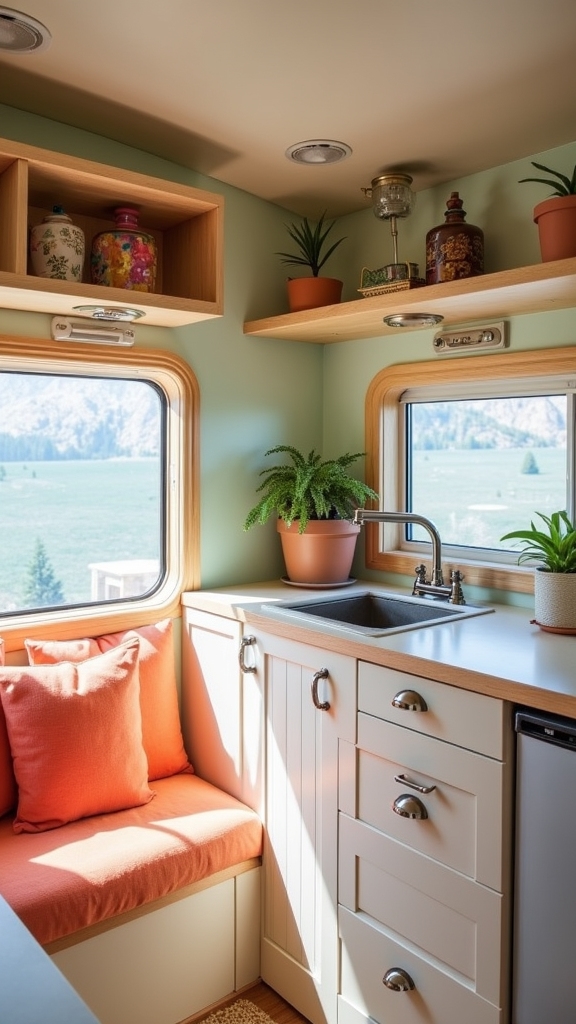
Camper storage fails when people try to recreate a house inside a box. Vertical space is almost always wasted, and that’s where modular shelving earns its keep.
Under-bed storage handles the bulky stuff, linens, sleeping bags, extra layers, so your main living area can breathe. Wall-mounted hooks near the entry and kitchen handle the daily-use items that otherwise end up on every flat surface you own.
SEE THIS: Top 17 Tiny Camper Decorating Mistakes to Avoid!
Creating a Multi-Functional Living Space
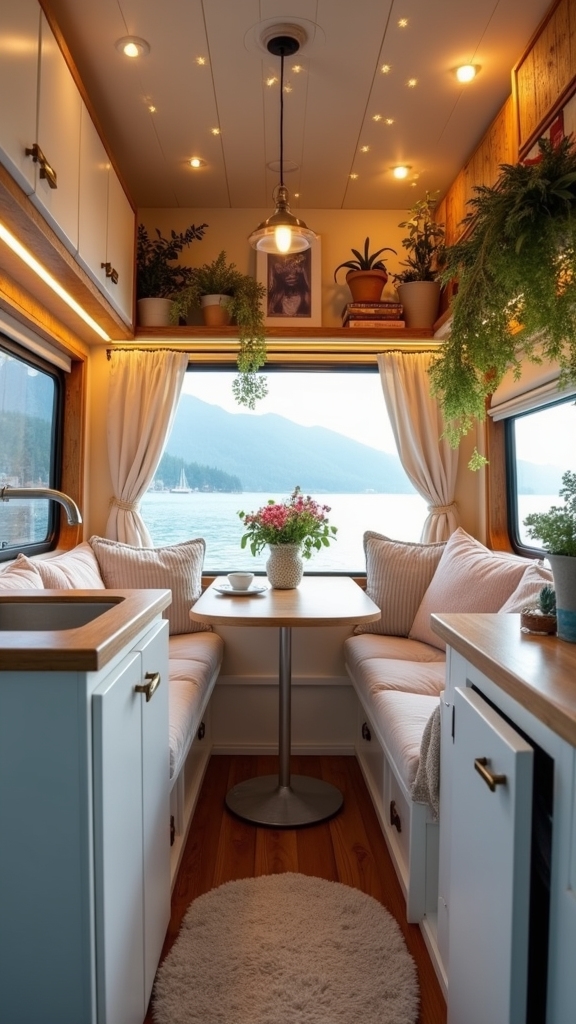
The difference between a cramped camper and a functional one is usually zoning. A fold-down desk mounted to the wall gives you a workspace that disappears completely when you’re done for the day.
Ottomans with interior storage pull double duty as seating, footrests, and a place to stash the stuff you reach for every evening. Think through how you actually move through the space from morning to night, then arrange it around that reality.
SEE THIS: 15 Jaw-Dropping Before & Afters of DIY Camper Decorating Ideas!
Modern Kitchen Updates on a Budget
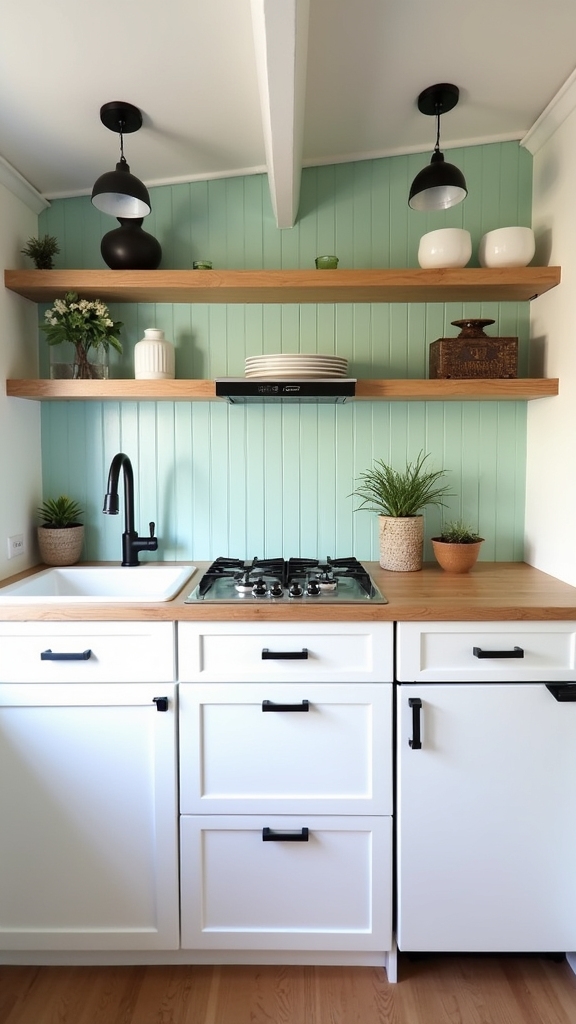
Contact paper gets a bad reputation, but the right pattern applied cleanly to a countertop can fool people who aren’t looking for it. Painted cabinets with swapped hardware cost almost nothing and do more for a kitchen’s feel than almost any other single change.
A small section of butcher block near the sink adds warmth that no laminate can replicate. LED lighting under the upper cabinets makes the whole kitchen feel intentional rather than improvised.
SEE THIS: 23 Amazon Camper Accessories That Are Actually Genius!
The Perfect Color Palette for Your Camper
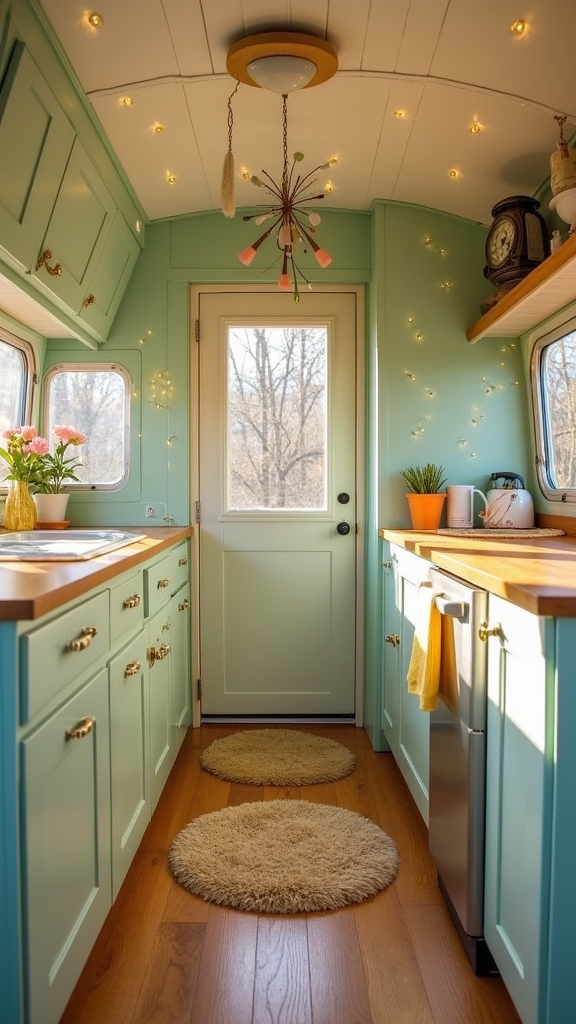
Small spaces punish bad color decisions faster than large rooms do. Light neutrals on the walls and ceiling create the illusion of height and keep the space from closing in on overcast days.
If you want personality, build it through textiles and accessories rather than committing an accent wall to something you might hate in six months. Wood tones mixed with matte surfaces give you visual texture without requiring pattern or color to do all the heavy lifting.
SEE THIS: 19 Hacks for Living Large in a Tiny Camper!
Lighting Tricks to Transform Your Space
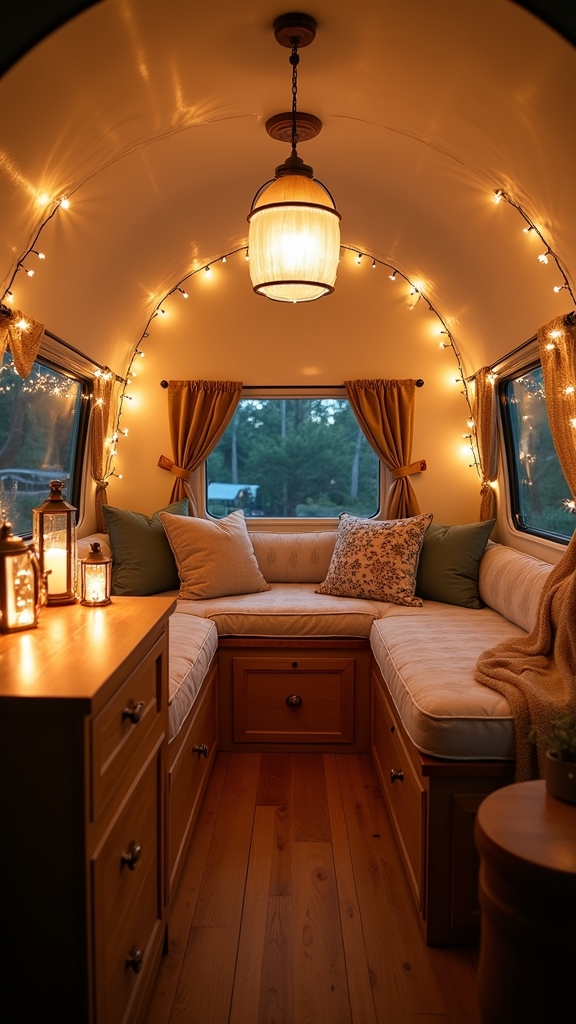
Bad lighting is the most overlooked problem in camper renovations, and it’s one of the cheapest to fix. Swapping out overhead fixtures for dimmable LED bulbs immediately gives you more control over the feel of your evenings.
Strip lights under counters and cabinets handle task lighting without the harsh overhead glare that makes everything feel like a break room. If you camp with an awning, waterproof LED strips strung underneath it extend your usable living space well into the night.
SEE THIS: 21 Camper Decor Themes That Will Instantly Cozy Up Your Tiny Home on Wheels.
Eco-Friendly Material Choices
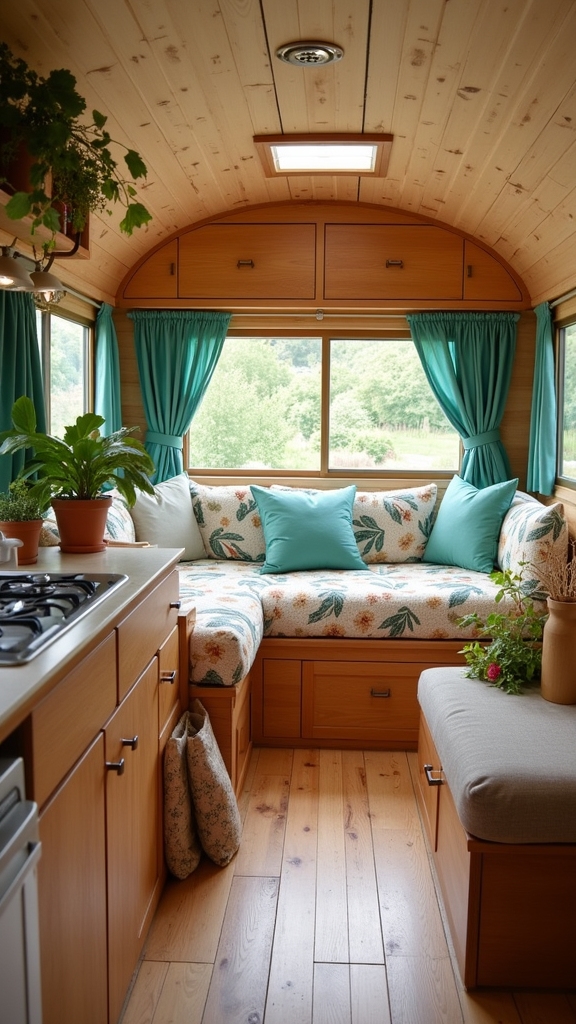
Flooring takes more abuse in a camper than almost anything else, so this is not the place to cut corners. Marmoleum holds up to moisture and foot traffic, cleans easily, and comes from natural materials, which matters if you’re spending extended time in a sealed space.
Reclaimed wood used selectively on a ceiling panel or a single wall adds character you simply cannot fake with printed vinyl. These aren’t just aesthetic decisions; they affect how the space actually feels to live in day after day.
SEE THIS: 35+ Outdoor Fall Camper Décor Ideas for Your RV Campsite.
Tech Integration for Modern Comfort
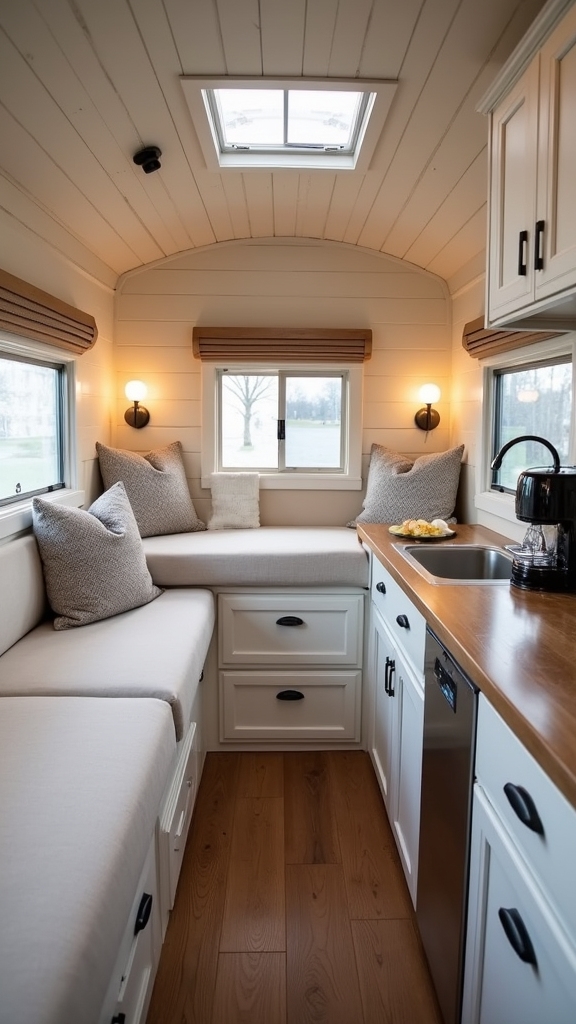
Smart home integration sounds like a luxury until you’re fumbling for a light switch at 2 a.m. in an unfamiliar campground. A basic system that lets you control lighting, heat, and a security camera from your phone adds genuine comfort without requiring a full rewire.
Voice-activated climate control is particularly useful when your rig is parked somewhere that swings between cold nights and warm afternoons. The key is choosing tech that solves a real problem you actually have, not tech that just sounds impressive in theory.
Space-Saving Furniture Selection
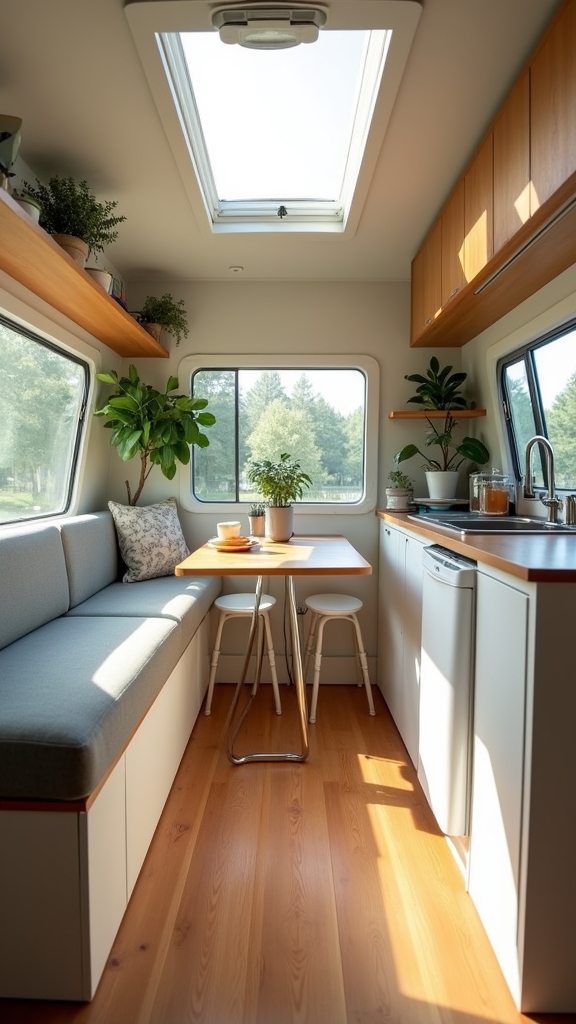
Multi-functional furniture isn’t a trend in camper living; it’s a survival strategy. A murphy bed that folds into a seating area during the day gives you back square footage that a fixed bed permanently eats up.
Fold-out tables that double as workspaces handle meals, laptops, and card games without occupying permanent real estate. Hidden compartments under benches and beds are where the smart money goes when you’re trying to keep a small space from feeling like a storage unit.
Natural Light Enhancement Strategies
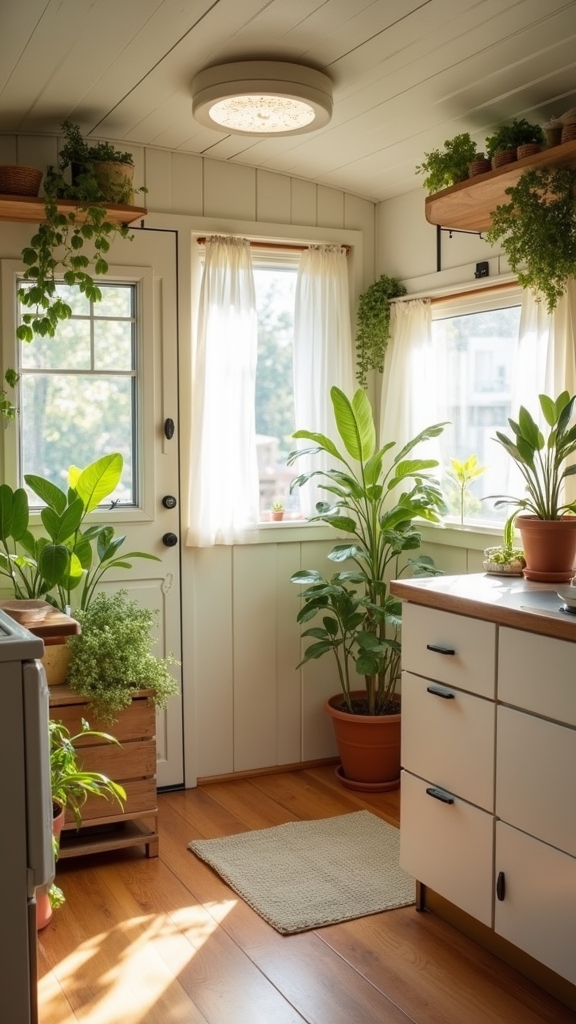
Larger windows make a bigger difference than most people expect, especially UV-protected glass that keeps the interior from fading and overheating. A rooftop vent or small skylight pulls warm air out and floods the ceiling with diffused daylight that no artificial source can match.
Light-colored wall finishes bounce that natural light further into the space, making the whole interior feel larger than it measures. Keep window treatments minimal and easy to push aside completely, because the whole point is getting that light in.
Luxury Touches Without Breaking the Bank
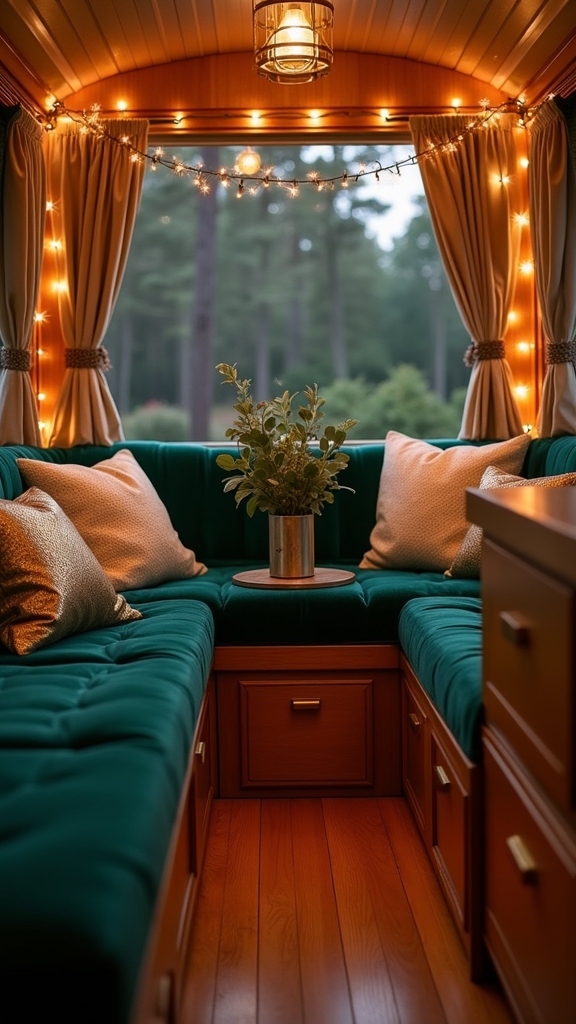
Pendant lighting over a small dining area costs thirty dollars and looks like something from a boutique hotel. Metallic cabinet hardware in brushed brass or matte black signals intention in a way that plastic handles never will.
Wood-grain vinyl flooring has gotten convincing enough that guests won’t crouch down to check unless they’re already suspicious. Add two quality textiles, a throw and a decent pillow, and the space reads as curated rather than cobbled together.
DIY Projects That Make a Statement
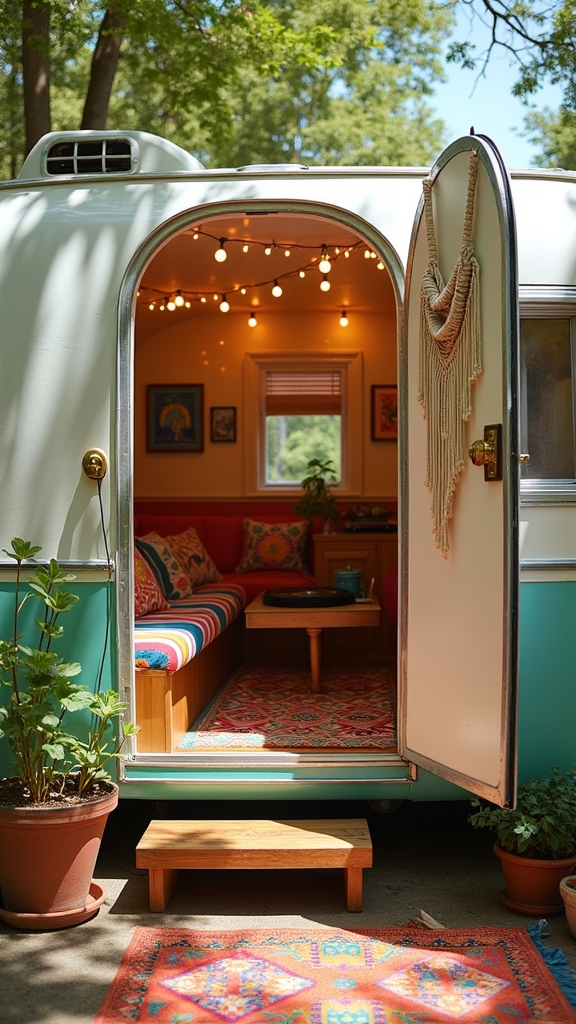
A cedar plank ceiling is a two-day project that people comment on for the entire life of the camper. Custom-built cabinet inserts cost a fraction of what store-bought organizers run and actually fit the space properly.
Reclaimed wood flooring laid yourself saves labor costs and results in something genuinely one of a kind. Pick one statement project per renovation phase rather than spreading effort thin across a dozen small ones that never quite add up to anything.
Textural Elements That Add Depth
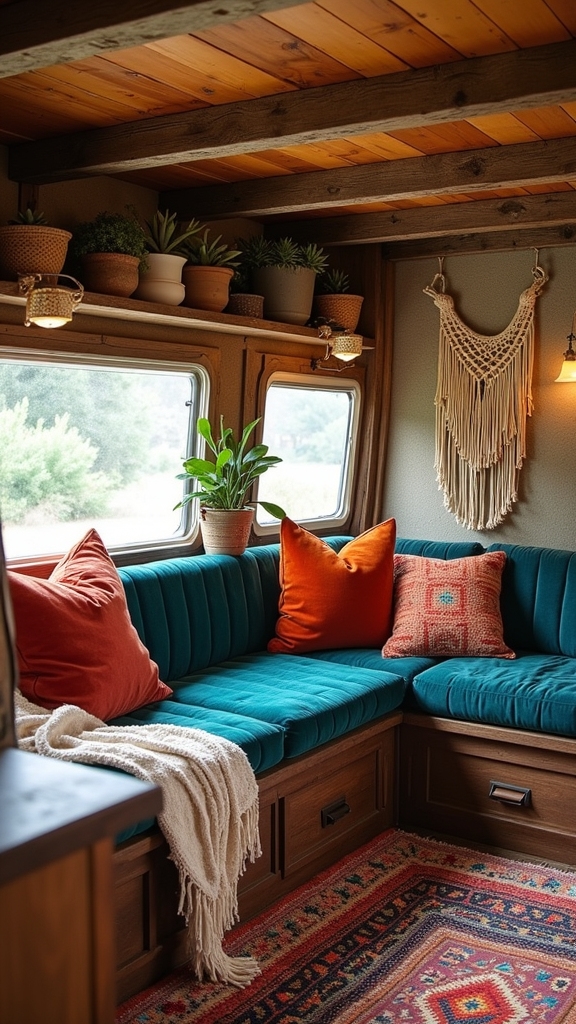
Texture is what separates a space that photographs well from one that actually feels good to be in. A wool throw, a woven basket, a ceramic mug on an open shelf; these things add warmth without adding clutter.
Pairing matte surfaces with a single metallic detail, or rough wood grain against smooth painted cabinetry, creates contrast that pulls the eye around the room. You don’t need much; you just need the combinations to be intentional.
Minimalist Design Principles in Action
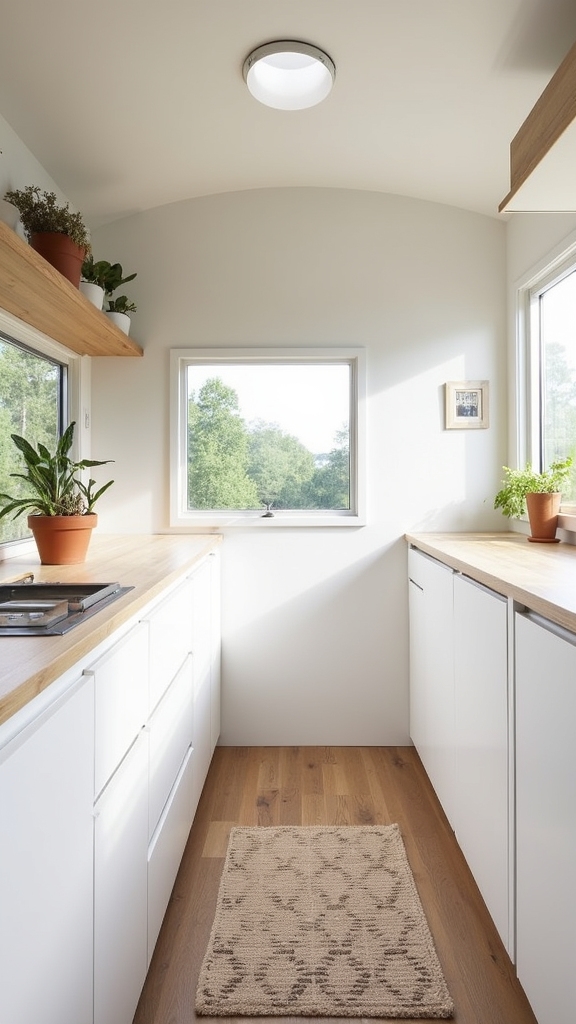
Minimalist doesn’t mean sterile; it means every object in the space has a reason to be there. Clean lines and open surfaces let chosen pieces breathe, which makes a small space feel considered rather than sparse.
Whites and light grays on the walls reflect daylight and keep the interior from feeling compressed on gray days. Edit ruthlessly, because in a camper, visual clutter and physical clutter are essentially the same problem.
Personal Style Through Accessories
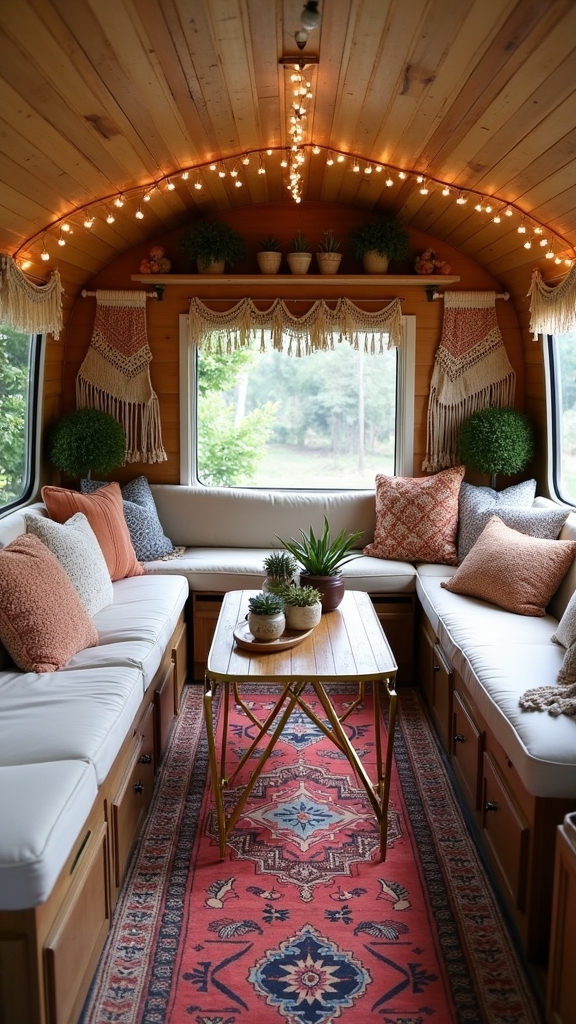
Accessories are where your camper stops looking like everyone else’s. A piece of art that actually means something to you, a plant that survives travel, a rug with a pattern you chose because you love it, these details do what no furniture selection can.
Sustainable materials and recycled decor are worth seeking out not just for environmental reasons but because they tend to have more character than mass-produced alternatives. Smart storage keeps the backdrop clean, so the things you’ve chosen actually have room to register.
Panoramic Window Transformation Tips
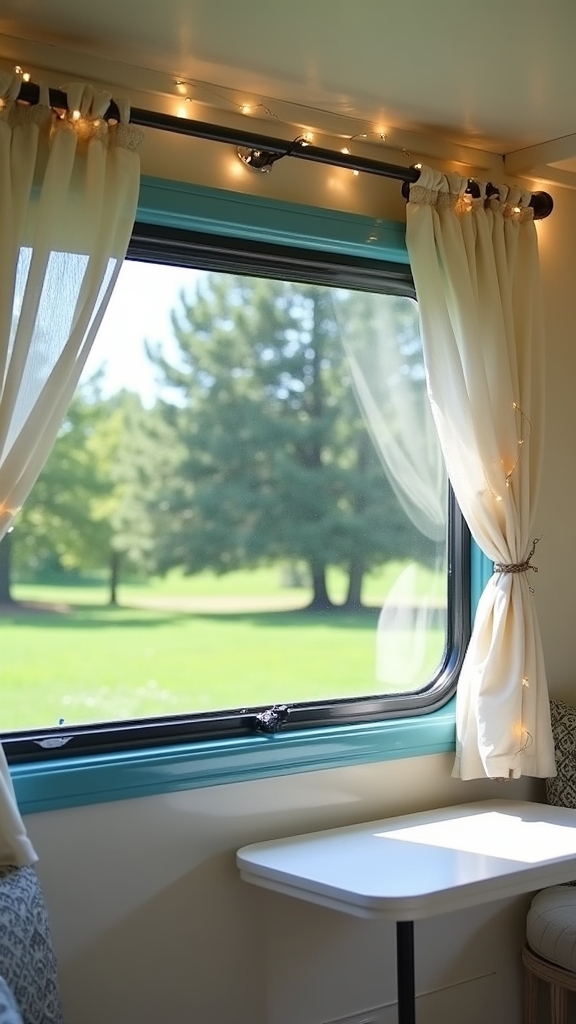
Drill out the old rivets carefully and work the existing sealant free without gouging the surrounding wall material. Fresh butyl tape applied generously around the entire frame is what stands between you and a slow leak you won’t find until it’s caused real damage behind the wall.
Tip the new window to a 45-degree angle as you set it into position; it makes seating the frame significantly easier than going in straight. Trim any excess sealant before it cures completely, because cleaning it up afterward is a miserable job that eats an afternoon.
My tips…
A camper renovation done right doesn’t announce itself. The storage works, the light is good, and nothing about the space fights you during a normal day.
You made decisions based on how you actually live, not how a renovation looks in a thumbnail. That’s the part no algorithm can replicate, and it’s what makes the space genuinely yours.