The best travel clothes work just as well on a trail as they do grabbing lunch in town afterwards. You don’t want to carry a separate wardrobe for hiking and for everything else, especially when you’re trying to keep your pack weight reasonable.
The key is choosing pieces that look intentional rather than purely technical, made from fabrics that perform well outdoors.
With the right approach to layering and fabric selection, you can move from summit to sidewalk without looking out of place in either setting. The outfits below show you exactly how that looks in practice.
Contents
- 1 The Importance of Layering for Versatile Outfits
- 2 Choosing Moisture-Wicking and Quick-Drying Fabrics
- 3 Multi-Use Clothing: Maximizing Your Packing Efficiency
- 4 Essential Accessories for Changing Weather Conditions
- 5 Balancing Style and Functionality in Backpacking Clothes
- 6 Lightweight and Durable Accessories to Reduce Weight
- 7 The Role of Innovative Fabrics and Smart Technology
- 8 Sustainability in Outdoor Clothing Choices
- 9 Seasonal Gear Considerations for Year-Round Adventures
The Importance of Layering for Versatile Outfits
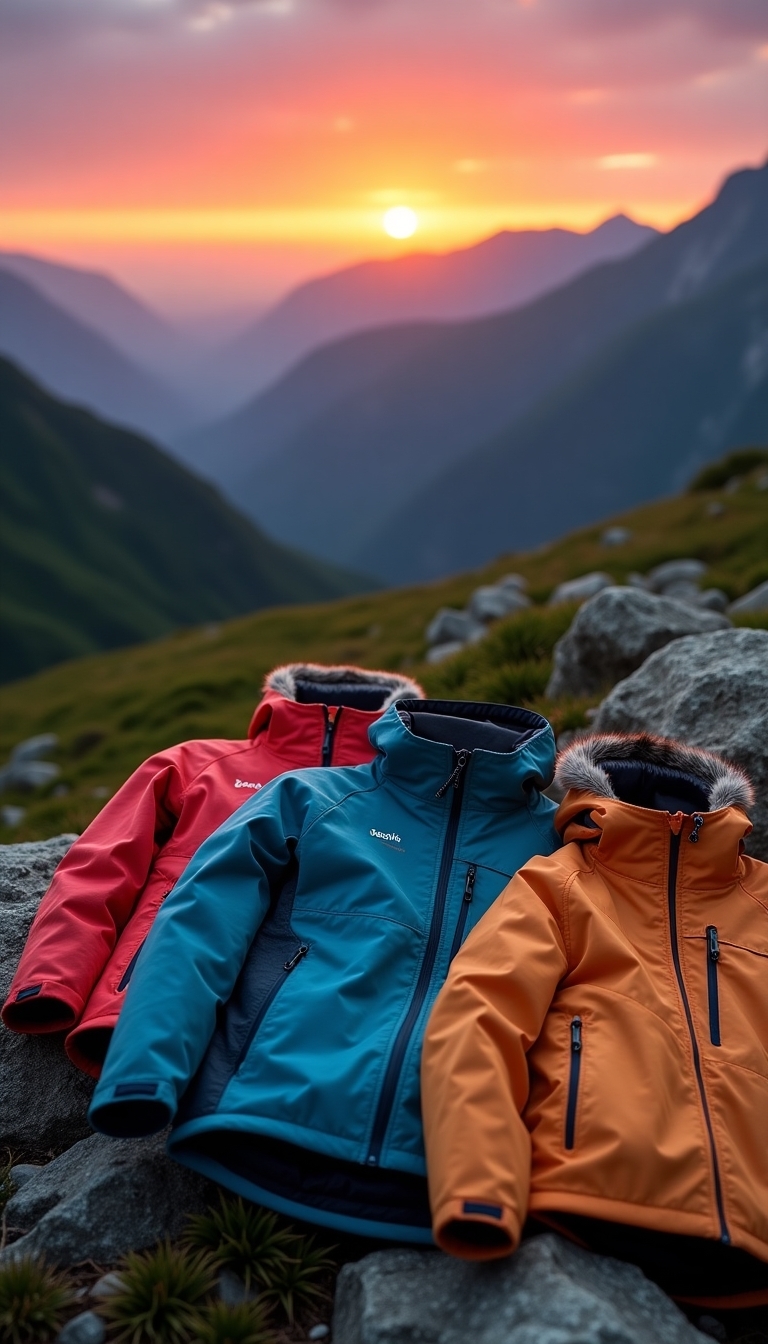
Layering works on a three-part system that gives you flexibility as conditions change throughout the day. Your base layer sits against your skin and should wick moisture away so you don’t get clammy when you sweat.
The middle insulating layer traps warm air close to your body, with fleece and merino wool being the most common options. Your outer shell protects you from wind, rain, and snow while allowing moisture from inside to escape so you don’t end up soaked from your own perspiration.
SEE THIS: How to Store Your Hiking Boots So They Last Longer!
Choosing Moisture-Wicking and Quick-Drying Fabrics
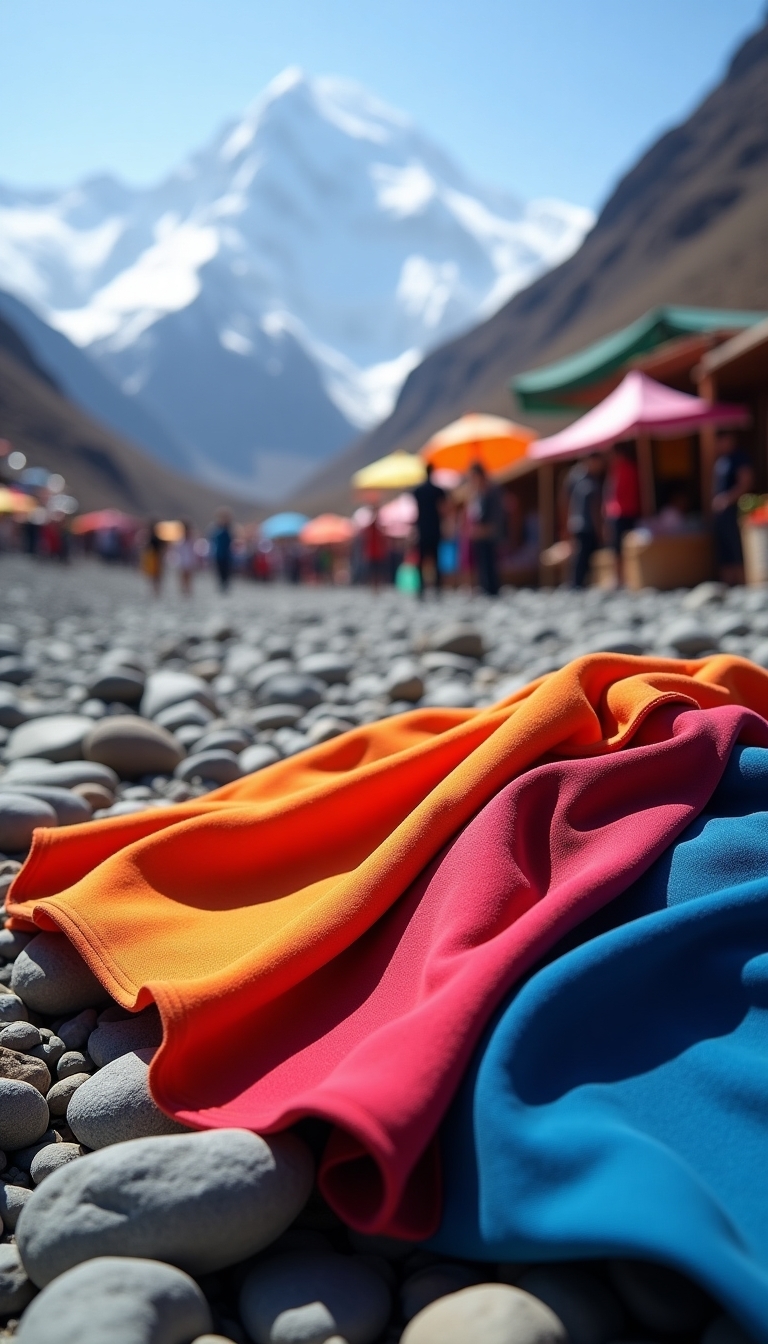
Polyester and nylon dry quickly and move sweat away from your skin efficiently, making them reliable choices for active days. These synthetic fabrics often come with antimicrobial treatments that reduce odor, letting you wear the same shirt multiple days without offending anyone.
Merino wool regulates temperature better than synthetics and resists smell naturally, though it takes longer to dry when wet. Skip cotton entirely since it absorbs moisture, stays wet, and can leave you dangerously cold in the wrong conditions.
SEE THIS: Pinterest-Perfect Hiking Outfits for Every Summer Adventure!
Multi-Use Clothing: Maximizing Your Packing Efficiency
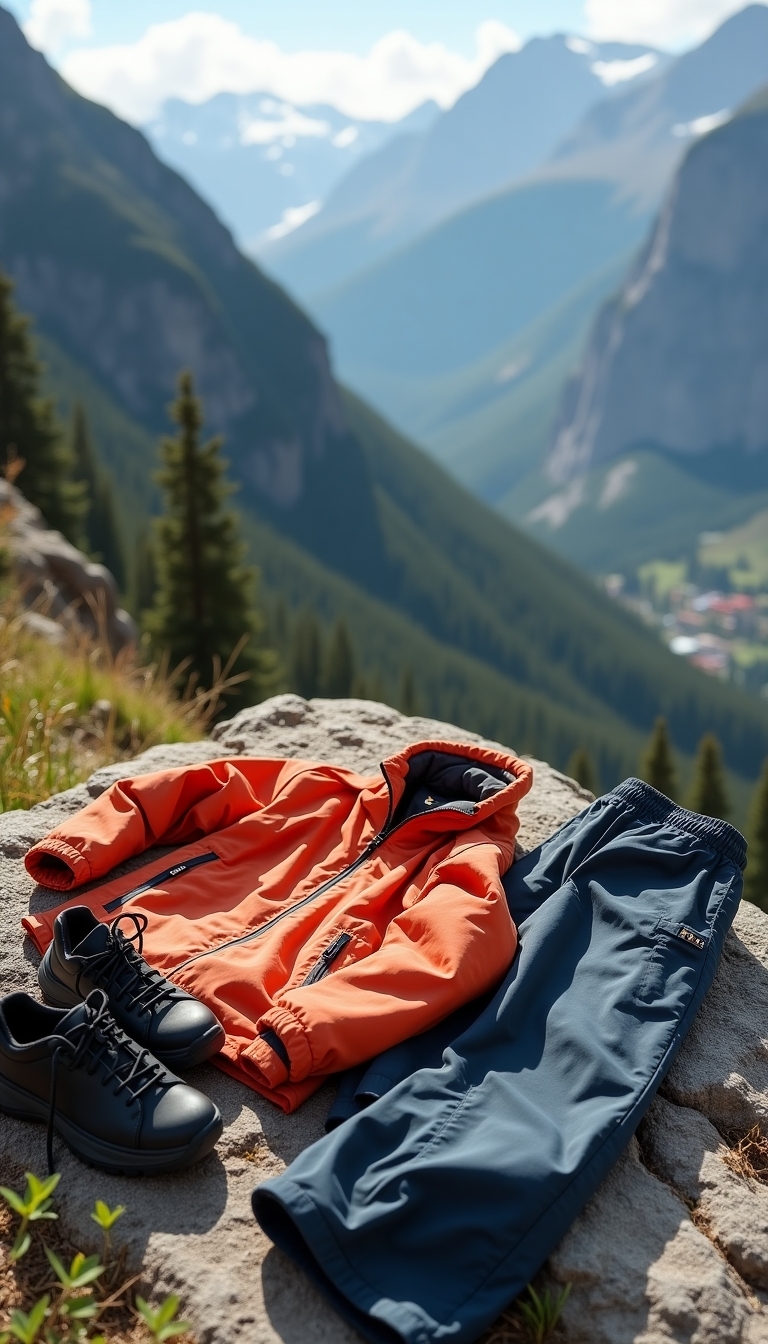
Versatile pieces that serve multiple purposes cut down on what you need to carry significantly. A cardigan that converts into a scarf or can be worn as a dress gives you several outfit options from one item.
Dark colors hide dirt better than light ones, keeping you looking presentable longer between washes. Convertible pants with zip-off legs work as both shorts and long pants, adapting to temperature changes without requiring you to pack both.
SEE THIS: Aesthetic Hiking Gear to Match Your New Boots!
Essential Accessories for Changing Weather Conditions
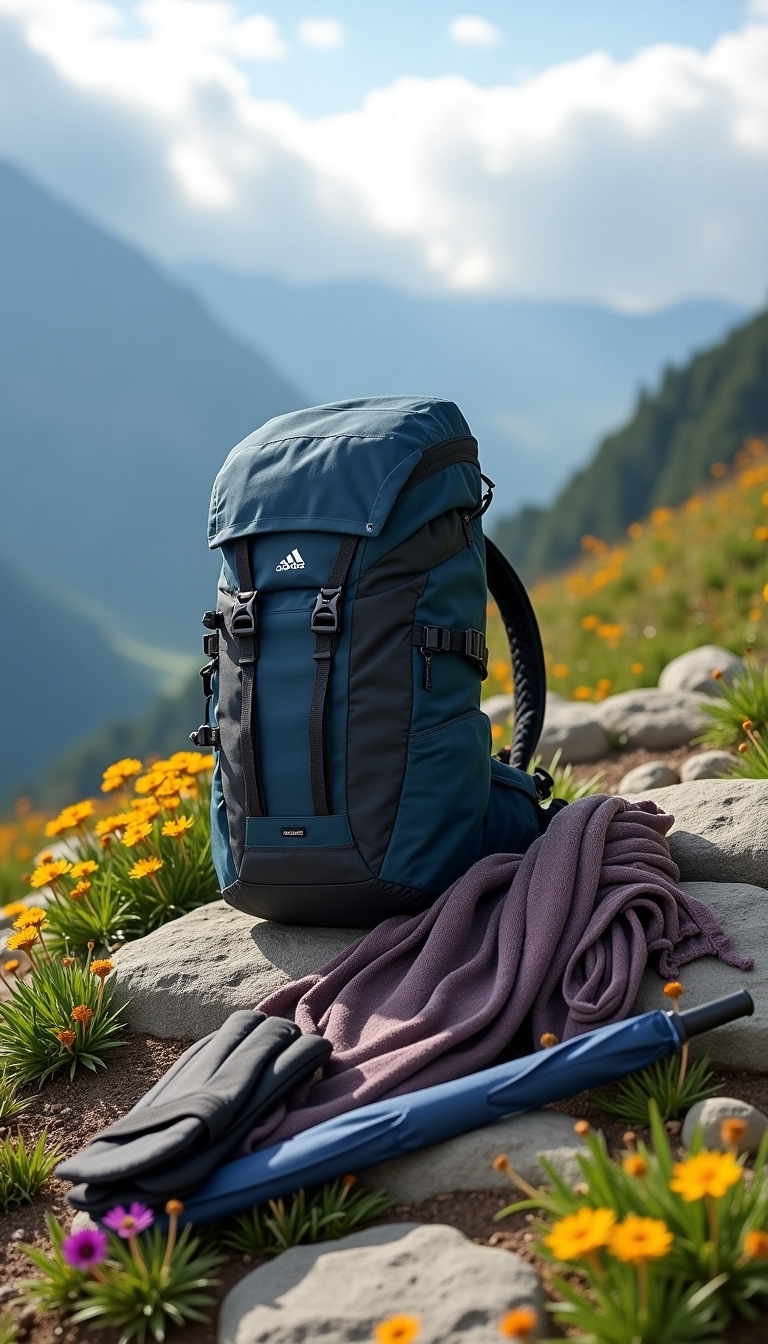
A lightweight packable rain jacket like the Columbia Outdry Ex keeps you dry without taking up much space in your pack. Bring a hat that works in multiple conditions, ideally one that packs flat and handles both sun and rain.
Convertible mittens that flip back to expose your fingers let you handle gear without removing them completely in cold weather. Wet socks designed for water activities keep your feet warm even when soaked, which matters more than you’d think on rainy days.
Balancing Style and Functionality in Backpacking Clothes
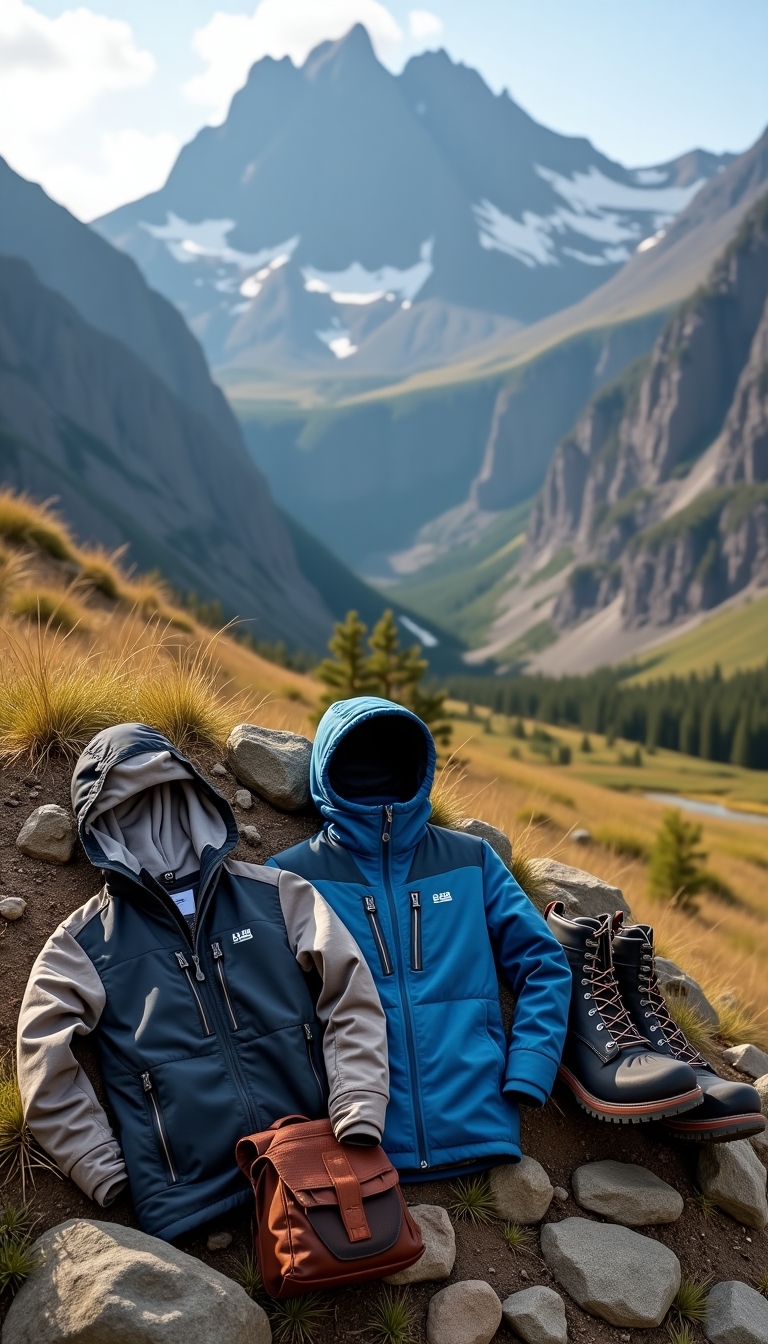
Functional outdoor clothes don’t have to look aggressively technical if you choose pieces with clean lines and minimal branding. Stick to a neutral color palette of blacks, grays, navies, and earth tones that mix easily and look deliberate rather than random.
Performance fabrics now come in cuts and styles that read as normal clothing rather than hardcore gear. The goal is looking like someone who happens to be prepared, not like you’re attempting to summit Everest on your way to the grocery store.
Lightweight and Durable Accessories to Reduce Weight
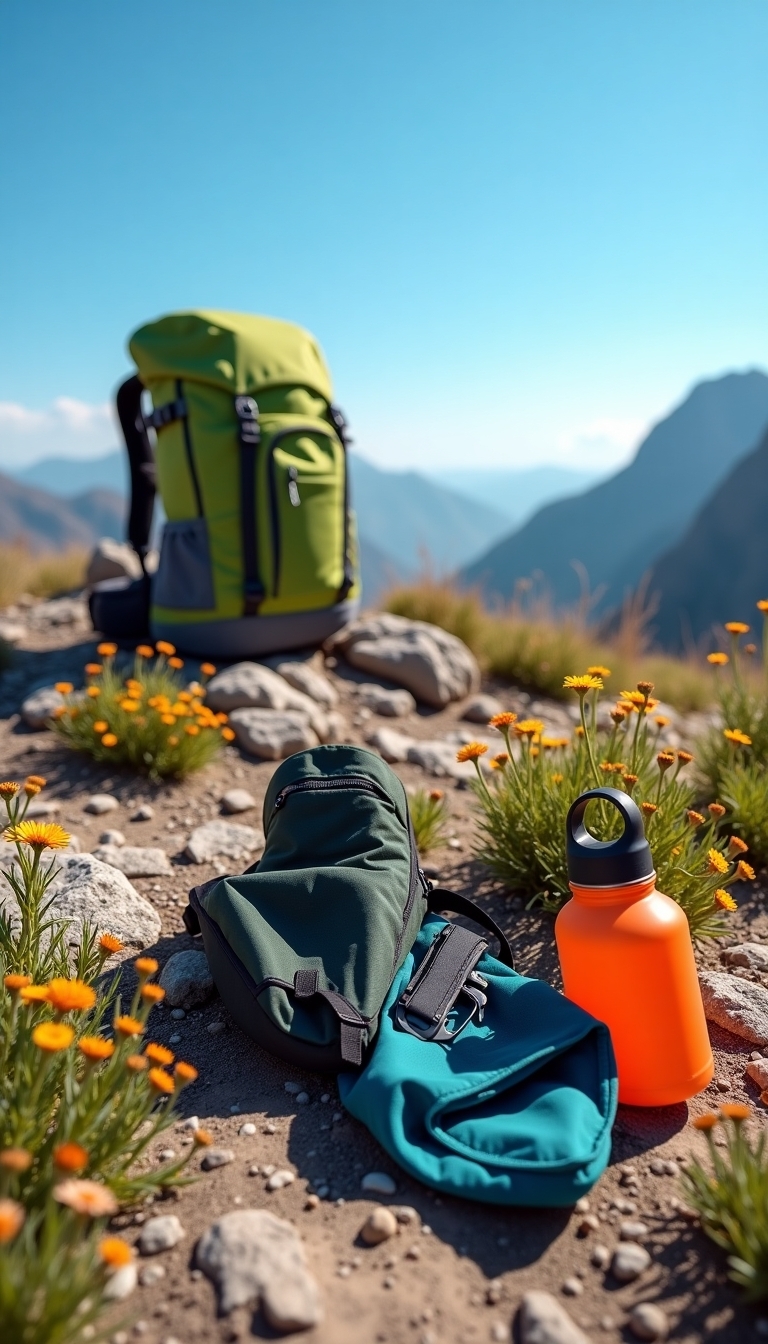
An ultralight sleeping pad at under 8 ounces provides cushioning without the bulk of traditional foam pads. Inflatable pillows weigh just over an ounce and compress to almost nothing, a worthwhile comfort item that barely affects your pack weight.
Trekking poles collapse small and provide stability on uneven terrain while doubling as tent poles for some shelter systems. Small organizational pouches keep your gear sorted and typically weigh less than half an ounce each.
The Role of Innovative Fabrics and Smart Technology
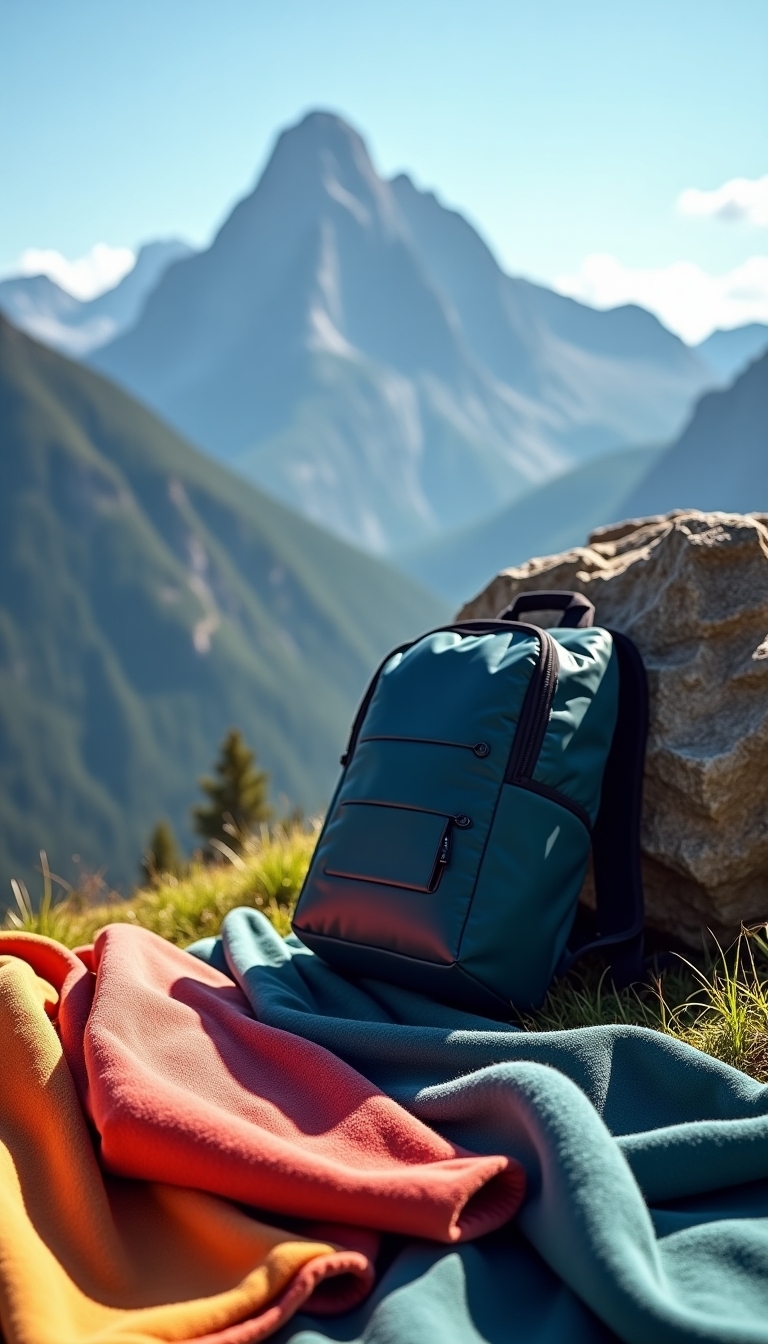
Modern fabrics like Dyneema offer strength comparable to steel at a fraction of the weight, changing what’s possible for ultralight gear. Waterproof materials like X-Pac combine multiple layers into single fabrics that breathe better than older waterproof options.
Some newer packs include load-adjustment systems that shift weight distribution as terrain changes, reducing fatigue over long days. Reflective materials and waterproof zippers add safety and functionality without requiring batteries or electronics.
Sustainability in Outdoor Clothing Choices
Many outdoor brands now use recycled polyester made from plastic bottles, giving waste materials a second life as functional clothing. Organic cotton requires less water and fewer pesticides than conventional cotton, though it still doesn’t perform as well as synthetics for active use.
Look for companies offering repair services or take-back programs that keep gear in use longer or recycle it properly at the end of life. Buying quality pieces that last years costs more upfront, but creates less waste than replacing cheap gear every season.
Seasonal Gear Considerations for Year-Round Adventures
Summer hiking requires breathable, lightweight fabrics and good sun protection, with a rain layer for afternoon storms. Spring and fall bring variable conditions that demand versatile layering, including a warm mid-layer you can add or remove easily.
Winter calls for insulated, waterproof outer layers and base layers that manage moisture even when you’re working hard in the cold. Your footwear needs change dramatically by season, from light trail runners in summer to insulated waterproof boots when snow and ice appear.