Your apartment has to do a lot of heavy lifting these days. It’s your office, your sanctuary, your social space, and your place to decompress after a long week.
Getting that balance right takes more than a few throw pillows and a scented candle. The good news is that 2026 design is moving in a direction that actually makes sense for how working women live. These ideas are practical, personal, and worth stealing.
Contents
- 1 Embracing Warm Retro Colors
- 2 Pattern Drenching for Bold Statements
- 3
- 4 Blending Vintage and Modern Styles
- 5 Creating Romantic Silhouettes
- 6 Prioritizing Minimalist Luxury
- 7 Choosing Neutral Color Palettes
- 8 Integrating Natural Materials
- 9
- 10 Elevating Spaces With Accent Ceilings
- 11 Mixing Metals for Dynamic Interiors
- 12 Using Heritage Fabrics for Depth
- 13 Incorporating Multifunctional Furniture
- 14 Optimizing Desks With Built-In Storage
- 15 Enhancing Spaces With Integrated Technology
- 16 Selecting Cozy Ergonomic Seating
- 17 Creating Inviting Work Environments With Lighting
- 18 Adding Soft Textiles for Warmth
- 19 Mixing Patterns and Textures
- 20 Designing With Playful Sculptural Elements
- 21 Focusing on Sustainable Materials
- 22 Incorporating Biophilic Design Elements
Embracing Warm Retro Colors
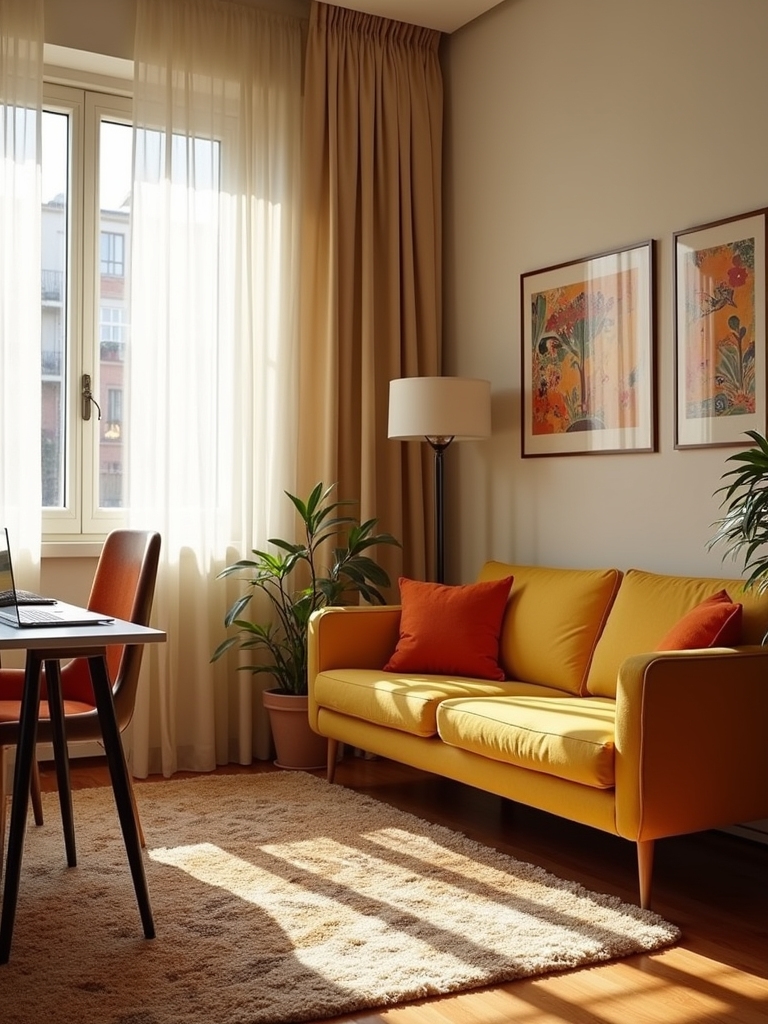
Terracotta is back, and it never really left for a reason. Those warm, dusty tones, think mauve, ochre, and burnt sienna, create a room that feels lived in and loved.
They’re forgiving in low light and somehow make even a compact apartment feel like a real home. Designers are pushing personality-first spaces right now, and warm retro palettes are the easiest way to get there.
SEE THIS: 25 Small Room Makeover Ideas That Feel Big on Style.
Pattern Drenching for Bold Statements
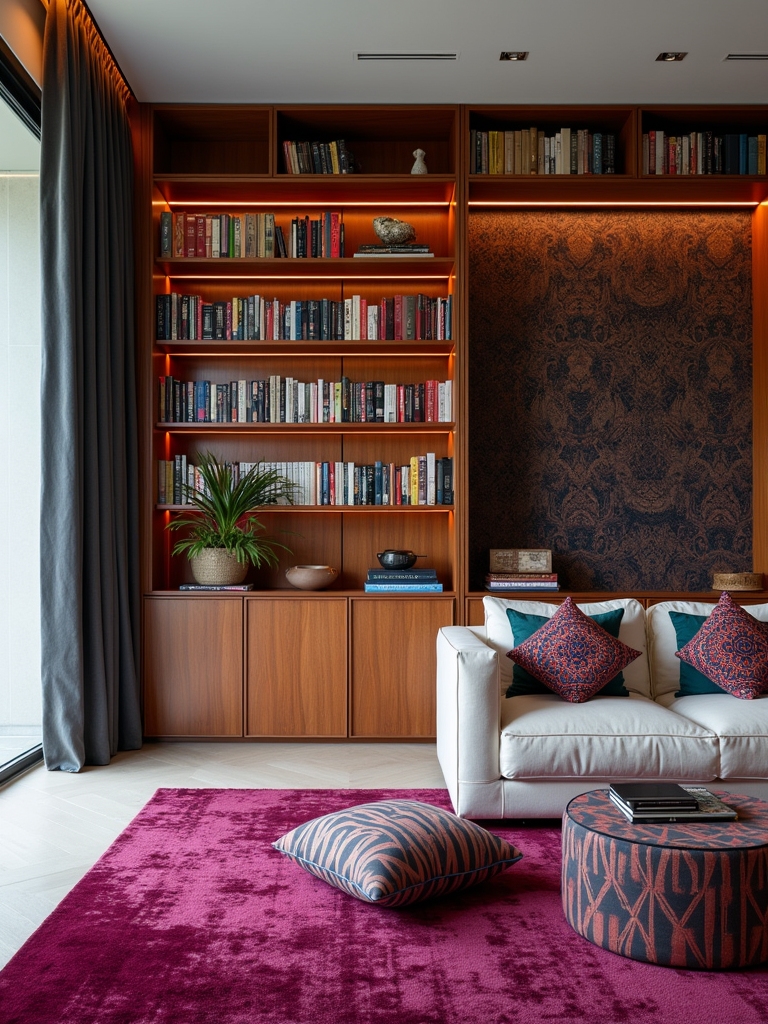
Most people use pattern as an accent and wonder why the room still feels flat. Pattern drenching flips that logic by committing to a cohesive design across walls, upholstery, and textiles at the same time.
The key is choosing one unifying palette first, then letting the pattern repeat across surfaces without apology. Done right, it stops looking like a lot and starts looking like a point of view.
SEE THIS: 21 Stunning Black and Natural Wood Kitchen Ideas for a Cozy-Modern Look.
Blending Vintage and Modern Styles
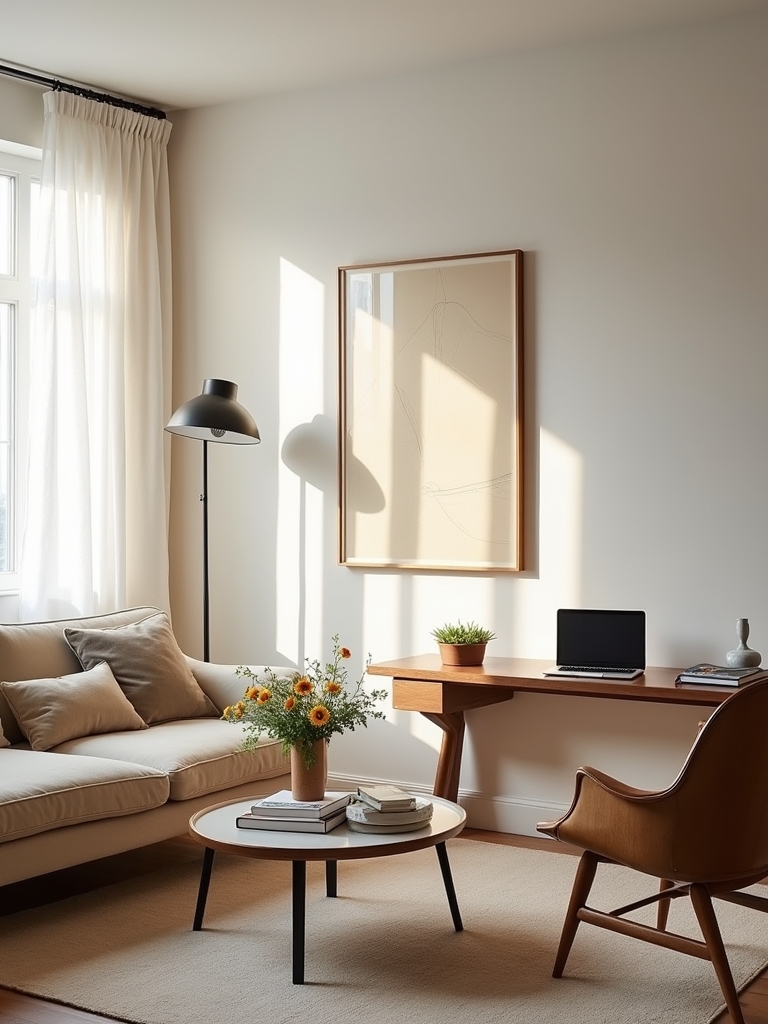
One well-chosen vintage piece can do more for a room than an entire cart from a big-box store. Use it as your anchor, a curved velvet settee, a worn leather chair, a brass floor lamp with a history, then build around it with cleaner, simpler modern pieces.
Neutral backdrops give vintage furniture room to breathe without competition. Proportion matters here; a petite antique side table next to an oversized modern sofa just looks like a mistake.
SEE THIS: How to Add Soft, Feminine Touches to a Vintage Cabin Space.
Creating Romantic Silhouettes
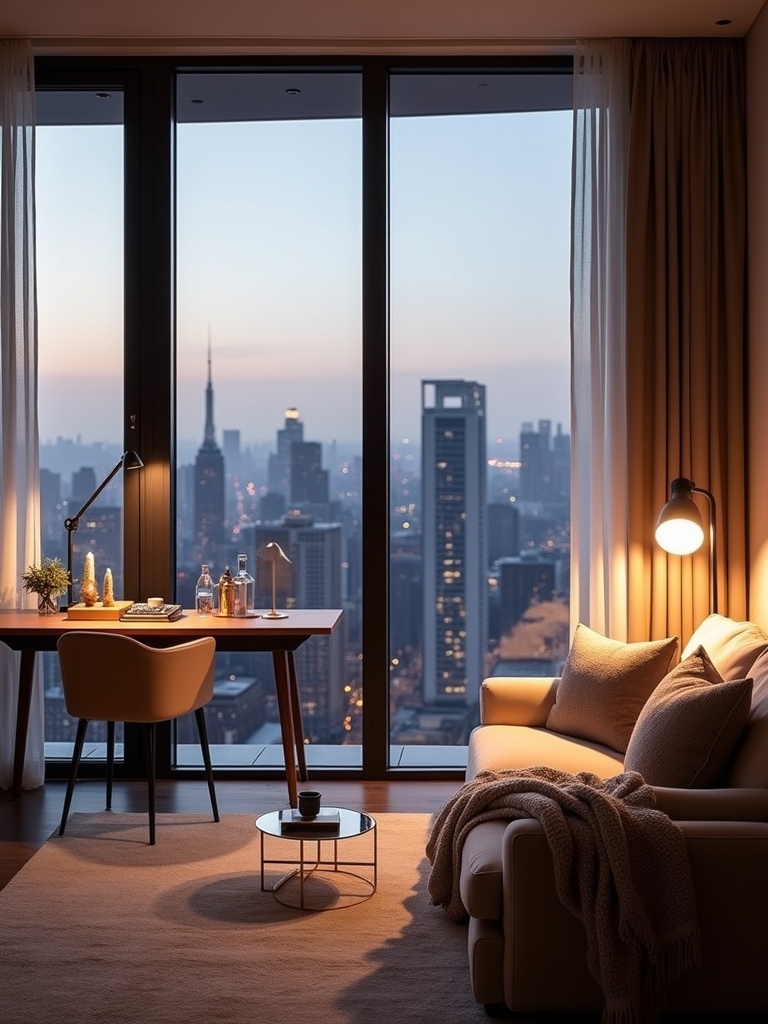
Soft curves make a space feel more human. Tufted sofas with rolled arms, wingback chairs, and cabriole legs carry a sense of ease and intimacy that hard-edged furniture simply can’t replicate.
Round mirrors and spherical lighting keep those curves moving through the whole room. Arrange seating in loose circular groupings and the space naturally encourages conversation rather than just coexistence.
SEE THIS: Small Kitchen Makeover Ideas for 2025 (Perfect for Apartments or Downsizing).
Prioritizing Minimalist Luxury
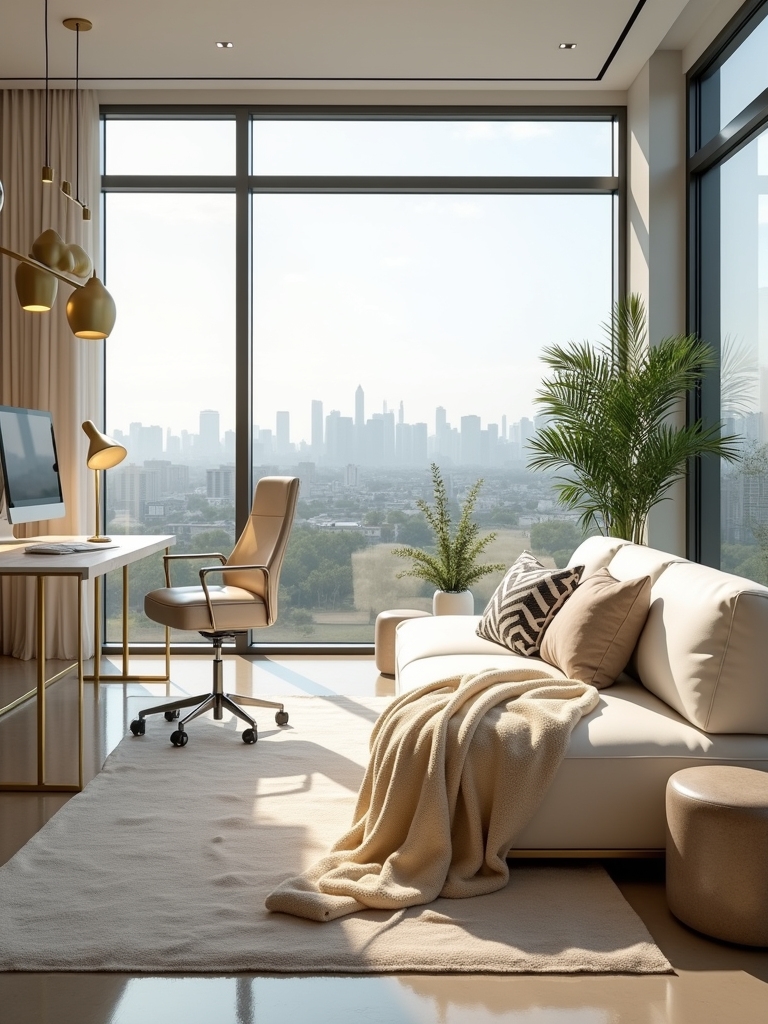
Minimalism gets a bad reputation for feeling cold, but that only happens when the materials are cheap. Warm wood, natural stone, and honest velvet textures read as luxurious without filling up the room.
The goal is fewer pieces that are genuinely beautiful, not a sparse room that just looks unfinished. High-end finishes on multifunctional furniture let you live with less and still feel like you’re living well.
Choosing Neutral Color Palettes
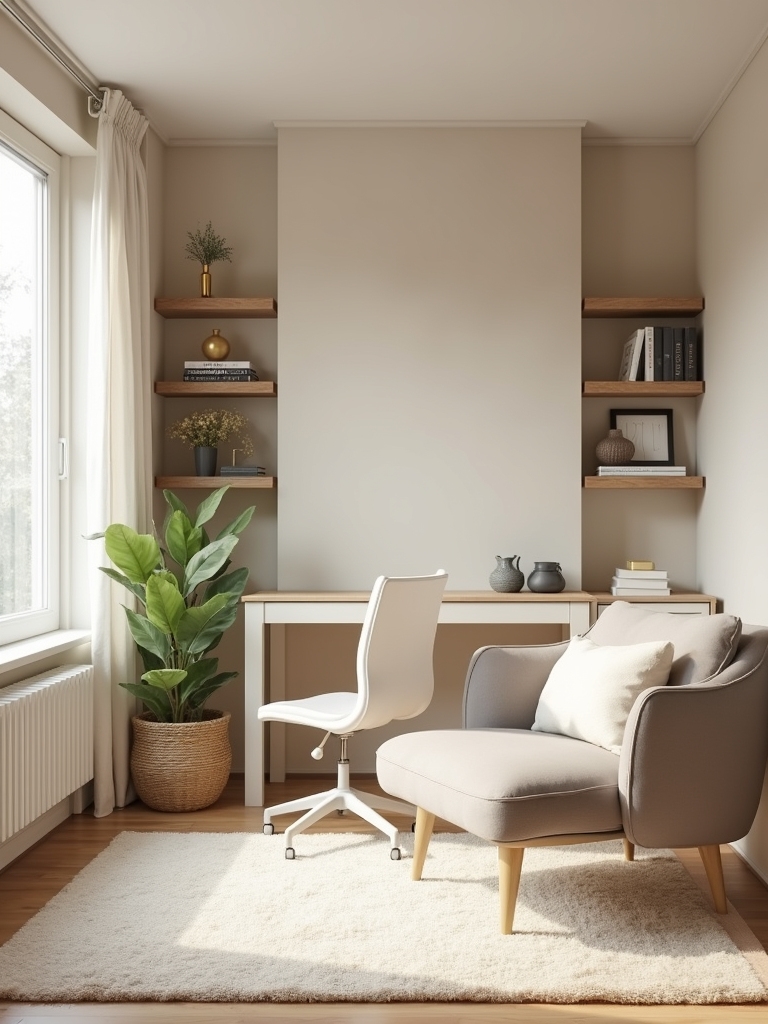
A neutral foundation isn’t a boring choice; it’s a strategic one. Beige, warm gray, and cream give you a canvas that works with whatever you bring into the space, whether that’s a bold vintage rug or a gallery wall that changes every year.
These tones stay calm in rooms that serve double duty as offices and living spaces, which matters more than people admit. Swapping out accents refreshes the whole room without touching the walls.
Integrating Natural Materials
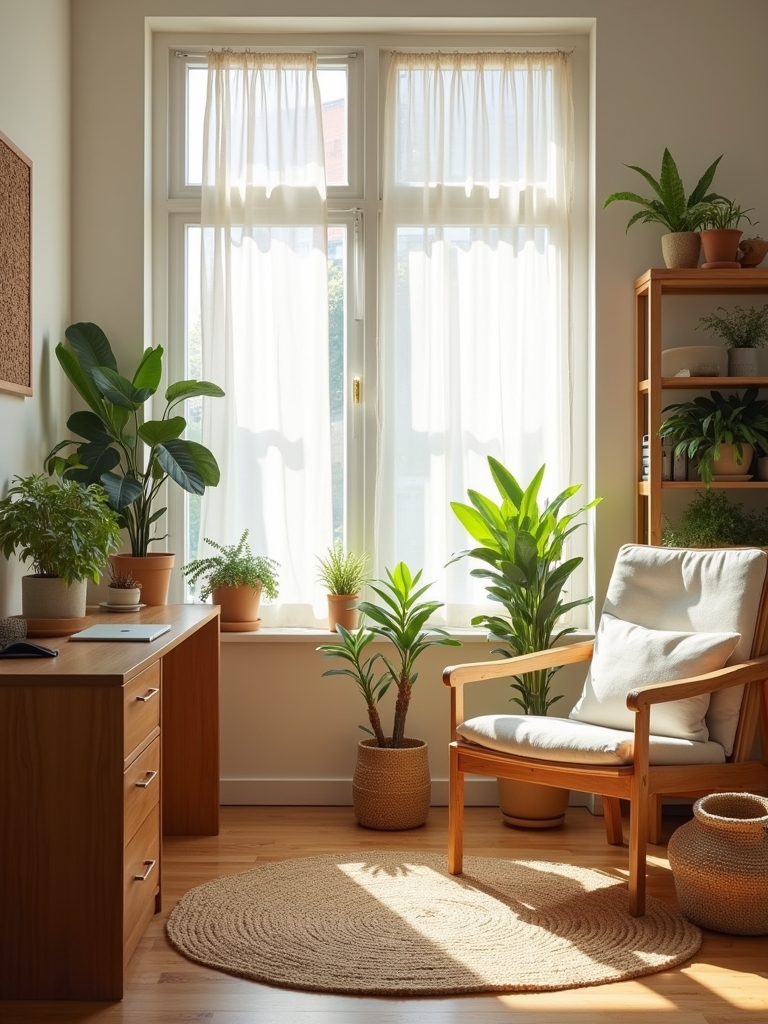
Wood, stone, linen, and wool bring something into a room that manufactured surfaces simply can’t fake. There’s a warmth and irregularity to natural materials that makes a space feel grounded rather than assembled.
Cotton and wool textiles add tactile softness underfoot and overhead, which matters when you’re spending long hours at home. These materials also age honestly; they don’t show wear so much as they develop character.
Elevating Spaces With Accent Ceilings
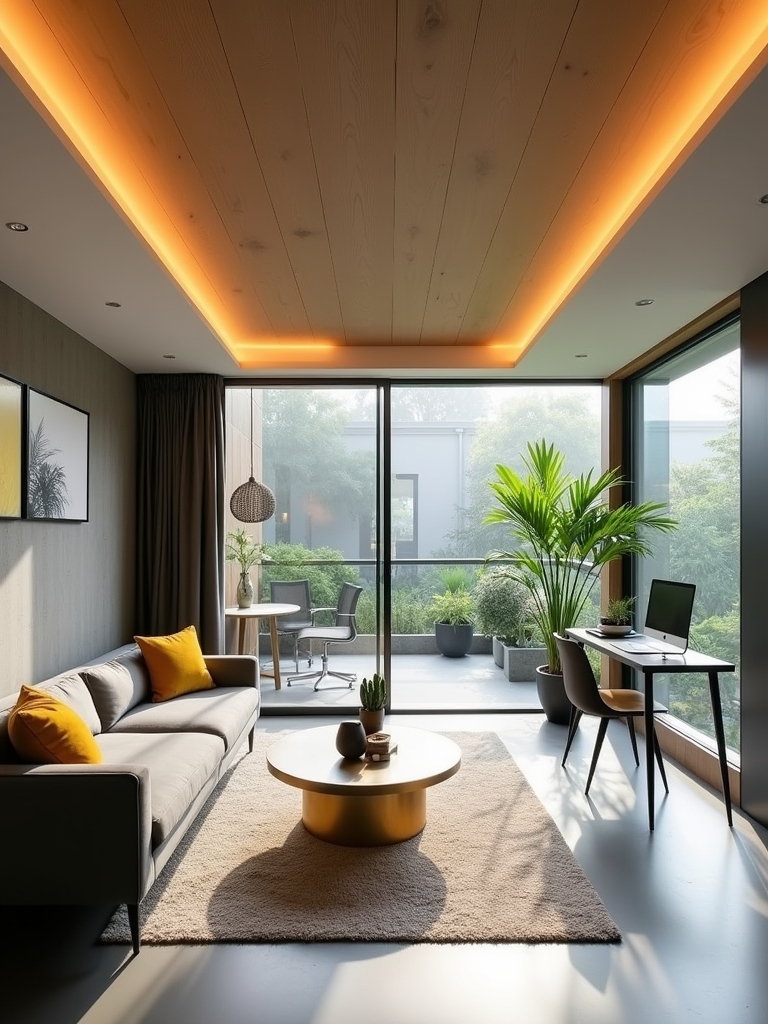
Most people stop decorating at eye level, and that’s a missed opportunity. A coffered pattern adds formality and depth without touching a single piece of furniture.
Wooden beams bring in natural warmth overhead, where it’s least expected. Even a painted ceiling, one shade deeper than the walls, pulls a room together in a way that’s hard to explain until you’ve seen it.
Mixing Metals for Dynamic Interiors
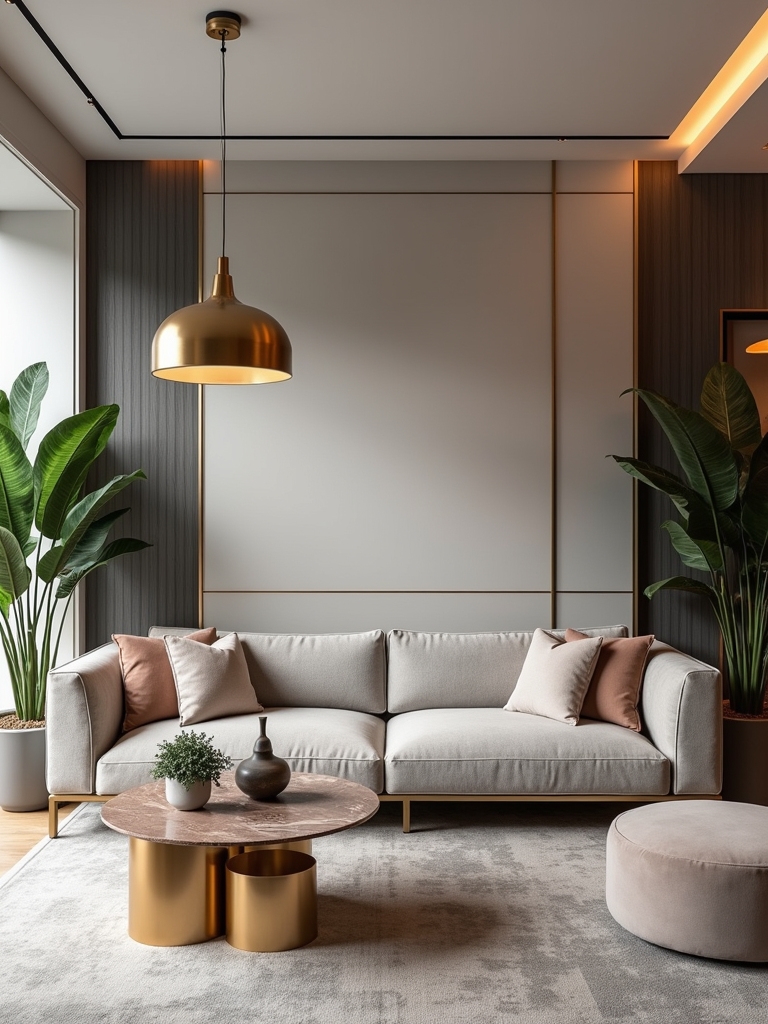
Two or three metals in a room create energy; more than that create noise. Pick your dominant metal, matte black, brushed brass, or polished chrome, and let it carry the larger fixtures.
Bring in a second metal through smaller hardware, frames, or lighting accents. The contrast between warm and cool tones, say brass against steel, adds a layer of sophistication that a single-metal room rarely achieves.
Using Heritage Fabrics for Depth
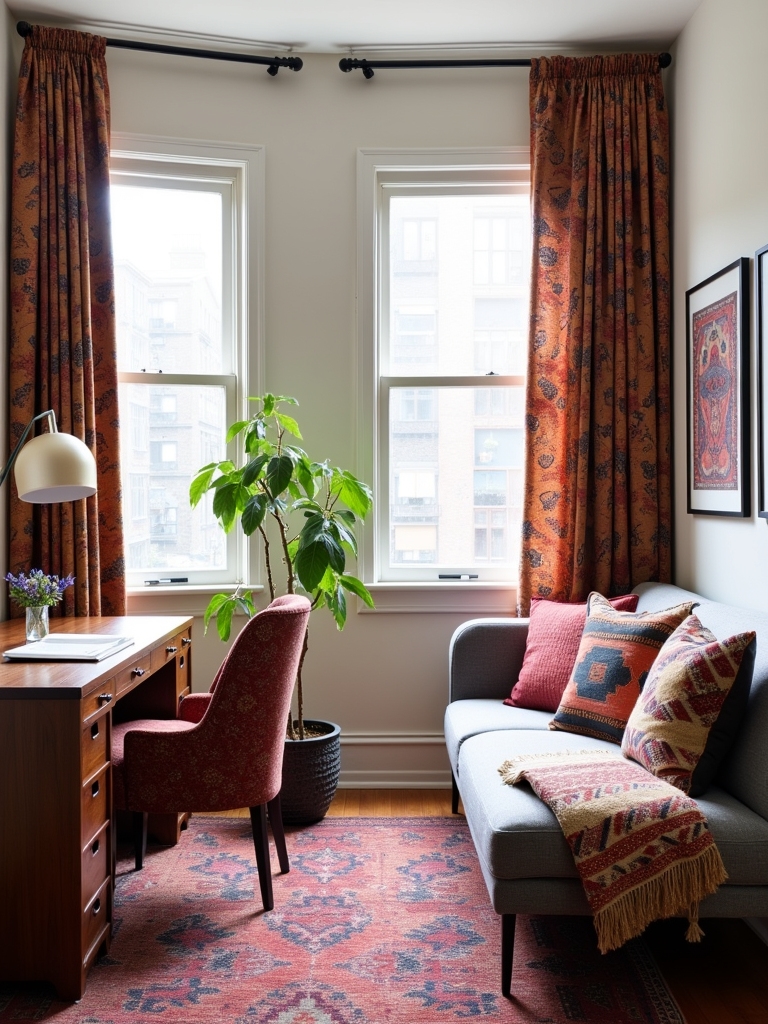
Heritage textiles like velvet, damask, and embroidered Suzani carry visual weight that fast-fashion fabrics simply can’t match. Use them in curtains, cushions, or a single upholstered headboard and they change the entire register of the room.
Toile de Jouy works surprisingly well in modern interiors when you keep everything else restrained around it. The craftsmanship embedded in these fabrics tells a story that a printed polyester throw never will.
Incorporating Multifunctional Furniture
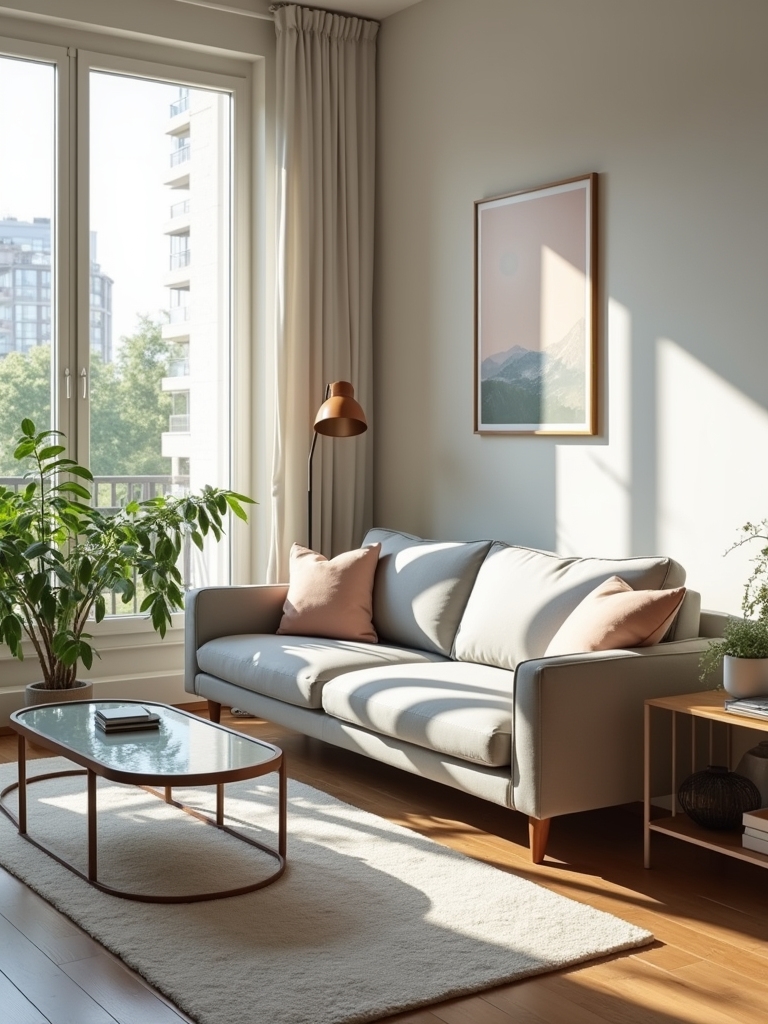
In a smaller apartment, every piece of furniture needs a second job. Sofa beds, extendable dining tables, and storage ottomans are no longer compromise solutions; the design quality has genuinely caught up.
These pieces adapt to your schedule, shifting from work mode to guest room without requiring a total rearrangement. Investing in one or two truly well-made multifunctional pieces beats filling a room with cheap singles that only do one thing.
Optimizing Desks With Built-In Storage
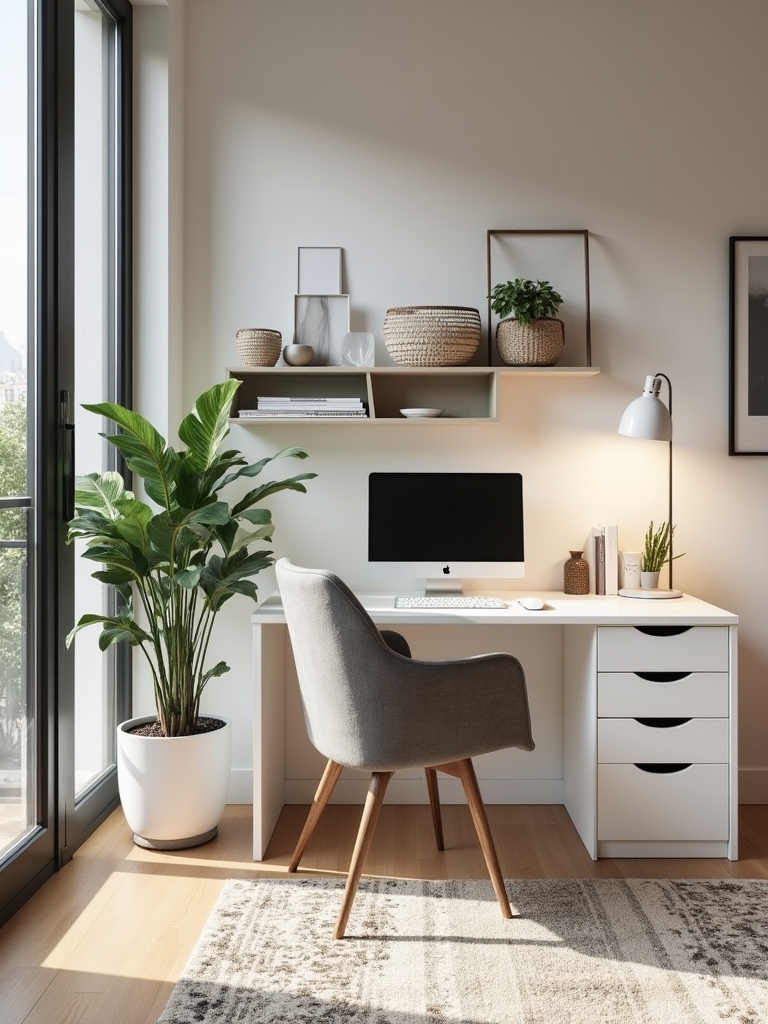
A clear desk surface is not a luxury; it’s a productivity tool. Floating desks with integrated shelving keep your essentials within reach without eating into the floor plan.
L-shaped corner configurations are worth the footprint because they physically separate your work zone from the rest of the room. Custom pegboards and varied compartment sizes handle the organizational details that generic drawer units never quite solve.
Enhancing Spaces With Integrated Technology
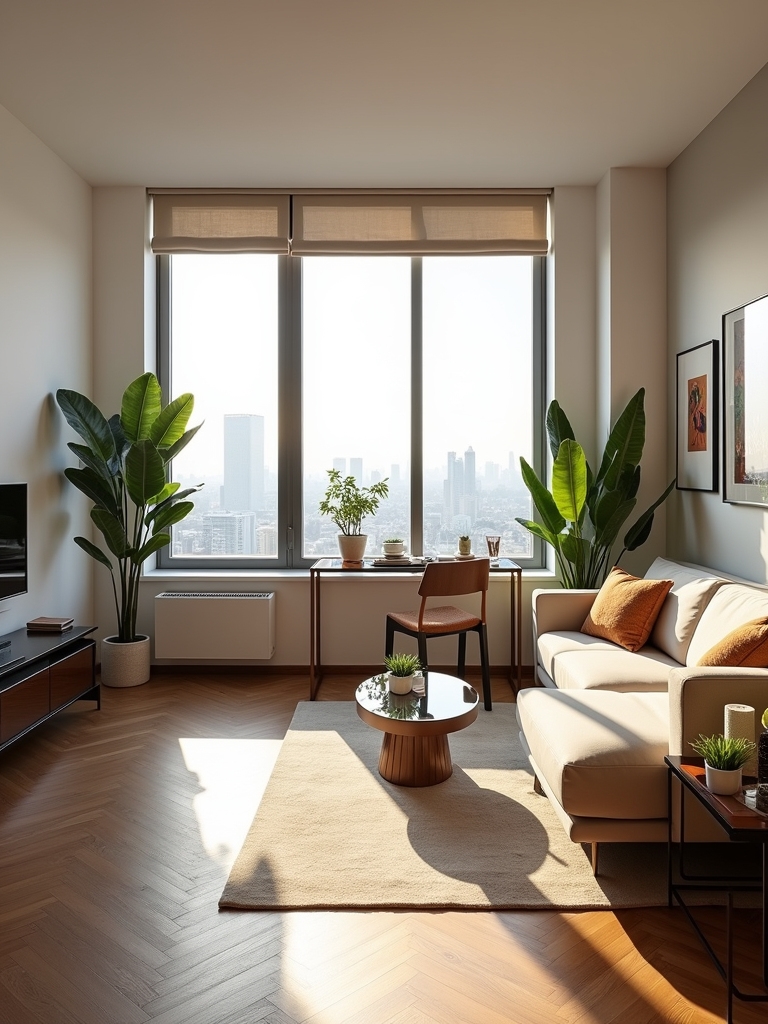
Smart lighting does more than save energy; it changes how a room feels at different times of day. Warmer tones in the evening shift your brain out of work mode, which matters when your office and living room share the same square footage.
oice-controlled systems and smart thermostats reduce the small daily friction that quietly adds up over a week. These tools work best when they disappear into the background; the room should feel intuitive, not like a tech demo.
Selecting Cozy Ergonomic Seating
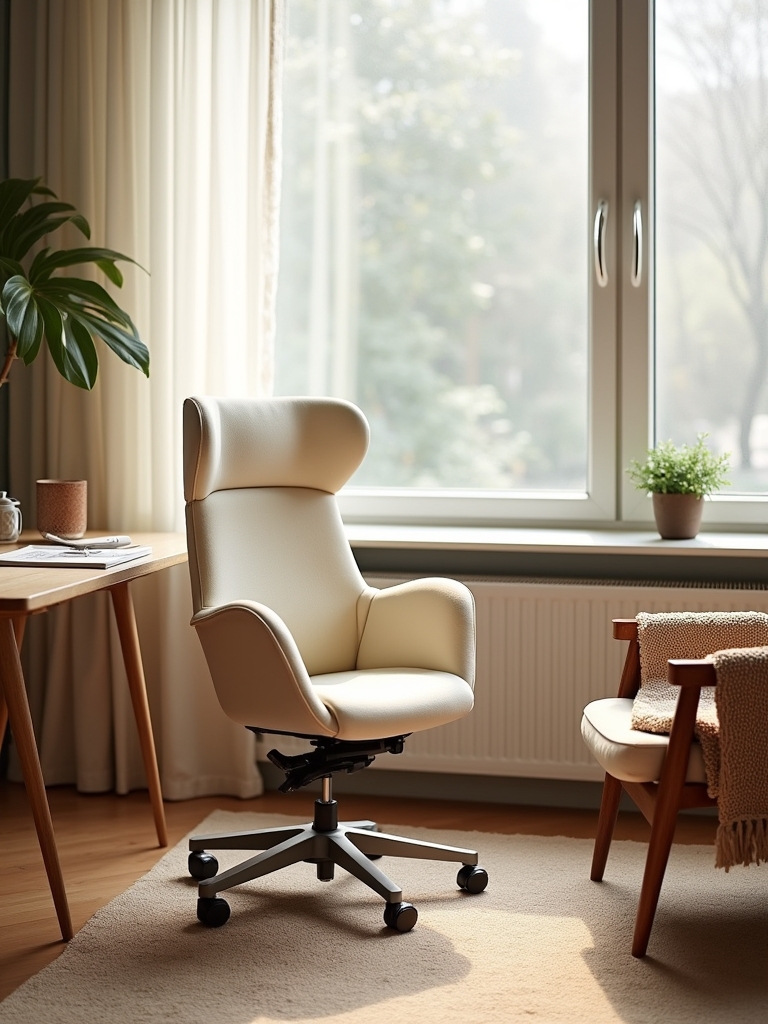
Your chair will either support your work or quietly undermine it. Adjustable seat height, contoured lumbar support, and seat depth that actually fits your frame are baseline requirements for anyone sitting for hours, not upsells.
Breathable mesh backs keep you comfortable without that trapped, overheated feeling that kills afternoon focus. Soft padding at the seat and armrests closes the gap between functional and genuinely pleasant to sit in.
Creating Inviting Work Environments With Lighting
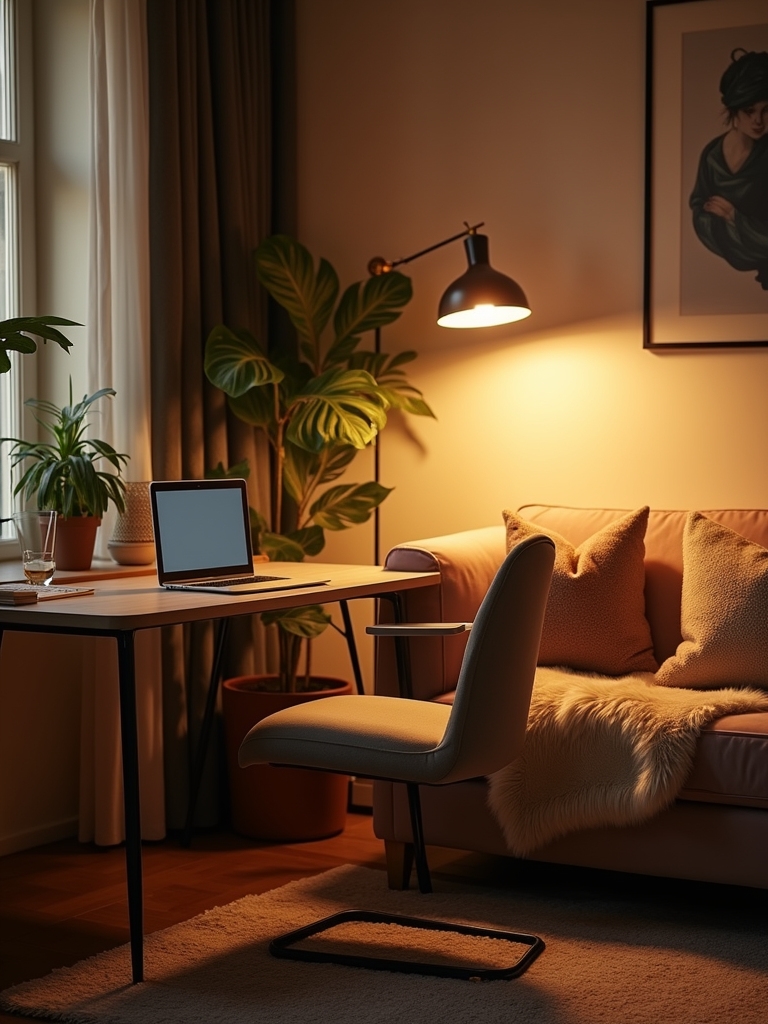
Getting the light right in a home office is one of the most impactful and most overlooked improvements you can make. Aim for 300 to 500 lux at your task surface, with a cooler color temperature around 5800 Kelvin for peak daytime alertness.
Layering ambient and task lighting gives you control as the day shifts from morning calls to late-afternoon focused work. An adjustable system means you’re never locked into one setting that works for nothing particularly well.
Adding Soft Textiles for Warmth
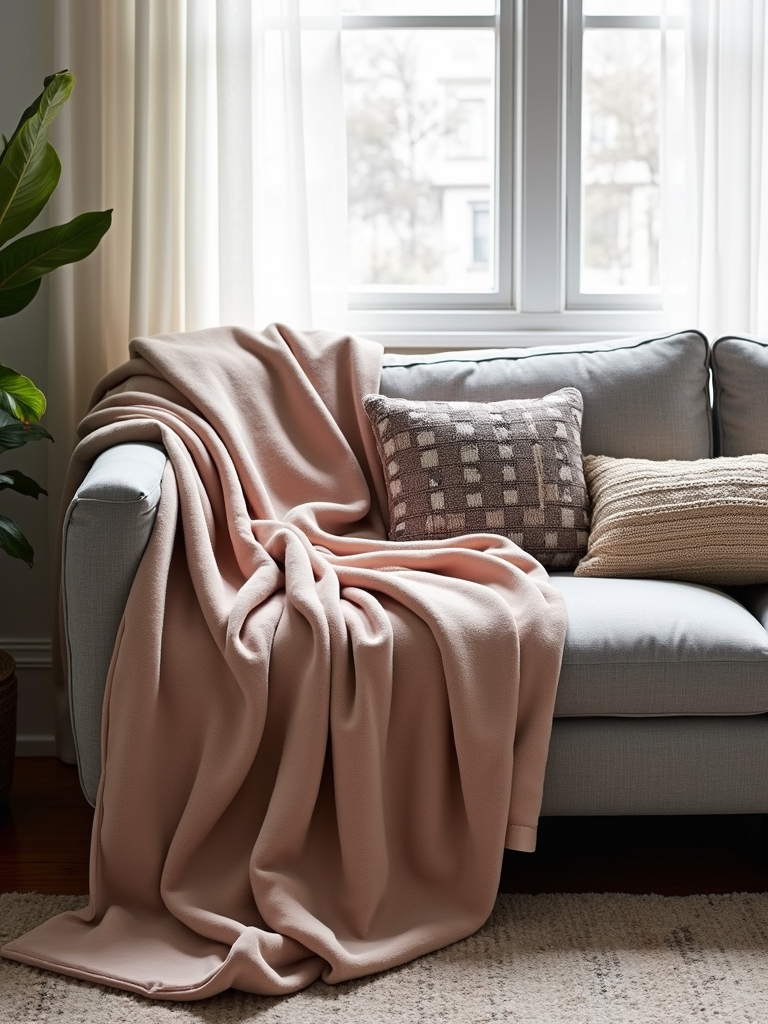
Lighting sets the stage, but textiles are what make a room feel like yours. Velvet curtains and layered throw pillows absorb sound as much as they add softness, which matters more in a hard-surfaced modern apartment than most people realize.
Cotton and linen keep things breathable through warmer months, while faux fur and plush accents pull the room back into coziness when the temperature drops. Performance fabrics have come a long way, and choosing them for high-use pieces means you don’t have to choose between comfort and practicality.
Mixing Patterns and Textures
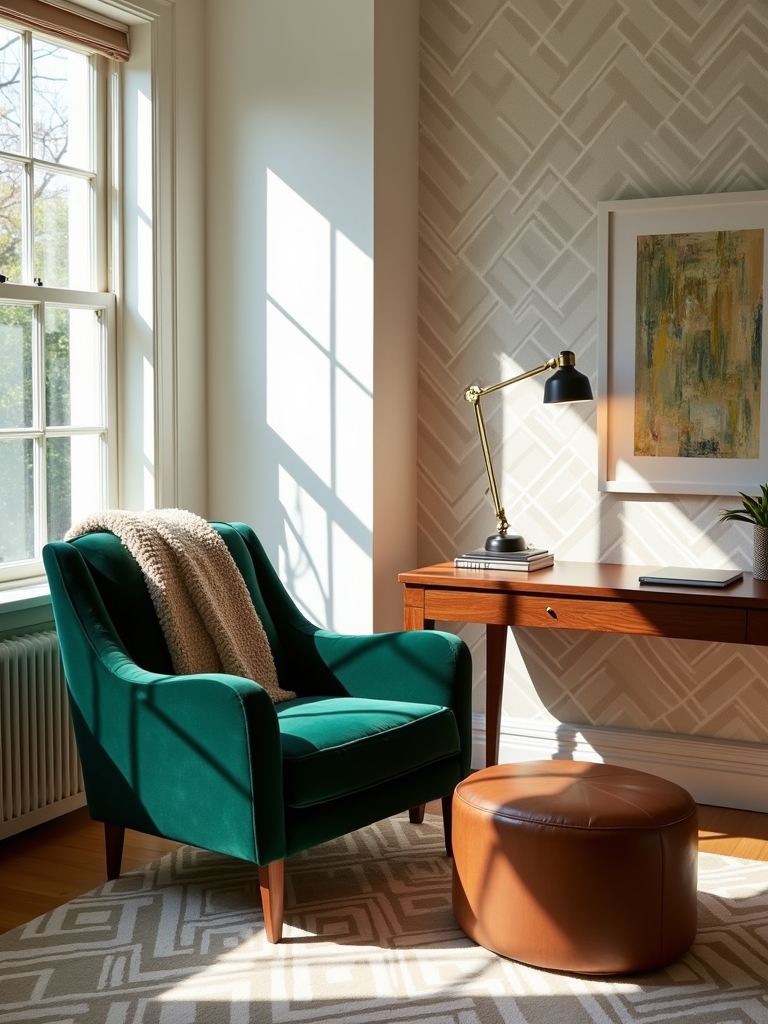
Start with a neutral base and a locked-in color palette before you bring in a single pattern. From there, vary the scale deliberately, pairing large florals against tighter geometrics so they read as companions rather than competitors.
Layering textures, velvet against jute, linen against leather, adds the kind of depth that photographs can’t fully capture but feels immediately right in person. This is where a room stops looking decorated and starts feeling designed.
Designing With Playful Sculptural Elements
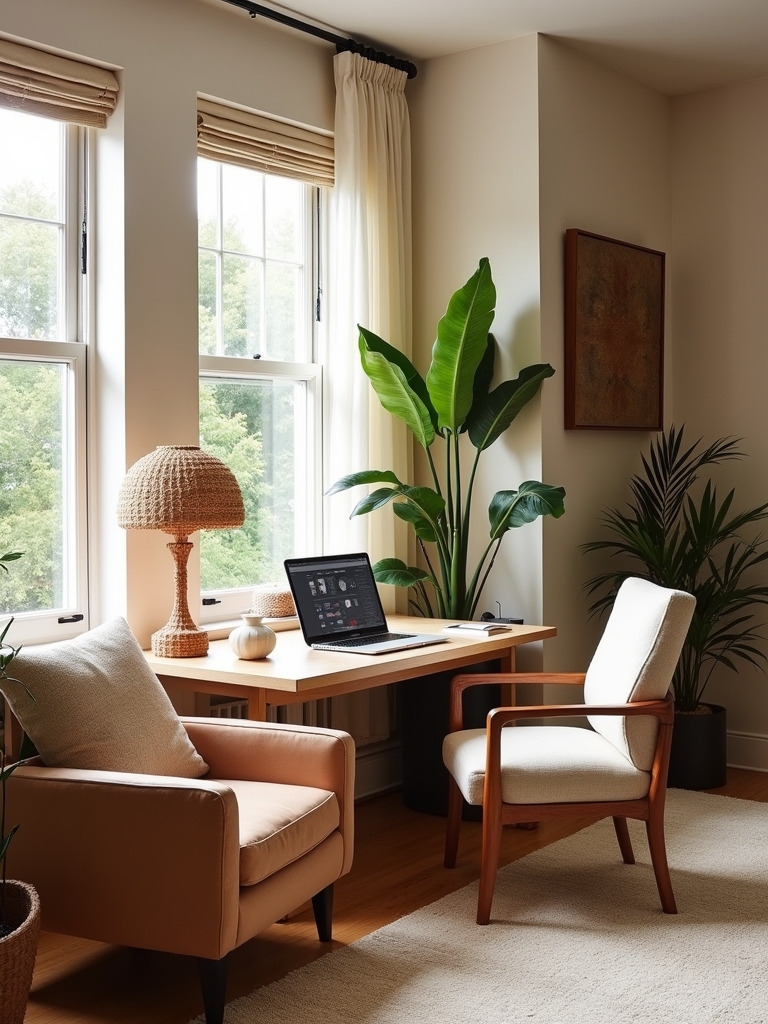
A well-chosen sculptural piece does something that furniture and textiles can’t: it signals that the space was considered. Abstract forms on a desk or shelf introduce personality without requiring an explanation.
Organic shapes, irregular ceramics, hand-formed clay vessels, break up the visual rigidity of modern interiors. Choose materials that suit the room’s existing palette and the piece will feel discovered rather than purchased.
Focusing on Sustainable Materials
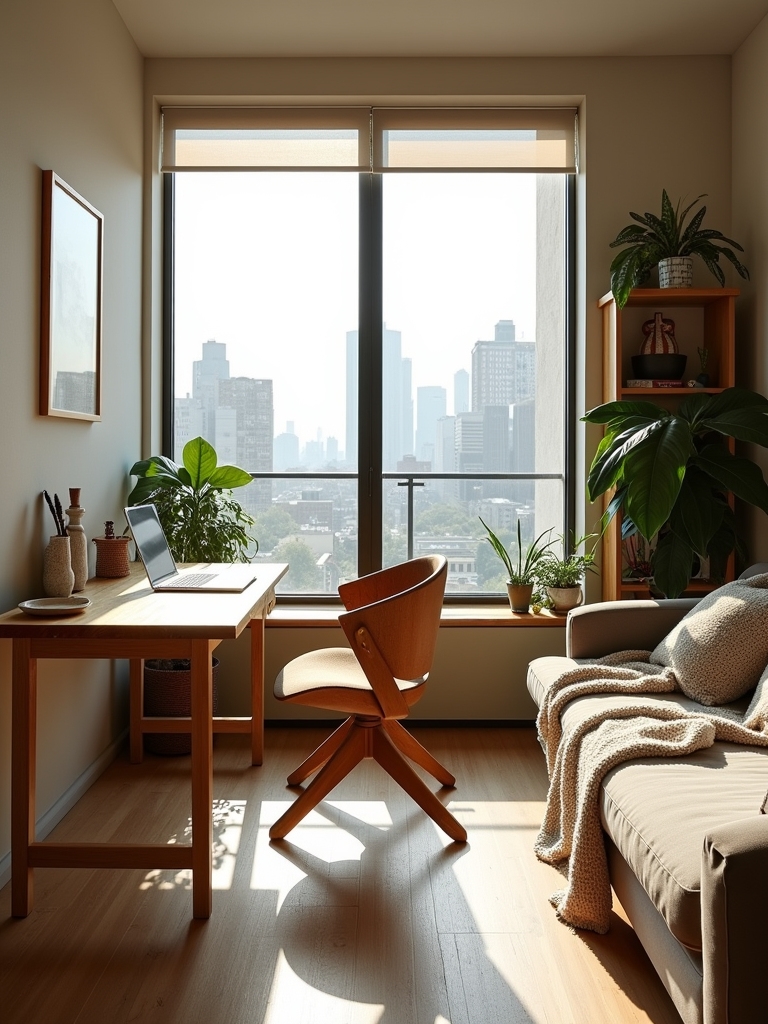
Bamboo, cork, and organic cotton are good material choices on their own merits, not just because they carry an eco-friendly story. Bamboo is genuinely strong and handles furniture applications well without the weight of traditional hardwood.
Cork flooring is warm underfoot, naturally resistant to moisture, and far more comfortable to stand on for long stretches than tile or stone. Organic cotton textiles skip the synthetic finishes that make cheaper fabrics feel stiff and lifeless after a few washes.
Incorporating Biophilic Design Elements
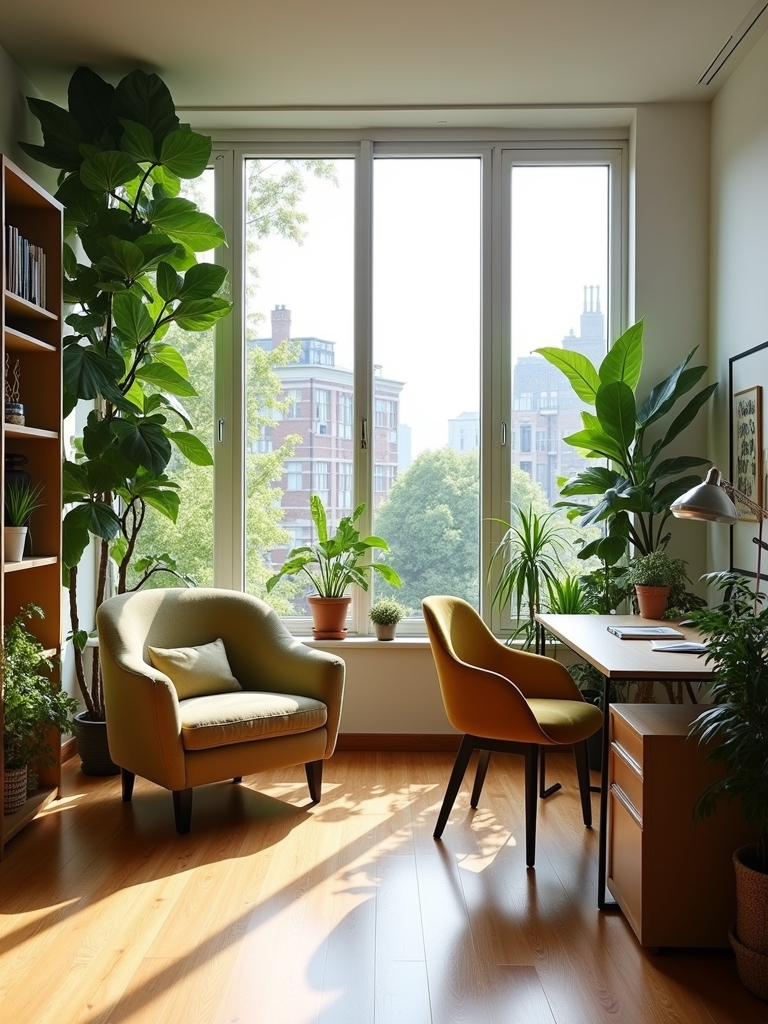
Living plants change the air quality and the mood of a room in ways that are hard to quantify but easy to feel. A single fiddle-leaf fig in a corner or a cluster of smaller pots on a windowsill connects the interior to something living and growing.
Large windows and maximized natural light do the same work more quietly, anchoring you to the rhythm of the day even when you’re working from the fourth floor. Earthy color palettes and organic materials carry that same grounding energy into the walls themselves, so the room feels calm without trying too hard.