A rig under 20 feet long often feels like boarding a crowded subway car at rush hour. Every inch is prime real estate, and one wrong move usually ends with a stubbed toe. Success in such a tight footprint relies on smart, intentional layout choices.
Small shifts in perspective can help you create a functional living area where every item has a specific home. Having a dedicated spot for gear means you aren’t constantly shuffling bags from the bed to the table. It keeps the flow of the cabin moving smoothly.
In essence, turning a tiny camper into an organized haven makes the journey feel less like a chore and more like a vacation. Once everything is tucked away, the interior feels much bigger and far more inviting. Let’s dive into how you can make this happen.
Contents
- 1 Key Takeaways
- 2 Assess Your Space
- 3 Designate a Kitchen Zone
- 4 Bedroom Bliss: Small Camper Organization Bedroom Tips
- 5 Optimize Your Bathroom Storage
- 6 Maximize Closet Space
- 7 Crafty and Clever: Small Camper Organization DIY Hacks That Work
- 8 Use Vertical Storage Solutions
- 9 Invest in Multi-Functional Furniture
- 10 Prioritize Essential Items
- 11 Utilize Under-Bed Storage
- 12 Use Magnetic Strips for Small Items
- 13 Keep a Cleaning Supply Caddy
- 14 Make Use of Wall Space
- 15 Tidy Trailers: Camper Organization for Travel Trailers on the Move
- 16 Regularly Declutter and Reassess
- 17 Implement a Packing System
- 18 Organize With Bins and Baskets
- 19 Create a Dedicated Gear Area
Key Takeaways
- Assess and prioritize items, keeping only essentials that enhance comfort and functionality in your limited space.
- Utilize vertical storage solutions like shelves and pegboards to maximize wall space and free up floor area.
- Invest in multi-functional furniture, such as sofas that convert to beds or tables with hidden storage.
- Organize kitchen and bathroom items in stackable containers and labeled bins for easy access and minimal clutter.
- Establish a regular cleaning and evaluation routine to maintain order and let go of unused items.
Assess Your Space
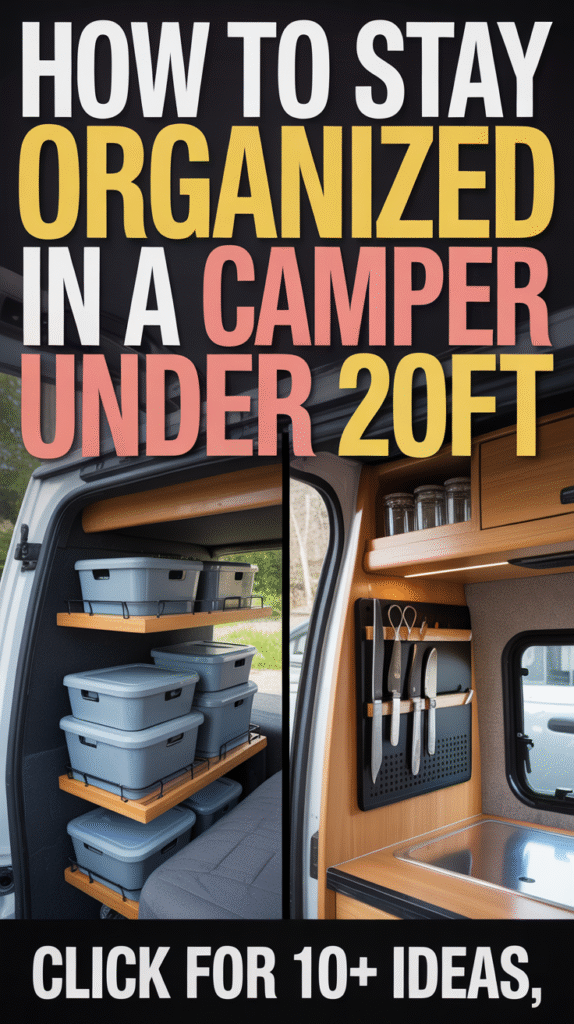
A critical eye is the only tool you need to truly assess your space before you start packing. It helps to empty every drawer and cabinet to see what’s actually worth the weight. Determine which items you use frequently and which ones you can do without.
Then, you look at the layout of your camper, you’ll quickly spot the cramped zones that need the most attention.
Next is your personal habits; It dictates your specific storage needs on the road. A minimalist hiker needs a totally different setup than someone who travels with a full spice rack. Identifying how you live helps you prioritize the essentials so the rig stays functional.
Designate a Kitchen Zone
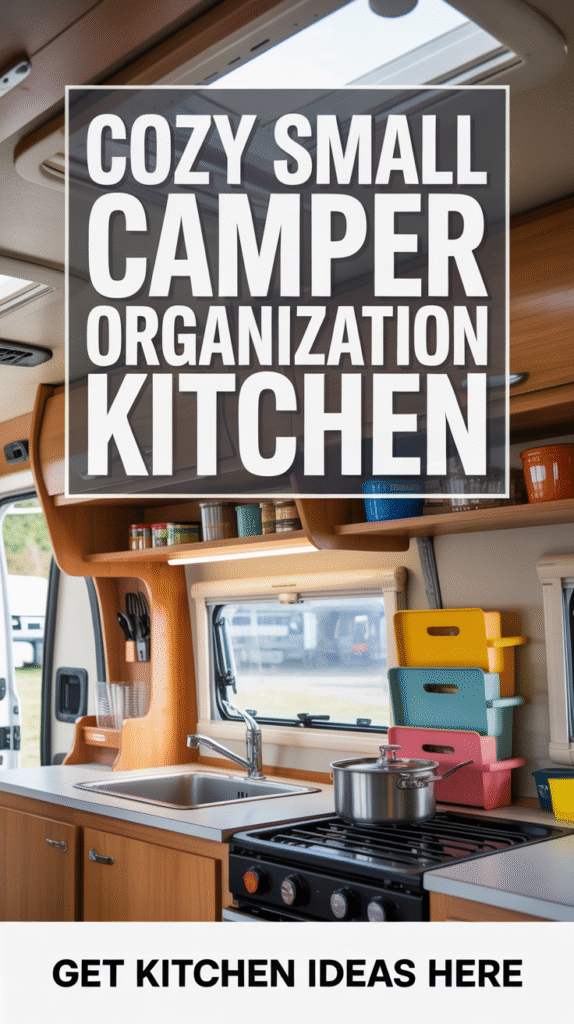
Creating a designated kitchen zone is the best way to keep the heart of the camper from feeling chaotic.
You’d appreciate using a compact shelving unit to keep frequently used items right where they belong. It makes a huge difference when you’re trying to streamline meal preparation in a tight spot.
Then, grouping your pantry items and cookware together prevents you from hunting through three different cabinets just for a lid.
You can also use stackable containers as it allows you to use every inch of height you have. It’s a simple trick that keeps the counters clear for actual cooking.
Bedroom Bliss: Small Camper Organization Bedroom Tips
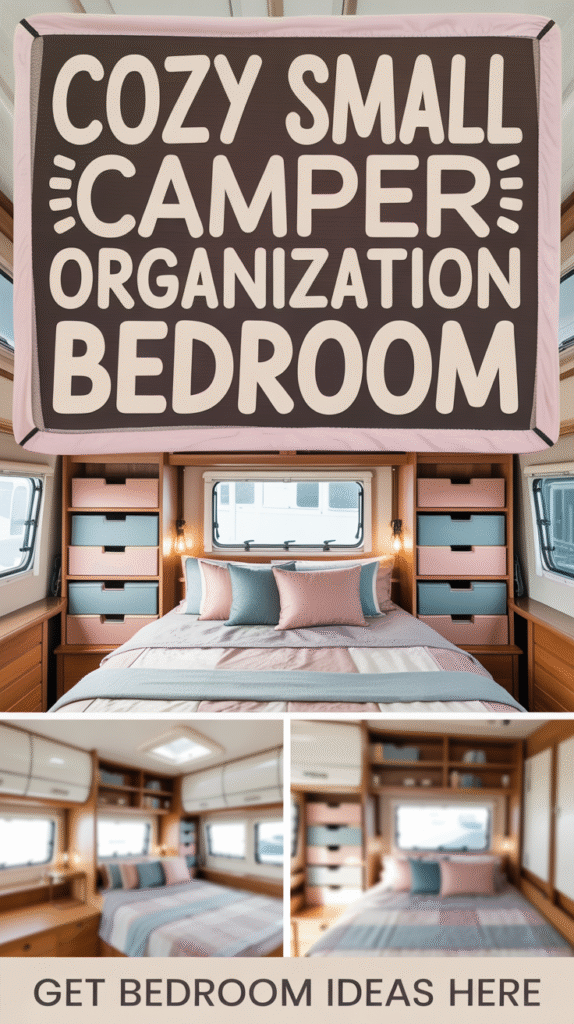
You’d agree with me that your sleeping quarters can get messy fast. However, a few small camper organization bedroom tricks will keep things calm.
I’m a big fan of using slim bins under the bed for linens and bulky gear. It keeps the “visual clutter” down so the space feels like a true retreat at night.
Hooks are a lifesaver for catching those jackets that always seem to end up in a heap on the mattress.
Even a small bedside caddy keeps your phone and glasses from disappearing into the bedding. These little habits ensure your bunk stays a restful sanctuary instead of a storage unit.
Optimize Your Bathroom Storage
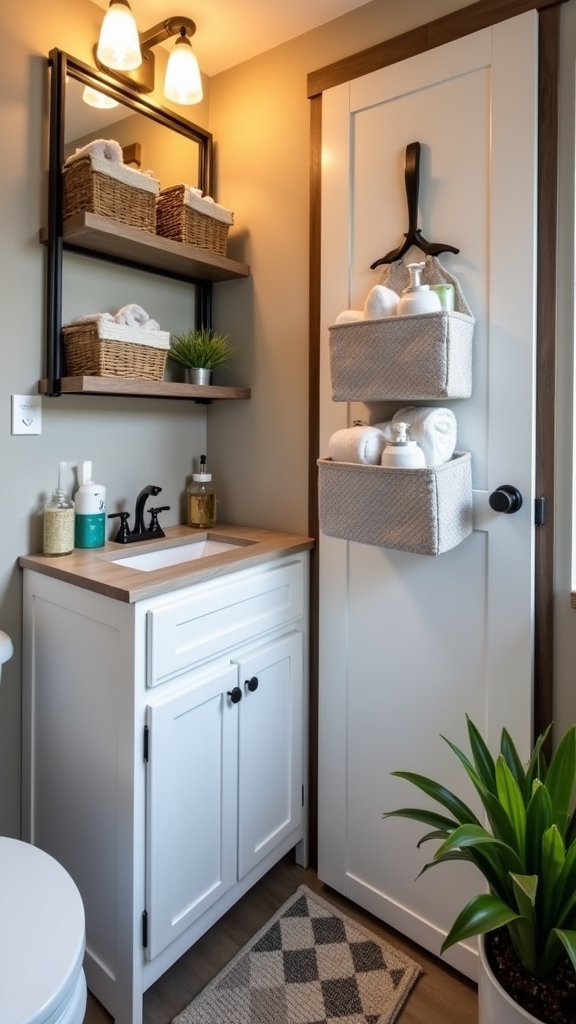
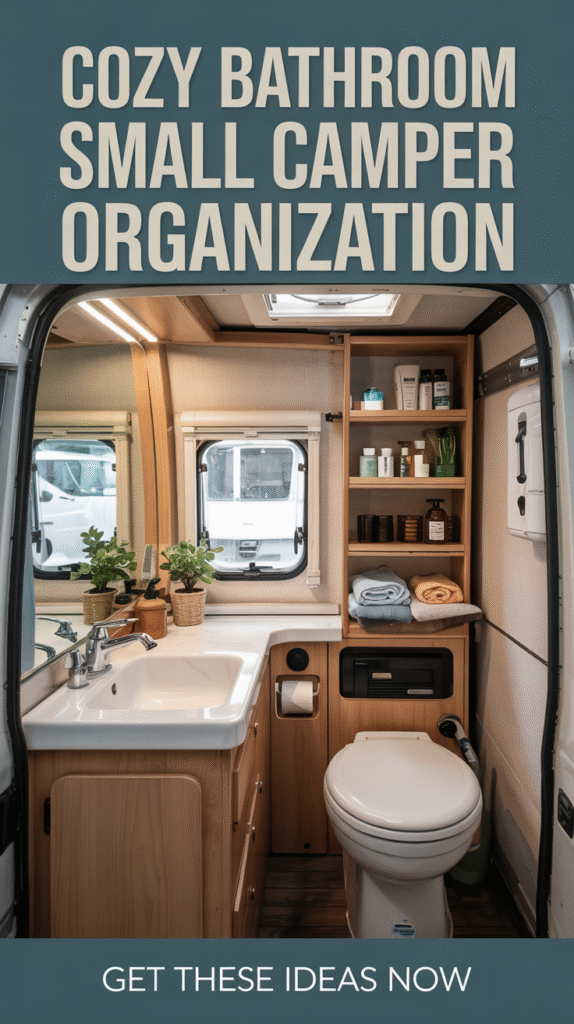
Now, improving bathroom storage in a camper usually involves hunting for hidden real estate. Those under-sink cabinets are gold mines for stackable bins or baskets filled with toiletries.
Using shower caddies to hold your essentials also means you’re always ready for a quick trip to the bathhouse.
You really have to embrace vertical space by adding hooks for damp towels and robes. Keeping your daily products at eye level makes a cramped morning routine feel much smoother.
If you regularly assess your items, you’ll avoid that dreaded buildup of half-empty bottles.
Maximize Closet Space
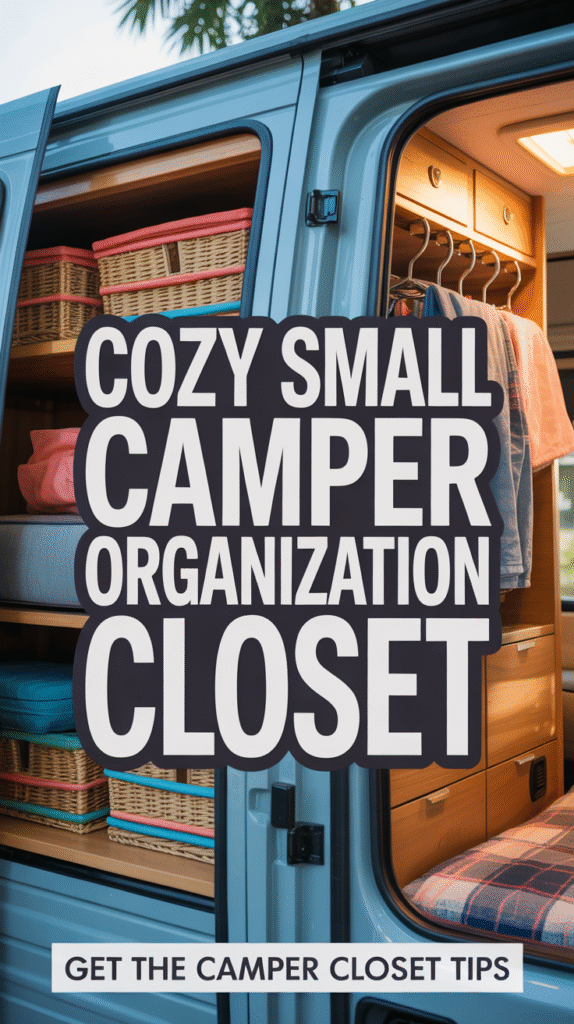
Tiny closets don’t have to be a headache if you use a few clever organization techniques.
Swapping out bulky plastic for slim hangers instantly doubles the number of shirts you can fit on a single rail. You can even add a rod extender to create two levels of hanging space for your favorite flannels.
The floor and top shelf are often overlooked areas that offer tons of extra capacity. I find that using stackable bins to store shoes and accessories keeps everything from ending up in a tangled pile.
Maximizing that vertical space is the best way to ensure your wardrobe stays tidy and easy to reach.
Crafty and Clever: Small Camper Organization DIY Hacks That Work
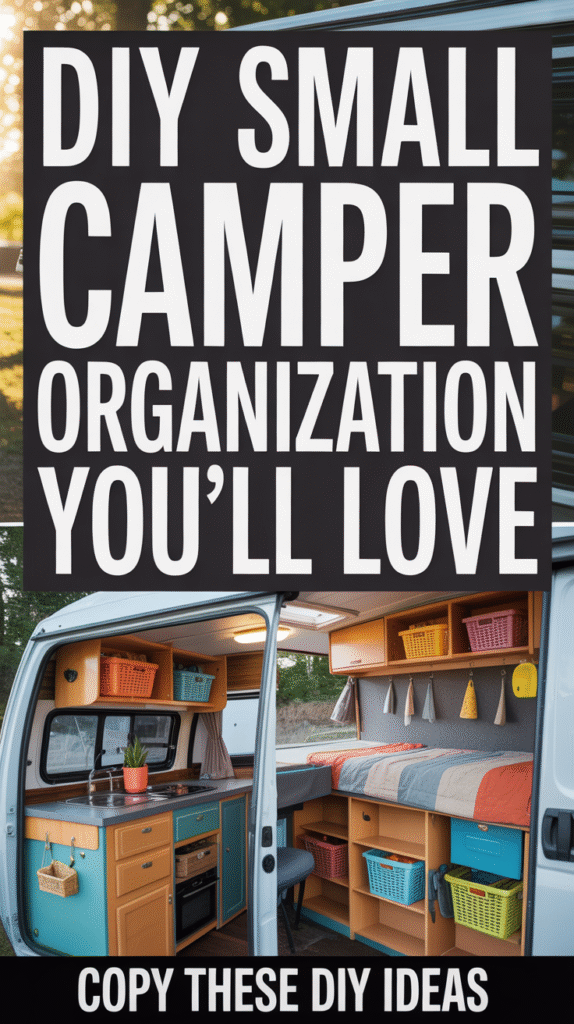
Some of my favorite storage wins came from simple small camper organization DIY projects.
There is something so satisfying about repurposing a spice rack into a bathroom shelf or building a fold-down craft station from scrap wood.
When you customize things yourself, you tend to enjoy the process of making your rig feel like home. Personal charm goes a long way when you’re trying to make the most of a tiny footprint.
Netting hammocks for fruit or custom-built shelving can turn a boring corner into a total focal point. These little tweaks ensure your storage fits your life perfectly rather than just being a generic solution.
Use Vertical Storage Solutions
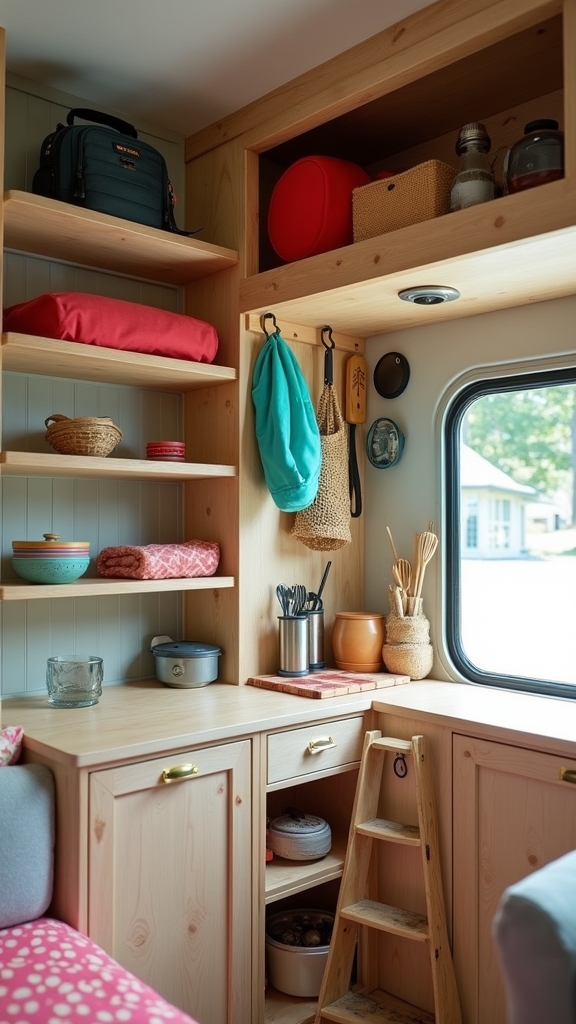
Empty walls are basically an invitation to get creative with your storage. Installing shelves above the counters or bunk beds to store items like books and gear keeps the floor clear.
You can also snag some over-the-door organizers to tuck away shoes or toiletries in spaces that usually go completely to waste.
Pegboards and hooks are another designer secret for keeping pots and tools within easy reach. These vertical systems help you categorize everything so you aren’t digging through a dark cabinet for a frying pan.
It’s the easiest way to stack your life efficiently without feeling boxed in.
Invest in Multi-Functional Furniture
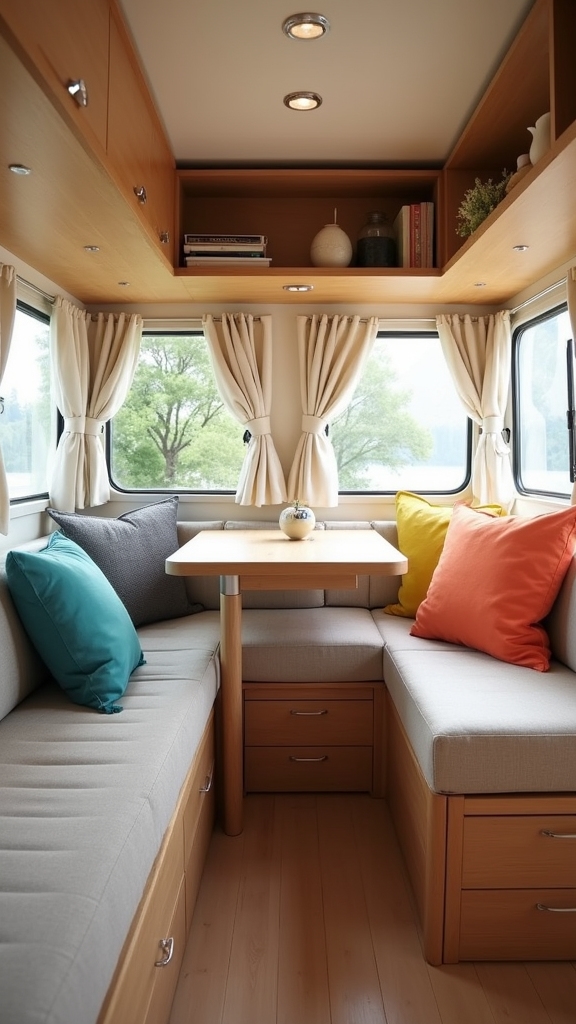
Smart furniture choices can completely change how a 20-foot rig feels during a rainstorm. A sofa that transforms into a bed is a classic example of how to host guests without sacrificing your daytime lounging space.
Tables with built-in storage or ottomans with hidden compartments are also brilliant for stashing extra blankets out of sight.
A foldable desk is another heavy hitter because it can double as a dining table or a workspace depending on the hour. Looking for pieces that serve at least two purposes is the golden rule for small-space living. It keeps the room flexible so you never feel like you’re tripping over your own decor.
Prioritize Essential Items
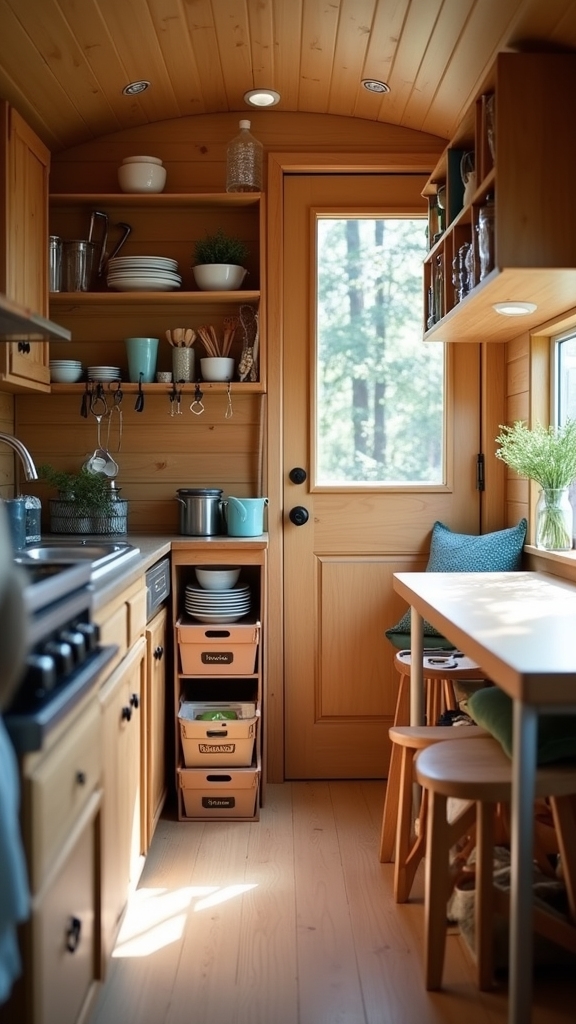
Packing for a trip requires a serious focus on the essentials that truly earn their keep. I find that making a list based on my daily routines helps me avoid bringing “just in case” items that never leave the closet.
If an object doesn’t offer comfort and functionality, it probably doesn’t belong in a camper under 20 feet. Every square inch is precious, so everything you bring should have a clear purpose.
This might mean opting for a single high-quality cast iron skillet instead of a 10-piece pot set. Being a bit ruthless during the packing phase ensures you have room to breathe once you’re on the road.
Utilize Under-Bed Storage
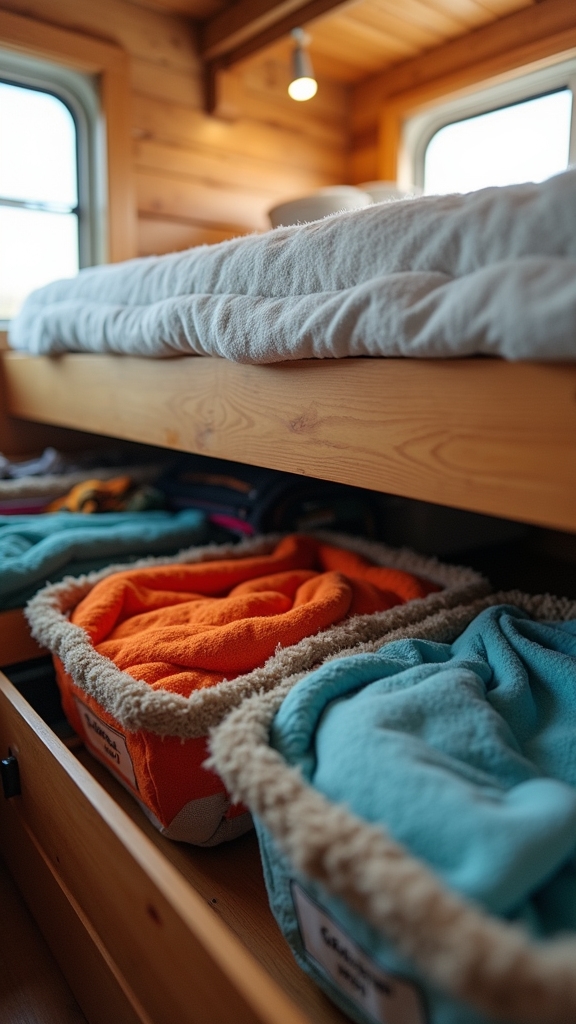
The area under the mattress is a total game changer for maximizing space in your camper.
Most people forget it’s there, but it’s the perfect spot for storage bins filled with seasonal clothing or extra linens. Since it’s out of the main line of sight, it keeps the bulky stuff from cluttering up your living zone.
Labeling each bin is a small step that saves a massive amount of time later. You’ll be much happier if you can grab the extra sleeping bags without tearing the whole bed apart.
It’s one of those “set it and forget it” systems that makes long-term travel so much smoother.
Use Magnetic Strips for Small Items
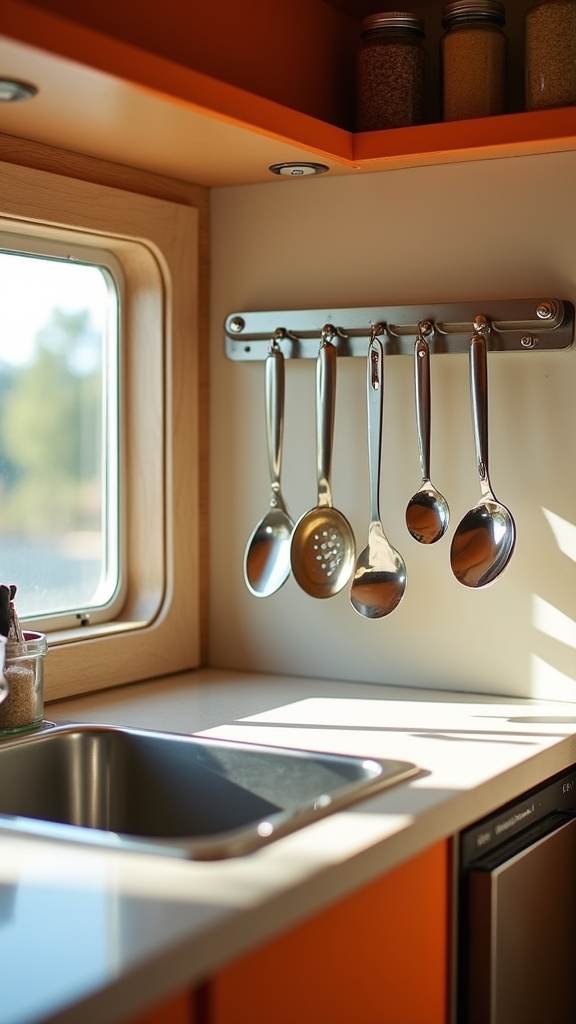
The practise of keeping track with organization of small items like tweezers or pocket knives is much easier with magnetic strips.
Mounting these inside a cabinet door or on a backsplash saves space and keeps metal tools right where you can see them. This tiny addition stops clutter from taking over your limited counter space.
These strips are also fantastic for holding metal spice tins or kitchen shears in place while you drive. You can easily customize your organization system to fit whatever gadgets you use most often.
It’s a sleek, modern look that keeps your essentials handy and your drawers empty.
Keep a Cleaning Supply Caddy
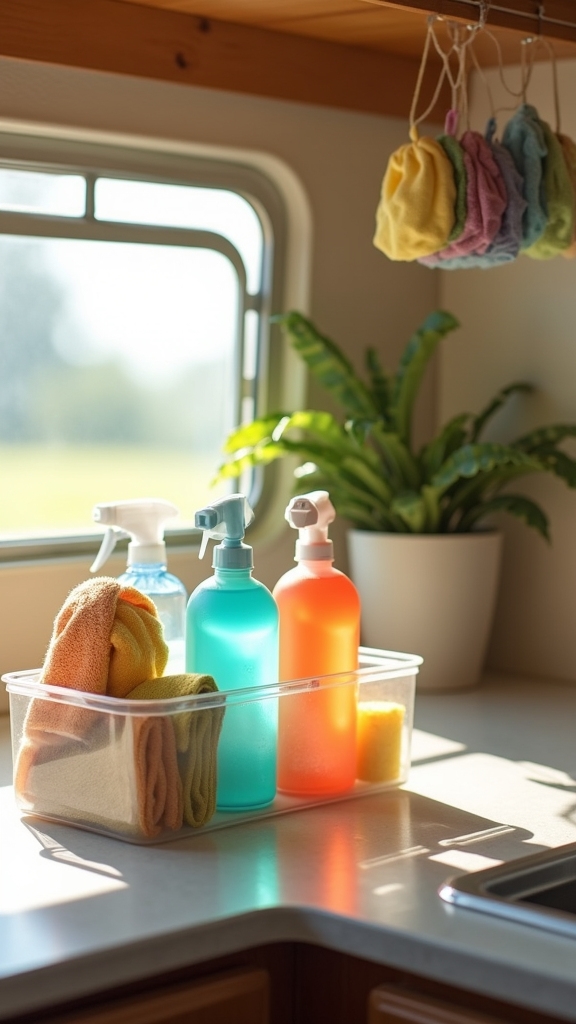
A dedicated cleaning supply caddy makes it much easier to maintain a fresh interior when it’s tucked away in a handy spot. This compact, portable container should hold all your essential cleaning items, like sponges and multi-surface sprays, in one spot.
If you return each item to its place after every use, you’ll never find yourself hunting for a stray bottle of disinfectant. Plus, it’ll be easy to know when a restock is due for any of your cleaning supplies.
Make Use of Wall Space
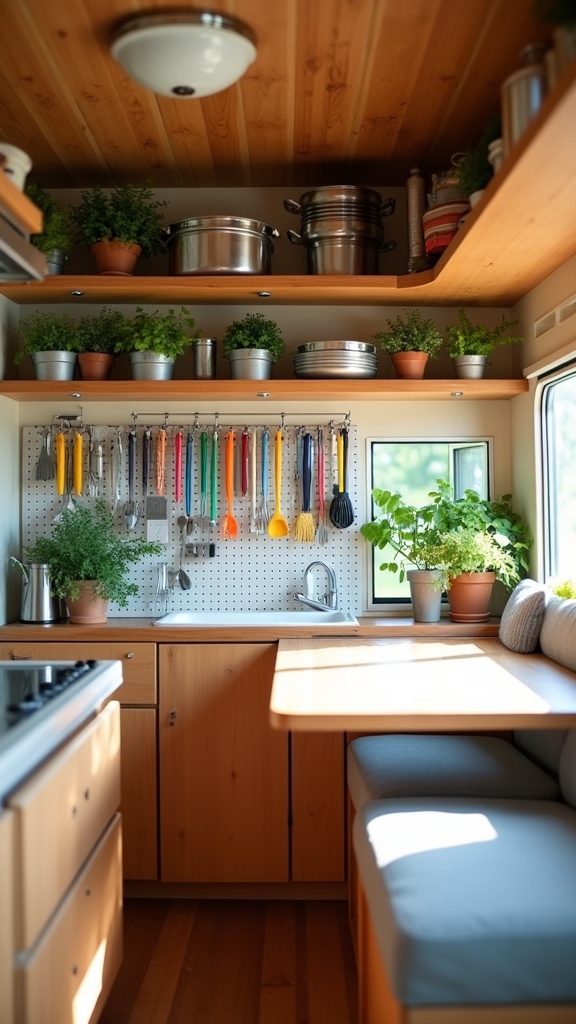
Floor space isn’t the only real estate worth considering for storage in a tiny rig. Utilizing your wall space by installing shelves, hooks, or pegboards keeps your counters clear and your gear within reach.
These simple additions maximize your vertical space so that everything from kitchen utensils to maps has a permanent home off the floor.
Tidy Trailers: Camper Organization for Travel Trailers on the Move
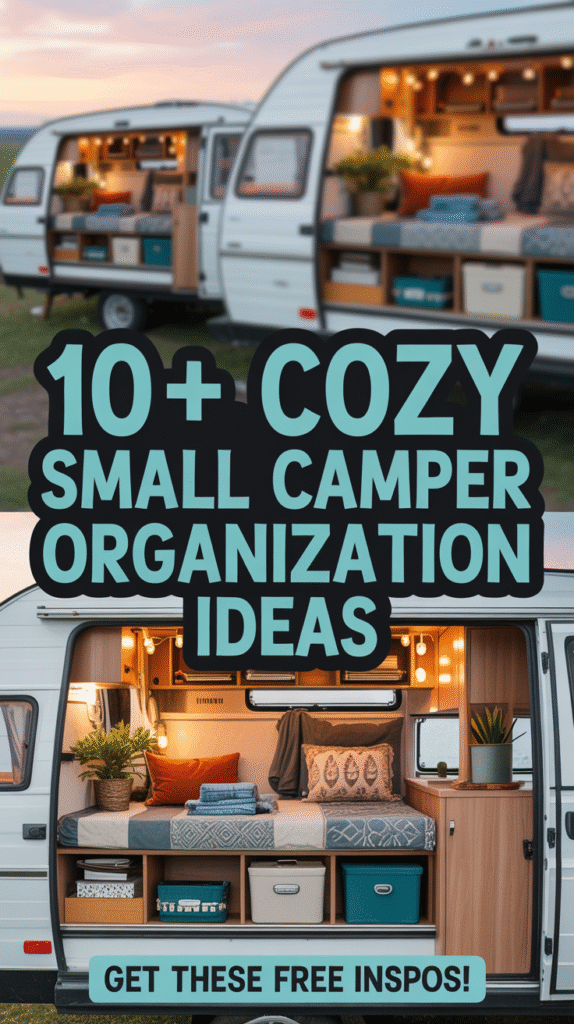
A solid travel trailer camper organization system is a total must before you hit the highway.
Consider using latching bins for the pantry and tension rods in the cabinets to keep dishes from shifting during transit. Also, Clear drawer dividers also make finding tools or toiletries a breeze, and Velcro strips keep remote controls and flashlights right where you need them.
Basically, prepping for movement ensures that your belongings stay in their designated places rather than ending up in a pile on the floor after a bumpy drive.
Regularly Declutter and Reassess
Small spaces can accumulate junk surprisingly quickly, so decluttering on a regular basis is vital.
Start by setting aside time each month to evaluate what you truly need. Go through your items and if you haven’t used something in the last few trips, consider letting it go.
Constantly assess your storage solutions; are they working effectively for you? This ensures your camper remains clutter-free and ready for the next adventure.
Implement a Packing System
I should also say that efficiency on the road usually starts with a smart packing system. It saves you from the frustration of rummaging through heavy bags. Categorizing your items into logical groups like clothing, cooking supplies, and outdoor gear makes finding a spare headlamp or a specific spatula a total breeze.
Running through a checklist before every departure helps you focus on frequently accessed essentials while leaving the bulky extras behind at home.
Maintaining this order shouldn’t stop once you arrive at the campsite; instead, return every item to its designated places the moment you’re done.
This habit prevents the “travel creep” where gear slowly takes over your dining table or bed. It’s the most effective way to ensure your interior remains a functional home base rather than a chaotic pile of supplies.
Organize With Bins and Baskets
Designated bins and baskets are a designer’s secret weapon for keeping small, wandering belongings from taking over. Choosing various sizes allows you to maximize vertical space inside deep cabinets or in those awkward spots under the bed.
When you label your storage solutions, everyone in the family knows exactly where things belong, which helps keep the peace in tight quarters.
Sturdy containers also provide designated spaces for everything from toiletries to camping tools, preventing them from sliding around during the drive. Consider using collapsible options that can be tucked away easily when they aren’t in use to save even more room.
This simple layer of organization keeps your focus on the scenery outside instead of the clutter inside.
Create a Dedicated Gear Area
Outdoor adventures often come with a lot of heavy equipment, so creating a dedicated gear area is a smart move for any camper.
This spot should be easily accessible and organized with nets, shelves, or hooks to keep bulky items visible but safely out of the walkway. Storing your most-used items at eye level ensures you can grab what you need for a hike without a second thought.
Using clear bins for smaller gadgets allows you to see exactly what you have without having to dump out a dozen different containers. I always suggest that travelers label your storage solutions clearly to make locating specific gear even faster during a quick stop.
It turns a messy pile of outdoor equipment into a streamlined system that actually supports your active lifestyle.