Looking good on the trail isn’t about vanity; it’s about feeling confident and comfortable while you’re out there. Summer hiking clothes need to handle sweat, sun, and changing temperatures while still looking intentional rather than thrown together.
The good news is that the line between performance gear and everyday wear has blurred enough that you don’t have to choose anymore.
The right fabrics, fit, and layering approach can get you outfits that function miles from the trailhead and still look intentional when you get back to town. The ones below do exactly that.
Contents
- 1 Choosing the Right Footwear
- 2 Must-Have Accessories for Outdoor Adventures
- 3 Layering Techniques for Changing Weather
- 4 Eco-Friendly Hiking Gear Options
- 5 Cultural Influences on Hiking Fashion
- 6 Incorporating Technology Into Your Hiking Wardrobe
- 7 Essential Clothing for Summer Hiking
- 8 Practical Tips for Staying Hydrated
- 9 Responsible Hiking Practices for Nature Preservation
- 10 Seasonal Color Trends for Summer Hikes
Choosing the Right Footwear
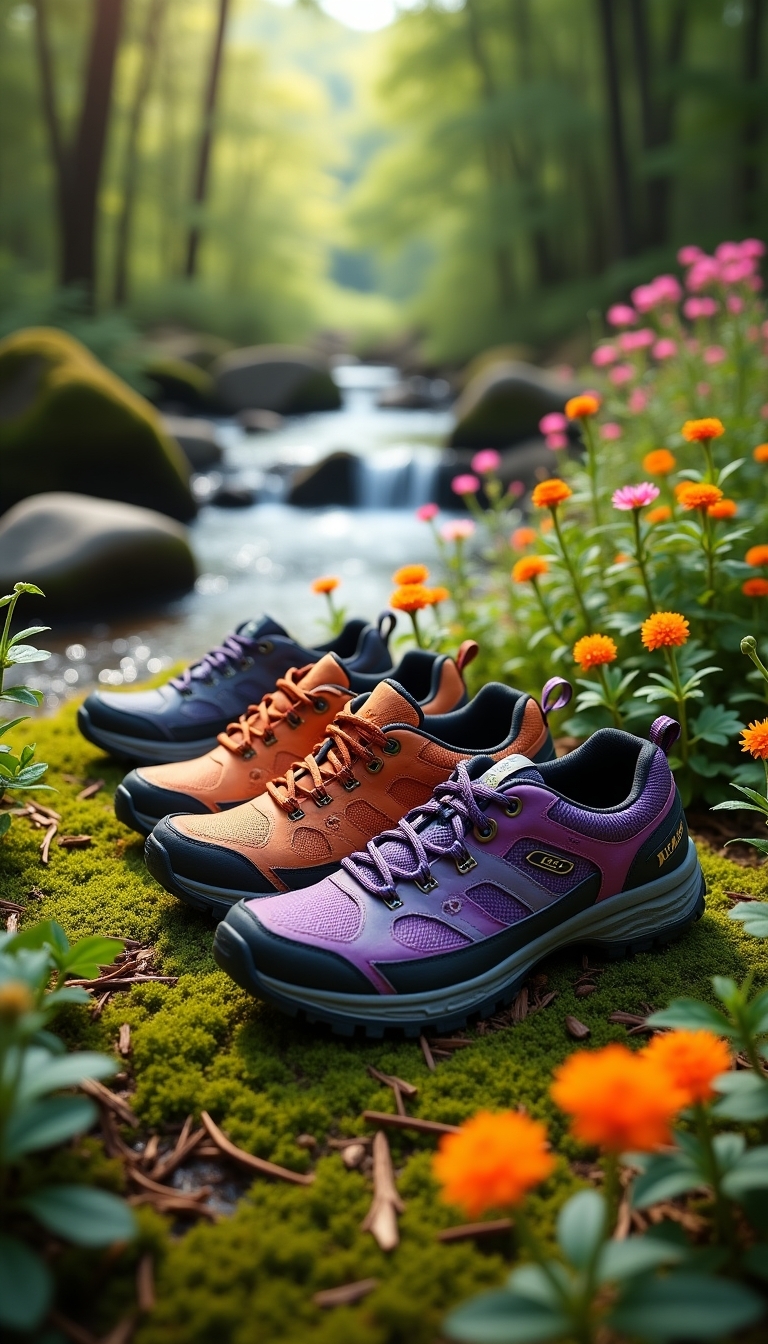
Lightweight hiking shoes are well-suited to maintained trails and day hikes where you’re not carrying much weight or dealing with technical terrain. Boots provide more ankle support and protection on rocky trails or when you’re carrying a heavy pack.
Consider the sole pattern and rubber compound, as aggressive lugs and sticky rubber grip better on wet rocks and loose dirt. Breathable mesh panels keep your feet cooler in summer heat but offer less protection from dust and debris than solid leather or synthetic uppers.
SEE THIS: Aesthetic Hiking Gear to Match Your New Boots!
Must-Have Accessories for Outdoor Adventures
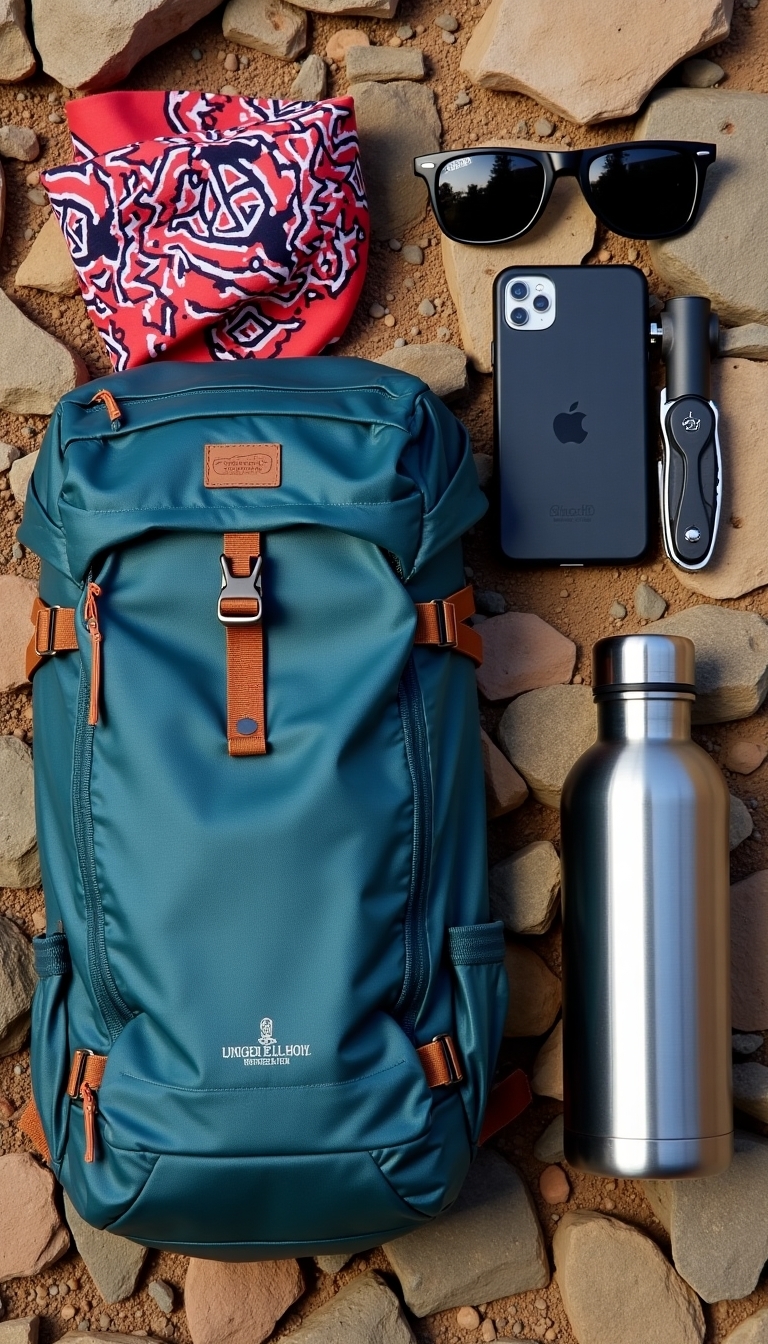
A solar power bank keeps your phone and other devices charged on multi-day trips without access to outlets. Pack a small first-aid kit customized to your needs rather than a prebuilt one filled with items you’ll never use.
An emergency shelter, like a lightweight bivy or space blanket, weighs almost nothing but could save your life if you get stuck overnight unexpectedly. A multi-tool handles gear repairs, food prep, and dozens of other small tasks that come up on longer trips.
SEE THIS: Summer Hiking Boot Checklist for Stylish Women!
Layering Techniques for Changing Weather
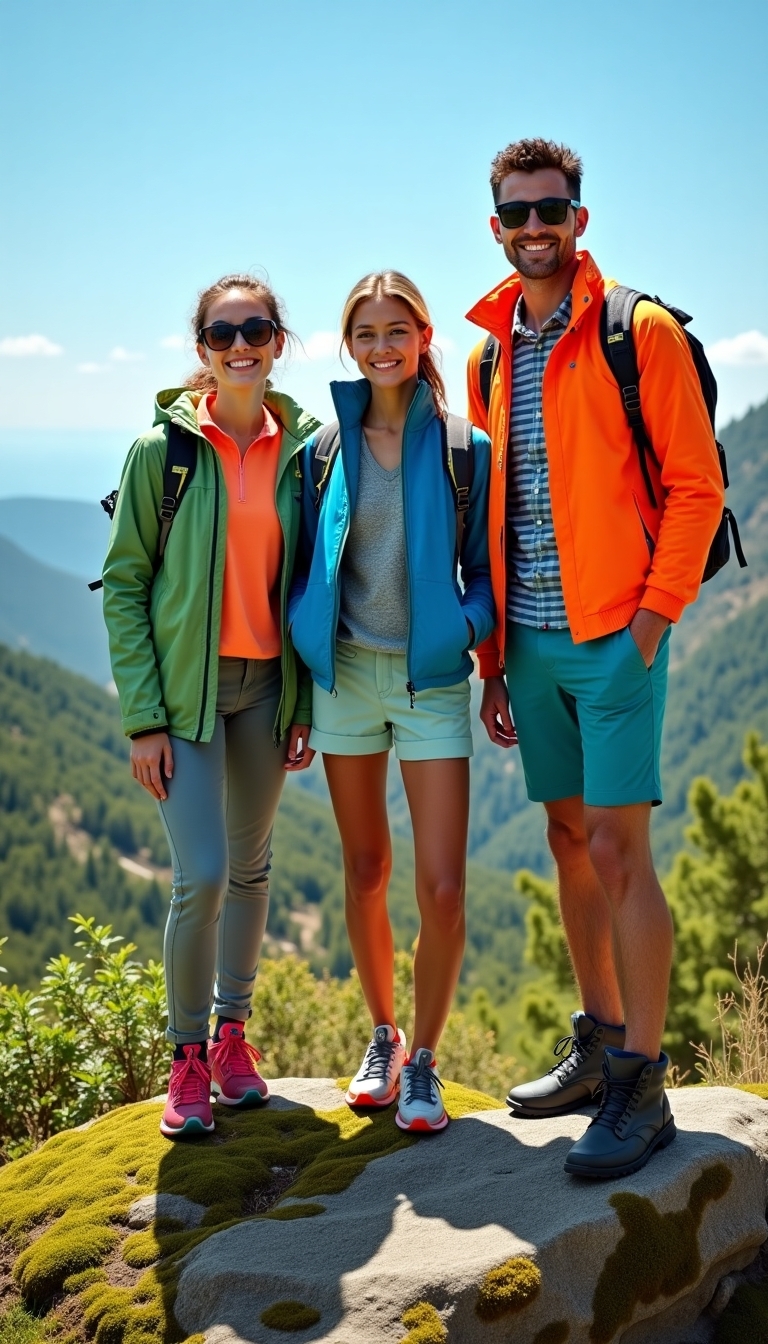
Start with a moisture-wicking base layer in merino wool or synthetic fabric that pulls sweat away from your skin. Add a lightweight fleece or down jacket as your insulating mid layer, choosing thickness based on how cold it might get.
Your outer shell should be waterproof and breathable to block wind and rain while letting perspiration escape. Never wear cotton as a base layer since it absorbs moisture, stays wet, and will leave you cold and miserable when temperatures drop.
SEE THIS: How to Store Your Hiking Boots So They Last Longer!
Eco-Friendly Hiking Gear Options
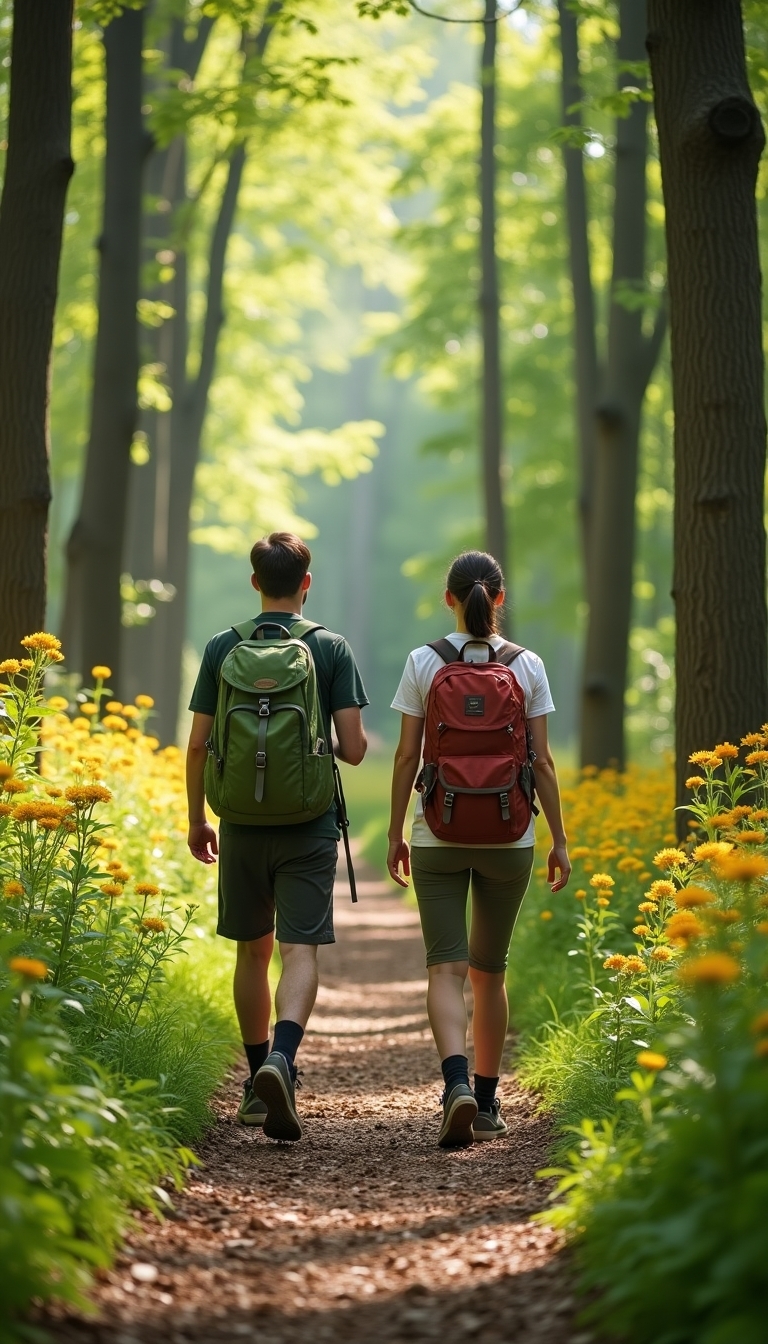
Many outdoor brands now make clothing from recycled plastic bottles and reclaimed fishing nets, giving waste materials a second life as functional gear. Natural fibers like organic cotton, hemp, and bamboo biodegrade at the end of life instead of sitting in landfills for decades.
Companies like Patagonia and Cotopaxi prioritize ethical manufacturing and transparent supply chains, alongside using sustainable materials. Buying quality gear that lasts for years creates less waste than replacing cheap items every season, regardless of the materials used.
Cultural Influences on Hiking Fashion
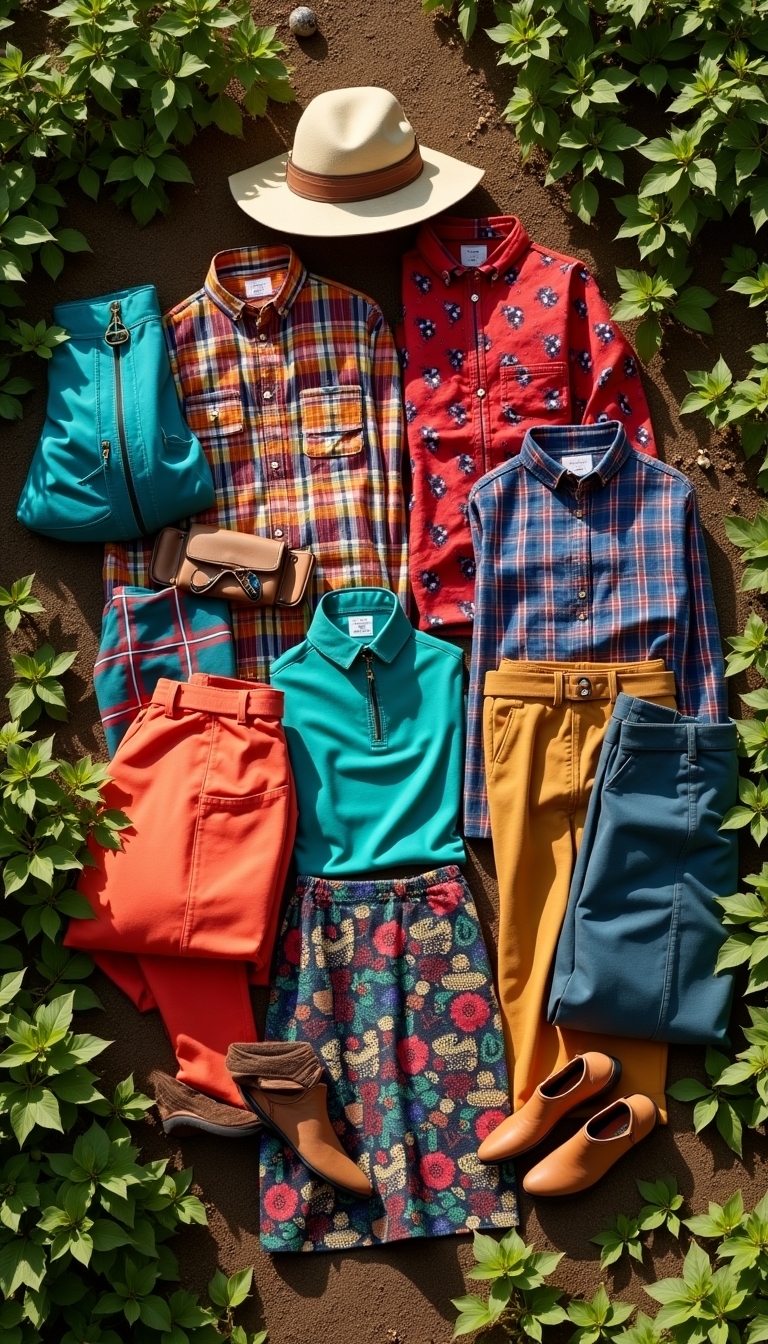
High fashion brands collaborating with outdoor companies have made technical gear more stylish and brought outdoor aesthetics into mainstream fashion. Social media influencers have popularized specific looks and brands, making outdoor wear acceptable in contexts far beyond actual hiking.
Historical influences such as military surplus and workwear continue to shape outdoor fashion, with many current styles drawing on these practical roots. Celebrities wearing outdoor brands in urban settings have accelerated the trend of technical gear as everyday fashion.
Incorporating Technology Into Your Hiking Wardrobe
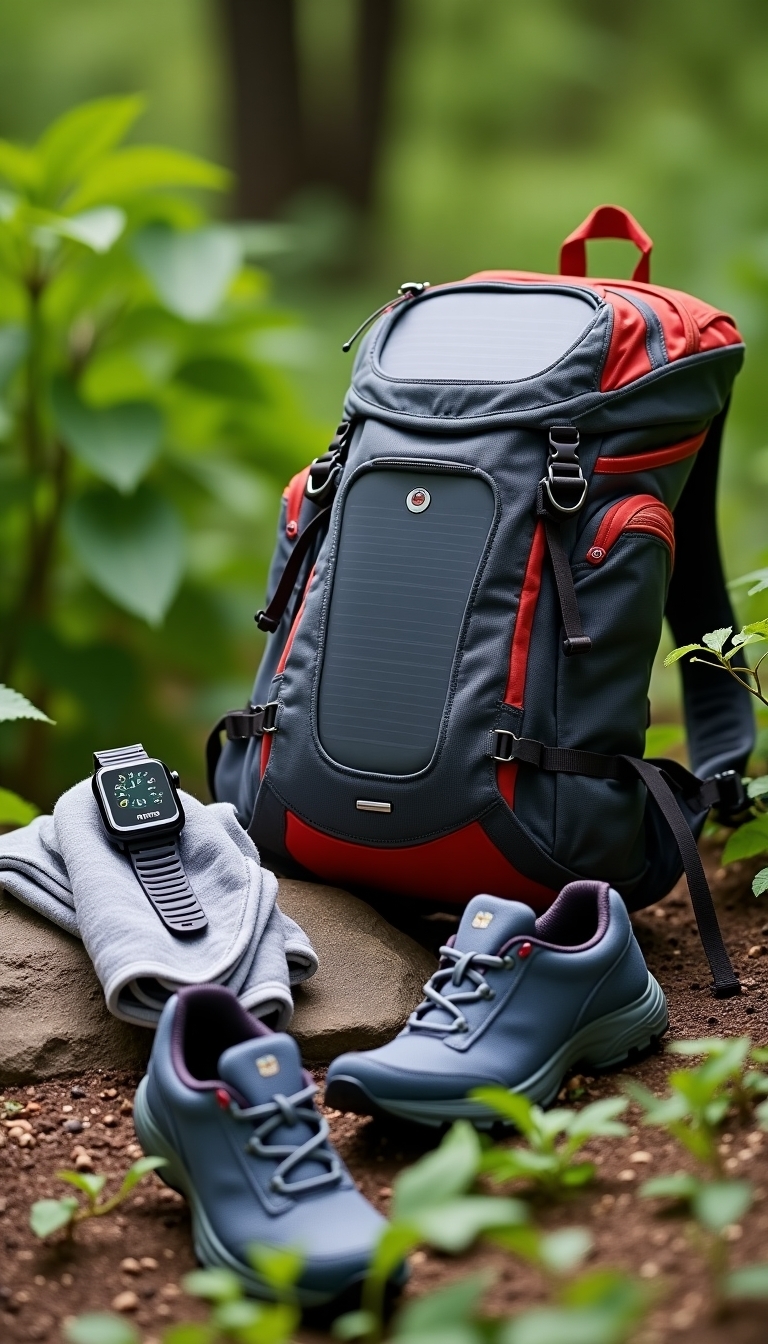
Temperature-regulating fabrics like Outlast absorb and release heat to keep you comfortable as conditions change throughout the day. Some clothing now includes wearable sensors that track heart rate, breathing, and other metrics without needing a separate device.
UV-protective fabrics block harmful sun rays more effectively than regular clothing and are often rated with UPF values similar to sunscreen SPF. Antimicrobial treatments in synthetic fabrics reduce odor buildup, letting you wear the same shirt multiple days without it getting rank.
Essential Clothing for Summer Hiking
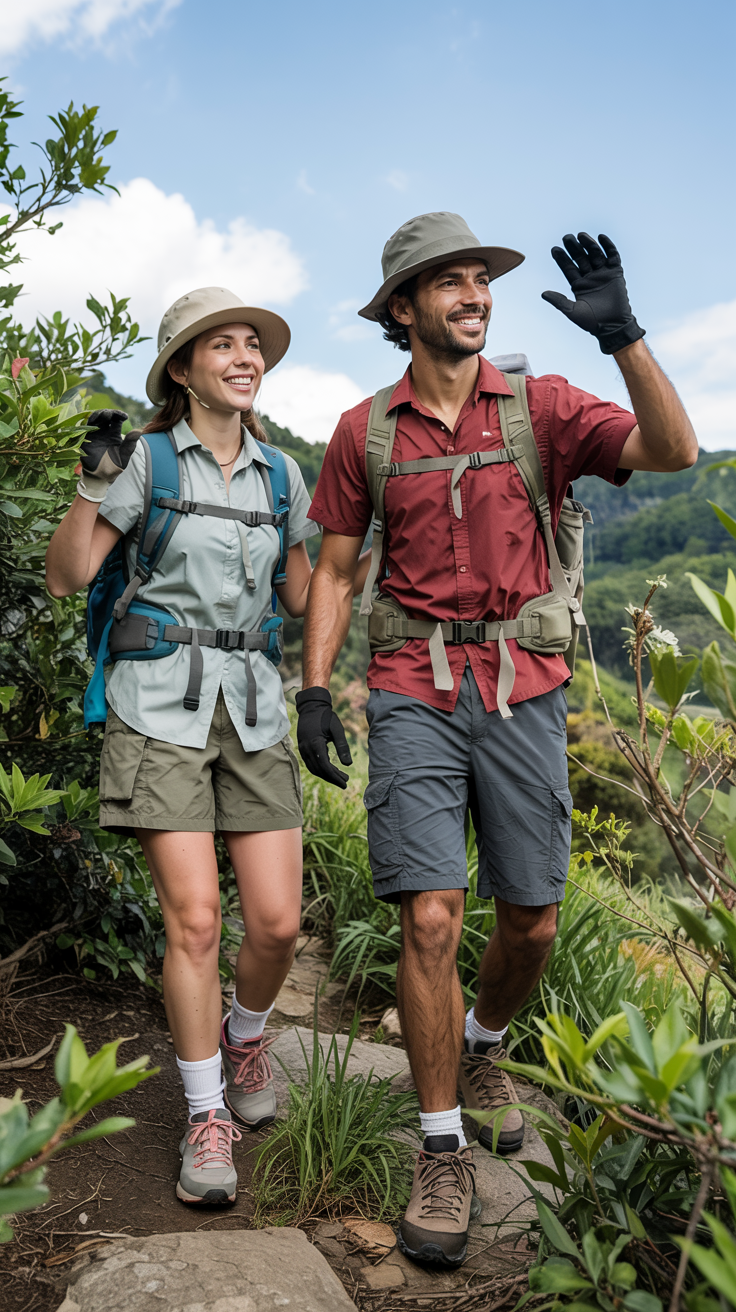
Breathable, moisture-wicking tops in polyester or nylon dry quickly and keep you cooler than cotton alternatives. Short-sleeved shirts work for hot exposed trails, while long-sleeved sun shirts protect your arms without overheating you.
Lightweight pants that convert to shorts via zippered legs give you options as temperatures change throughout the day. Look for pants with a bit of stretch in the fabric, as they move more easily and feel more comfortable over long distances than stiff materials.
Practical Tips for Staying Hydrated
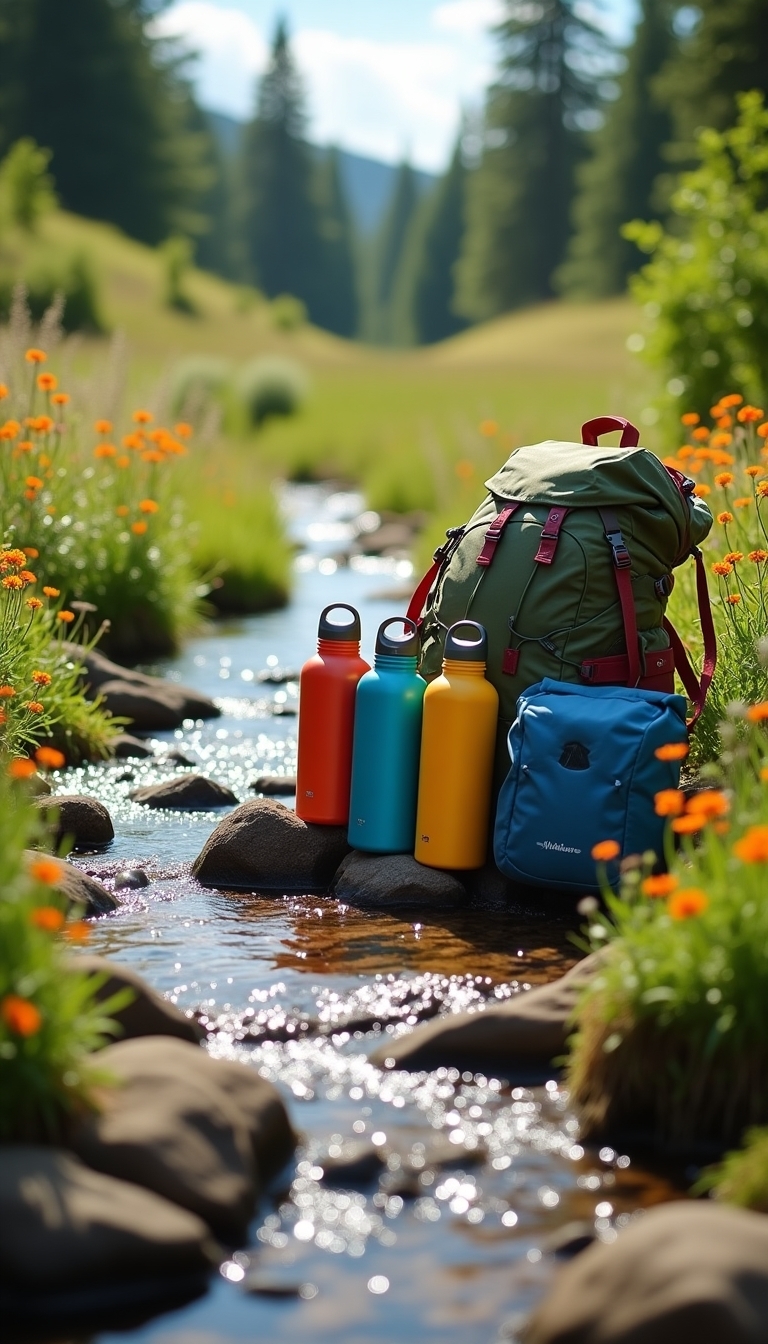
Drink one to two cups of water a couple of hours before you start hiking so you begin the trail already hydrated. Aim for about a quart of fluid per hour during the hike, sipping regularly rather than chugging large amounts at once.
Hydration packs or bladders let you drink without stopping to pull out a water bottle, keeping you on pace. Check your urine color during breaks; light yellow means you’re hydrated, while dark urine signals you need to drink more.
Responsible Hiking Practices for Nature Preservation
Stay on designated trails to prevent erosion and avoid damaging vegetation that takes years to recover from foot traffic. Give wildlife plenty of space and never feed animals, since human food harms them and changes their natural behavior.
Pack out everything you bring in, including food scraps and toilet paper, leaving no trace of your visit. Clean your boots between hikes in different areas to avoid spreading invasive plant species that can devastate local ecosystems.
Seasonal Color Trends for Summer Hikes
Bright colors like vibrant yellows and electric blues make you more visible on the trail and add energy to your outfit photos. Earthy tones like sandy beige, olive green, and chocolate brown blend with natural surroundings and hide dirt better than lighter shades.
Soft pastels create a gentler look if you prefer subtlety over bold statements. Deep saturated colors like burgundy and navy offer richness without the brightness of neon options, making them well-suited for shoulder season as summer transitions to fall.