You’ve probably noticed that the best trails aren’t always the longest or most challenging ones. Sometimes the most memorable hikes happen when you’re moving through soft morning light or watching the landscape transform during golden hour.
I’ve been hiking and writing about trails for years, and I can tell you this: timing matters more than distance. The right trail at the right time creates something you’ll chase for the rest of your hiking life. Here’s where you’ll find exactly that.
Contents
- 1 Why Some Trails Are Meant for Early Light
- 2 How to Choose a Trail for Quiet Mornings & Golden Hour
- 3 12 Scenic Hiking Trails For Natural Inspiration
- 4 Yosemite Valley Loop Trail (California)
- 5 Grinnell Glacier Trail (Glacier National Park, Montana)
- 6 Angels Landing (Zion National Park, Utah)
- 7 Cascade Pass Trail (North Cascades, Washington)
- 8 Great Smoky Mountains Appalachian Trail Sections (Tennessee / North Carolina)
- 9 Maroon Bells Scenic Trail (Colorado)
- 10 Kalalau Trail (Nā Pali Coast, Hawaii)
- 11 Acadia National Park Ocean Path (Maine)
- 12 Cinque Terre Coastal Trail (Italy)
- 13 Lauterbrunnen Valley Trails (Switzerland)
- 14 Trolltunga Trail (Norway)
- 15 Plitvice Lakes Boardwalk Trails (Croatia)
- 16 Best Times & Simple Tips for Golden-Hour Hiking
- 17 A Gentle Reminder: You Don’t Need Distance to Feel Moved
Why Some Trails Are Meant for Early Light

When the sun barely crests the horizon, certain trails reveal their true character in ways that midday visits simply can’t match. You’ll notice wildlife actively foraging before retreating from heat, and the morning mist creates conditions that make even familiar landscapes feel new.
Cooler temperatures make challenging ascents genuinely manageable instead of just survivable. Plus, you’ll encounter fewer people, which means actual solitude instead of just hoping for it.
How to Choose a Trail for Quiet Mornings & Golden Hour

East-facing vs west-facing trails (sunrise vs sunset glow)
Trail direction matters more than most hikers realize, and it’s one of the first things I check when planning a shoot or a memorable hike. East-facing trails capture sunrise’s soft, warm light and offer cooler morning temperatures that make early starts feel less punishing.
West-facing trails shine during sunset with that dramatic golden glow, though you’ll deal with warmer afternoon conditions getting there. You’ll find east-facing paths practically empty at dawn, while west-facing routes can get crowded with people chasing that sunset shot.
Trails with open views vs forest-filtered light
The canopy coverage matters just as much as which direction the trail faces. Open ridgelines and meadows give you unobstructed views of dramatic color shifts during golden hour, while forest trails create dappled patterns and softer tones that work beautifully in their own way.
Dense canopies cut harsh midday glare, which makes wooded paths excellent for morning walks when you want gentle, diffused light. I’ve gotten some of my favorite photos in deep forest during what should have been terrible midday light.
Short to moderate distances that don’t rush the moment
If you’re chasing ideal lighting, distance becomes about strategy rather than endurance. Choose trails between two and six miles that let you reach viewpoints during peak light without turning the whole thing into a race.
Shorter routes give you time to pause, adjust your camera or just your perspective, and wait for moments when shadows lengthen perfectly. You’ll actually have energy left for photography or simply sitting there taking it all in.
Low-traffic paths that feel peaceful even on weekends
Popular trails fill with crowds no matter when you arrive, but lesser-known alternatives exist in nearly every region. I’ve found my best spots by talking to park rangers, digging through local hiking forums, and exploring trail networks beyond the main parking areas.
Mid-week scouting helps you identify spots that stay quiet even during peak times. These paths let you focus on what you came for instead of navigating around other people.
12 Scenic Hiking Trails For Natural Inspiration

Nature’s most breathtaking landscapes become accessible when you lace up your boots and venture onto trails that offer genuine inspiration instead of just Instagram opportunities. These paths wind through diverse ecosystems, from mountain ridges to coastal cliffs, providing creative fuel through dramatic vistas and raw natural beauty.
I’ve found that wilderness environments stimulate fresh perspectives in ways that sitting at a desk never will. Each of these trails has delivered moments that stayed with me long after my boots dried out.
Yosemite Valley Loop Trail (California)
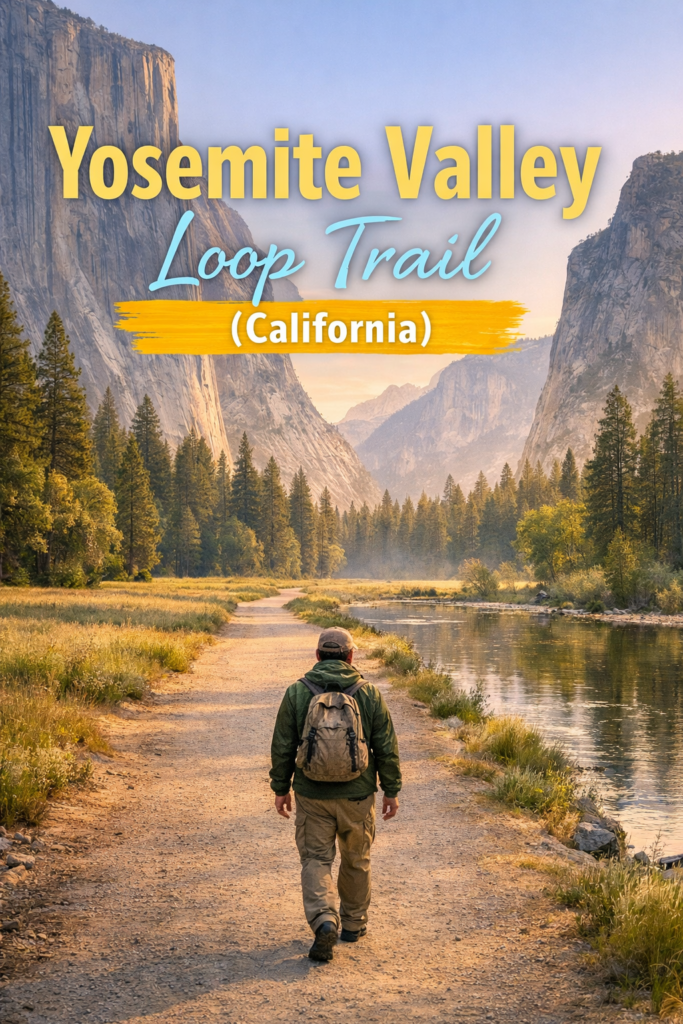
The granite walls of Yosemite Valley tower over this accessible 7.2-mile loop, which showcases some of California’s most iconic landmarks in a single day’s hike. You’ll encounter El Capitan, Half Dome, and Yosemite Falls while walking relatively flat terrain that won’t destroy your knees.
The path connects meadows, forests, and riverside sections that give photographers exceptional vantage points during morning’s soft light and evening’s golden glow. I’ve done this loop a dozen times and it still delivers.
SEE THIS: How To Set Up A Tent In Nature (Complete Beginner-to-Confident Guide)!
Grinnell Glacier Trail (Glacier National Park, Montana)
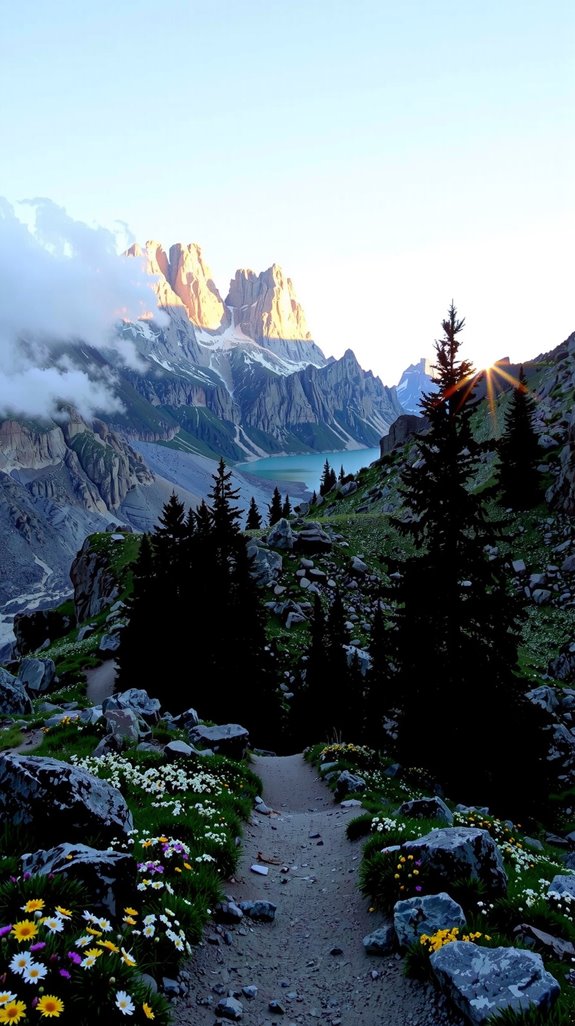
This 10.6-mile round-trip through Montana’s backcountry ranks among the most rewarding alpine hikes I’ve done in North America. You’ll traverse wildflower meadows, navigate rocky terrain, and witness turquoise lakes fed by glacial melt that looks almost artificial in its intensity.
The trail ascends 1,600 feet to the rapidly receding Grinnell Glacier, where you can see climate change happening in real time. Start early to catch morning light illuminating the Continental Divide and avoid the afternoon crowds that can turn the narrow sections into a traffic jam.
SEE THIS: How To Build A Backpacking Tent (Beginner-Friendly Step-By-Step Guide)!
Angels Landing (Zion National Park, Utah)
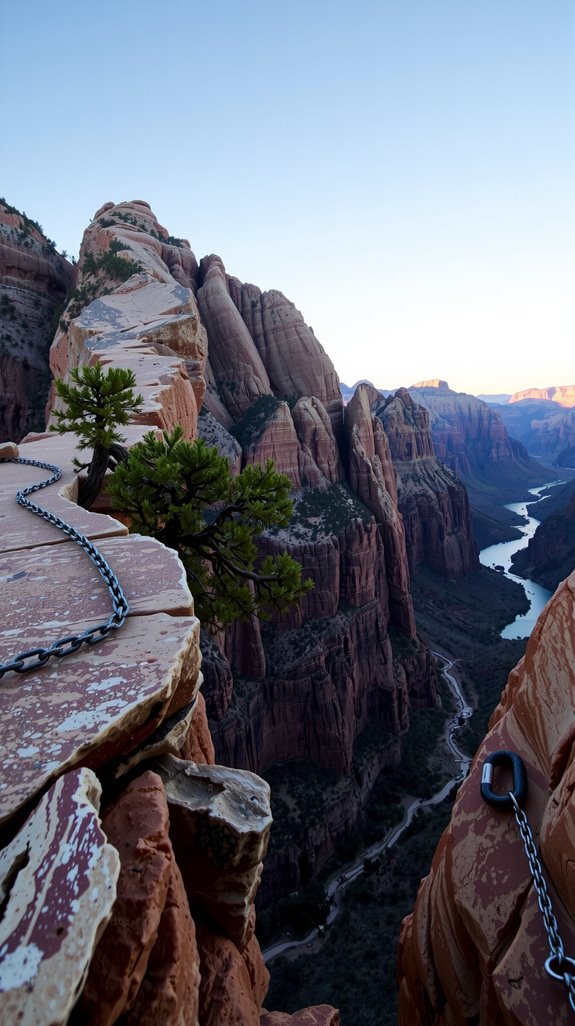
Rising 1,488 feet above Zion Canyon’s floor, Angels Landing challenges hikers with one of America’s most exhilarating and genuinely exposed trail experiences. You’ll navigate switchbacks before tackling the final half-mile along a narrow spine with chains for support that you’ll actually need.
The 5.4-mile round trip demands sure footing and rewards you with panoramic views of Zion’s dramatic red rock formations. This isn’t a trail for anyone uncomfortable with exposure or heights.
Cascade Pass Trail (North Cascades, Washington)
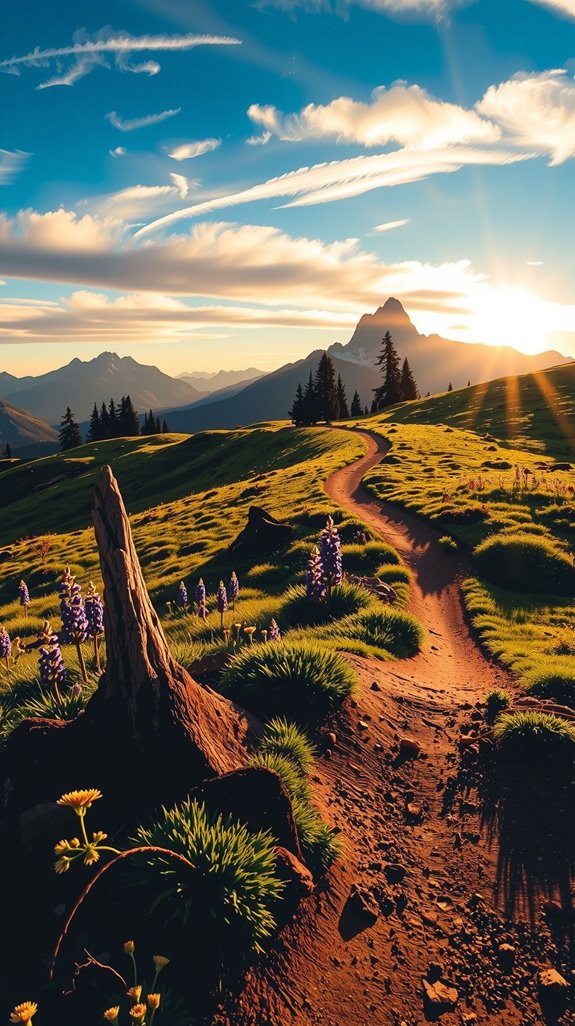
Where Angels Landing tests your nerve on cliff faces, Cascade Pass offers a different kind of alpine experience through North Cascades National Park’s wildflower meadows and glacier-carved valleys. You’ll cover 7.4 miles roundtrip, gaining 1,800 feet through old-growth forest before emerging into subalpine terrain that feels like another planet.
The trail rewards your effort with panoramic views of Johannesburg Mountain, Mixup Peak, and surrounding glaciers throughout summer’s peak bloom season. The wildflowers here rival anything I’ve seen in the Rockies.
Great Smoky Mountains Appalachian Trail Sections (Tennessee / North Carolina)
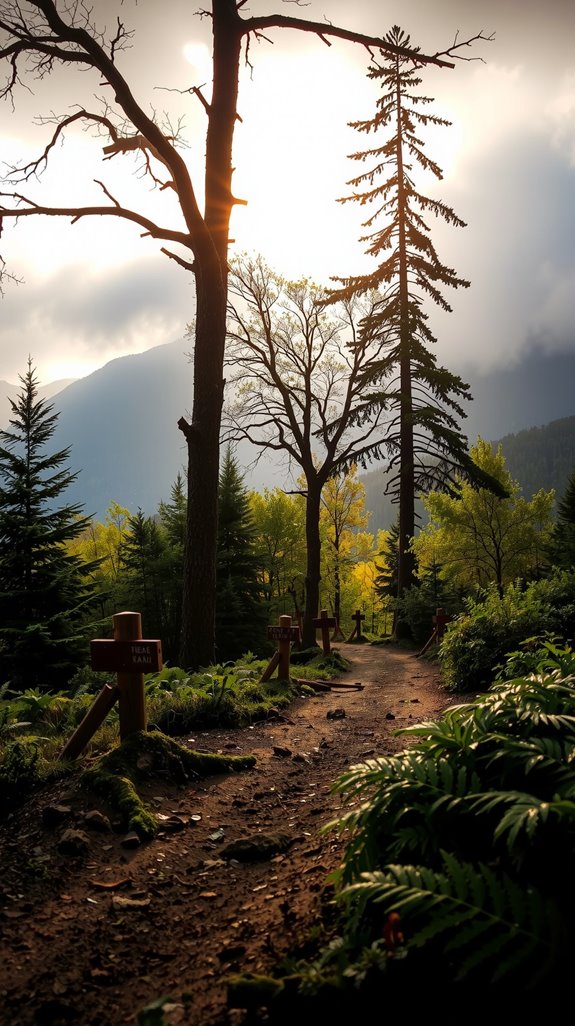
The Great Smoky Mountains section of the Appalachian Trail gives you access to some of the most biodiverse terrain in the eastern United States, with 71 miles crossing the Tennessee-North Carolina border through ancient forests.
You’ll encounter wildflower meadows, salamander-rich streams, and panoramic views from Clingmans Dome at 6,643 feet. Morning mist here creates ethereal landscapes that photographers dream about. The section between Newfound Gap and Clingmans Dome makes an excellent day hike if you’re not tackling the whole stretch.
Maroon Bells Scenic Trail (Colorado)
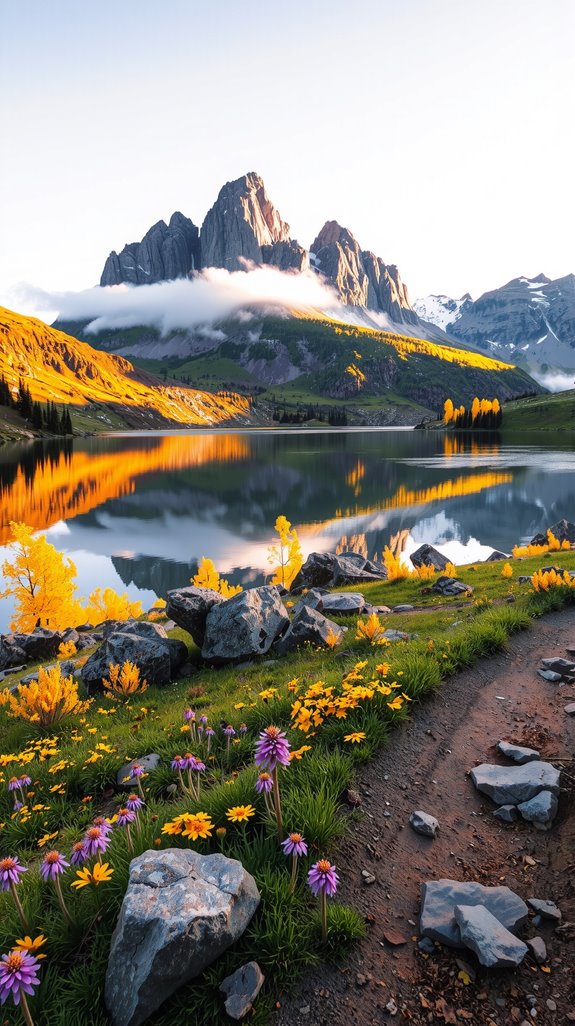
The Maroon Bells Scenic Trail delivers what many consider the most photographed mountain vista in North America, and for once, the hype is justified. You’ll find a gentle 1.5-mile loop around Maroon Lake with unobstructed views of twin peaks reflected in alpine waters.
Dawn arrivals reward you with fewer crowds and lighting conditions that make the scene look painterly. I’ve watched dozens of people arrive at noon and wonder why their photos don’t match what they’ve seen online.
Kalalau Trail (Nā Pali Coast, Hawaii)
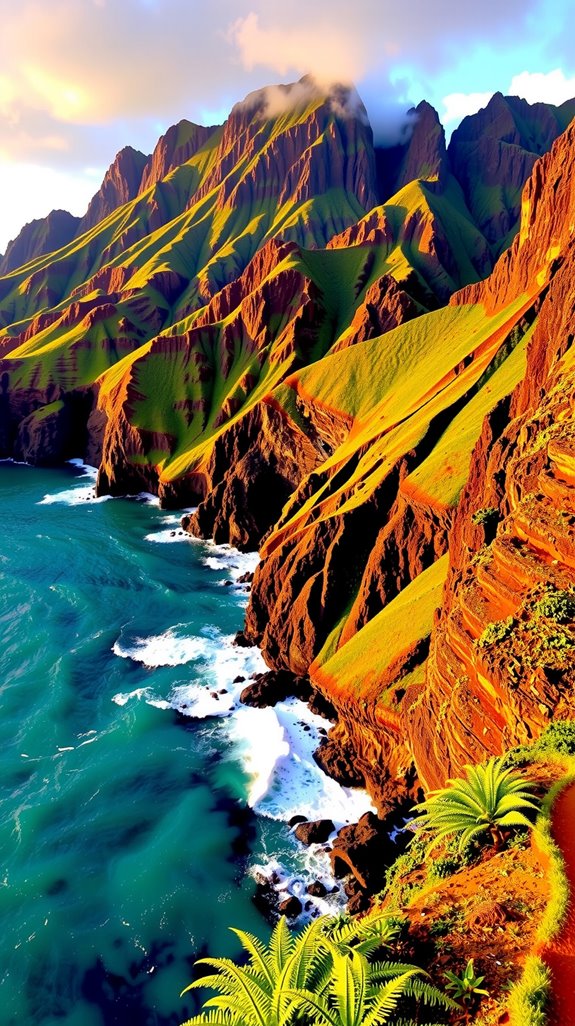
The Kalalau Trail stretches eleven miles along Hawaii’s Nā Pali Coast and earns its reputation as one of the world’s most challenging coastal hikes. You’ll traverse dramatic cliffs, cross cascading streams, and navigate narrow ridges with ocean views plunging thousands of feet below.
The trail demands proper permits, solid physical fitness, and careful timing to avoid afternoon rains that turn conditions genuinely treacherous. This is not a casual day hike, despite what some travel bloggers might suggest.
Acadia National Park Ocean Path (Maine)
Ocean Path offers a gentler introduction to Acadia’s rugged coastline while delivering equally impressive Atlantic vistas. You’ll cover two miles of relatively flat terrain between Sand Beach and Otter Point, encountering Thunder Hole’s dramatic wave action and numerous granite outcroppings.
The path’s accessibility makes it perfect for sunrise walks when fog often shrouds the shoreline in ethereal beauty. I’ve seen families with young kids handle this trail comfortably, which makes it a rare gem for mixed-ability groups.
Cinque Terre Coastal Trail (Italy)
Connecting five pastel-hued villages along the Italian Riviera, this trail system delivers some of Europe’s most photographed coastal scenery for good reason. You’ll traverse vineyard-draped cliffs and ancient stone pathways while the Mediterranean sparkles below in shades that seem impossible.
The Sentiero Azzurro section between Monterosso and Vernazza offers particularly stunning vistas. Plan your hike during the shoulder seasons to avoid crowds and experience these fishing villages when they feel like actual communities instead of theme parks.
Lauterbrunnen Valley Trails (Switzerland)
Lauterbrunnen Valley offers over 72 waterfalls and a network of trails that showcase Switzerland’s legendary mountain scenery without requiring technical climbing skills. You’ll find well-marked paths leading to Staubbach Falls and Trümmelbach Falls, where morning mist creates conditions that landscape photographers study and try to replicate elsewhere.
The valley’s relatively flat terrain makes it accessible for most fitness levels while still delivering dramatic alpine views. I’ve brought non-hikers here and watched them become converts.
Trolltunga Trail (Norway)
Norway’s Trolltunga Trail demands considerably more than casual effort from anyone who attempts it. You’ll face a 17-mile round trip requiring 10-12 hours of sustained hiking, which means this is an all-day commitment.
The reward comes at the trail’s end with a dramatic rock formation jutting horizontally over Lake Ringedalsvatnet, 2,300 feet below. You’ll need proper gear and actual physical conditioning for this route, not just enthusiasm and good intentions.
Plitvice Lakes Boardwalk Trails (Croatia)
Sixteen interconnected lakes cascade through Croatia’s Plitvice Lakes National Park, connected by wooden boardwalks that bring you within feet of thundering waterfalls and crystal-clear pools. You’ll traverse multiple routes ranging from two to eight hours, each offering turquoise waters and limestone formations that look like something from a fantasy novel.
Early morning visits reward you with mirror-like reflections and fewer crowds along these UNESCO-protected paths. The boardwalks make this accessible while protecting the fragile ecosystem.
Best Times & Simple Tips for Golden-Hour Hiking
When to arrive vs when the light peaks
Timing your arrival correctly makes the difference between capturing stunning moments and missing them entirely. You’ll want to reach your destination at least 30 minutes before the light peaks, giving yourself time to scout locations and settle into the experience.
Golden hour typically lasts only 20-40 minutes, depending on terrain and weather, so arriving early guarantees you’re positioned when those warm rays illuminate the landscape. I’ve rushed too many sunrises and learned this lesson the hard way.
What to pack for early mornings or sunset walks
Temperatures can drop considerably during dawn and dusk hours, so pack strategically for comfort and safety. Bring layered clothing, including a moisture-wicking base and an insulated jacket you can stuff in your pack.
Don’t forget a headlamp with fresh batteries since darkness arrives faster than you expect. Pack water, snacks, a fully charged phone, and a small first-aid kit to cover the essentials.
Clothing tips for temperature shifts
When temperatures fluctuate by 20 to 30 degrees between sunrise and midday, your clothing strategy makes or breaks the experience. Layer with a moisture-wicking base, an insulating mid-layer, and a windproof outer shell that you can remove as conditions warm.
Pack everything in your daypack rather than tying items around your waist, which restricts movement and creates discomfort. I’ve watched too many hikers suffer through overheating because they didn’t want to stop and reorganize their layers.
Safety considerations without breaking the calm mood
Golden hour bathes trails in beautiful light, but you need to balance stunning views with practical awareness of diminishing visibility. Carry a headlamp in your pack even if you swear you won’t need it.
Share your route with someone before leaving, and start your hike with enough buffer time to return before complete darkness. These simple steps let you enjoy the magic without turning it into a survival situation.
A Gentle Reminder: You Don’t Need Distance to Feel Moved
Society often celebrates long-distance hikers who conquer multi-day trails, but profound experiences don’t require extensive mileage. A half-mile loop through morning mist can offer more emotional impact than a ten-mile slog.
What matters isn’t the distance you cover but your willingness to slow down, observe carefully, and let the landscape affect you. I’ve had transformative moments on short trails and forgettable experiences on long ones, which taught me that presence matters more than miles.