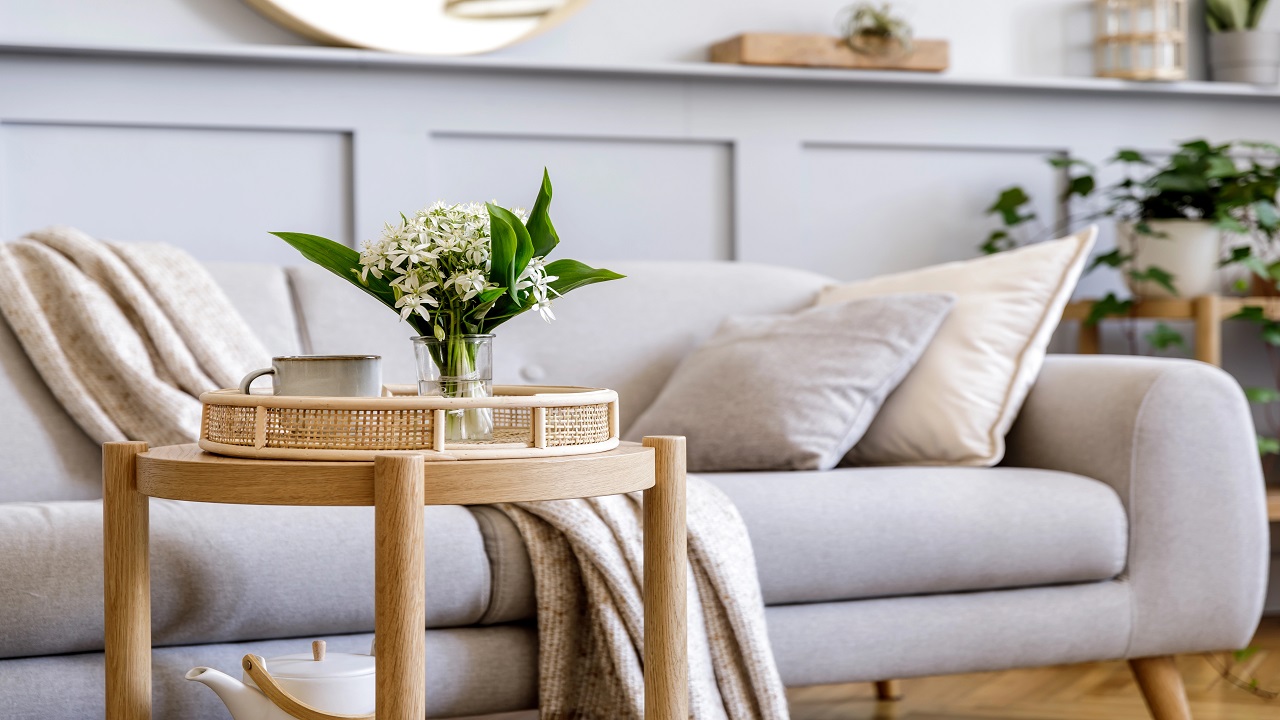
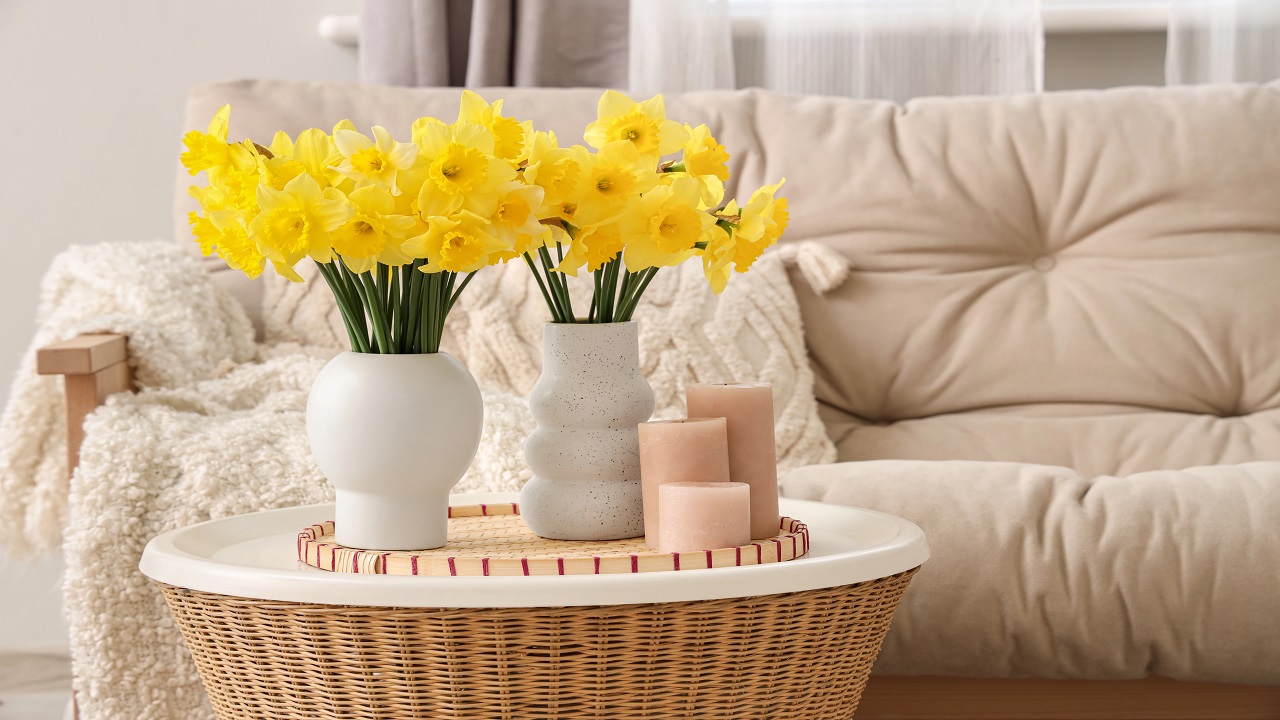
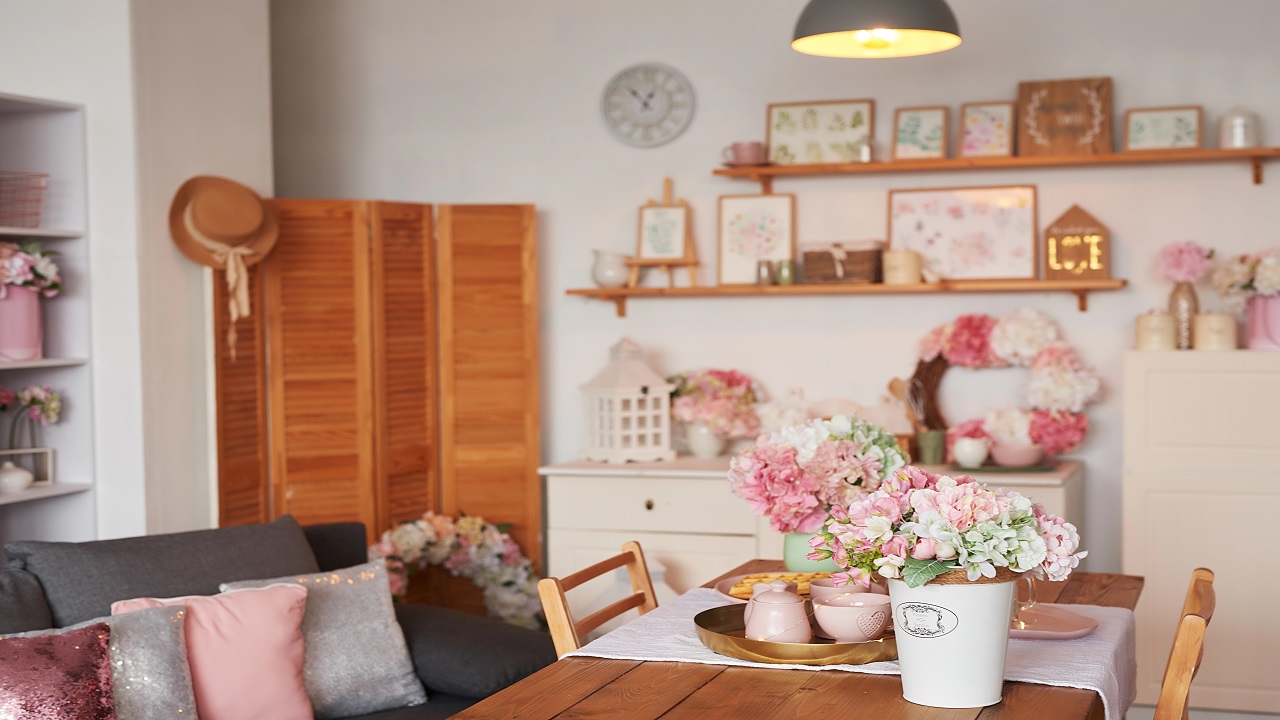
I carry the memory of a tiny, perfect teahouse in Kyoto; it was so small, yet stepping inside, the world simply dissolved. That feeling of quiet, immense space where the room is attached to your soul and never confined like a shoebox, is precisely what your living room deserves!
The secret lies in understanding that design is sensory: how light, color schemes, furniture selection, and precise spatial arrangement manipulate perception to create an experience of absolute more.
We have gathered 28 proven techniques that will help you maximize every precious square inch and weave the beautiful illusion of expansiveness you’re truly after.

Contents
- 1 Key Takeaways
- 2 Slim Profiles: Why Your Furniture Needs to be on a Diet
- 3 Modular Sofas: Transform Awkward Corners into Gold
- 4 Select Furniture With Legs Instead of Skirts
- 5 Stick to Neutral Colors and Solid Patterns for Upholstery
- 6 Leave Breathing Room Between Furniture and Walls
- 7 Hang Artwork and Frames Vertically to Add Height
- 8 Incorporate Tall Plants for Visual Elevation
- 9 Use Sconces and Tall Lamps to Emphasize Vertical Space
- 10 Position Mirrors Above Furniture to Create Depth
- 11 Install High Shelves to Draw the Eye Upward
- 12 Maintain Symmetry Based on Your Room’s Architecture
- 13 Define Activity Zones With Rugs and Lighting
- 14 Keep Surfaces Clutter-Free for an Open Feel
- 15 Choose Furniture That’s Proportionate to Room Size
- 16 Paint Walls White to Reflect Light and Expand Space
- 17 Use Calming Hues Like Dark Sage Green for Coziness
- 18 Add Bright Pops of Color Through Accessories
- 19 Layer Lighting to Highlight Areas and Create Depth
- 20 Paint the Ceiling a Different Color for Added Dimension
- 21 Incorporate Hidden Storage Solutions Throughout the Room
- 22 Pull Furniture Away From Walls for Better Flow
- 23 Use Sectionals as Room Dividers in Open Layouts
- 24 Add Window Seats for Extra Seating Without Floor Space
- 25 Invest in Multifunctional Furniture With Built-In Storage
- 26 Layer Textures Through Rugs and Throw Pillows
- 27 Mix Patterns Carefully to Add Visual Interest
- 28 Maximize Natural Light by Keeping Windows Clear
Key Takeaways
Choose slim-profile pieces with exposed legs to reveal the floor, weaving visual continuity that makes rooms feel lighter and more spacious.
Paint walls in soft light neutrals, then layer ambient, task, and accent lighting. This allows light to reflect and add necessary depth throughout your space.
Install vertical artwork and tall plants in quiet corners. This guides the eye upward, beautifully creating the illusion of higher ceilings.
Use area rugs to define functional zones and modular sectionals as soft room dividers. This maximizes floor space while maintaining effortless, clear pathways.
Bring in hidden storage with multifunctional furniture. Keep windows open with sheer curtains to welcome and maximize the cleansing flow of natural light.
Slim Profiles: Why Your Furniture Needs to be on a Diet

We are moving away from the shoebox feel, so your furniture shouldn’t look like heavy blocks! Slim-profile furniture is the most effective way to create instant visual openness without sacrificing comfort or functionality.
Pieces should have low backs and thin arms; this significantly reduces visual bulk. The secret? Exposed legs. They show the floor underneath, providing an airy impression that makes the ceiling seem higher.
This simple design trick effectively increases your room’s perceived dimensions; it’s pure design magic!
Modular Sofas: Transform Awkward Corners into Gold

The enemy of small rooms is the awkward corner space; it’s just dead space! That’s why modular sectional sofas are a complete game-changer.
You can position those L-shaped or U-shaped configurations to hug the walls precisely, maximizing every inch of available floor space and creating a cozy, defined seating area.
Need to separate distinct district zones like the living area from a workspace?
Strategically place one module to act as a visual boundary without needing bulky furniture or building permanent walls. Trust me, modular pieces are the ultimate functional seating zones.
Flexible Configuration for Corners

When you’re working with limited square footage, every piece of furniture needs to earn its place—and modular sectional sofas excel at this challenge.
These adaptable pieces anchor corners efficiently, transforming awkward angles into functional seating zones.
You can configure L-shapes that follow your room’s contours precisely, maximizing space without overwhelming it. The separate pieces fit through tight doorways and narrow hallways, making them ideal for apartments where traditional sectionals won’t pass through entry points.
Doubles as Room Divider
Beyond just hugging corners, this modular sectional performs an essential double duty, helping us carve out distinct zones within your small living room.
You can position it strategically like a purposeful screen in a busy market. It’ll subtly separate your resting area from a dining or workspace without needing to construct permanent walls.
The sofa’s height naturally creates a gentle visual boundary that organizes the functionality of the space. This would ensure that traffic flows beautifully while preserving that vital sense of perceived spaciousness.
Select Furniture With Legs Instead of Skirts

We must give our pieces room to breathe, my dear. Choosing furniture with exposed legs rather than skirts is one of the most immediate and dramatic transformations you can make for spaciousness.
When you select sofas and chairs with this lift, you immediately create visual continuity as the floor is revealed, allowing precious light to flow right through the space.
This simple choice immediately reduces the visual weight of your pieces, ensuring the entire room feel lighter and beautifully airier.
You may be wondering; Why does furniture with legs make such a dramatic difference in small living rooms? Well, let me briefly answer that.
- It Creates Airiness and Flow
Those exposed areas beneath allow your eye to glide across the entire floor, establishing a Seamless Sightline that instantly expands the perceived space and generates an essential airy atmosphere.
- Increases Visual Floor Space
This simple choice immediately reduces visual congestion and multiplies your visible floor space. By elevating your pieces, we create an unobstructed sightline, making the whole room feel considerably larger and less cluttered.
Stick to Neutral Colors and Solid Patterns for Upholstery

When space comes at a premium, we must treat the room like a beautiful, clear canvas. That is why neutral colors and solid patterns in upholstery become your most reliable tools.
Light shades like creamy linen or soft gray not only reflect light but actively work to visually expand your room, making boundaries between furniture and walls seem to dissolve.
Using solid patterns is essential; it helps prevent visual clutter, giving you the freedom to layer textured accessories without overwhelming the space.
This intentional approach creates a clean, cohesive foundation that maximizes perceived openness.
Leave Breathing Room Between Furniture and Walls

In traditional design, energy must never be stifled; flow is everything. Although crowding your pieces against the wall might feel like efficient geometry, it actually shrinks the room.
Strategic spacing is the secret that makes small living rooms feel more expansive and functional. We must honor the flow: leave approximately 12 inches between sofas and walls to improve air circulation and prevent damage. Maintain 18-24 inches for walkways between large pieces, and position coffee tables 16-18 inches from seating.
This breathing room creates visual openness Not just as decor but it would support natural traffic patterns in your room.
Hang Artwork and Frames Vertically to Add Height

When we lack the luxury of width, we borrow from the heavens. Hanging artwork and frames in a strong vertical orientation is one of the most effective and ancient ways to make your living room feel immensely taller and more spacious. It transforms what you might overlook into a powerful focal point, completely enhancing your room’s proportions.
You may be asking, But how?
Well, do you know why a living room feel so easily cramped?
The problem is almost always horizontal visual emphasis. The eye travels along the width and stops abruptly at the edge. Vertical artwork rejects this confinement! It redirects attention upward, encouraging natural eye movement along the height of the wall rather than the width. This powerful, vertical perspective is a beautiful trick that instantly creates the illusion of taller ceilings and makes constrained spaces feel open, not confined.
Now, this design magic requires precision, not guesswork. To truly maximize vertical wall space, I recommend selecting pieces that are 24 to 48 inches tall. Place them intentionally: 6–9 inches above existing furniture, or centered at 66 inches for a standalone wall. Always choose slim, tall frames for narrow segments.
By grouping smaller pieces, you create visual impact while maintaining that crucial, airy, uncluttered aesthetic we are after.
Incorporate Tall Plants for Visual Elevation

Let’s take a look at the oldest solution to a small living room that feels cramped:the garden. Tall plants offer an immediate, living answer by gently drawing the eye upward, creating that beautiful illusion of higher ceilings.
We must be intentional: position large potted varieties like a strong fiddle leaf fig, in empty corners. This does maximize the vertical space without bringing clutter to the floor.
Their upright growth habits naturally create visual layers that enhance depth, while, their natural greenery softens harsh architectural lines and adds vibrant color to neutral palettes.
Use Sconces and Tall Lamps to Emphasize Vertical Space

When floor space is precious, we must lift our resources. Shifting your lighting strategy upward instantly transforms how spacious your living room feels.
Wall-mounted sconces are genius; they eliminate floor clutter while actively guiding the eye toward ceiling height. Pair these beautiful fixtures with slender floor lamps that extend vertical sightlines without consuming valuable square footage.
Position the sconces slightly above eye level, choosing tall, narrow lamp designs to create a compelling upward momentum that makes your room feel substantially larger.
Position Mirrors Above Furniture to Create Depth

Lighting draws the eye upward, but mirrors strategically placed above furniture amplify that vertical momentum while adding measurable depth to compact spaces.
Position mirrors 4-6 inches above console tables or sofas, keeping them about two-thirds the furniture’s width.
They’ll reflect light from windows and lamps, doubling brightness while creating the illusion of expanded sightlines that visually enlarges your room.
Install High Shelves to Draw the Eye Upward
Just as tall plants leverage height to expand your room’s visual boundaries, high shelves accomplish the same effect through strategic wall placement.
Floating shelves are marvelous; they optimize unused vertical space while maintaining clean lines that beautifully enhance spaciousness. They provide practical storage for less-frequently accessed items without consuming floor area. This allows for more furniture placement options below.
Always choose lighter colors and shallow depths to prevent the feeling of visual heaviness.
Maintain Symmetry Based on Your Room’s Architecture
Your room’s architectural features provide a blueprint for arranging furniture that feels intentional rather than haphazard.
Use structural elements like fireplaces or windows as anchor points, then mirror furniture on either side. This bilateral approach creates visual balance while maximizing your space’s natural flow.
Guarantee furniture proportions match your room’s scale, and position pieces to capture natural light, enhancing the perception of openness.
Define Activity Zones With Rugs and Lighting
Creating distinct activity zones transforms a small living room from a single-purpose space into a multifunctional environment. One where relaxation, entertainment, and work can coexist without visual chaos.
Place rectangular rugs in narrow areas to create length, while round rugs soften corners and balance flow. Position rugs to define boundaries without enclosing them, leaving eight inches from walls.
Use overhead lighting to illuminate large rugs and accent lighting to highlight smaller zones, creating functional spaces.
Keep Surfaces Clutter-Free for an Open Feel
Clutter is visual noise that disrupts tranquility. Hence, clutter-free surfaces act as visual breathing room in small living spaces, immediately making them appear larger and more inviting.
Store items out of sight using organizers and cabinets to maintain clean tabletops and shelves.
Digitalize paperwork to eliminate desk clutter, and establish a quick daily tidying ritual. This approach reduces sensory overload while creating the perception of openness your compact room needs.
Choose Furniture That’s Proportionate to Room Size
The furniture you select plays a defining role in whether your small living room feels comfortable or cramped. Choose pieces proportionate to your room dimensions, using paper templates or painter’s tape to visualize footprints before purchasing.
Opt for furniture with lighter visual weight, like slim legs and open bases, to create expansiveness. Balance large and small pieces strategically, and maintain 18-24 inches around seating for proper circulation and accessibility.
Paint Walls White to Reflect Light and Expand Space
One of the most effective strategies for brightening a small living room involves painting walls white or in light colors with high light reflectance values (LRV).
White paint, with an LRV around 85%, maximizes light reflection and reduces your need for artificial lighting by up to 85%. This creates a lighter atmosphere while cutting electricity costs, though it won’t dramatically increase perceived room size alone.
Use Calming Hues Like Dark Sage Green for Coziness
While white walls excel at reflecting light, dark sage green offers a different advantage. It transforms your small living room into a calming retreat that prioritizes comfort over sheer brightness.
This muted hue creates depth without overwhelming the space, particularly when paired with natural materials like wood and linen.
The color’s connection to nature promotes tranquility and balance, making confined areas feel like serene sanctuaries rather than cramped quarters.
Add Bright Pops of Color Through Accessories
We have built a clean, beautiful foundation of light and texture, but now the space needs vitality. Color as energy is the final layer of textile wisdom.
You can immediately transform your small living room’s atmosphere by simply introducing a few bright accessories that create essential visual interest without ever overwhelming the core space.
The secret lies in choosing strategic accent pieces and balancing these vibrant elements perfectly with our existing neutral foundation.
- Choose Strategic Accent Pieces
We must be precise in our choices. Strategic accent pieces become your most versatile design tools, offering focused pops of color that instantly energize the space.
Select smaller-scale accessories like throw pillows, vases, and lamps rather than bulky decor to prevent clutter.
Distribute these accents thoughtfully across the room, positioning them near natural light sources to amplify their brightness and maximize the illusion of expanded space.
- Balance Bold With Neutral
There’s a scientific balance in play here. Strategic accent pieces work best when they harmonize with a carefully balanced color scheme that anchors your small living room.
Apply the 60-30-10 rule by dedicating 60% to neutral foundations like light gray or taupe, 30% to softer secondary hues, and 10% to bold accents.
This proportional approach prevents visual overload while introducing energizing pops of deep blue or emerald green through pillows, artwork, and rugs.
- Rotate Accessories By Season
Just as seasons change outside your windows, revitalizing your living room accessories keeps the space feeling current and psychologically aligned with nature’s rhythm.
Swap throw pillows, cushion covers, and small decorative objects to reflect seasonal palettes; deep oranges and burgundies for fall, bright fresh tones for spring.
These minimal updates reduce monotony, maintain comfort, and visually expand your room without overwhelming limited square footage.
Layer Lighting to Highlight Areas and Create Depth
Lighting transforms a small living room from flat and cramped to spacious and inviting, but only when you layer it correctly.
Combine ambient ceiling fixtures, task-oriented wall sconces, and accent lights to highlight architectural features. Position lights at high, mid, and low levels to create vertical depth that visually stretches your space.
Install dimmer switches for flexible control, allowing you to adjust the atmosphere based on different activities throughout the day.
Paint the Ceiling a Different Color for Added Dimension
When you look up in most living rooms, you’ll find a standard white ceiling that does nothing to enhance the space below.
Transform this overlooked surface into a design asset by painting it a lighter shade than your walls to create height illusion, or choose a contrasting tone at least two shades different to add dimension and visual interest, treating your ceiling as a fifth wall.
Incorporate Hidden Storage Solutions Throughout the Room
Tranquility is built on clarity. Hidden storage solutions are the silent architects that transform your living room by actively eliminating clutter without sacrificing style or functionality.
To maximize every square inch, we must think like a puzzle master! You’ll find that multifunctional furniture pieces, such as ottomans with internal compartments and coffee tables with concealed drawers, serve dual purposes.
- Utilizing the Floor Beneath
Since small living rooms demand ingenuity, under-furniture storage options offer one of the most effective, yet underutilized, solutions. This discreet space beneath sofas and beds is perfect for stashing everything from blankets to seasonal items.
Look for wheeled bins and slide-out drawers beneath seating, or seek out benches with lift-up lids and sofa beds with large under-seat areas for accessible, built-in compartments.
Multifunctional Furniture Pieces
Beyond utilizing the space beneath your existing furniture, you can amplify your storage capacity by selecting pieces specifically designed to serve multiple purposes while concealing items from view.
Sofa beds with built-in compartments combine seating, sleeping, and storage in one unit. Storage ottomans and coffee tables with hidden drawers reduce clutter while maintaining functionality.
These are the essential components of intentional, clutter-free living.
Pull Furniture Away From Walls for Better Flow
When you pull furniture away from the walls, you instantly transform a room’s flow and functionality in ways that conventional arrangements can’t match.
This approach creates multiple pathways through your space, preventing bottlenecks while establishing distinct zones in open layouts.
Floating pieces also expose more floor area, tricking the eye into perceiving greater spaciousness while enabling intimate conversational clusters that feel inviting rather than cramped.
Use Sectionals as Room Dividers in Open Layouts
Floating furniture away from walls naturally leads to another strategic placement decision: positioning a sectional sofa as an anchor point that divides your open layout into functional zones.
You’ll create distinct living and dining areas without blocking sightlines or installing permanent walls. This modular approach maximizes seating capacity while maintaining an airy feel, and you can rearrange sections as your spatial needs evolve.
Add Window Seats for Extra Seating Without Floor Space
Window seats transform underutilized areas near your windows into functional seating that doesn’t eat into your limited floor space.
You’ll gain comfortable places to sit, read, or relax while preserving precious square footage that would otherwise accommodate bulky chairs or sofas.
Best of all, built-in designs can incorporate hidden storage beneath the cushions, giving you a dual-purpose solution that adds both seating and organization to your small living room.
Built-In Seating Benefits
As small living rooms demand creative solutions to maximize every inch, built-in window seats emerge as one of the most strategic additions you can make.
They transform overlooked alcoves and corners into functional seating areas without consuming floor space, allowing easier movement throughout the room.
These architectural features blend seamlessly into your layout while serving as distinctive focal points that add character, dimension, and perceived spaciousness to cramped quarters.
Storage Underneath Options
The hidden cavity beneath a window seat represents one of the most underutilized storage opportunities in small living rooms, offering several cubic feet of organizational potential that would otherwise go to waste.
Install built-in drawers or lift-top compartments to store blankets, books, and seasonal items. Choose quality hardware and pull-out mechanisms for easy access, ensuring these concealed spaces remain functional while maintaining your room’s clean, uncluttered appearance.
Invest in Multifunctional Furniture With Built-In Storage
When living room square footage becomes scarce, multifunctional furniture with built-in storage transforms cramped quarters into organized, livable spaces.
Sofa beds accommodate overnight guests while storing linens underneath. Ottomans provide seating and footrests while concealing remotes, toys, and blankets inside.
Coffee tables with hidden compartments keep magazines and electronics out of sight, maintaining clean surfaces. These dual-purpose pieces maximize functionality without sacrificing valuable floor space.
Layer Textures Through Rugs and Throw Pillows
Beyond smart furniture choices, layering textures through rugs and throw pillows adds visual richness and warmth to compact living rooms without consuming additional space.
Combine at least three pillow textures; velvet, linen, chunky knits, to create depth. Start with your rug’s color palette, then select pillows in complementary or tonal hues.
Position larger pillows behind smaller ones for ideal dimension, and refresh layers seasonally to maintain visual interest.
Mix Patterns Carefully to Add Visual Interest
Mixing patterns transforms a small living room from flat and monotonous into a dynamic, curated space. However, it requires strategic planning to avoid visual chaos.
Combine patterns in varying scales: small, medium, and large, to create balance. Maintain a cohesive color palette across all patterns, and limit yourself to three to five patterns total.
Use solid colors strategically between patterned pieces to provide visual rest, preventing the space from feeling cluttered or overwhelming.
Maximize Natural Light by Keeping Windows Clear
Natural light serves as one of the most powerful tools for making a small living room feel larger and more inviting. Yet many homeowners inadvertently block its impact with heavy window treatments and poor furniture placement.
Keep windows unobstructed by using sheer curtains instead of bulky drapes, positioning furniture away from light sources, and cleaning glass regularly to maximize brightness and create an expansive atmosphere.