Glacier National Park is not your average camping trip. The park sits in one of the last places in the lower 48 where grizzly bears still roam in serious numbers, and that single fact changes everything about how you store your gear, your food, and even your toothpaste.
Get it wrong, and you are not just risking a ruined trip. You are risking a confrontation with one of the most powerful animals in North America.
The good news is that the park has spent decades figuring out what works, and if you follow the rules and pack smart, you can spend your time doing what you actually came here for.
This guide breaks down 16 storage strategies that will keep you safe, keep the bears undisturbed, and make your time in Glacier a whole lot smoother.
Contents
- 1 Essential Bear-Safe Storage Solutions for Glacier’s Backcountry
- 2 Setting Up an Efficient Camp Kitchen Storage System
- 3 Group Camping Storage Solutions at Glacier
- 4 Organizing Gear for Quick Wildlife Encounters
- 5 Maximizing Limited Space in Bear Boxes at Campgrounds
- 6 Organizing Your RV Storage for Wildlife Safety
- 7 Creative Ways to Store Scented Items While Hiking
- 8 Lightweight Food Storage Options for Backpackers
- 9 Best Practices for Hanging Food in Tree-Dense Areas
- 10 Weather-Proof Storage Techniques for Mountain Conditions
- 11 Multi-Day Trip Storage Planning Strategies
- 12 Proper Storage Methods for Different Campsite Types
- 13 Vehicle Storage Safety in Bear Country
- 14 Smart Packing Tips for Bear Canister Efficiency
- 15 Seasonal Storage Considerations for Different Weather
- 16 Trail-Ready Storage Methods for Day Hikers
Essential Bear-Safe Storage Solutions for Glacier’s Backcountry
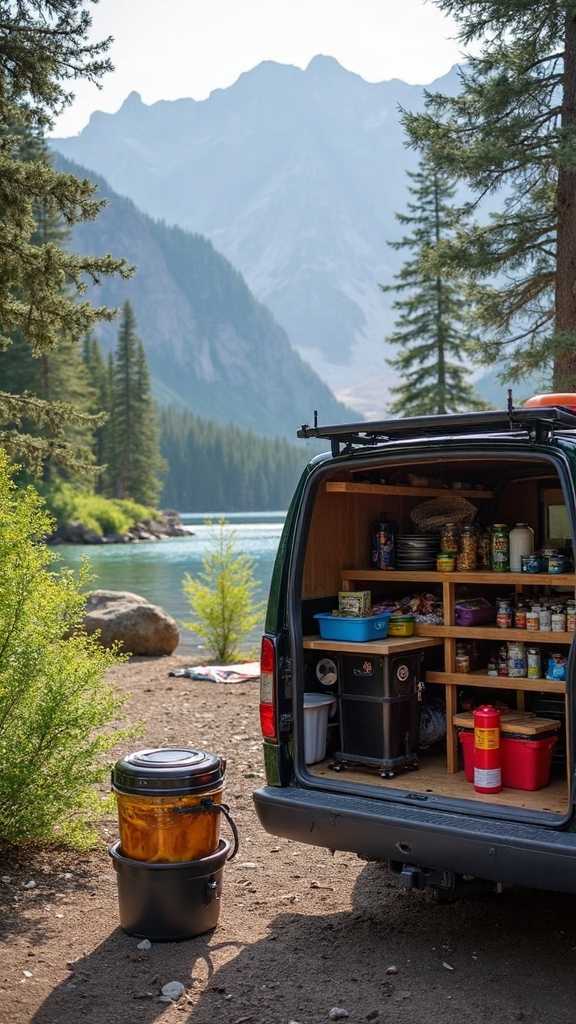
Food storage in Glacier’s backcountry is not optional, and it is not something you can wing.
The park requires you to keep all food and scented items stored at least 100 yards downwind from your campsite at all times, and bear-resistant canisters are the most dependable way to do that when suitable trees for hanging are not available.
The good news is that the park loans out canisters for free to any registered backcountry camper at the Visitor Information Station in Bartlett Cove, so there is no excuse for skipping this step.
Bear-safe lockers are also installed at many established campgrounds throughout the park, taking the guesswork out of storage if you are not going fully backcountry.
The point is simple: bears that learn to associate humans with food become dangerous, and dangerous bears are often killed. Keeping your food locked up tight is one of the easiest things you can do to protect both yourself and the wildlife you came here to see.
SEE THIS: 12 Space-Saving Camper Storage Hacks for Snowbird RVers in Naples, Florida!
Setting Up an Efficient Camp Kitchen Storage System
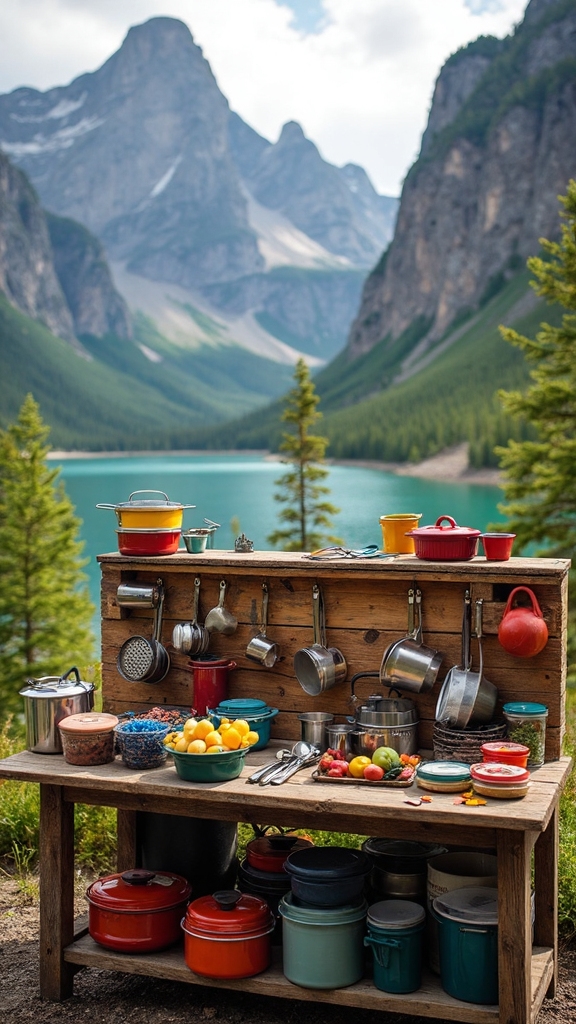
A well-organized camp kitchen is the difference between a meal that takes twenty minutes and a meal that takes an hour and leaves you frustrated before you even sit down to eat.
Look for lightweight camp kitchen setups with multiple storage levels so your cooking oil isn’t buried under your cutting board every time you need it.
Heavy-duty materials matter here more than they do at most campgrounds because the temperature swings in Glacier are brutal, and your gear is going to take a beating.
The other thing worth planning for is keeping everything sealed when you are not actively cooking. Mountain air is dry, insects are relentless, and bears are not above wandering through a campground at dawn looking for anything that smells interesting.
A compact, well-sealed system that you can break down and pack away quickly is going to serve you a lot better than something spread out across three folding tables.
SEE THIS: The Beginner’s Guide to Smart Camper Storage for Yellowstone, Wyoming Trips!
Group Camping Storage Solutions at Glacier
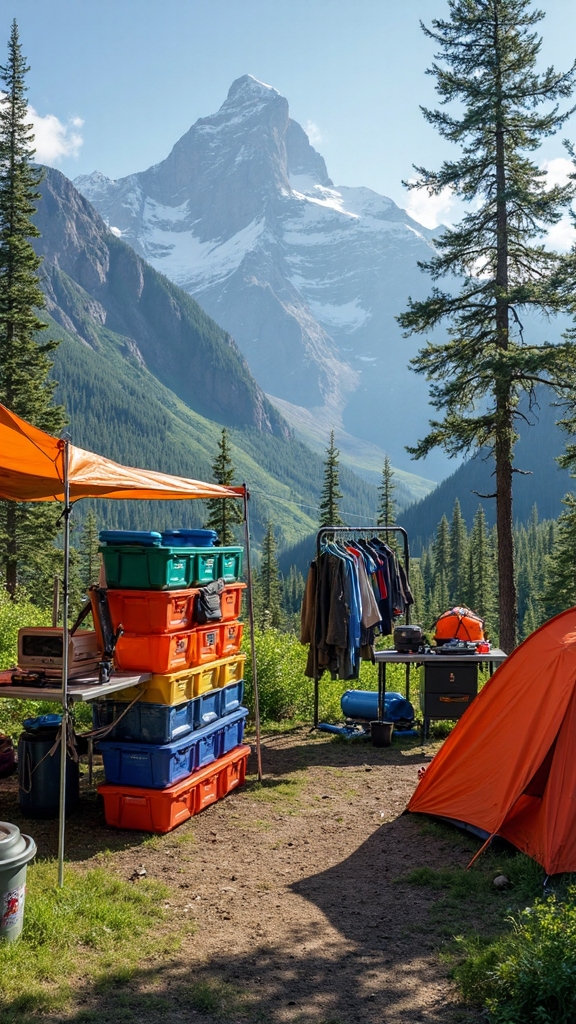
Camping with a larger group at Glacier is a blast, but it also means your storage situation gets a lot more complicated.
Apgar’s group sites accommodate nine to twenty-four people, and at that size, you will need multiple food storage lockers and bear-resistant containers working in tandem.
The best thing you can do is get your site reserved early and have a group conversation about who is bringing what before anyone starts packing.
The park’s bear safety rules apply to the entire group, not just whoever happens to be on cooking duty that night. That means everyone needs to know where the food goes, how the lockers work, and what stays sealed and when.
It is not a complicated system, but it does require everyone to be on the same page, and that coordination is a lot easier when you sort it out at home rather than at the trailhead.
SEE THIS: 15 Cozy Camper Interior Ideas Inspired by Austin, Texas Boho Vibes!
Organizing Gear for Quick Wildlife Encounters
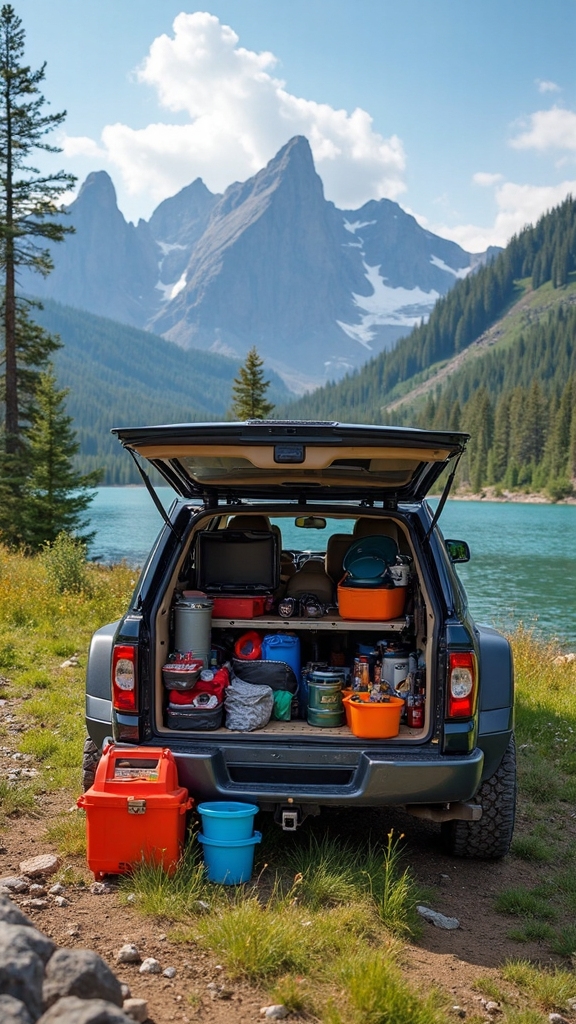
If you have spent any time in bear country, you already know that the moment a wildlife encounter happens is not the moment you want to be digging through your pack.
Bear spray needs to be holstered on your hip where you can reach it in a second, not buried at the bottom of your bag.
Your camera should be pre-set and ready to shoot, because a bear or a mountain goat is not going to wait while you fiddle with your settings.
Beyond the basics, it helps to keep your field guides organized by species and region so you can do a quick ID without slowing down.
Bear bells clipped to your pack zippers serve double duty as a quiet reminder that you are in shared territory. The whole idea is to have everything within arm’s reach so you can react fast, whether that means backing away slowly or getting a shot that actually captures the moment.
SEE THIS: 12 Modern Camper Interior Makeover Ideas for Seattle, Washington Explorers!
Maximizing Limited Space in Bear Boxes at Campgrounds
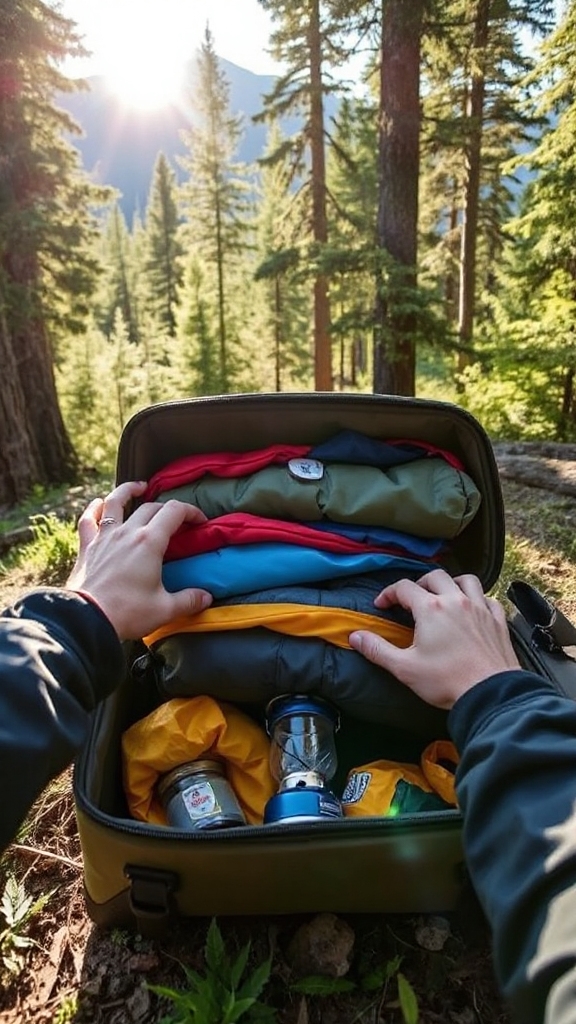
Bear boxes at Glacier’s campgrounds are lifesavers, but they are also shared, and space inside them goes fast during peak season.
Rolling your clothing into tight bundles instead of folding it will buy you a surprising amount of room, and labeled containers keep you from spending five minutes hunting for your coffee every morning.
The key habit to build is keeping your meals portioned out ahead of time so you are not opening and closing containers more than you need to.
Stacking items vertically rather than laying them flat is the single easiest way to make the most of the box’s depth.
Keep your soiled containers separate from anything clean, both for hygiene and because bears key in on smell, and even a closed box works better when the contents are organized sensibly. A few minutes of thought before you load it up will save you a lot of frustration at six in the morning.
Organizing Your RV Storage for Wildlife Safety
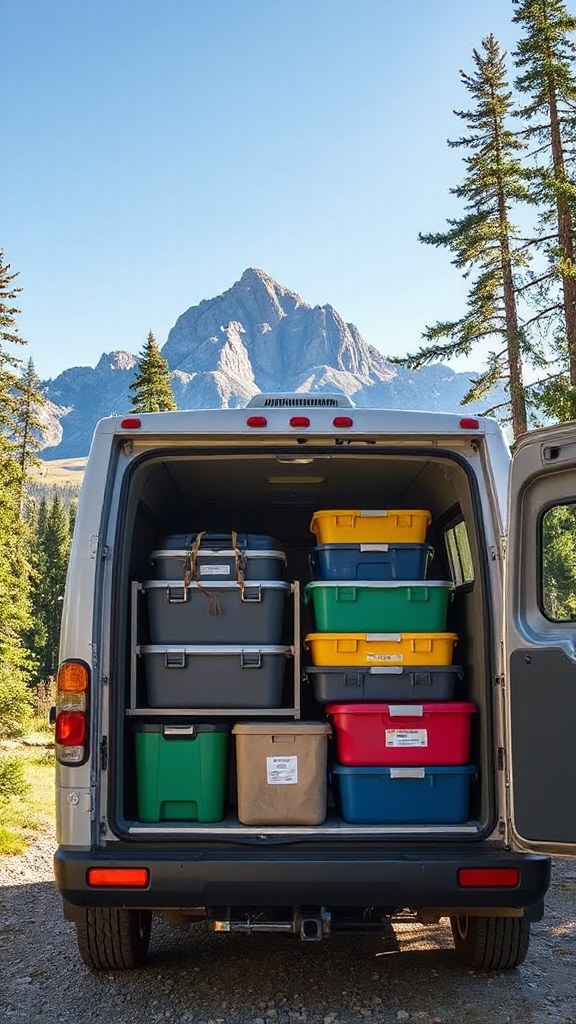
If you are bringing an RV into Glacier, you are bringing a very large, very interesting smell to a place full of curious animals.
Bears have broken into vehicles in this park more times than anyone would like to admit, and an RV with food smells drifting out of it is basically an invitation.
Park in a designated spot away from wildlife corridors when you can, seal every opening you can find, and store anything with a scent in airtight containers inside the vehicle.
Ultrasonic deterrent devices and natural repellents like peppermint oil near your entry points can add another layer of protection, though they work best as a supplement to good habits rather than a replacement for them.
Keeping your RV clean and free of food residue is the foundation of the whole strategy. LED strip lights mounted underneath the chassis can also help with nighttime visibility and tend to discourage smaller pests from settling in under your rig.
Creative Ways to Store Scented Items While Hiking
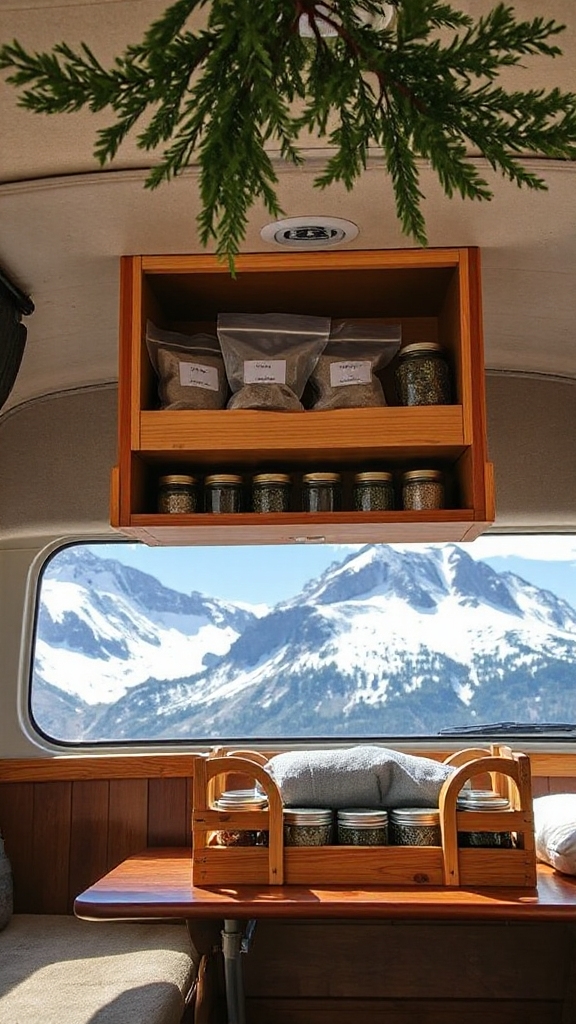
Everything you carry on the trail that has a scent needs to be treated like food as far as bears are concerned. Toiletries, sunscreen, lip balm, even your granola bars from two days ago that left a smell on the wrapper.
Smelly Proof bags come in a range of sizes and are worth throwing a few into your pack before you leave the car. They are lightweight, reusable, and they do exactly what the name says.
For overnight trips, the trekking pole hoist method is one of the more reliable ways to get your scented gear up high when a bear box is not available.
The goal is to get everything at least twelve feet off the ground and well away from your sleeping area. If your pack has around 3,650 cubic inches of storage, you have plenty of room to work with, but the trick is making sure none of that room is occupied by something a bear can smell from a quarter mile away.
Lightweight Food Storage Options for Backpackers
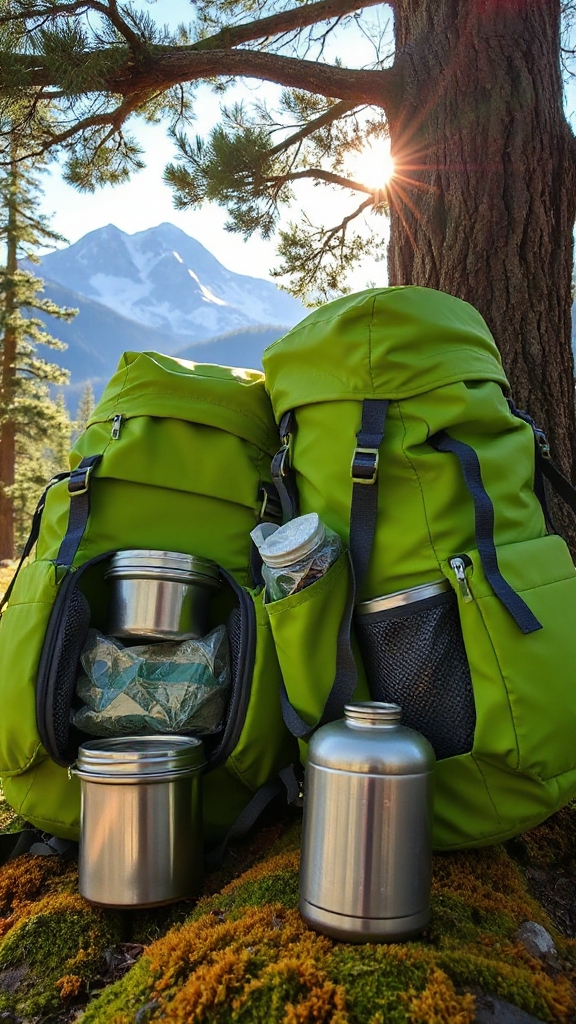
Backpacking in Glacier means every ounce counts, but it also means you cannot cut corners on food storage.
An IGBC-approved hard-sided container like the BearVault BV500 is the gold standard and will keep your food secure no matter what wanders past your campsite overnight.
Glacier’s grizzly population is large and active, and the park does not leave food storage up to chance during overnight stays.
For hikers trying to shave weight, an Ursack Minor paired with odor-proof nylofume bags is a solid lighter alternative that has held up well in testing.
Squeezable tubes for things like peanut butter and other thick foods save a surprising amount of space compared to bulky jars.
Collapsible bottles are another option worth looking into, with some running as low as fifteen dollars, and they compress flat when you are done with them so they barely take up any room at all.
Best Practices for Hanging Food in Tree-Dense Areas
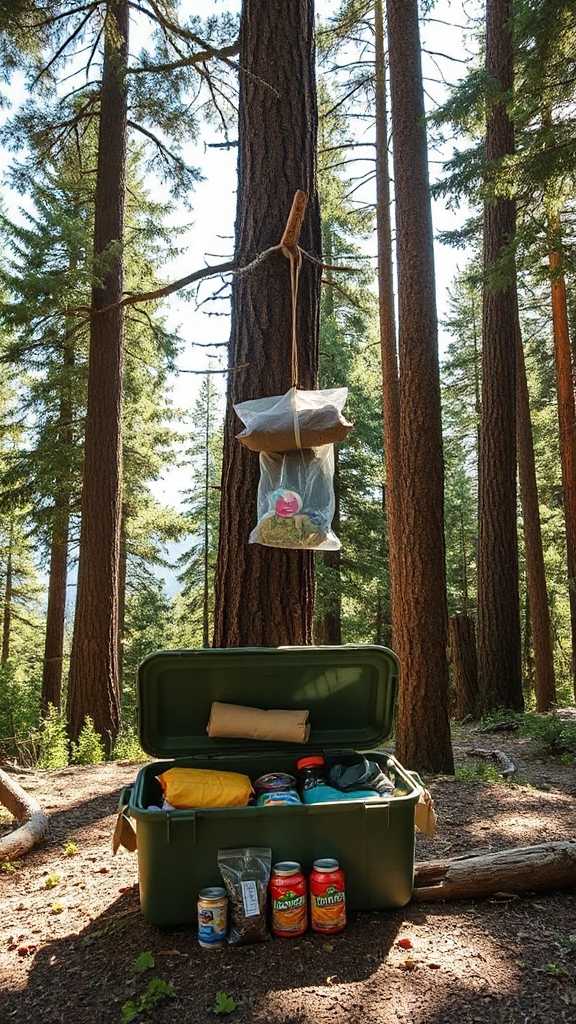
Glacier’s forests are thick enough that you will almost always find a suitable tree for hanging food, but finding the right branch takes a little more thought than just picking the biggest one you see.
You want a branch that sits twelve to fifteen feet off the ground and extends at least four feet from the trunk. The branch should be sturdy enough to hold your food bag but not so thick that a bear could realistically climb out along it to reach the food.
The PCT method, also called the counterbalance method, is one of the most reliable techniques for getting your bag up and keeping it there.
A pulley system works even better if you have the weight budget for it. The whole point is to put distance between your food and anything with teeth, and in a forest this dense, a well-executed hang does that job about as well as anything short of a bear box.
Weather-Proof Storage Techniques for Mountain Conditions
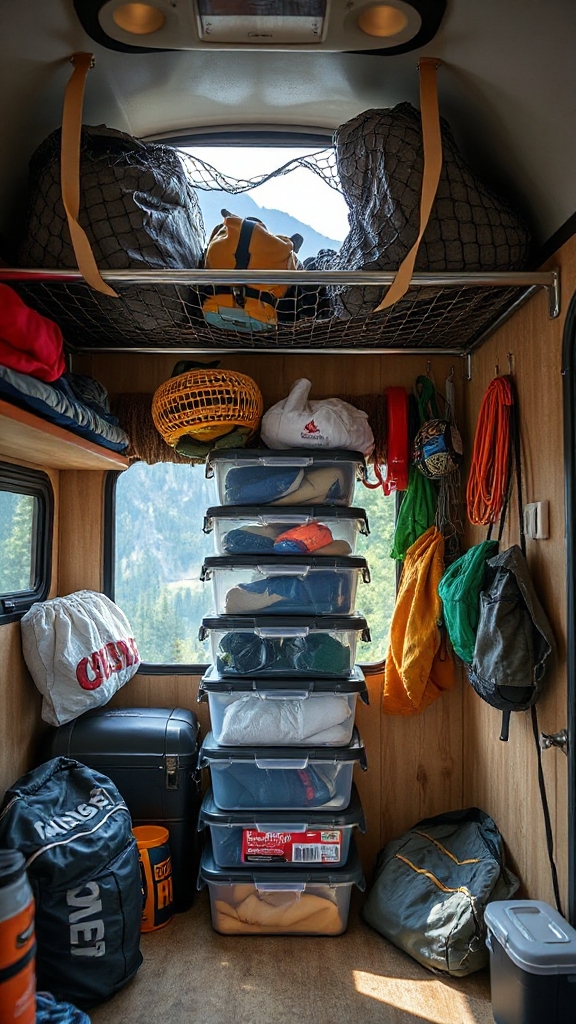
Glacier’s weather does not play around, and neither should your storage setup. Afternoon thunderstorms can roll in without warning, and anything left exposed will get soaked in minutes.
Waterproof containers are non-negotiable for anything you plan to keep dry, but for items like sleeping bags and tents, you want breathable bags instead, because sealing moisture inside with your gear is a fast way to end up with mildew by day three.
Labeling everything and stacking it in a way that makes sense sounds basic, but it matters more than you would think when you are tired, cold, and trying to find your dry socks at dusk.
Wall-mounted racks inside your shelter or at your campsite keep gear off the ground and out of the mud, and they make the whole setup feel a lot more organized. A little structure goes a long way when the weather is working against you.
Multi-Day Trip Storage Planning Strategies
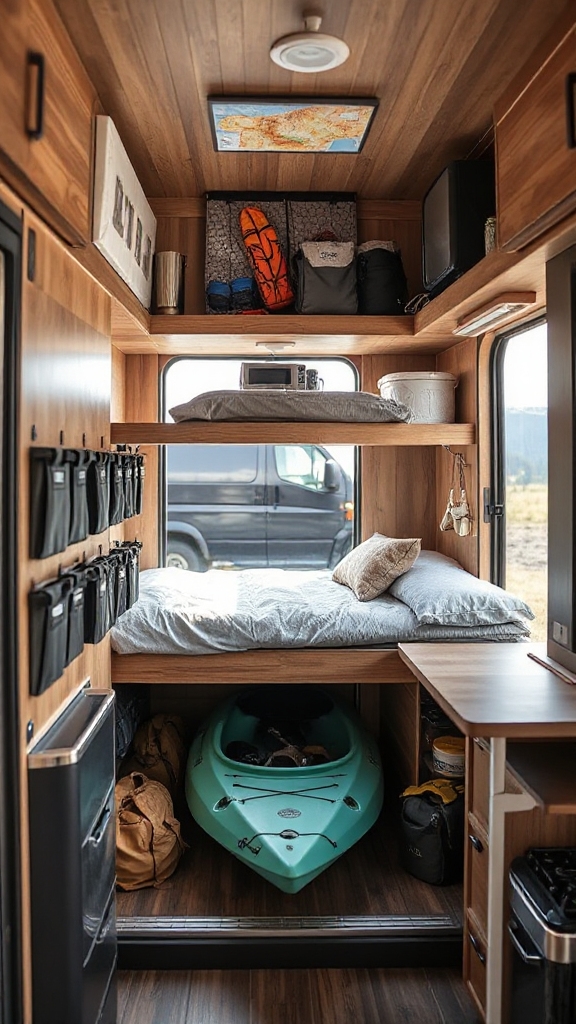
If you are heading into Glacier for more than a day or two, how you organize your food before you leave is going to determine how smooth your trip actually goes. A color-coded system for meals by day sounds like overkill until you are on day four and trying to figure out which container has dinner.
Pre-portioning your meals at home saves time on the trail and keeps your bear canister or food hang tidier.
Frozen items should go beneath refrigerated ones in your cooler to slow down thawing, and keeping raw proteins in a separate cooler from anything ready to eat is just good practice anywhere, let alone in a place where sanitation options are limited. A little planning before you hit the road makes every single day out there easier.
Proper Storage Methods for Different Campsite Types
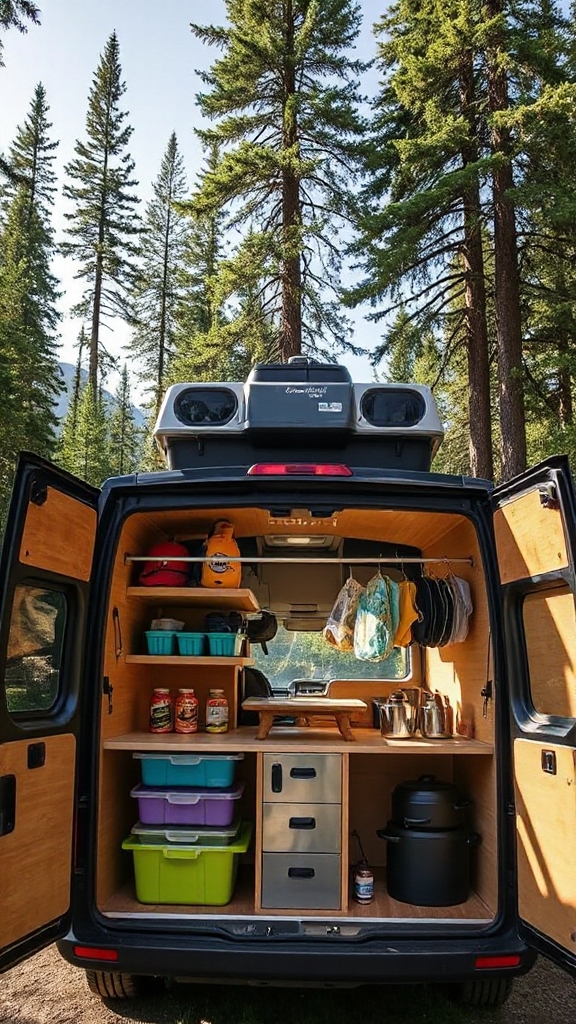
Not every campsite in Glacier works the same way, and your storage approach needs to match the kind of site you are staying at. Backcountry camping puts the most responsibility on you, and that means bear-resistant canisters and waterproof gear storage are your primary tools.
RV sites tend to have external bins available, which simplifies things considerably, but you still need to treat everything with the same bear-awareness you would anywhere else in the park.
Tent campers at established campgrounds fall somewhere in between. Bear boxes are usually available, but your non-food gear still needs to stay organized and off the ground.
The common thread across all three site types is keeping scented items locked up and your campsite clean. The method changes depending on where you are sleeping, but the goal stays exactly the same.
Vehicle Storage Safety in Bear Country
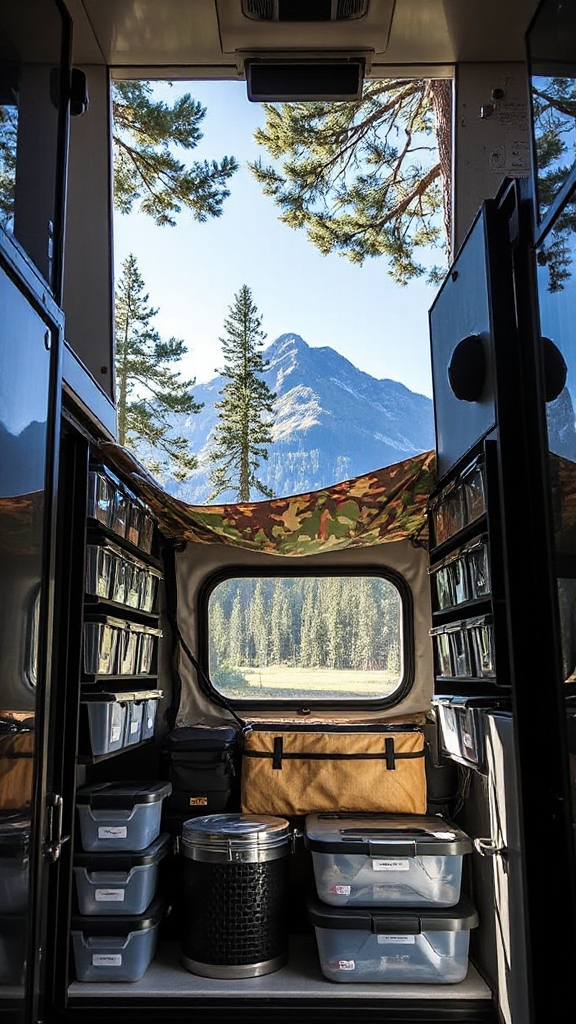
Bears in Glacier are not intimidated by car doors, and they have proven it repeatedly. A bear motivated enough to get to food inside a vehicle will get inside a vehicle, which is why the park treats food storage in cars as seriously as it does food storage at campsites. Lock your doors every single time you walk away, no matter how short the errand.
Everything with a scent needs to come out of the car or go into a bear-resistant container. That includes toiletries, snacks, water bottles that have been sitting in the sun, and anything else you might not think of as smelly until a bear does. Cleaning your car thoroughly after every meal and trip to the grocery store might sound excessive, but in a park where bears can smell food from incredible distances, it is one of the simplest things you can do to avoid a very bad day.
Smart Packing Tips for Bear Canister Efficiency
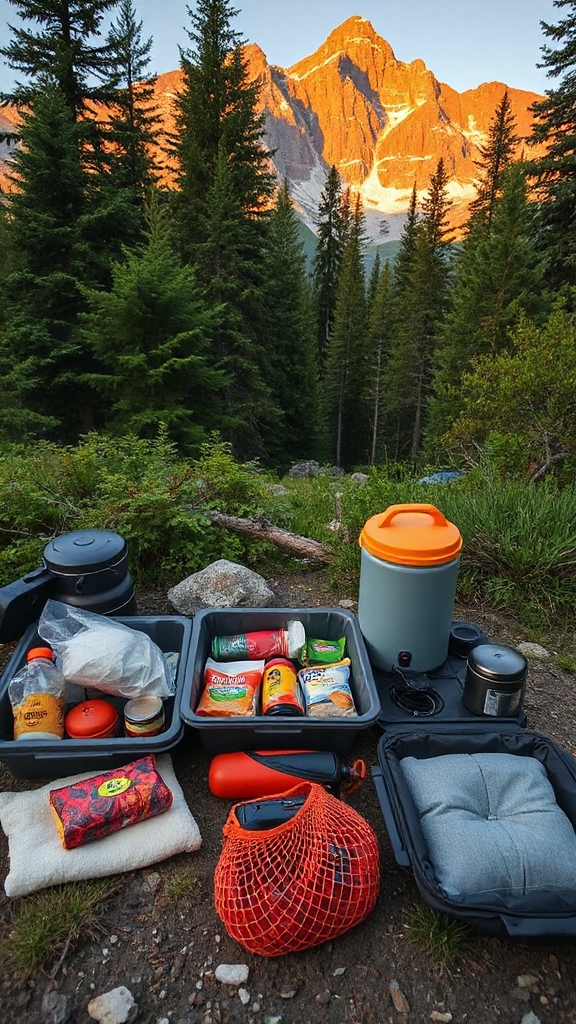
Bear canisters have a fixed amount of space, and if you are not packing them with some intention, you are going to run out of room before you run out of trip. The first move is to ditch all the bulky packaging at home and transfer everything into resealable bags, squeezing out as much air as you can. That alone will buy you a surprising amount of extra space inside the canister.
Choosing foods that are high in calories relative to their size is also worth thinking about, because in a bear canister every cubic inch is real estate. A little strategy before you zip it up means the difference between a canister that lasts you three days and one that barely makes it to two.
Seasonal Storage Considerations for Different Weather
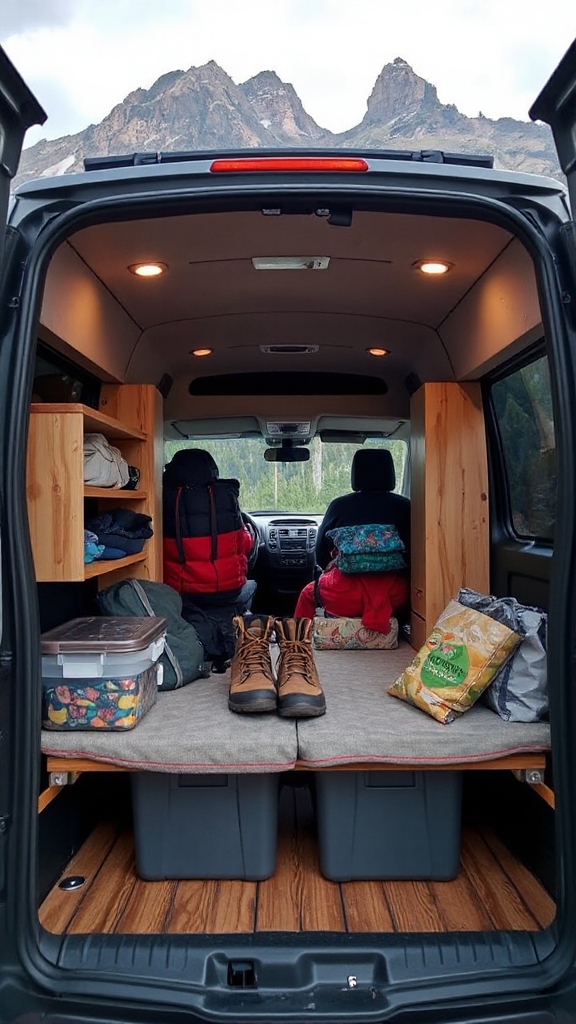
Glacier looks and feels like a completely different park depending on the time of year, and your storage gear needs to match. Winter brings bitter cold that can crack plastic containers and drain batteries in your headlamp overnight, so layered insulated protection is the way to go. Spring brings heavy rain that will soak through anything not properly sealed, and summer’s intense sun can degrade materials and heat up your food supply faster than you expect.
Fall is its own challenge, with overnight temperatures dropping fast and frost showing up on gear that was bone dry at sunset. The smart move is to think about storage as a seasonal problem rather than a one-size-fits-all solution. What works perfectly in July is going to fail you in October, and the park will make sure you feel that difference if you are not prepared for it.
Trail-Ready Storage Methods for Day Hikers
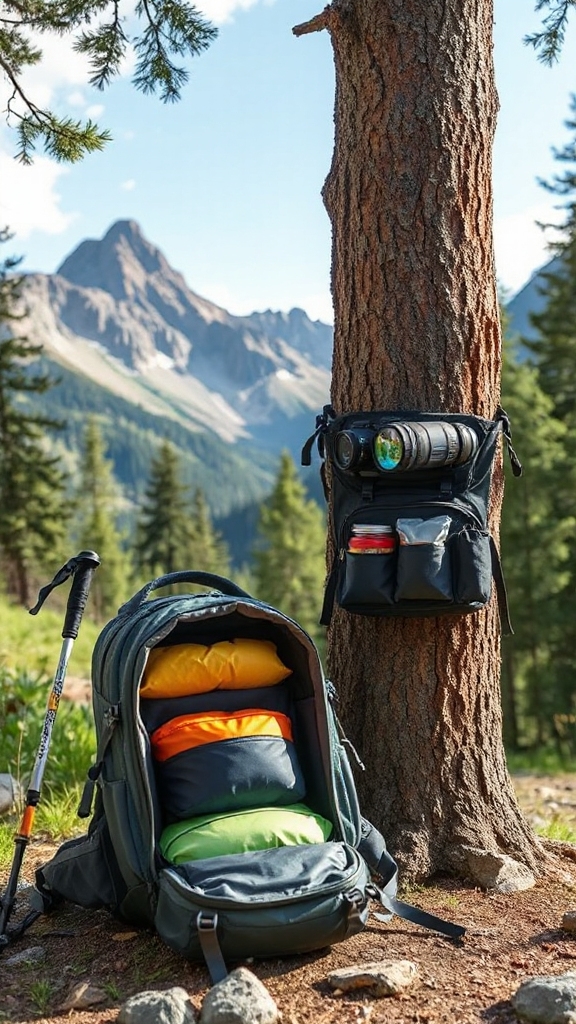
Day hiking in Glacier does not require the same level of food storage planning as an overnight trip, but it still requires some.
A twenty-liter daypack with a waterproof liner keeps your gear dry when the afternoon storms roll in, and a hip pack on your waist keeps your snacks, phone, and bear spray within easy reach without slowing you down.
The key for day hikers is staying organized without overcomplicating things. Snacks near the top of the pack, water where you can grab it, and bear spray on your hip.
You are not out there for days at a time, so you do not need a full system, just enough of a plan that you can move fast and stay comfortable on the trail. Keep it simple, and you will enjoy the hike a lot more than you enjoy your packing.