I’ve sent kids to summer camp over the past decade. Each time, I learned something new about what matters and what doesn’t. The first year, I forgot bug spray.
The second, I packed one swimsuit when two would have saved us both some stress. By year three, I had this down to a system.
This checklist covers the real essentials, organized by category, so you can pack once and pack right. Your camper will have what they need, and you’ll avoid that panicked realization at drop-off that you forgot something critical.
Contents
- 1 The Camp Trunk Trifecta: Clothes, Layers & Late-Night Jammies
- 2 The Sudsy Stuff: Bath Time, Tooth Time, Bug Time
- 3 The Snack Stash & Secret Treats Pocket
- 4 The Wet & Wild Zone: Swimwear, Towels & Lake Day Musts
- 5 The Daily Essentials Pouch: Socks, Undies & Morning Routine Magic
- 6 The “Mom Said So” Health Kit
- 7 The Rainy Day Rescue Bag
- 8 The Lights-Out Survival Kit: Flashlights, Flip-Flops & Campfire Layers
- 9 The Fun & Free Time Folder
- 10 The Camper’s Command Center: Labels, Lists & Love Notes
- 11 The Theme Day Hero Kit
- 12 The Shoes for Every Scenario Lineup
- 13 The Bunk Buddy Bedding Bundle
- 14 The “Just in Case” Envelope
- 15 The Camp Core Aesthetic Finishing Touches
The Camp Trunk Trifecta: Clothes, Layers & Late-Night Jammies
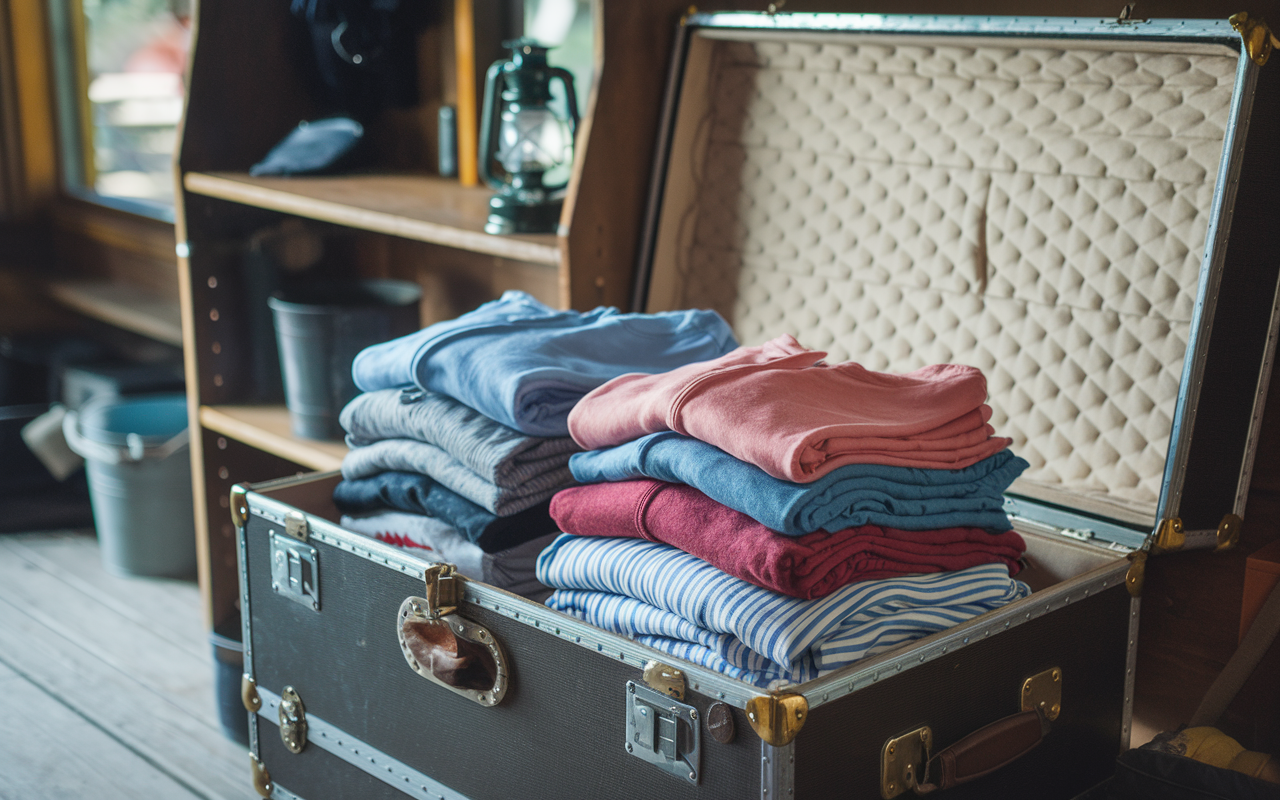
Camp temperatures swing wildly. Mornings start cool, afternoons heat up, and nights turn cold fast. I pack seven days of basics, then add layers.
For everyday wear, you need seven t-shirts in quick-dry fabric if possible. Add seven pairs of underwear plus two extra, three pairs of shorts, and two pairs of long pants or joggers.
Throw in one warm hoodie and one waterproof jacket. Pack seven pairs of pajamas, including one extra set, and here’s the big one: 10 to 14 pairs of socks, because they will lose some.
The extra underwear and socks aren’t optional. Between lake swims, unexpected rain, and the general chaos of camp life, your kid will need backups.
SEE THIS: 17 Summer Camp Ideas That Will Make You the Coolest Mom on the Block.
The Sudsy Stuff: Bath Time, Tooth Time, Bug Time
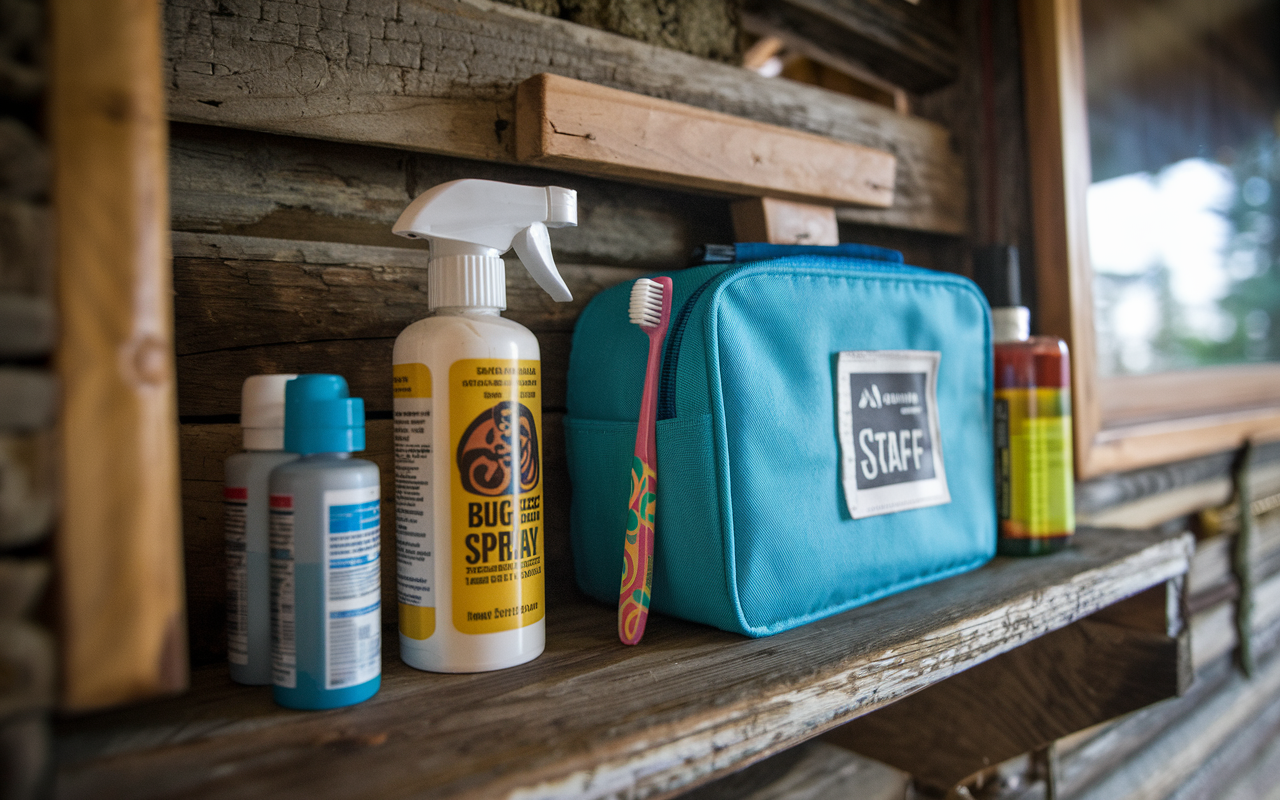
Pack everything in a shower caddy or waterproof bag. Label each item with a permanent marker.
You need travel-size shampoo and conditioner, body wash or bar soap, a toothbrush with a cover, and toothpaste.
Add a hairbrush or comb, sunscreen with SPF 30 or higher, and bug spray with DEET or picaridin. Don’t forget deodorant and some face wipes for quick cleanups between activities.
Younger campers need reminders that swimming doesn’t count as bathing. Write a simple routine list and tuck it in their caddy if that helps.
SEE THIS: Summer Camp Vibes at These 15 Lakeside Resorts Across America.
The Snack Stash & Secret Treats Pocket
Most camps revolve around water. Your camper needs gear that dries fast and holds up to daily use.
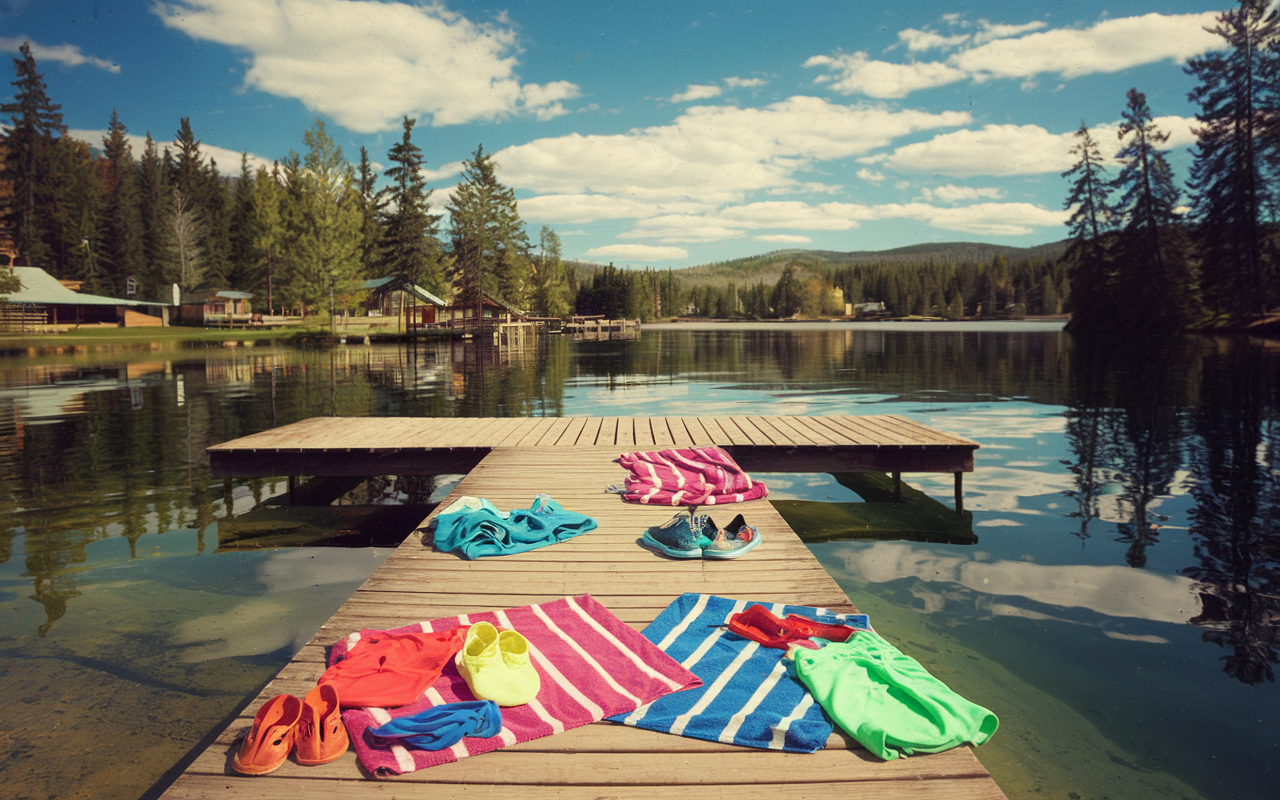
Pack two swimsuits so one can dry while they’re wearing the other. Add one beach towel, water shoes or old sneakers for rocky lake bottoms, and a rash guard for sun protection. The mesh laundry bag for wet items is critical. Wet swimsuits shoved in a backpack create mildew and stink within 24 hours.
SEE THIS: 10 Must-Have Items to Pack When Backpacking with Kids (and Staying Sane!).
The Wet & Wild Zone: Swimwear, Towels & Lake Day Musts
Shoes take a beating at camp. Pack for multiple scenarios.
Send sneakers or hiking shoes for trails and sports. Add flip-flops for showers and cabin wear, plus water shoes for lake activities. If your camp includes serious hiking, upgrade to proper trail shoes with ankle support.
The Daily Essentials Pouch: Socks, Undies & Morning Routine Magic
Most camps require you to bring bedding. Check your camp’s specific list, but the standard setup includes one fitted sheet in twin size, one blanket or sleeping bag, one pillow with a washable pillowcase, and one stuffed animal or comfort item if your kid wants it.
Roll everything into a large laundry bag for transport. It makes drop-off easier and gives your camper a bag for dirty clothes at the end of the week.
SEE THIS: Create Your Dreamy Summer Life: 25 Intentional Bucket List Ideas for 2025.
The “Mom Said So” Health Kit
Camps have medical staff, but a personal kit can handle minor issues quickly.
Include adhesive bandages in assorted sizes, antiseptic wipes, and blister treatment pads. Add any daily medications in their original bottles, allergy medicine if needed, and a copy of the health insurance card. Motion sickness tablets help on bus rides.
Write out dosing instructions for any medication. Don’t assume your camper will remember when or how much to take.
The Rainy Day Rescue Bag
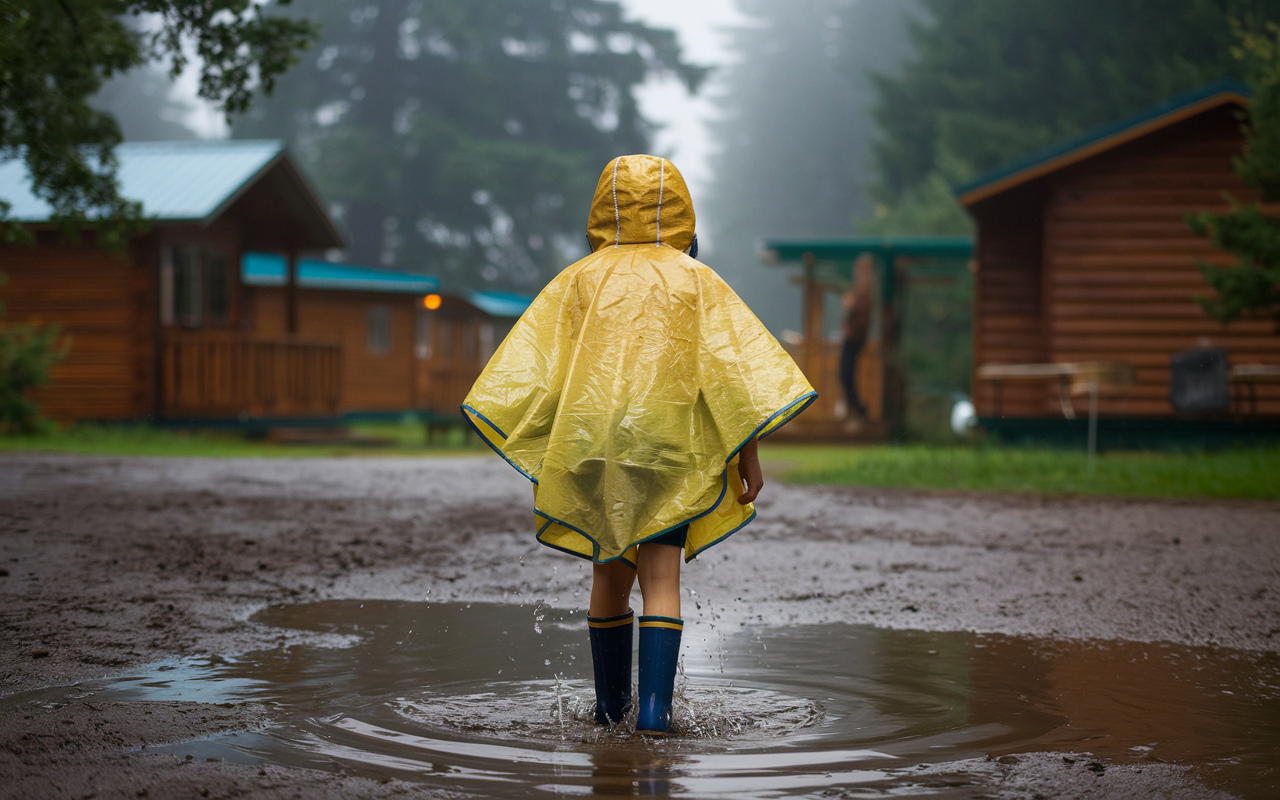
Rain happens, so prepare for it. Pack a lightweight poncho or rain jacket, waterproof boots or rain-ready shoes, and an extra pair of dry socks in a sealed plastic bag. Store this kit near the top of the trunk for easy access. Wet socks ruin morale faster than anything else at camp.
The Lights-Out Survival Kit: Flashlights, Flip-Flops & Campfire Layers
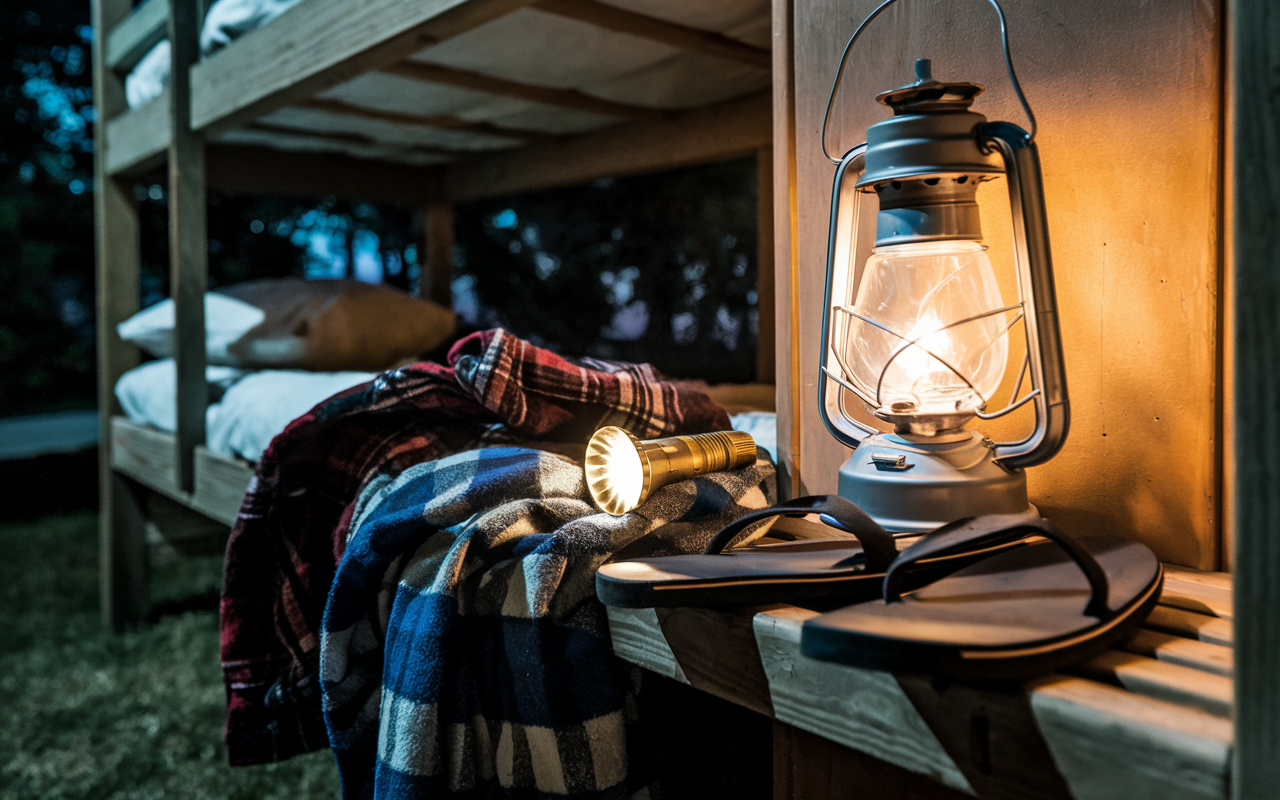
Camp gets actually dark, not suburban dark.
Your camper needs a flashlight with extra batteries and a headlamp because hands-free is better. Add a warm fleece or flannel for campfires and flip-flops for late-night bathroom trips.
The headlamp is worth the investment. Kids need both hands free to navigate cabins and paths at night.
SEE THIS: 25 Wholesome Summer Bucket List Ideas for Moms Who Want to Make 2025 Magical.
The Fun & Free Time Folder
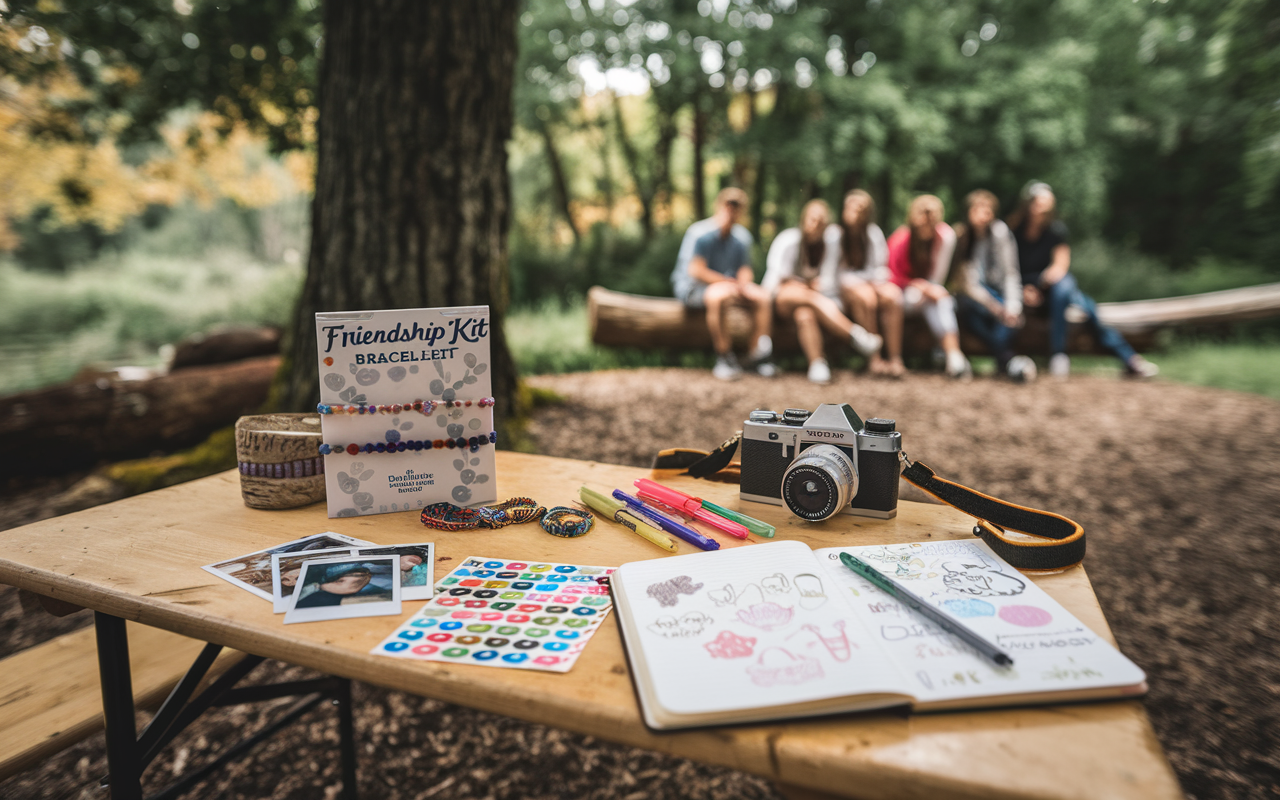
Give yourself options that don’t require screens.
A notebook and pens work well. So do pre-addressed, stamped envelopes for writing home, a friendship bracelet kit, a deck of cards, and a small book or magazine. Include the stamped envelopes even if you think your kid won’t write. Some do, and it’s easier if everything is ready to go.
The Camper’s Command Center: Labels, Lists & Love Notes
I label every. single. item. From socks to shampoo, it all gets a label. I also include a laminated mini checklist of what they packed, so repacking on the last day is less chaotic. And my favorite addition?
A few folded love notes were hidden in pockets and between t-shirts. They’ll never say it out loud, but a little piece of home means everything in that summer camp aesthetic cabin.
Label every single item with a permanent marker or iron-on labels. Mark all clothing, including socks, toiletries, water bottles, towels, bedding, and shoes. The lost-and-found bin at camp fills up fast. Labels dramatically increase your odds of getting things back.
The Theme Day Hero Kit
Many camps host theme days or costume events. A few simple accessories cover most scenarios.
Pack a silly hat or bandana, sunglasses, colorful or patterned socks, and a solid-colored t-shirt for tie-dye day. You don’t need elaborate costumes. Kids get creative with minimal supplies.
The Shoes for Every Scenario Lineup
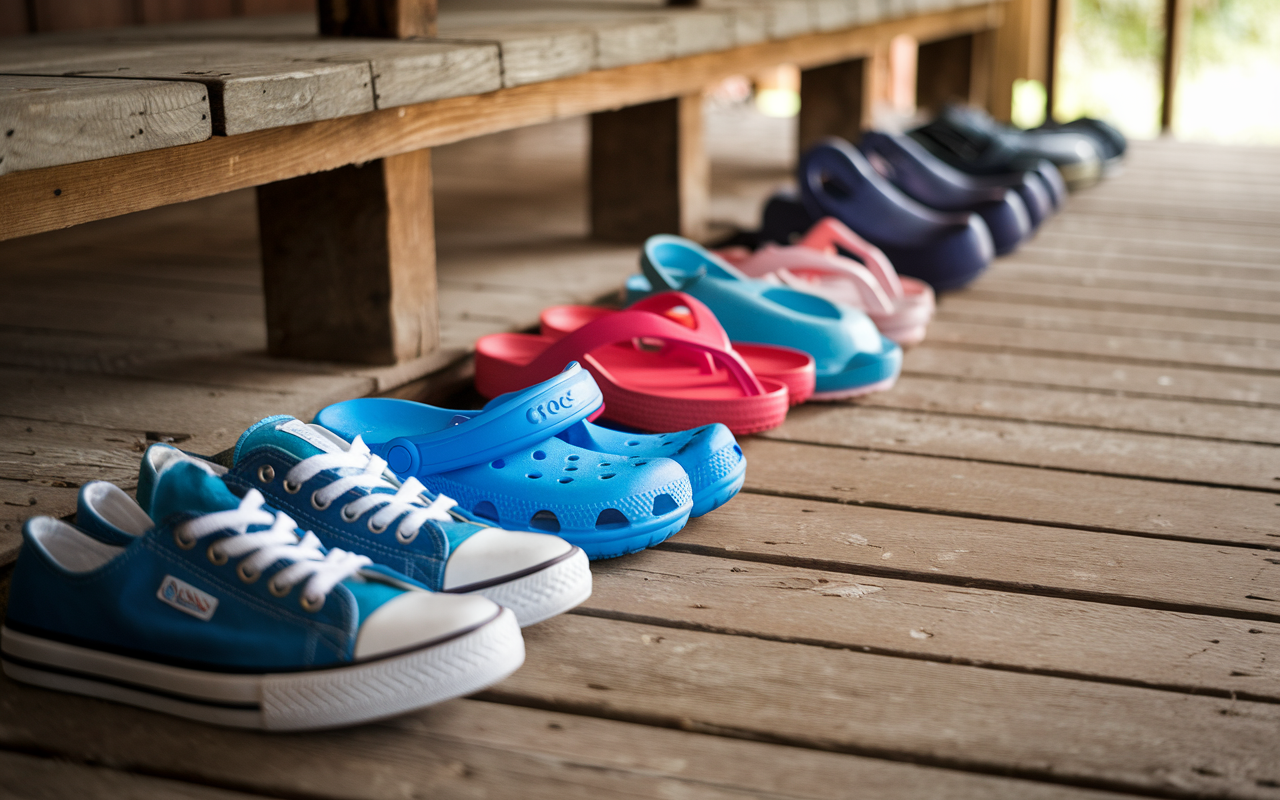
You need three pairs minimum. Send one pair of hiking and game sneakers, flip-flops for showers, and water shoes for lakes and puddles.
If it’s a longer camp stay, I throw in a pair of Crocs or comfy slip-ons too. Having options means fewer complaints and fewer injuries, which matters when you’re not there to fix things.
The Bunk Buddy Bedding Bundle
Most camps ask you to bring your own bedding. I bundle a fitted sheet, a twin-size blanket, a pillow with a washable case, and a small stuffed animal if my camper still wants one.
A cozy sleep setup makes all the difference when they’re adjusting to a new place and new roommates. Roll everything into a laundry bag for easy carrying and unpacking at drop-off.
The “Just in Case” Envelope
This little packet has saved me more than once. I tuck in a copy of their camp registration, a medical release, contact info for emergency pickup, a small amount of cash (if allowed), and a list of any allergies or medical notes. It stays at the bottom of the trunk, sealed and labeled.
You hope you never need it, but having everything in one place matters if something comes up.
The Camp Core Aesthetic Finishing Touches
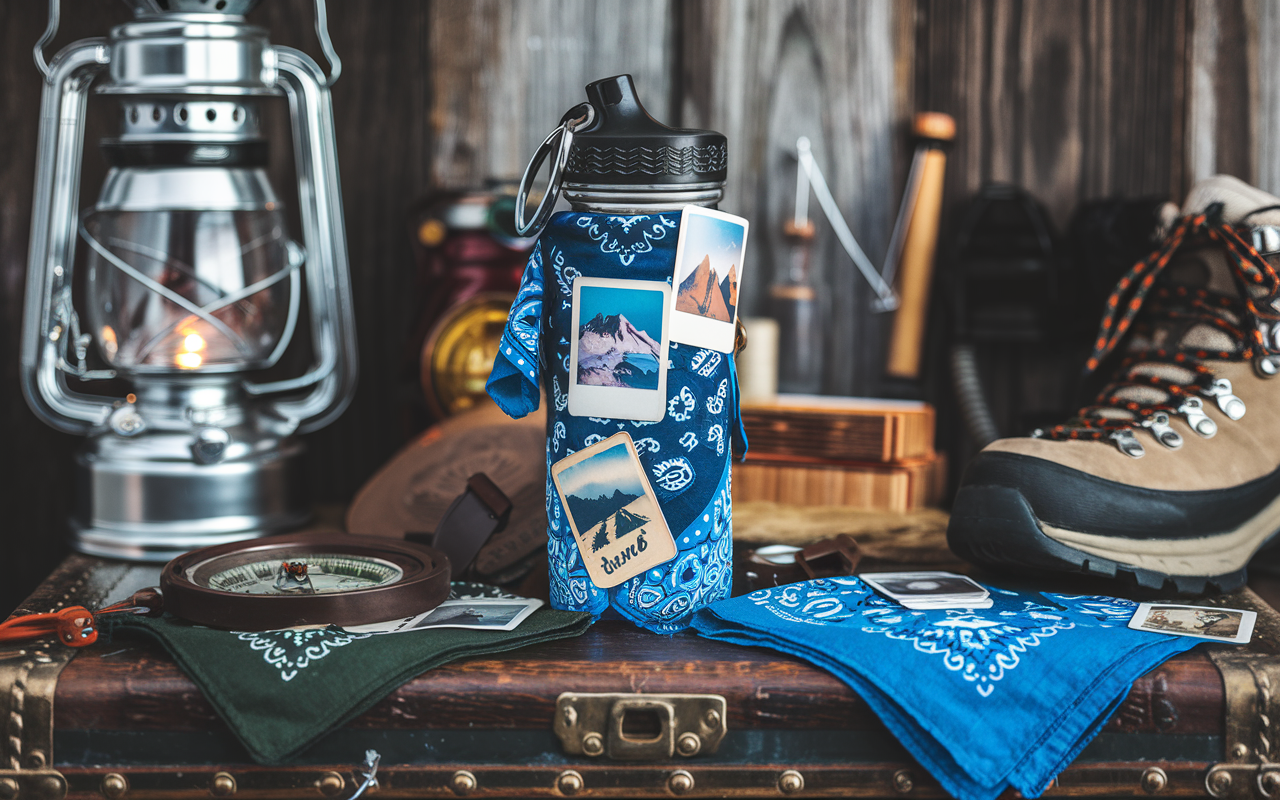
This is where camp starts to feel real for them. I add a couple of patches to their backpack, a bandana, or a water bottle that they can cover with stickers throughout the week. A simple journal gives them a place to write down what happened each day.
These small things help them feel like part of something bigger. Camp is more than what you pack. It’s the confidence and excitement they carry with them.
My full list…
That’s the full checklist. If you use it, you won’t be scrambling at the last minute or realizing you forgot bug spray after drop-off.
Start packing three days early, label everything, and remember that forgotten items rarely ruin camp. Kids adapt faster than we think. Your job is to cover the basics so they can focus on making memories instead of worrying about missing socks.
Now go enjoy your week of quiet.