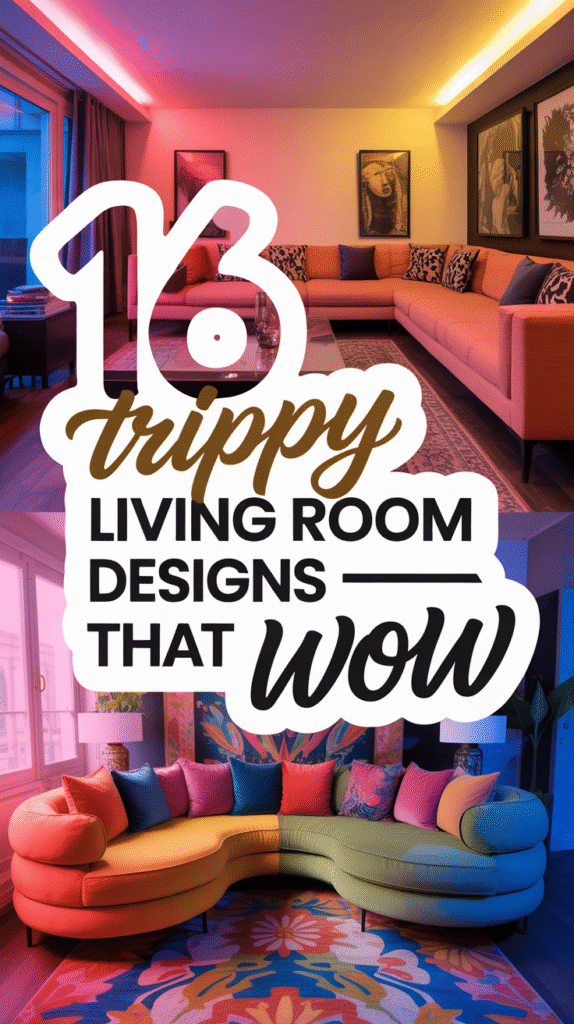
Your living room probably feels stuck in neutral, and that’s exactly the problem. Most spaces play it safe with beige walls and predictable furniture layouts, but there’s a better approach that doesn’t require you to live inside a lava lamp.
What you’re after is that sweet spot where a room feels transportive without crossing into impractical territory.
The trick lies in understanding how light, texture, and color interact to shift your perception of space. Once you grasp these fundamentals, the transformation happens faster than you’d expect. These 16 ideas show you where to start.

Contents
- 1 Velvet Drapes in Deep Jewel Tones Transform Your Space Into a Mystical Sanctuary
- 2 Oversized Celestial Wall Art Creates an Otherworldly Focal Point
- 3 Layer Fairy Lights and Crystal Accents for a Soft, Magical Glow
- 4 Mix Bold Geometric and Floral Patterns for Visual Energy
- 5 Curved Sofas and Crescent Armchairs Add Fluid, Organic Movement
- 6 Create a Sunken Conversation Pit for Immersive Social Gatherings
- 7 Embrace Dopamine Decor With Unexpected Bursts of Vibrant Color
- 8 Gold-Framed Vintage Mirrors Amplify Light and Nostalgia
- 9 Modular Furniture Systems Adapt to Your Ever-Changing Mood
- 10 Sculptural Seating Doubles as Living Art Installations
- 11 Dimmable and Color-Tunable Lighting Shifts Atmosphere Instantly
- 12 Statement Rugs With Intricate Patterns Anchor the Dreamlike Design
- 13 Glossy and Tactile Materials Engage Multiple Senses
- 14 Balance Bold Wallpaper With Neutral Elements for Visual Harmony
- 15 Multi-Functional Convertible Pieces Blur the Line Between Form and Function
- 16 Combine Natural Light With Strategic Accent Lighting for Surreal Depth
Velvet Drapes in Deep Jewel Tones Transform Your Space Into a Mystical Sanctuary

Hanging sapphire blue or emerald green velvet drapes does something unexpected to a room’s energy. The heavy fabric doesn’t just block light; it absorbs sound and creates this insulated feeling that makes everything quieter and more intimate.
What really sells the effect is how velvet catches light differently than cotton or linen, creating subtle shifts in color depth as the day progresses. Ruby red works especially well if your room gets strong afternoon sun, since the color intensifies rather than washes out.
Oversized Celestial Wall Art Creates an Otherworldly Focal Point

A single oversized print measuring 36 by 48 inches can completely redirect a room’s visual weight. Galaxy prints and constellation maps work particularly well because they give your eye somewhere to wander without feeling cluttered.
The key is choosing prints with deep, saturated backgrounds in navy or purple rather than black, which tends to create a dead zone on your wall. Mounting matters more than people realize; a piece this size needs proper anchoring or it’ll tilt forward within a month.
Layer Fairy Lights and Crystal Accents for a Soft, Magical Glow

Stringing fairy lights only works if you avoid the college dorm approach of tacking them randomly across walls. Draping them along the top edge of bookshelves or wrapping them around a hanging plant creates intentional pools of warm light.
Adding a few crystals or glass prisms near these light sources bounces the glow around in unexpected directions. The combination gives you adjustable ambient lighting that feels considerably more sophisticated than overhead fixtures.
Mix Bold Geometric and Floral Patterns for Visual Energy

Pairing large-scale floral prints with tight geometric patterns sounds risky until you see how they balance each other out. The trick is sticking to a limited color palette of three to five shades that appear in both patterns.
Scale matters tremendously here; you want your floral to be at least twice the size of your geometric print, with solid-colored elements breaking up the busyness. One pattern should dominate as your anchor while the others play supporting roles, otherwise you end up with visual noise instead of intentional layering.
Curved Sofas and Crescent Armchairs Add Fluid, Organic Movement

Rooms full of right angles start to feel sterile after a while, which is where curved seating makes its biggest impact. A crescent-shaped armchair softens the entire corner it occupies, and the rounded silhouette improves how people move through the space.
These pieces work especially well upholstered in bouclé or velvet because the texture emphasizes the curves. You’re essentially adding architectural interest without knocking down walls or installing molding.
Create a Sunken Conversation Pit for Immersive Social Gatherings
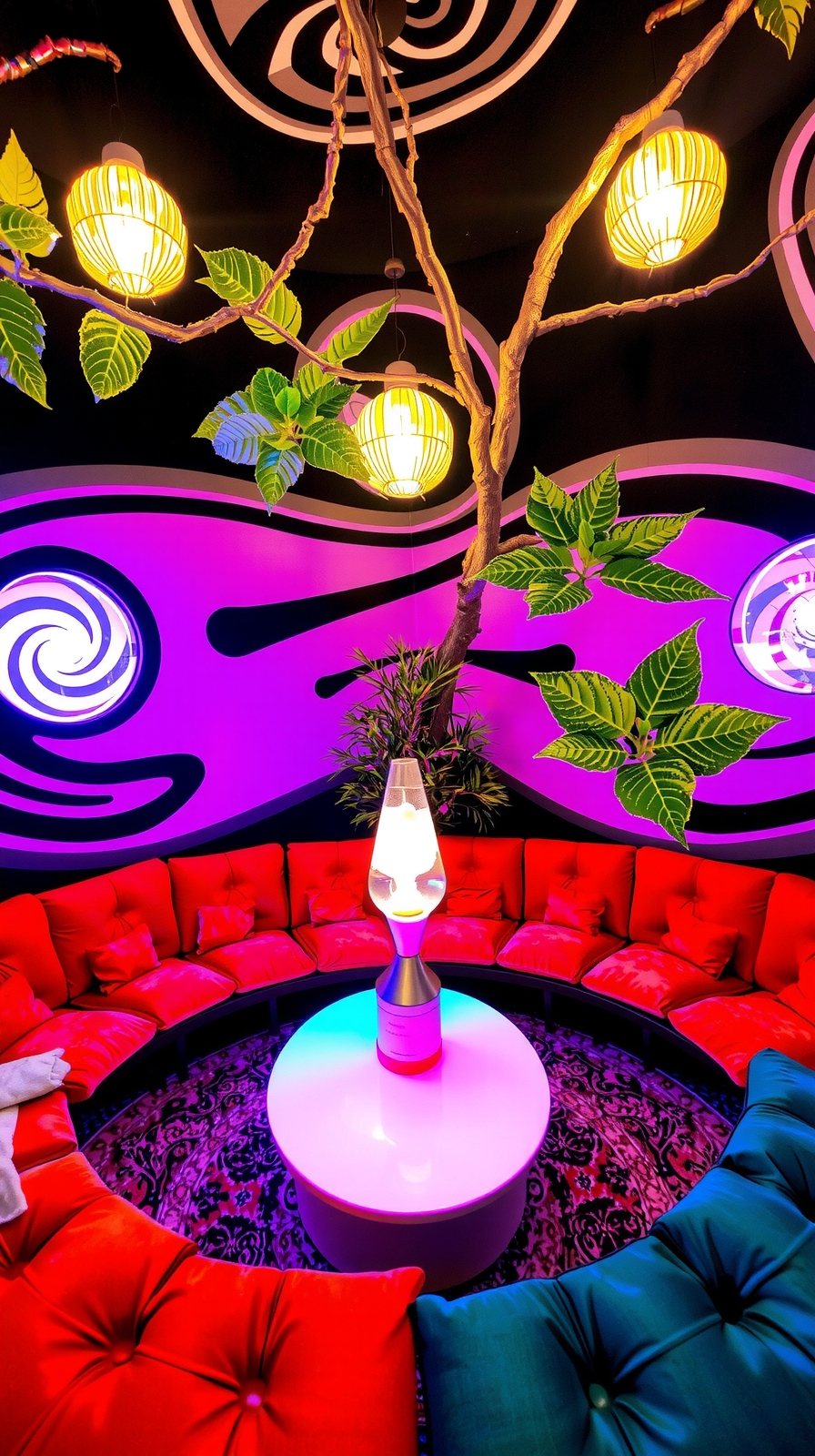
Lowering your floor by even twelve inches completely changes how people interact in a space. Sunken pits naturally draw everyone into a circular arrangement where eye contact happens automatically rather than requiring awkward neck craning.
You’ll need to hire a contractor to drop the floor level and install the framework, but what you get is a cozy zone that feels separate from the rest of your open floor plan. Built-in cushioned seating around the perimeter eliminates the need for dragging chairs around.
Embrace Dopamine Decor With Unexpected Bursts of Vibrant Color

After years of greige and sad beige taking over every Pinterest board, saturated color is making people happy again. Coral, cobalt, and goldenrod aren’t just bright; they’re energizing in ways that neutrals simply can’t match.
The approach works best when you layer these vibrant hues with varied textures and meaningful objects rather than just painting everything bright yellow. Your space should stimulate multiple senses simultaneously, not just assault your retinas.
Gold-Framed Vintage Mirrors Amplify Light and Nostalgia
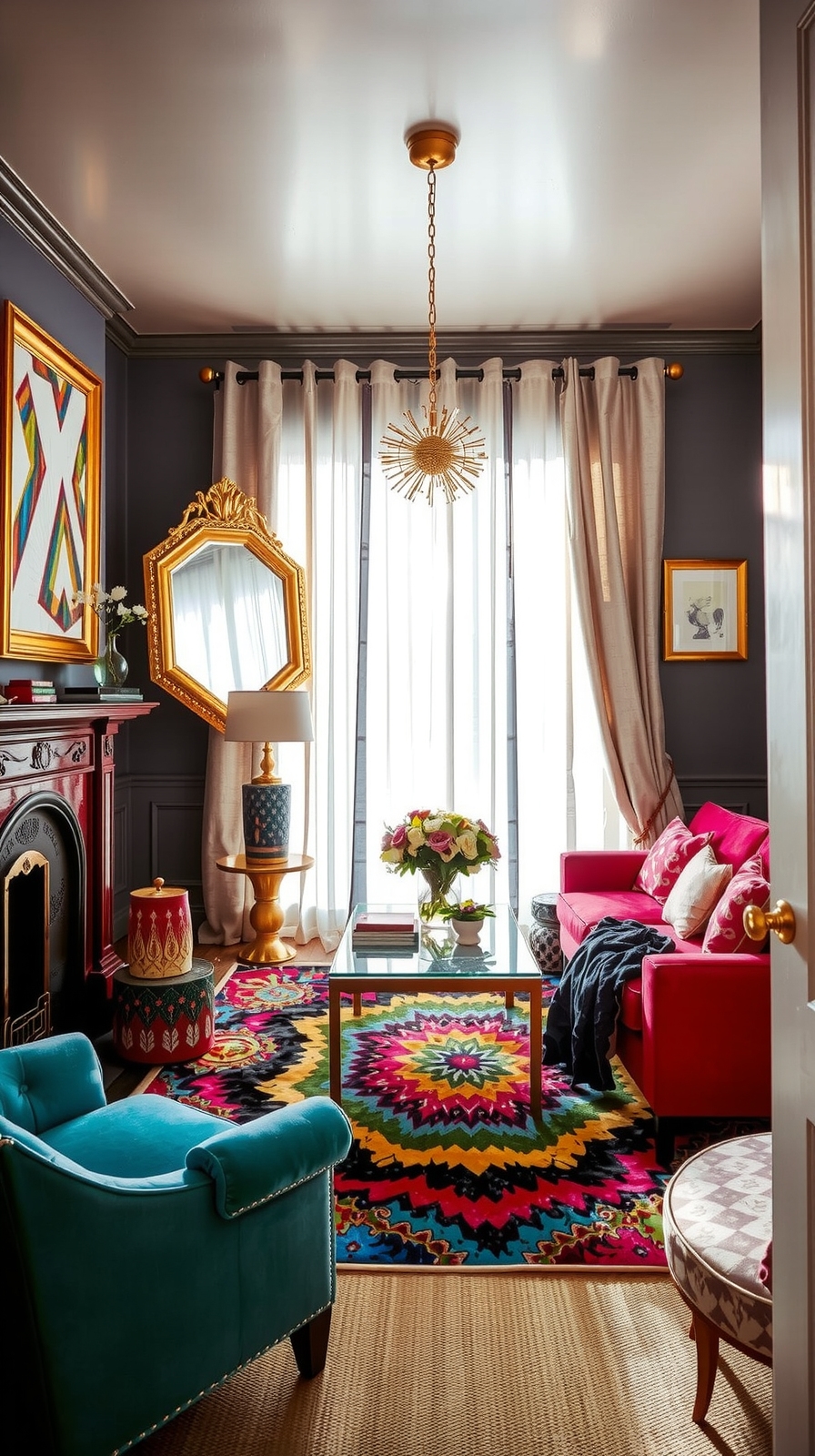
An ornate gold mirror does double duty by bouncing natural light around while adding instant character. Real vintage pieces often have slight imperfections like foxing or worn gilding that make them more interesting than reproductions.
Positioning one opposite a window multiplies your natural light and creates the illusion of additional square footage. The reflective surface also adds movement to a room as it captures changing light throughout the day.
Modular Furniture Systems Adapt to Your Ever-Changing Mood

Furniture that locks you into one configuration gets old fast, especially in smaller spaces. Modular systems let you rearrange sections to create either an intimate conversation area or an open social zone, depending on what you need that week.
Swapping modules around takes minutes instead of requiring furniture delivery and disposal. You’re investing in adaptability rather than committing to a single layout that might not work six months from now.
Sculptural Seating Doubles as Living Art Installations

Some chairs command attention the moment someone walks into a room, and that’s exactly what you want from sculptural seating. Asymmetrical designs with organic curves create visual focal points that transcend basic functionality.
Mixing materials like bent wood, metal frames, and plush upholstery adds depth and complexity. Proper lighting placement emphasizes these pieces as intentional art rather than random furniture choices.
Dimmable and Color-Tunable Lighting Shifts Atmosphere Instantly
Being able to adjust your lighting temperature from cool white to warm amber changes everything about how a room feels. Morning light needs to be crisp and energizing to help you wake up, while evening light should shift toward warmer tones that signal your body to wind down.
This flexibility supports your natural circadian rhythm better than static lighting. You can transition from productive workspace to relaxing sanctuary without switching rooms.
Statement Rugs With Intricate Patterns Anchor the Dreamlike Design
A bold rug with swirling patterns or intricate hand-knotted designs gives your eye something substantial to land on. These pieces ground your furniture arrangement while introducing color and movement from the floor up.
The tactile element matters too; stepping onto a plush, patterned rug feels intentional in ways that flat wall-to-wall carpet never does. The right rug makes a surreal space feel cohesive rather than like someone just threw random elements together.
Glossy and Tactile Materials Engage Multiple Senses
Lacquered wood and polished metals catch and reflect light in ways that add dimensional depth to flat surfaces. Contrasting these smooth, reflective finishes with raw wood, rattan, or hand-glazed tiles creates interesting tension.
Layering soft textiles like velvet and linen against harder elements encourages people to actually touch things rather than just look. Your space becomes a sensory experience instead of a visual one.
Balance Bold Wallpaper With Neutral Elements for Visual Harmony
Covering one wall in dramatic wallpaper only works if the rest of your room gives it breathing space. Neutral-colored furniture lets the pattern take center stage without creating visual competition.
Wood accents add warmth and texture without fighting for attention. Strategic lighting highlights the wallpaper’s best features while shadows add depth and dimension to the pattern itself.
Multi-Functional Convertible Pieces Blur the Line Between Form and Function
A sofa bed with hidden storage compartments serves three purposes in the footprint of one piece. Extendable tables and modular units maximize limited square footage while maintaining clean lines.
Modern convertible furniture includes features like integrated wireless charging and LED lighting rather than just basic transformation mechanisms. Urban living demands this kind of efficiency without sacrificing style.
Combine Natural Light With Strategic Accent Lighting for Surreal Depth
Windows and skylights bring in the foundation layer of light that makes everything else possible. Adding dimmable LED accents gives you control over intensity and mood as daylight fades.
Positioning mirrors across from windows bounces that natural light deeper into interior spaces. Placing plants near light sources creates shifting organic shadows that change throughout the day, turning static rooms into dynamic environments.