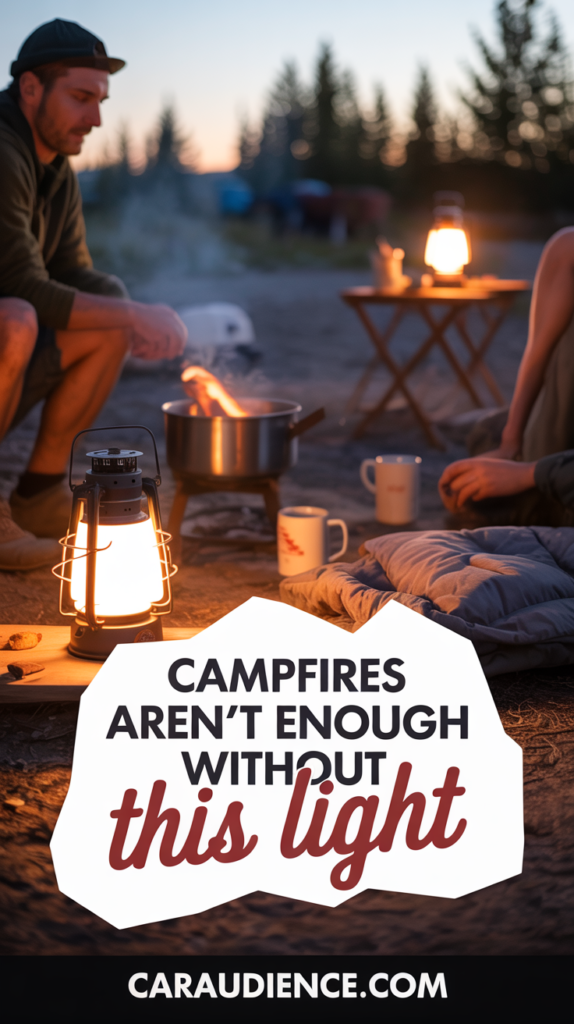
Every camper knows that moment when the sun drops below the treeline, and your carefully organized site becomes a collection of shadows. I’ve watched countless groups fumble with headlamps and phone flashlights just trying to cook dinner or find their gear.
A good lantern changes everything about how a campsite functions after dark, and not by flooding the area with light like a prison yard.
The right one creates a pocket of warmth and visibility that makes your temporary home actually feel like somewhere worth being. That’s a bigger deal than most campers give it credit for, and here’s why.
Key Takeaways
- Lantern light mimics natural firelight at 3000K, triggering primal feelings of safety and comfort in outdoor settings.
- Strategic placement creates layered, dynamic lighting that transforms ordinary campsites into inviting, memorable retreats.
- Adjustable brightness enables seamless transitions from functional task lighting to relaxing campfire-like ambiance throughout evening.
- Warm LED illumination reduces eye strain while enhancing mood and relaxation during nighttime camping activities.
- Varied positioning and heights establish visual depth and welcoming atmosphere that defines the entire camping experience.
How Camping Lanterns Transform Your Campsite Into a Welcoming Space
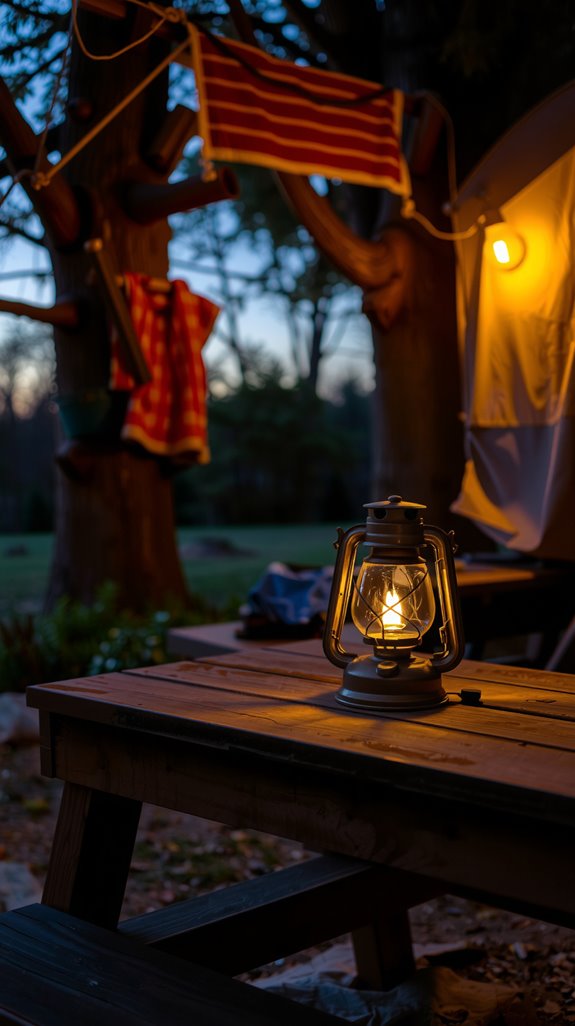
Start by thinking about your campsite as a series of zones rather than one big area to illuminate. Place a lantern near the tent entrance so no one has to fumble with zippers in total darkness.
Hang one over your cooking area at about head height so you can actually see what you’re chopping. A small lantern along the path to the bathroom or bear box prevents twisted ankles and keeps people from wandering into guy lines.
Why Warm LED Light Makes Any Campsite Feel Like Home
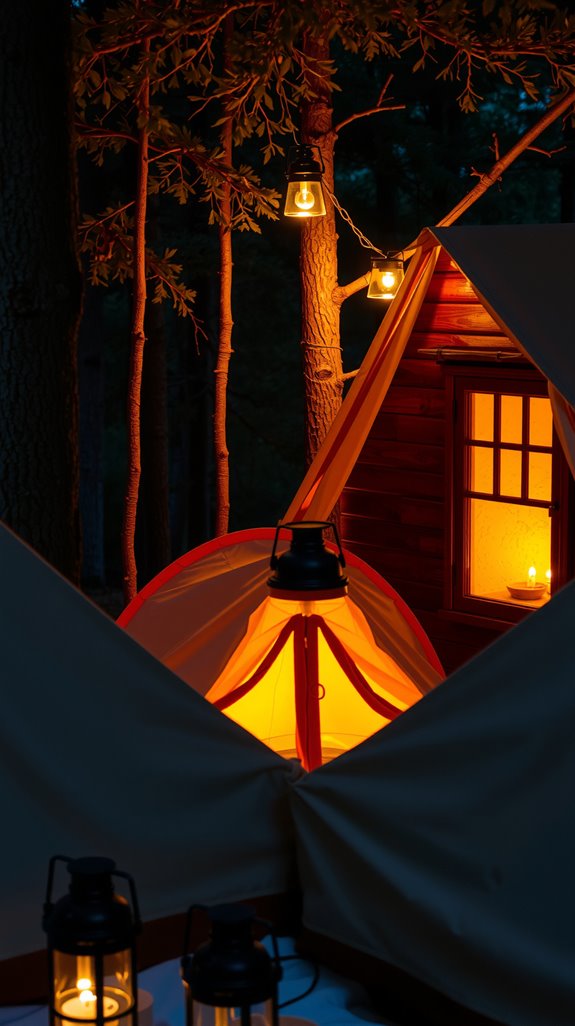
The color of your light matters more than most people realize. Warm LEDs around 3000K give off that familiar orange glow that our brains associate with fire and safety. Cool white LEDs might be brighter, but they make everything look like a gas station parking lot.
Your eyes also won’t get as tired staring at warm light when you’re reading in your tent or playing cards at the picnic table.
How Adjustable Brightness Creates the Perfect Evening Atmosphere
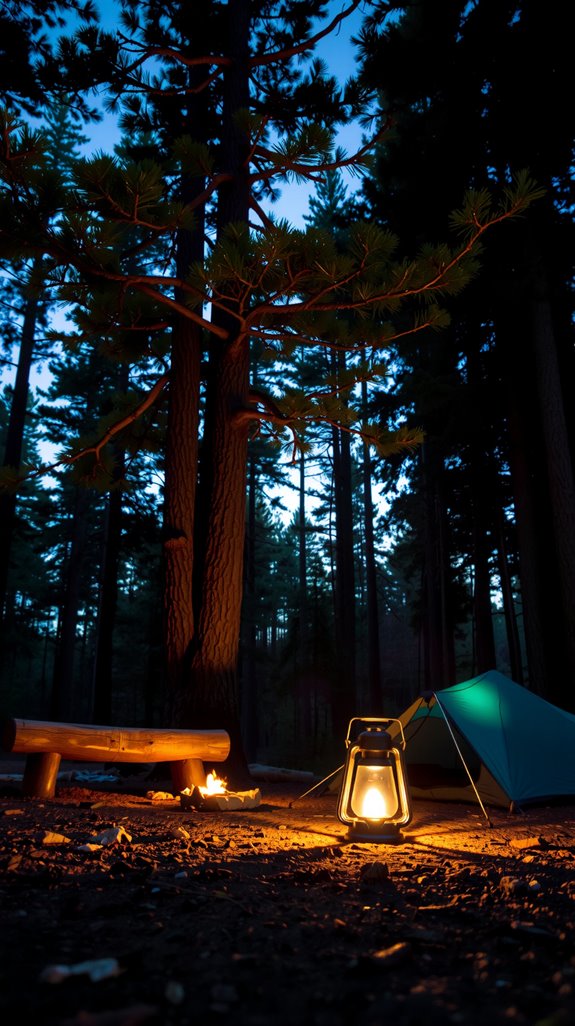
You don’t need the same amount of light at 7 pm as you do at midnight. When you’re cooking, crank it up so you can see if that chicken is actually done. Later, when everyone’s sitting around talking, dial it back to something softer.
Battery life stretches further when you’re not running full blast all night. Most decent lanterns now have at least three settings, and some go up to five or six for really precise control.
Strategic Camping Lantern Placement for Maximum Ambiance and Coverage
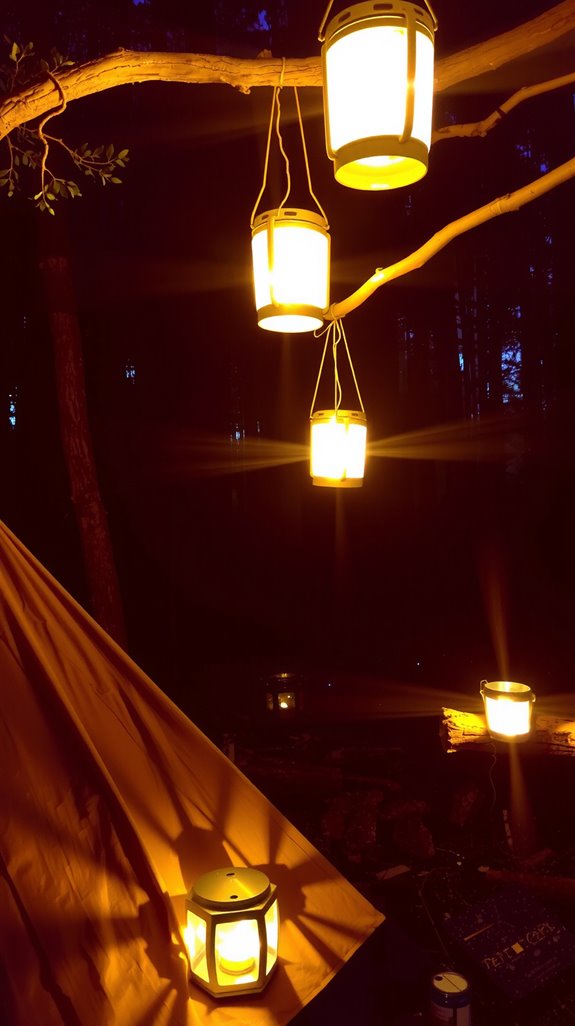
Height makes a bigger difference than you’d think. A lantern sitting on the picnic table creates harsh shadows and blinds anyone who looks toward it. Hang it from a tree branch or your tent’s rain fly about six or seven feet up.
This spreads the light more evenly and keeps it out of people’s direct sight lines. If you have multiple lanterns, stagger their heights to fill gaps and create visual interest.
Choosing Color Temperature and Light Modes for Different Camp Activities
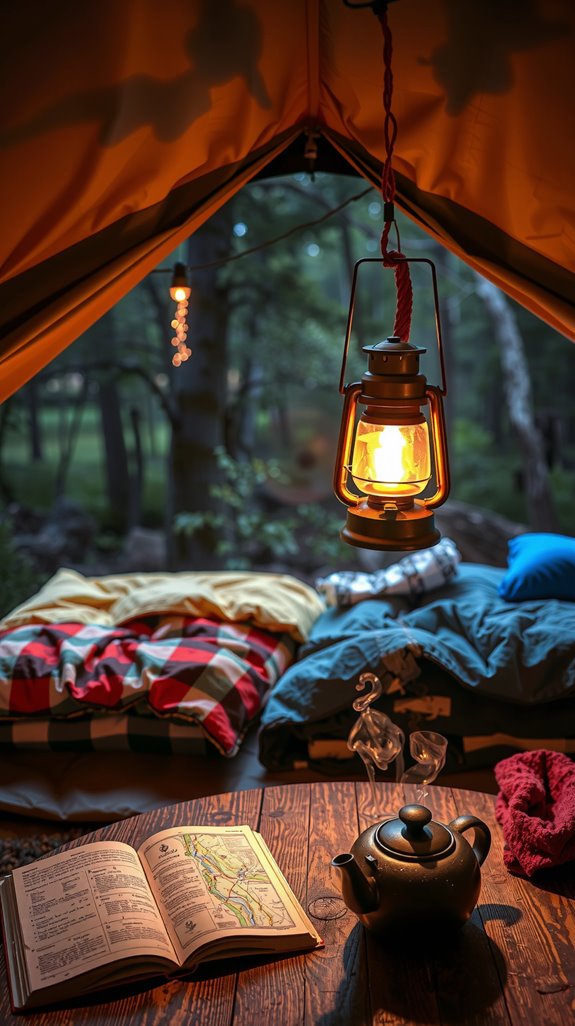
Morning routines call for cooler, brighter light that helps you wake up and find all your gear. That 5000K to 6000K range works well when you’re breaking camp or need to spot something on the ground. Switch to warmer tones once the sun goes down and you’re settling in for the evening.
Some activities like reading maps or first aid actually benefit from neutral white around 4000K. Match your light to what you’re doing instead of leaving it on one setting all night.
How Quality Camping Lanterns Improve Both Mood and Safety
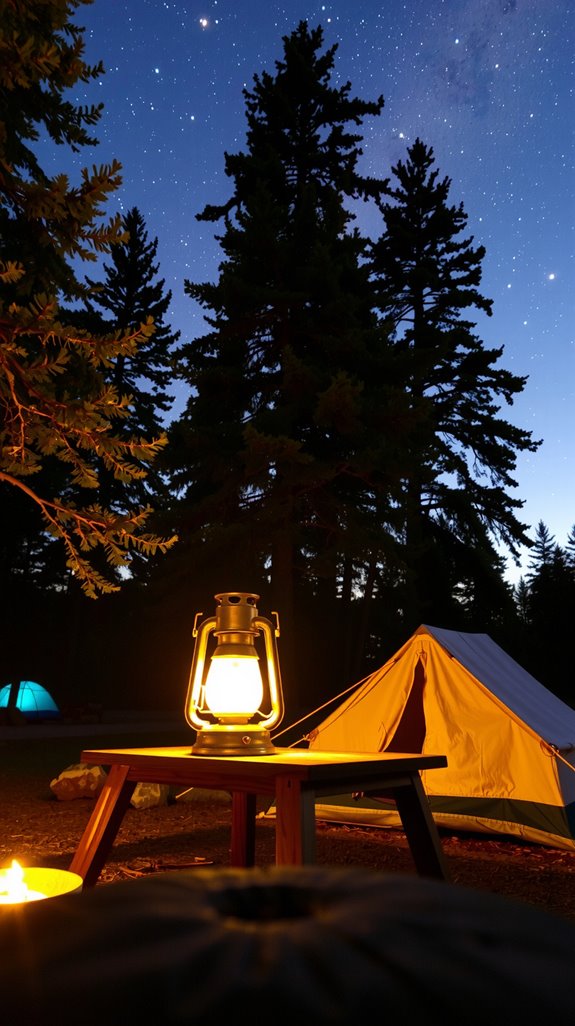
A reliable lantern keeps you from tripping over roots or bumping into picnic tables when nature calls at 2 am. It also lets you spot that raccoon trying to get into your cooler before it succeeds.
Beyond the practical stuff, good lighting just makes people feel better. Sitting in a well-lit campsite feels secure and comfortable in a way that huddling around a single headlamp never will.
Matching Camping Lantern Features to Your Aesthetic Preferences
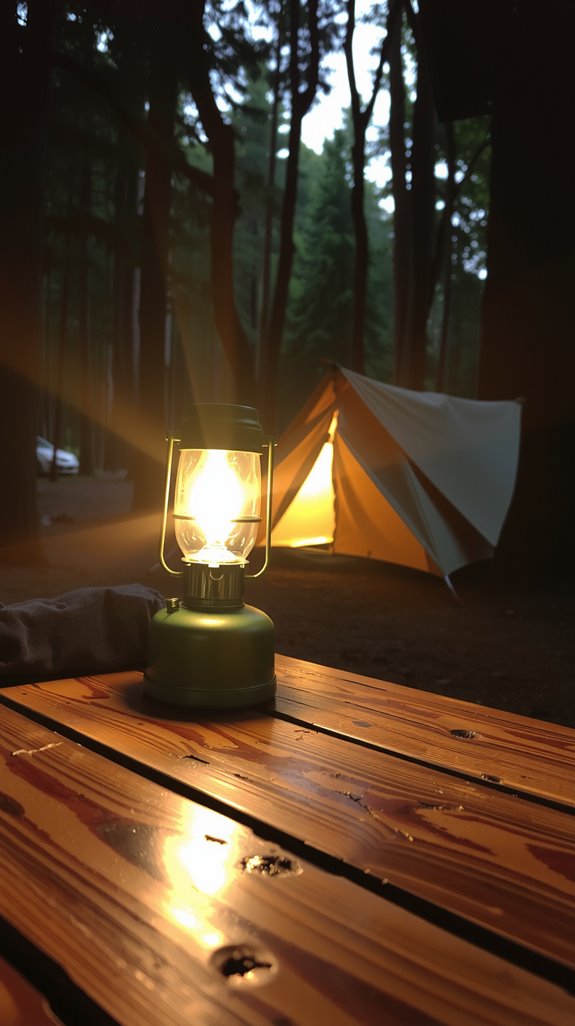
Some people want that classic Coleman look with a metal handle and glass globe. Others prefer sleek modern designs that could double as a Bluetooth speaker. Stainless steel lanterns throw interesting shadow patterns through perforated designs.
Frosted plastic diffuses light more evenly but looks pretty utilitarian. Think about whether you want your lantern to disappear into the background or become part of your camp’s character.
Battery vs Rechargeable Camping Lanterns for Consistent Atmospheric Lighting
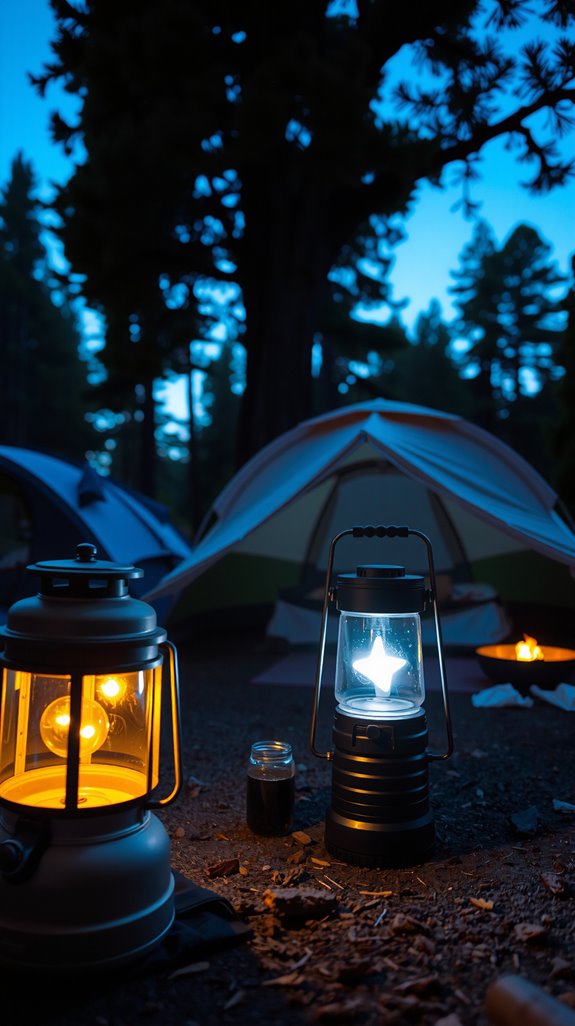
Disposable batteries mean you can always pack extras and swap them in seconds. This matters on longer trips where you can’t guarantee access to power. Rechargeable lanterns save money over time and put out stronger light, but they’re useless once the battery dies and you’re three days from the nearest outlet.
I carry both types: rechargeable for car camping and weekend trips, disposable battery backup for anything longer or more remote.
Conclusion
Your lantern does more work than any other piece of gear once the sun sets. It defines the boundaries of your space, makes cooking possible, and gives everyone a focal point to gather around.
Get the lighting right, and your campsite becomes an actual living space instead of just a dark spot in the woods. Pick a lantern that fits how you camp, learn to position it well, and you’ll wonder how you ever managed with just a headlamp and a prayer.