I used to think a well-stocked camp kit meant hauling everything I might possibly need. Extra gadgets, backup tools, redundant “just in case” items that never left the bag. It took a few miserable, overpacked trips to figure out that gear quality and intention matter far more than quantity.
The right setup makes a campsite feel like a place you actually want to be. This guide reflects what I’ve learned after years of testing gear in the field, not in a showroom.
Essential Camping Gear for Every Trip
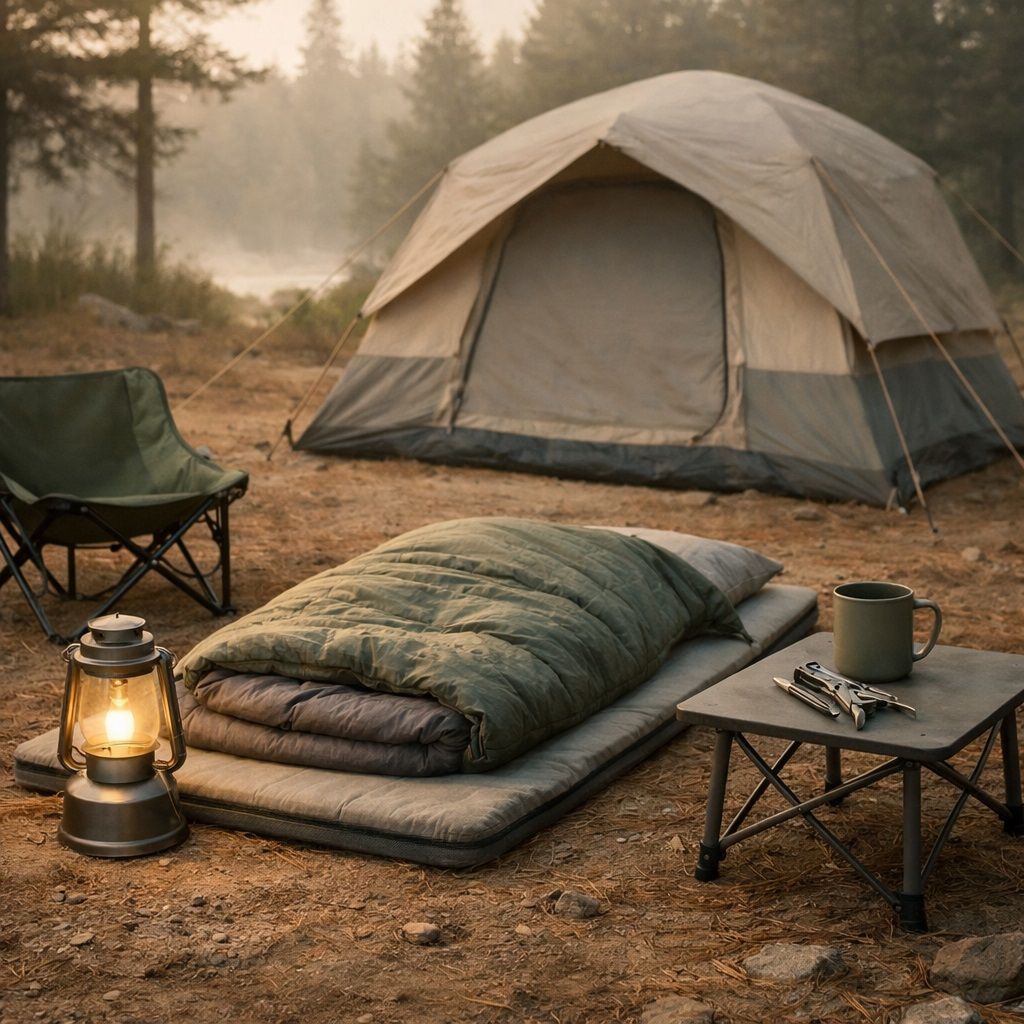
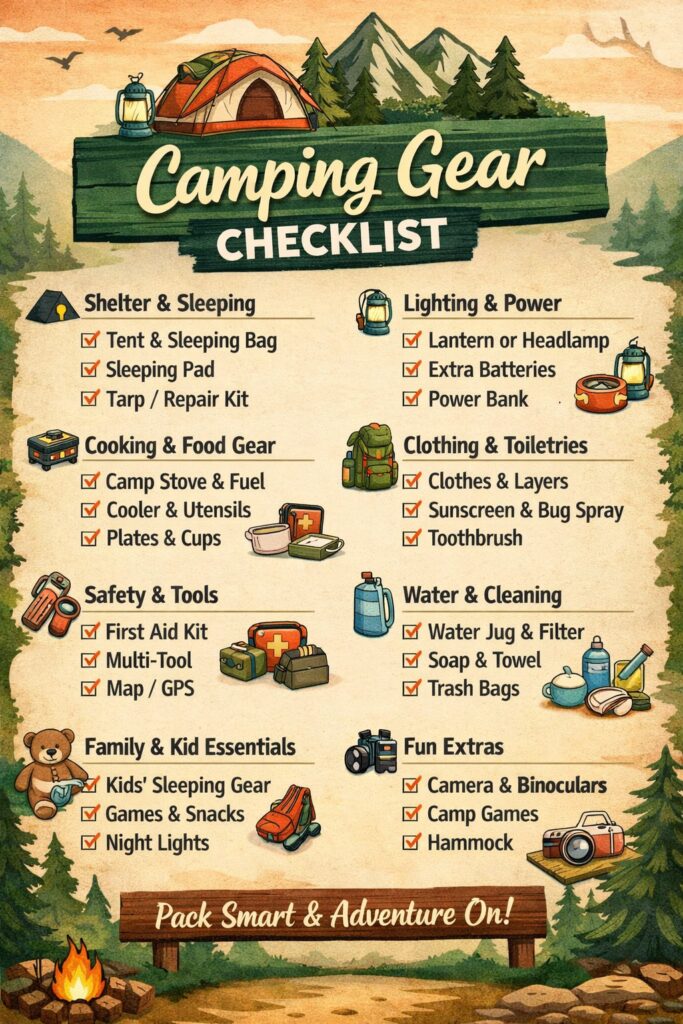
Every solid camp kit starts with four things: shelter, sleep, light, and a few basic tools. Your tent needs to match the conditions you’re actually camping in, not just the ones you hope for. Having the right essentials is crucial for a successful trip. Essential camping gear for beginners includes a durable tent, a proper sleeping bag, and a reliable lantern. These items not only enhance comfort but also ensure safety while you enjoy the great outdoors.
A sleeping system that’s wrong for the temperature range will ruin a trip faster than almost anything else. Toss in a reliable headlamp, a simple multi-tool, some cord, and a roll of duct tape, and you’ve covered the situations that actually come up.
Camping Gear Essentials for Beginners
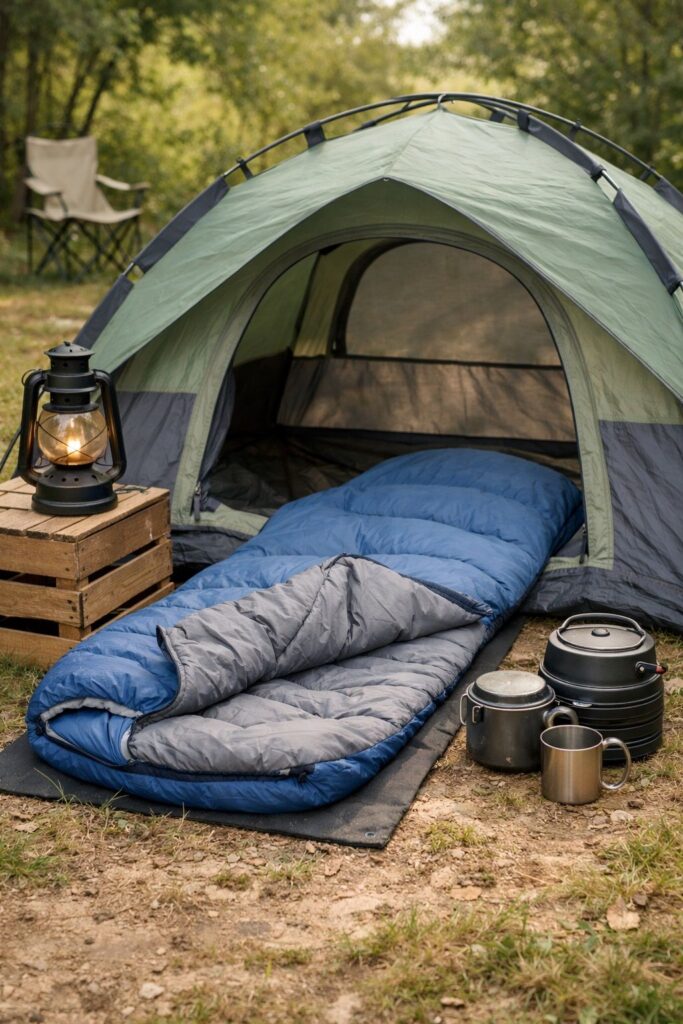
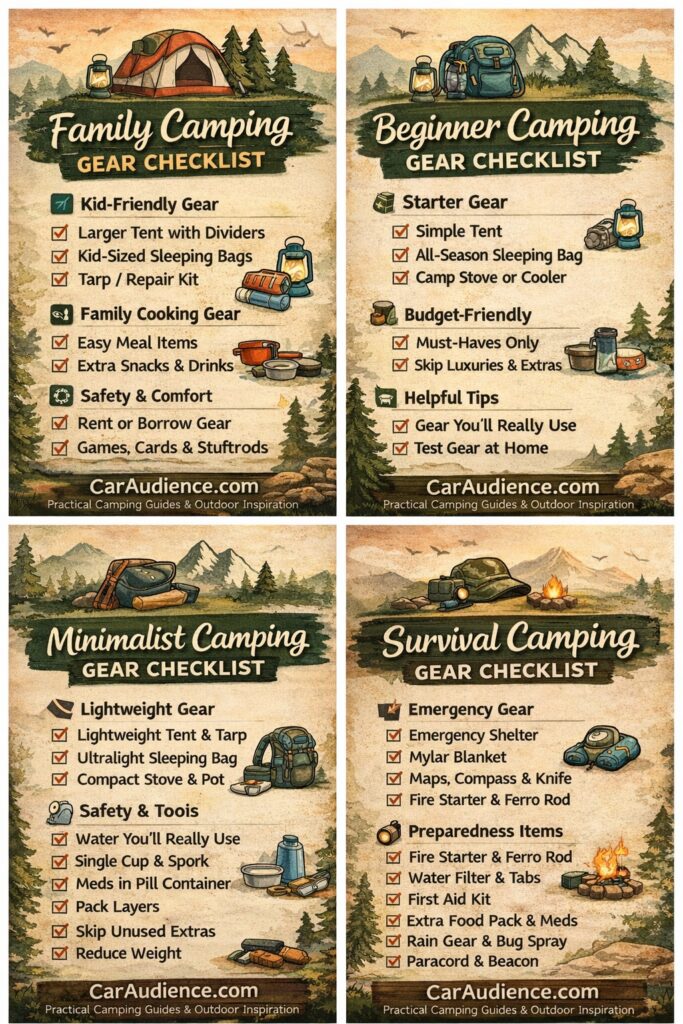
First-time campers consistently make the same mistake: they buy too much, too soon. An instant tent, a forgiving three-season sleeping bag, and a basic cook set will get you through your first dozen trips without a hitch.
Renting gear or borrowing from friends is genuinely smart before you’ve figured out your camping style. Once you’ve spent a few nights outside, you’ll know exactly what’s missing and what you’ll never touch again.
Camping Gear for Survival & Emergency Situations
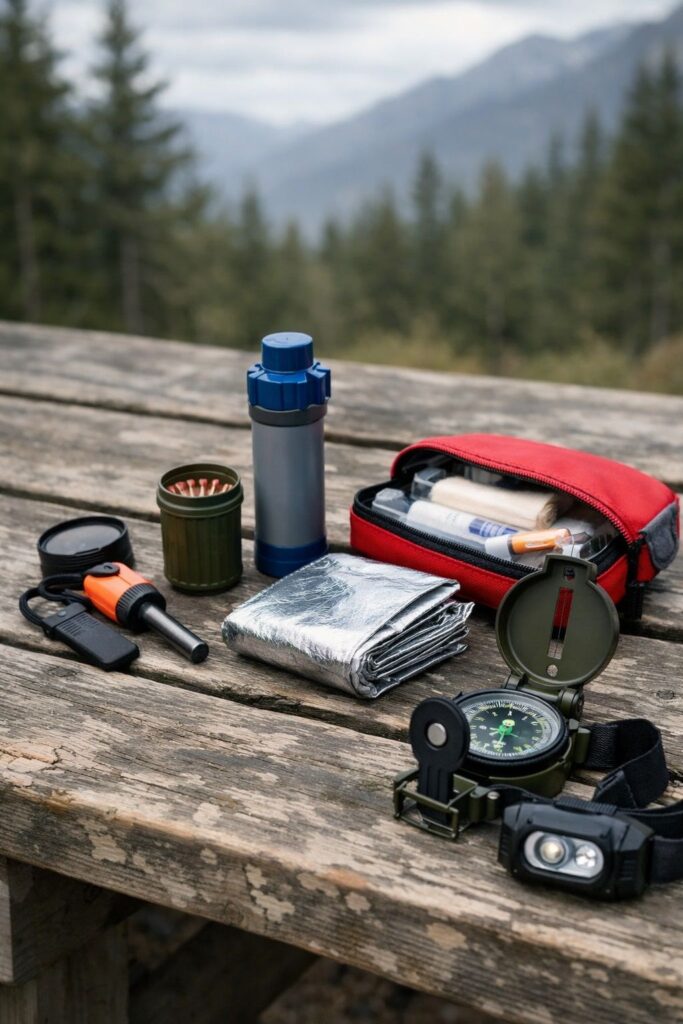
The further you get from a trailhead, the more your gear decisions carry real consequences. A water filter, a ferro rod, a basic first aid kit, and a reliable navigation tool aren’t optional in remote terrain.
Emergency shelters and a whistle weigh almost nothing but have pulled people out of genuinely bad situations. Even on shorter trips, carrying a few safety essentials is cheap insurance against weather shifts and unexpected nights out.
Camping Gear for Families and Kids
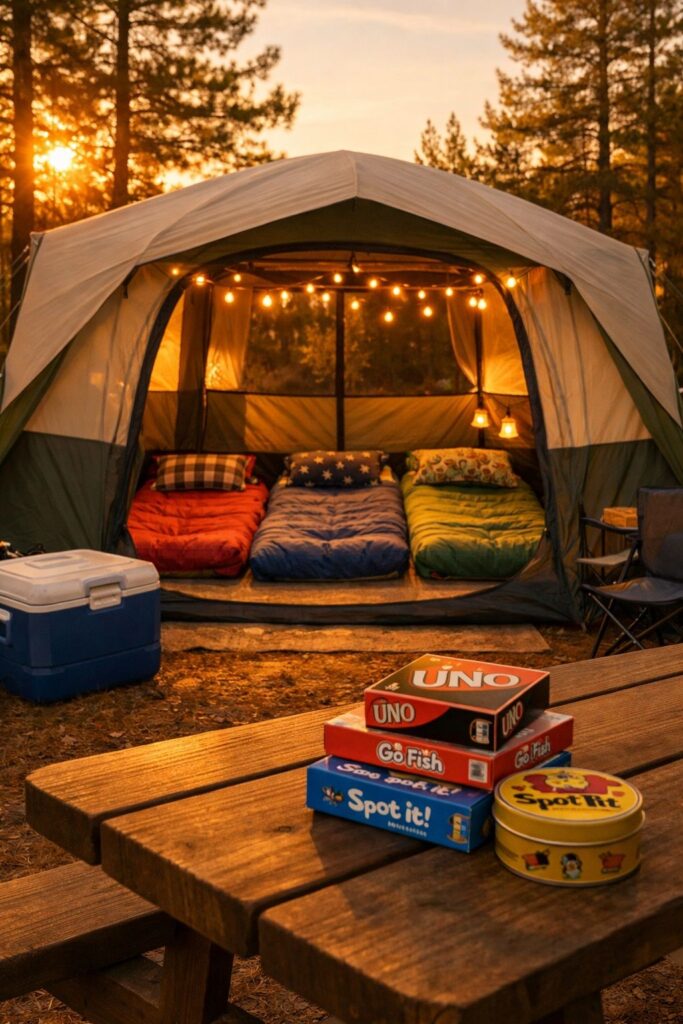
Family camping lives or dies by how organized and comfortable the setup is. A tent with enough floor space and headroom keeps everyone from feeling caged in by day two. Kid-sized sleeping bags actually fit small bodies and keep them warmer than adult bags stuffed with extra layers.
Soft lighting inside the tent, reliable bug protection, and a few familiar comforts from home make the difference between a trip kids beg to repeat and one they endure.
DIY Camping Gear and Smart Gear Hacks
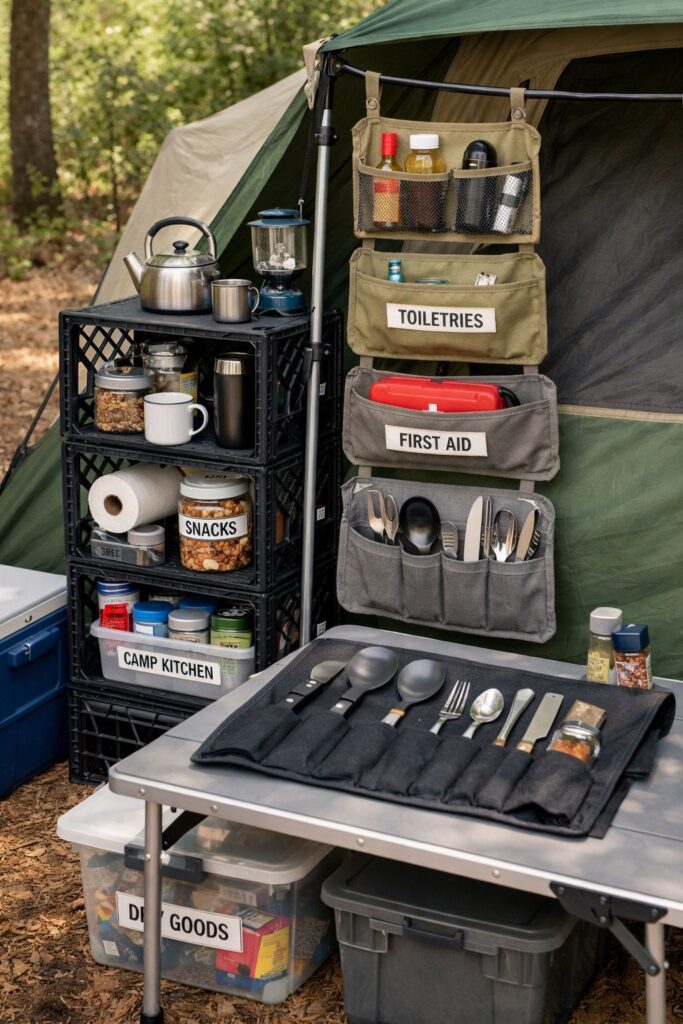
Some of the most useful things in my camp kit didn’t come from an outdoor retailer. Milk crates make excellent modular storage, labeled bins keep communal kitchens functional, and a handmade utensil roll beats any store-bought version I’ve used.
Weatherproofing the seams on a budget tent yourself costs almost nothing and adds years to its life. That said, safety-critical gear like stove systems and water purification isn’t the place to get creative.
Indoor & Backyard Camping Gear
A pop-up tent in the living room sounds trivial until you watch a kid spend three days preparing for their first real camping trip because of it. Sleeping bags, battery lanterns, and a night spent on a sleeping pad indoors build both comfort and confidence.
Backyard camping is also the best way to identify gear problems before you’re an hour from the nearest town. The skills transfer, and for a lot of kids, that first pretend campout is the moment they actually fall for camping.
Seasonal Camping Gear You’ll Actually Use
Summer camping and winter camping share almost nothing in common from a gear standpoint. Hot-weather trips call for well-ventilated tents, lightweight quilts, and some kind of shade system if you’re camping without tree cover.
Winter requires an insulated sleeping pad rated for ground temperature, a bag with real thermal capacity, and layering systems that manage sweat as well as cold. Shoulder seasons are trickier than either extreme, and a modular layering approach handles the swings better than any single piece of gear will.
How to Choose the Right Camping Gear for Your Style
The single most useful question you can ask before buying gear is: how do I camp? A car camper and a backpacker have almost nothing on their gear lists in common, and buying for the wrong style wastes money and pack space.
Solo campers can optimize aggressively for weight and simplicity, while group and family campers need shared systems that hold up to more use. Build your kit gradually, field-test everything before you rely on it, and trust the gear that’s proven itself over the gear that looked good in a review.