Avocado green cabinets, shag carpet in harvest gold, and wood paneling that hasn’t seen sunlight since 1974, sound familiar?
You’ve got a vintage mobile home with real character, but right now it’s wearing its age like a bad costume.
The good news is that a few targeted changes can shift the whole feel without gutting your budget or your floor plan. Stick around, because the fix starts before you buy a single thing.
Why Vintage Mobile Homes Feel Dated (And How to Fix It)
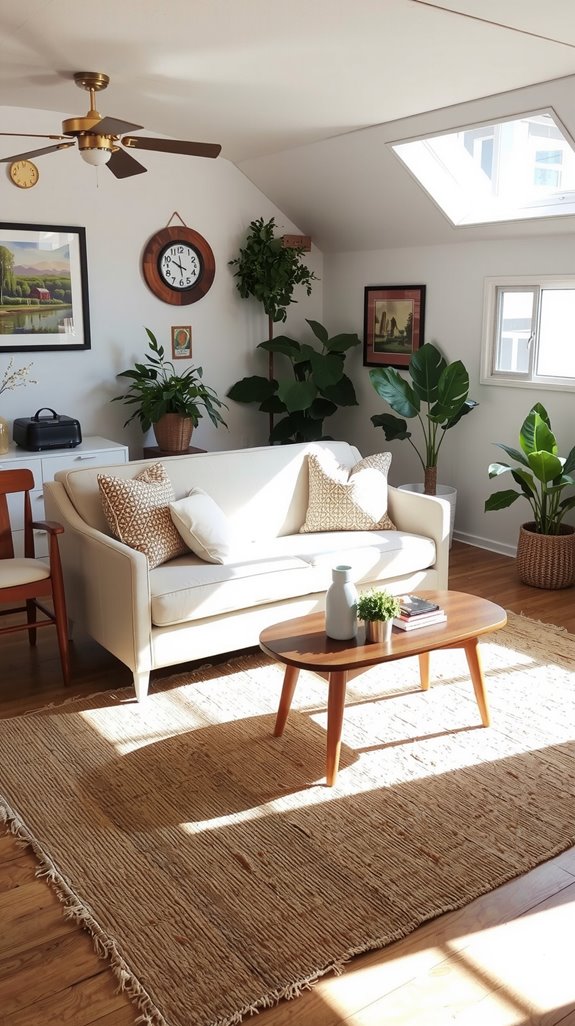
Vintage mobile homes built between the 1960s and 1980s share a few design habits that make them feel stuck in time: dark wood-paneled walls, low 7-foot ceilings, narrow floor plans under 14 feet wide, and small windows that let in almost no natural light.
These features work together like a team with one goal: make the space feel smaller and darker than it already is.
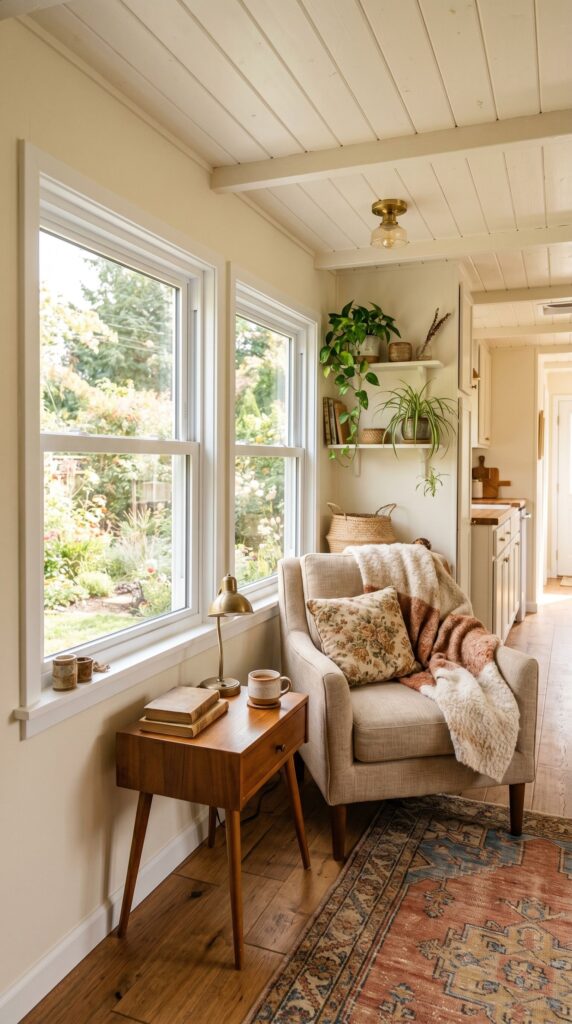
The fix isn’t a gut renovation. Paint the walls and ceiling the same soft white or creamy ivory, choose furniture with visible legs, and pick one clear vintage style direction to guide every decision you make.
Pick One Vintage Style Before You Buy a Single Thing for Your Mobile Home
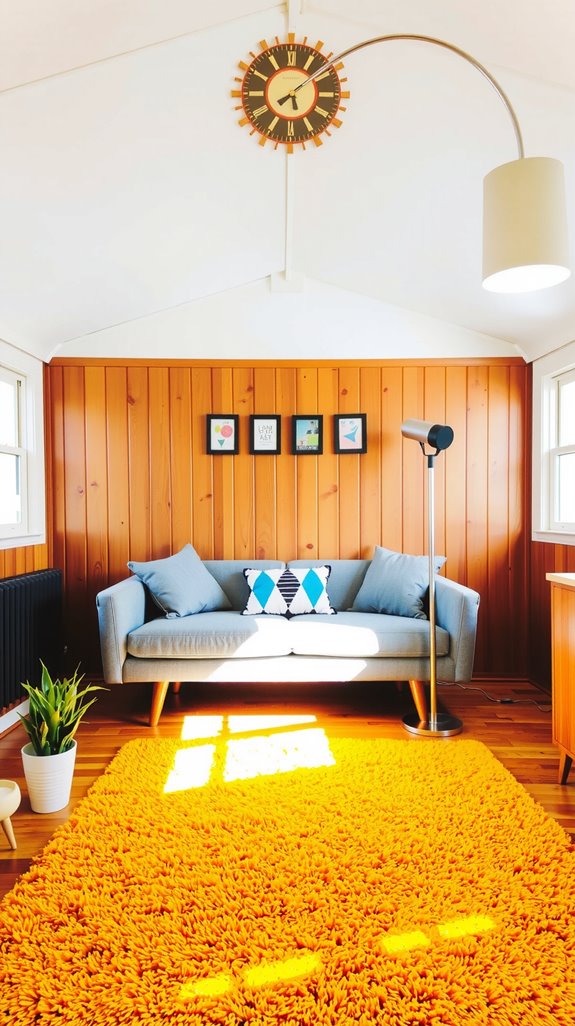
Before you buy a single throw pillow or thrift a single dresser, you need to pick one primary vintage style and stick to it. Mid century modern, farmhouse, and eclectic are the three most common directions for mobile homes.
Pick one. Then choose one or two supporting styles that complement it without competing. Think “Mid Century Modern with a little Boho texture” rather than “everything from 1920 to 1975.”
Use three guiding words like “light, warm, simple” to filter every purchase. If something doesn’t match those words, leave it at the thrift store for someone else’s problem.
The Best Paint Colors for a Vintage Mobile Home Interior, Including Ceilings
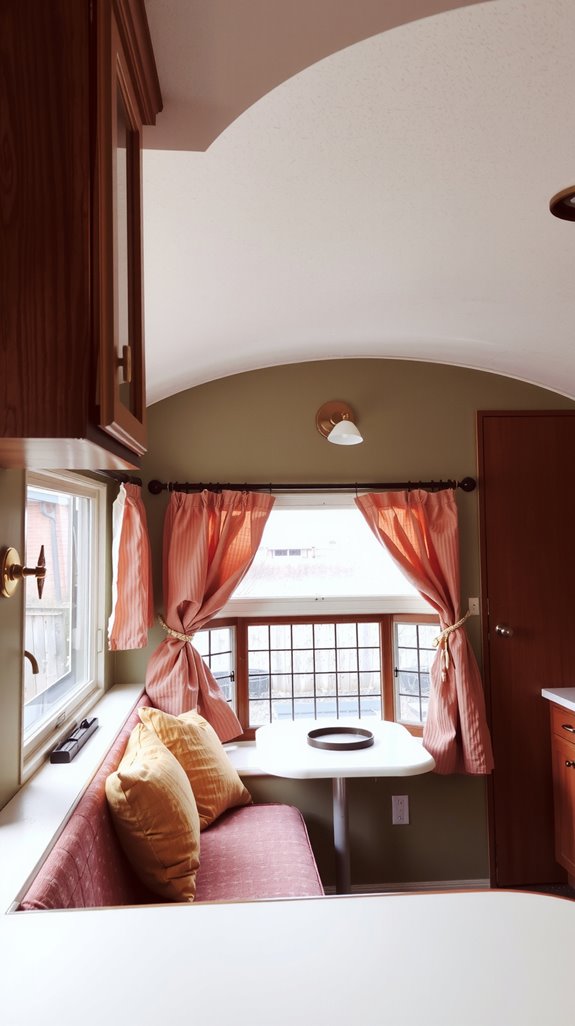
Once you’ve locked in your vintage style direction, paint is the single fastest way to modernize a mobile home interior without touching a single piece of furniture.
Soft whites, creamy ivories, and pale greiges open up tight hallways and low ceilings fast.
Try Sherwin-Williams Alabaster or Benjamin Moore White Dove on both walls and ceilings together.
Painting them the same color removes the visual cutoff line that makes rooms feel boxed in. Save your hunter green or warm terracotta for curtains and accent furniture instead.
One color, ceiling included, does more work than most people expect.
Choose Small-Scale Furniture With Visible Legs for a Vintage Mobile Home
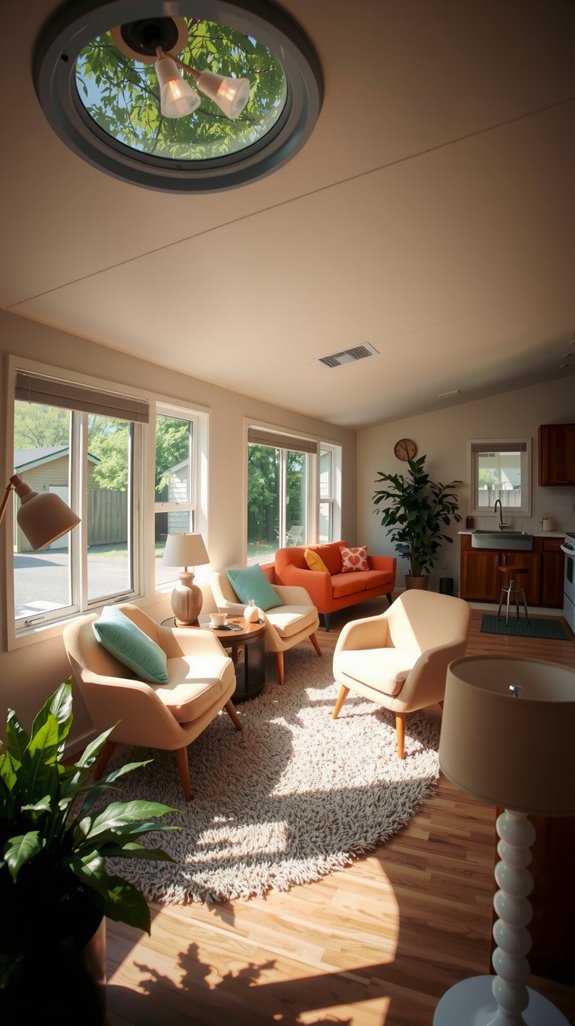
Paint gets walls looking right, but furniture is where most vintage mobile home makeovers go sideways fast. Oversized pieces eat square footage and make narrow rooms feel like furniture storage units.
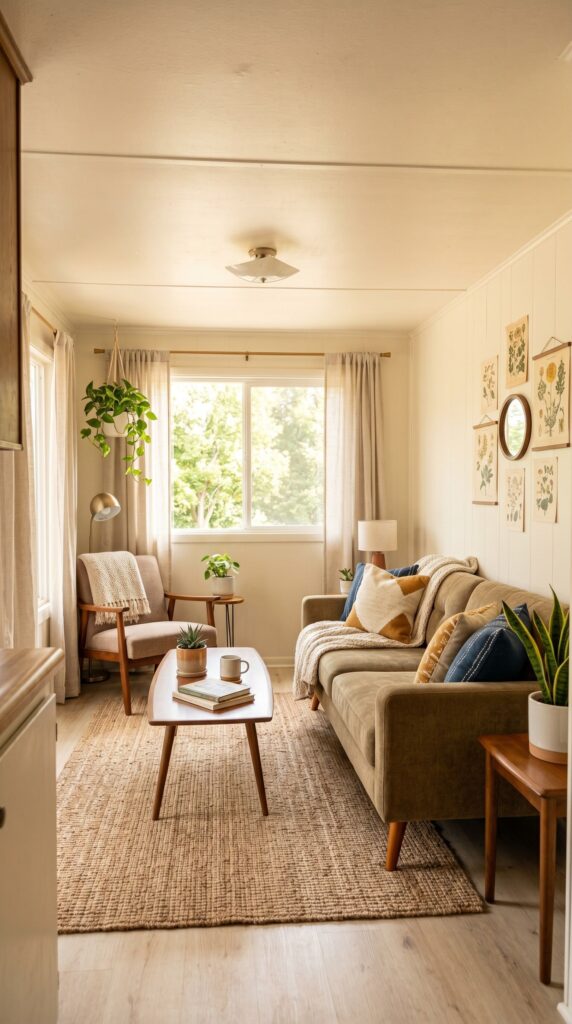
Choose small-scale sofas around 72 to 80 inches wide instead of standard 90-inch models. Visible legs, sitting four to six inches off the floor, let light pass underneath and make rooms feel less stuffed.
A mid-century style sofa or a simple skirted chair both work well here.
You can see the floor, the room breathes, and nothing looks like it was accidentally left by previous tenants.
How to Mix Vintage Finds With Modern Pieces in a Mobile Home
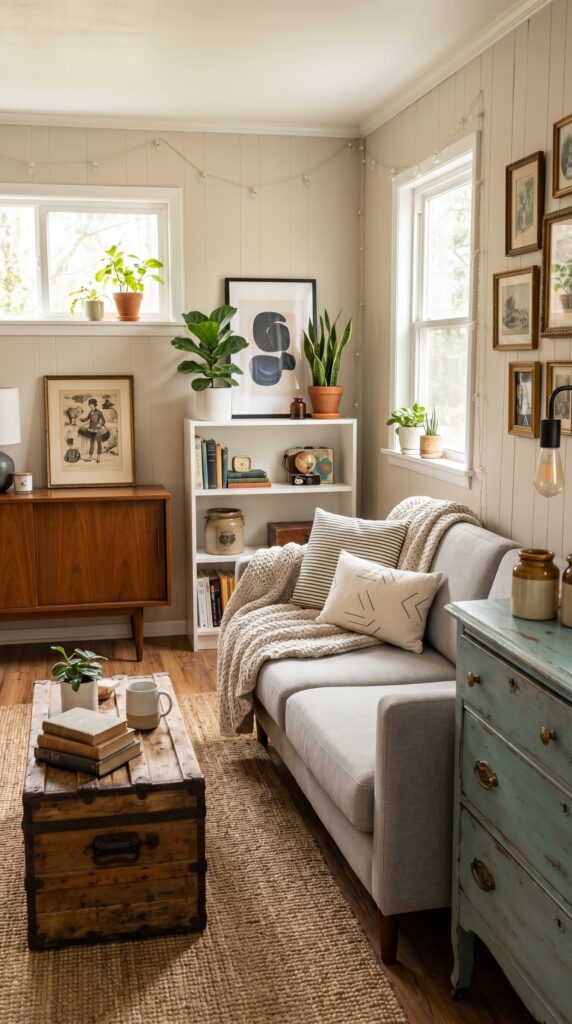
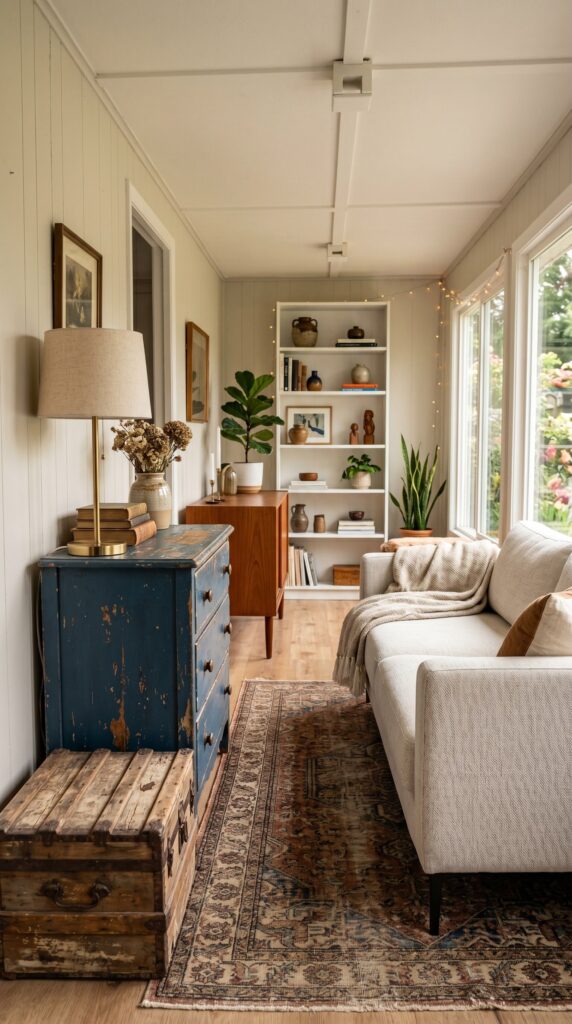
Getting the mix right between vintage finds and modern pieces is less about matching and more about balance.
Pair a chippy-paint dresser or a wood trunk with a clean-lined, newer sofa. The contrast actually works in your favor. Think of your vintage pieces as the personality and your modern ones as the structure.
A mid-century side cabinet looks sharp next to a simple IKEA shelf. Keep your old-to-new ratio around 60/40 so the space feels curated, not cluttered.
One era sets the tone, the other keeps it from tipping into grandma’s storage unit.
Furniture That Does Two Jobs in a Tiny Vintage Mobile Home
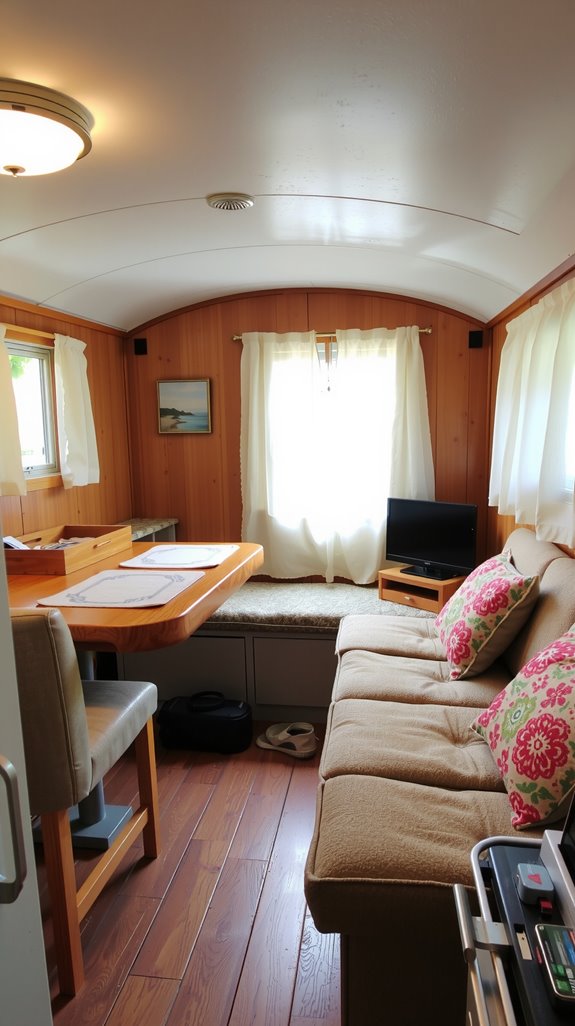
Balancing old and new pieces gets you halfway there, but in a tiny mobile home, every piece also needs to earn its square footage. A padded storage bench pulls double duty as a coffee table and extra seating for guests.
A vintage dresser repurposed as a TV stand hides cables and clutter inside its drawers. Look for ottomans with removable lids, beds with built-in drawers underneath, and narrow console tables that work as both entryway catch-alls and dining overflow.
One piece doing two jobs means one less piece crowding your already tight floor plan.
Hang Curtains High and Wide to Fake Bigger Windows in a Mobile Home
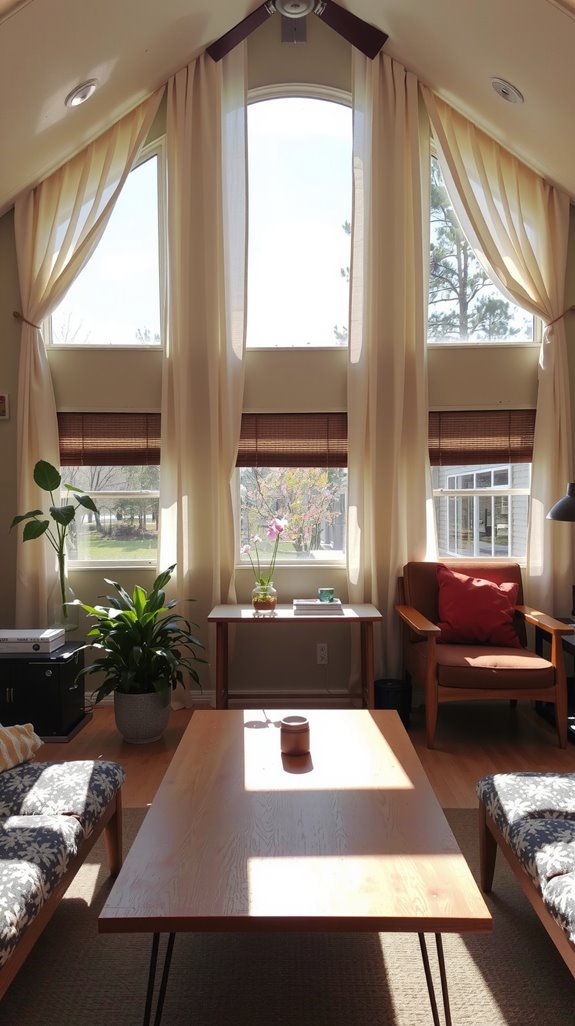
Mobile home windows are often small, low, and oddly placed, but hanging your curtain rod 4 to 6 inches above the window frame and extending it 8 to 12 inches past each side makes the window read as considerably larger than it actually is.
Your eye follows the rod, not the actual glass. Choose floor-length panels in a soft linen-look fabric or hunter green velvet that skim within half an inch of the floor.
IKEAs MAJGULL or HANNALILL panels work well here. The height tricks the eye into seeing taller walls, which older mobile homes desperately need.
How to Layer Textiles and Texture in a Vintage Mobile Home Without Clutter
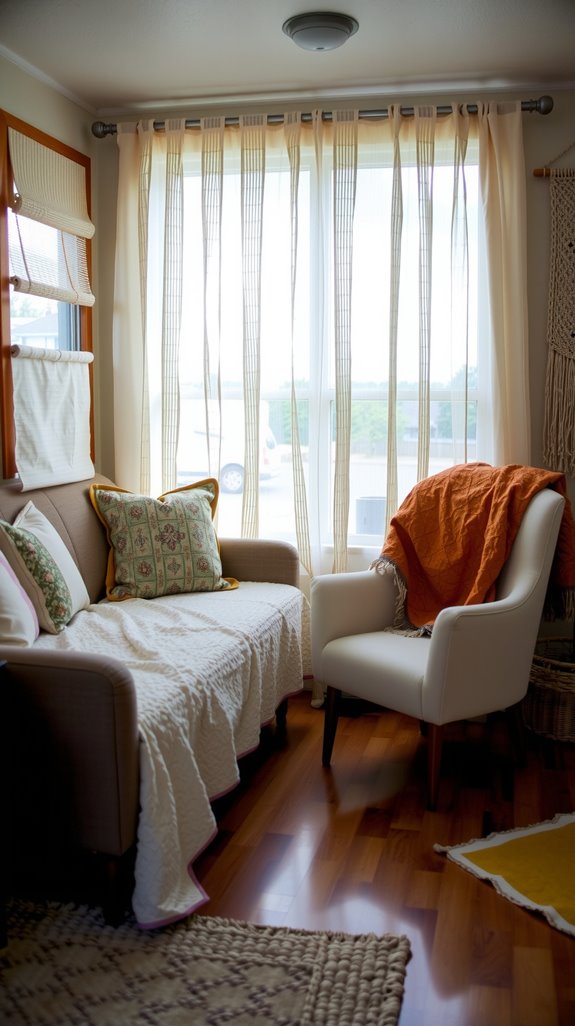
Layering 3 or 4 textures into a small vintage mobile home is the difference between a space that feels designed and one that just feels stuffed.
Pick a jute rug as your base texture, then add one woven basket, one ceramic vase, and one chunky knit throw. That’s your four.
Mix patterns carefully by pairing a bold floral pillow with solid-colored ones in the same 2 or 3 colors.
Rotate your throws seasonally, swapping linen for fall-weight cotton blends. Edit ruthlessly. If a surface holds more than 3 items, something goes back in the closet.
Which Walls in a Vintage Mobile Home Actually Need Decor?
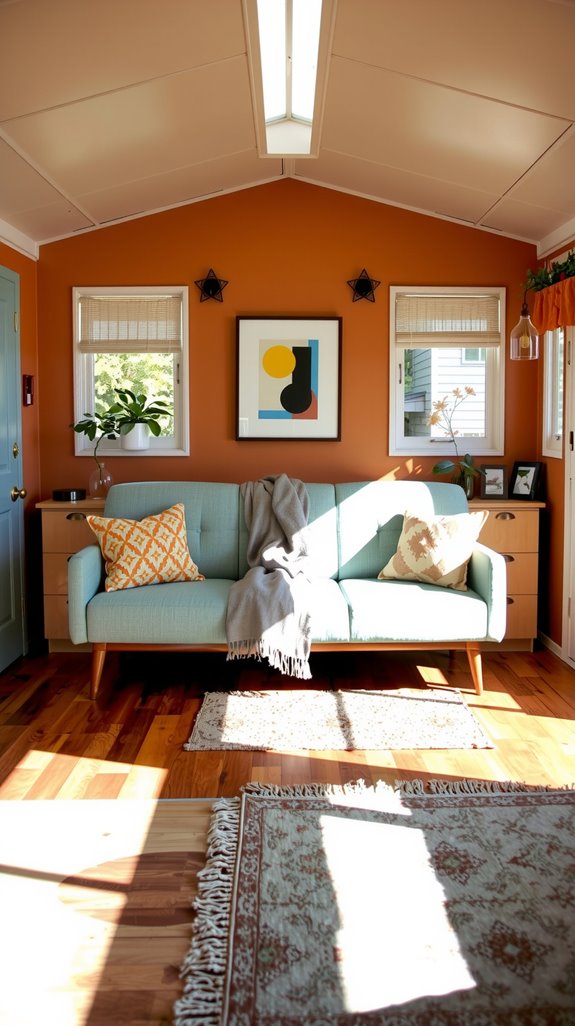
Not every wall in a vintage mobile home needs something on it, and that’s actually good news.
Pick one or two walls as your focal points, usually the wall behind a sofa or bed. Those get the art, the gallery arrangement, or the statement mirror. The rest stay clean.
In a 14-foot-wide single-wide, covering every wall creates visual noise fast. Narrow walls near doors or windows work better empty, letting natural light do the job instead.
Think of blank walls as breathing room, not unfinished mistakes. Less decor placed intentionally reads smarter than more decor placed everywhere.
Style Open Shelves in a Vintage Mobile Home So They Look Curated, Not Crowded
Open shelves in a vintage mobile home can look intentional or chaotic depending on how you group things.
Use the rule of three, meaning cluster items in odd-numbered groups of varying heights. Mix a tall ceramic vase, a short stack of vintage books, and a small woven basket together on one shelf.
Leave at least a third of each shelf empty so everything can breathe. That empty space isn’t wasted; it’s doing real work.
Swap out one or two pieces seasonally to keep things feeling fresh without redecorating the whole shelf from scratch.
The Lighting Layers Every Vintage Mobile Home Interior Needs
Vintage mobile homes weren’t exactly designed with great lighting in mind, so most of them ship with one sad overhead fixture doing all the heavy lifting.
Fix that by layering three types: overhead, task, and accent. Swap the original ceiling light for a small mid-century chandelier or a flush-mount brass fixture.
Add task lighting with a simple plug-in sconce or a thrifted table lamp near seating. Then layer in accent lighting using warm-bulb string lights or a few candles.
Aim for bulbs around 2700K color temperature; that warm tone makes vintage wood and metal surfaces look intentional, not tired.
Plants That Soften Hard Vintage Surfaces in a Mobile Home
Hard surfaces dominate most mobile homes, think vinyl walls, laminate floors, and metal window frames, so plants do real work here by breaking up all that visual rigidity.
A snake plant in a six-inch terracotta pot adds vertical softness without hogging floor space. Pothos vines trail naturally from shelves, softening sharp cabinet edges with zero effort on your part.
A fiddle-leaf fig in a woven basket does double duty, adding both organic texture and height.
Stick to three plants minimum per room, that’s enough green to feel intentional without turning your living room into a greenhouse nobody asked for.
Use These Three Materials in Every Room to Tie Your Vintage Mobile Home Together
Three materials can do more for a vintage mobile home‘s cohesion than any amount of matching furniture: light oak, black metal, and woven fiber.
Pick all three, use them everywhere, and your rooms will feel connected without trying too hard.
Drop a light oak tray in the kitchen, a black metal lamp in the bedroom, and a woven jute basket in the bathroom.
That’s it. Repetition creates visual rhythm, meaning your eye moves through the space smoothly instead of stopping at every mismatched corner.
Three materials, every room, no exceptions.
How to Add Meaningful Accessories Without Overcrowding a Vintage Mobile Home
Accessories are where most people go wrong in a small space, and a vintage mobile home punishes overcrowding faster than a standard house does.
Every surface you fill is a surface that shrinks the room visually. Pick one or two shelves for grouped displays using the rule of three, meaning items in odd-numbered clusters at varying heights.
Keep sentimental pieces small and deliberate, like a single vintage clock or two ceramic vases. Ask yourself if each item is useful, beautiful, or meaningful.
If it answers none of those, its just clutter wearing a costume.
The Edit Rule That Keeps Your Vintage Mobile Home From Feeling Stale
Editing isn’t a one-time task you do when you move in and forget about. Every few months, walk through each room and ask three questions about every object: Is it useful, is it beautiful, or does it mean something real to you?
If it doesn’t answer yes to at least one, it goes. Mobile homes have limited square footage, sometimes under 600 square feet so every item competes for visual space.
Keeping surfaces intentional prevents that slow creep where a thoughtfully styled room quietly turns into a storage unit wearing curtains.