What this is: A fall porch guide written specifically for people whose “autumn” is still ninety degrees — Florida, Texas, Arizona, and everywhere else the crisp-leaves fantasy doesn’t apply.
Who it’s for: Anyone in a hot, humid, or high-sun climate who’s watched a real pumpkin turn to soup and a mum scorch to a crisp by mid-September.
Why read it: You’ll learn which materials survive real heat, which plants actually thrive in a warm fall, and how to build a Southern porch that looks like autumn without pretending you live in Vermont.
Here’s a frustration nobody in the fall-decor world seems to acknowledge: almost every guide, pin, and product is written for a New England October. Crisp air, cool nights, real pumpkins that last for weeks, mums that thrive.
And then there’s the rest of us, in Florida and Texas and Arizona, watching a fifteen-dollar mum fry in three days and a porch pumpkin collapse into a puddle of orange regret before Halloween even shows up.
The truth is that hot-climate fall decorating is a genuinely different discipline, and pretending otherwise just wastes your money. The heat, the humidity, and the relentless sun are working against every traditional choice.
But a gorgeous, unmistakably autumn porch is completely doable down here — you just have to decorate for the climate you actually have.
Here’s how to do it right.
Why Traditional Fall Decor Fails in the Heat
Before the solutions, it helps to understand exactly what’s going wrong, because it changes every choice you make.
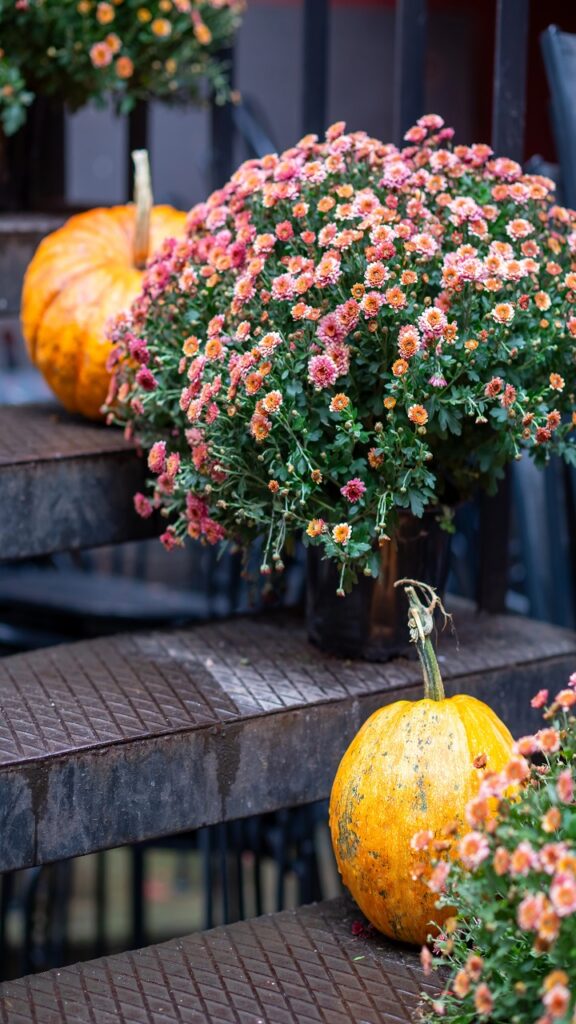
Real pumpkins are the biggest casualty: heat and humidity dramatically accelerate rot, and once temperatures climb, decay that would take weeks up north sets in within days.
A pumpkin is about ninety percent water, and a hot porch turns it into a science experiment fast. Mums are the next to go.
They’re cool-weather plants at heart, and full Southern sun scorches them before they hit their stride.
Add in the way direct sun fades and warps cheap synthetic decor, and the way humidity breeds mold on hay bales and cornstalks, and you can see why the standard fall kit just doesn’t translate.
The fix isn’t decorating less; it’s decorating with materials and plants that were built for heat. Once you accept that, the whole thing gets easier.
Faux Decor That Survives Full Sun Without Fading or Warping
For a hot-climate porch, high-quality faux is genuinely your best friend — but not all faux is created equal, and the cheap stuff will betray you by August’s end.
The enemy is UV exposure, which fades color and warps thin plastic. What you want is faux pieces specifically rated for outdoor or UV resistance, made from thicker, better-pigmented materials that hold up to relentless sun.
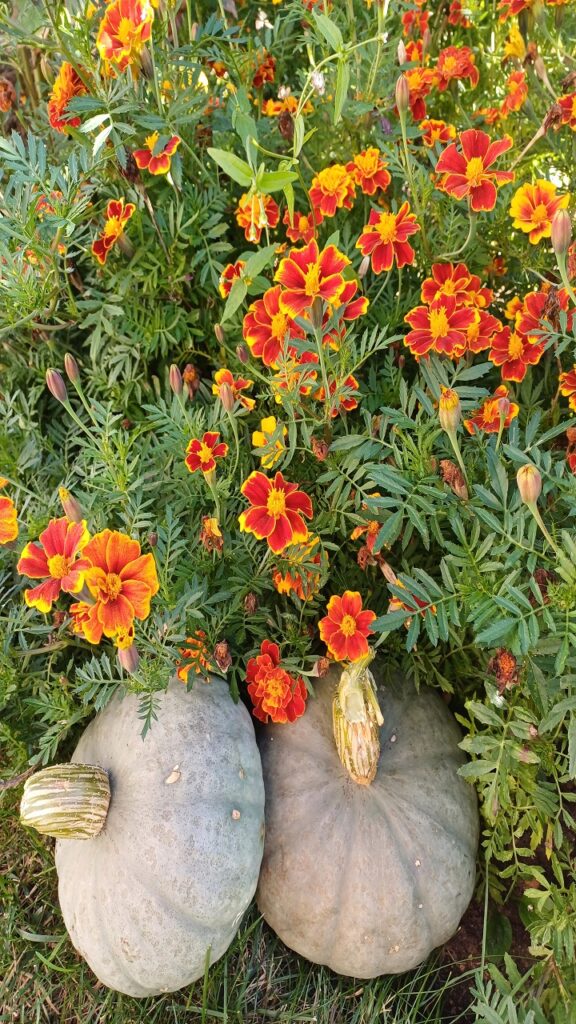
Faux pumpkins are the obvious win, since they sidestep the rot problem entirely. Velvet pumpkins hold their color beautifully in shade, while sealed, outdoor-rated resin and terracotta-painted faux pumpkins handle direct sun far better than a bag of dollar-store foam ones that’ll be sun-bleached and cracked in a month.
The rule of thumb: spend a little more on fewer, better faux pieces, keep the truly sun-exposed spots to the most UV-stable materials, and store everything indoors in the off-season so it lasts for years. Cheap faux in full Southern sun is a false economy every time.
Heat-Tolerant Real Plants That Actually Thrive in a Warm Fall
You don’t have to go entirely artificial — you just have to swap the mum for plants that were built for heat. And here’s the fun part: a warm-climate fall garden can be more colorful than a northern one. Instead of fighting the sun, lean into plants that love it.
According to the University of Florida’s extension service, ornamental grasses, goldenrod, and native fall bloomers put on a gorgeous show through October in hot, humid conditions while shrugging off drought.
The Southern fall all-stars are worth knowing by name.
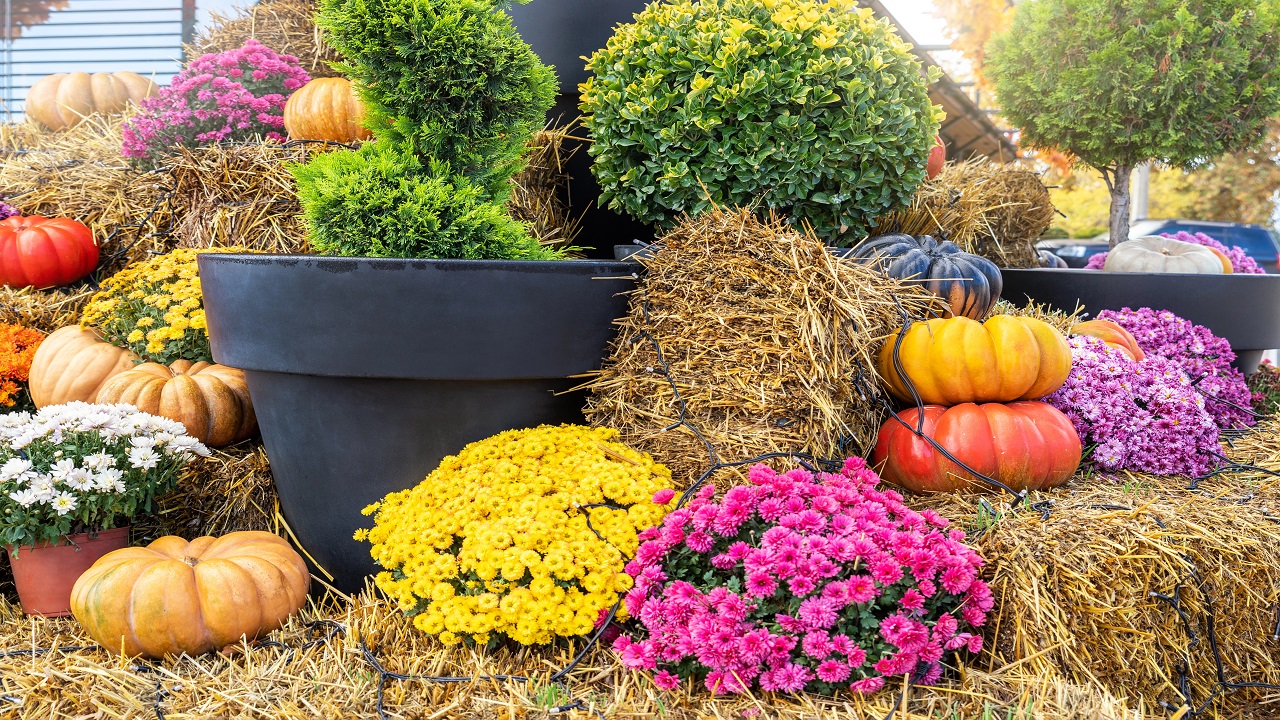
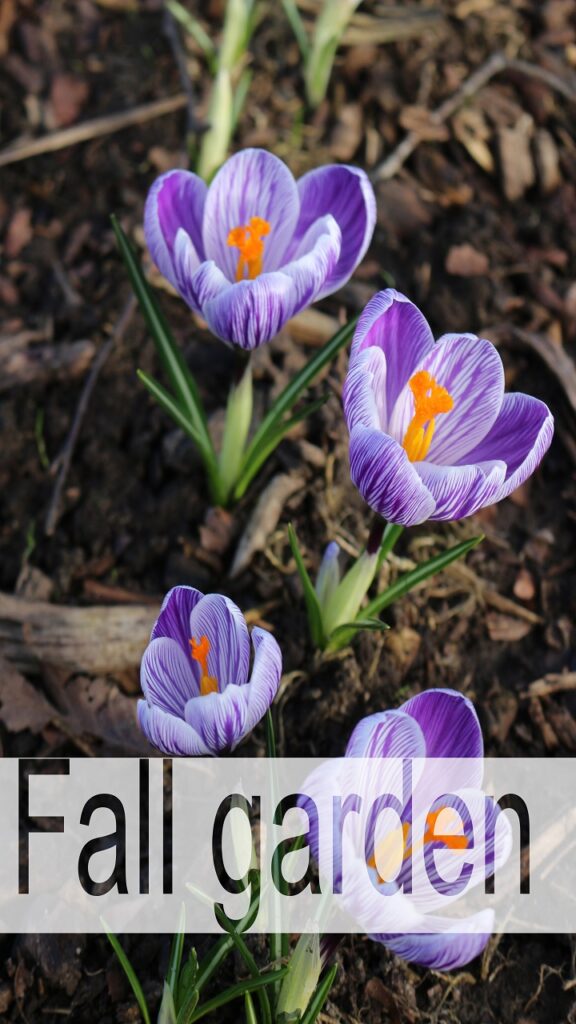
Lantana blooms in fiery clusters straight through the heat, salvia throws vivid spikes of color and laughs at high temperatures, and ornamental peppers, marigolds, and celosia bring exactly the warm oranges, reds, and golds you want from an autumn planter.
Croton, with its rust-and-gold foliage, is basically fall in plant form and thrives in the sun. Plant these in your porch containers instead of mums and you get living, blooming autumn color that actually lasts the season.
Pair them with a terrarium of dried, heat-proof materials and you’ve got layered texture with zero wilting.
No-Rot Pumpkin Alternatives for Hot, Humid Porches
If real pumpkins won’t survive, the answer isn’t to give them up — it’s to fake them convincingly or choose the varieties that hold up longest.
On the faux side, outdoor-rated resin and foam “carvable” pumpkins have gotten genuinely good, and a well-styled cluster reads as completely real from a few feet away. This is the single highest-impact swap a hot-climate porch can make.
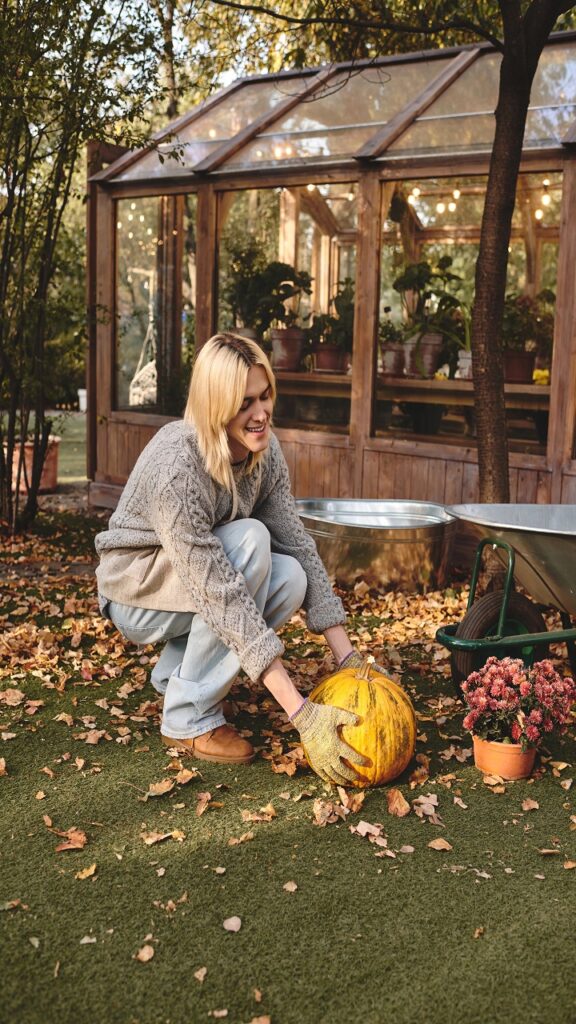
If you’re set on the real thing, work with the heat rather than against it. Choose hard-skinned, unblemished pumpkins and gourds, keep them out of direct sun and off hot surfaces, and lift them onto a riser so air circulates underneath.
Pumpkins rot fastest where they touch a warm, damp surface. A quick wipe with a diluted bleach solution slows the mold, and uncarved always outlasts carved by weeks.
But honestly? In the deep South, faux for the sun-exposed pieces and a couple of real gourds in the shade is the combination that keeps a porch looking fresh all season without the weekly cleanup. Mix in some dried citrus for real texture that won’t spoil.
West-Facing Porch Solutions for the Hottest Exposure
A west-facing porch in a hot climate is the final boss of fall decorating — it catches the full brutal force of the afternoon sun, and it’s where cheap decor goes to die.
This exposure needs its own strategy, because even good faux takes a beating from hours of direct late-day sun. The first move is to create shade wherever you can: an outdoor umbrella, a bamboo shade, or simply clustering your decor in the most protected corner rather than spreading it across the full sun-blasted width.
For the pieces that will sit in direct sun no matter what, lean on the most heat-stable materials there are — metal, ceramic, sealed wood, and stone.
A galvanized or aged-metal planter, a ceramic pot, a sealed wooden leaner: none of those fade or warp the way plastic and thin resin do.
Reserve your nicer faux and any real plants for the shadier flanks of the porch, and let the sun-proof hard materials take the hottest spot. It’s the same small-space logic of putting the right piece in the right spot — just applied to sun instead of square footage.
Building a Florida, Texas, or Arizona Fall Porch That Fits
Pulling it together, a hot-climate fall porch looks a little different from the catalog version, and that’s exactly the point — it’s built to actually survive where you live.
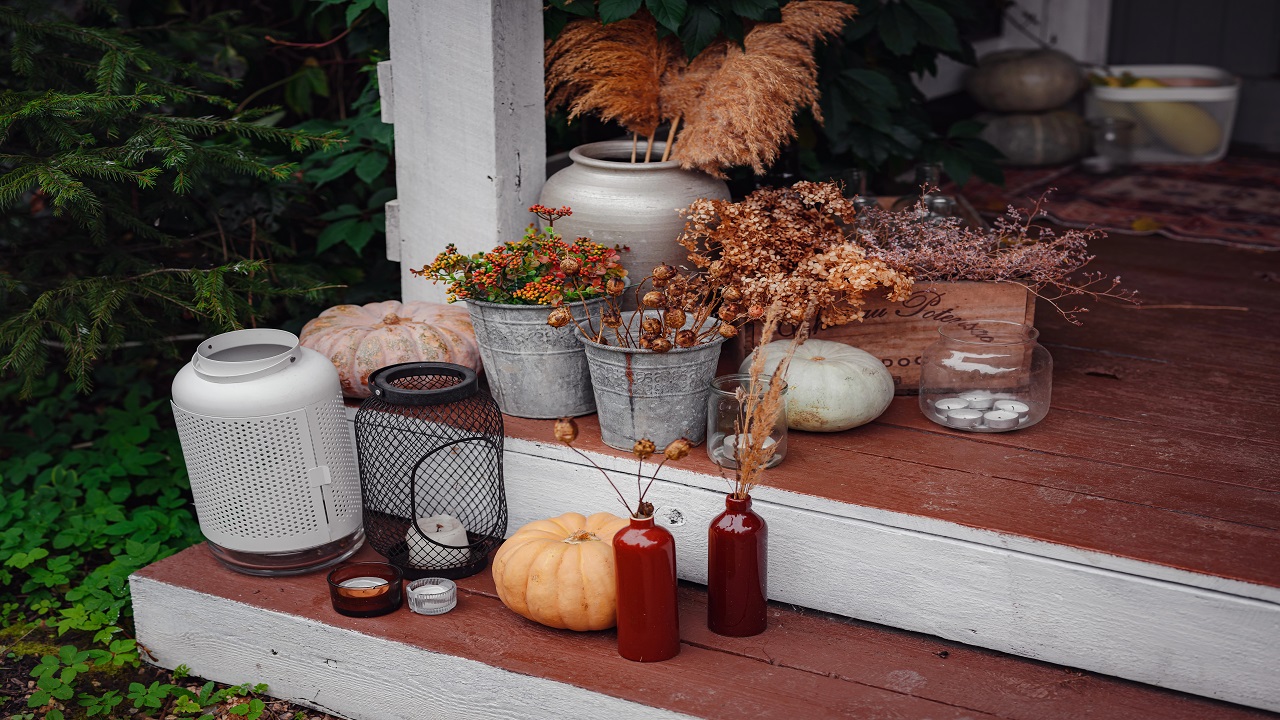
Start with heat-stable structural pieces: ceramic or metal planters, a sealed-wood leaner, aged-metal lanterns. Add color with heat-loving real plants like lantana, salvia, and croton, or gorgeous outdoor-rated faux.
Bring in outdoor-rated faux pumpkins for the sun and a couple of real gourds for the shade.
Then lean into what makes a Southern fall beautiful rather than mimicking a Northern one — warm terracotta tones, natural textures, and the deep golds and rusts that actually match your landscape.
A layered outdoor-fabric doormat and a warm lantern glow finish it off. Because the whole setup is built from durable materials, it also transitions effortlessly into cozy Thanksgiving and beyond — the same fall-to-winter approach works down here, just without the winter part.
Your Climate, Your Autumn
The real secret to hot-climate fall decorating is to stop apologizing for not having a New England autumn and start building the porch your actual weather allows.
90-degree Octobers aren’t a problem to decorate around — they’re just a different set of materials and plants, and the result can be every bit as warm and welcoming as any crisp-air version, minus the weekly trip to throw out a rotted pumpkin.
Choose heat-proof over traditional, faux where the sun is brutal, and real plants that were born for the heat. Do that and you get a porch that looks like fall, lasts all season, and never once melts or molds on you. Your coziest season doesn’t require a cold front — it just requires decorating for the climate you’ve actually got.