What this is: Fifteen plants that survive genuine low light conditions and genuinely look good in a dark, masculine
bedroom. With specific pot recommendations, placement strategies, and the one thing you need to know about the “plants clean the air” claim before you buy six of them.
Who benefits most: You, if you want the room to feel like someone living in it chose it, not like a styled photo shoot. Why it’s worth reading: The room ideas for men plants conversation online treats all plants as interchangeable and all pots as afterthoughts. Both of those assumptions are wrong.
A plant in a bedroom does something that no furniture can replicate. It signals that the space is inhabited and maintained — that someone made a decision to keep something alive here.
That signal registers on a level most men don’t consciously notice until the plant is gone and the room feels slightly more like a waiting room than it did before.
The question is not really which plants look good. The question is which plants survive in the conditions your room actually has — low light, variable temperatures, and the erratic watering schedule of someone with more important things to think about.
Here are fifteen that pass that test.
The Honest Truth About Plants and Air Quality
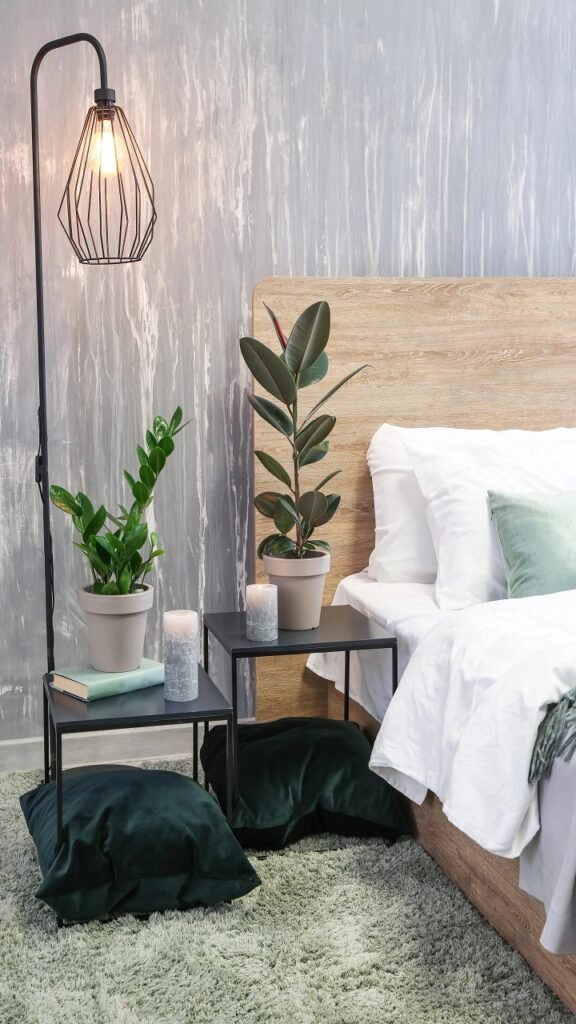
Before you buy six plants based on reading that the NASA Clean Air Study proved they purify air, understand what that study actually showed.
The study was conducted in sealed chamber environments nothing like a lived in home, and found that plants could filter some VOCs only in controlled settings.
A 2019 meta analysis found you would need between 10 and 1,000 plants per square metre to match the VOC reduction that standard building ventilation achieves. This is roughly 680 plants in a 1,500 square foot home!
Plants are not air purifiers.
Plants are living objects that make a space feel inhabited, introduce natural texture and colour, and signal that you maintain things.
Those are real benefits.
Buy a plant for those reasons and you will not be disappointed. Buy six plants expecting clinical air purification and you will be disappointed.
The One Trick That Makes Any Room Feel More Expensive
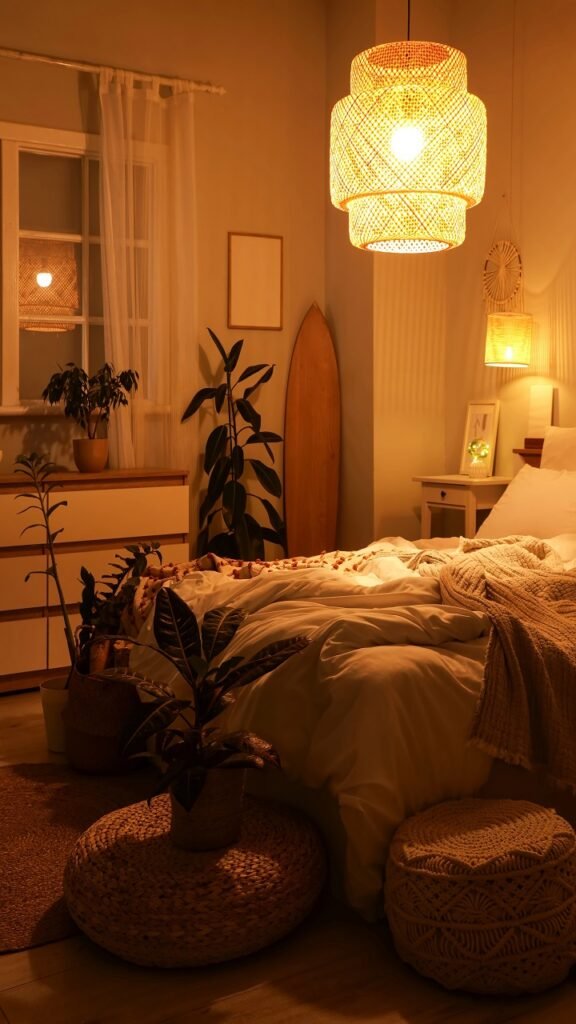
Here it is before the list, because it matters more than the plant itself: the pot is doing at least half the work.
According to CO2 Meter’s summary of the NASA clean air research, the plants that performed best in even those controlled studies were the ones with the most leaf surface area.
And they also happen to be the most visually striking.
The American Lung Association confirms that real air quality improvement requires ventilation, not plants.
So buy the pot for the look, not the lungs.
A snake plant in a plastic nursery container looks like a plant you bought and forgot to pot. The same snake plant in a concrete pot or a matte black ceramic vessel looks like a design decision.
The luxury glamping interior principle applies directly here — living elements in quality vessels read as collected and intentional rather than incidentally present.
Spend $8-$29 on a pot before you buy the plant. Every plant on this list looks substantially better in concrete, matte ceramic, or dark terracotta than it does in plastic.
1. Snake Plant (Sansevieria)
The snake plant is the starting point for every low light bedroom collection for a reason.
Upright, architectural, and requiring water approximately once a month, this is the plant for men who travel, forget, and occasionally wonder if the plant is dead only to find it thriving.
Placement for visual impact
On a floating shelf above the desk at eye level when seated, or on the nightstand as the only object besides the lamp.
The vertical growth pattern adds height to any corner without visual complexity. Place it in a concrete or matte black pot in any size from small to floor standing statement.
RELATED: The $200 Room Makeover for Men: 10 Purchases in the Exact Order That Maximises Every Dollar!
2. Pothos (Epipremnum aureum)
Pothos is the trailing plant that turns any shelf into a design feature.
Position it on a high floating shelf and allow the vines to trail downward, within six months. A $15+ plant creates a visual moment that costs nothing to maintain.
Low-light adaptability makes pothos one of the top-cited species in indoor plant research.
It handles indirect light, occasional neglect, and variable temperatures without complaint.
The dark green cultivar reads as intentional in a masculine room in a way the variegated yellow-green version does not. Keep the pot matte and small; the trailing vines are the visual feature, not the container.
3. ZZ Plant (Zamioculcas zamiifolia)
The ZZ plant is the closest thing to a maintenance free houseplant available.
Glossy, dark green, and thriving on neglect. It tolerates irregular watering and genuinely low light conditions in a way that most other plants cannot.
Visual character
The ZZ reads as sophisticated rather than tropical, which is why it works in dark moody rooms that other plants would visually disrupt.
A large ZZ in a dark concrete pot in the corner of a bedroom beside a clothing rack creates the kind of dark nature aesthetic bedroom moment that looks considered rather than decorated.
4. Cast Iron Plant (Aspidistra elatior)
The name tells you what you need to know.
Cast iron plants survive conditions that would kill most other species. Genuine low light, temperature fluctuations, and months of irregular watering.
They are one of the few plants that legitimately earn their place in a room with no natural light.
Growth is slow and the leaves are long, dark green, and architectural.
Position one in a dark corner where no other plant would survive, in a tall matte ceramic pot, and it holds its ground quietly for years.
5. Peace Lily (Spathiphyllum)
The peace lily is one of the few flowering plants that tolerates low light without suffering.
The white flower spike appears periodically and communicates something about the space that purely foliage plants cannot. That someone tends to this room attentively enough that a plant is blooming in it.
Water it when the soil is completely dry and the leaves begin to droop slightly, it tells you exactly when it needs attention.
Keep it off windowsills and out of direct light, which scorches the leaves.
One peace lily in a white or pale grey ceramic pot on a bathroom adjacent dresser is the specific placement that makes it look most considered.
6. Dracaena
Dracaena species come in sizes from desk level to floor standing, and all of them handle low to medium indirect light without difficulty.
The thin, architectural leaves in dark green or green and yellow create a vertical accent that reads as tropical without being overwhelming.
Floor standing dracaena beside a clothing rack or in an empty corner beside the reading chair adds height to the room’s composition in a way that shorter plants cannot.
Pot it in something with visual weight (dark terracotta or matte black ceramic), to match the architectural quality of the plant itself.
7. Chinese Evergreen (Aglaonema)
Chinese evergreens come in color variants from dark green to deep red, and all of them handle low light, irregular watering, and neglect with the same equanimity as the ZZ plant.
The deeper colored cultivars, dark green, silver, or red tipped, work better in a masculine bedroom than the bright varieties.
One Chinese evergreen in a dark olive or charcoal ceramic pot on the floating shelf above the desk provides exactly the color contrast that a line art print or a book spine cannot achieve.
Avoid the bright pink and lime green cultivars entirely. They fight the dark aesthetic rather than sitting within it.
8. Rubber Plant (Ficus elastica)
A rubber plant in a floor standing pot is the statement plant for a dark bedroom.
The large, glossy, dark burgundy or deep green leaves create a visual anchor that smaller plants simply cannot match. Give it a reasonably bright indirect light position and water it when the top inch of soil is dry.
The burgundy cultivar is the specific choice for a dark masculine room.
Dark walls, dark bedding, dark furniture, and a floor standing rubber plant in matte black pot in the corner creates a room that reads as deliberately composed rather than assembled.
9. Bird of Paradise (Strelitzia)
The bird of paradise is the aspirational statement plant for men who want the room to look designed.
Large, architectural, and reaching ceiling height over several years, it communicates permanence and investment in a way that smaller plants cannot.
It needs more light than most plants on this list, but thrives in indirect light near a window with sheer curtains.
Position it beside the reading chair in a large concrete pot. The silhouette of its leaves in warm lamp light creates exactly the dark nature aesthetic bedroom shadow play that no artificial decor element replicates.
10. Spider Plant (Chlorophytum comosum)
Spider plants thrive in hanging positions and produce trailing baby plants that can be cut off and repotted.
Position one in a macrame hanger or on the highest available shelf and allow the babies to trail down the wall.
The variegated green and white version adds light to a dark room without disrupting the aesthetic.
The spider plant is among the easiest species to find in the NASA study alongside pothos and snake plant as a low light tolerant, low-maintenance option.
Pot it in a matte white or concrete vessel so the trailing vines have visual contrast.
11. Heart Leaf Philodendron
The heart leaf philodendron trails and climbs with the same energy as a pothos but with a slightly more dramatic leaf shape.
Position it on a high shelf and let it fall, or train it along a piece of dark twine pinned to the wall for a more architectural trailing effect.
Watering requirements are forgiving and low light tolerance is genuine. The dark green version in a concrete or matte black pot on the floating shelf above the nightstand creates a bedside visual that is considerably more considered than a blank wall.
12. Monstera Deliciosa
The monstera has become ubiquitous in interior content, which is worth acknowledging alongside its genuine qualities.
The split leaves are genuinely distinctive and genuinely architectural. Used in a room that doesn’t centre them, they work. Used as the entire design statement, they read as the default choice.
One mid size monstera in a dark concrete pot beside the desk or in a bedroom corner, positioned as one element among several rather than the room’s focal point, earns its place.
It needs more water and slightly more light than others on this list but handles indirect light without difficulty.
13. Aloe Vera
Aloe sits at the functional end of the plant spectrum — medicinal, structural, and requiring almost nothing.
Water it once every three to four weeks and place it in indirect light. The grey green architectural spikes look most at home in a concrete or white ceramic pot on a desk surface or a low shelf beside the bed.
One aloe on the nightstand beside the lamp is the specific combination that makes a nightstand read as curated.
The warm amber glow of a 2700K lamp against the grey green of an aloe in concrete is a genuinely composed color moment.
14. Bamboo Palm
The bamboo palm is the exception on this list in terms of care.
It prefers consistently moist soil and somewhat more humidity than other low light species. In return, it grows to an impressive size and creates the most convincing tropical atmosphere of any plant that genuinely tolerates low light.
Place it in the bedroom corner furthest from the door, in a large woven basket planter or a tall matte ceramic pot, and the room gains a vertical architectural element that the furniture cannot provide.
15. String of Pearls (Senecio rowleyanus)
The string of pearls is the unexpected choice.
A succulent that trails rather than standing upright, with small spherical leaves that create a texture no other plant replicates. It needs less water than most plants on this list and handles indirect light reliably.
Hang it in a small concrete pot from a shelf bracket or position it at the edge of a floating shelf where the trailing spheres drape downward against the wall.
In a room of straight lines and flat surfaces, the string of pearls introduces organic movement that photographs well and costs under fifteen dollars.
Quick Reference: Which Plant Goes Where
| Plant | Light tolerance | Water frequency | Best placement | Pot style |
|---|---|---|---|---|
| Snake plant | Very low | Monthly | Nightstand, desk shelf | Concrete, matte black |
| Pothos | Low to medium | Every 10 days | High shelf, trailing | Small matte ceramic |
| ZZ plant | Very low | Every 2 to 3 weeks | Corner, clothing rack area | Dark concrete |
| Cast iron | Extremely low | Monthly | Dark corner | Tall matte ceramic |
| Peace lily | Low | When soil dries | Dresser, desk | White or pale grey ceramic |
| Dracaena | Low to medium | Every 10 days | Floor standing corner | Dark terracotta |
| Chinese evergreen | Low | Every 10 days | Floating shelf | Dark olive ceramic |
| Rubber plant | Medium indirect | When top inch dries | Floor standing corner | Matte black |
| Bird of paradise | Medium indirect | When top inch dries | Reading chair corner | Large concrete |
| Spider plant | Low to medium | Weekly | High shelf, hanging | Matte white or concrete |
| Heart leaf philodendron | Low | When soil dries | Nightstand shelf, trailing | Concrete, matte black |
| Monstera | Medium indirect | When top inch dries | Desk area or corner | Dark concrete |
| Aloe vera | Low indirect | Every 3 to 4 weeks | Nightstand, desk | Concrete or white ceramic |
| Bamboo palm | Low to medium | Consistently moist | Far corner | Woven basket or matte ceramic |
| String of pearls | Low indirect | Every 2 weeks | Shelf edge, hanging | Small concrete |