There’s real truth to the idea that your surroundings shape how you heal.
Your bedroom, once a shared space, can become something entirely your own, a quiet retreat that reflects who you’re becoming rather than who you were.
From choosing a wall color that finally feels like you, to knowing exactly what to clear out first, these 13 ideas will guide you through every thoughtful step of this deeply personal transformation.
Key Takeaways
- Center the bed on the longest wall, allowing 30–36 inches of walking space to create a balanced, peaceful foundation.
- Remove sentimental items, old fragrances, and shared textiles to clear emotional weight and make space for a fresh start.
- Choose calming wall colors like soft blue, muted sage green, or warm neutrals to positively influence mood and relaxation.
- Add personal touches like art, books, journals, or a vision board to reflect your evolving identity and new beginnings.
- Build gradually using affordable bedding, thrifted furniture, layered textiles, and soft lighting between 2700K and 3000K for warmth.
Start With the Bed as Your Anchor Piece
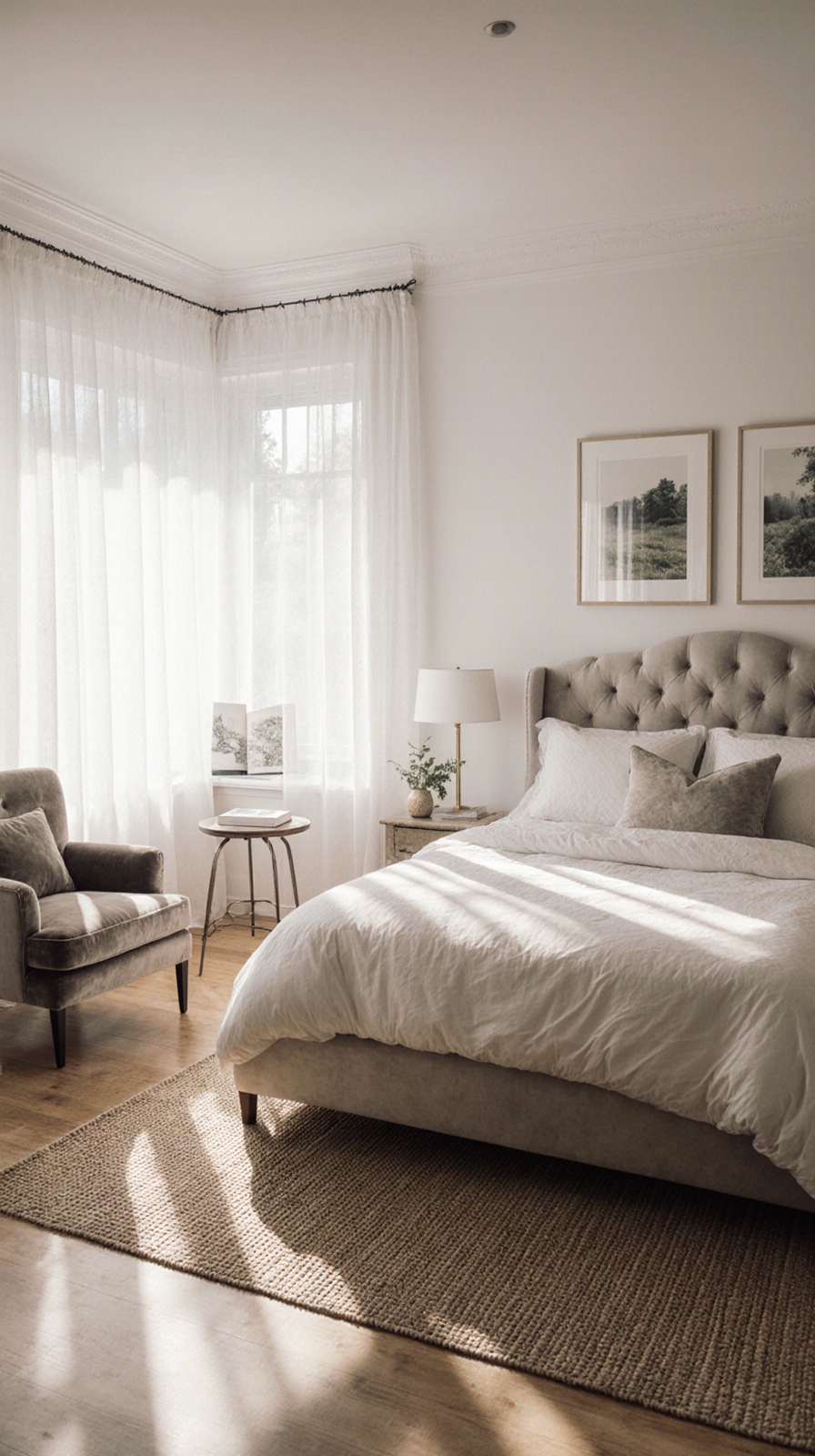
When your bedroom finally belongs to you alone, the bed becomes more than just a place to sleep. It’s the heart of the room, the piece everything else arranges itself around.
Choose a bed with a calm silhouette and soft lines, something that feels like a quiet exhale rather than a statement. Its style will naturally guide your color palette, bedding, and texture choices making the rest of the room easier to pull together.
You don’t need to redo everything at once; start here, with this one grounding piece, and let the room grow around it. Dressing your bed in soft, calming tones like blues, greens, or gentle neutrals can quietly support relaxation and emotional recovery from the very first night.
Should You Move Into a Different Room After Divorce?
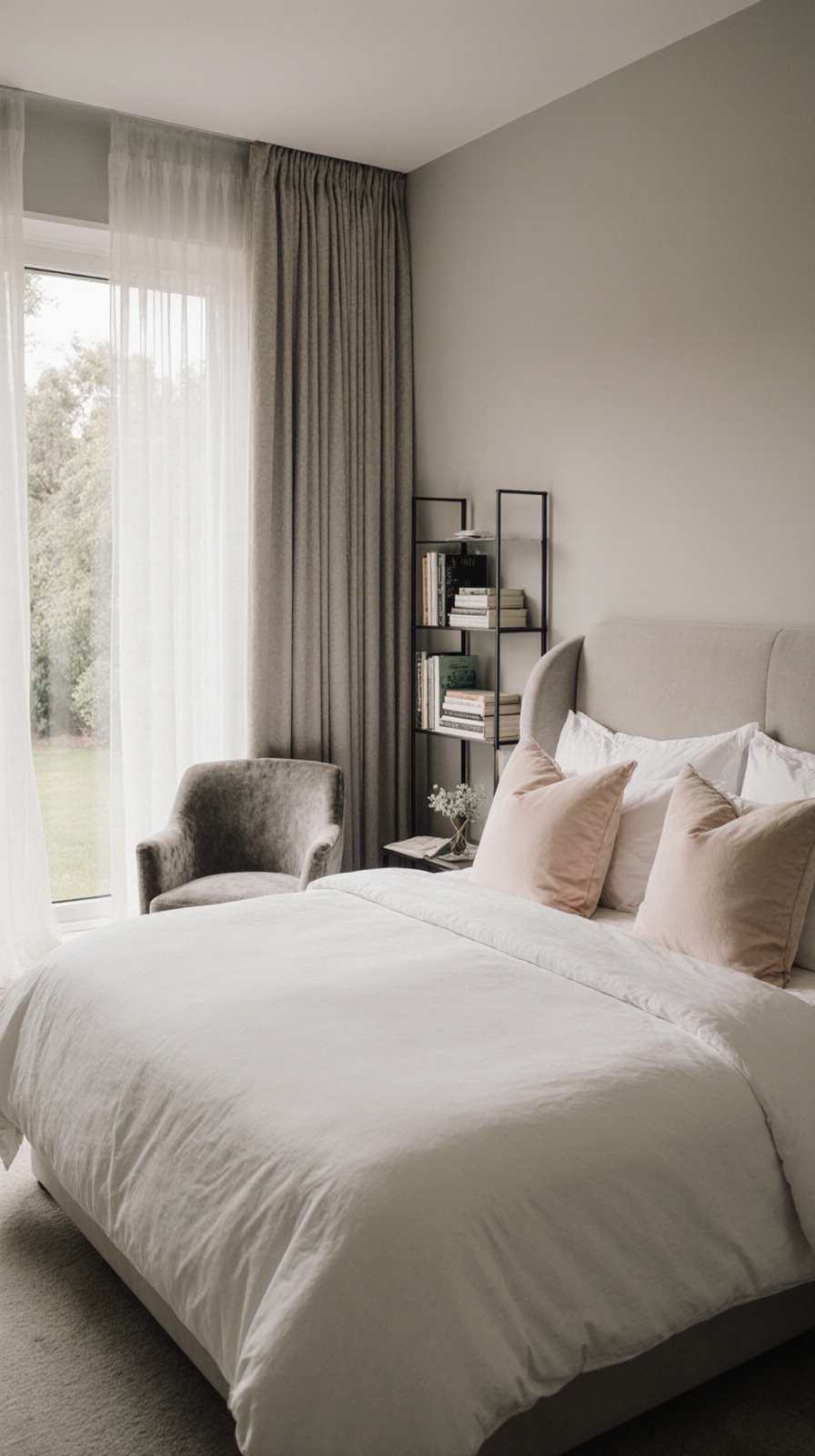
Once you’ve chosen the bed that’ll anchor your space, a deeper question might quietly surface: should that space even be the room you shared before?
Moving into a different room can feel like a quiet, powerful act of reclaiming yourself.
- A new room reduces painful memories tied to shared spaces
- Separate bedrooms lower nightly conflict and emotional tension
- Your own defined space builds safety, control, and identity
- It signals a calm, clear change for your children too
Sometimes, the most healing thing you can do is simply choose a different door, and that’s worth considering.
If staying under the same roof is necessary, using different parts of the house like a guest room or basement can offer real separation while keeping things stable for your children.
Clear Out Everything That No Longer Belongs in Your Bedroom
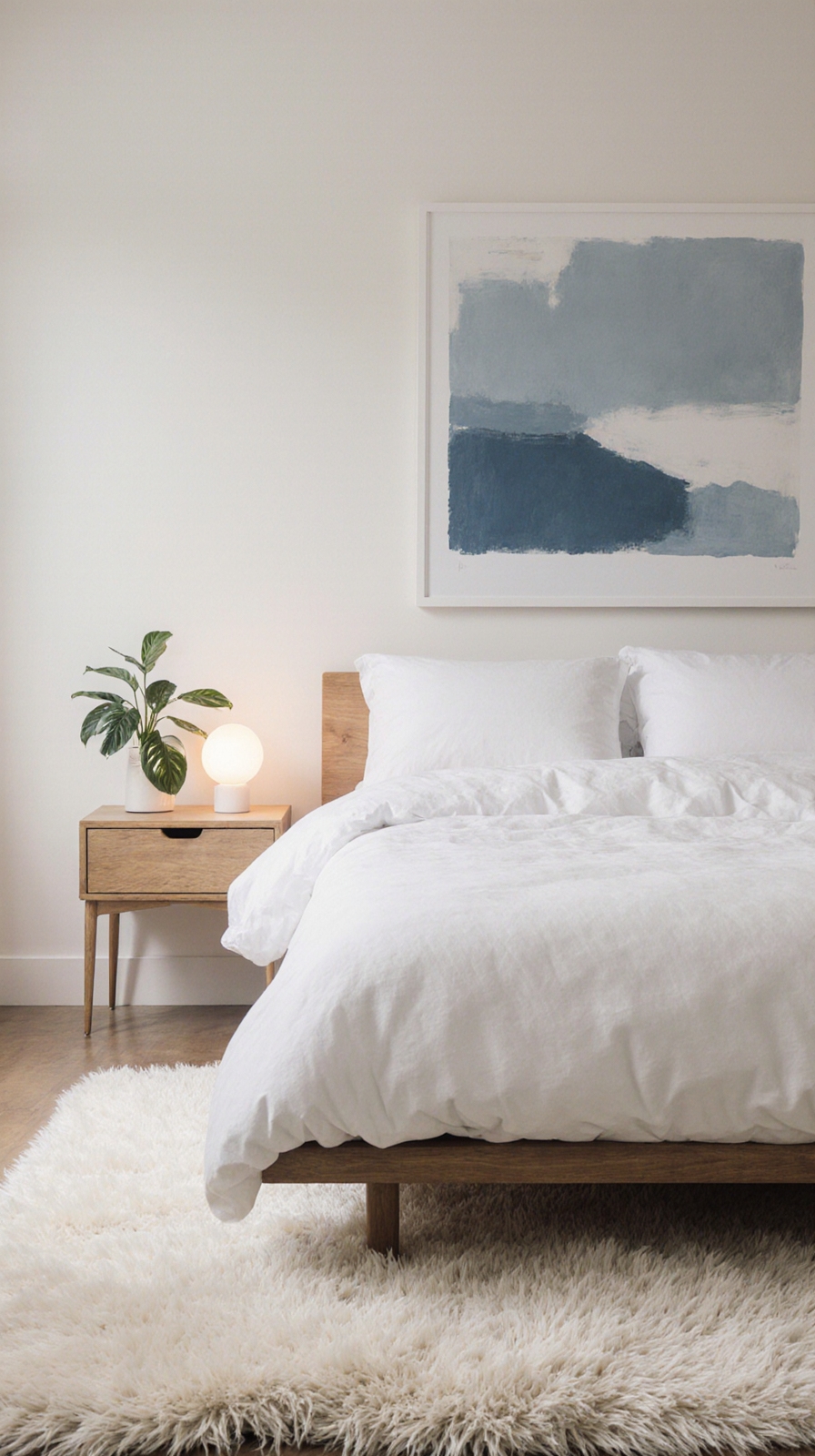
There are few acts more quietly powerful than walking through your bedroom and deciding, with clear eyes and a steady heart, that certain things simply don’t belong there anymore.
There are few acts more quietly powerful than choosing, with clear eyes, what no longer belongs in your space.
Start with emotional items, photos, letters, sentimental gifts, and move them into off-site storage with a six-to-twelve-month review deadline.
Clear out textiles carrying old memories and remove fragrances tied to your former partner, since scent travels straight to emotion.
Gather his belongings, sort clothing you haven’t worn in a year, and relocate paperwork cluttering your nightstand.
Each item you remove creates breathing room for the life you’re building now.
Rearrange Your Bedroom Furniture to Reclaim the Space
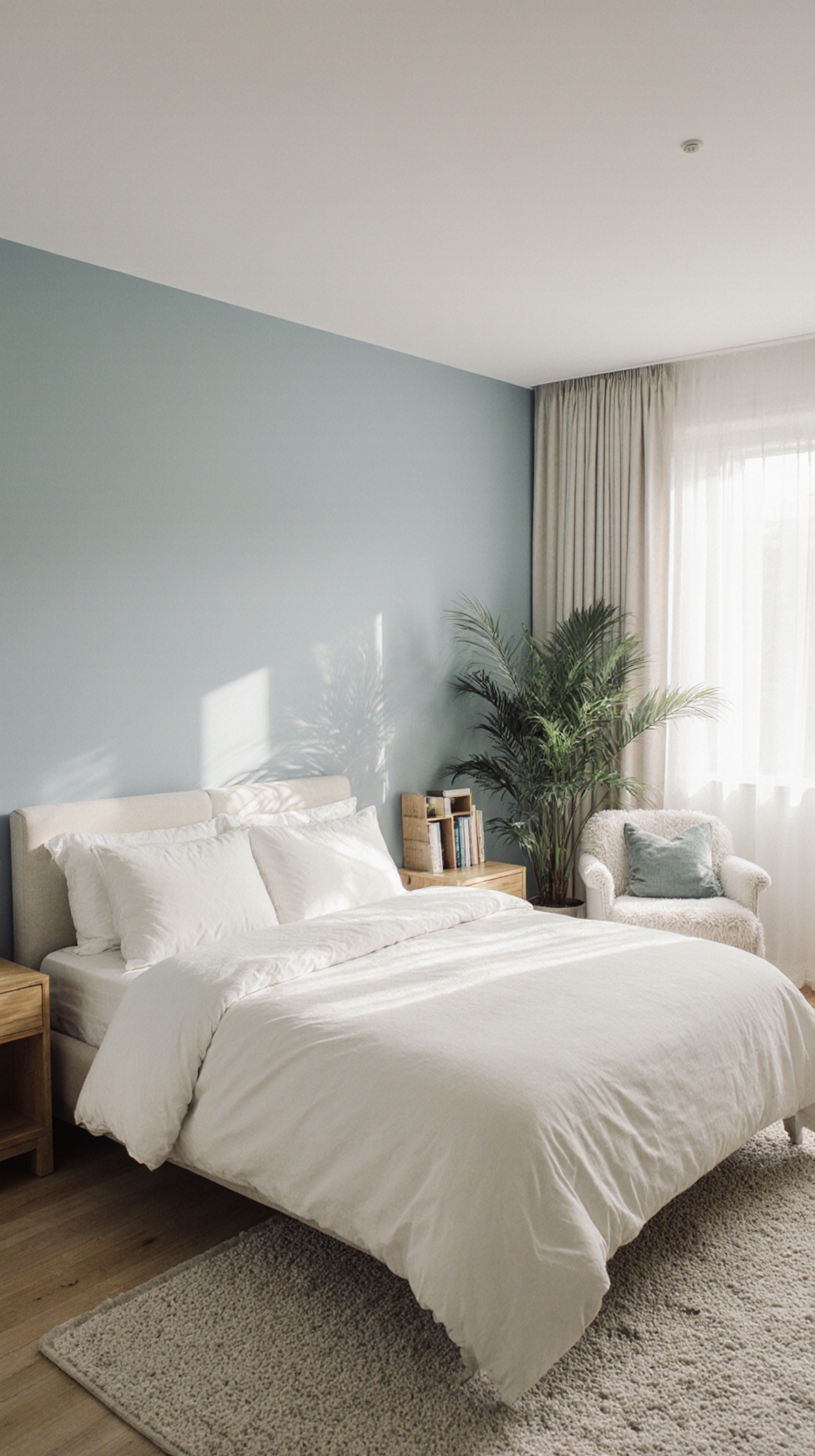
Moving the last heavy reminder out the door is only half the work, because a cleared room still carries the ghost of its old arrangement. Now it’s time to reimagine every inch as yours alone.
Anchor your bed on the longest uninterrupted wall, leave 30, 36 inches of breathing room on each side, and group functions into gentle zones, sleeping, reading, dressing, so the space feels intentional rather than inherited.
- Feel the room exhale when open floor space finally surrounds you
- Reclaim corners as cozy reading nooks built just for you
- Let balanced furniture placement reflect your steadier, quieter life
- Experience calm every morning when nothing crowds your first steps
Centering your bed under a large window and placing matching tables on each side creates symmetry that enhances spaciousness, making the room feel designed for peace rather than left over from someone else’s life.
Choose a Wall Color That Feels Calm and New
Few choices carry as much quiet power as the color you wake up to every morning, and right now, that color gets to be entirely your decision.
Soft blue tones evoke calm and freshness, while muted sage green offers renewal without harshness. Warm neutrals create an open, uncluttered feeling and dusty lavender adds gentle comfort.
Whatever direction you choose, test paint samples at different times of day, because natural light shifts how each shade reads. Keep saturation low for a softer, more restful result, and remember that even one thoughtfully chosen color can make this room feel completely, beautifully yours.
A light greige or greige works especially well in bedrooms with strong natural light, creating a calm and airy foundation that balances warmth and lightness without effort.
Upgrade Your Bedding for a Full Fresh Start
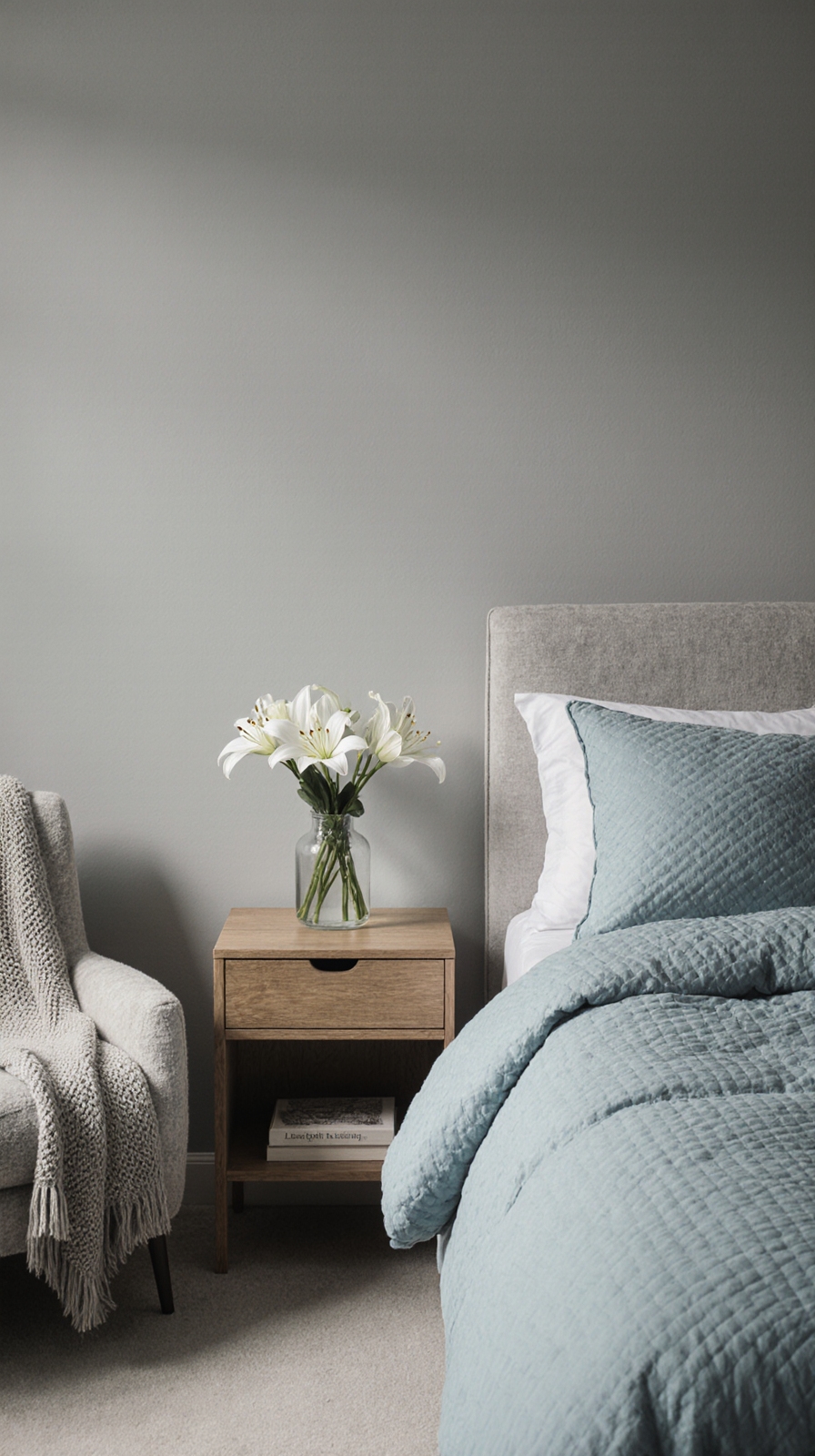
After a divorce, your bed deserves a complete reset, not just a new pillowcase or a freshly washed duvet from the old set.
Replace every layer at once, choosing breathable cotton or linen in soft whites, creams, or muted tones that feel calm and intentional.
- Start fresh with a complete coordinated set,
- Choose natural fabrics that feel light and clean,
- Build around neutral tones you can accent later,
- Layer textures, like smooth sheets with a knit throw, for warmth.
This bed is yours now and it should feel like it. When selecting new pillows, consider your sleep position, as side sleepers need thicker, firmer pillows while stomach sleepers benefit from softer, thinner options.
Swap Heavy Curtains for Something Lighter and Softer
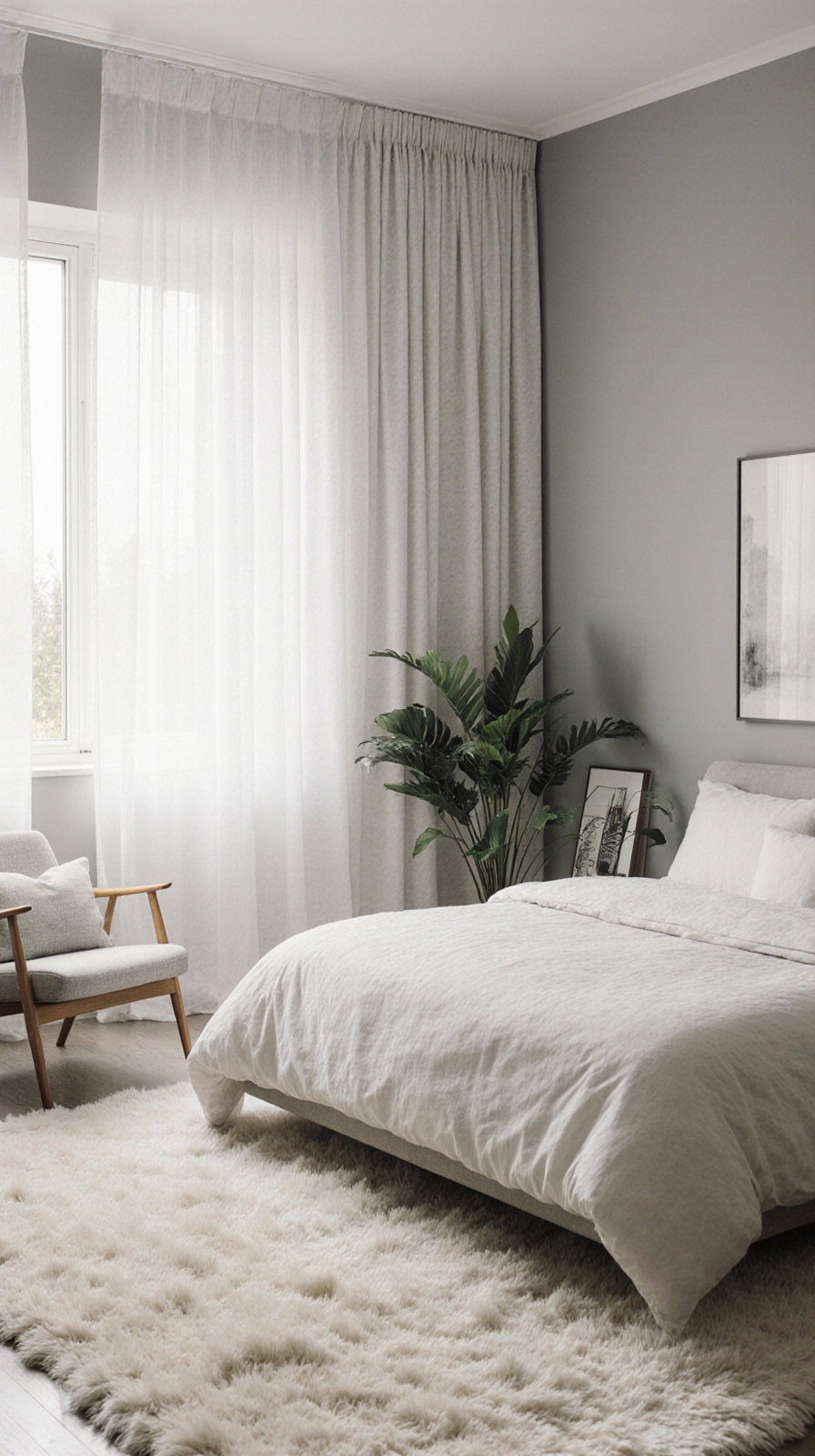
Heavy curtains can quietly weigh a room down in ways you don’t notice until they’re gone.
Swapping them for voile, linen, or a soft cotton blend instantly lifts the whole space, letting daylight filter in gently rather than forcing you to choose between brightness and privacy.
Choose muted neutrals or soft pastels that sit a few shades lighter than your walls, and you’ll feel the room breathe.
Semi-sheer panels, simple rod-pocket headings, and minimal brushed-nickel hardware keep everything unfussy and calm, giving you a bedroom that finally feels like yours, light, peaceful, and quietly beautiful.
Layering sheer and opaque fabrics gives you the flexibility to control light and privacy throughout the day without compromising the soft, airy feel you’ve worked to create.
Let Natural Light Back Into Your Bedroom
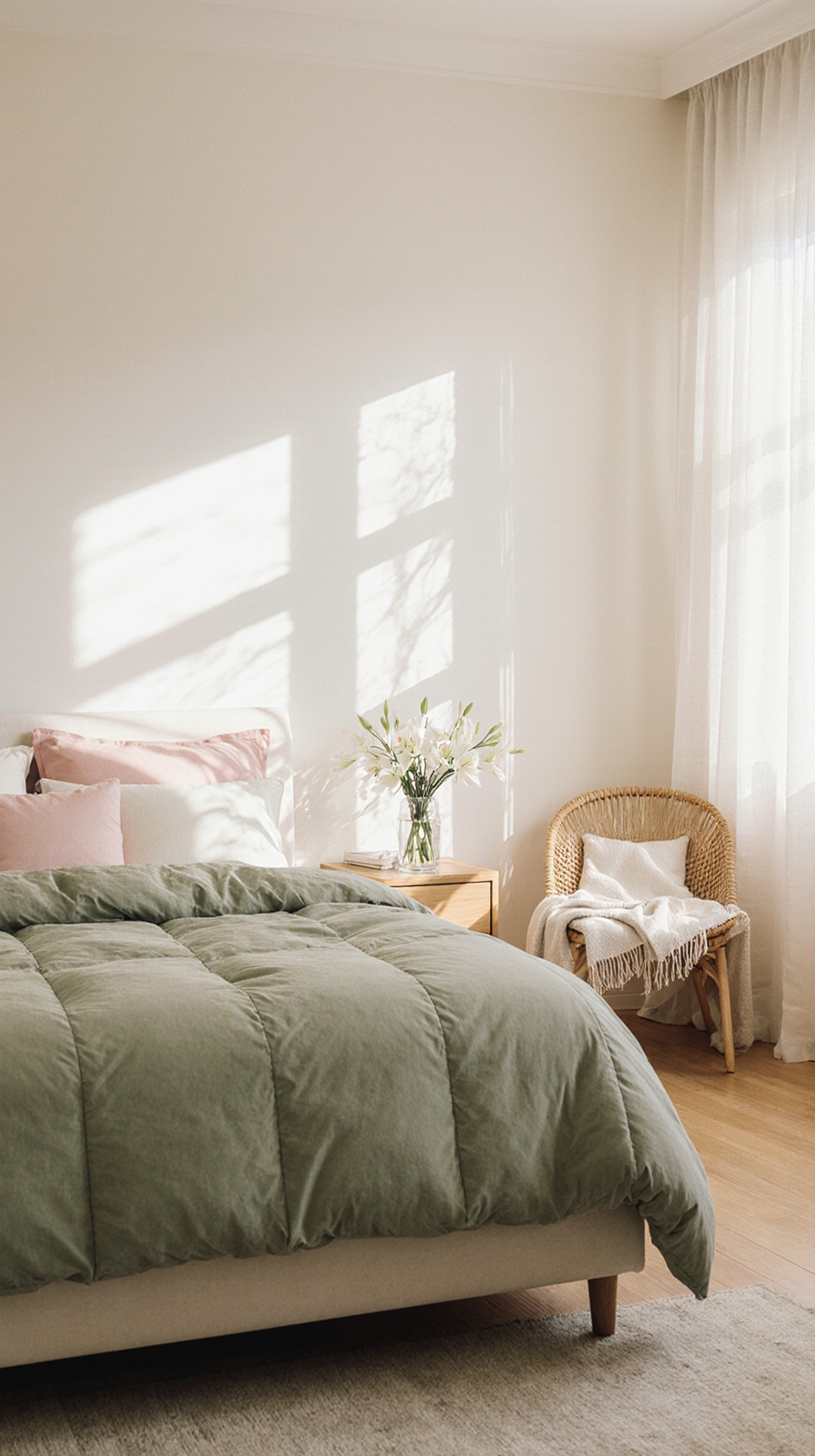
Natural light has a way of transforming a bedroom from something you simply sleep in to a space that genuinely restores you, and letting more of it in is one of the most meaningful changes you can make.
Light doesn’t just enter a room — it transforms it into somewhere you actually want to wake up.
- Move large furniture away from windows so morning light can stretch freely across the floor,
- Place a mirror opposite your window to bounce daylight into every corner,
- Choose pale, warm wall colors that welcome and reflect the light you’ve invited in,
- Keep your windowsill clear, letting sunlight reach you like something you’ve been missing.
Layer Your Bedroom Lighting for a Warmer Feel
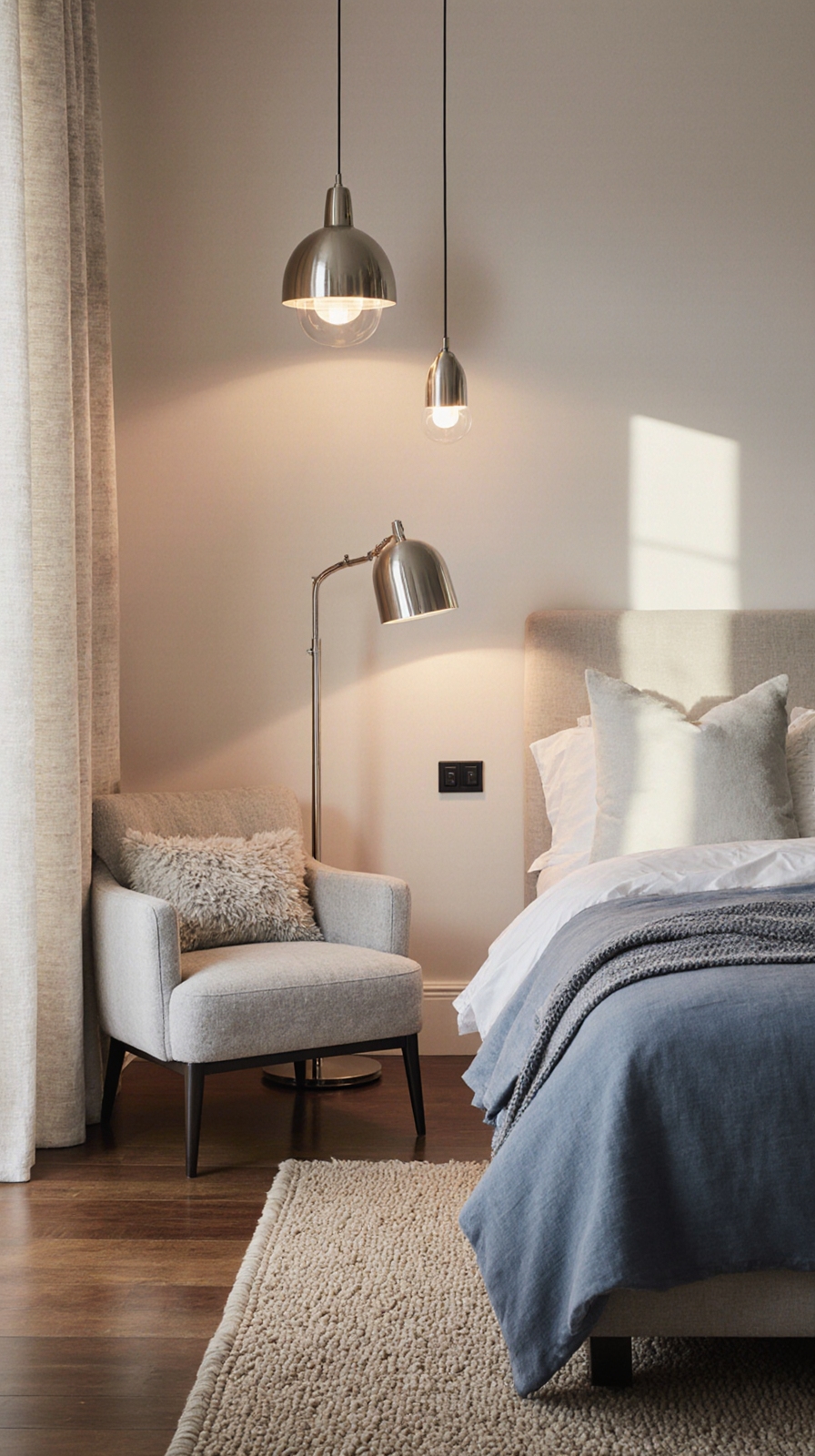
Lighting shapes how a room feels more than almost any other element, and once you start layering it thoughtfully, your bedroom begins to feel less like a place you retreated to and more like a place you chose.
Build three layers: ambient light overhead for general glow, task lighting beside your bed for reading or winding down, and soft accent lights in corners or along the floor for warmth.
Use warm bulbs between 2700K and 3000K, add dimmers wherever possible, and place lamps at varied heights. Together, these layers create the kind of golden, gentle atmosphere that genuinely feels like your’s.
Decorate Your Bedroom to Reflect Your New Identity
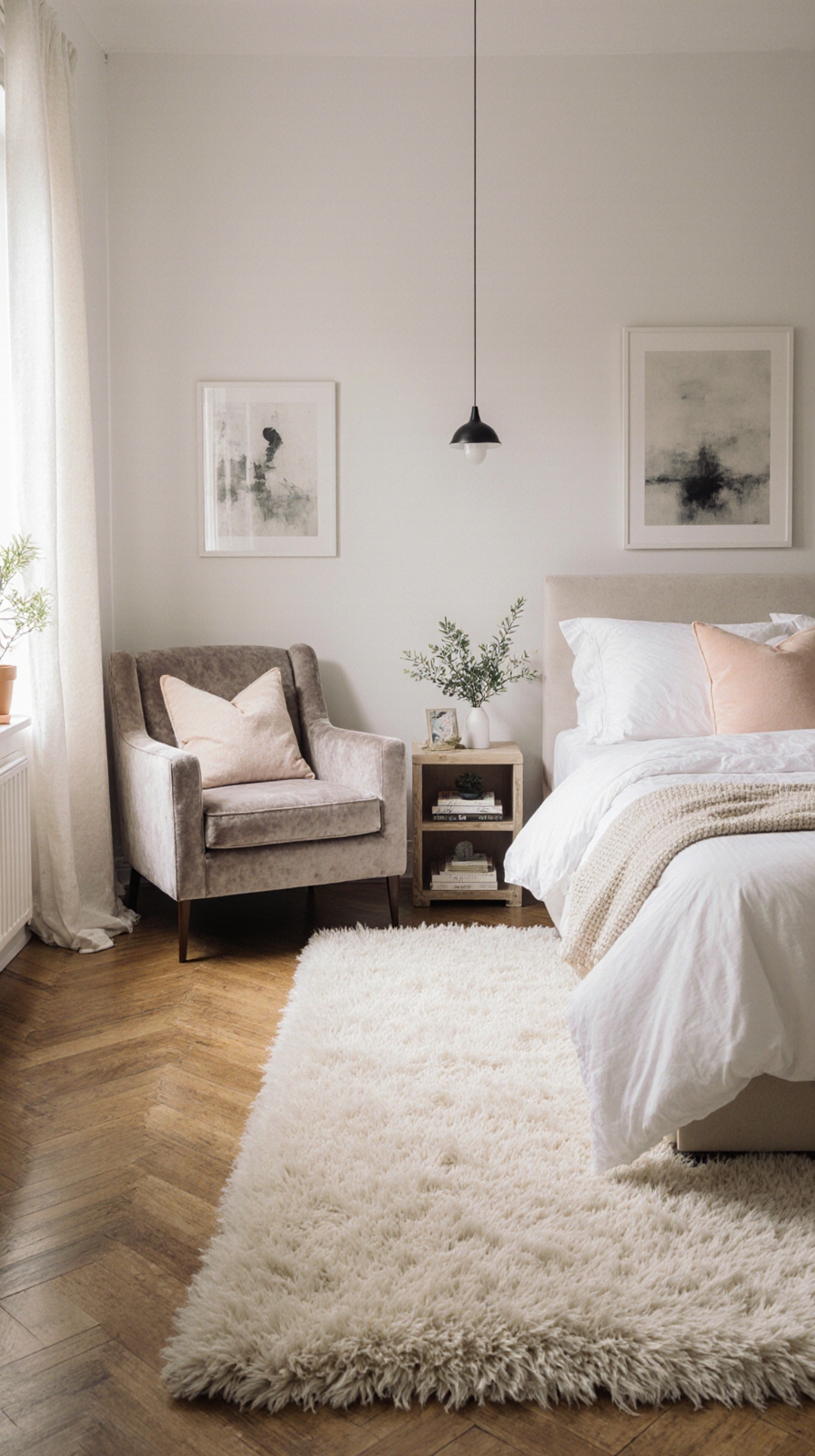
There are few moments more quietly powerful than deciding, for the first time, exactly what your bedroom will look like on your own terms.
Replace anything that pulls you emotionally backward, and fill that space with objects that celebrate who you’re becoming.
- Remove relationship memorabilia that quietly keeps grief alive,
- Display art, books, or travel pieces that reflect your personal story,
- Style one shelf or dresser top as your personal “identity vignette”,
- Add a journal, vision board, or inspiring quote that anchors your goals.
This room belongs entirely to you now, decorate it accordingly.
Add Feminine Details That Make the Space Feel Like Yours
Once the bones of your identity are visible in the room, it’s time to dress them, and that’s where feminine details do their quiet, beautiful work.
Swap harsh hardware for rose gold or brass accents on lamps and frames, and let muted florals or botanical prints soften your walls with gentle meaning.
Layer faded velvets and brushed linens across your bed, choosing textures that feel like comfort made visible.
Choose art that speaks to who you’re becoming, not who you were. Every carefully chosen detail whispers that this space belongs entirely, beautifully, and unapologetically to you.
How to Redo Your Bedroom After Divorce on a Tight Budget
Everything you need to transform your bedroom doesn’t have to come with a staggering price tag, and that’s one of the most freeing truths you’ll uncover in this season of starting over.
Begin with essentials, then layer in comfort gradually because small changes accumulate into something deeply meaningful.
- Fresh paint in a muted, calming color can make the entire room feel new
- New bedding immediately shifts the atmosphere and reflects your personal style
- Thrifted furniture with good bones can be refreshed with paint or new hardware
- Layered textiles like throws, rugs, and pillows add warmth without overspending
Add to Your Bedroom Slowly as Your New Life Takes Shape
Your bedroom doesn’t have to come together all at once, and honestly, it’s better if it doesn’t.
Start with a calm, neutral foundation, soft bedding, simple furniture, and gentle lighting, then let the rest unfold naturally. Add a throw blanket when the evenings feel lonely, a favorite print when you’re ready to claim the walls as yours, a small reading chair when quiet mornings become something you look forward to.
Each addition reflects who you’re becoming, not who you were. Let your space grow with you, slowly, intentionally, and beautifully, one meaningful layer at a time.